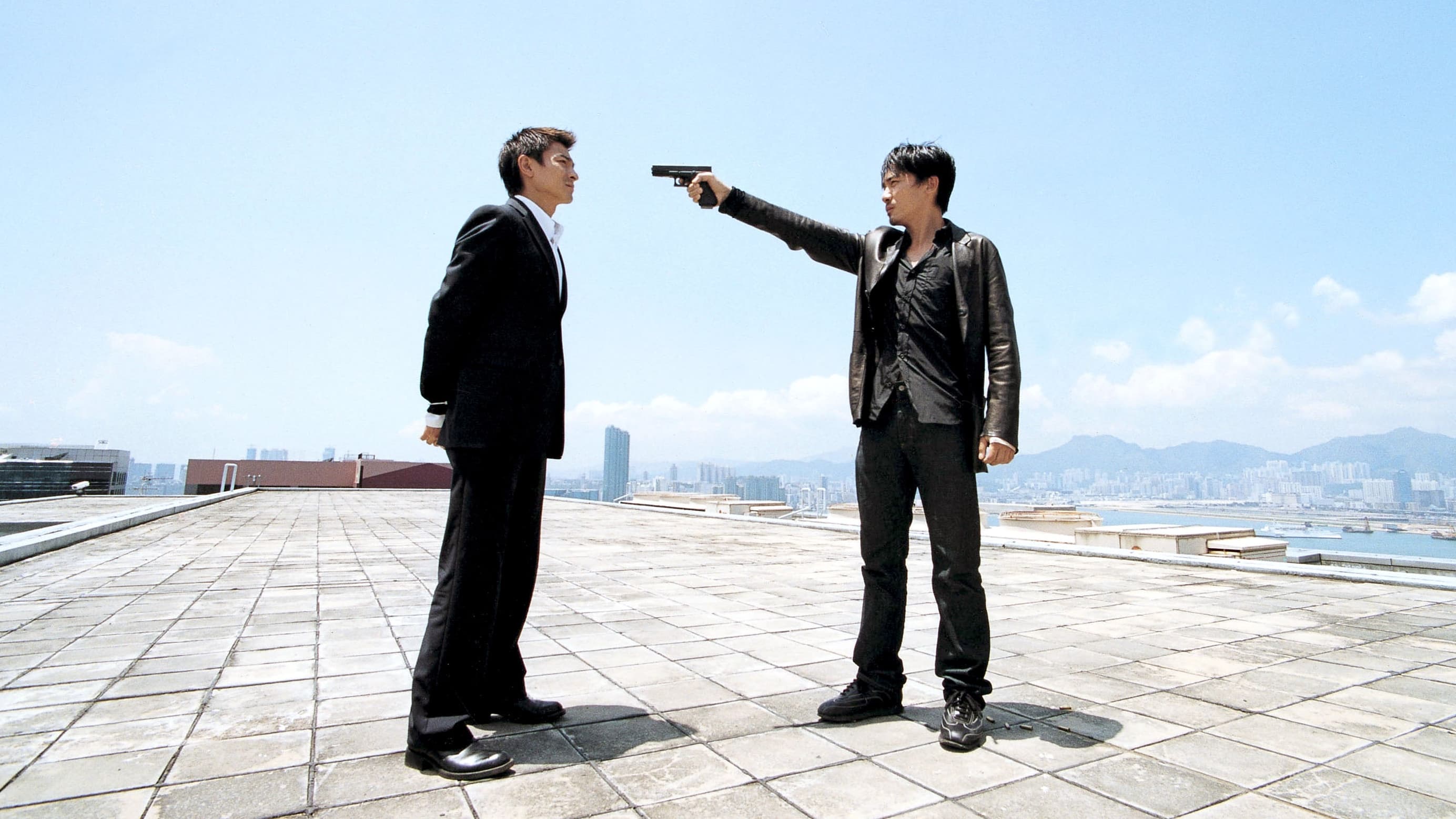

Infernal Affairs (2002) arrives without a single wasted scene. Two men are embedded in enemy territory: a cop (Tony Leung) planted inside the triads, a triad man (Andy Lau) planted inside the police. Neither can surface. Neither can quit. Directors Andrew Lau and Alan Mak build the whole film on that single structural tension, then let it breathe through performance rather than exposition. The result is a thriller that feels architectural, its dread arising not from action but from the slow compression of two lives built on fabrication. If you love Infernal Affairs, you love the mole story at its most precise, the feeling of a trap closing so gradually that the protagonist almost believes he is safe.
Essential Infernal Affairs
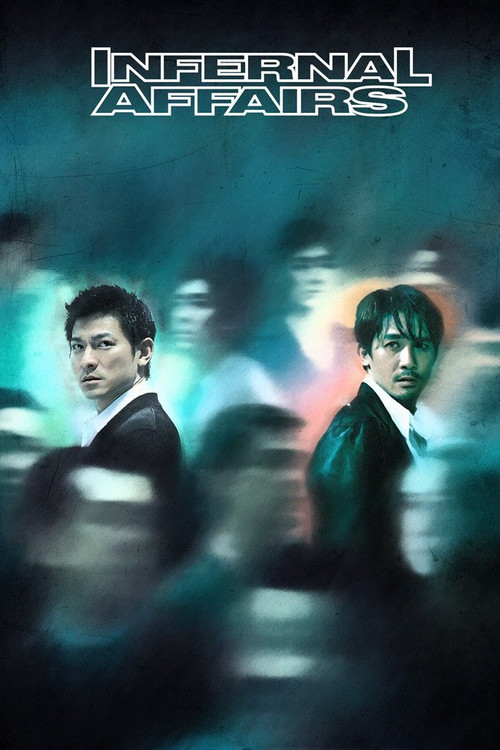
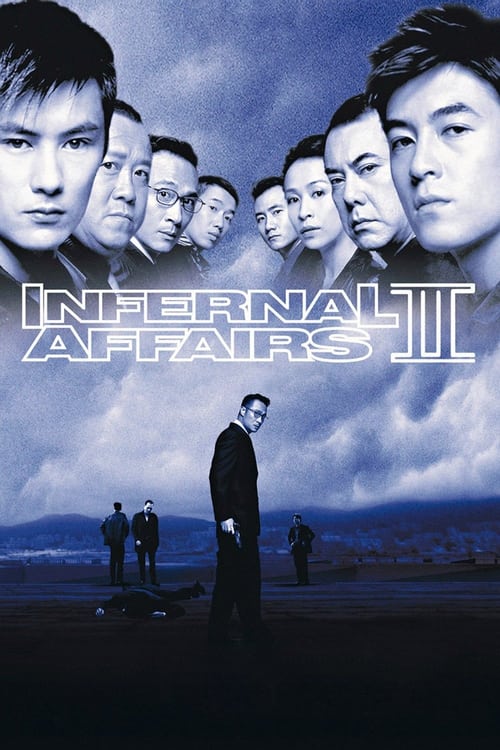
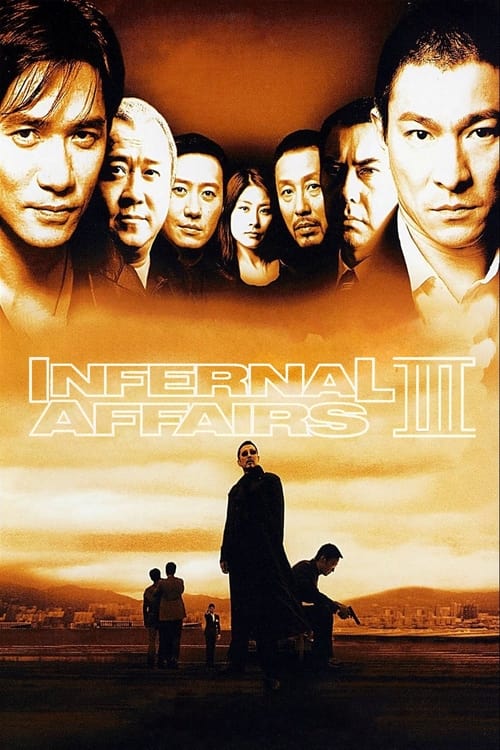
The trilogy and its closest Hong Kong kin

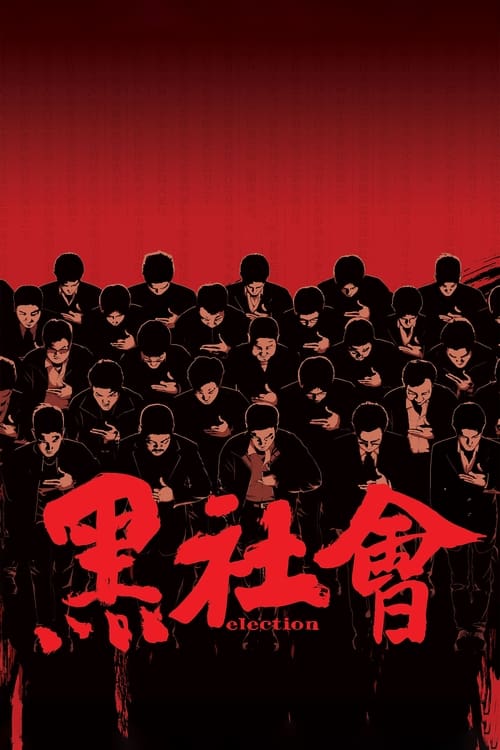
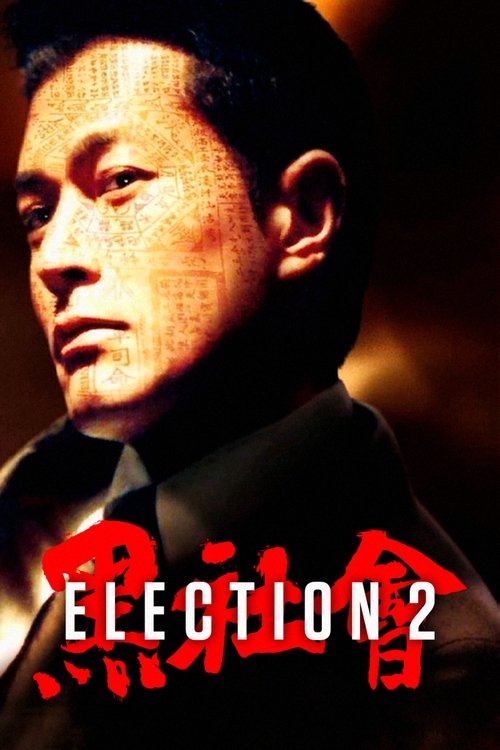
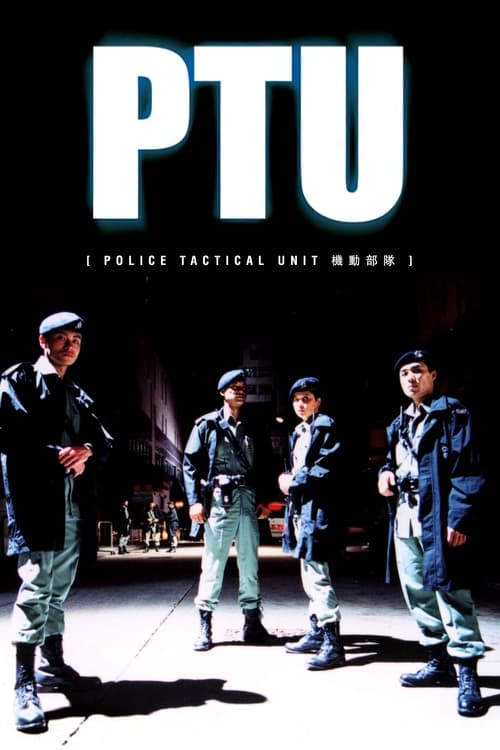

If You Love the Double Agent Trap
Films and series where identity is the weapon
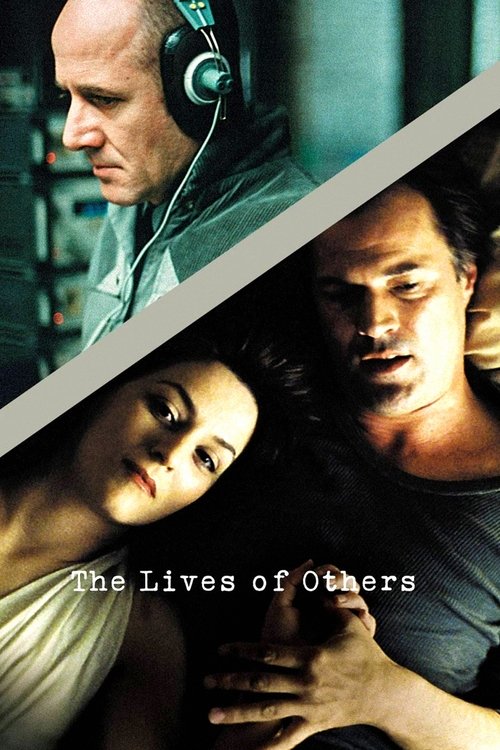


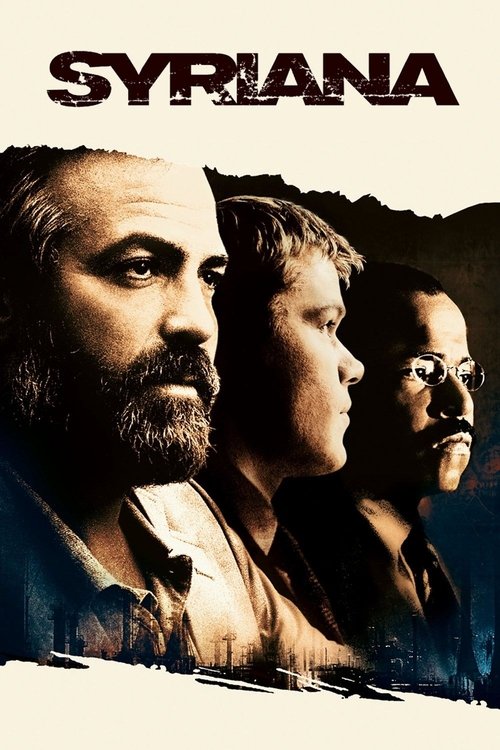
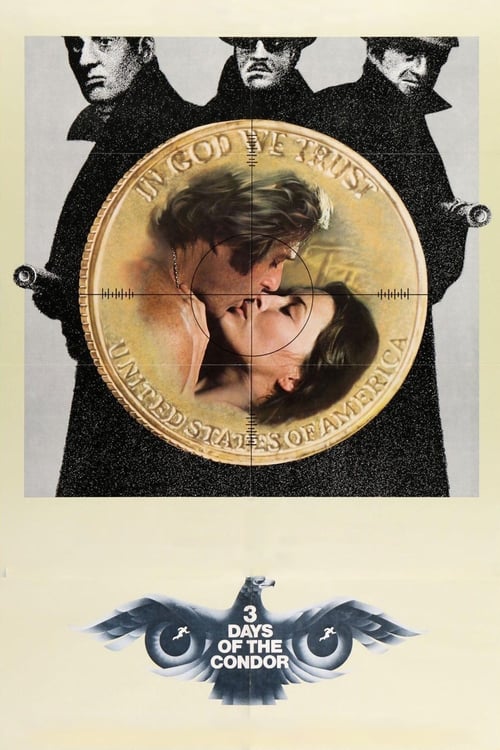


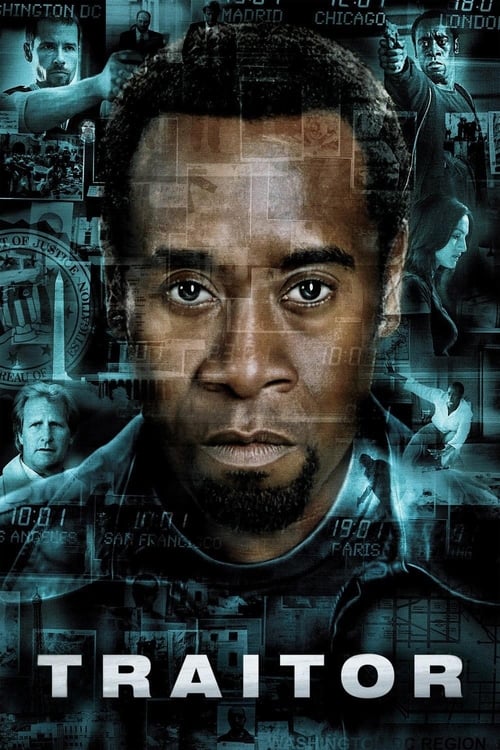
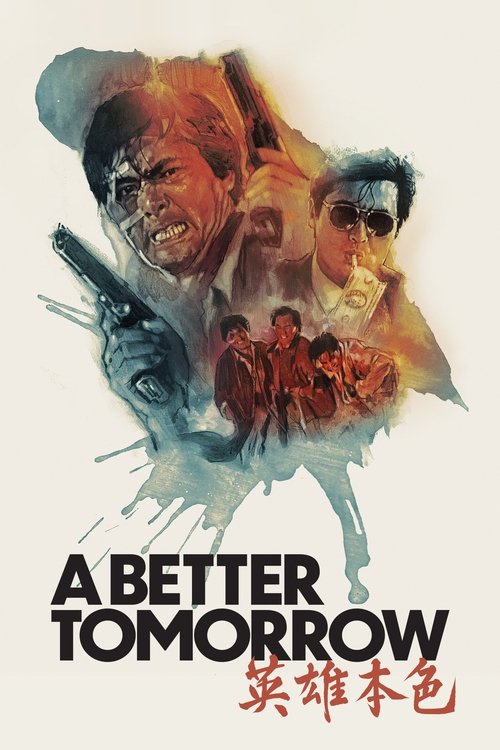
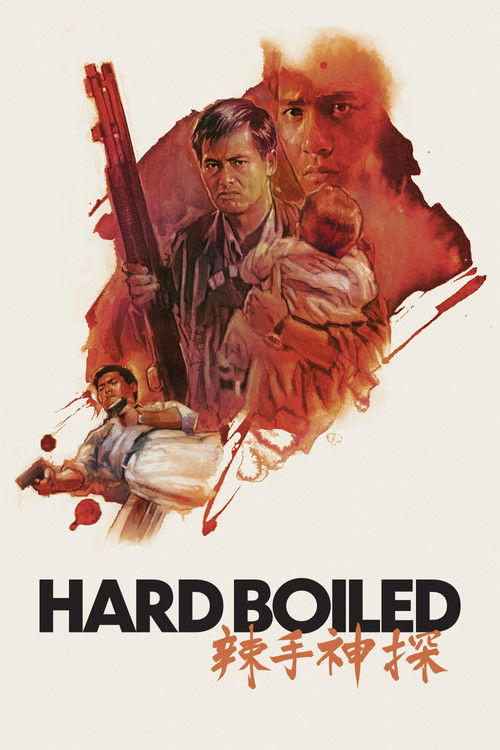
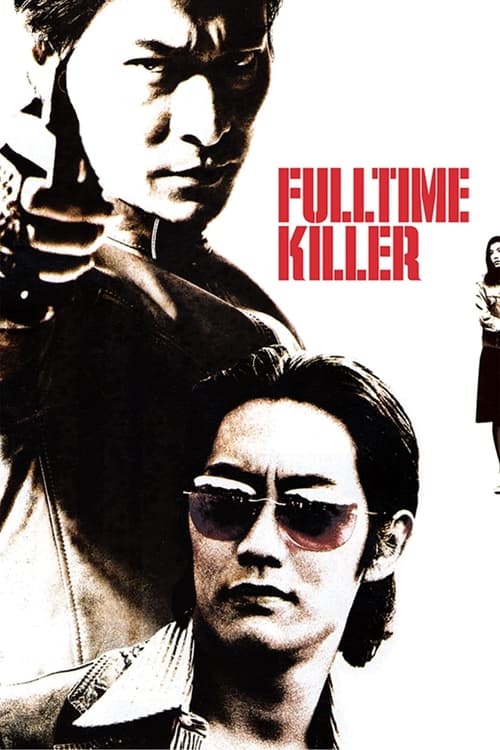
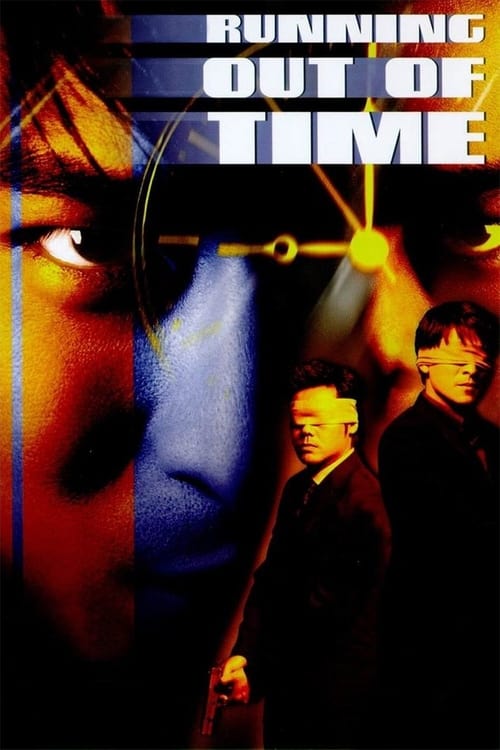
Hong Kong Crime at Its Peak
The films that defined a city and a genre


The Novels That Built the Mole Genre
Espionage and crime fiction with the same architecture of deception


Games of Loyalty, Deception, and Compressed Tension
Play where identity and trust are the stakes

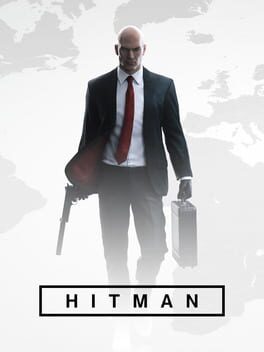
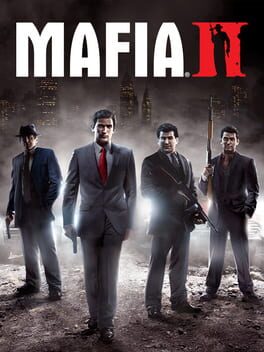
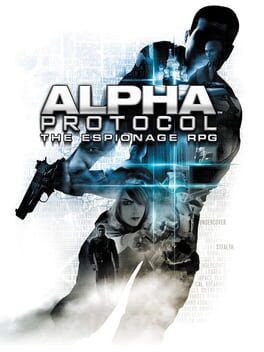
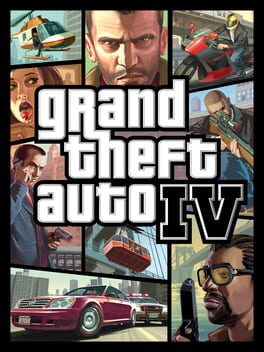

Andy Lau Plays the More Interesting Lie
Tony Leung gets the critical attention, and his performance deserves every word. But Andy Lau's Ming is the harder role. Ming chose his own corruption, climbed toward legitimacy, and then found he genuinely wants it. The film never lets him off that hook, and Lau plays the self-deception without flinching. He is not a villain in disguise but a man who has forgotten which disguise is the real one. That ambiguity is what makes Infernal Affairs linger.
The Remake Is Great. The Original Is Irreplaceable.
Scorsese's The Departed is a genuine masterpiece, longer and louder, with a Boston working-class texture the Hong Kong film does not attempt. But Infernal Affairs operates at a different temperature. It is colder, more compressed, and its ending carries a specific kind of fatalism that the remake softens. Watching both is not redundant: they are the same skeleton wearing entirely different skin.
Sleeping Dogs Is the Game Version of This Story
Square Enix's open-world crime game puts you inside a Hong Kong cop planted in the triads and does not let you forget the cost. The city is convincing, the moral exhaustion is real, and the story keeps asking whose side you are actually on. It shares Infernal Affairs' core anxiety: what happens to the person underneath the cover when the cover runs long enough. For fans of the film who want to play inside that feeling for twenty hours, Sleeping Dogs is the honest answer.
John le Carre Built the Room Infernal Affairs Lives In
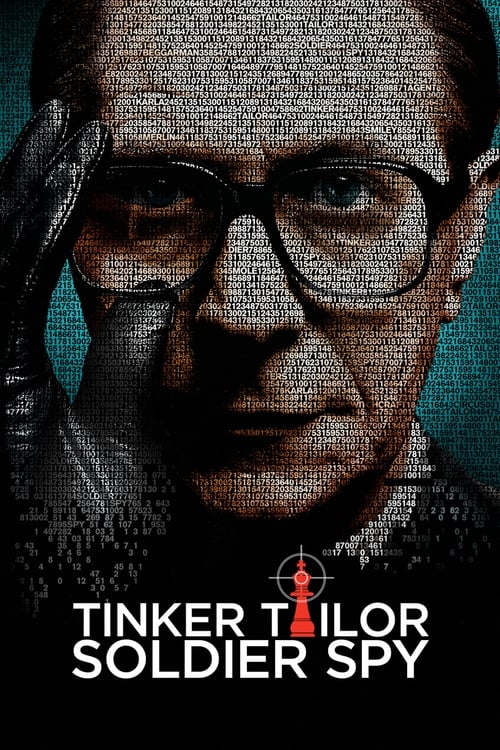
Andrew Lau and Alan Mak did not need to cite le Carre, but Tinker Tailor Soldier Spy occupies the same moral territory: institutions that corrupt the people who serve them, loyalty as the first casualty of survival. Le Carre's George Smiley and Infernal Affairs' Yan share a particular exhaustion, a knowledge that doing the job correctly means becoming something you did not start as. Reading le Carre after watching the film is not a detour but a continuation.
The Infernal Affairs Timeline
- 1997Hong Kong handover to China, the political context that haunts the trilogy's anxieties about loyalty and legitimacy
- 2002Infernal Affairs released Infernal Affairs
- 2003Infernal Affairs II released, a prequel filling in the origin of both undercover operations Infernal Affairs II
- 2003Infernal Affairs III released, a sequel and partial prequel running parallel to the first film Infernal Affairs III
- 2004Sleeping Dogs (then called True Crime: Hong Kong) begins development, the game that will most directly inherit the film's premise Sleeping Dogs
- 2006The Departed released, winning four Academy Awards including Best Picture The Departed
- 2012Sleeping Dogs released, set in a Hong Kong strikingly modeled on the city of Infernal Affairs Sleeping Dogs
Moles, triads, and Hong Kong crime
Undercover & Deep Cover
Explore the Undercover & Deep Cover guide →I've always wanted to be a good guy. Looks like I'm running out of time.Chan Wing-yan, Infernal Affairs (2002)