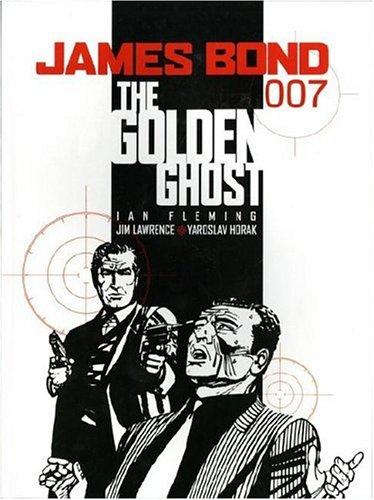

James Bond is the longest-running franchise in cinema history and one of the most durable brand propositions in all of popular culture. The formula Ian Fleming perfected in twelve novels and two short-story collections, beginning with Casino Royale in 1953, is deceptively simple: a professional killing machine with exquisite taste drops into a geopolitical flashpoint and dismantles it through charm, violence, and improvised ingenuity. What keeps the machine running across seven decades and six actors is the tension underneath that formula. Bond is a fantasy of total competence projected onto a world where competence is never quite enough. The villain always has more resources. The stakes are always civilizational. And the man always walks out anyway, bruised and underdressed, with an exit line that costs him nothing. Fans of Bond are not simply fans of action. They are fans of a particular mood: the specific register of cool-under-pressure, morally flexible, aesthetically obsessed adventure that the franchise has made its own. That mood, it turns out, lives everywhere, not just in the Eon Productions canon.
Essential James Bond
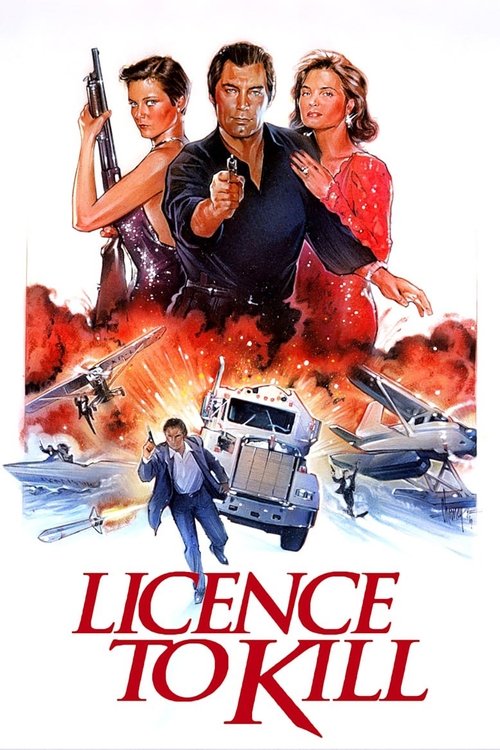
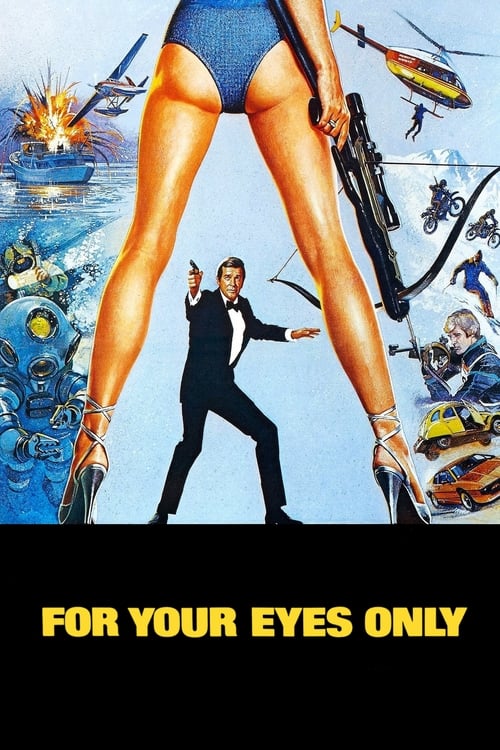
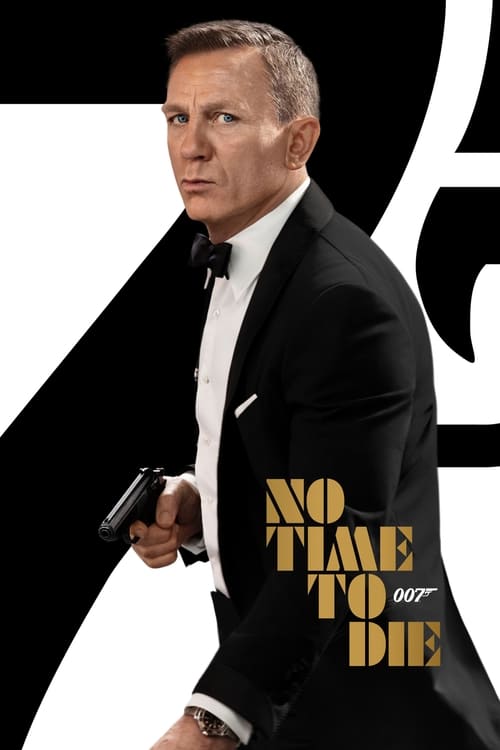
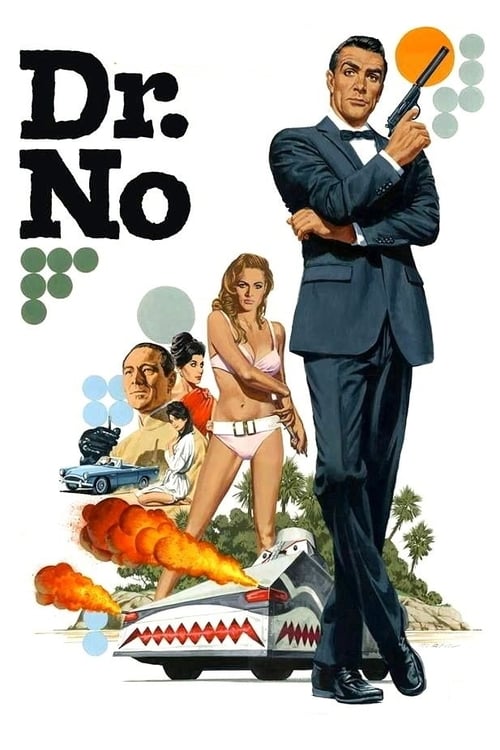
The Eon Productions film canon, ranked by the consensus that matters most: rewatchability
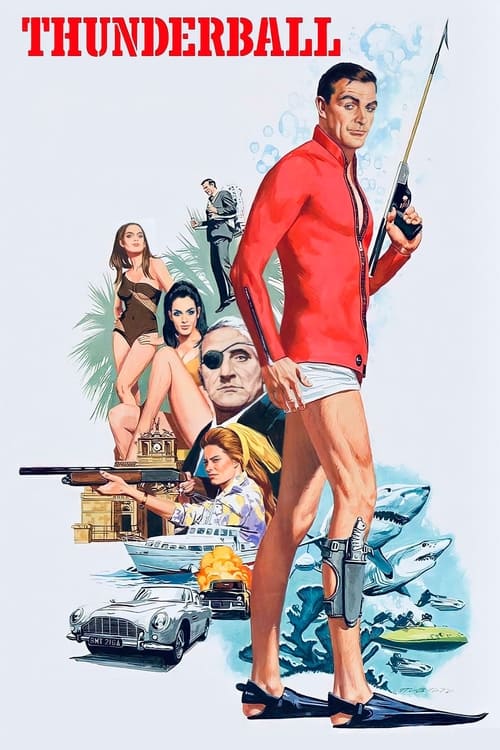
Where Bond Began: The Fleming Novels
The source material is leaner, colder, and stranger than any adaptation. Start here.


Continue the Mission: Bond Games
When the credits roll, these put you behind the Walther PPK
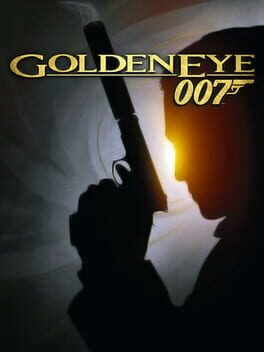
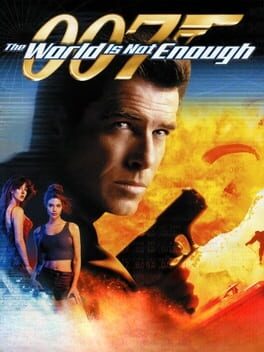
GoldenEye 007 Invented the Console Shooter
Rare's 1997 N64 adaptation of the Brosnan film did something the Bond films themselves have rarely managed: it changed the medium it inhabited. The split-screen multiplayer mode that shipped almost as an afterthought became the prototype for every console first-person shooter that followed. The single-player campaign was the first game to make stealth, objective variety, and weapon realism feel native to a console. People who were twelve years old in 1997 will still argue about proximity mines with genuine heat. The game aged into its pixels; the influence never aged at all.
The Spy Thriller Canon: Films and Series
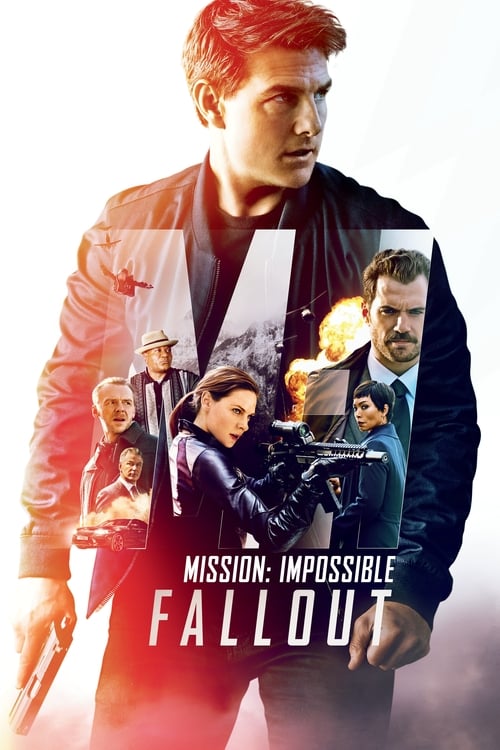
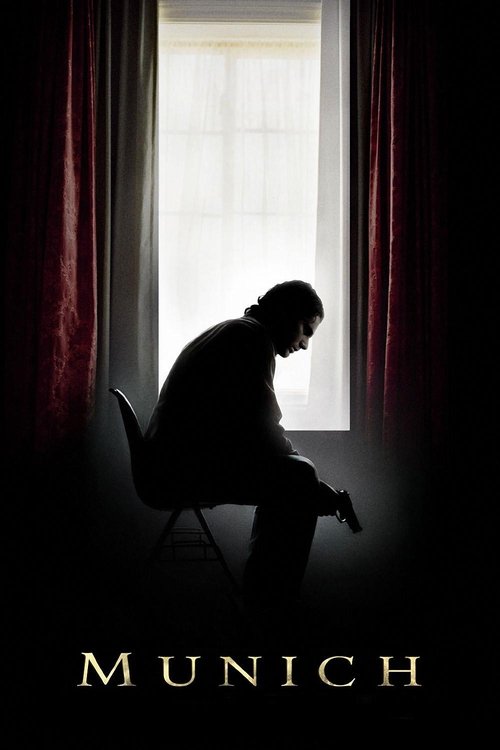
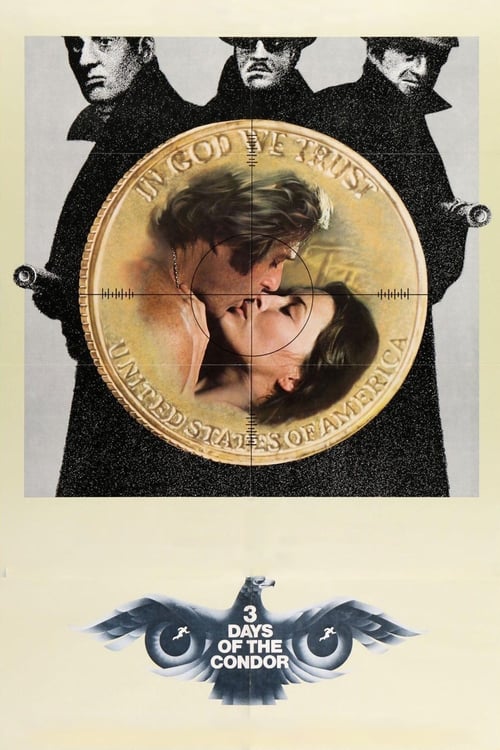
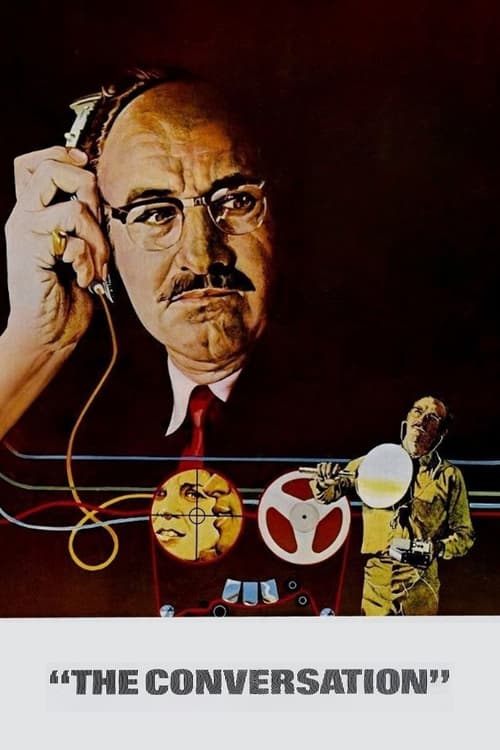
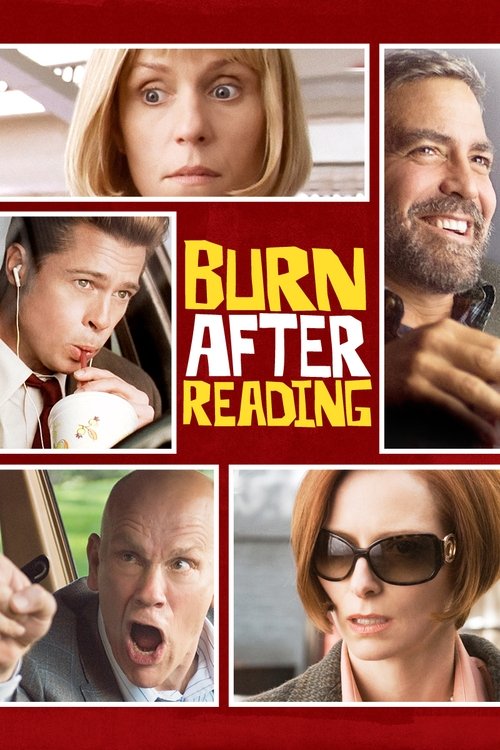
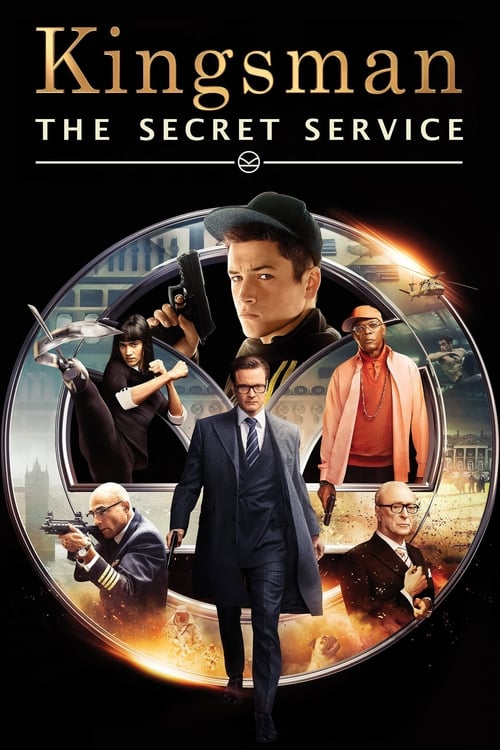
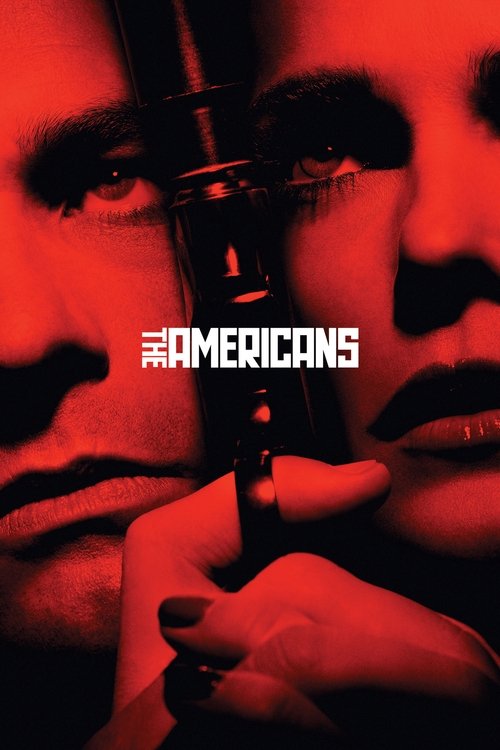
Same cocktail, different glass. These share the Bond DNA without the brand.
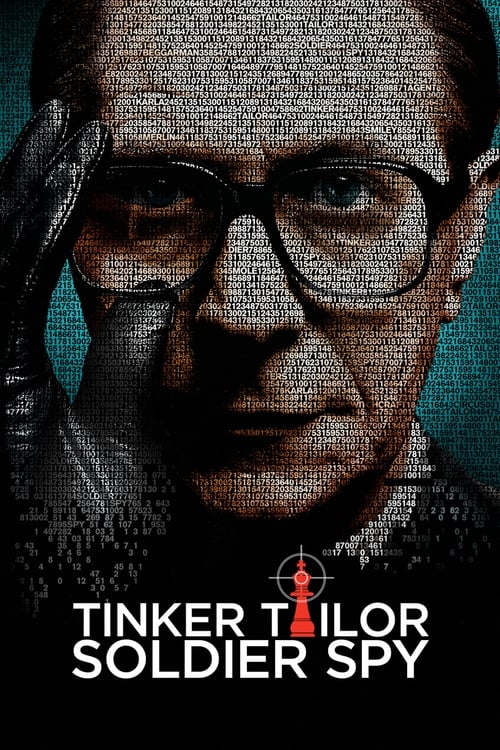
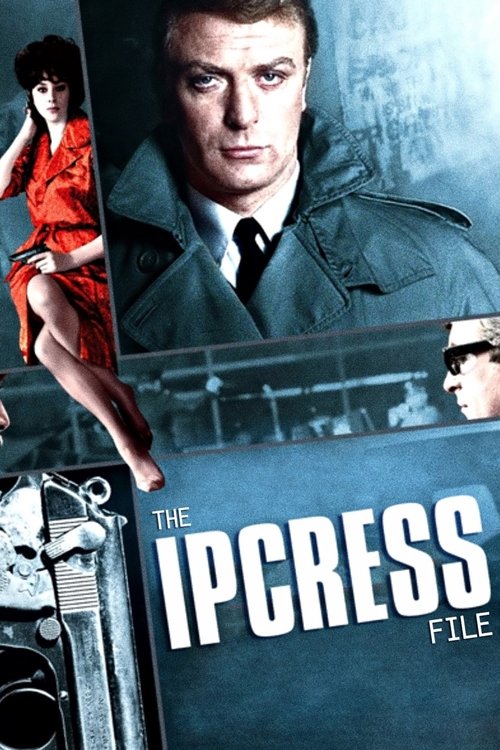
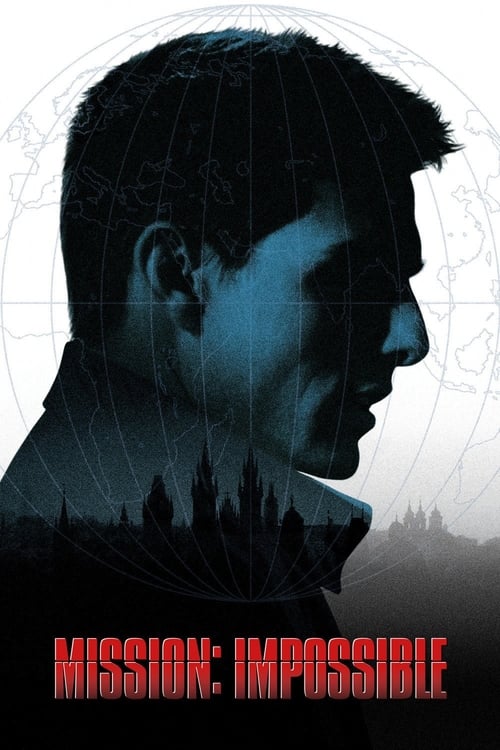
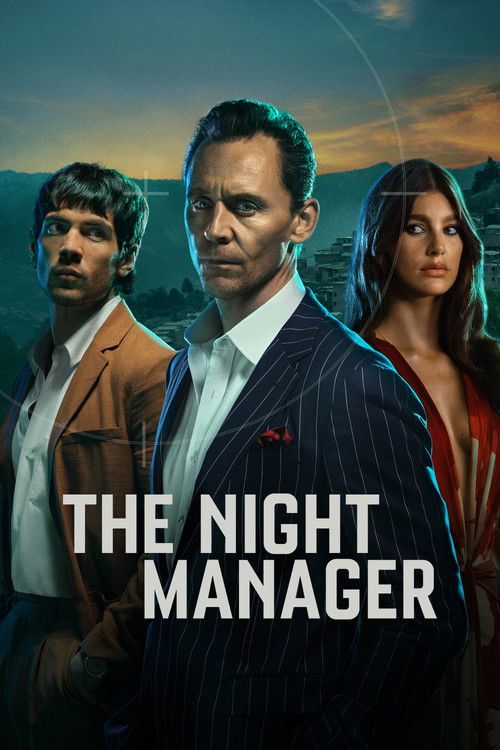

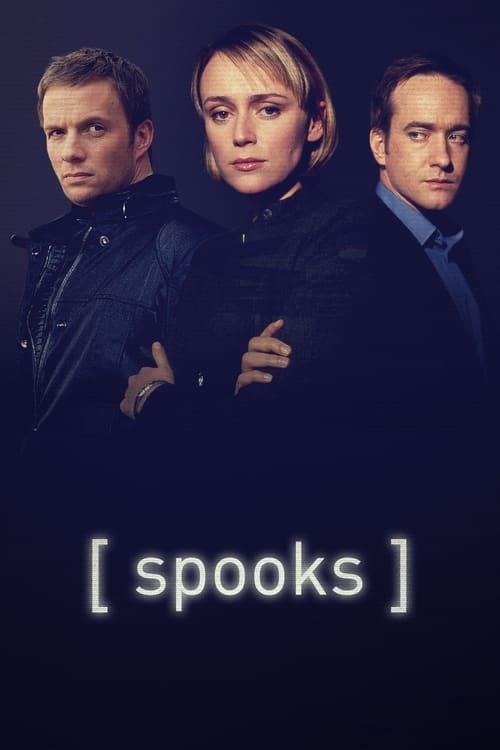
Spy Thrillers on the Page
The books that built the genre Bond commercialized, and the ones that subverted it hardest


Games with the Same Operational DNA
Infiltration, precision, gadgets, and suits that probably cost more than the mission
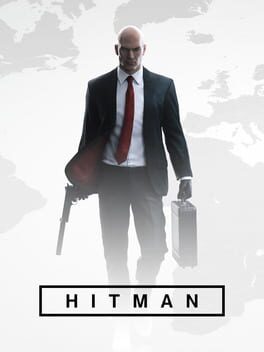
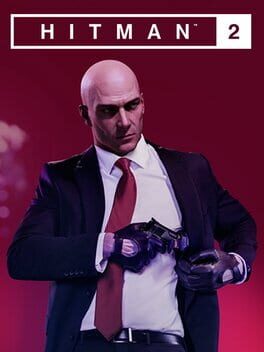
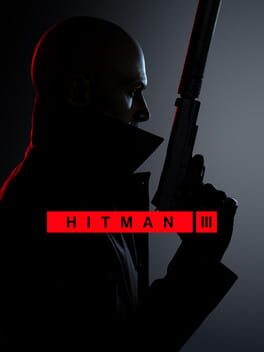
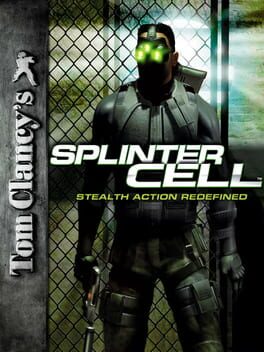
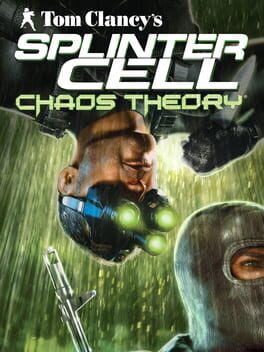

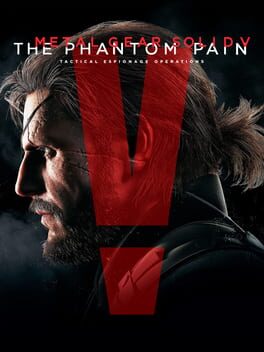
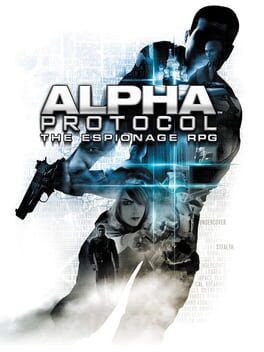
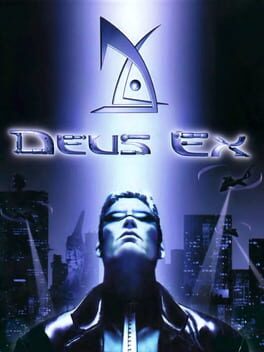

Fleming's Bond Is Colder Than Any Film Dared
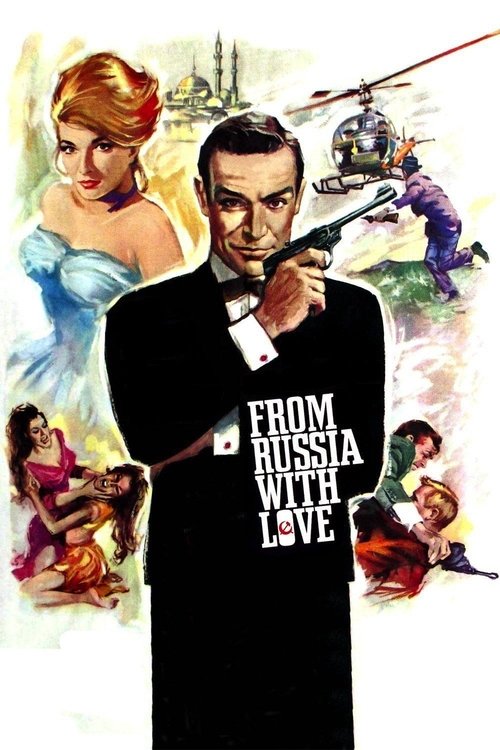
The novels that spawned the franchise are exercises in controlled menace that the films softened almost immediately. Fleming's Bond eats and drinks with clinical excess, kills without ceremony, and carries a worldview that has curdled into something uncomfortably reactionary by contemporary standards. The gap between the page and the screen is instructive: the films turned an operational asset with a death wish into a fantasy figure. Reading the source, particularly Casino Royale, From Russia with Love, and The Spy Who Came in from the Cold (le Carre's great correction), tells you everything about what the adaptation chose to leave behind and why.
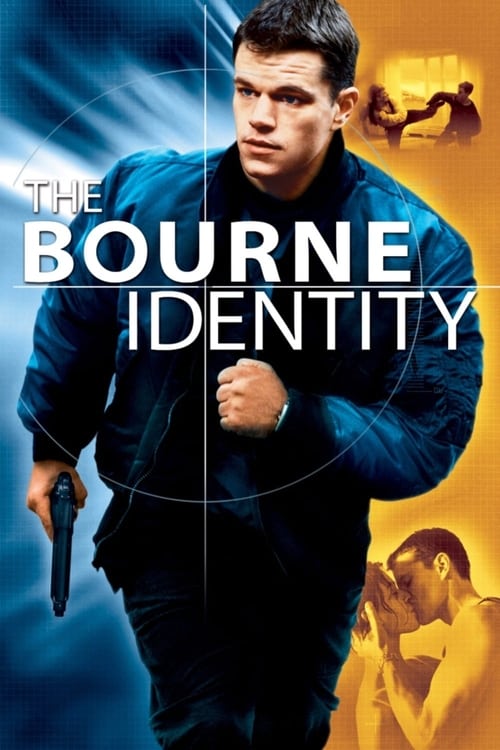
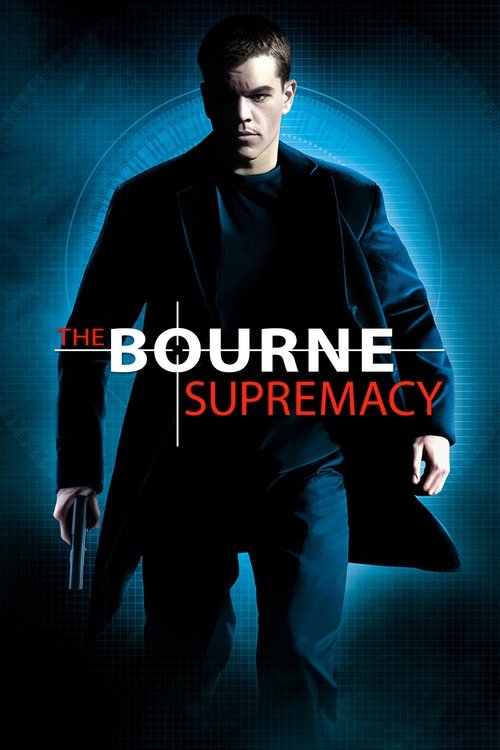
The Bourne Films Forced Bond to Grow Up
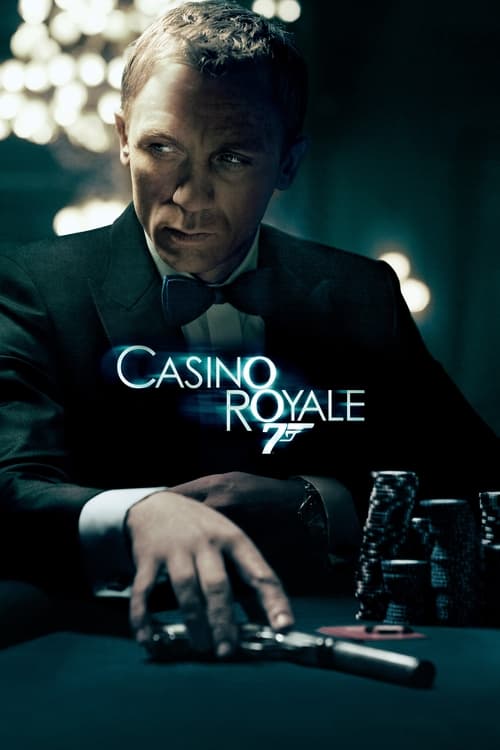
The Bourne Identity's 2002 release, with its handheld immediacy and amnesiac hero, made the Brosnan Bond films look like colour supplements from a different era. The recalibration was total. Casino Royale (2006) dropped the gadget comedy, gave Bond a character arc, and shot action with the same brutalist economy Bourne had established. The two franchises spent a decade in dialogue, each raising the physical and emotional stakes the other had to match. That competition produced some of the best action filmmaking of the period from both sides.
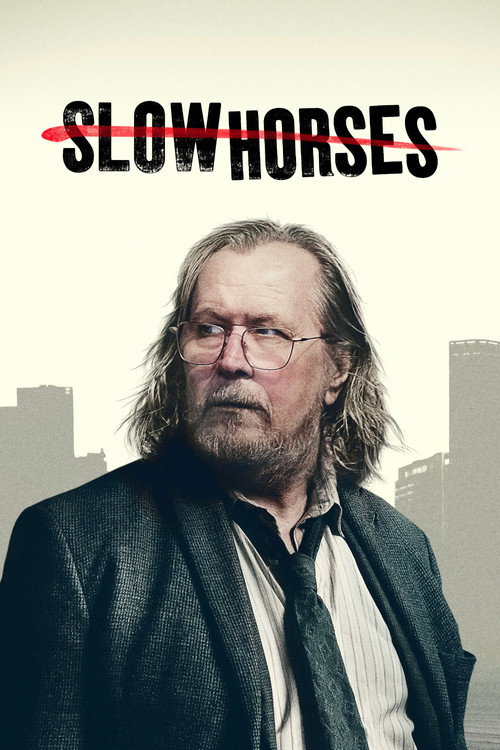
Slow Horses Is What Happened After Bond Retired
Mick Herron's Slough House novels, adapted into the Apple TV series, occupy the anti-Bond position with genuine affection for the genre they're deflating. The agents here are the ones who made career-ending mistakes, filed into a building that smells of failure, and are still somehow essential when things go badly wrong. The series understands that most intelligence work is institutional damage control, petty hierarchy, and accumulated shame. It is also compulsively enjoyable. If Bond is the franchise's fever dream of what the service could be, Slow Horses is its hangover.

Bond Across the Decades
- 1953Fleming publishes Casino Royale, inventing the modern spy thriller
- 1962Dr. No launches the Eon Productions film series with Connery Dr. No
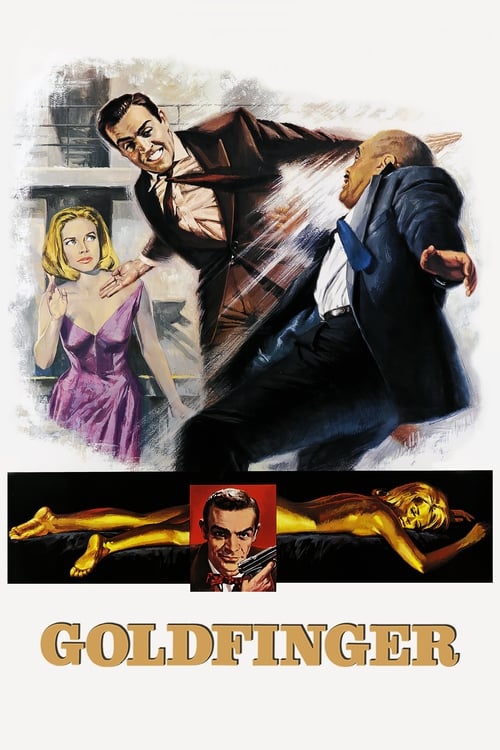
- 1964Goldfinger defines the Bond formula: villain, lair, car, girl Goldfinger
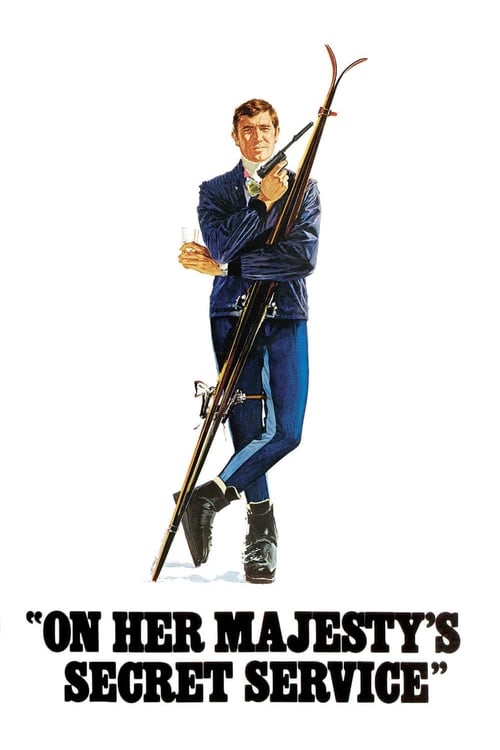
- 1969On Her Majesty's Secret Service breaks the formula and breaks Bond On Her Majesty's Secret Service
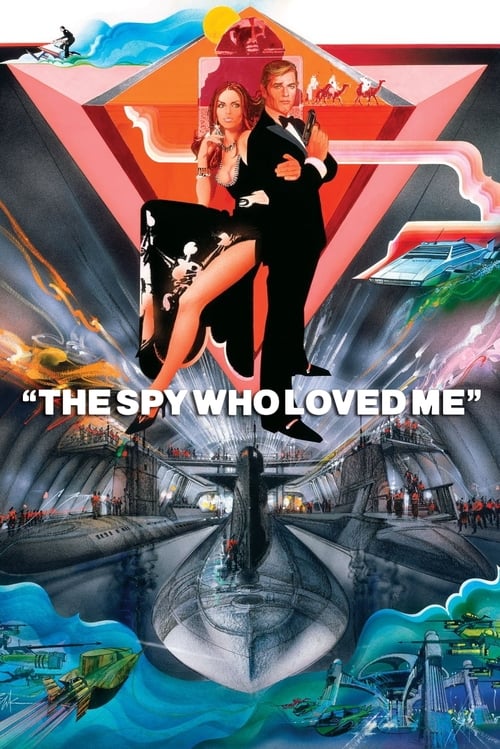
- 1977The Spy Who Loved Me reaches peak spectacle with the Lotus submarine car The Spy Who Loved Me
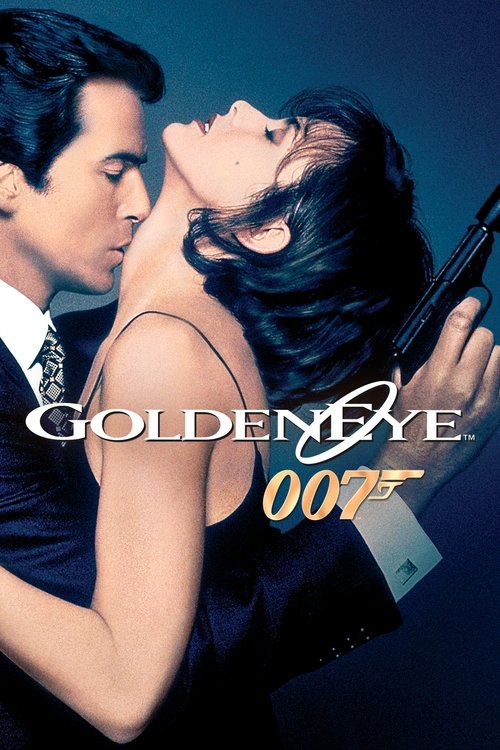
- 1995GoldenEye revives the franchise post-Cold War and introduces Brosnan GoldenEye
- 1997GoldenEye 007 on N64 rewrites what a shooter can do on console GoldenEye 007
- 2006Casino Royale resets the series with Daniel Craig and genuine gravity Casino Royale
- 2011Slow Horses begins, building the genre's greatest anti-Bond institution Horses!
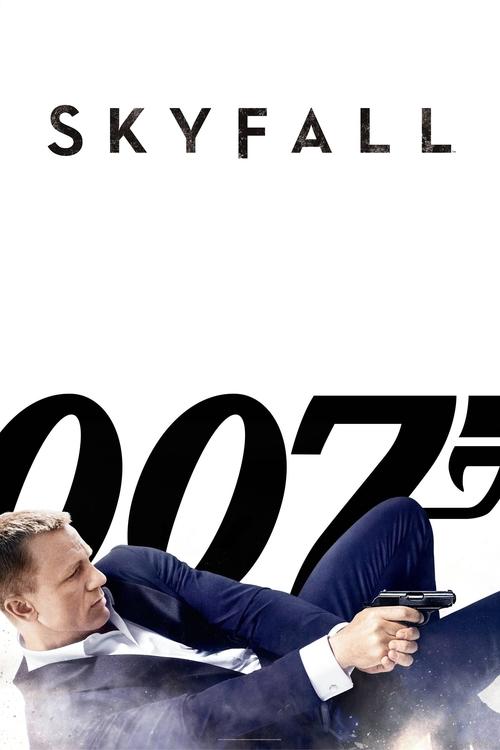
- 2012Skyfall becomes the franchise's highest-grossing film Skyfall
- 2021No Time to Die closes the Craig era with the franchise's most consequential ending No Time to Die
Spies, Assassins, and the Bond Canon
Spies & Espionage
Explore the Spies & Espionage guide →Bond is not a person. Bond is a mood: the specific fantasy that taste, preparation, and nerve are enough to hold the world together for one more evening.CrossBinge