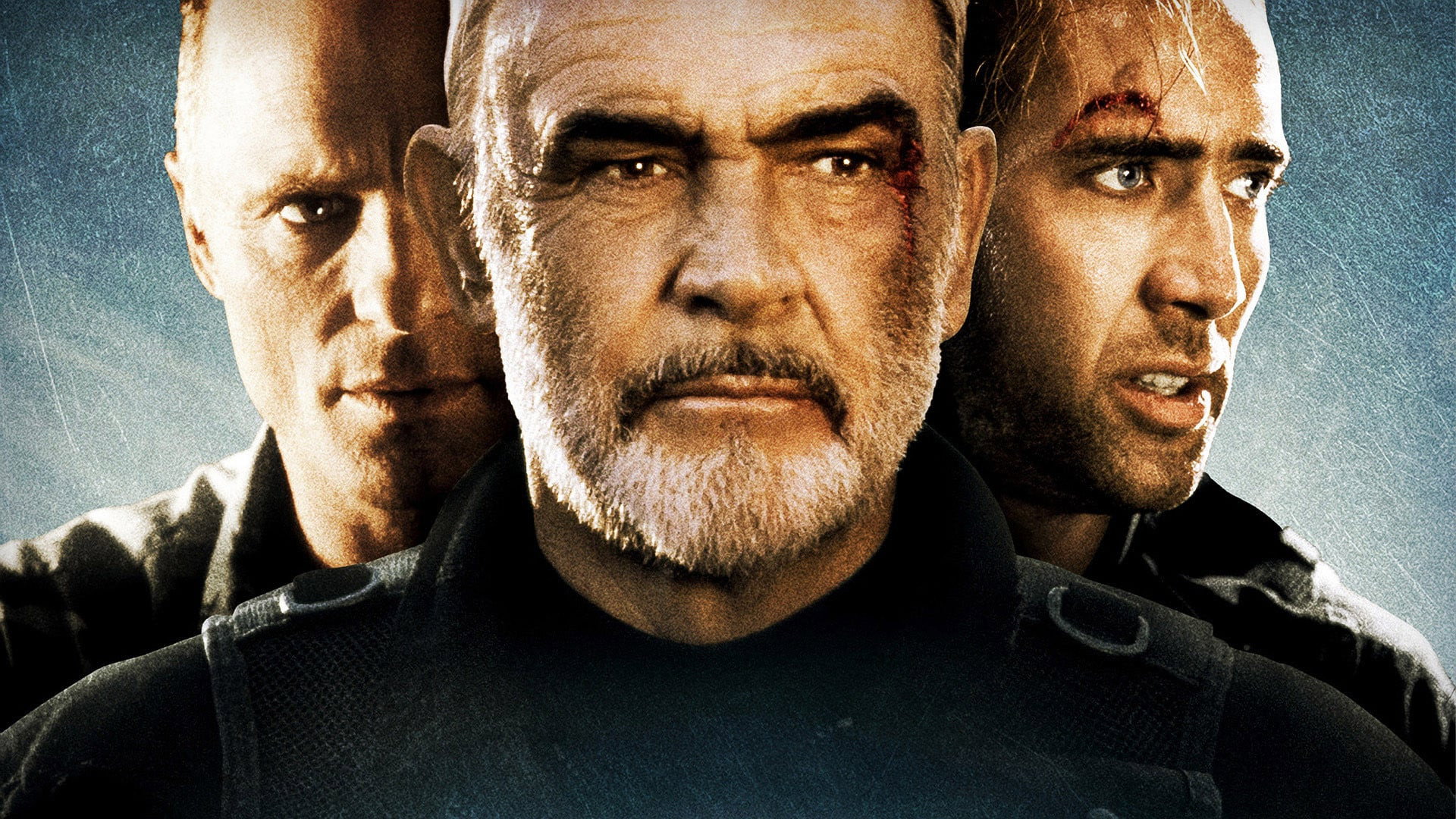

Sean Connery built a career on a paradox: the rougher and more self-possessed he got, the more magnetic he became. He arrived as James Bond in 1962 and defined screen cool for a generation, but the decades that followed showed he was far more than a single franchise. From Scottish working-class origins to an Oscar for a Chicago cop, from mythic archers to medieval monks, Connery kept finding roles that suited his particular gravity. What fans chase is not just charisma but weight: the sense that the man on screen has been somewhere and knows something. That quality turns up in certain kinds of thrillers, heist films, adventure stories, and the novels and games that share the same DNA.
Essential Sean Connery
His finest performances across five decades of film
The Other Bonds
Every actor who has carried the 007 mantle, for context and comparison
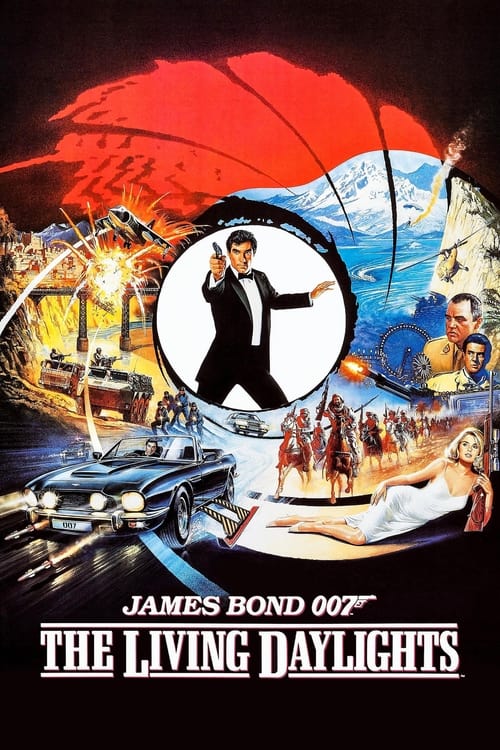
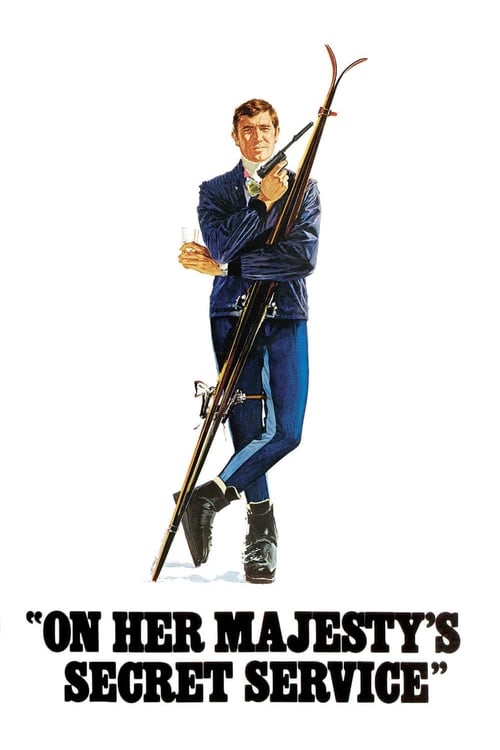
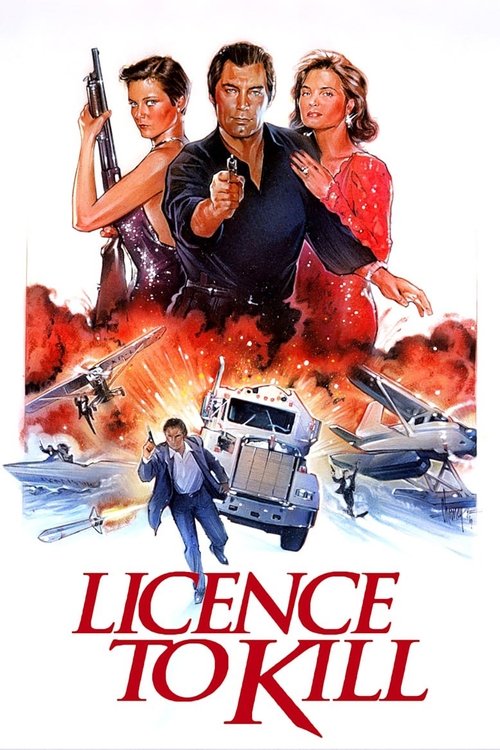
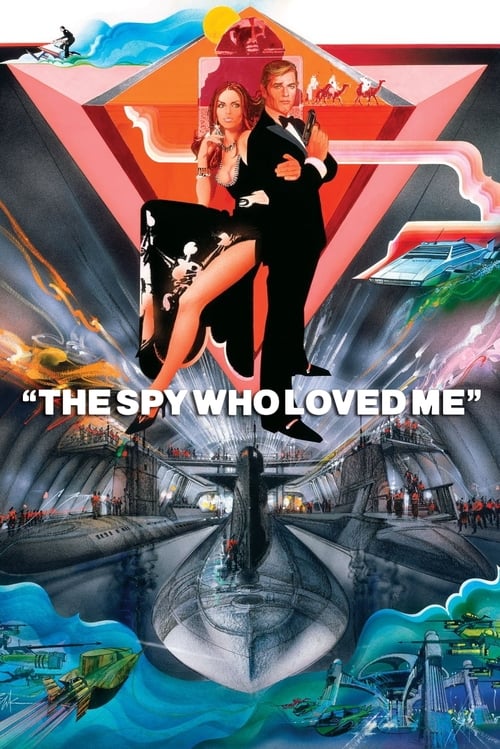
Same-Register Actors: Commanding Presence
Performances with that same earned authority and physical ease
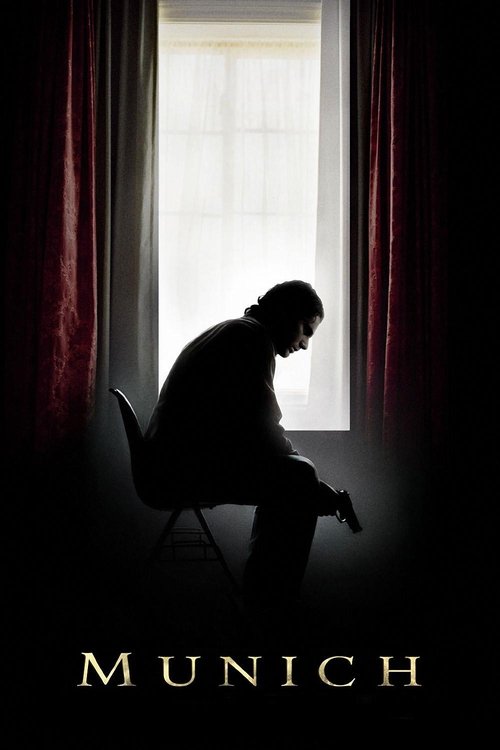
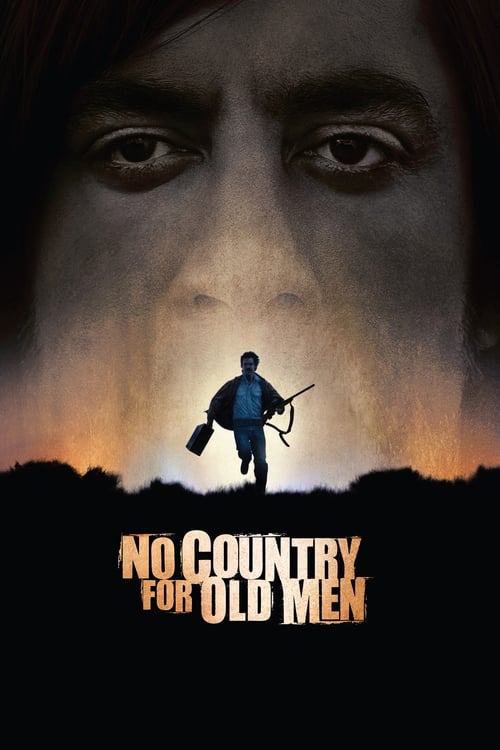
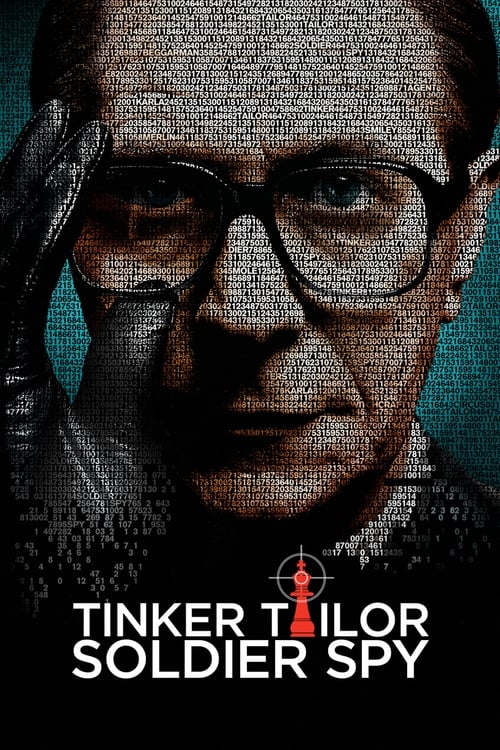
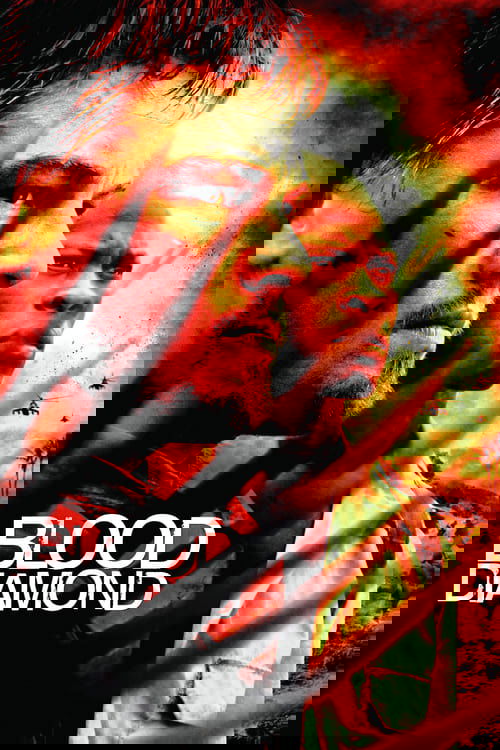
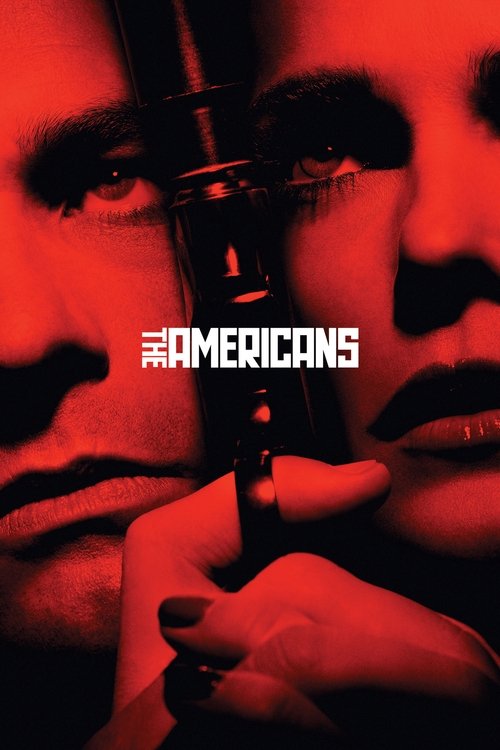
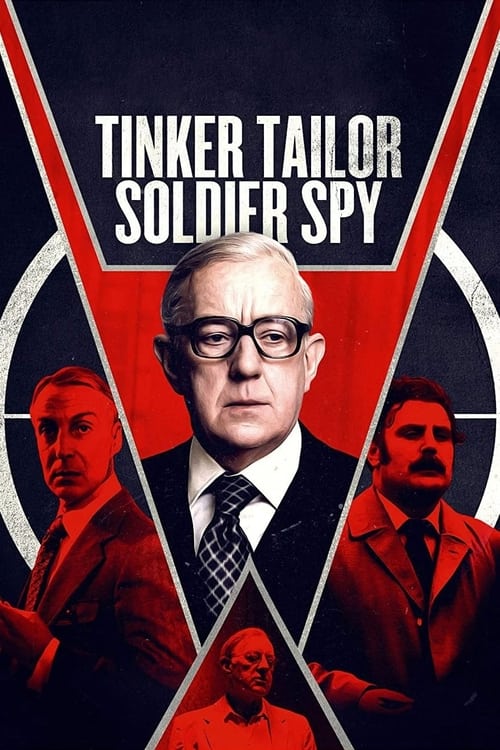
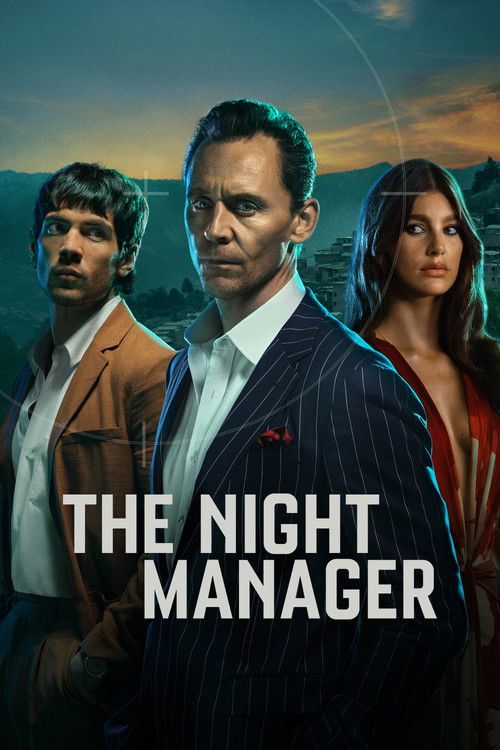
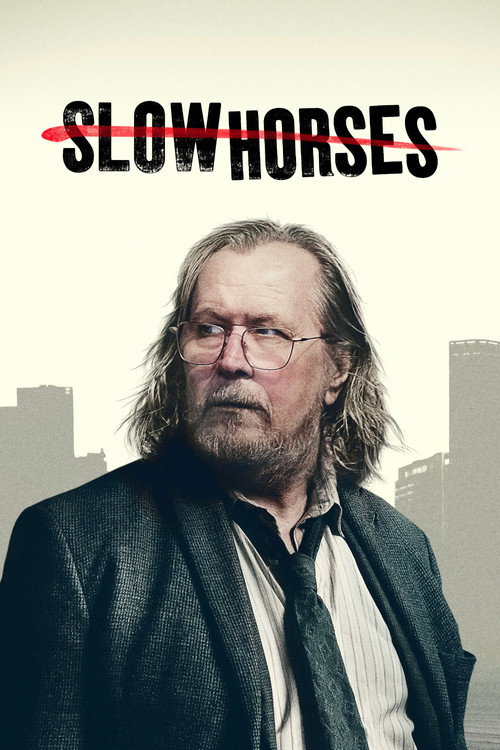
If You Love Bond: Spy Thrillers and Espionage Series
The best of the spy genre on screen

The Books Behind the Man
Novels that share Connery's world: espionage, adventure, medieval mystery


Games with the Same DNA: Espionage, Infiltration, High Stakes
For when you want to play the spy or the operative

The Untouchables is His Best Work and It Is Not Close
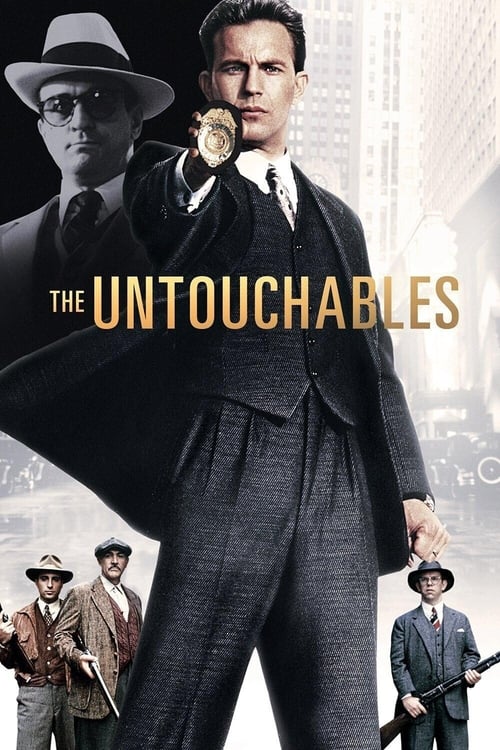
Connery had been charismatic and commanding for decades before Brian De Palma handed him Jim Malone in 1987. But that role gave him something his Bond years rarely required: real vulnerability. Malone is brave, funny, and genuinely mortal in a way that Bond never is. The scene on the church steps, teaching Elliot Ness the Chicago way, is Connery at full force: relaxed, warm, and completely believable. The Oscar he won was the right award for the right performance.
The Name of the Rose Proves He Could Do Literary Adaptation
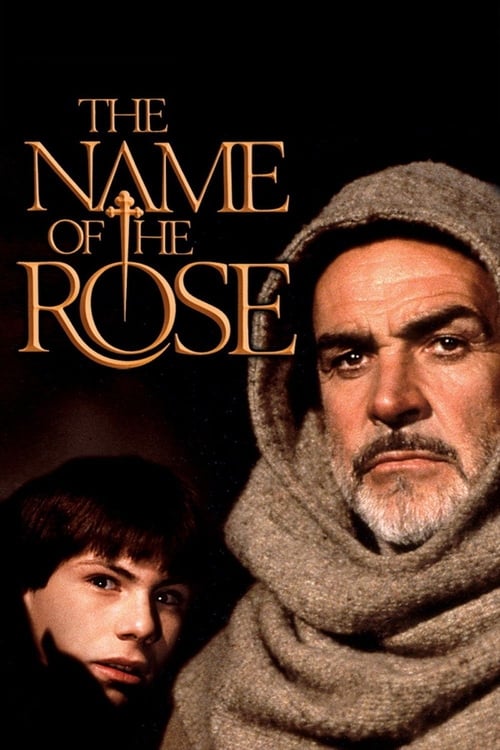
Umberto Eco's novel was considered unfilmable: too dense, too theological, too much Latin. The 1986 adaptation works largely because Connery's William of Baskerville is credible as a genuinely learned man. He plays the detective-monk without condescension, finding the wit in Eco's labyrinthine plot. It remains one of the better literary adaptations of the era and one of Connery's most underrated performances.
Indiana Jones and the Last Crusade Gets the Father-Son Dynamic Exactly Right
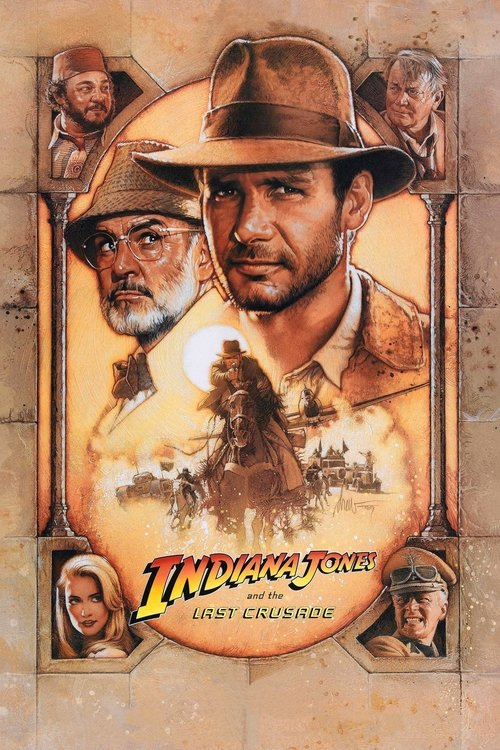
Spielberg made a clever structural decision: cast an actor whose own screen history had weight. Connery as Henry Jones Sr. works because Henry has genuine authority rather than comedic bluster. The chemistry between Connery and Ford is real, built from two performers who both had established identities the audience brought to the cinema. The film's best scenes are simply the two of them talking, disagreeing, and finally understanding each other.
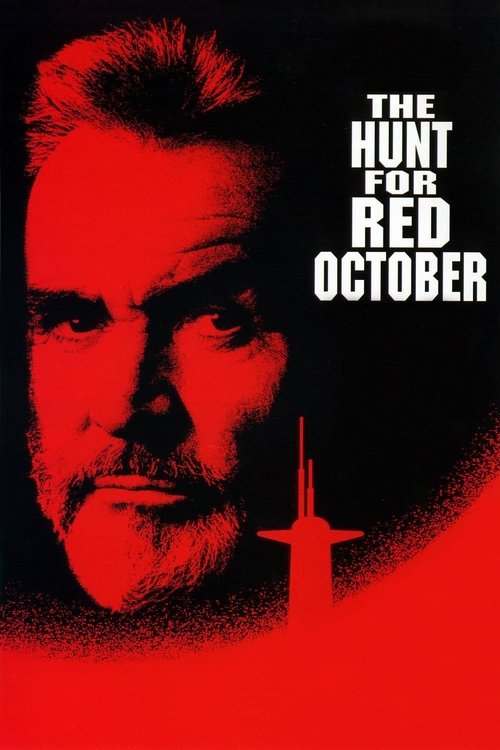
The Hunt for Red October: Cold War Tension Done Right
Tom Clancy's novel is a procedural thriller built on technical detail and geopolitical paranoia. The film keeps the tension and adds Connery as Marko Ramius, a Soviet captain whose motivations remain genuinely ambiguous until the plot requires otherwise. It is a rare instance of a big-budget Hollywood film trusting its audience to follow complex military chess without spoon-feeding every move. Connery's quiet authority makes Ramius credible as a man who could command that kind of loyalty.
A Career in Milestones
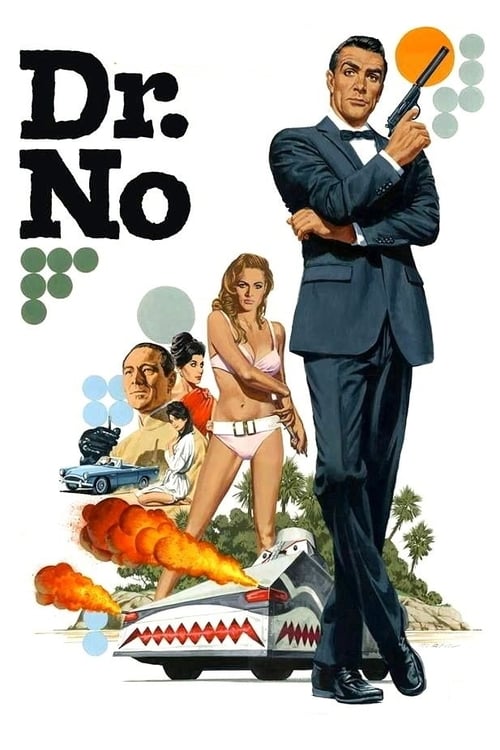
- 1962Introduces James Bond to cinema audiences Dr. No
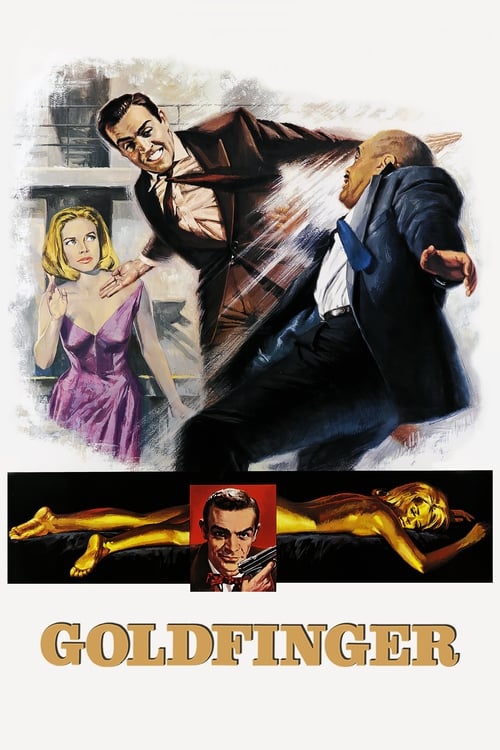
- 1964Peak Bond: the franchise at its most assured Goldfinger
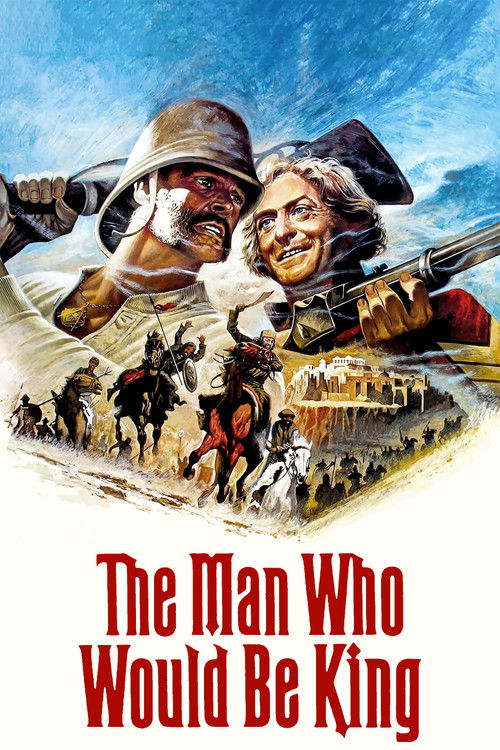
- 1975Reunites with Michael Caine in a Kipling adaptation The Man Who Would Be King
- 1986Plays a Franciscan monk detective in a medieval murder mystery The Name of the Rose
- 1987Wins the Academy Award for Best Supporting Actor The Untouchables
- 1989Becomes Harrison Ford's father in a Spielberg adventure Indiana Jones and the Last Crusade
- 1990Commands a Soviet submarine through Cold War waters The Hunt for Red October
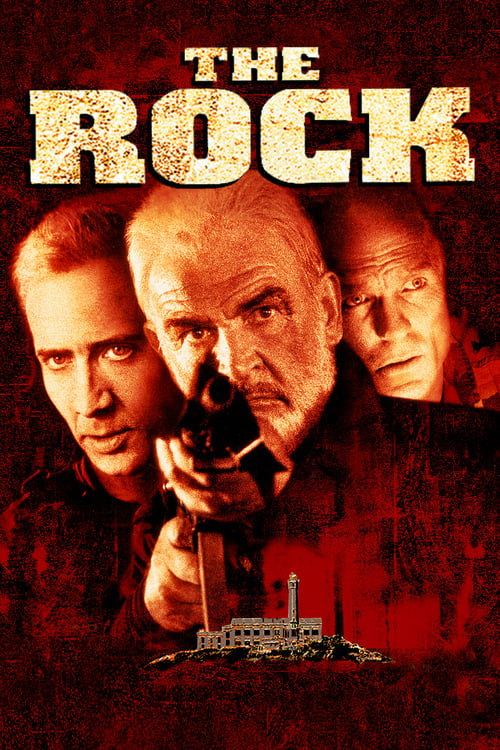
- 1996Late-career action with Nicolas Cage on Alcatraz The Rock
Spies, espionage, the Bond legacy
For Fans of James Bond
Explore the For Fans of James Bond guide →He never asked for your sympathy. He just showed up, and the room tilted toward him.CrossBinge