
Ian Fleming spent twelve years as a naval intelligence officer before he sat down at Goldeneye, his Jamaican estate, and invented James Bond in 1953. The result was fourteen novels and two short-story collections that sold over 100 million copies and spawned the longest-running film franchise in cinema history. What Fleming gave the world was not simply a spy: it was a sensibility. Cool under pressure, epicurean by taste, brutal when necessary, Bond embodied a particular postwar fantasy of competence and style. Fleming wrote with the precision of a man who had actually handled secrets -- the brand names, the geography, the cocktail recipes -- and that specificity is what separates him from imitators. The through-line a fan loves is confidence: prose that never blinks, plots that race, and a hero whose weaknesses are always on the surface while the real danger stays hidden underneath.
Essential Ian Fleming
The novels and stories that define the Bond canon


Bond on Screen
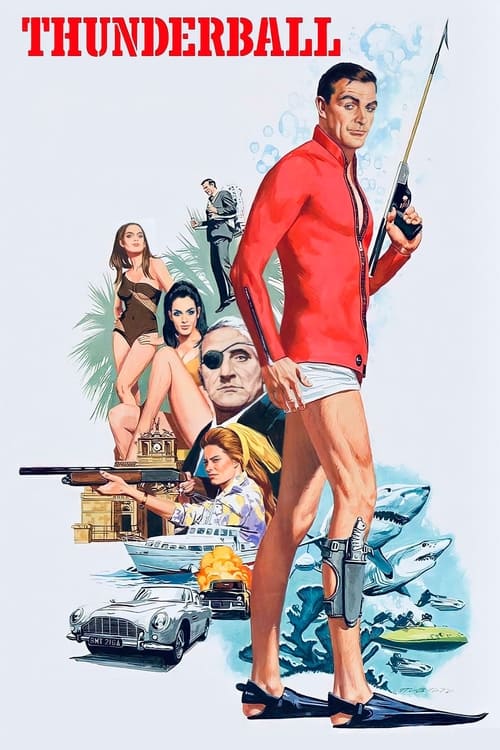
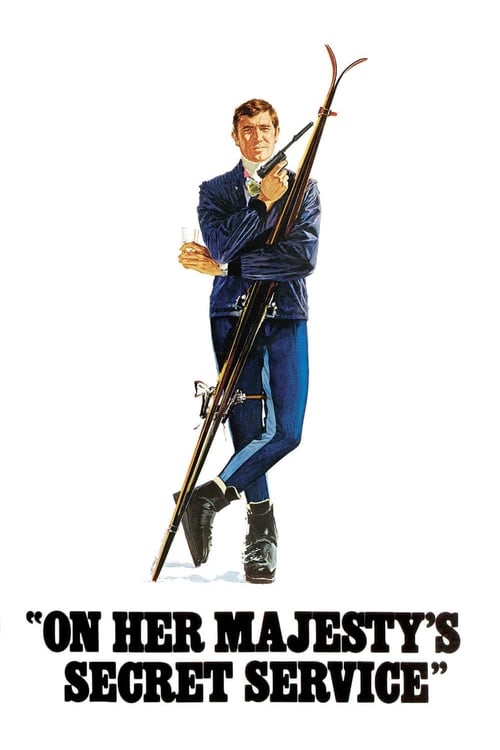
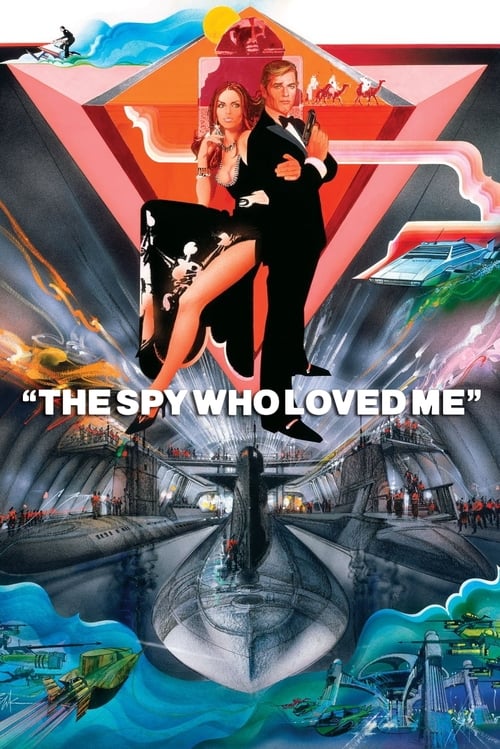
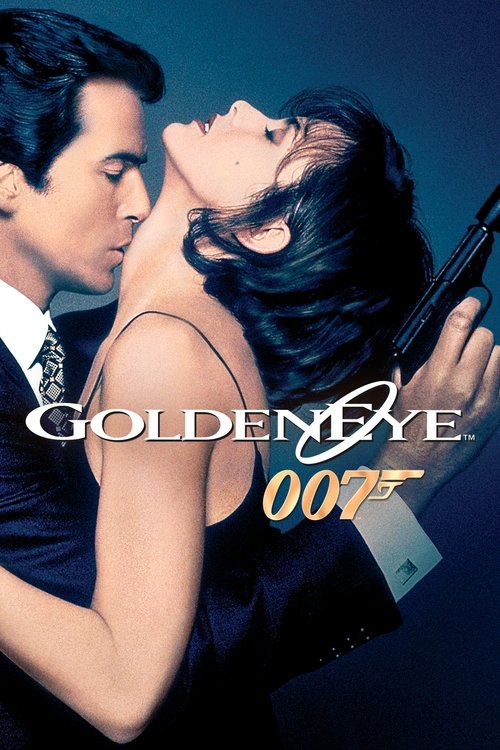
The films that turned Fleming's pages into one of cinema's great franchises
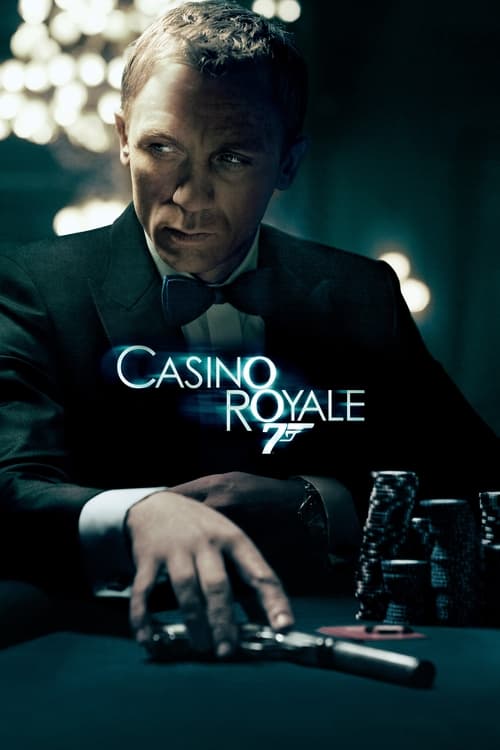
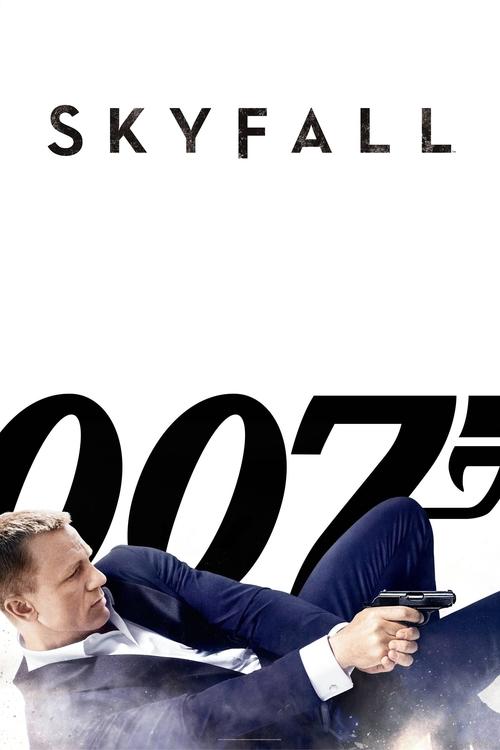
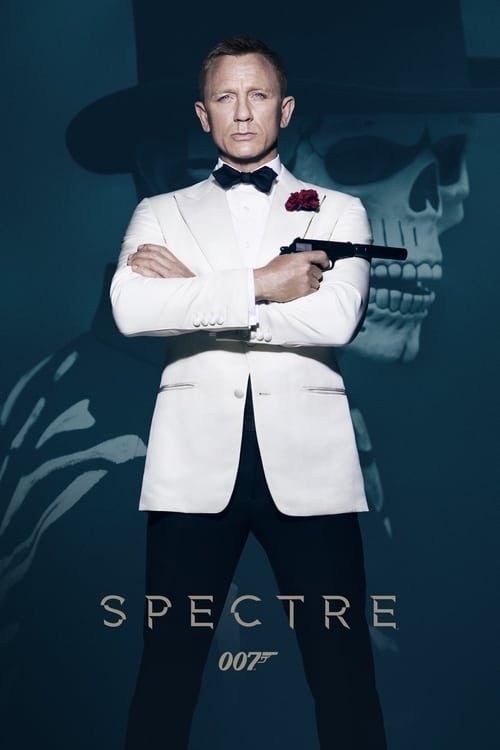


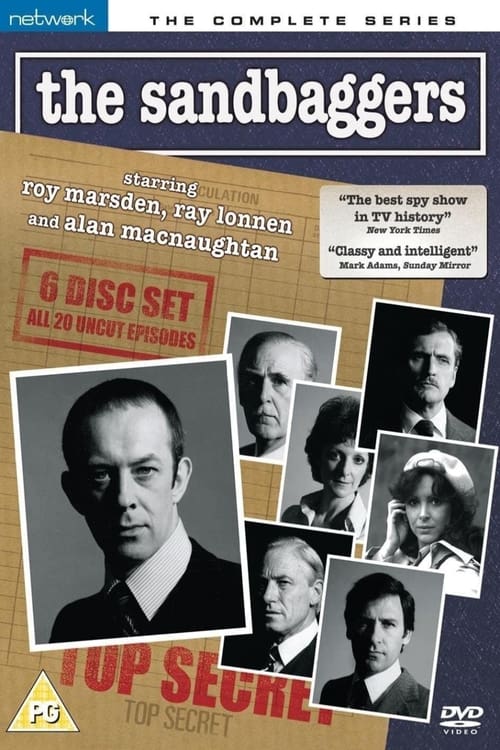
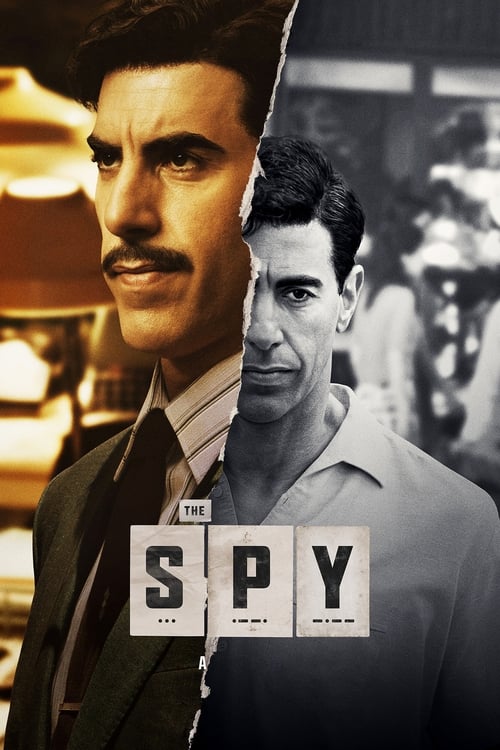
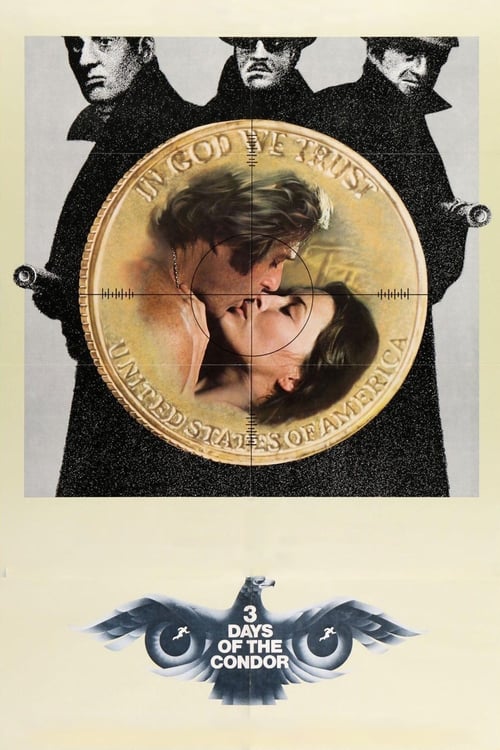
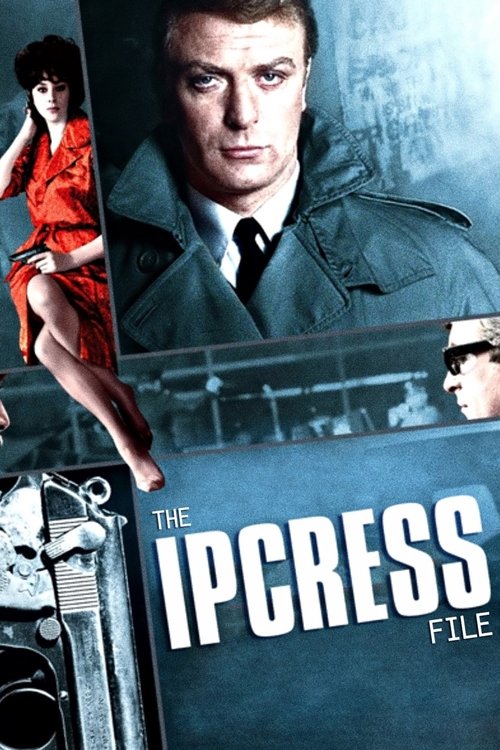
Spy Fiction on Screen (Beyond Bond)
Series and films that share Fleming's love of tradecraft, Cold War tension, and morally complex agents
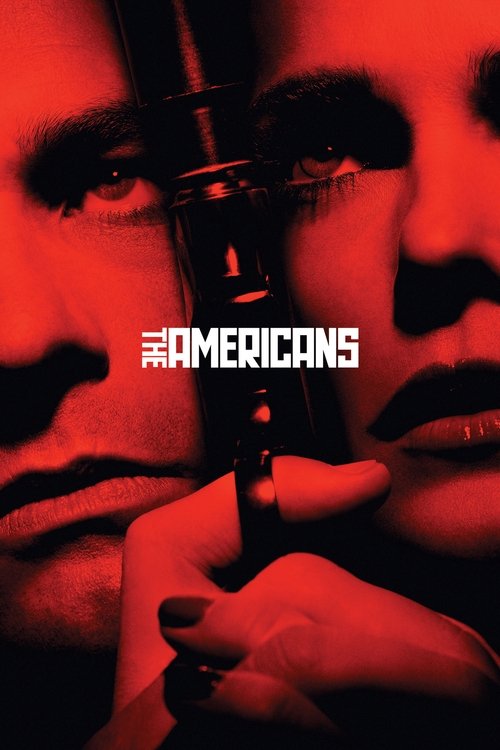
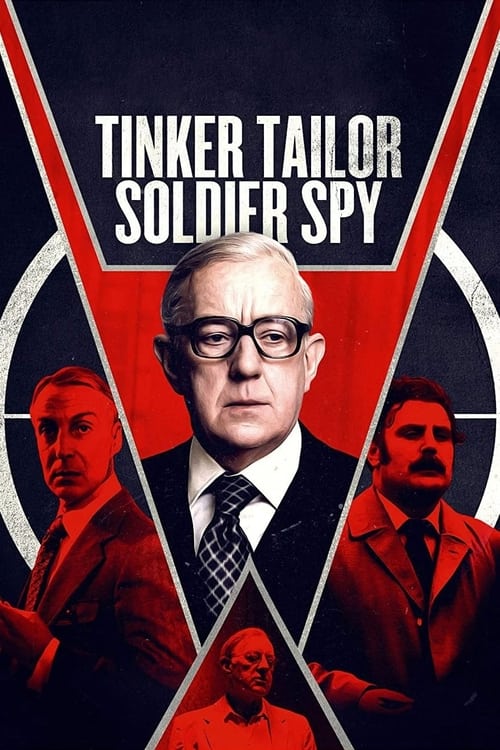
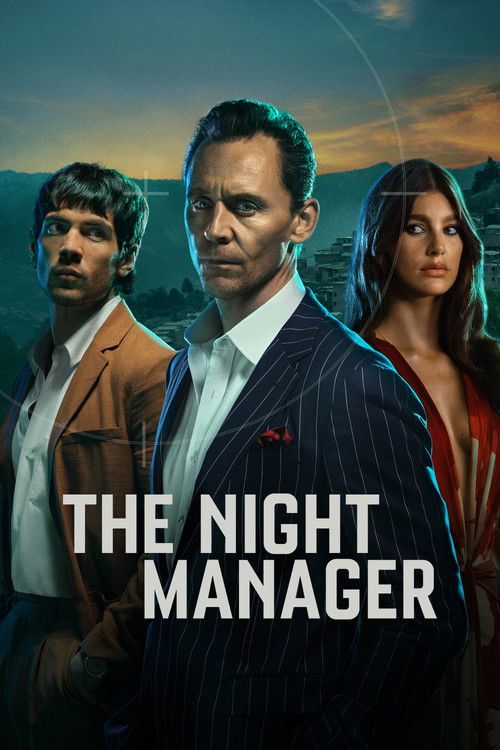


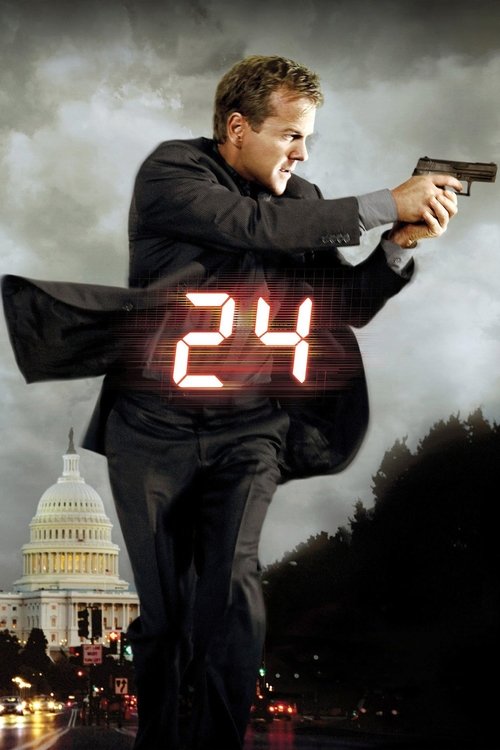
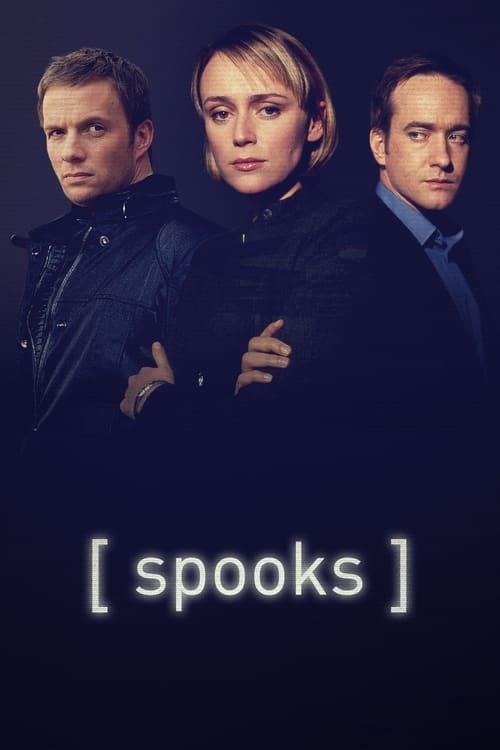



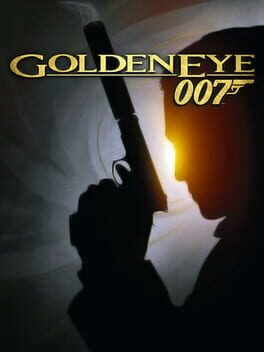
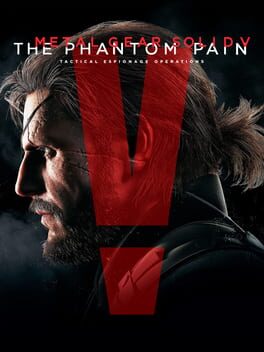
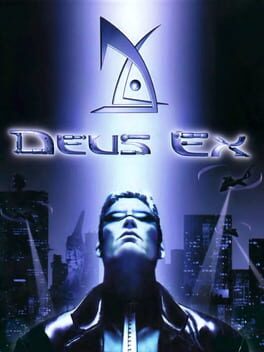
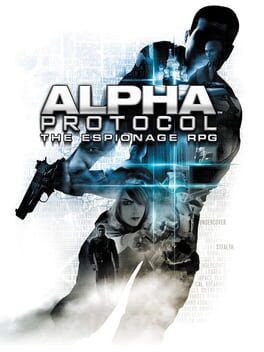
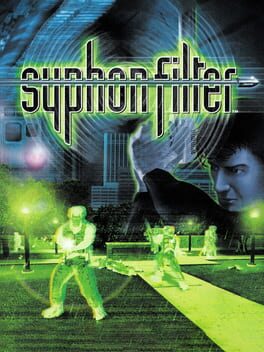
Control, Cover, Terminate: Spy and Espionage Games
Games that put you inside the tradecraft, from covert infiltration to gadget-fuelled action


On the Shelf Next to Fleming
Spy-thriller authors and novels for readers who want more after the last Fleming page


Casino Royale Is Still the Purest Spy Novel Ever Written
Fleming's debut does something most franchise openers never manage: it doubles as a complete statement of purpose. The tension at the baccarat table is real because the prose trusts silence. Bond wins, loses, nearly dies, falls in love, and is then brutally disillusioned -- all in under 200 pages. No subsequent Bond novel, and very few spy novels period, have matched that economy of feeling.
GoldenEye 007 Invented the Modern Multiplayer Shooter
Rare's 1997 N64 adaptation is not just a great Bond game: it is a pivotal moment in gaming history. The four-player split-screen deathmatch mode rewired how a generation understood what a console shooter could be. Thirty years later the influence is still visible in every competitive FPS. For Fleming fans it also gets something right that most film adaptations don't: the geography feels dangerous, not glamorous.
John le Carre Is the Anti-Fleming, and You Need Both
Le Carre began as a deliberate corrective to Fleming: where Bond wins, Alec Leamas loses everything. Where Bond's world is glamorous, le Carre's smells of damp coats and bureaucratic compromise. Reading them together is to understand the full emotional range of spy fiction -- the fantasy and the cost. The Spy Who Came in from the Cold is the book that shows you what Fleming left out.
Fleming's World: A Timeline
- 1952Fleming writes Casino Royale at Goldeneye in six weeks
- 1953Casino Royale published -- James Bond enters the world
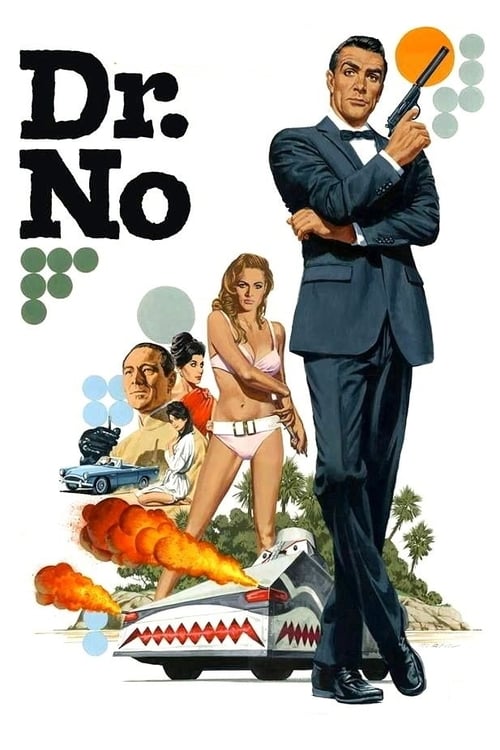
- 1958Dr. No published, Fleming's darkest and most cinematic novel
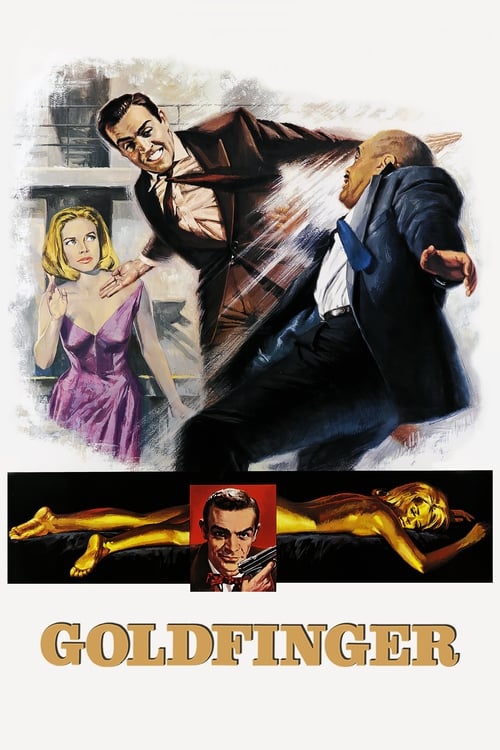
- 1959Goldfinger published -- the definitive Bond villain
- 1961Thunderball published amid a bitter lawsuit over the screenplay
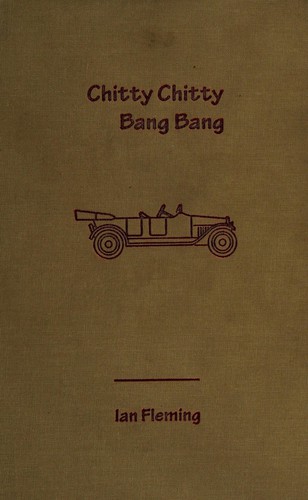
- 1963Chitty Chitty Bang Bang published, Fleming's only children's novel Chitty-Chitty-Bang-Bang, the magical car
- 1964Fleming dies; Goldfinger (film) released to enormous success Goldfinger
- 1997GoldenEye 007 for N64 becomes one of the most influential games ever made GoldenEye 007
- 2006Casino Royale reboot with Daniel Craig resets the franchise Casino Royale
- 2021No Time to Die closes the Craig era No Time to Die
Spies, Cold War, and Bond
For Fans of James Bond
Explore the For Fans of James Bond guide →I shall not waste my days in trying to prolong them. I shall use my time.Ian Fleming