
Jazz is not one thing. It is blues and bebop, swing and free improvisation, cool restraint and burning intensity, all of it bound by a single principle: what happens in the moment matters more than what was written on the page. From New Orleans parade music to Miles Davis reinventing the genre every five years to contemporary artists blending jazz harmony with hip-hop, electronic music, and global folk traditions, the genre keeps expanding its own definition. What a jazz fan chases is the feeling of musicians truly listening to each other, of risk taken in real time, of melody and rhythm used not as decoration but as thought.
Essential Jazz
The records every serious listener returns to
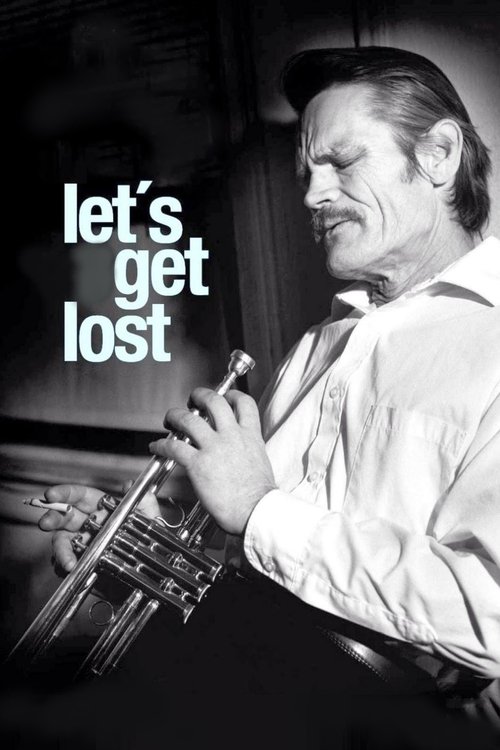
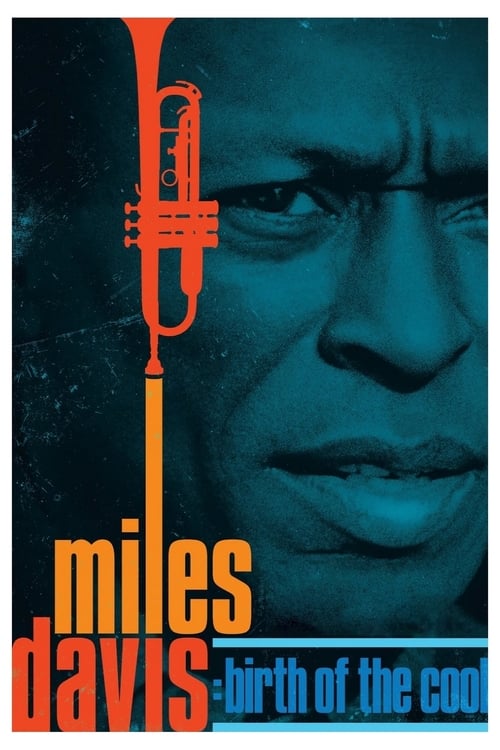
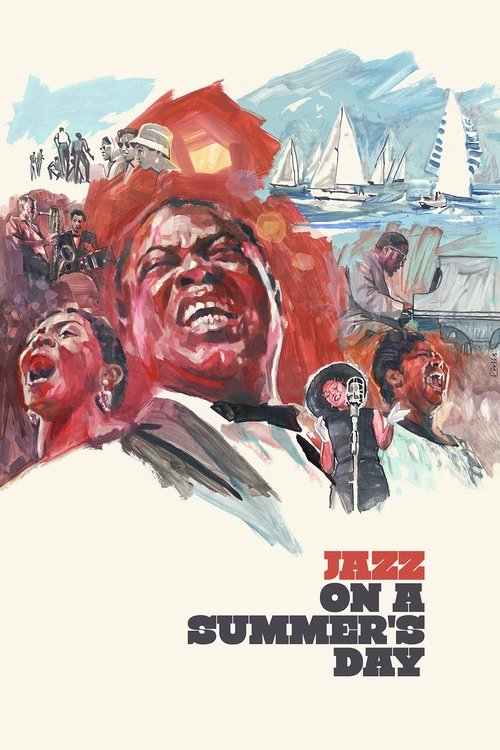
Jazz on Screen: Documentaries and Concert Films
The music captured live and examined up close

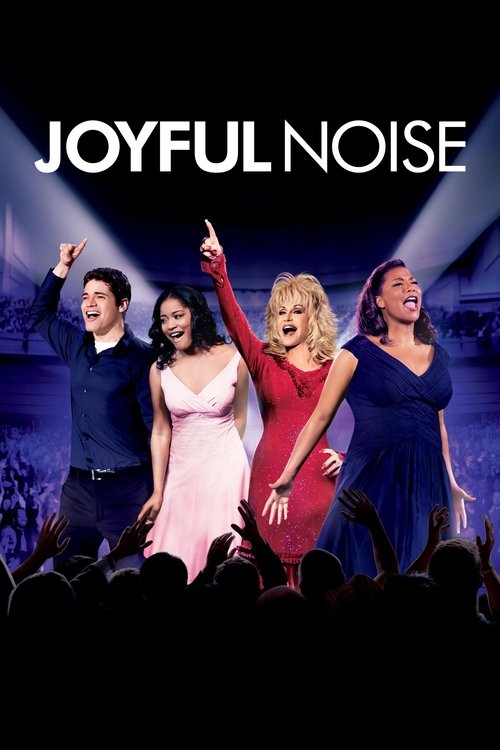
The Biopic and the Legend
Films that put jazz lives on the big screen
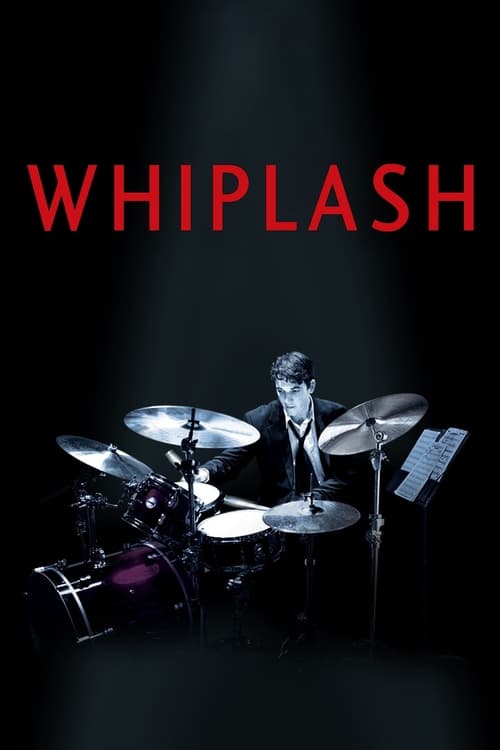

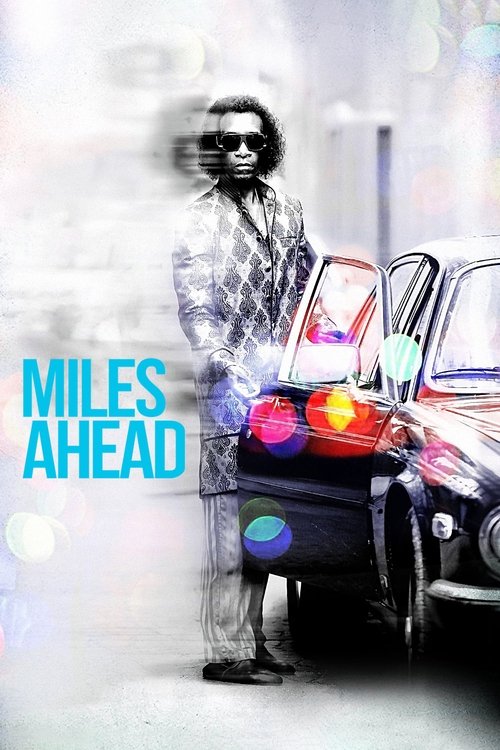
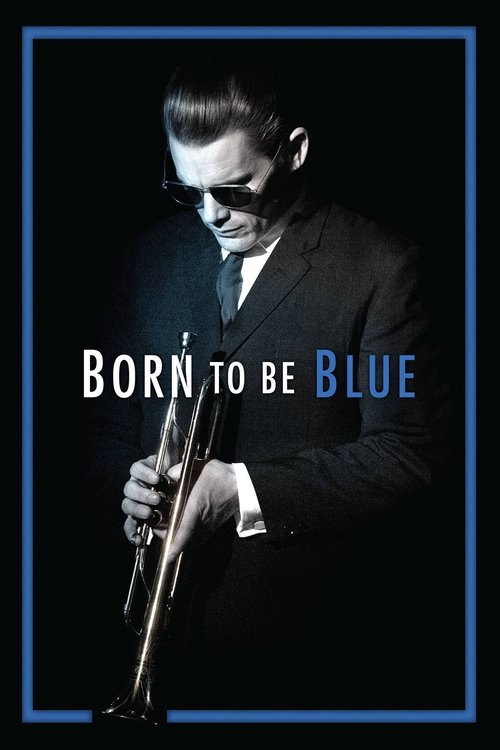
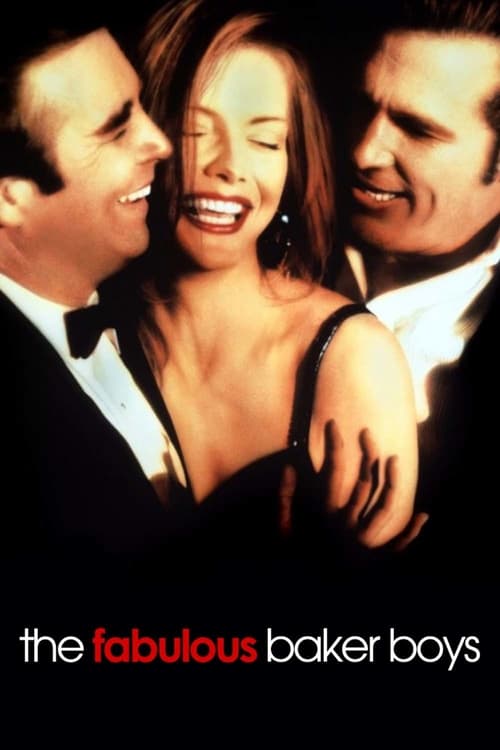
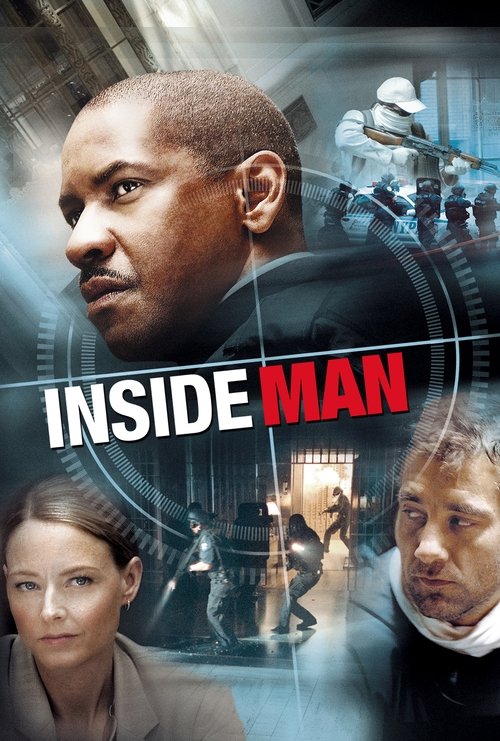
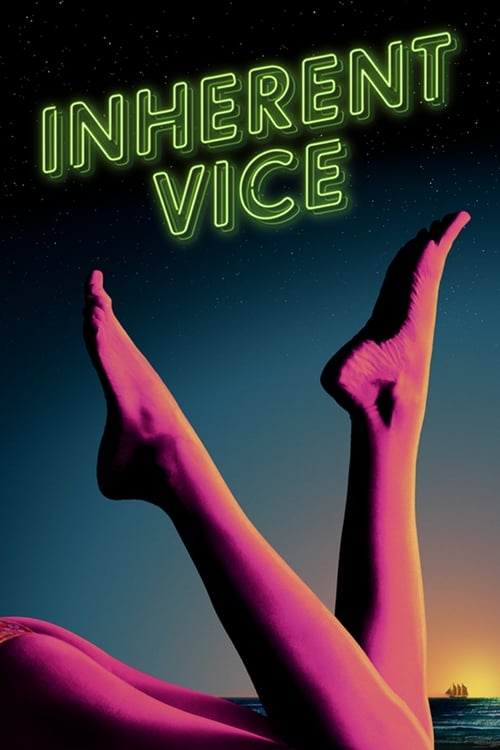
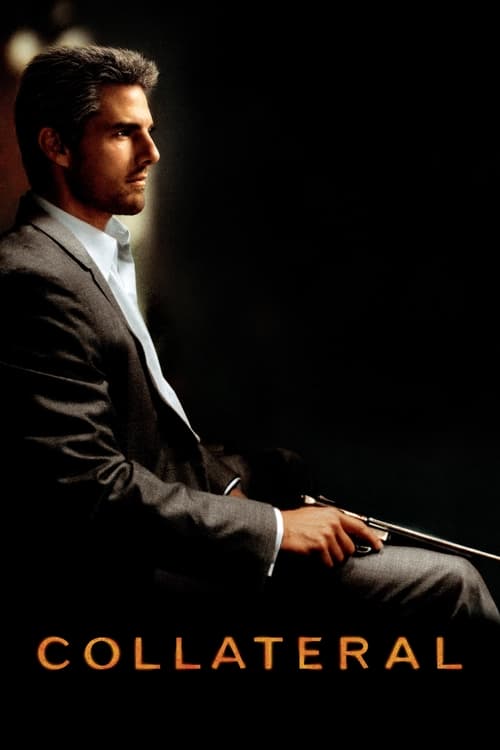
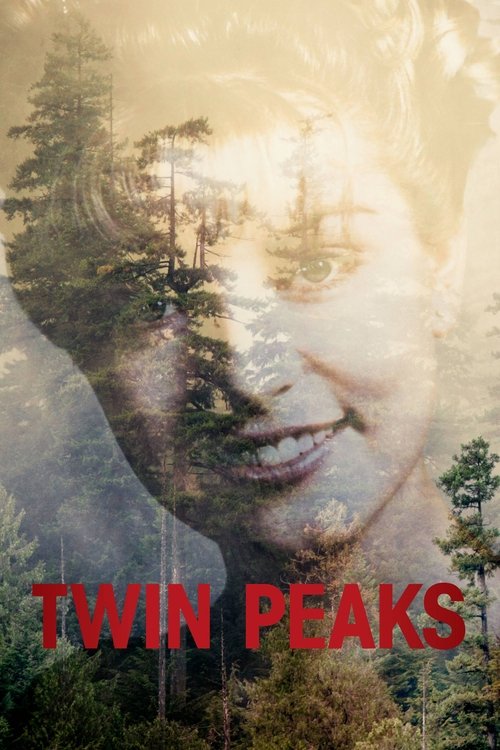
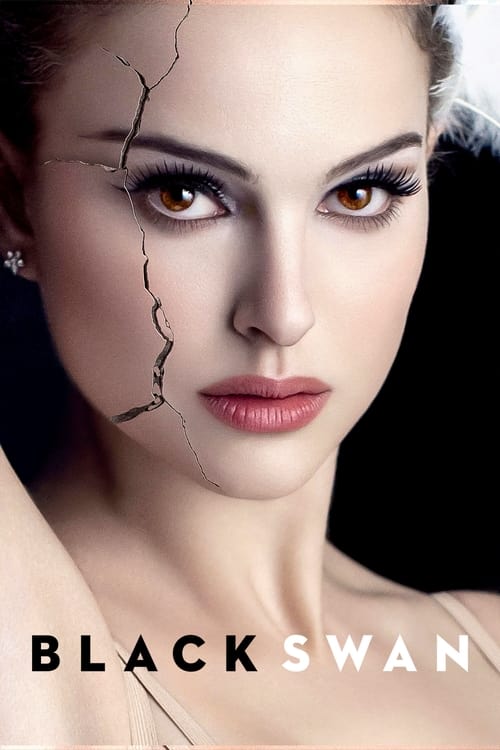
Same Energy: Films and Series That Feel Like Jazz
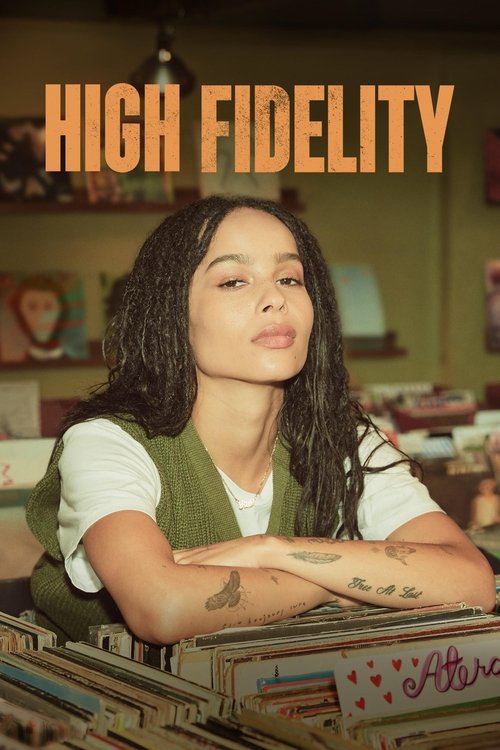
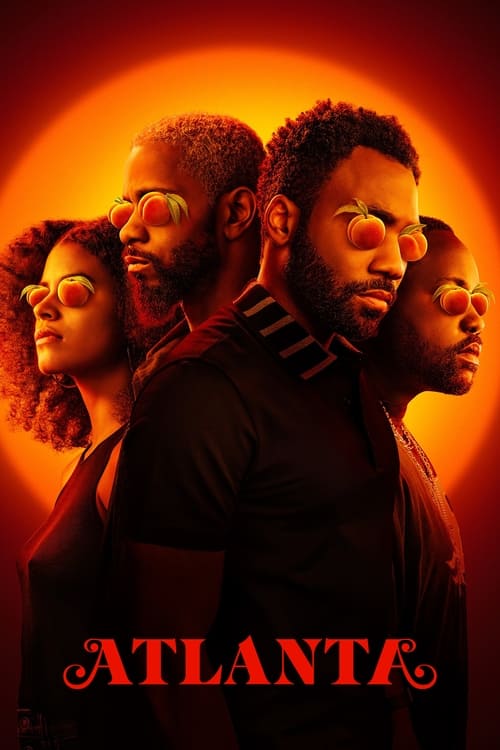
Late nights, improvised lives, and the beauty inside complexity



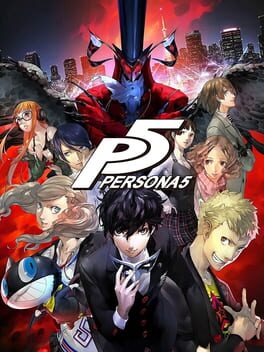
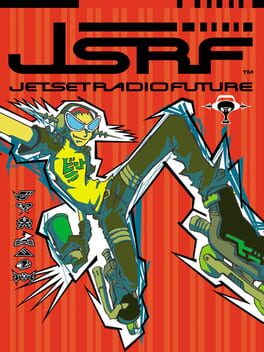
Rhythm and Play: Games With Jazz at Their Core
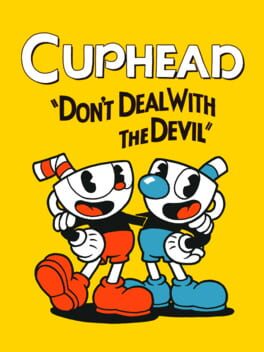
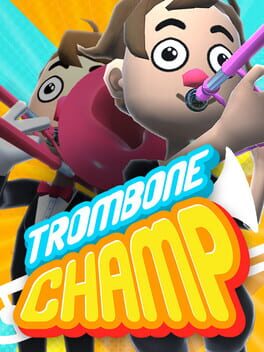
When improvisation and syncopation move into interactive form
Prose That Swings: Novels Written in Jazz Time
Books with the same rhythm, obsession, and improvisational nerve


Miles Davis Didn't Just Change Jazz. He Changed It Five Times.
Most artists find a sound and refine it. Miles Davis found a sound, mastered it, abandoned it, found a new one, and repeated the cycle across four decades. From the cool restraint of Birth of the Cool to the hard bop of Kind of Blue to the electric experimentation of Bitches Brew to the funk-drenched On the Corner, each pivot was complete and confident. The musicians he hired, including Coltrane, Herbie Hancock, Wayne Shorter, Chick Corea, and John McLaughlin, constitute a who's who of jazz history. He did not follow trends. He made them.
Whiplash Gets Something Real About Obsession
Damien Chazelle's Whiplash is not really about jazz education. It is about the psychology of perfectionism and the cost of chasing an impossible standard. But it is set in jazz for a reason: no other genre makes the relationship between discipline and spontaneity so visible. J.K. Simmons's Fletcher is a monster, but a monster who understands that comfort produces mediocrity. The film's final sequence, played almost entirely without dialogue, says more about performance anxiety and triumph than most films manage in two hours of exposition.
Treme Is the Most Honest Portrait of a Music City Ever Made
David Simon's Treme ran for four seasons on HBO and was never quite a hit, which is a shame because it is extraordinary. Set in New Orleans in the years after Hurricane Katrina, it treats music not as backdrop but as the actual subject: how a city maintains its cultural identity under economic pressure and institutional neglect. The jazz, brass band, Mardi Gras Indian, and R&B scenes are all rendered with real depth. The musicians are played by actors who play their instruments. This is what it looks like when a prestige drama takes a music culture seriously.
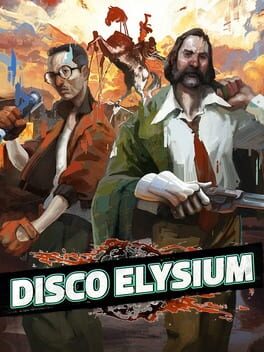
Disco Elysium Runs on Jazz Logic
Disco Elysium is not a jazz game in any literal sense. There are no music mechanics, no instruments, and the soundtrack leans toward ambient electronic. But the game operates on jazz logic: it is about a detective improvising his way through an investigation he barely understands, making choices whose consequences he discovers mid-action, with the narrative shaped by what emerges from his interaction with a richly realized world. The writing has the density and associative freedom of a great jazz solo. The game rewards the same kind of attention jazz rewards.
A Century of Jazz: Key Moments
- 1917The Original Dixieland Jass Band records the first commercially released jazz record in New York.
- 1938Benny Goodman's Carnegie Hall concert brings jazz to classical music's home stage.
- 1945Dizzy Gillespie and Charlie Parker develop bebop, shifting jazz from dance music to art music.
- 1959Kind of Blue recorded in two sessions; it becomes the best-selling jazz album ever. Kind of Blue
- 1960Ornette Coleman's The Shape of Jazz to Come opens the free jazz era. The Shape of Jazz to Come
- 1964John Coltrane records A Love Supreme, widely considered the genre's spiritual peak. A Love Supreme
- 1970Miles Davis releases Bitches Brew, fusing jazz with rock and funk electricity. Bitches Brew
- 1983Wynton Marsalis wins Grammy Awards in both jazz and classical categories in the same year.
- 2015Kamasi Washington releases The Epic, a three-hour jazz statement that introduces the genre to a new generation.
- 2022Makaya McCraven's In These Times arrives, showing jazz absorbing hip-hop and electronic production without losing its improvisational core.
Jazz masters and improvised American music
For Fans of Miles Davis
Explore the For Fans of Miles Davis guide →The records last because the moment was never repeatable. You are not hearing a song. You are hearing a room of people deciding, together, what comes next.