
The Man Who Never Looked Back
Miles Davis did not stay anywhere long enough to be comfortable. He arrived in bebop as a teenager, learned from Charlie Parker, and then quietly walked away from all of it. By 1959 he had made Kind of Blue, the best-selling jazz album in history, and was already bored with the form it defined. By 1969 he was welding modal jazz to electric funk and Sly Stone. By 1972 he had invented fusion. By the early eighties he was listening to Prince.
What fans actually love about Miles Davis is not any single sound but a posture: the refusal to repeat yourself, the willingness to make beauty out of space and silence, the sense that every note means something because he chose not to play a thousand others. The muted trumpet tone, late in his career, was barely above a whisper and it filled rooms. His records carry a specific mood, something between melancholy and forward motion, the feeling of driving alone through a city at 2 a.m. and not being entirely sure you want to arrive.
That mood is contagious. Once you catch it you start hearing it in certain films, certain novels, certain games. This guide follows that thread.
Essential Miles Davis
Eight records that map a career of deliberate reinvention
The Jazz Life on Screen
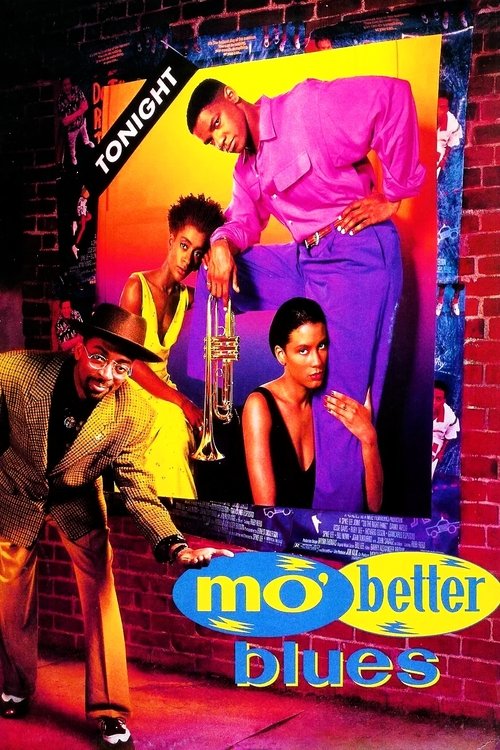
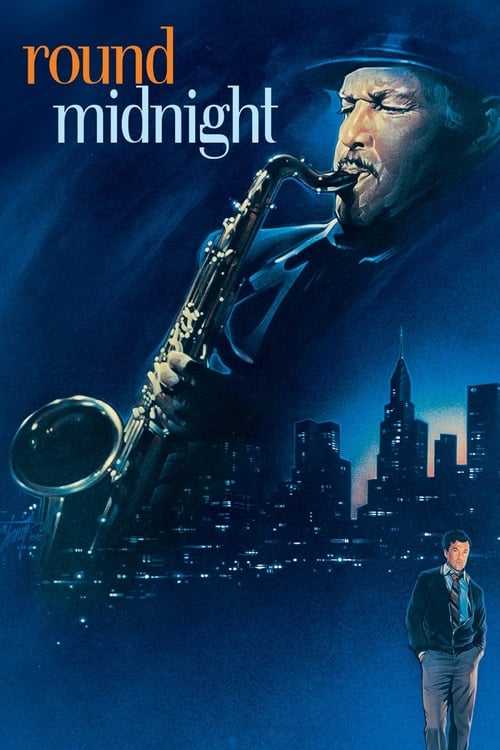
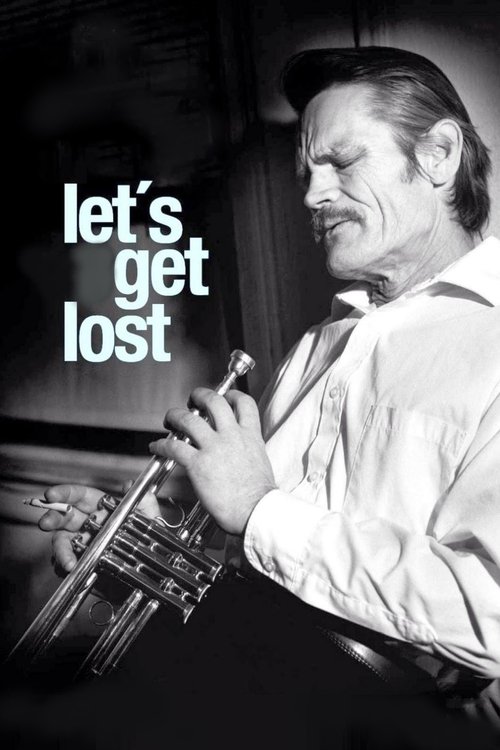
Films and docs that live inside the world Miles Davis inhabited
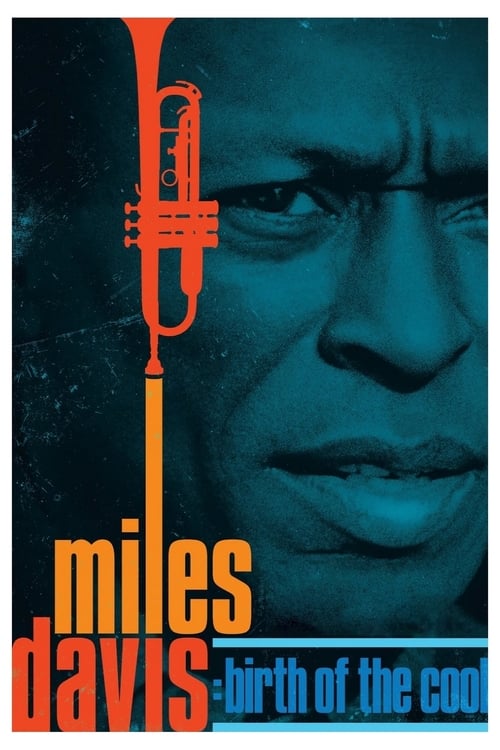
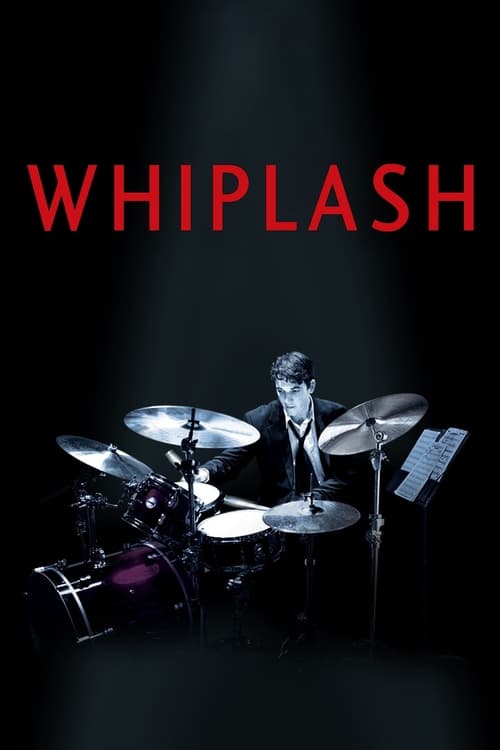

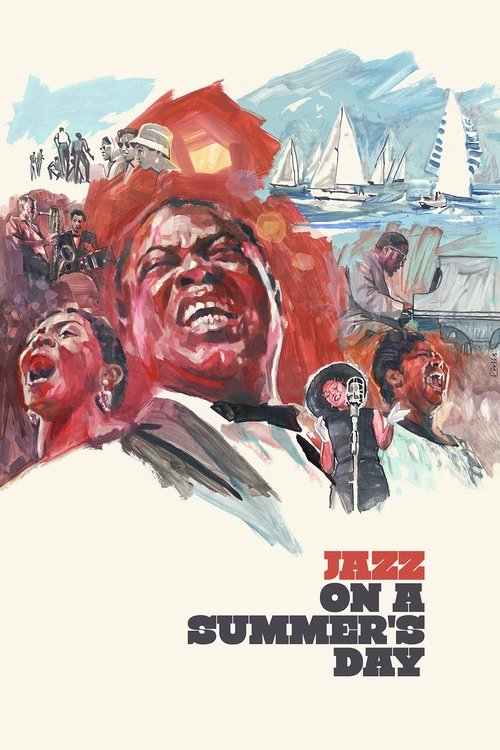
Cool and Dark: Albums in the Miles Davis Key
Artists who share his sense of space, mood, and forward-looking restlessness
Fiction Tuned to the Same Frequency
Novels and books that carry that same late-night, searching quality



Games That Sound Like Miles
Titles scored or designed for atmosphere, space, and moody forward momentum





Kind of Blue is the perfect entry point, but not the real Miles Davis
Kind of Blue is the record everyone tells you to start with, and they are right that it is extraordinary. But it is also the most serene thing Miles Davis ever made, and serenity was not his natural state. Start there, absolutely. Then go forward into Bitches Brew and backward into Milestones, and you will find the musician underneath the monument: restless, sometimes confrontational, always searching for the next thing he had not yet done.
On the Corner is the most underrated record in jazz
Critics hated On the Corner in 1972. It was too dense, too groove-heavy, too indebted to Sly Stone and James Brown to be taken seriously as jazz. It was also fifty years ahead of its time. Listen to it now alongside any Kendrick Lamar album or a good DJ Shadow record and the lineage is obvious: Miles heard something about how rhythm and texture could replace melody as the organizing principle of a record, and almost nobody noticed.
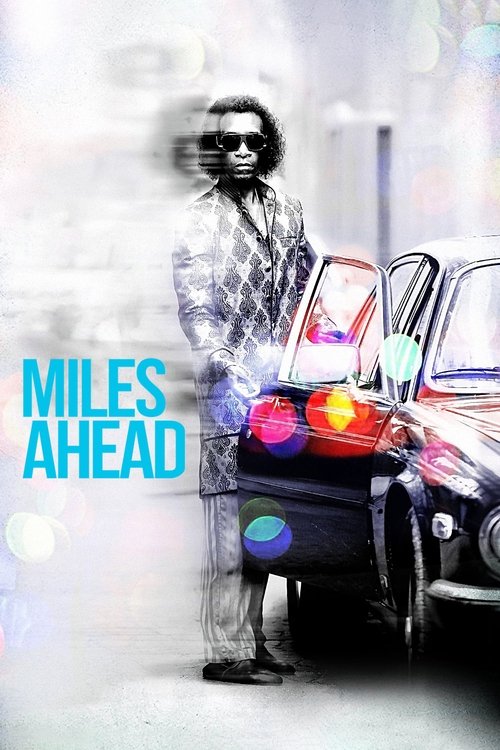
Miles Ahead is what a music biopic should look like
Don Cheadle's Miles Ahead solves the biopic problem by refusing to be one. Instead of a chronological rise-and-fall, it picks a single strange period (Miles in hermit mode in the late 1970s) and spirals outward from there. The film has his energy: nonlinear, stubborn, more interested in mood than in facts. It is not a documentary and does not pretend to be. That honesty makes it the most truthful Miles Davis film we have.
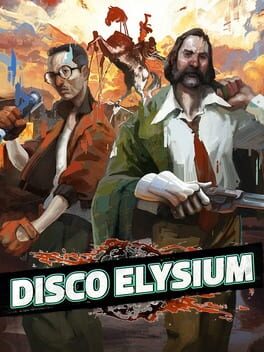
Disco Elysium sounds like a Miles Davis record feels
This is not a metaphor about surface aesthetics. Disco Elysium and late Miles Davis share a structural logic: both prioritize texture over resolution, leave more silence than the genre expects, and treat failure as the interesting condition rather than the thing to be avoided. The game's score, Robert Kurvitz's writing, and the whole rain-grey city of Revachol have a quality Miles would have recognized: the sound of a person who is very good at something, trying to figure out what it means to care about anything.
A Career in Pivots
- 1949Birth of the Cool sessions: cool jazz arrives
- 1959Kind of Blue: modal jazz, the best-selling jazz album ever
- 1960Sketches of Spain: orchestral collaboration with Gil Evans
- 1968Miles in the Sky: first electric instruments appear
- 1969Bitches Brew: electric jazz-rock fusion is born
- 1972On the Corner: funk, texture, and groove over melody
- 1975Five-year withdrawal from music begins
- 1981The Man with the Horn: comeback, new pop-influenced sound
- 1986Tutu: produced by Marcus Miller, synthesizers and samples
- 1991Final performance, Montreux. Dies September 28.
Restless jazz and where it leads
For Fans of Jazz
Explore the For Fans of Jazz guide →A note can be as small as a pin or as big as the world, it depends on your imagination.Miles Davis