
John Coltrane did not play jazz so much as pursue something just beyond the edge of what sound could hold. From the hard-bop precision of his Blue Note years through the modal revolution of Kind of Blue and on to the ecstatic chaos of Ascension, he moved faster than any category could track him. What fans love is not a style but a posture: the refusal to stop, the sense that every performance is a reckoning with something bigger than music. That quality -- devotional, technically ferocious, emotionally raw -- runs through a surprisingly wide range of art, from films about obsessive craft to novels about spiritual seeking to games that punish complacency and reward mastery.
Essential John Coltrane
The records that define the search
Obsession and Mastery on Screen
Films and series about artists who cannot stop

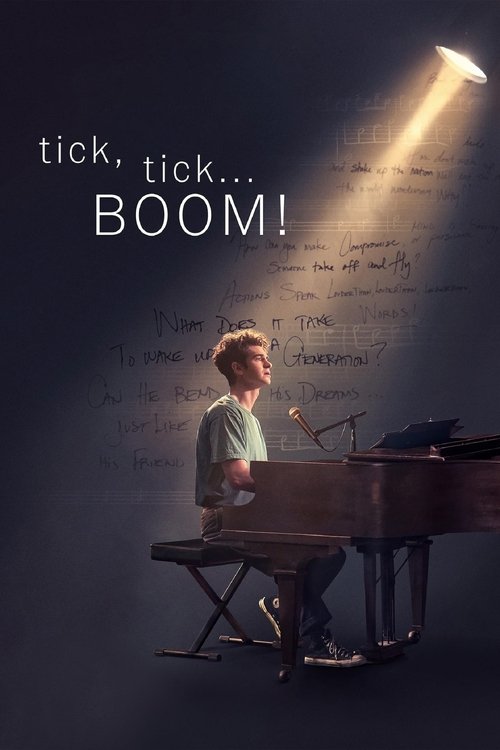
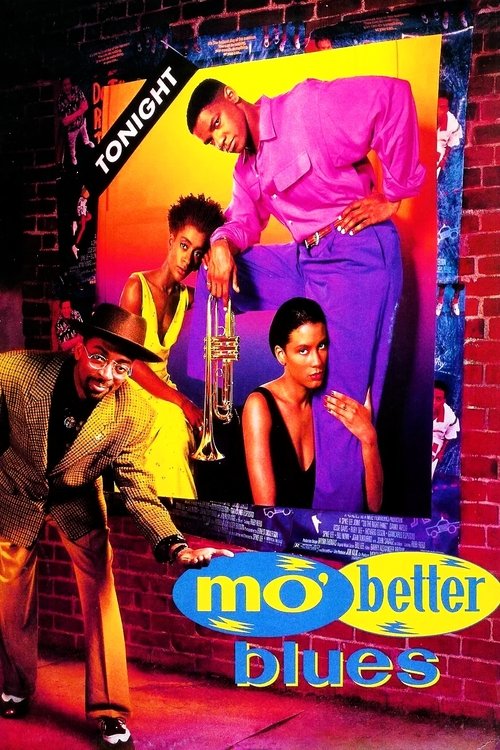

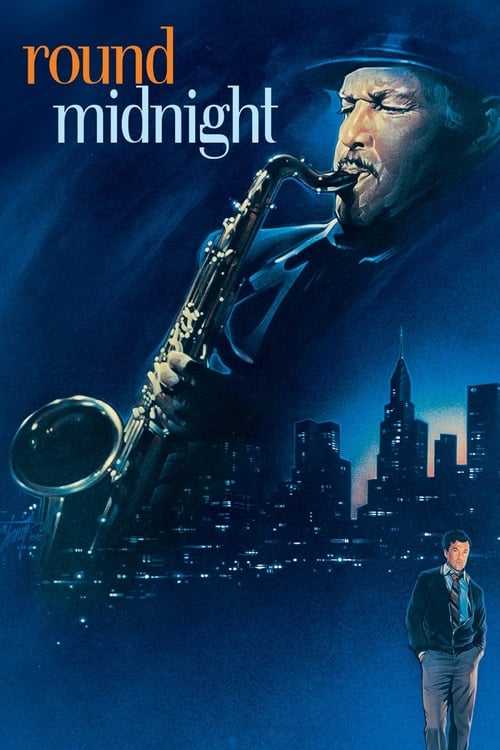
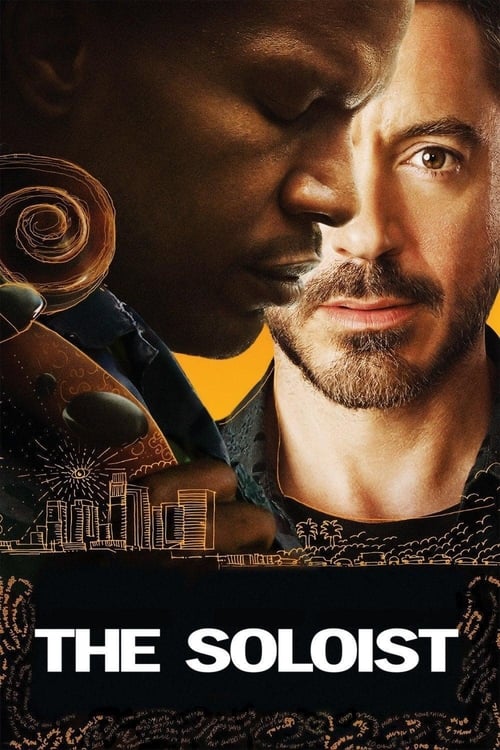
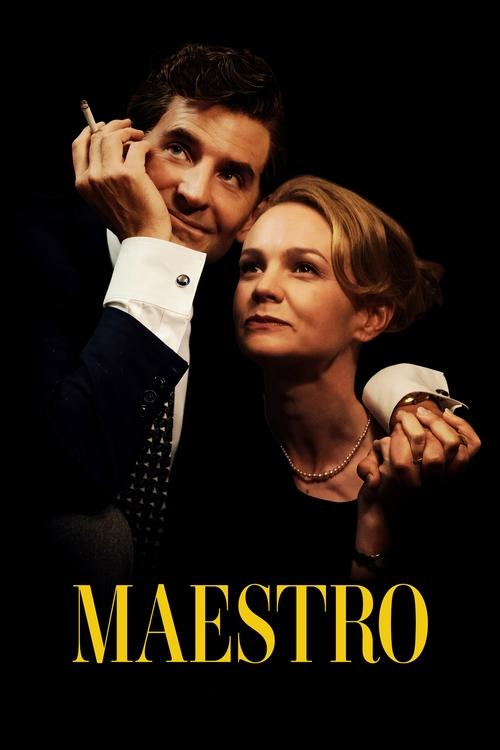
Jazz, Soul, and Spiritual Depth in Fiction
Series and films with Coltrane's emotional temperature
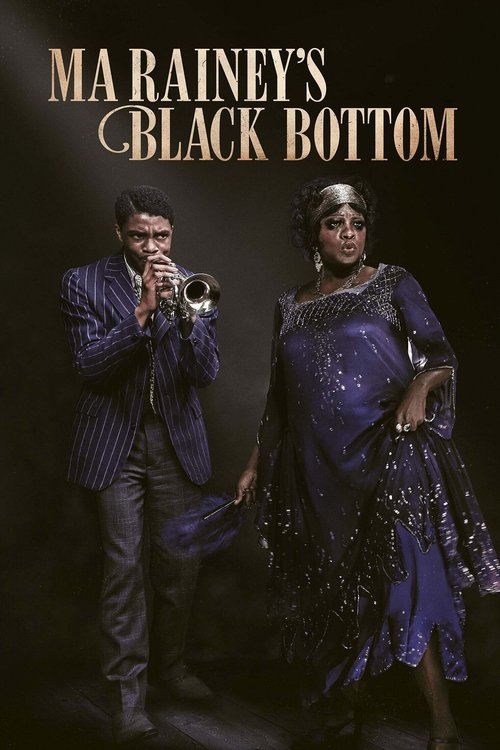
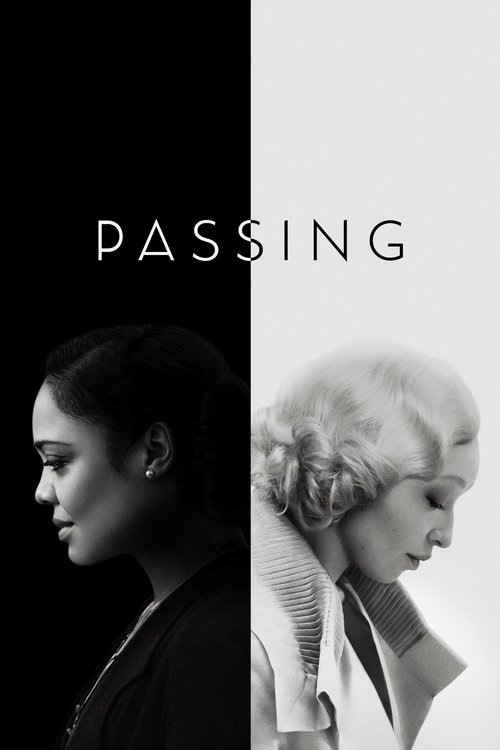
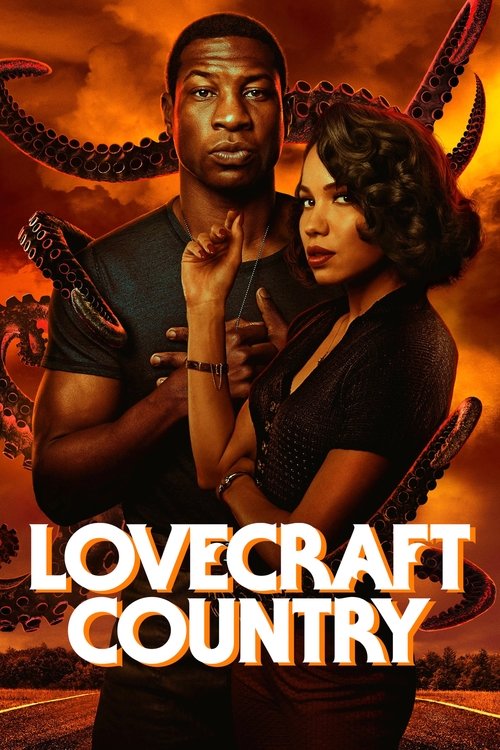




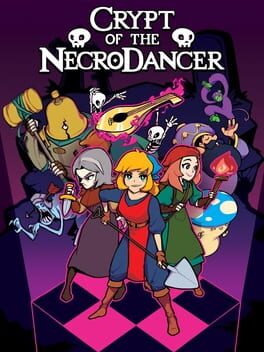
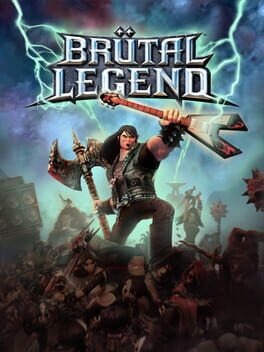
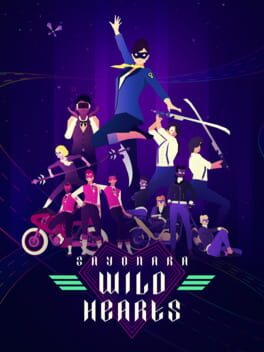
Rhythm, Music, and Mastery in Games
Games that share the discipline and feel




Books for the Searching Mind
Jazz history, spiritual struggle, and artistic obsession on the page



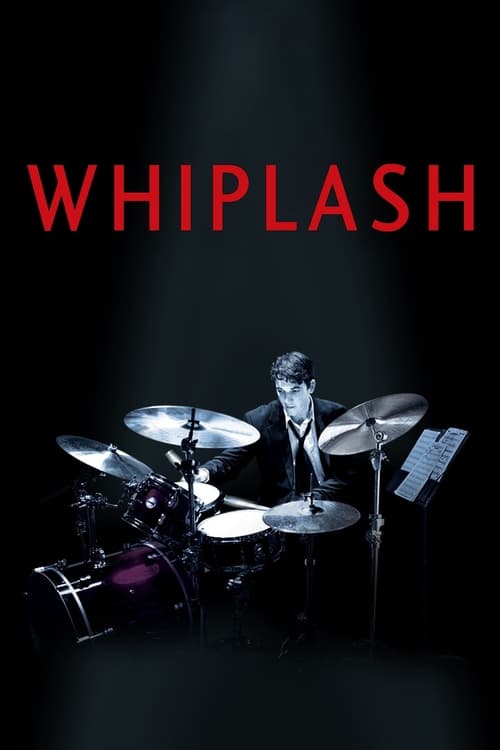
Whiplash gets the obsession right, even where it gets jazz wrong
Damien Chazelle's film is not really about jazz. The music is almost a MacGuffin. What it captures with uncomfortable precision is the psychological cost of the demand Coltrane placed on himself: the hours, the bleeding, the refusal to accept that good is ever good enough. Fletcher is a monster, but the compulsion he exploits is one Coltrane would have recognised. Watch it, then put on Giant Steps and hear how many impossible things he chose to do in three minutes.
A Love Supreme is structured like a prayer, not a record
The four movements -- Acknowledgement, Resolution, Pursuance, Psalm -- are not track titles, they are the architecture of a devotional act. Coltrane wrote the liner-note poem himself. The suite has more in common with Bach's B Minor Mass or Arvo Part's Spiegel im Spiegel than with any bebop record. If you approach it as background music you will miss the point entirely. It rewards the full forty-five minutes of attention, ideally alone, ideally in the dark.
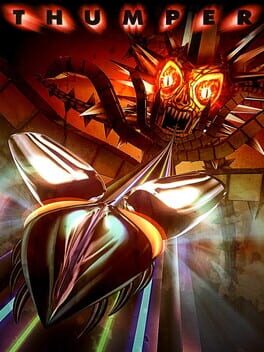
Thumper is the closest a game has come to free jazz
Described by its makers as 'rhythm violence,' Thumper has no melody, no harmony, no comfortable groove. It has pulse, momentum, and the feeling that any relaxation of focus will destroy you. That describes Coltrane's late period as well as anything. The game does not ask you to enjoy yourself in any conventional sense. It asks you to endure, to adapt, and to be changed by the process.
Invisible Man heard Coltrane's America before he recorded it
Ralph Ellison finished his novel in 1952, five years before Coltrane joined Miles Davis's first great quintet. Yet the novel's framing device -- an invisible Black man in a basement lined with 1,369 light bulbs, listening to Louis Armstrong -- prefigures everything Coltrane would do: the insistence on being heard by a society that would prefer not to hear, the use of music as the one space where the full complexity of a person cannot be edited out.
The Arc of the Search
- 1955Joins Miles Davis Quintet; bebop precision meets modal possibility ’Round About Midnight
- 1957Solo debut on Blue Note; the hard-bop master statement Blue Train
- 1959Modal revolution with Miles; nothing in jazz is the same afterwards Kind of Blue
- 1959Giant Steps: new chord substitutions that redraw harmonic space Giant Steps
- 1961My Favorite Things: the soprano saxophone becomes his second voice My Favorite Things
- 1964A Love Supreme: the devotional suite that becomes his lasting monument A Love Supreme
- 1965Ascension: full free-jazz rupture; eleven musicians, sixty-plus minutes Ascension
- 1967Final sessions before his death at 40; Expression released posthumously
- 2017Chasing Trane brings his life to documentary film
More searching, spiritual jazz intensity
For Fans of Jazz
Explore the For Fans of Jazz guide →My music is the spiritual expression of what I am -- my faith, my knowledge, my being.John Coltrane