
Jujutsu Kaisen arrived in Weekly Shonen Jump in 2018 and immediately felt different. Creator Gege Akutami built a world where cursed spirits are born from human fear and grief, and a small corps of sorcerers holds the line between the living and catastrophic death. The hook is Yuji Itadori, a warm-hearted kid who swallows a finger of the legendary demon Ryomen Sukuna and is sentenced to die once he has consumed all twenty. What keeps the story electric is the gap between its warm, funny cast and the unsentimental brutality with which Akutami dismantles them. Nobody is safe. Power levels are real but not absolute. The school setting is a wrapper Akutami discards the moment he has a bigger idea. The anime adaptation, produced by MAPPA, translated that energy into some of the most kinetic fight choreography in recent memory, and the prequel film Jujutsu Kaisen 0 expanded the lore without diluting it. What you love here is the combination: found-family warmth, imaginative curse design, and a refusal to let the heroes off easy.
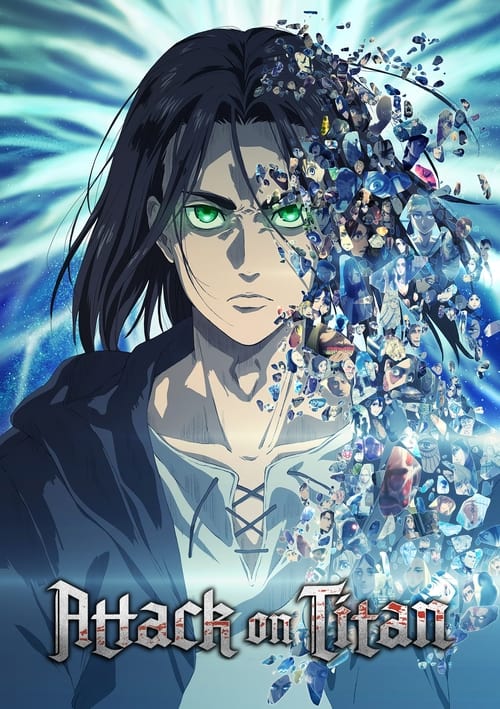
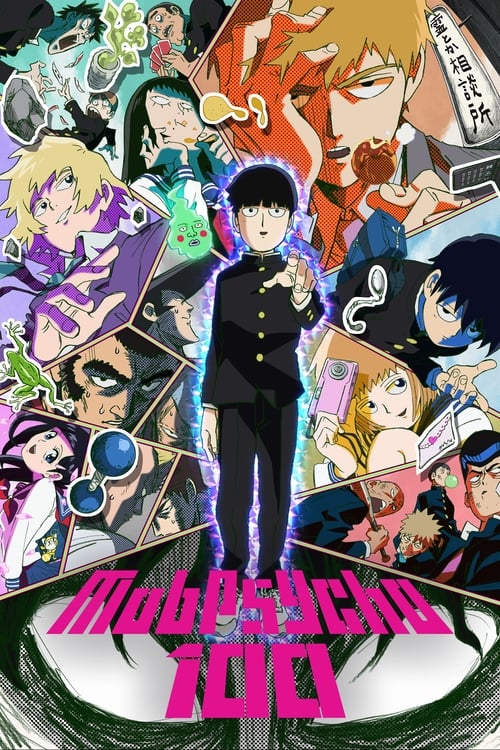
If you love the cursed-energy fights: action anime with the same ferocity
Series that treat combat as character revelation, not just spectacle


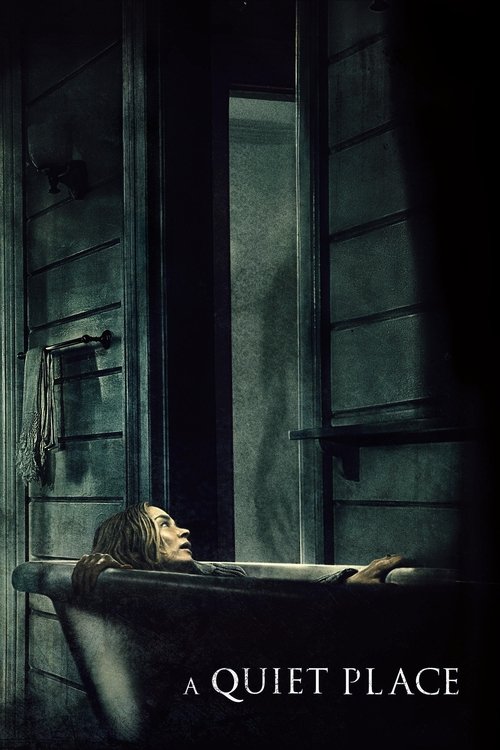
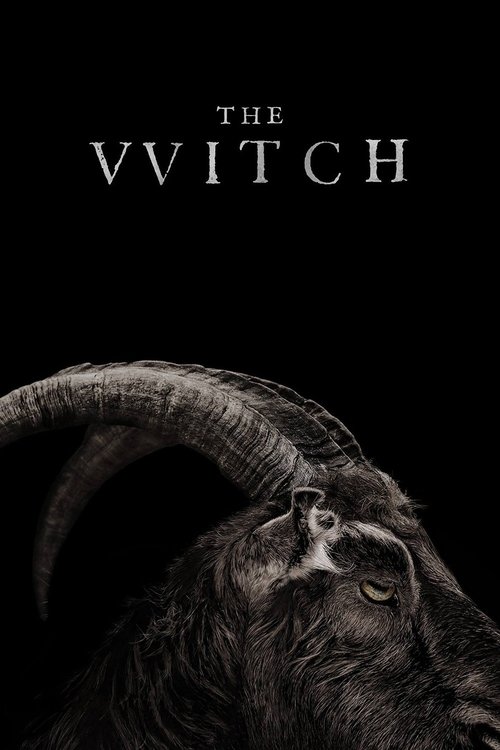
If you love the horror underpinning: films and series where dread is structural
The cursed spirits in JJK are born from fear. These works live there too.

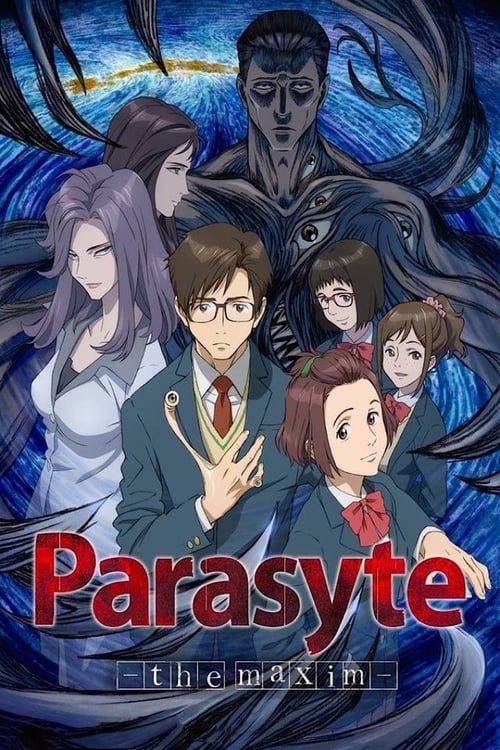
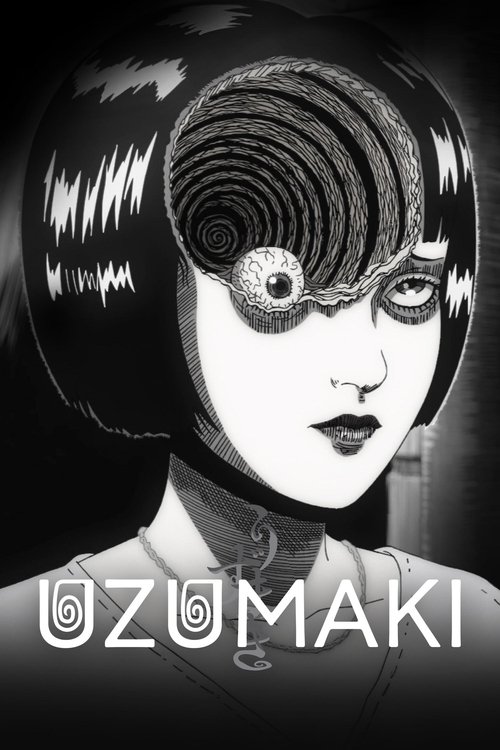
If you love the manga source: essential reads in action and dark fantasy
From the chapters that defined shonen to the seinen works that push further


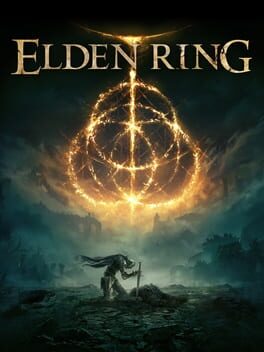
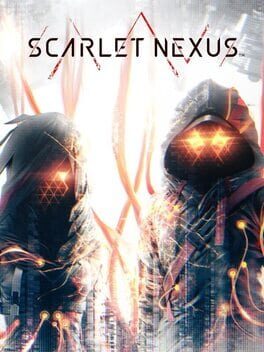
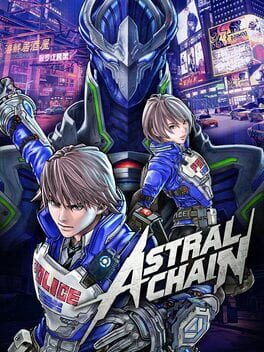
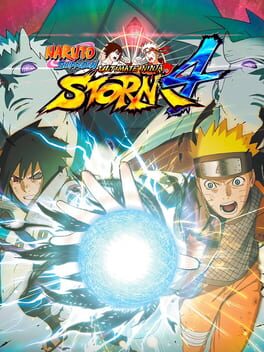
If you love the high-stakes power systems: games built on strategy and sacrifice
Games where mastering abilities matters and death has weight
The Shibuya Incident arc is the best sustained storytelling in recent shonen
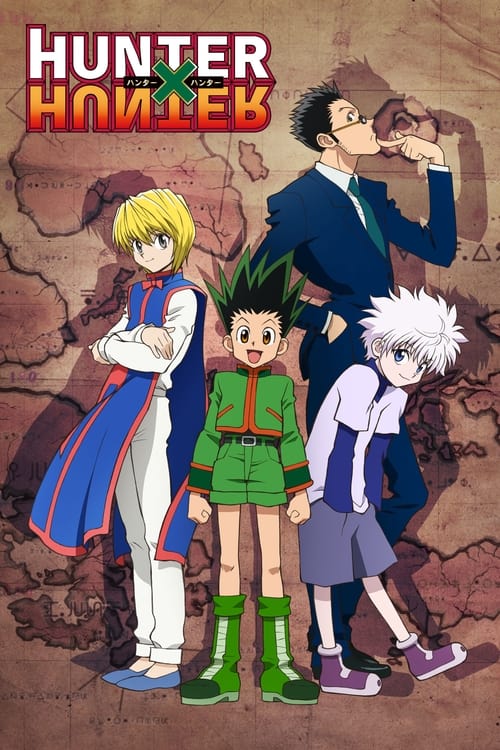
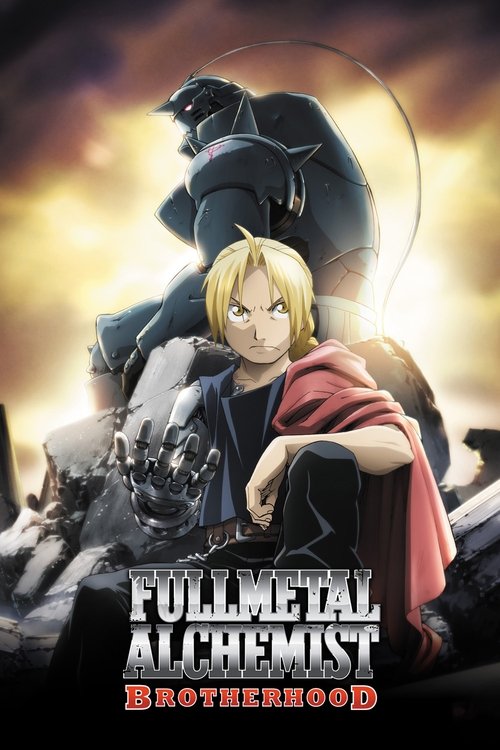
Shonen arcs often expand; the Shibuya Incident contracts. Akutami pins the cast inside a single geographic crisis, cuts between storylines with the efficiency of a thriller, and refuses to let everyone survive. The losses are not redemptive-sacrifice moments staged for maximum tears. They are brutal, sometimes off-panel, sometimes almost accidental. The arc earns comparison to the best mid-series pivots in Fullmetal Alchemist: Brotherhood and the Chimera Ant arc of Hunter x Hunter, two other extended sequences where the story stops coasting on its premise and starts consuming it.
MAPPA set a new benchmark for animated combat in 2020
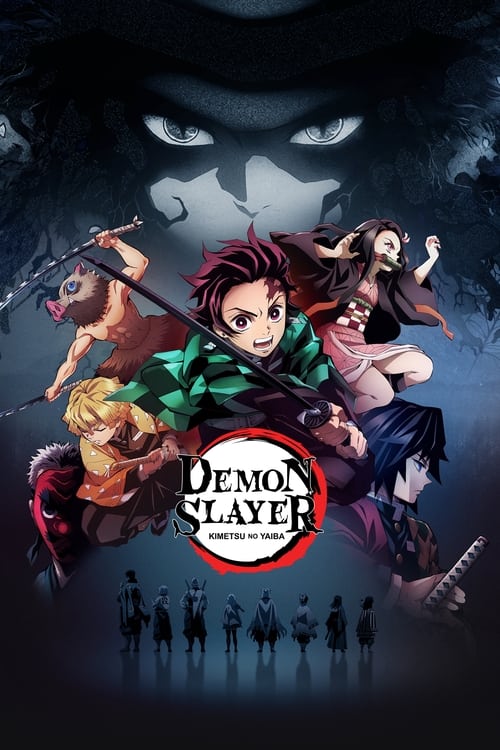
The Season 1 fight between Yuji and Nanami against Mahito, and the closing Yuji-Sukuna rampage, were produced at a level that felt like the studio had something to prove. The fluid sakuga sequences built on the tradition of Yutaka Nakamura (Bones) and the Ufotable Demon Slayer films, but MAPPA found its own register: looser anatomy, faster cuts, impact frames that read as genuine percussive shock. If you want to trace the lineage, the Demon Slayer film Mugen Train and any Ufotable-produced Demon Slayer series arc offer a close formal comparison.
Ryomen Sukuna is the most interesting antagonist in shonen since Griffith
Most shonen villains want something legible: world domination, revenge, a twisted ideal. Sukuna does not appear to want anything in the way humans understand wanting. He is ancient, contemptuous, and genuinely amused by people who fight him. Akutami draws him from the same archetype as Berserk's Griffith and Naruto's Madara but strips the backstory that usually makes such figures feel earned. Sukuna is terrifying precisely because his interiority is withheld. Berserk, for readers who can handle the content, is the deeper literary cousin here.

The music in JJK works because it refuses to comfort you
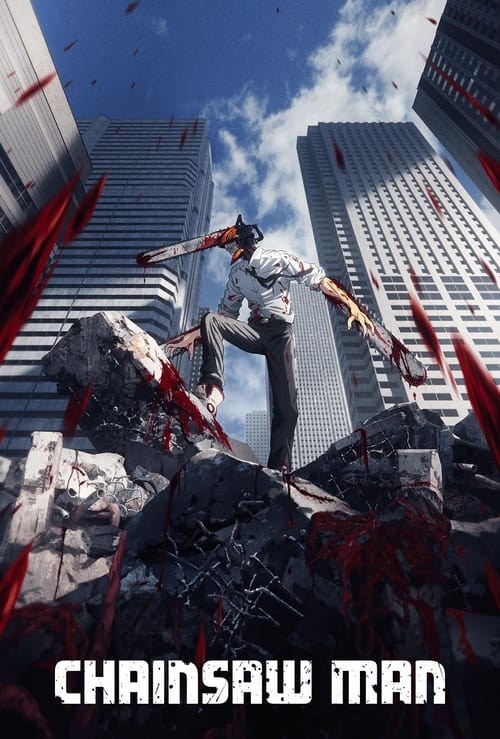
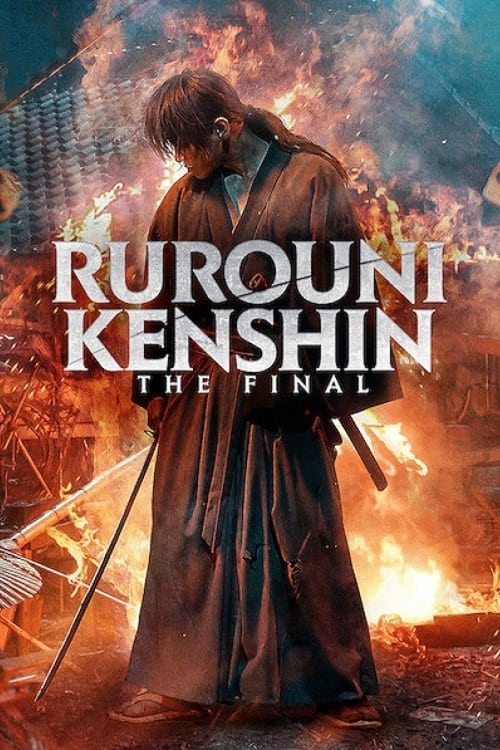
Hiroaki Tsutsumi's score leans into industrial and orchestral noise rather than the heroic swell shonen usually leans on during its peak moments. Opening themes by King Gnu and Millennium Parade carry the same ambivalence: propulsive but faintly wrong-footing. Fans of that sound will find a similar quality in the Chainsaw Man soundtrack by Kensuke Ushio, and in the OST work Taro Umebayashi contributed to the Rurouni Kenshin live-action films.
Jujutsu Kaisen: key dates
- 2017Manga prototype: Akutami publishes the one-shot Tokyo Metropolitan Curse Technical School in Jump GIGA, the direct precursor to the serialized series.
- 2018Serialization begins: Jujutsu Kaisen starts in Weekly Shonen Jump, issue 14.
- 2020Anime premieres: MAPPA's Season 1 adaptation airs October 2020, immediately reaching mainstream audiences outside dedicated manga readers. JUJUTSU KAISEN
- 2021Prequel film: Jujutsu Kaisen 0 adapts the prototype storyline into a standalone theatrical film, released in Japan in December 2021. Jujutsu Kaisen 0
- 2022Global expansion: Jujutsu Kaisen 0 releases internationally, breaking anime box-office records in multiple markets.
- 2023Season 2 and the Shibuya Incident: the second anime season adapts the Hidden Inventory and Shibuya arcs, widely considered the manga's dramatic peak. JUJUTSU KAISEN
- 2024Manga concludes: Akutami ends the serialization in Weekly Shonen Jump after more than 260 chapters, closing out the story he began in 2018.
Dark-fantasy shonen and cursed power
For Fans of Demon Slayer
Explore the For Fans of Demon Slayer guide →Akutami writes death like a fact of the world rather than a storytelling device. That is what separates Jujutsu Kaisen from ninety percent of its peers.CrossBinge editorial