
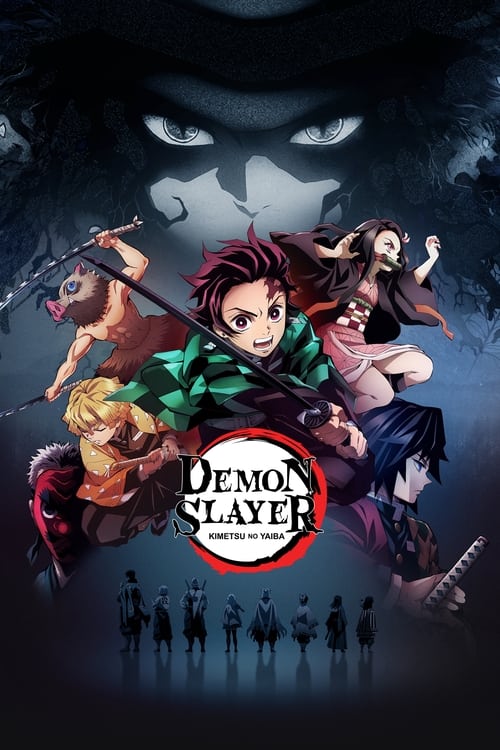
Demon Slayer: Kimetsu no Yaiba arrived in 2019 and became one of the fastest-selling manga properties ever, then the anime adaptation by Ufotable pushed the art form forward with fluid, painterly fight choreography that felt genuinely new. At its core the story is about a gentle boy trying to hold his family together after catastrophic loss, and that emotional through-line gives the spectacular sword fights real weight. Every arc raises the stakes while deepening the bond between Tanjiro, Nezuko, Zenitsu, and Inosuke. The series has a distinct visual language rooted in traditional Japanese aesthetics: Taisho-era clothing, family crests, and breathing techniques rendered in kaleidoscopic color. Fans who love it tend to love it for three things: the visual invention, the family-first emotional core, and a villain mythology that generates genuine menace rather than cartoonish evil.
Play the Corps
Games that channel the same blade-fast intensity


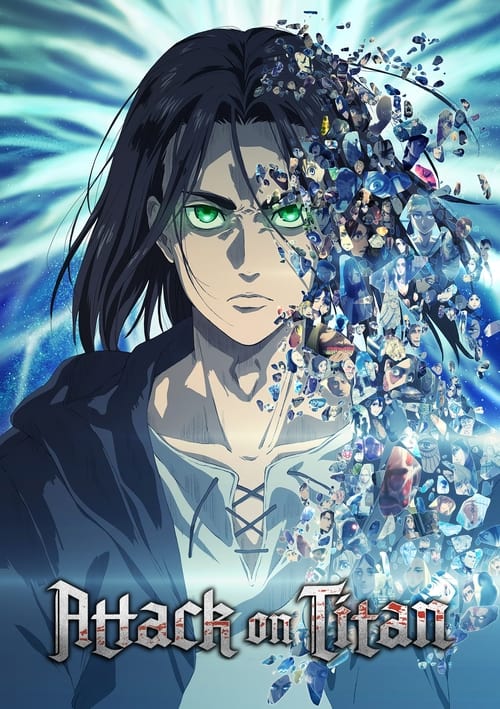
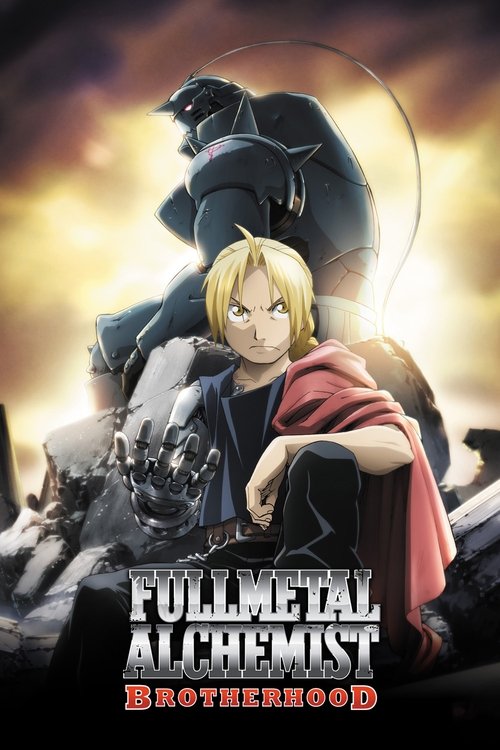
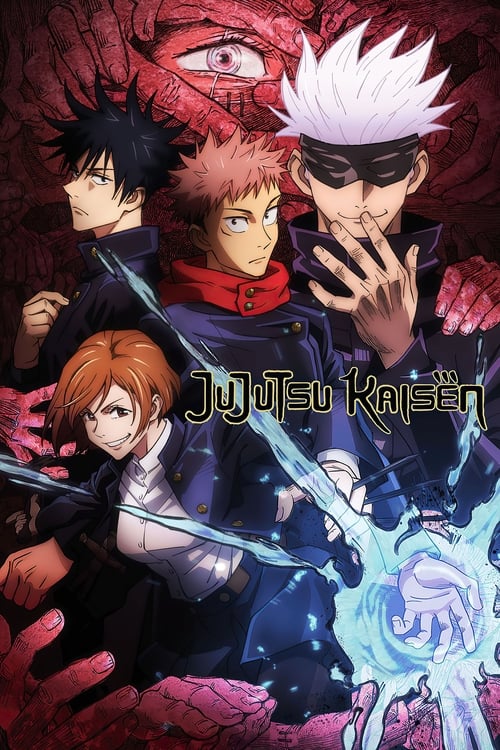
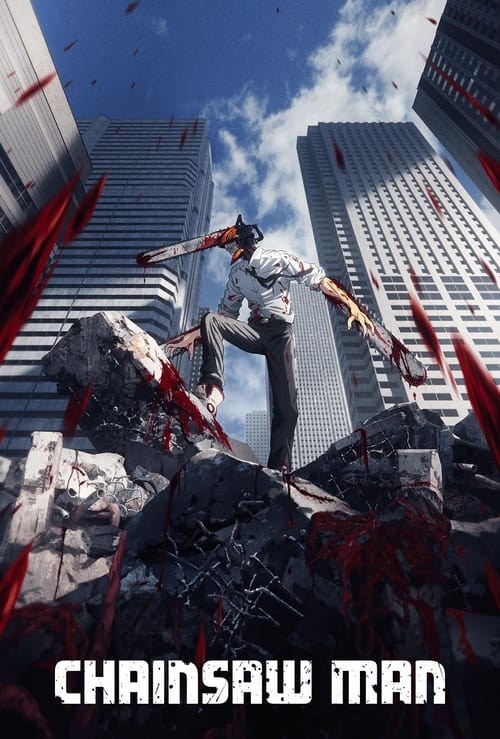
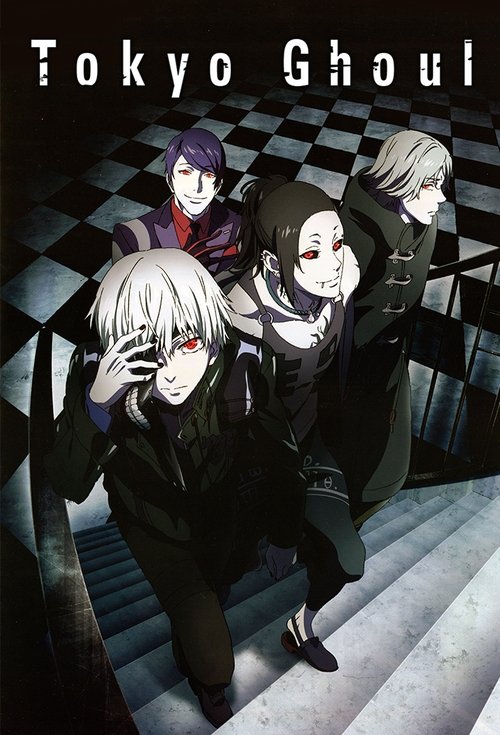
If You Love Demon Slayer: Watch These Anime
Series with the same emotional core and visual ambition







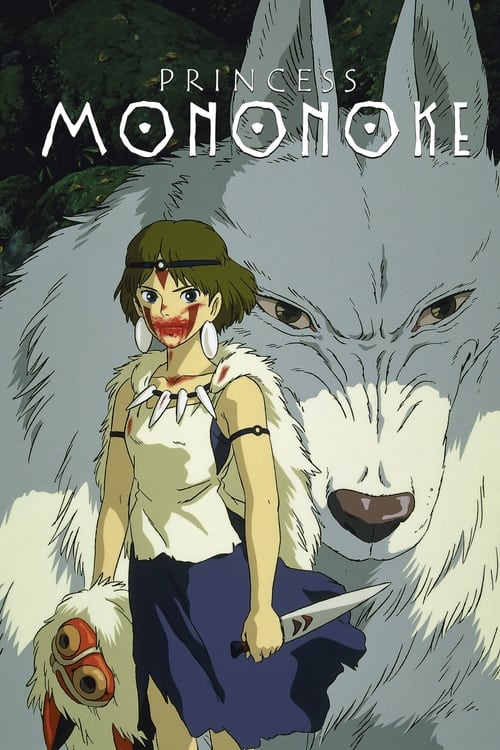
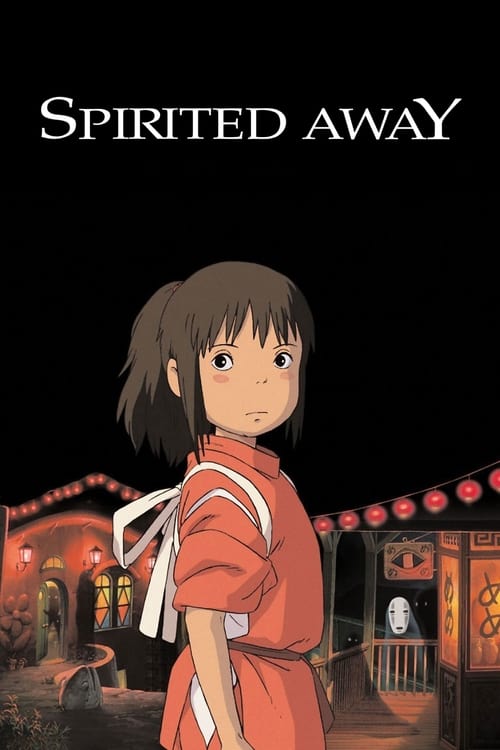
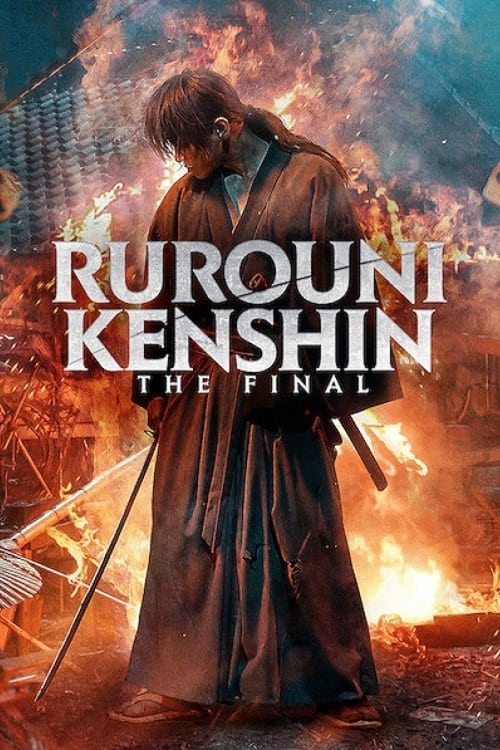
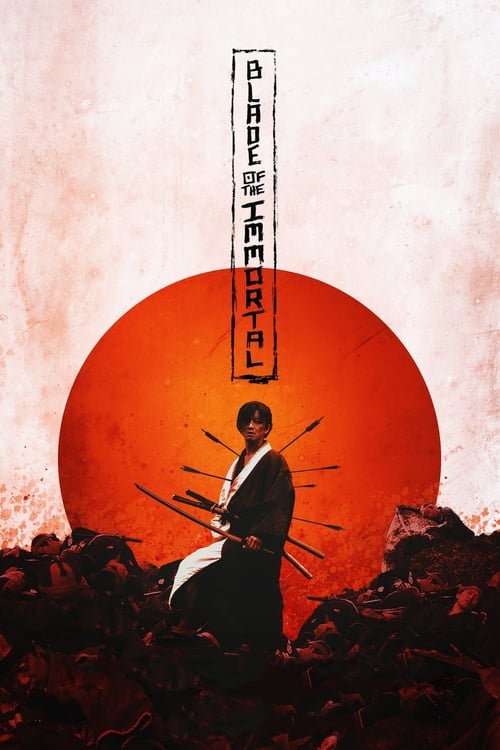
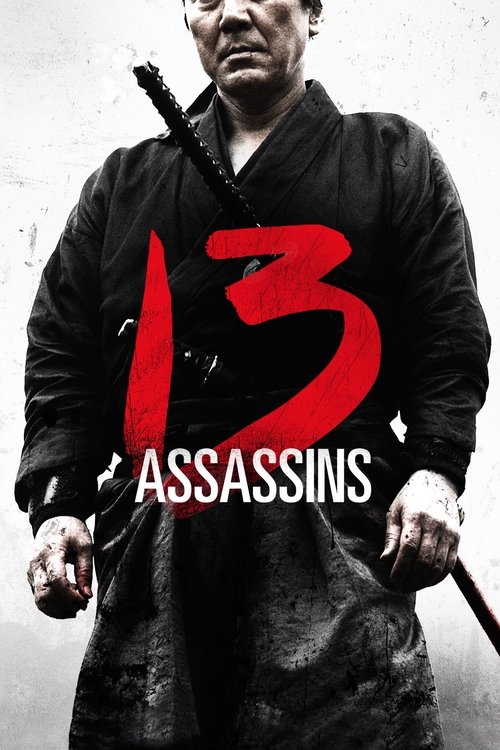
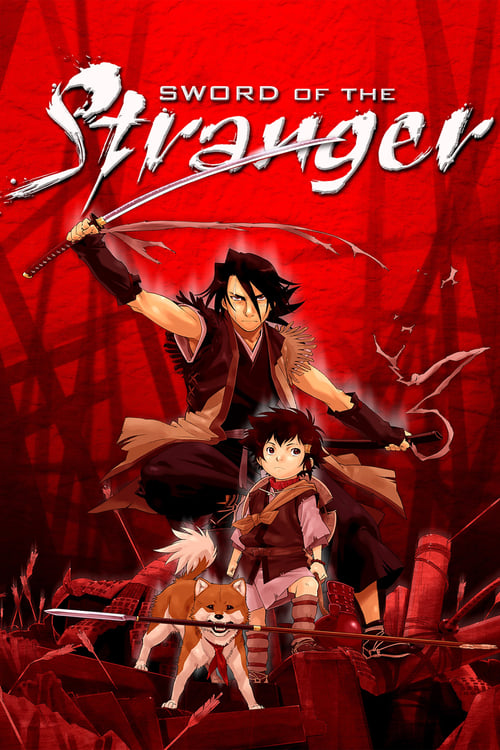
Films That Hit the Same Notes
Live-action and animated films for the Demon Slayer headspace

Read Next: Manga and Novels in the Same Register
Ink-and-paper worlds for the same appetite


The Breathing Techniques Are the Real Protagonist
Every major fight in Demon Slayer is built around breathing forms, and Ufotable's animation team treats each technique as a distinct visual signature. Water Breathing's fluid arcs look nothing like Flame Breathing's percussive detonations. This is not decoration. The breathing system is a genuine vocabulary, and learning to read it makes the fights richer each time. No other shonen has built as coherent a fighting grammar at this visual quality.
Taisho Japan Is the Rare Anime Setting That Actually Matters
The early 1900s Taisho period is more than scenery. The tension between old Japan (swords, mountain villages, ancestral clans) and the creeping modern world (trains, electricity, Western fashion) runs through every scene. Demon Slayer earns its setting rather than treating Japan as aesthetic wallpaper. That specificity is part of why the world feels coherent even as the supernatural elements escalate.
Nezuko Changed the Rules for Supporting Characters
Nezuko Kamado cannot speak for most of the series. She communicates through expression, physical presence, and sudden explosive action. That constraint forced the animators and the story into something unusual: a lead character who earns enormous audience investment without a single line of dialogue in most episodes. Most action series make supporting characters chatty. Nezuko proved silence and expressiveness can do more.
Demon Slayer: Key Moments
- 2016Koyoharu Gotouge begins serializing the manga in Weekly Shonen Jump
- 2019Ufotable's anime adaptation premieres Demon Slayer: Kimetsu no Yaiba
- 2020Manga concludes its 205-chapter run
- 2020Mugen Train film releases in Japan, shatters box-office records
- 2021The Hinokami Chronicles game launches
- 2021Entertainment District Arc pushes the animation benchmark higher
- 2023Swordsmith Village Arc airs with Ufotable's most ambitious fight sequences yet
- 2024Hashira Training Arc brings the story to its final stretch
More shonen anime and samurai sagas
For Fans of Jujutsu Kaisen
Explore the For Fans of Jujutsu Kaisen guide →No matter how many people may be skilled, know this: the bond forged between people is not something that can be severed.Tanjiro Kamado, Demon Slayer