
Kingdom Come (1996) is not a superhero story that celebrates power. It is a story about what happens when idealism breaks down and the people who inspired a generation stop paying attention. Mark Waid's script and Alex Ross's painted panels work like a Greek tragedy: Superman returns from self-imposed exile, Wonder Woman is uncompromising to the point of cruelty, Batman has built a surveillance state because he cannot trust anyone, and a new generation of metahumans tears the world apart without any of the moral framework the old guard once carried. The art is not comic-book shorthand. Ross painted real human faces, real weight, real fear. The result is one of the few graphic novels that genuinely functions as literature about heroism and its costs. Readers come for the spectacle and stay for the question it keeps asking: what do we owe the world when we have power we did not ask for?
Essential Kingdom Come
The graphic novel and the creators' closest companions in comics


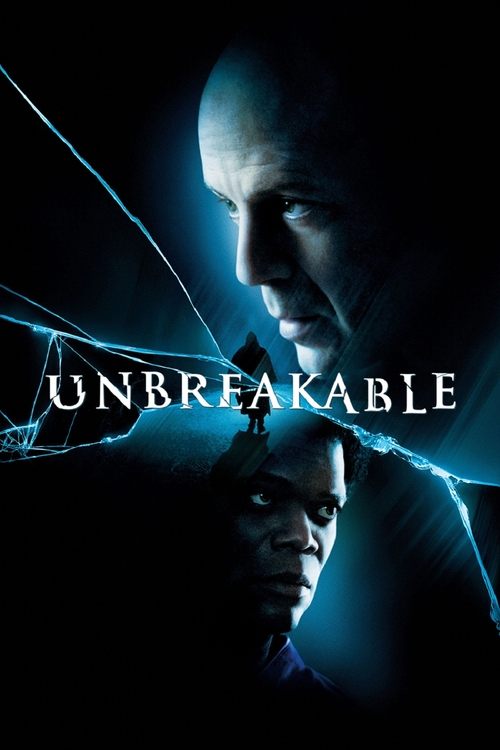
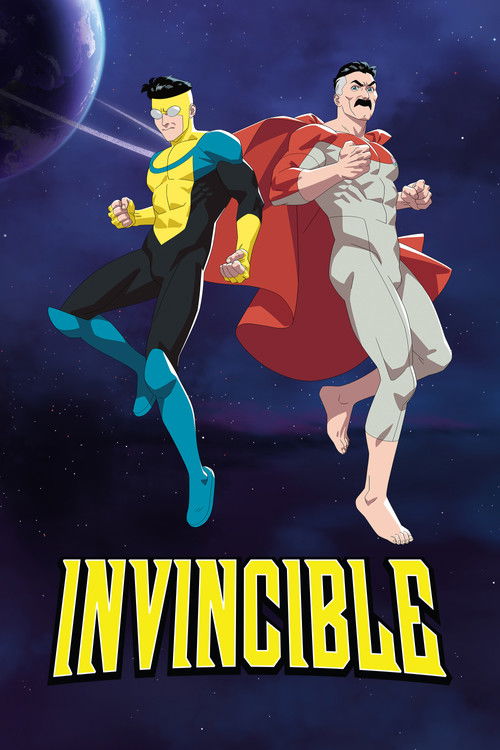
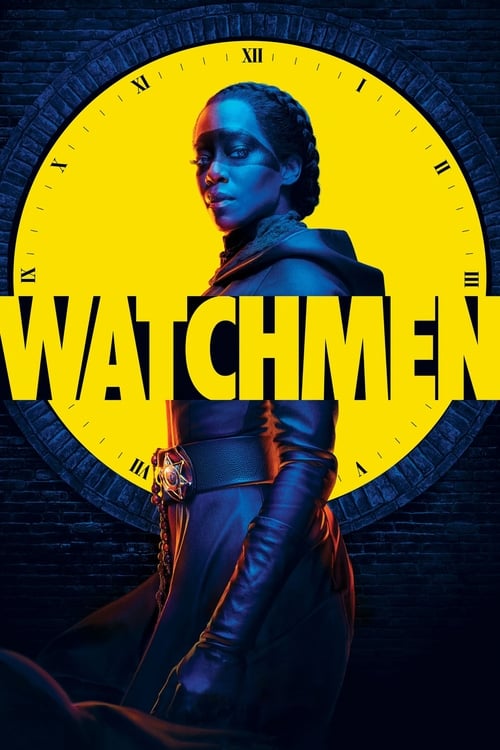
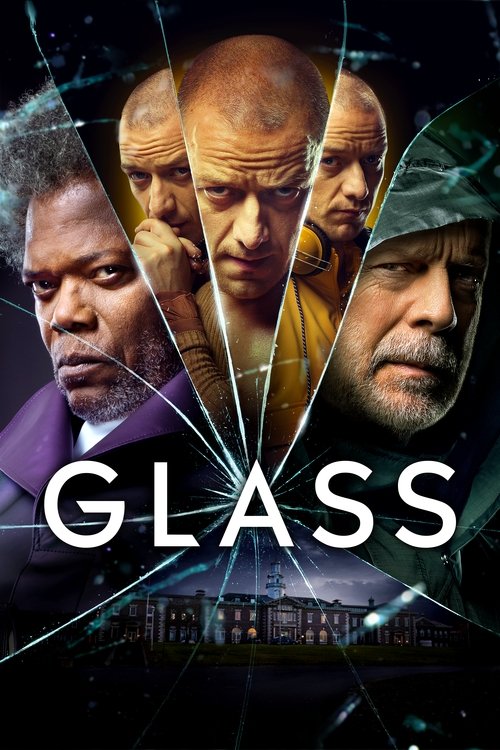
The Fallen Ideal on Screen
Films and series that ask what heroism costs when the world has moved on


Moral Weight in Print
Novels and graphic novels that share Kingdom Come's preoccupation with power, legacy, and responsibility


Games About Consequence
Games where power carries a price and choices define the hero
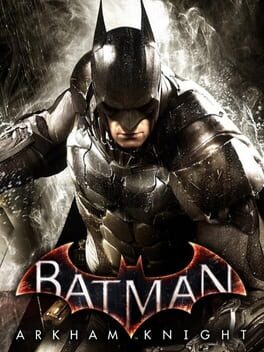
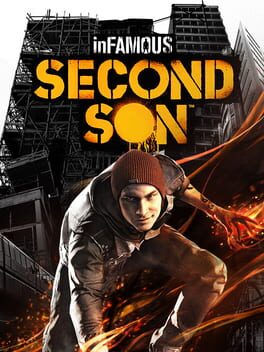
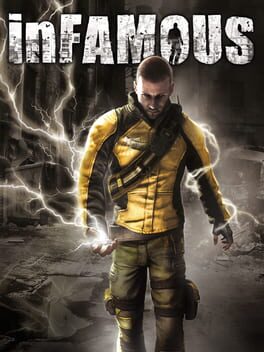
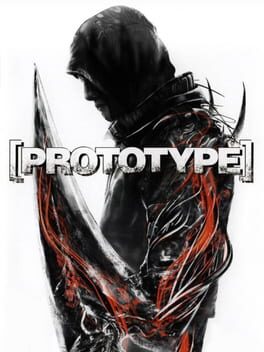
Alex Ross Changed What Comics Could Look Like
Before Kingdom Come, painted superhero art was a prestige novelty. Ross made it the only logical choice for this story: you cannot tell a fable about human fallibility with stylized line art, because that art code signals safety. His photorealistic faces show aging, exhaustion, and doubt. Superman looks tired. Wonder Woman looks righteous in a way that frightens you. The painted medium is not decoration here. It is the argument.
The Boys Owes Kingdom Come a Debt
Garth Ennis's satirical deconstruction and Mark Waid's tragic one are not the same story, but they are both reactions to the same question: what if superheroes existed and were not accountable to anyone? The Boys answers with cynicism and gore. Kingdom Come answers with grief. Together they define the poles of the post-Watchmen superhero tradition, and watching one sharpens what the other is doing.
Logan Is Kingdom Come for the X-Men
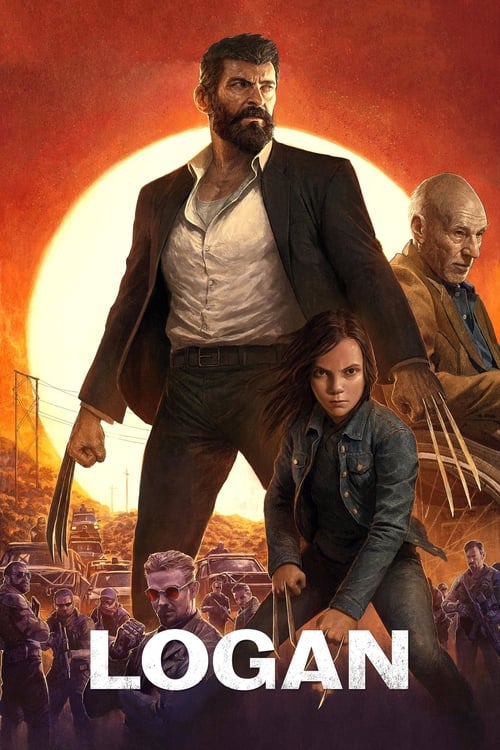
Logan (2017) puts an aged, broken Wolverine in a world that has passed him by and asks the same question Kingdom Come asks of Superman: what does a hero do when the era that defined him is over? Both stories build to a sacrifice that is also a statement. The aged-hero frame is not a gimmick in either work. It strips the mythology down to what was real underneath all along.
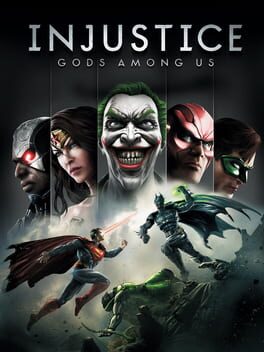
Injustice: Gods Among Us as a Parallel Text
The Injustice game (and its prequel comic, also by Waid's contemporaries at DC) runs a thought experiment Kingdom Come partially shares: what happens when Superman decides he knows better than humanity? Both narratives treat that premise seriously rather than as a cheap villain turn. Playing through Injustice's story mode is the closest you can get to a Kingdom Come experience outside the graphic novel itself.
The Superhero Deconstruction Timeline
- 1985Crisis on Infinite Earths resets the DC universe, raising the question of what a hero means in a continuity-conscious world
- 1986The Dark Knight Returns imagines an aging, authoritarian Batman and sets the template for grim-future superhero fables
- 1986Watchmen deconstructs every superhero archetype and asks what kind of person actually wants that power
- 1994Marvels (Ross and Busiek) re-examines the Marvel Golden Age through a civilian's eyes, establishing Ross's painted realism as a storytelling tool
- 1996Kingdom Come publishes: the definitive statement on superhero legacy, moral authority, and the cost of disengagement Absolute Kingdom Come
- 2003Astro City: Confession continues the tradition of humanizing superhero mythology through civilian experience
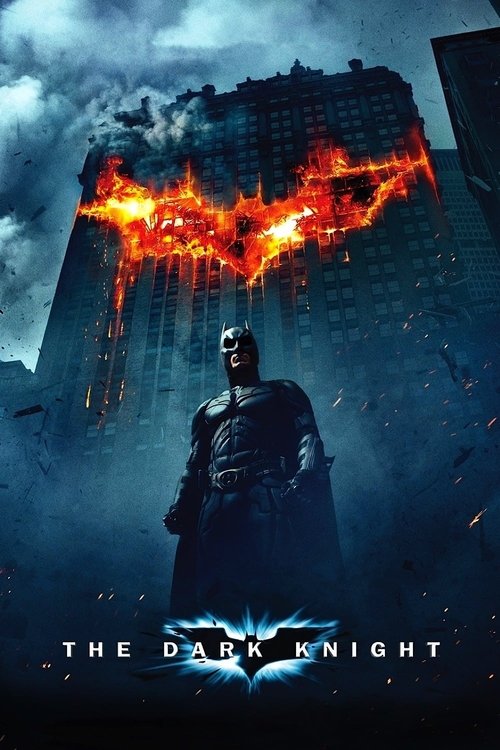
- 2008The Dark Knight brings the morally serious superhero film to its commercial and critical peak The Dark Knight
- 2009Watchmen reaches the screen, bringing the deconstructive tradition to mainstream cinema Watchmen
- 2011Irredeemable concludes Mark Waid's own answer to 'what if a Superman-figure went wrong'
- 2017Logan proves the aged-hero film can work as genuine drama rather than fan service Logan
- 2019The Boys premieres, bringing the satirical pole of superhero deconstruction to prestige TV The Boys
The superhero myth, legacy and consequence
Superheroes
Explore the Superheroes guide →Kingdom Come is the story of what happens when the people who were supposed to be watching the world look away. It is also a story about whether they can earn the right to come back.On the moral architecture of Waid and Ross's elseworlds fable