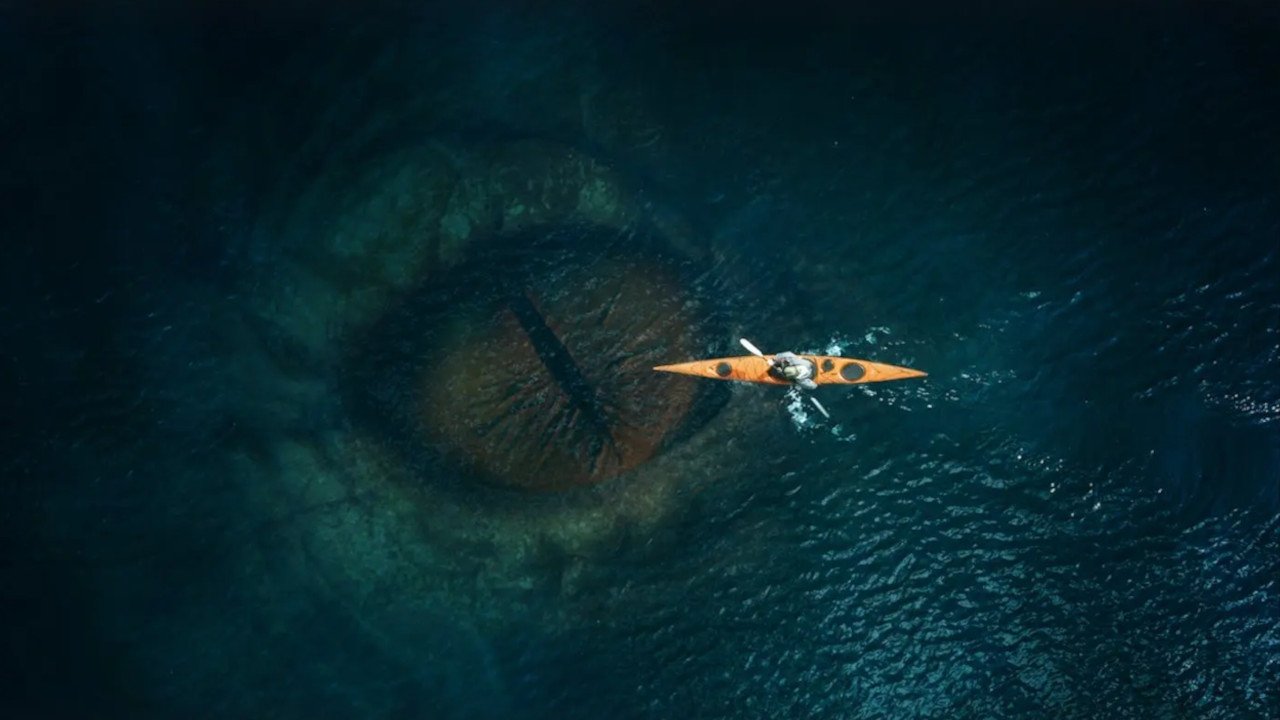

The Natural History Museum's giant squid specimen vanishes overnight, and that single impossible fact cracks London open to reveal the city underneath: a sprawling, self-governing underworld of cults, familiars, union-organised police psychics, and eschatological true believers convinced the kraken is god and the apocalypse is scheduled. China Miéville's Kraken (2010) is a book about the texture of obsession, the theology of deep-sea horror, and the specific comedy of bureaucracy applied to the supernatural. What fans chase in it is a very particular mixture: genuinely weird ideas taken completely seriously, a city rendered as a living organism with its own secret immune system, and humour that never punctures the dread. The through-line across every medium in this guide is that same combination: worlds that have thought harder about their own rules than you have, darkness worn lightly, and the nagging sense that the ordinary world is a thin crust over something vast and tentacled.
Essential Miéville
The novels that built the world Kraken fans love: London rewritten, capitalism made monstrous, language weaponised.


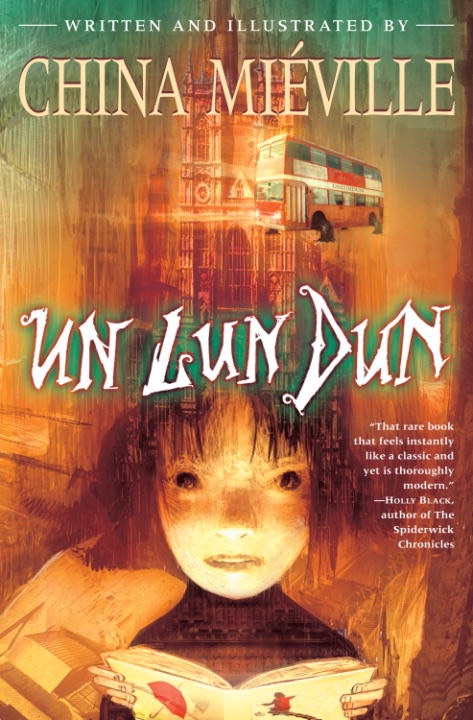
London as a Secret Country
Fiction and TV that treat the city as a place with a hidden operating system, one ordinary people are not cleared to see.

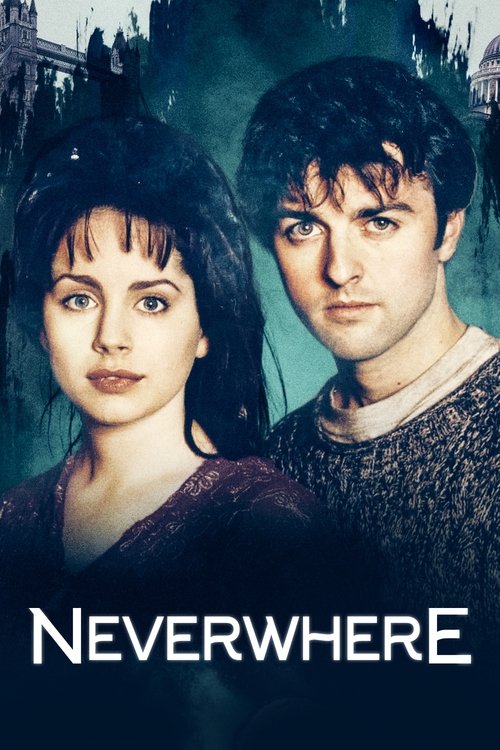
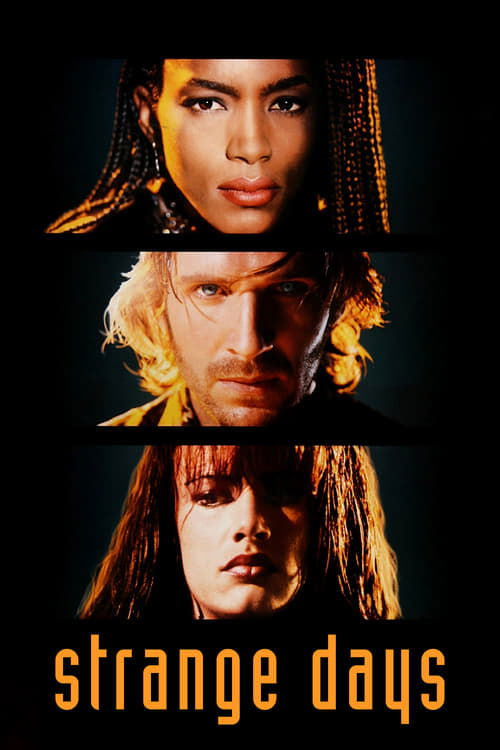
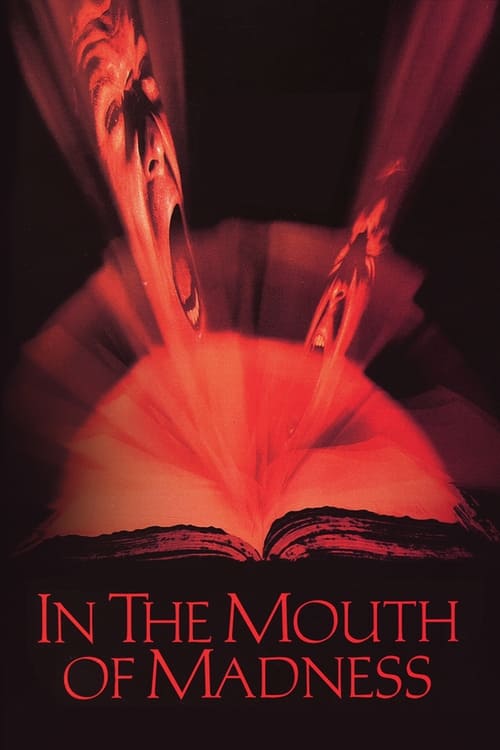
Weird Fiction on Screen
Films and series that treat cosmic horror as a setting problem to be solved, not a mood to be gestured at.
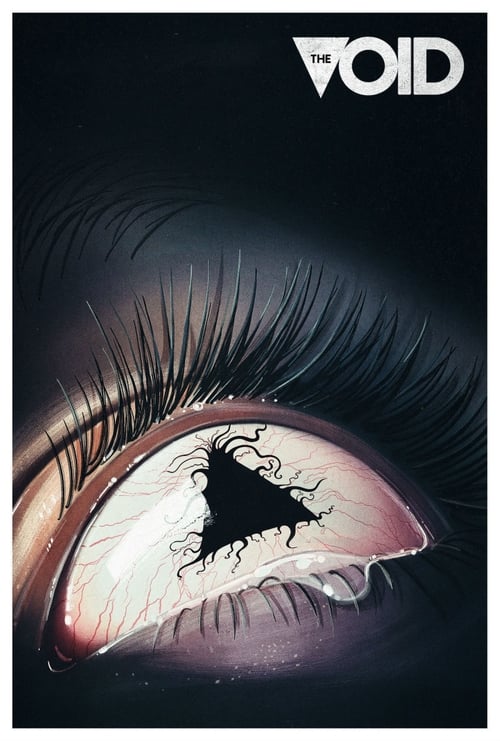
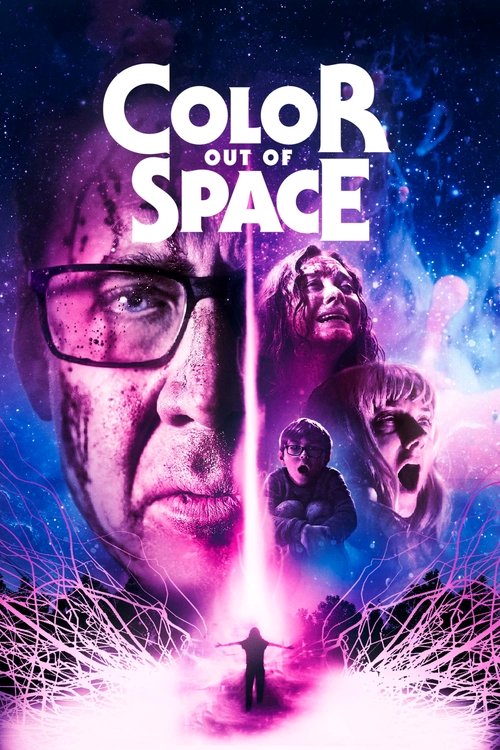
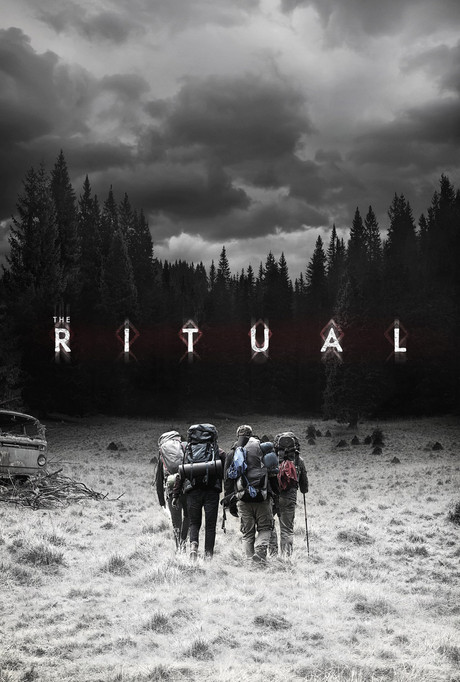
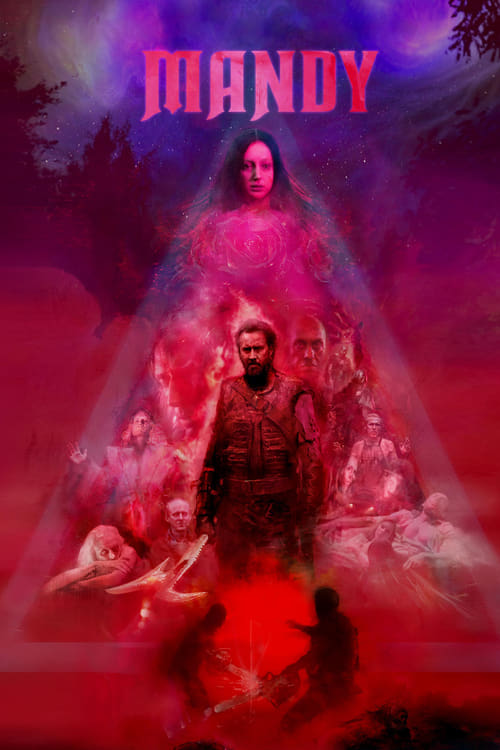
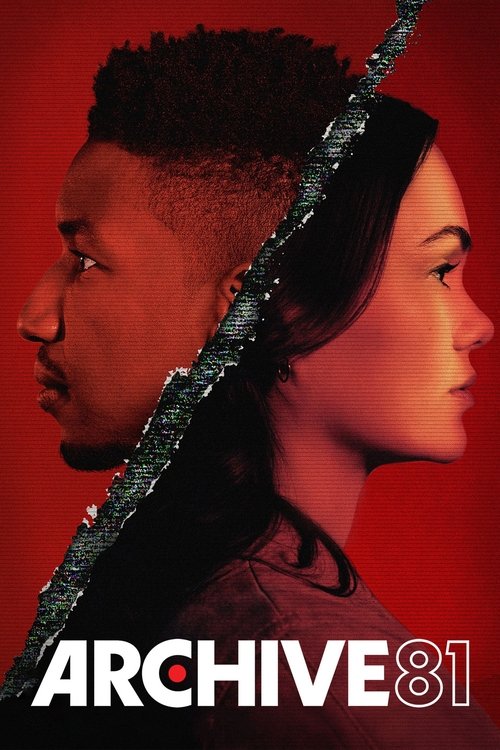
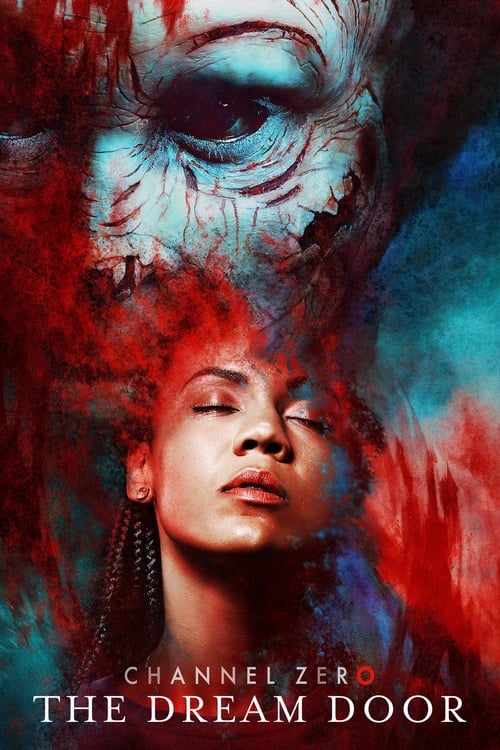

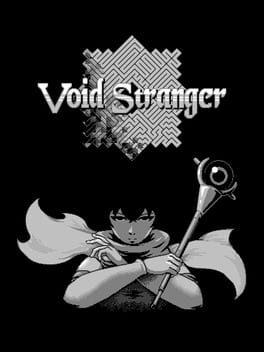
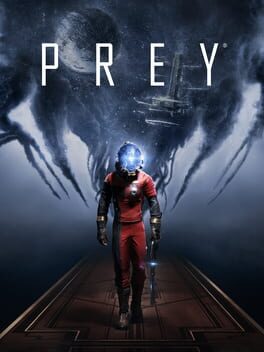
Games Where the World Has a Hidden Layer
Games that build a secret infrastructure beneath the visible one, demanding you learn its rules before you can survive it.
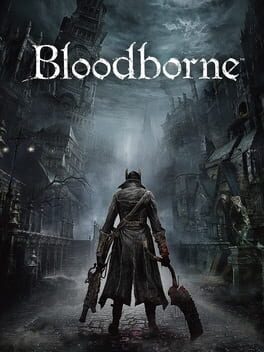
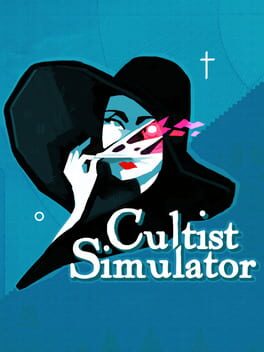
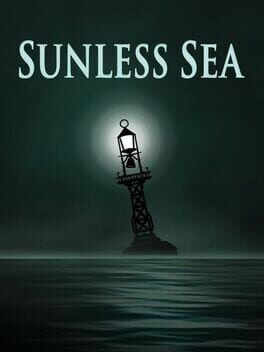
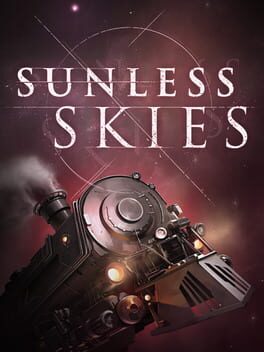
The bureaucracy is the point
Kraken's funniest and most original invention is FSRC, the Fundamentalist and Sect-Related Crime unit: two detectives whose job is to manage the occult underworld the same way other units manage gangs or fraud. Miéville understands that nothing makes something feel real like giving it paperwork. The horror is more frightening because it has filing requirements. This is the move the best weird fiction keeps making: the supernatural is not beyond systems, it just runs on different ones.
Lovecraft's ideas, stripped of Lovecraft's politics
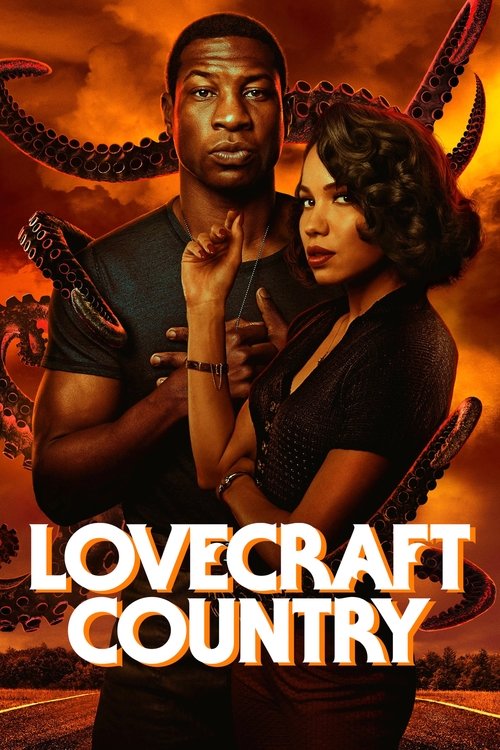
The cosmic horror tradition carries enormous baggage. Miéville, who wrote his doctoral thesis on Marxist international law, is acutely aware of who Lovecraft was afraid of and why. Kraken uses the tentacles and the vast indifference and the sanity-destroying scale, and systematically replaces the xenophobia with something weirder and funnier: a multi-ethnic, union-organising, ideologically fractious occult London where the apocalypse is a labour dispute. The best successors to Lovecraftian horror do exactly this.
Sunless Sea is the closest thing to a Kraken game
Failbetter Games built Fallen London and Sunless Sea in the same imaginative register as Miéville: a city-as-underworld, factions with internally coherent but mutually incompatible ideologies, and a prose style dense enough to chew on. Sunless Sea adds the nautical horror of genuinely unknowable things below the water, which maps directly onto Kraken's theological squid. Neither game explains itself until you have already committed. Both reward obsession.
Control gets the building right
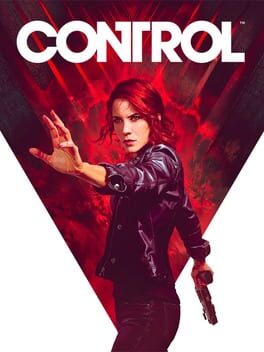
The Federal Bureau of Control in Remedy's game and FSRC in Kraken solve the same narrative problem: how do you make a mundane institution feel appropriate to supernatural horror? The answer is the same in both cases. You make the institution old enough to have absorbed the horror into its culture, bureaucratic enough to have developed rituals for managing it, and matter-of-fact enough that the employees have learned to compartmentalise. The Oldest House and the Natural History Museum are buildings that have become characters.
Weird Fiction's Defining Moments
- 1926H.P. Lovecraft publishes The Call of Cthulhu, establishing the template: vast oceanic entities, cults, human insignificance.
- 2000Perdido Street Station resets what a fantasy city can be, establishing Miéville as the defining voice of New Weird.
- 2004Jeff VanderMeer coins New Weird as a critical category, giving a name to the mode Kraken lives in.
- 2009Failbetter Games launches Fallen London, the first major text game to treat the Miéville-inflected city-underworld as a game setting.
- 2010Kraken published: giant squid theology, apocalypse cults, and two baffled detectives.
- 2014Sunless Sea extends Fallen London into oceanic horror navigation. Sunless Sea
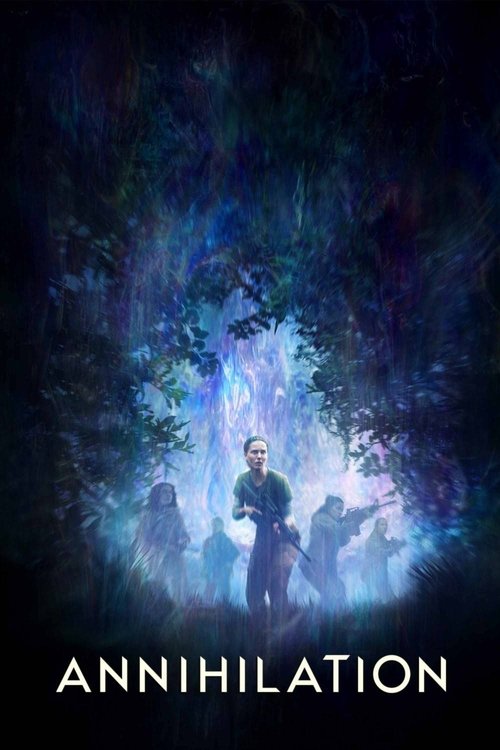
- 2018Annihilation brings weird fiction's Southern Reach trilogy to cinema; Ben Salisbury and Geoff Barrow score it. Annihilation
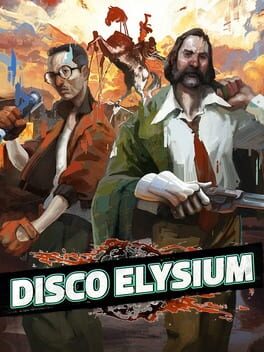
- 2019Disco Elysium arrives: a city with a secret ideological substructure, playable bureaucracy, and prose that owes as much to New Weird as to RPG tradition. Disco Elysium
- 2019Control: the Federal Bureau of Control as a building that has normalised the impossible. Control
- 2020Lovecraft Country reimagines cosmic horror through a Black American lens, completing the genre's reckoning with its own origins. Lovecraft Country
This is a book about what happens when the world's secret infrastructure turns out to be real, and the people who have to manage it have union representation.On Kraken