
The architect of Pokemon's emotional core
Kunihiko Yuyama spent the better part of three decades answering one deceptively simple question: what does it feel like to be small in a world full of enormous, unknowable things? Born in 1952, he came up through the golden era of Japanese TV animation, directing Magical Princess Minky Momo, Leda: The Fantastic Adventure of Yohko, and Kimagure Orange Road before finding the project that would define his career. From 1998 to 2019 he directed the main theatrical Pokemon film series, more than twenty features in total, and in that run he made something that neither he nor anyone else quite expected: a franchise film series with a genuine interior life.
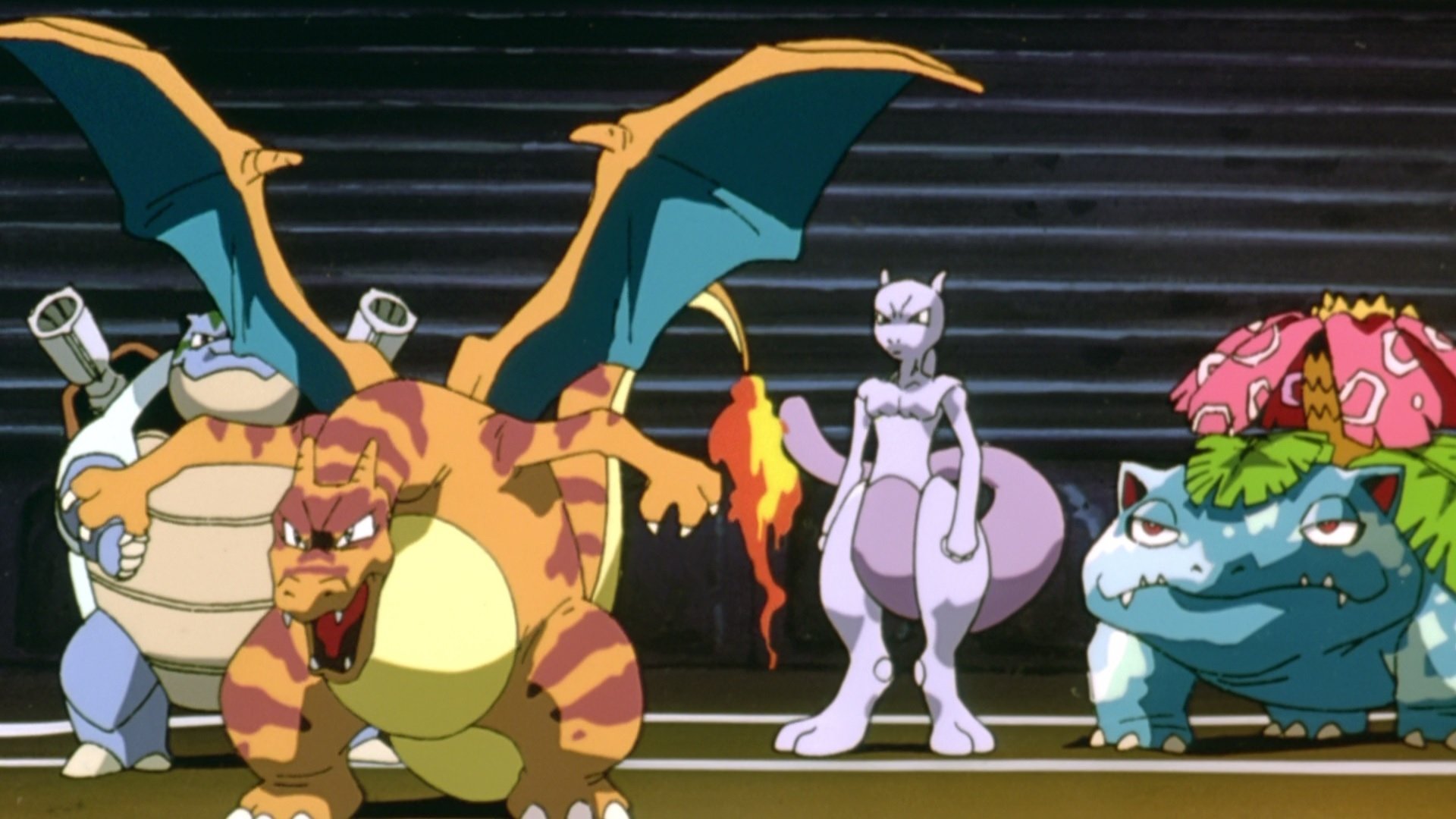
The first Pokemon movie opens not with an action sequence but with Mewtwo alone in a tank, asking why it exists. That's the register Yuyama works in. His films are nominally about battles and legendary creatures, but the emotional engine is almost always loneliness, the fear of not belonging, and the strange grace that arrives when creatures who shouldn't understand each other decide to try anyway. The tears Pikachu cries over Ash's body in The First Movie weren't in any merchandise strategy. They were Yuyama.
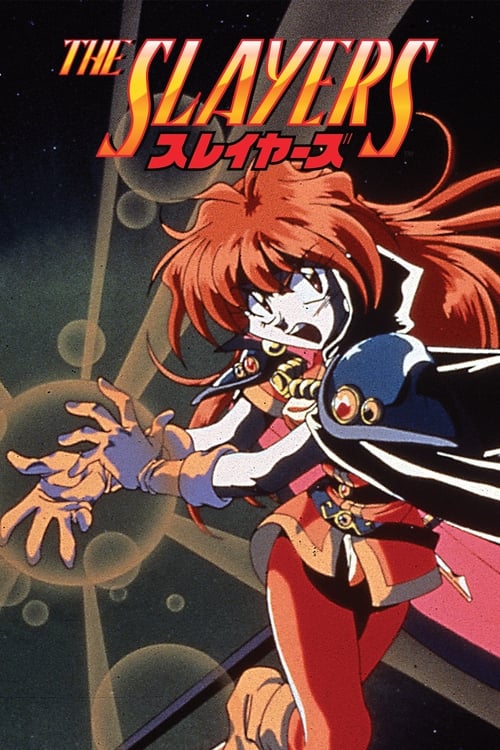
Before and alongside Pokemon, his work kept returning to the same preoccupations: girls navigating worlds that demand more of them than is fair, friendships that survive transformation, the cost of power when it isn't chosen. That thread runs from Minky Momo through Slayers and into every film where a legendary Pokemon stands at the center of a crisis it didn't ask for. If you love what Yuyama made, you love a very specific flavor of anime: colorful, fast, emotionally sincere, and quietly haunted.
Essential Kunihiko Yuyama
Selected highlights from the theatrical Pokemon run, in release order
 Pokémon: The First Movie
 Pokémon the Movie 2000
 Pokémon 3: The Movie
 Pokémon 4Ever
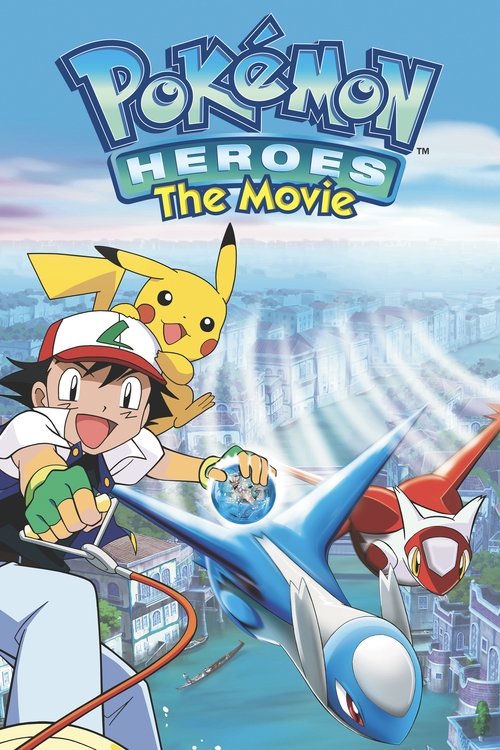 Pokémon Heroes
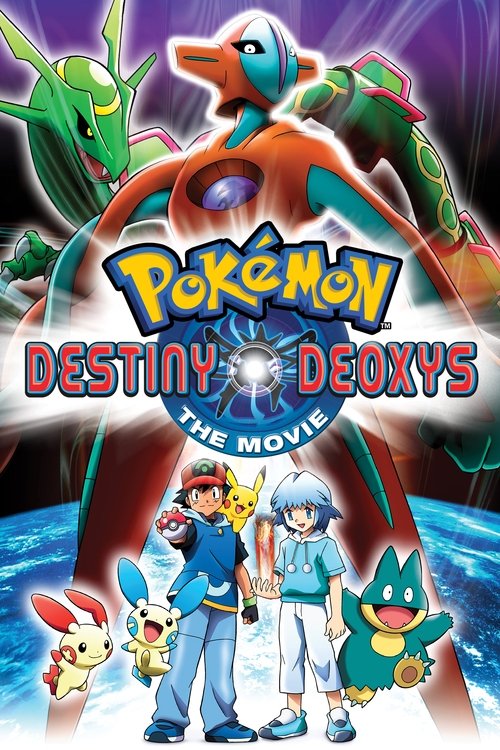 Pokémon: Destiny Deoxys
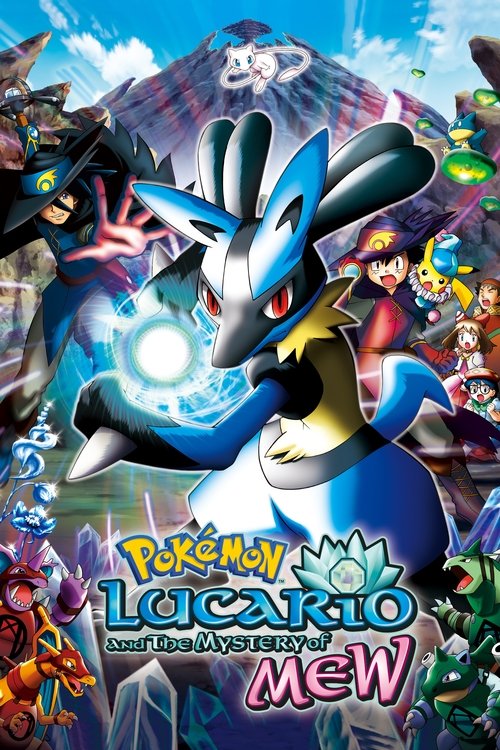 Pokémon: Lucario and the Mystery of Mew
 Pokémon: The Rise of Darkrai
 Pokémon: Giratina and the Sky Warrior
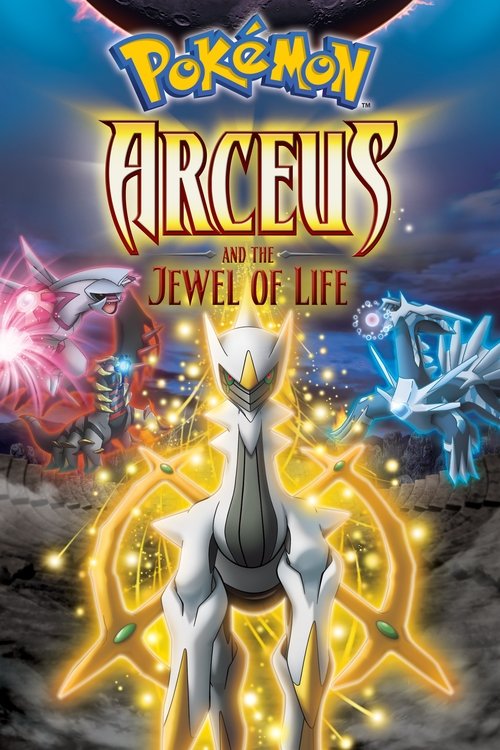 Pokémon: Arceus and the Jewel of Life
 Pokémon the Movie: Kyurem vs. the Sword of Justice
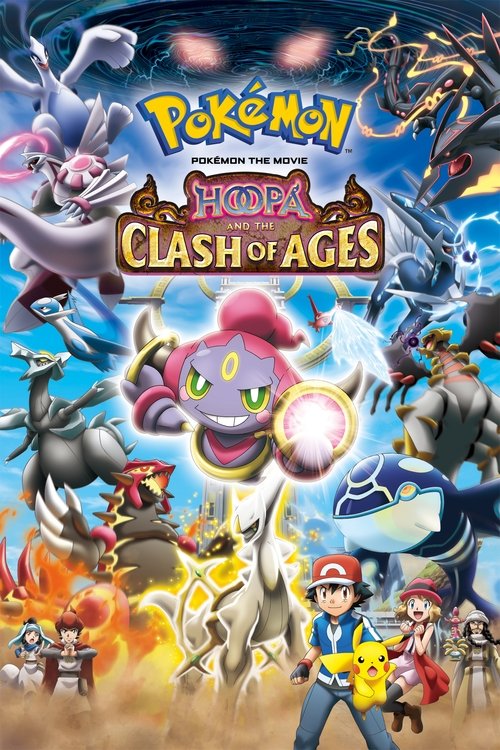 Pokémon the Movie: Hoopa and the Clash of Ages
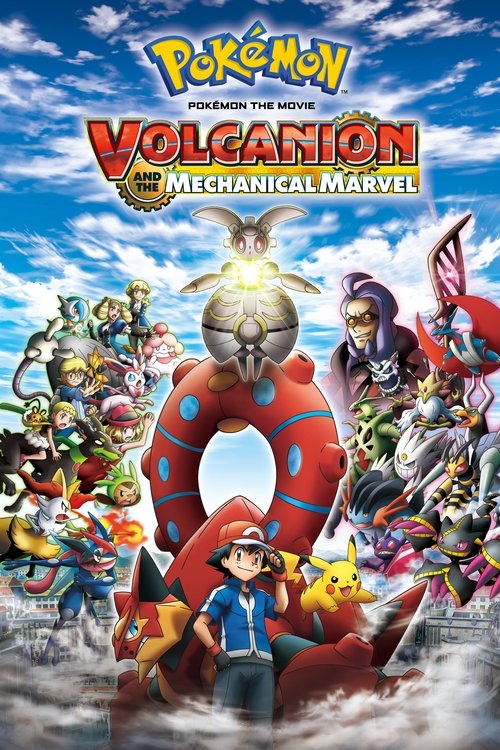 Pokémon the Movie: Volcanion and the Mechanical Marvel
 Pokémon the Movie: I Choose You!
 Pokémon the Movie: Mewtwo Strikes Back - Evolution
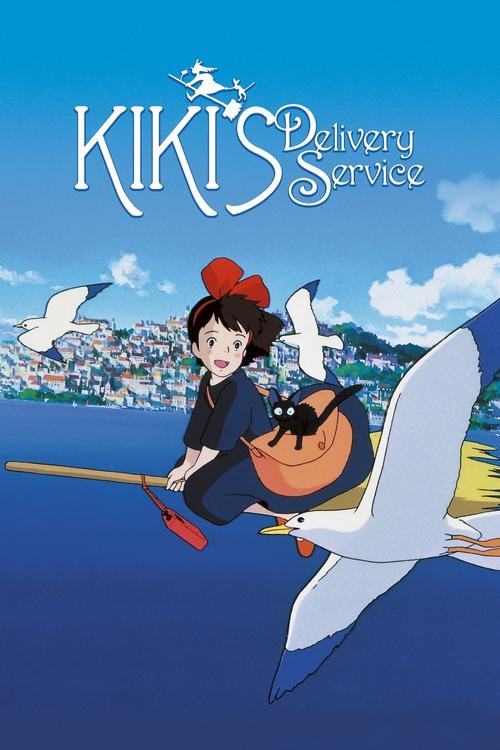
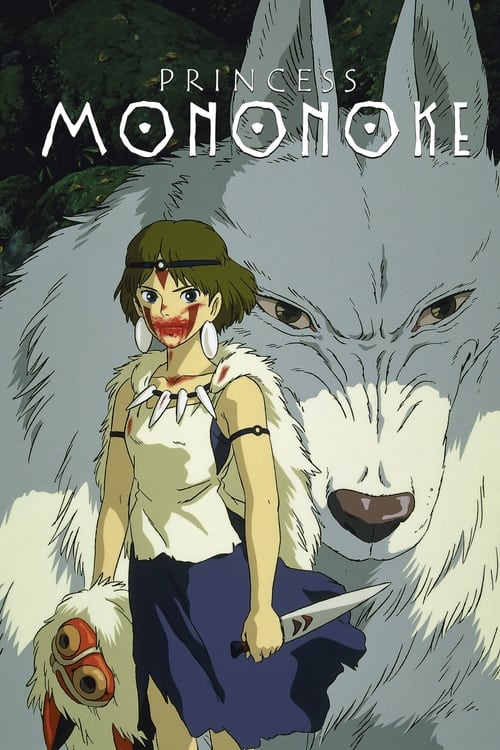
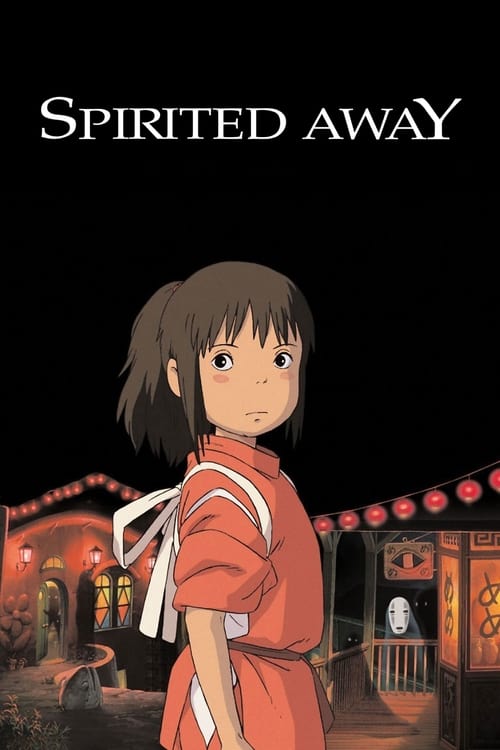
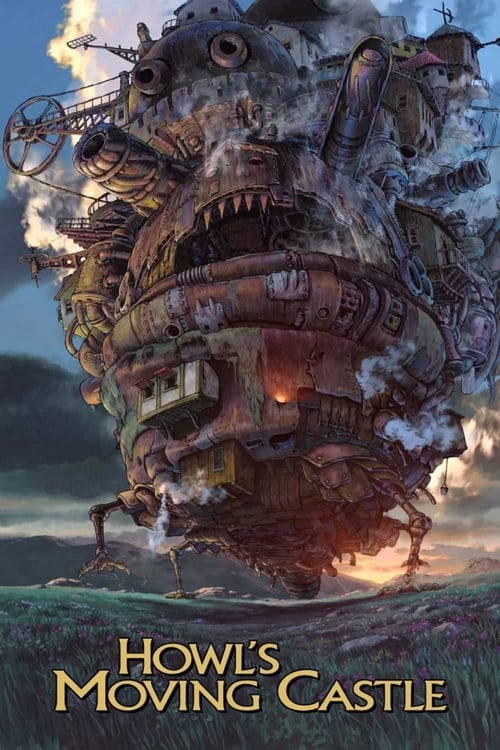
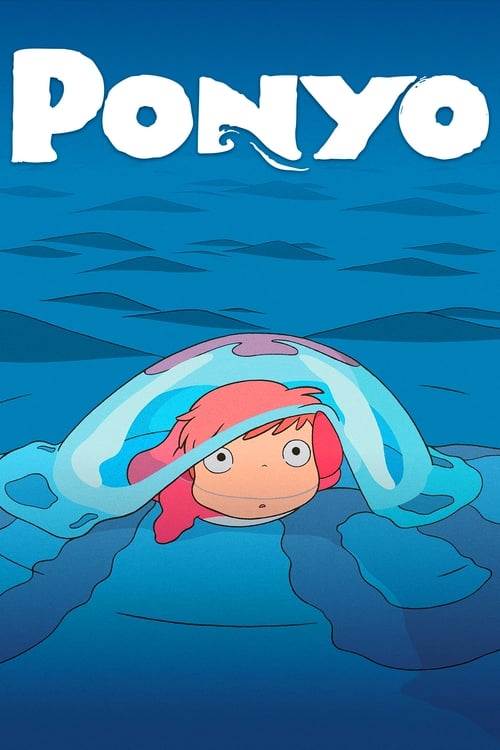
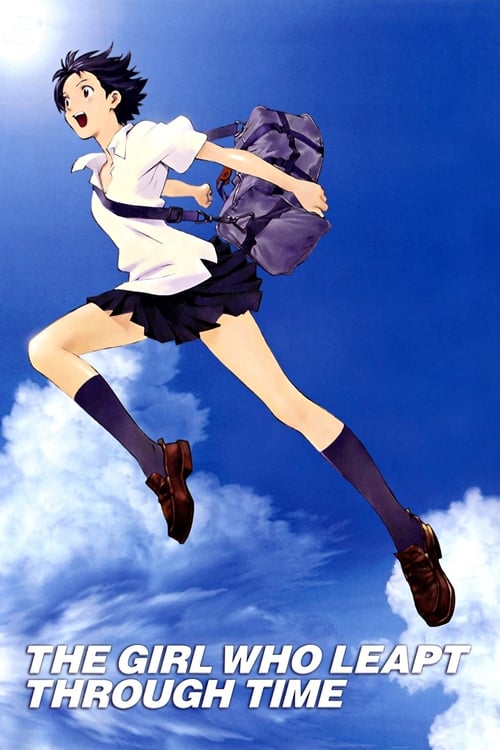
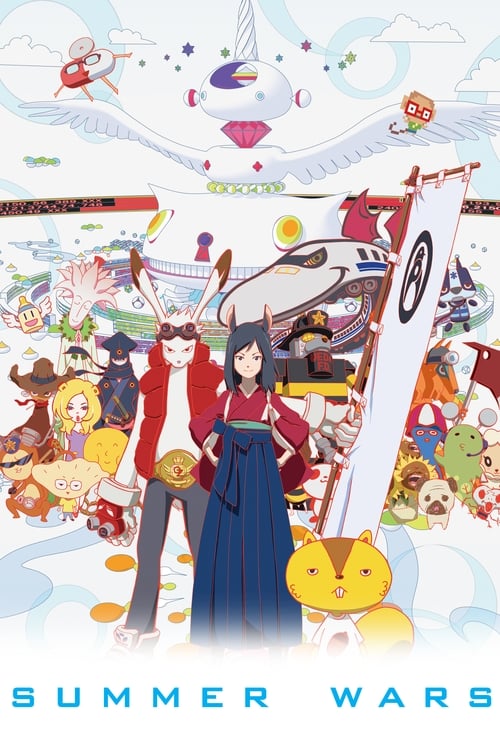
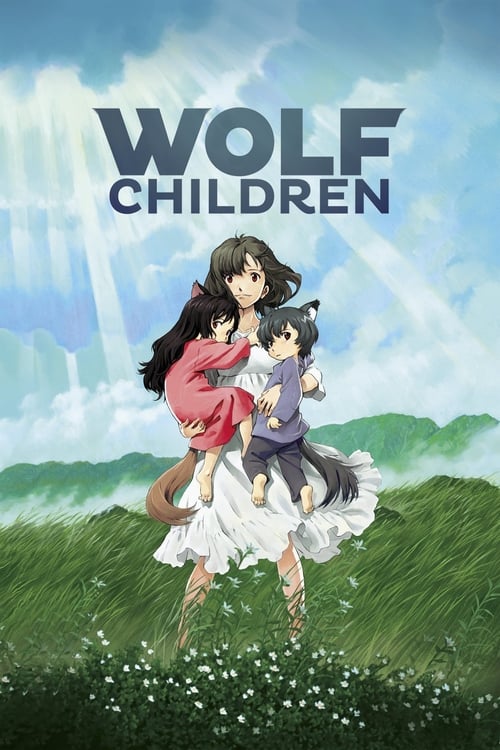
Japanese animation that shares his DNA
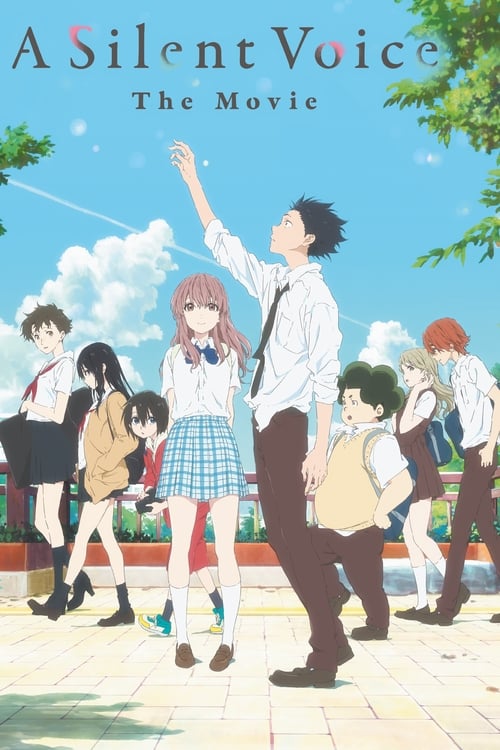
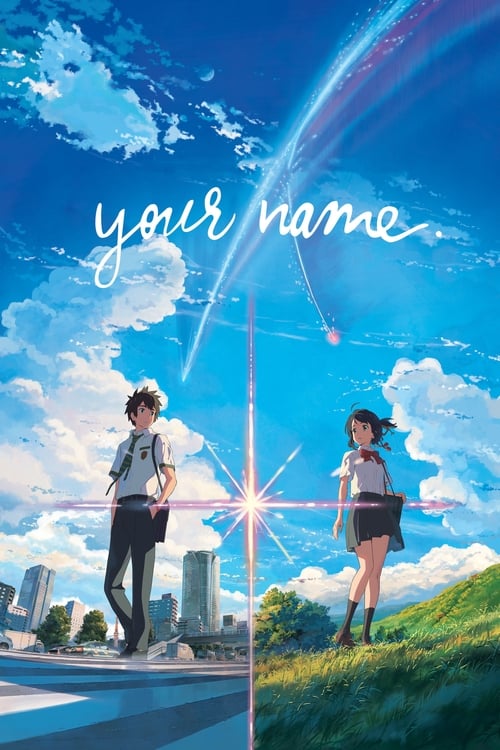
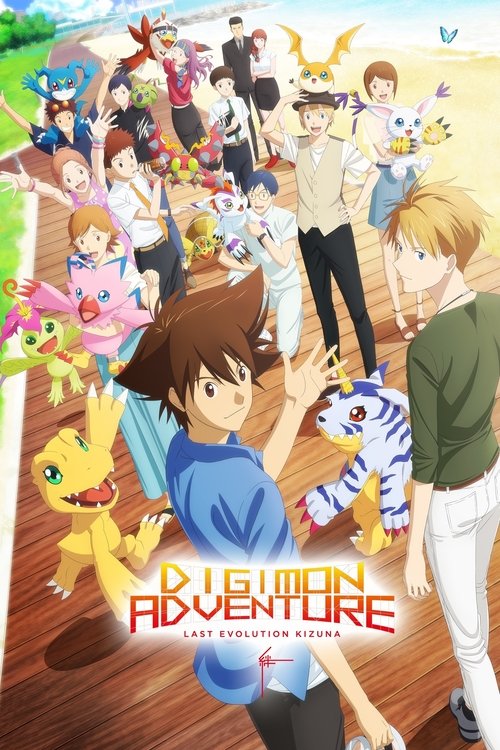
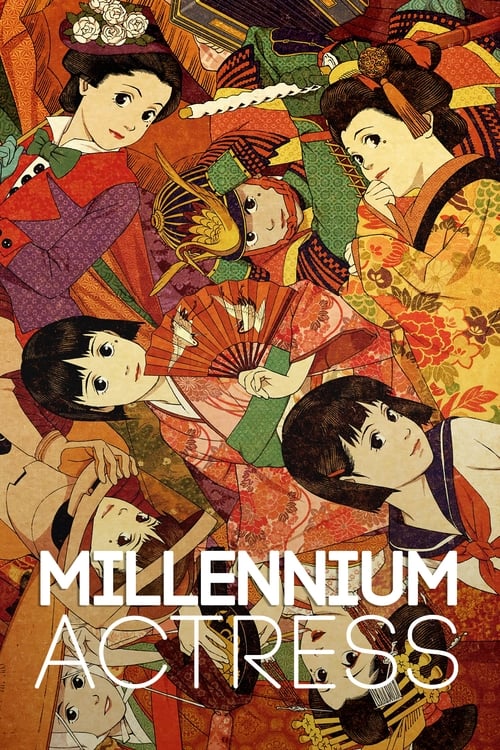
Films built on the same axis of wonder, loneliness, and the bond between children and creatures
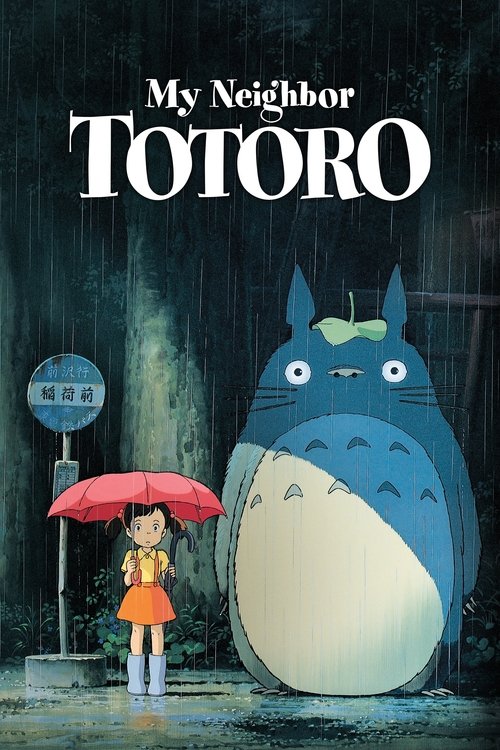
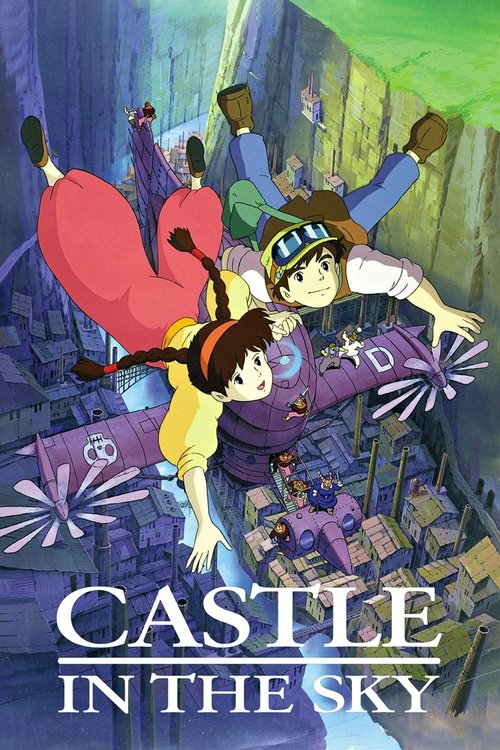
Collect, befriend, grow: games with the same spirit
From the games that created Yuyama's world to the spiritual descendants that carry it forward

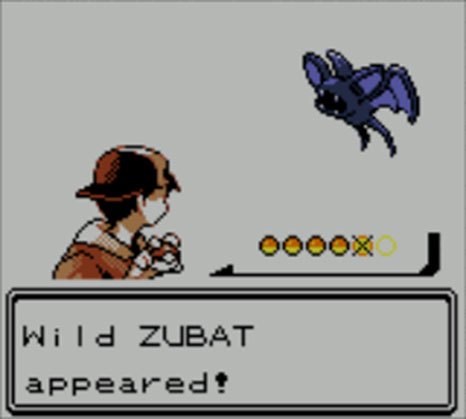



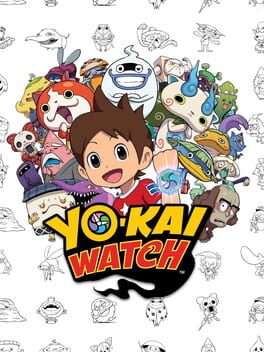
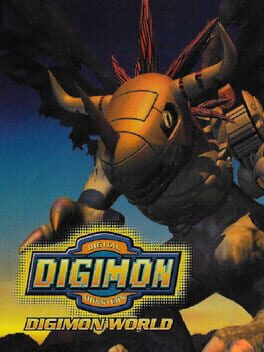



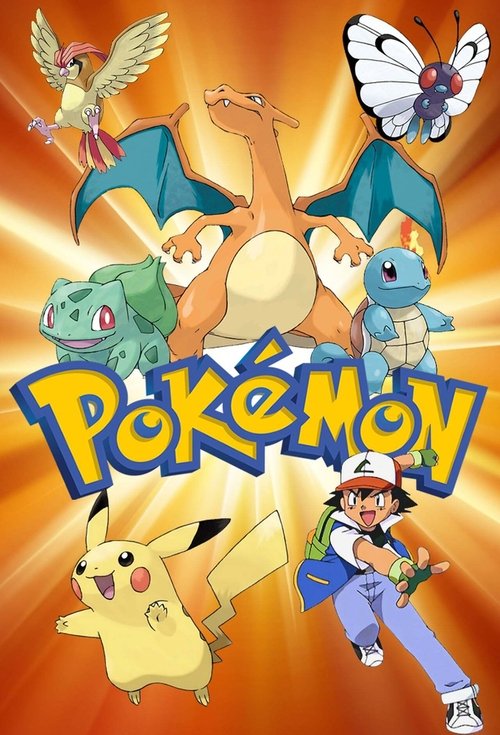
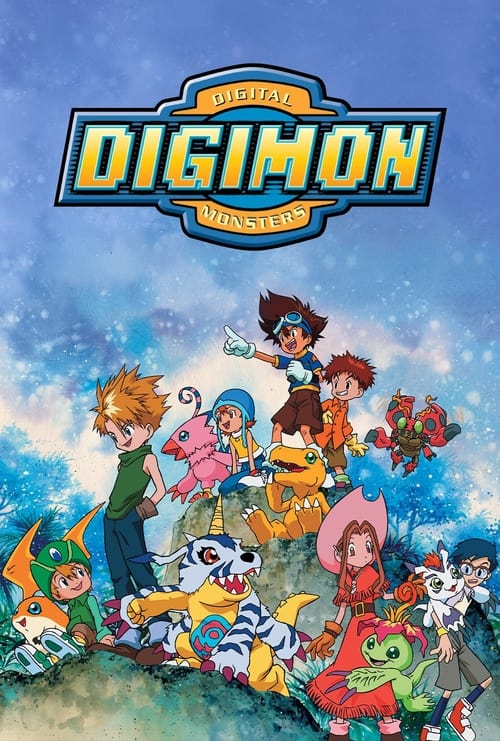
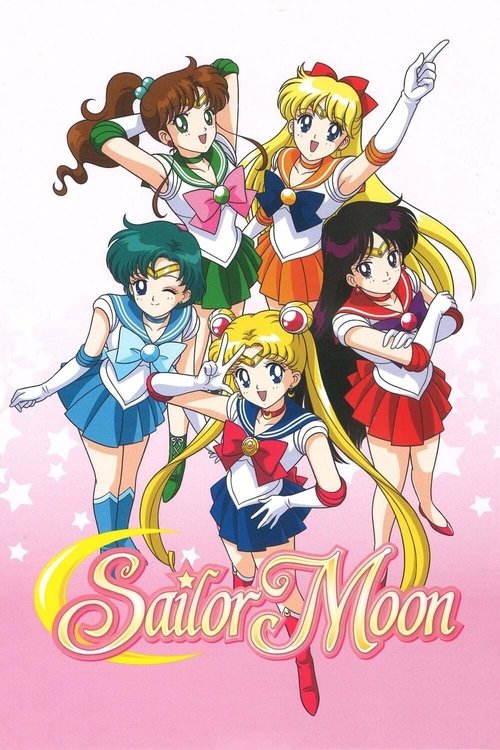
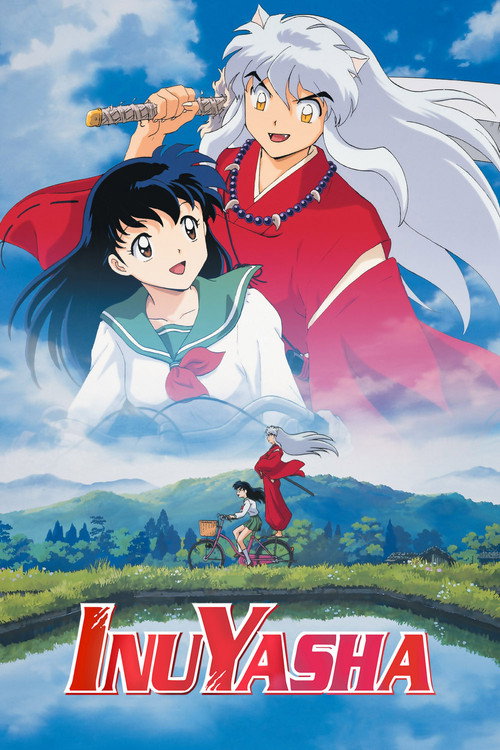
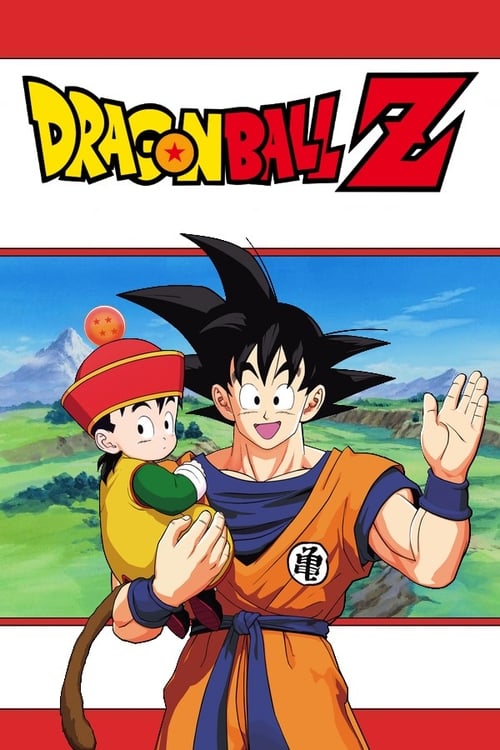
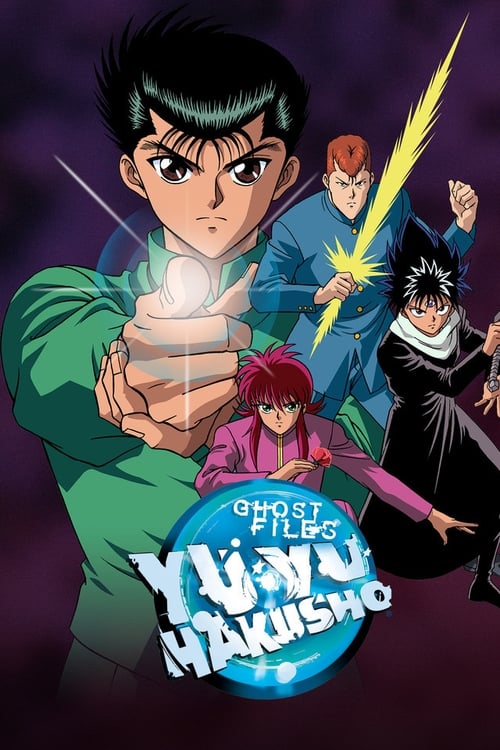
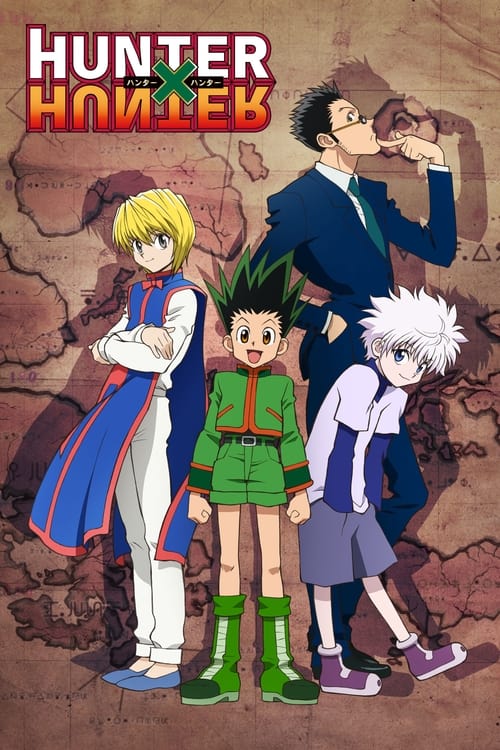
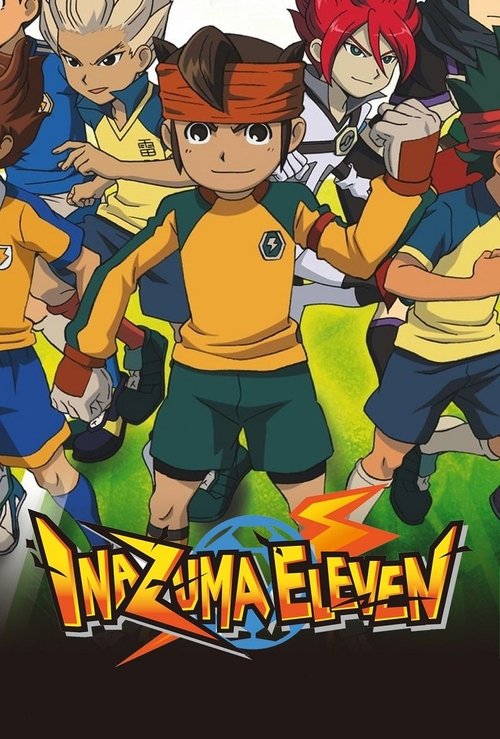
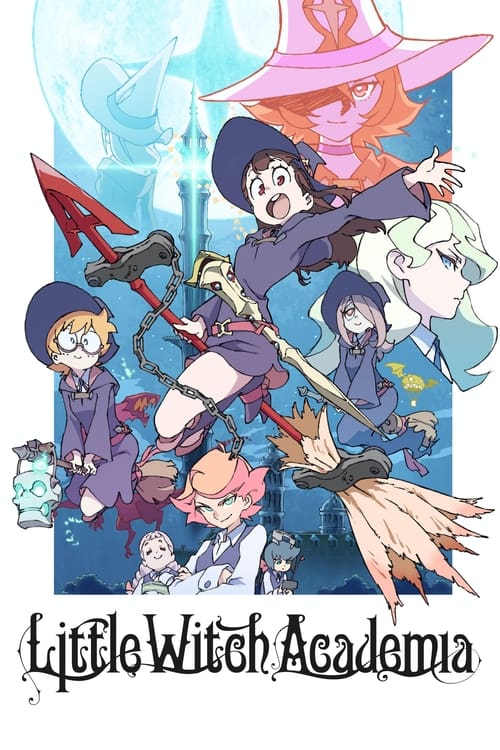
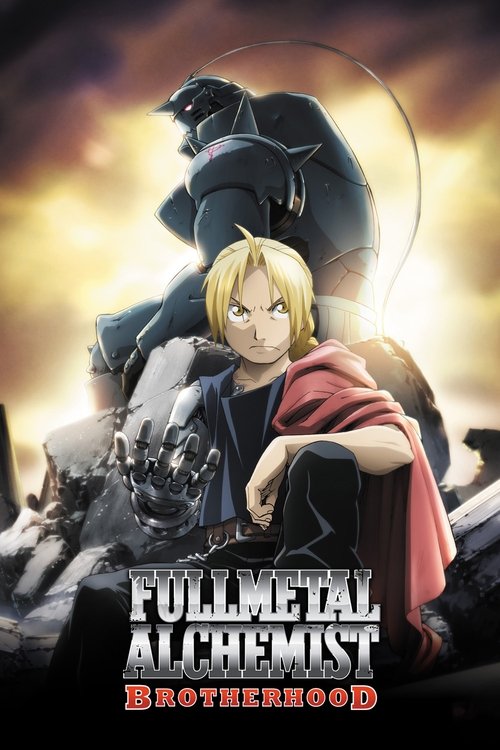
The TV anime that defined the era
Long-running series that built the same emotional vocabulary Yuyama's films drew from

Books for readers who grew up on this world
Adventure, friendship, and the feeling of being a small person in an enormous landscape


The perfect entry point is not the one everyone starts with
Pokémon: Lucario and the Mystery of Mew (2005) is where Yuyama's instincts are at their sharpest. The premise is quietly audacious: a Pokemon who carries the memories of a knight who died serving a king, now confronting whether loyalty means anything when the person you served is gone. It handles grief with more delicacy than most films aimed at adults. If you want to understand what Yuyama is actually doing beneath the franchise surface, start here rather than with the first movie.
The first movie is still the one that hits differently
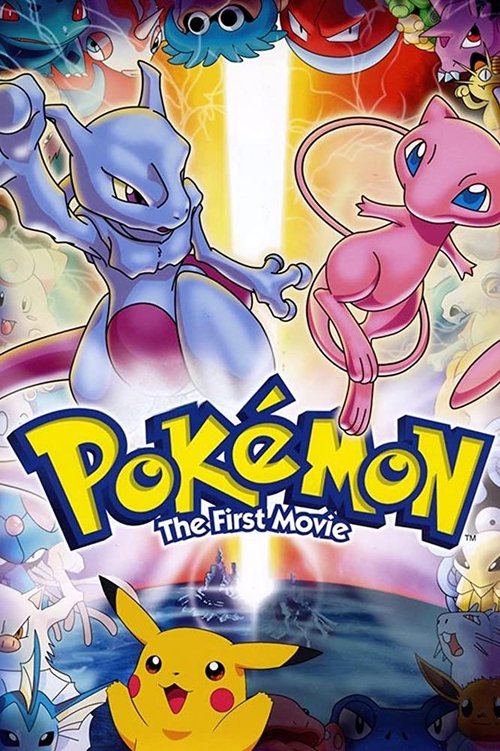
Pokémon: The First Movie should not work as well as it does. It is a 75-minute advertisement for a card game that opens with a sequence about a clone asking why it was born, and closes with the franchise's mascot weeping over a dead child. The film's central argument, that the circumstances of your birth do not determine your worth, is not handled with the most sophisticated filmmaking. But it is handled sincerely, and that sincerity has outlasted a lot of more technically accomplished films from the same period.
Ni no Kuni is the game Yuyama would have made if he made games
Ni no Kuni: Wrath of the White Witch is the product of a collaboration between Level-5 and Studio Ghibli, but it captures something that Yuyama's films also reach for: the idea that the monster-filled world a child enters is not just an adventure but a mirror for the emotional crisis they can't face at home. The game's grief is real, its creature designs are genuinely strange, and its sense of wonder never turns smug. It belongs in the same conversation as anything Yuyama directed.
The underrated one is the time-travel entry
Pokémon 4Ever (2001) tends to get ranked near the bottom of the Yuyama filmography, largely because its CG Celebi has not aged well and its plot structure is looser than the movies around it. But the friendship at its center, between a boy and a small forest creature that has been hunted across time, is one of the most affecting in the series. The ending earns something the cleaner, better-structured films around it never quite reach. It is a strange, imperfect film and it is better than its reputation.
These Pokemon are not pets and not weapons. They are the kind of friends who stay even when they cannot speak, and the series knows that is the rarest kind.On the emotional premise that runs through Yuyama's entire theatrical run
Kunihiko Yuyama at the movies
- 1998Pokémon: The First Movie Pokémon: The First Movie
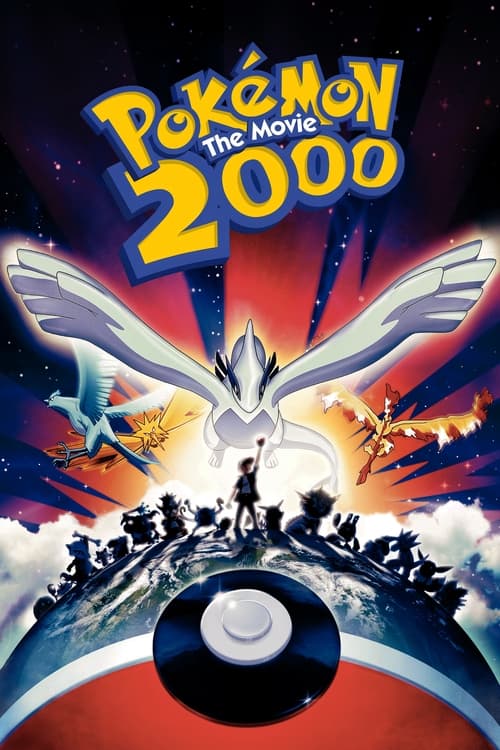
- 1999Pokémon the Movie 2000 Pokémon the Movie 2000
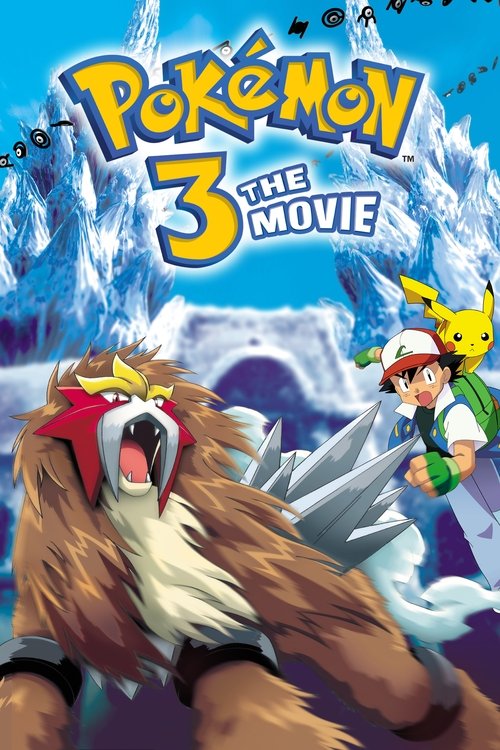
- 2000Pokémon 3: The Movie Pokémon 3: The Movie
- 2001Pokémon 4Ever Pokémon 4Ever
- 2002Pokémon Heroes Pokémon Heroes
- 2003Jirachi Wish Maker Pokémon: Jirachi Wish Maker
- 2004Destiny Deoxys Pokémon: Destiny Deoxys
- 2005Lucario and the Mystery of Mew Pokémon: Lucario and the Mystery of Mew
- 2006Ranger and the Temple of the Sea Pokémon Ranger and the Temple of the Sea
- 2007The Rise of Darkrai Pokémon: The Rise of Darkrai
- 2008Giratina and the Sky Warrior Pokémon: Giratina and the Sky Warrior
- 2009Arceus and the Jewel of Life Pokémon: Arceus and the Jewel of Life
- 2010Zoroark: Master of Illusions Pokémon: Zoroark - Master of Illusions
- 2011Victini and Reshiram Pokémon the Movie: Black - Victini and Reshiram
- 2012Kyurem vs. the Sword of Justice Pokémon the Movie: Kyurem vs. the Sword of Justice
- 2013Genesect and the Legend Awakened Pokémon the Movie: Genesect and the Legend Awakened
- 2014Diancie and the Cocoon of Destruction Pokémon the Movie: Diancie and the Cocoon of Destruction
- 2015Hoopa and the Clash of Ages Pokémon the Movie: Hoopa and the Clash of Ages
- 2016Volcanion and the Mechanical Marvel Pokémon the Movie: Volcanion and the Mechanical Marvel
- 2017I Choose You! Pokémon the Movie: I Choose You!
- 2019Mewtwo Strikes Back: Evolution Pokémon the Movie: Mewtwo Strikes Back - Evolution