

Leonardo DiCaprio spent the 1990s outrunning the teen-idol trap, and the films he chose tell you everything about who he wanted to be: the doomed outsider, the self-made fraud, the man whose ambition outruns his morality. From the raw grief of What's Eating Gilbert Grape to the baroque excess of The Wolf of Wall Street, his through-line is appetite: for status, for escape, for one more chance. Scorsese gave him the gangster's conscience. Nolan gave him the interior labyrinth. Tarantino gave him the sociopathic grin. What unites those performances is a quality of barely contained damage, a performer pressing right up against the glass. If that restlessness is what pulls you in, the films, books, and games below are calibrated to the same frequency.
Essential Leonardo DiCaprio
The performances that define the DiCaprio register, from early breakouts to peak-era collaborations





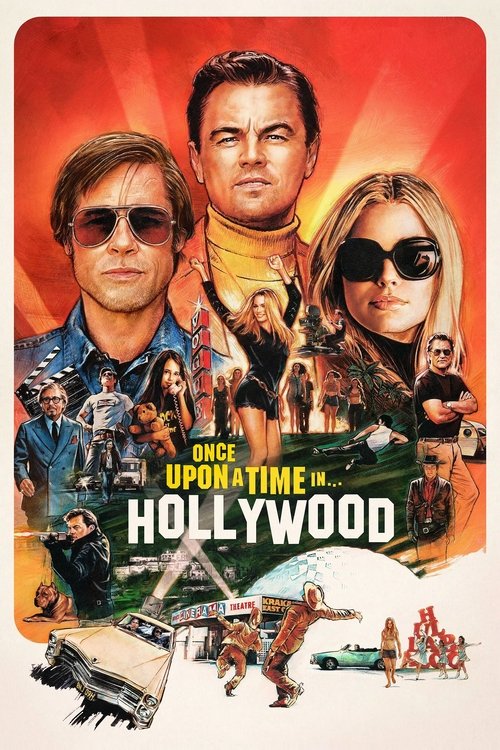
If You Love His Scorsese Run
Films built on moral rot, masculine ego, and the price of wanting everything
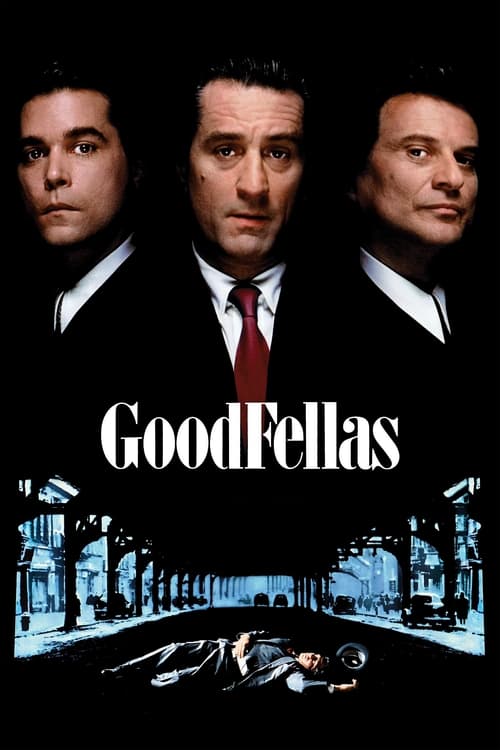
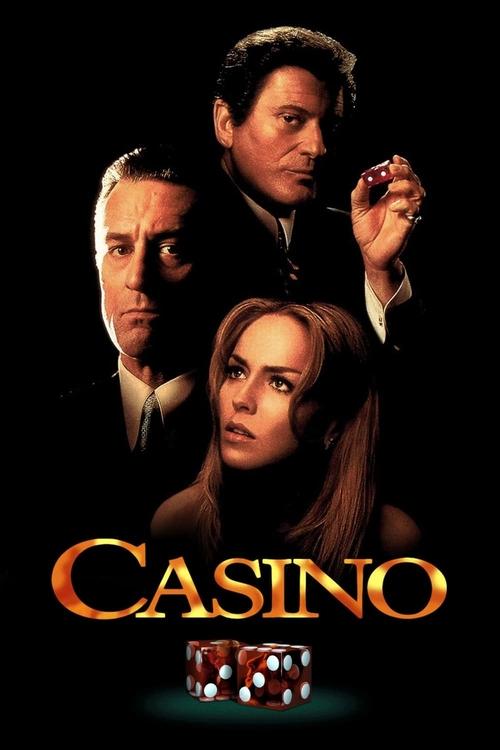
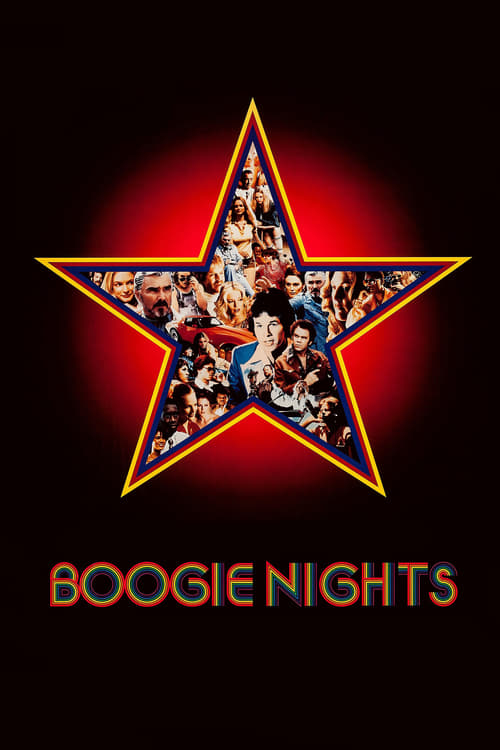
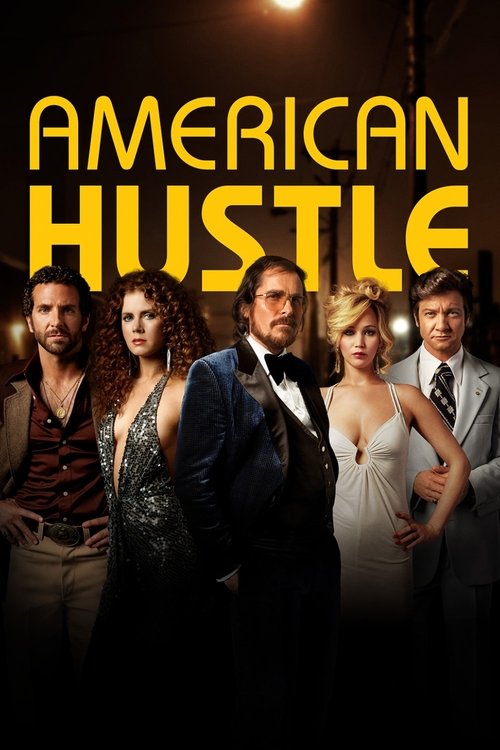


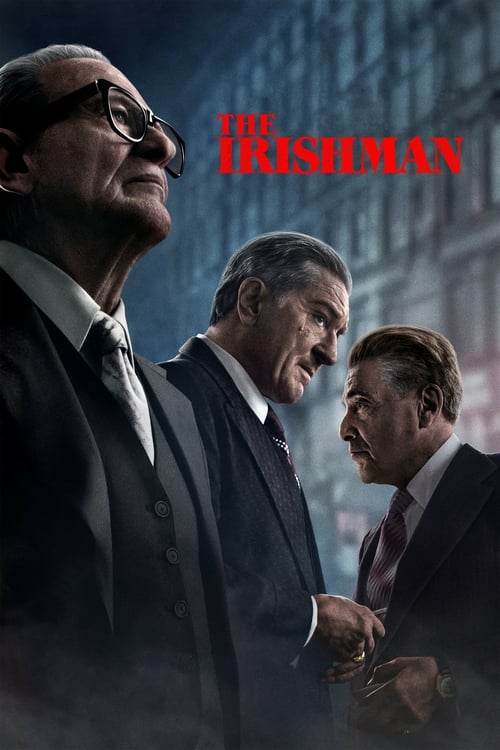
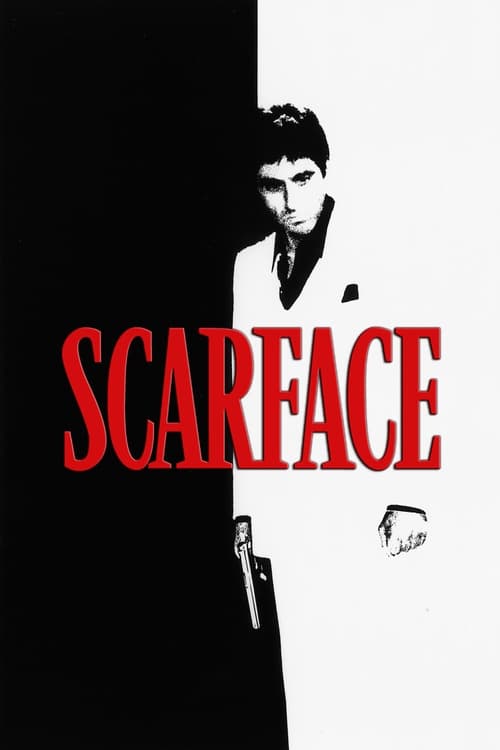
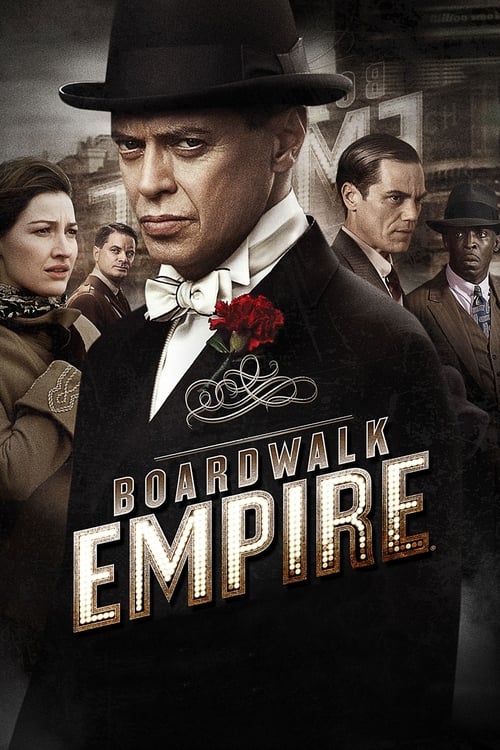
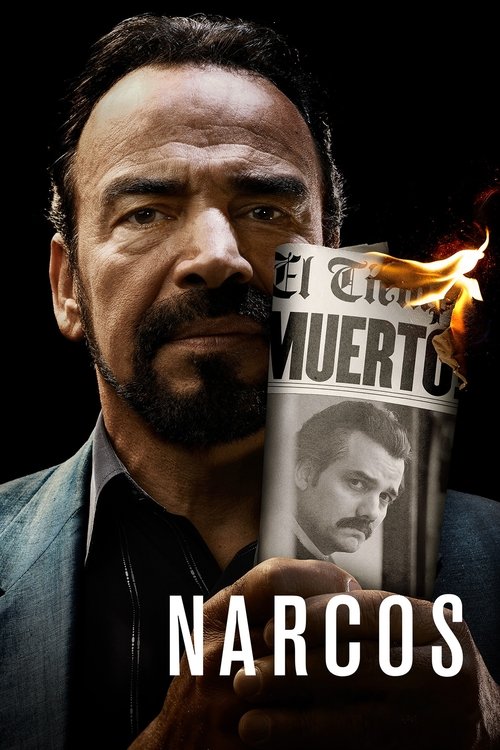
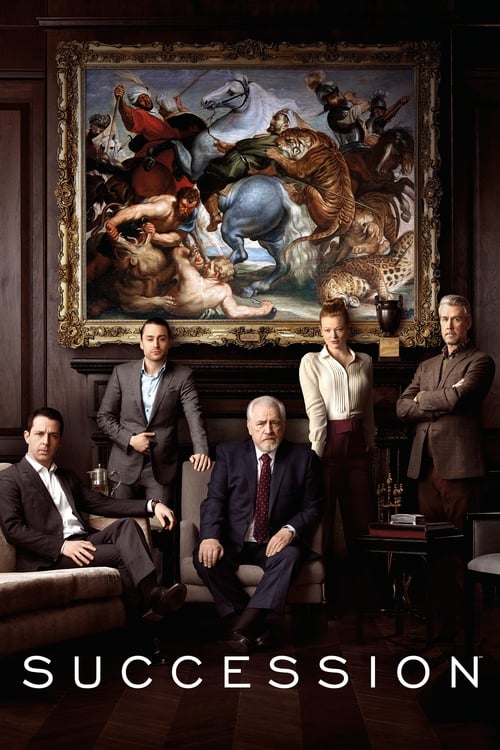
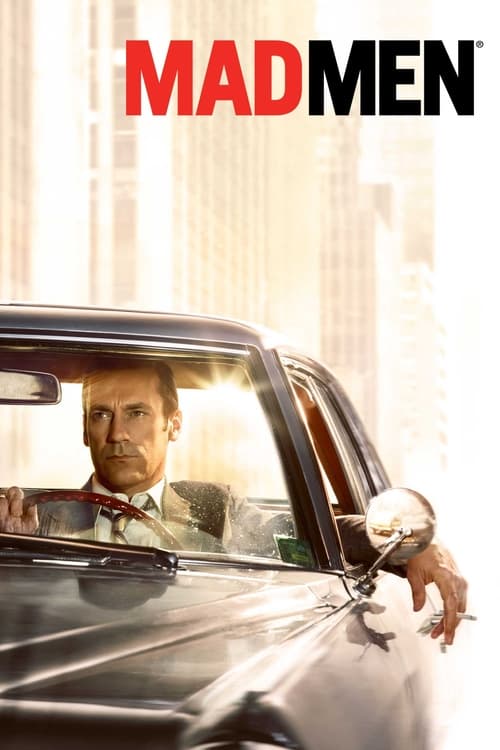
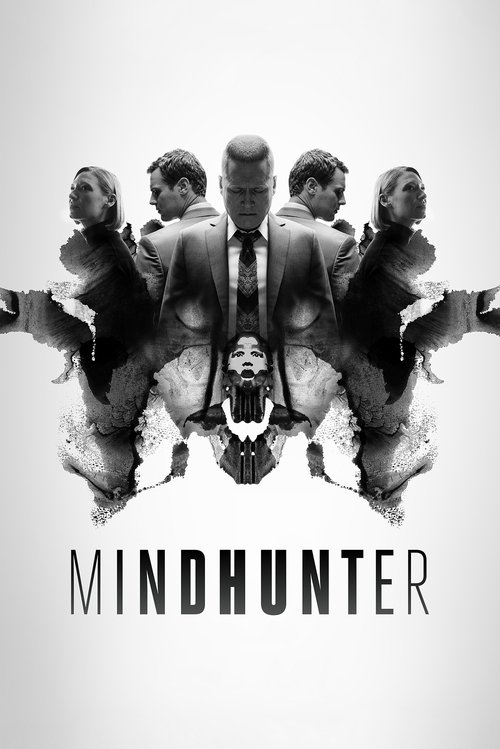
Same Pressure, Different Screen
Series and films with that same coiled, slow-burn intensity


The Books Behind the Films
Source novels and thematically close reads for the DiCaprio filmography




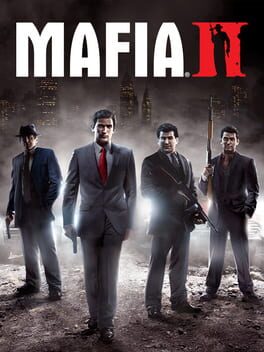
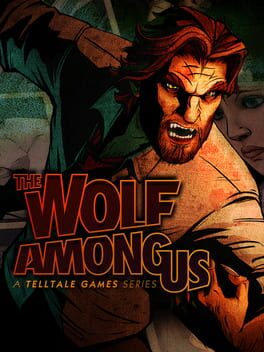
Games That Share the DNA
Games built on obsession, identity under pressure, and worlds you can't fully trust
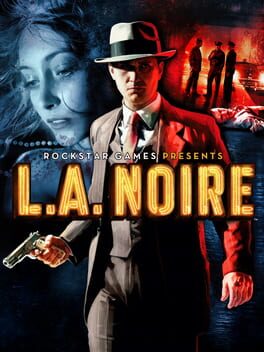
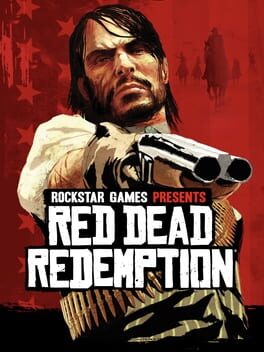
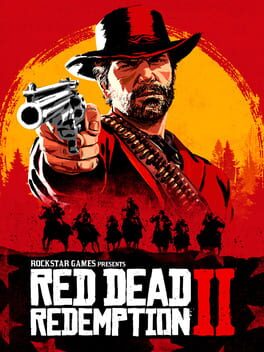
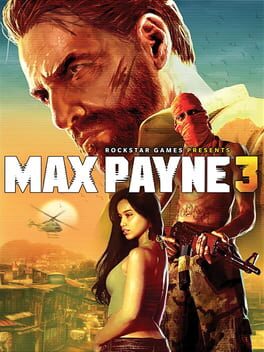

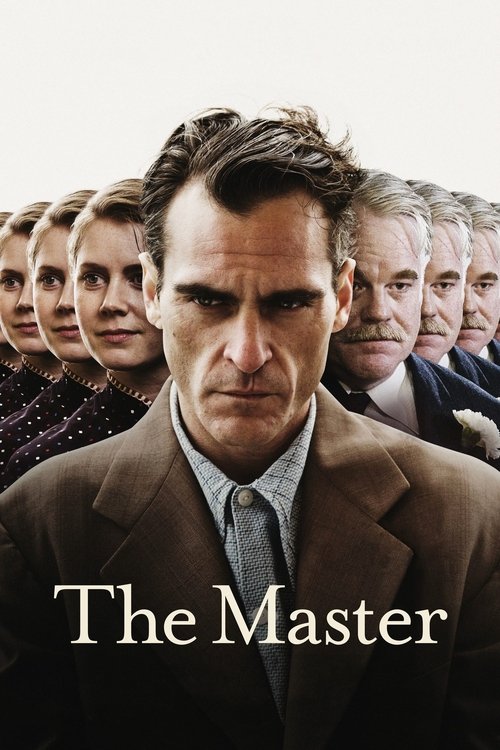
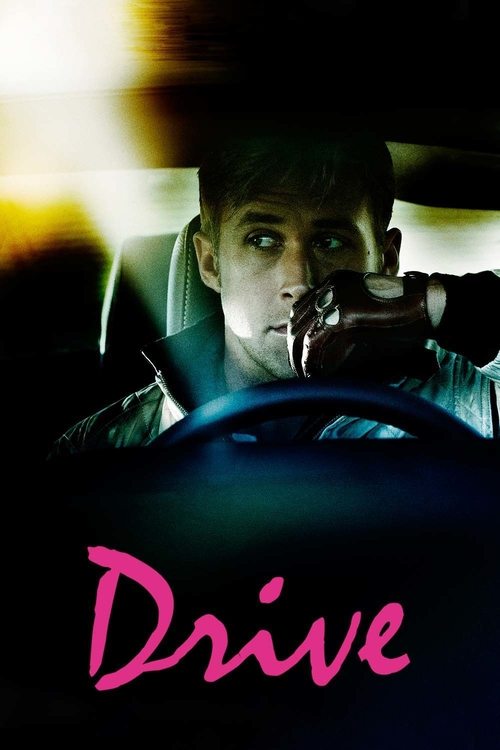
Same-Register Actors to Follow
Films led by performers who operate at a similar pitch of controlled intensity





The Scorsese Partnership Is One of Cinema's Greatest
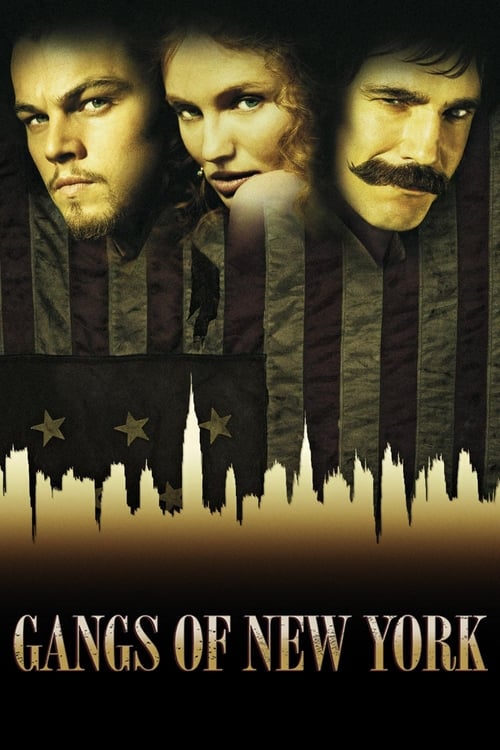
Five films together. Over two decades. Gangs of New York, The Aviator, The Departed, Shutter Island, The Wolf of Wall Street: each one a different kind of self-destruction, each one DiCaprio finding the register Scorsese needed. Where most director-actor partnerships produce comfort, these two seem to keep raising the stakes. The Departed required DiCaprio to play a man who forgets who he actually is. The Wolf of Wall Street required him to be genuinely repellent and remain magnetic. That tension, between sympathy and disgust, is the house specialty.
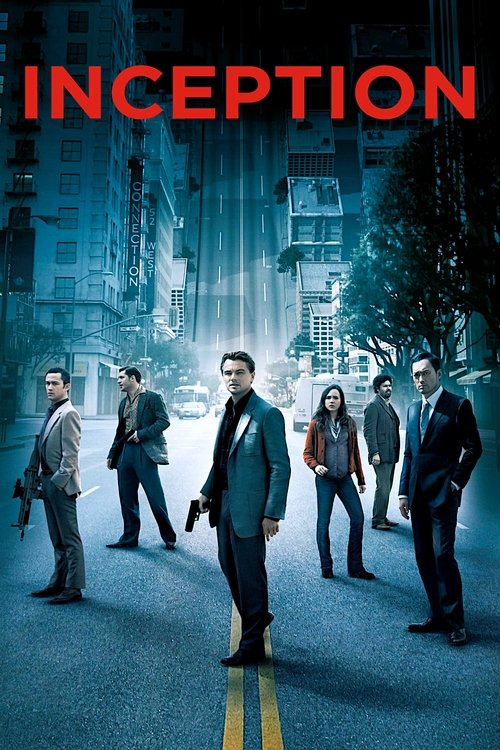
Inception Rewired What a Blockbuster Could Ask of Its Audience
Nolan trusted DiCaprio to carry two hours of escalating abstraction without losing the emotional thread: a man running from grief through borrowed architecture. That combination of high-concept premise and genuinely sad interior is rare in studio filmmaking. The film holds up not because of the spinning top but because DiCaprio keeps you locked to Cobb's loss even as the physics dissolve around him.

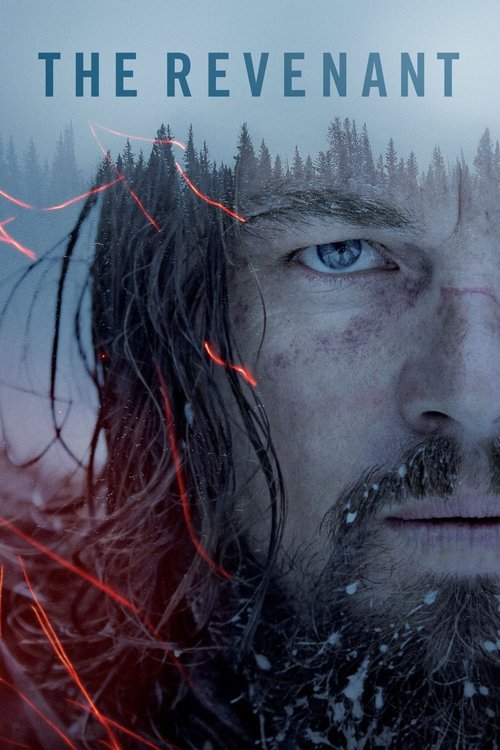
The Revenant Is a Survival Film That Is Actually About Guilt
Alejandro Inarritu stripped the frame down to weather and wound, and DiCaprio answered with a performance almost entirely without dialogue. What holds the film together is the question of whether Hugh Glass is driven by love for his son or fury at his own failure to protect him. The two are never cleanly separated, and DiCaprio makes sure of it.
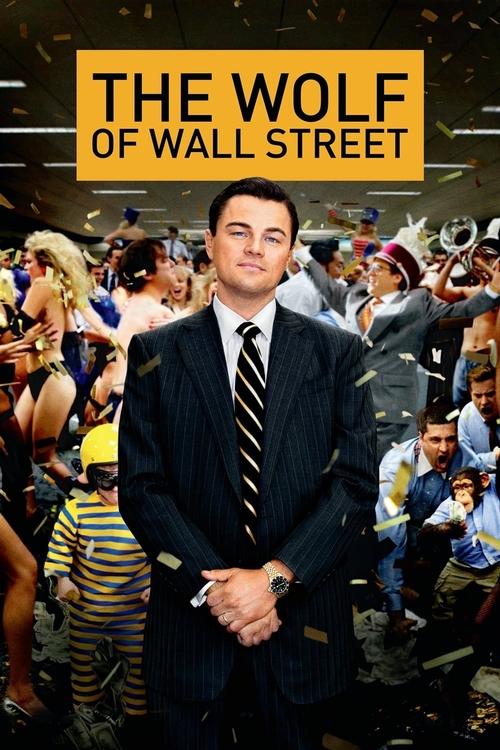
Jordan Belfort Is the Character That Liberated Him
Before The Wolf of Wall Street, DiCaprio had spent years chasing the prestige drama. Belfort gave him permission to be grotesque, to let the charm curdle into something openly predatory. The film is three hours of escalating excess and DiCaprio never blinks, never asks you to forgive Belfort. It is the performance that finally won the argument about whether he is the kind of actor who can own a room without being sympathetic.
A Career in Inflection Points
- 1993Oscar-nominated debut What's Eating Gilbert Grape
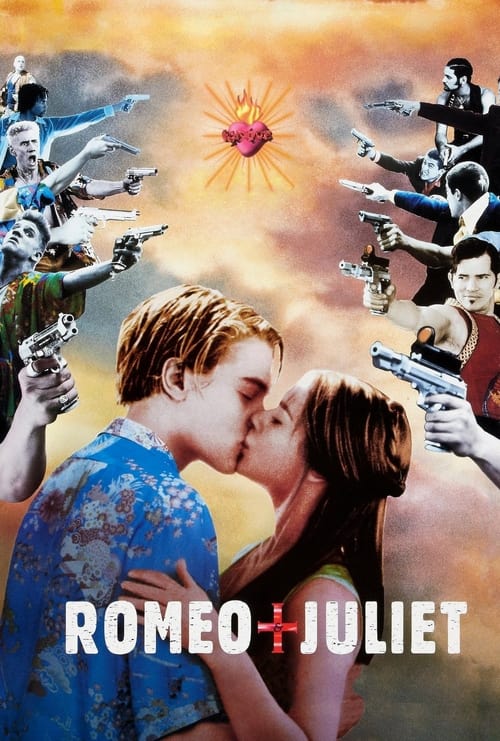
- 1996Baz Luhrmann's stylized Shakespeare Romeo + Juliet
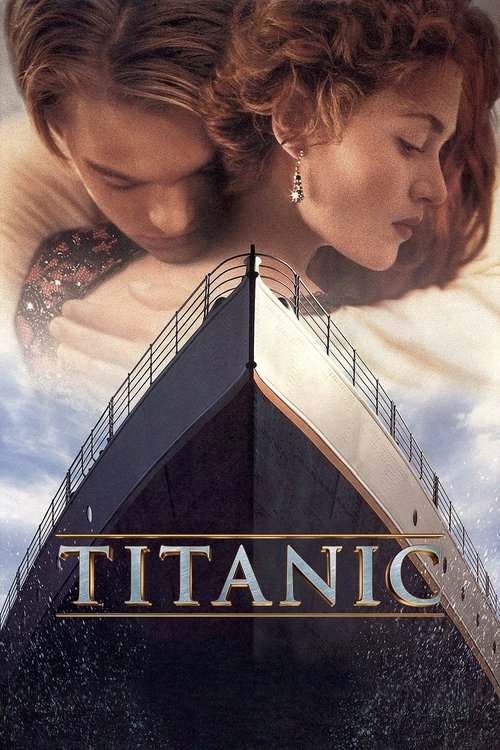
- 1997Global phenomenon Titanic
- 2002First Scorsese collaboration Gangs of New York
- 2002Con-artist charm Catch Me If You Can
- 2004Howard Hughes and the cost of genius The Aviator
- 2006Career-best thriller The Departed
- 2010Nolan's dream labyrinth Inception
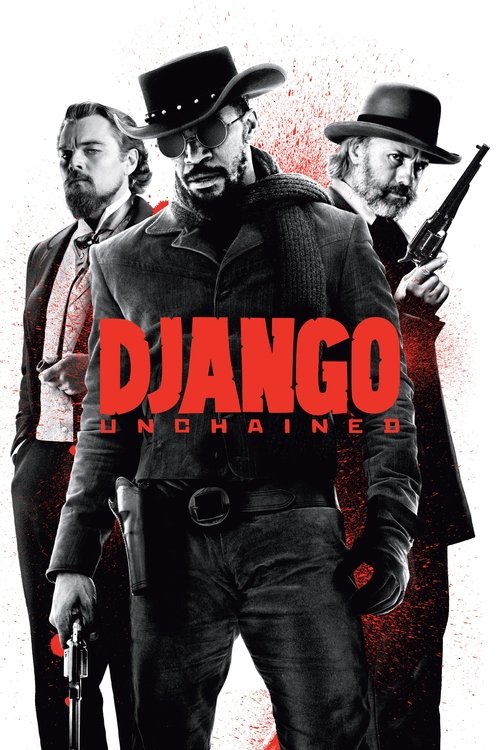
- 2012Tarantino's plantation villain Django Unchained
- 2013Grotesque excess, full permission The Wolf of Wall Street
- 2015Oscar win, wilderness survival The Revenant
- 2019Tarantino's Hollywood elegy Once Upon a Time... in Hollywood
Men who want too much
For Fans of Martin Scorsese
Explore the For Fans of Martin Scorsese guide →He picks films like a man who is afraid of comfort, always gravitating toward the character who wants something he should not want, and pays for it in ways neither he nor the audience fully expected.CrossBinge