
The Man Who Made the Streets Sing
Martin Scorsese shoots movies the way certain novelists write sentences: with weight, with rhythm, with the feeling that every frame has been worried over until it tells the truth. His New York is not a backdrop but a pressure system, a place where ambition and violence and Catholic guilt occupy the same crowded room. Whether he is inside the Mafia, the boxing ring, the comedy club, or a 19th-century immigrant slum, his subject is always the same: what does it cost a person to survive, and what do they lose in the bargain?
Scorsese brought rock and roll into the editing room before almost anyone else. He taught audiences that slow motion could be lyrical instead of merely spectacular. He made crime films that felt like confessions. His men (and they are mostly men, struggling with masculinity and shame) are rarely pure villains; they are people who made choices and now have to live inside them. That moral seriousness, combined with a pop-culture voraciousness that sends his movies careering between grand opera and street comedy, is the quality his admirers love most. If that texture hooks you, the works below will keep the feeling alive.
Essential Martin Scorsese
His films, roughly in order of ambition and reward

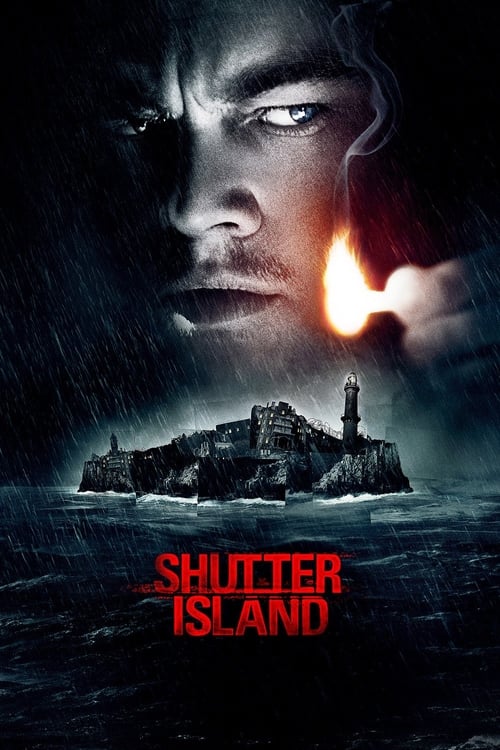

The World He Comes From
Crime, loyalty, and the immigrant city that shaped his imagination
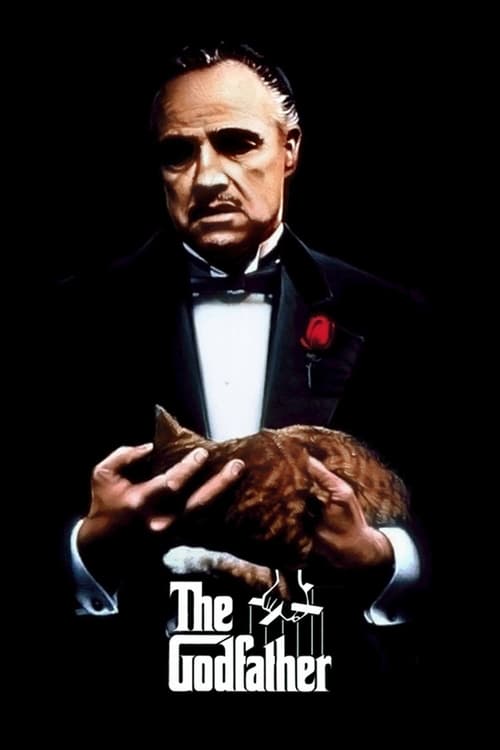
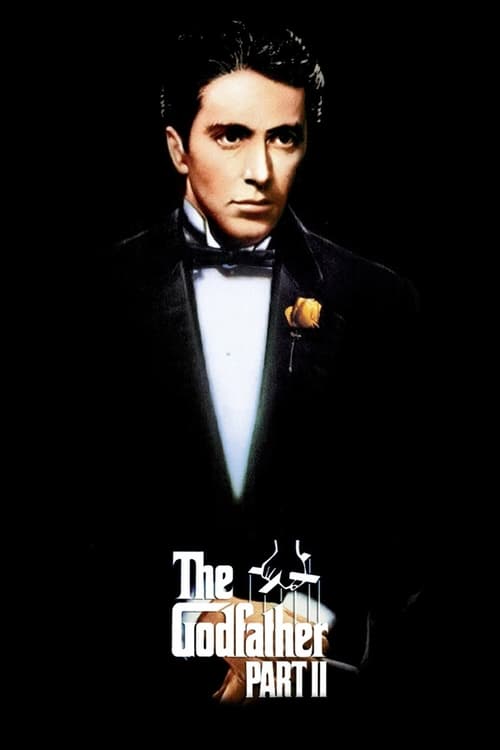
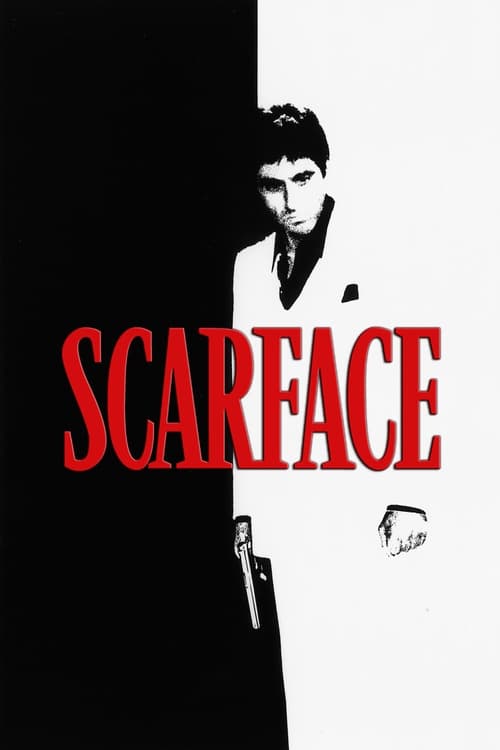
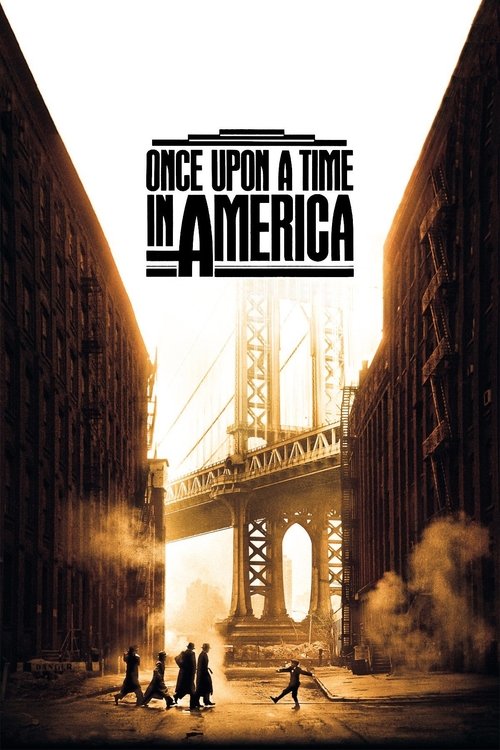
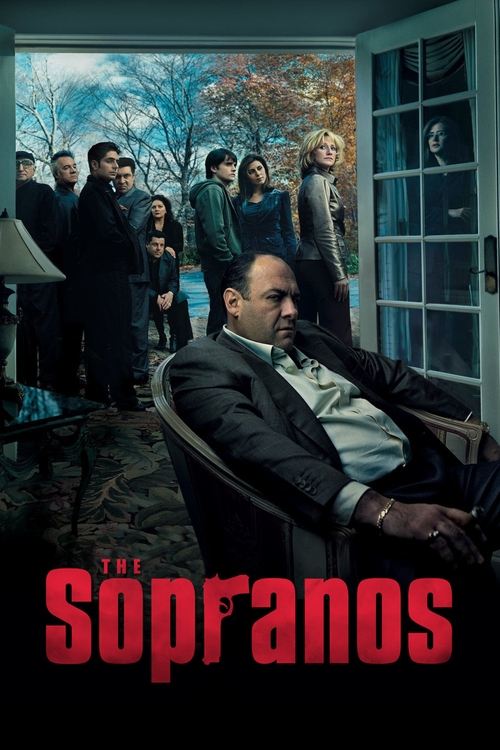
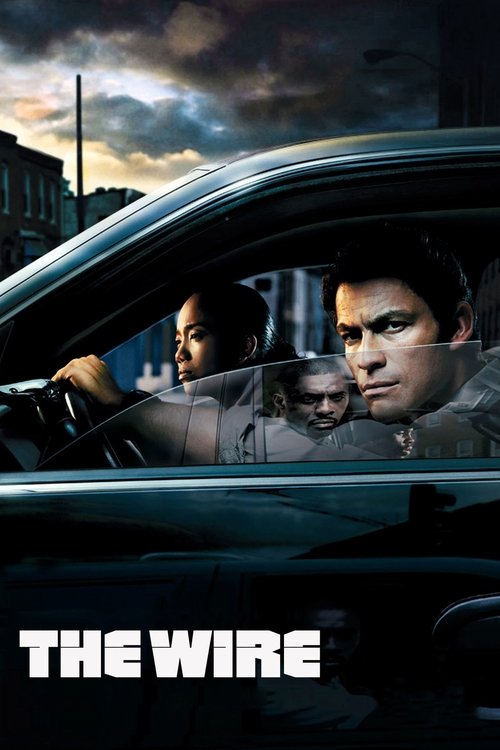
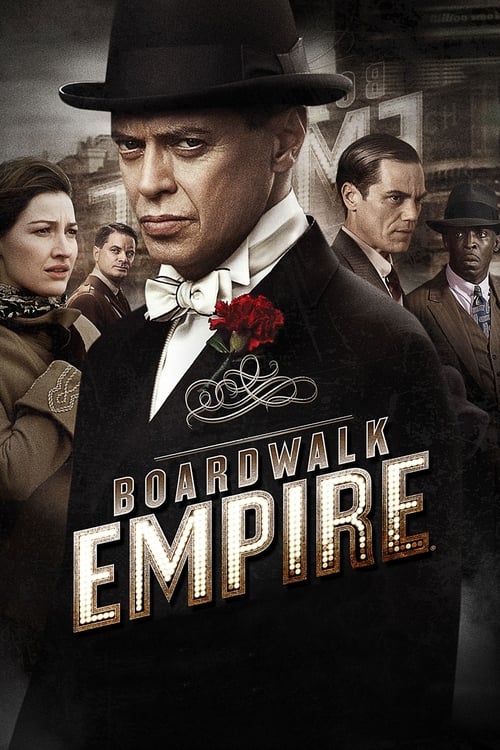

Violence with a Moral Center
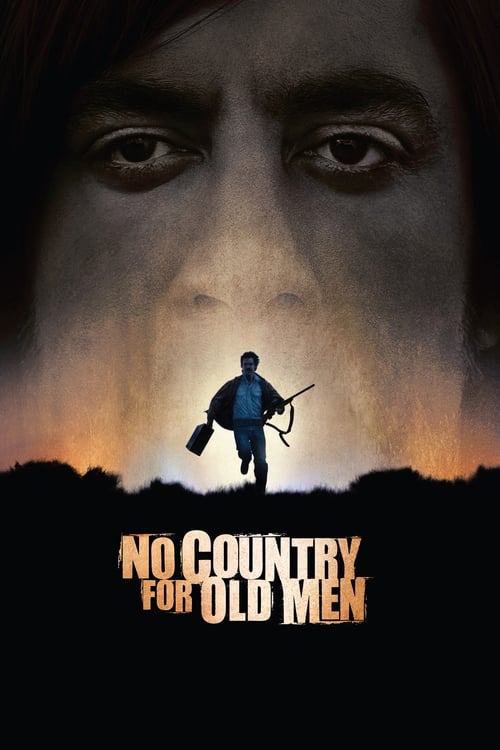
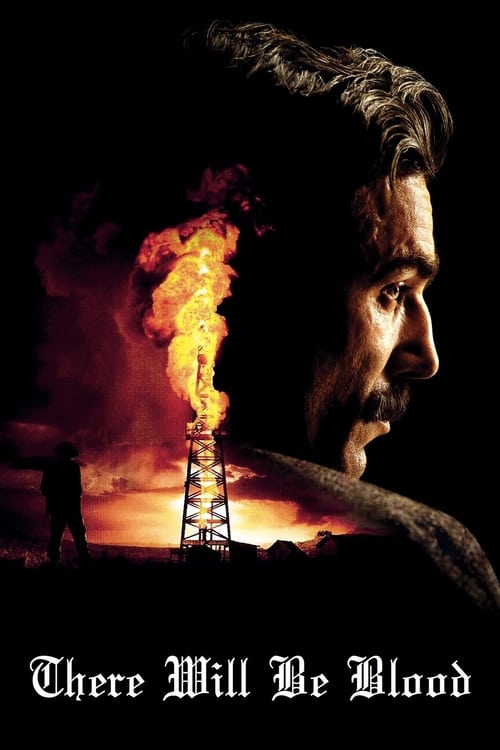
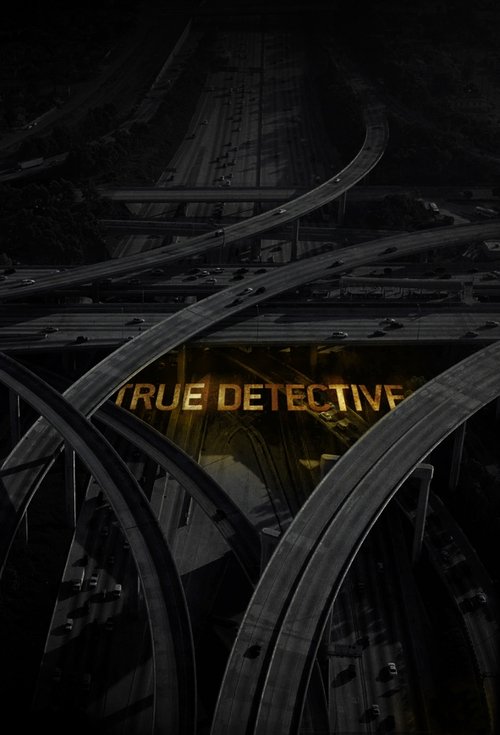
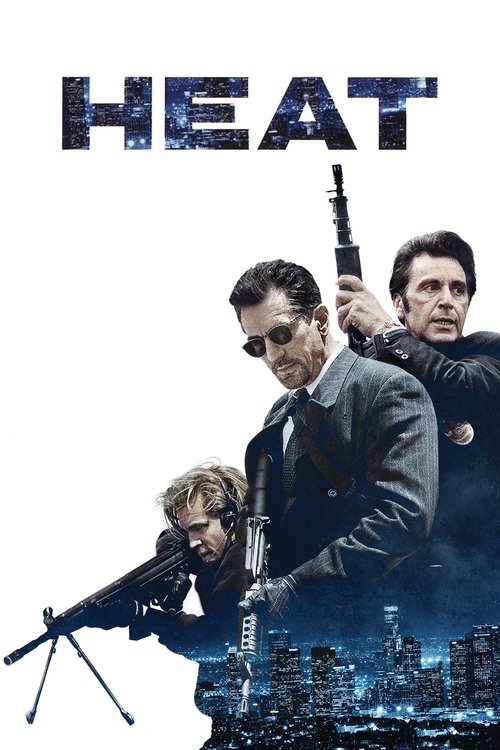
Films and shows where the brutality demands an accounting
Music on Film, Film in Music
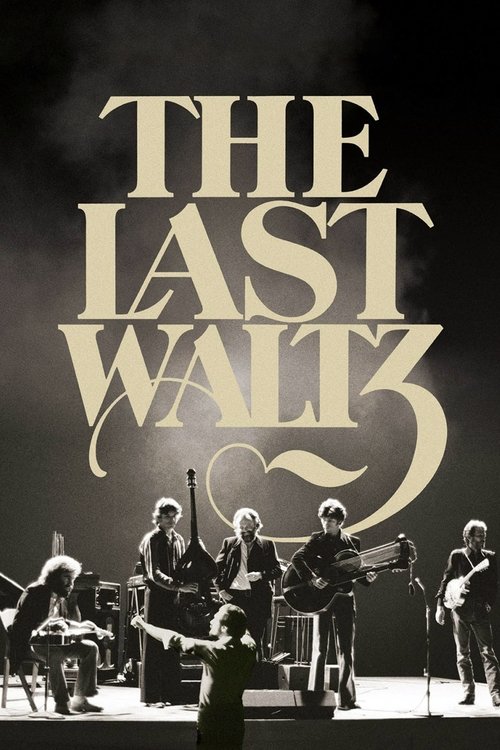
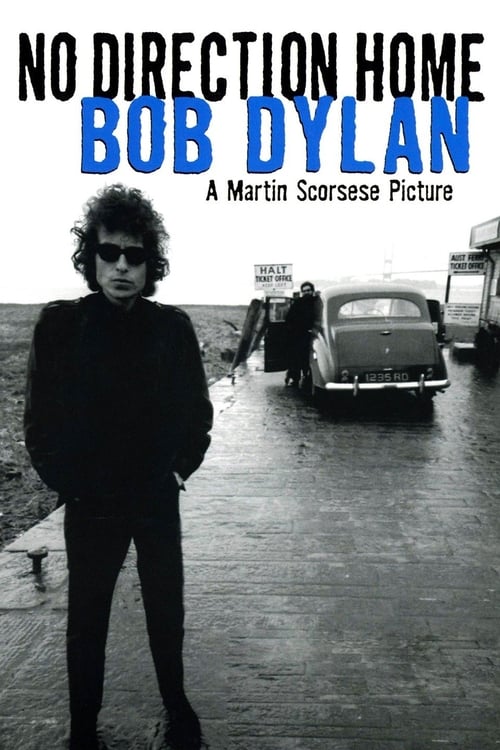
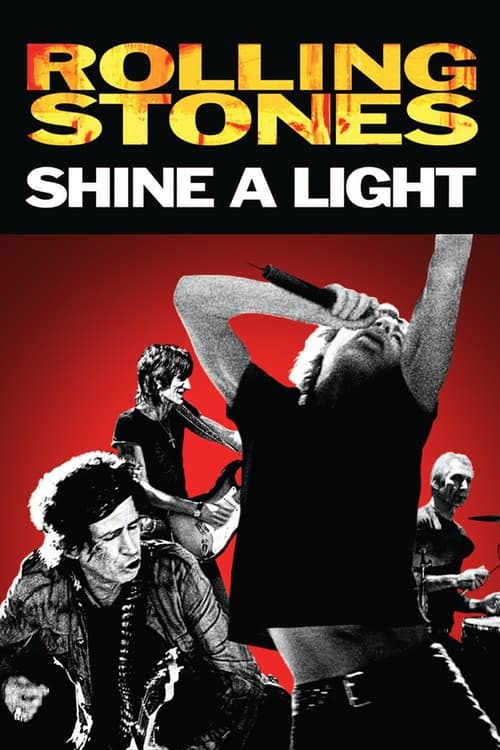
Scorsese was a documentarian too, and music runs through everything he made

Men Unraveling, Systems Grinding
The psychology that haunts his films: paranoia, obsession, the performance of power
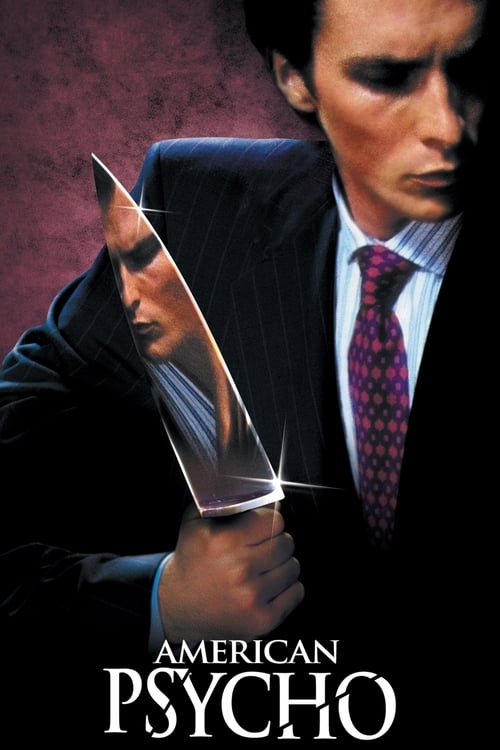
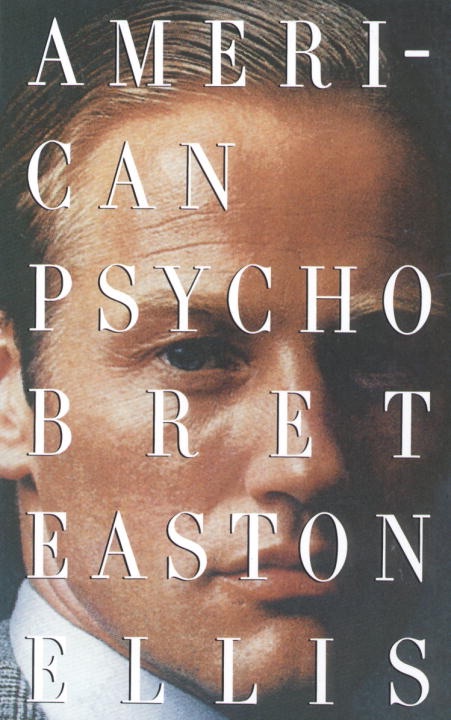
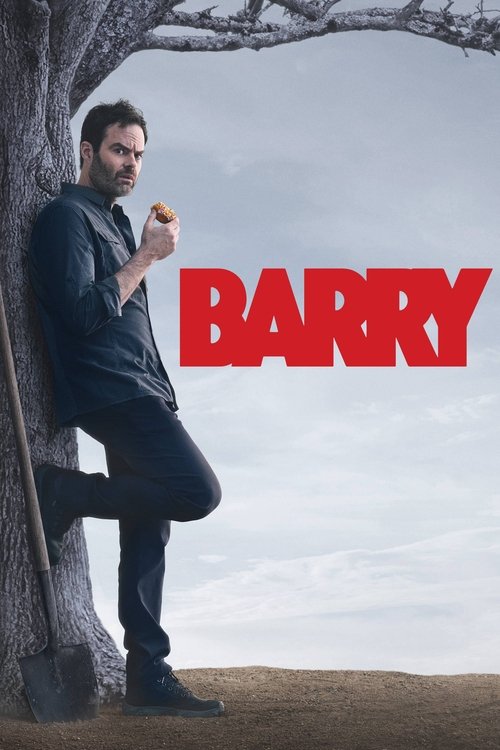
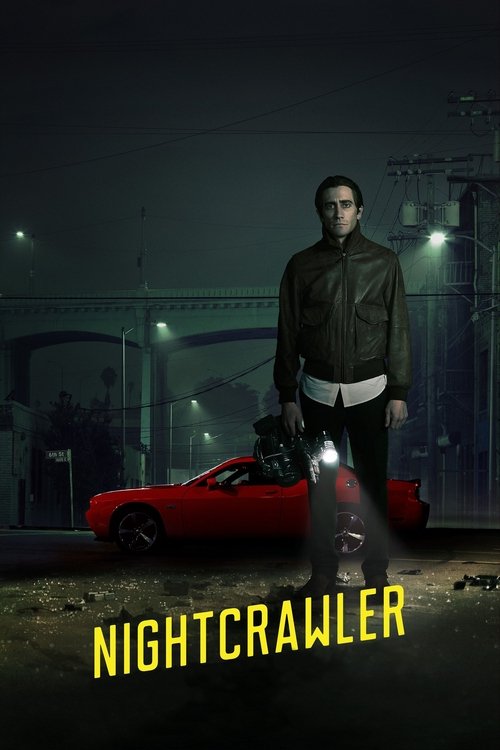
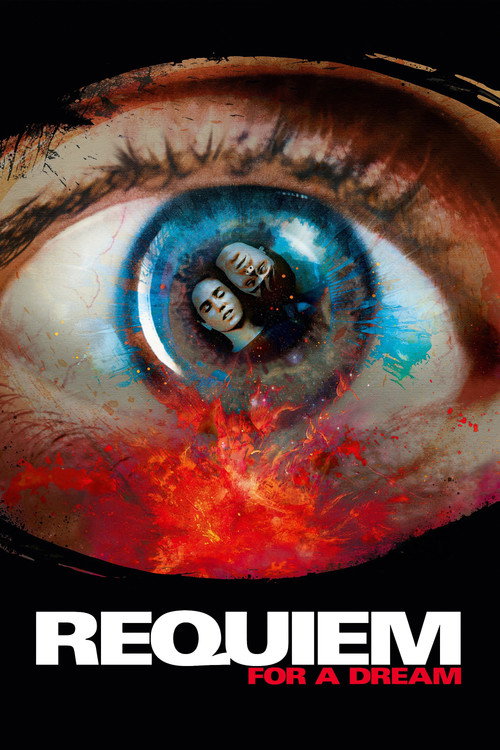
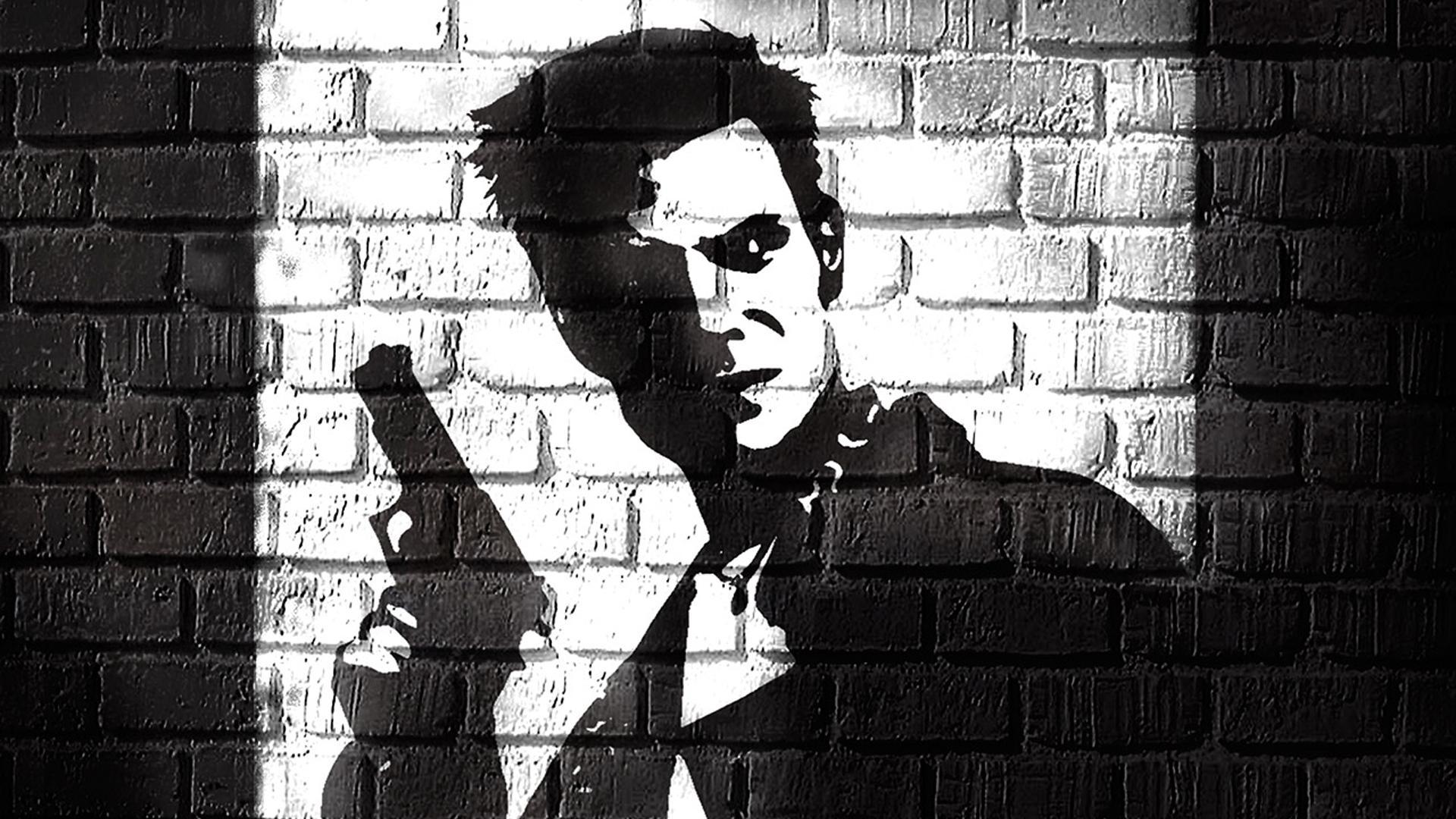
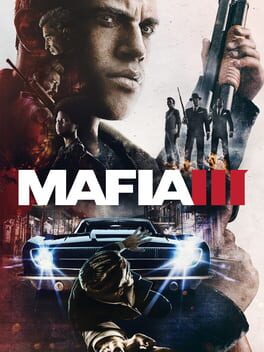
Start here: Goodfellas, not The Godfather
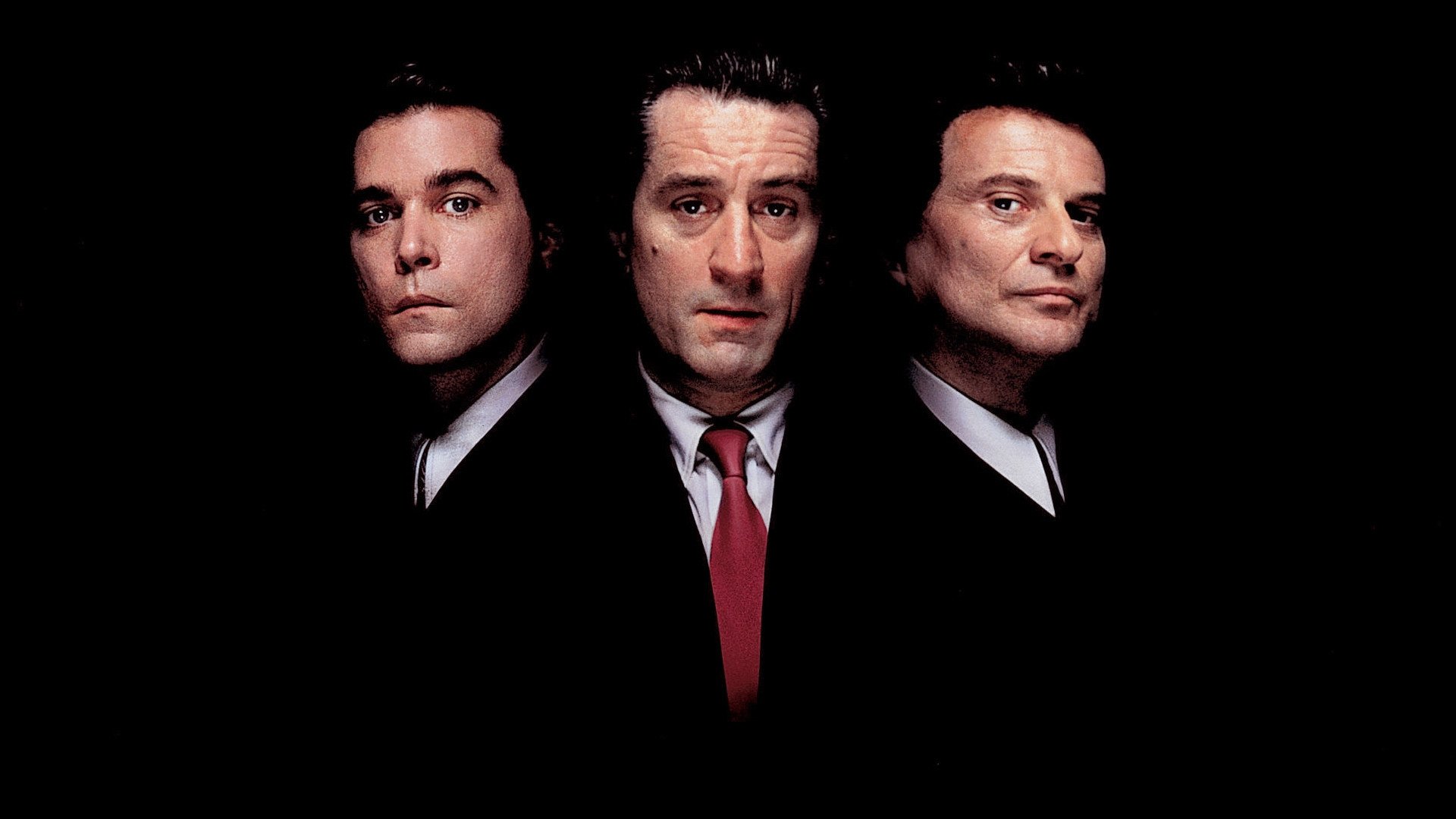
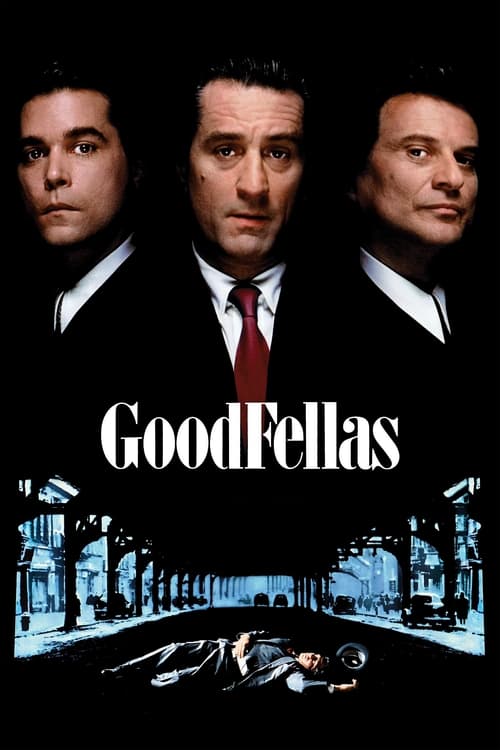
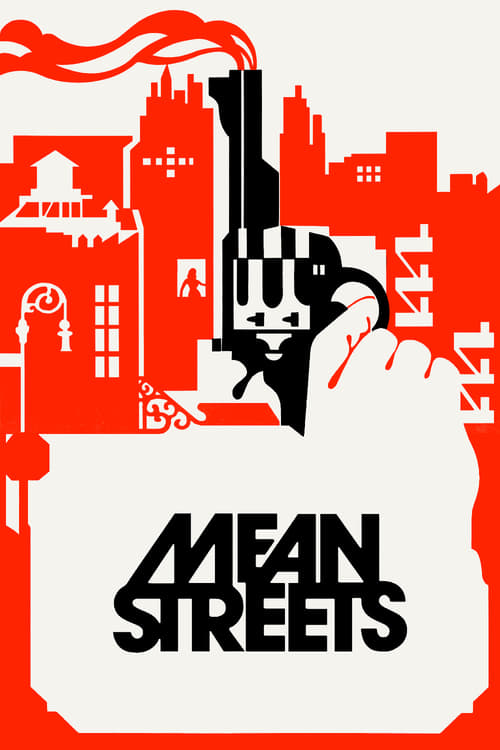
Everyone points new Scorsese fans toward The Godfather, which is understandable but wrong. Goodfellas is where the full Scorsese method first fires on all cylinders: the voiceover, the needle drops, the freeze frames, the tracking shot into the Copacabana, the furious editing in the last act. It is also funnier, messier, and more honest about the smallness of gangster life than Coppola's operatic masterpiece. Start there, then go backwards to Mean Streets and forwards to The Departed.
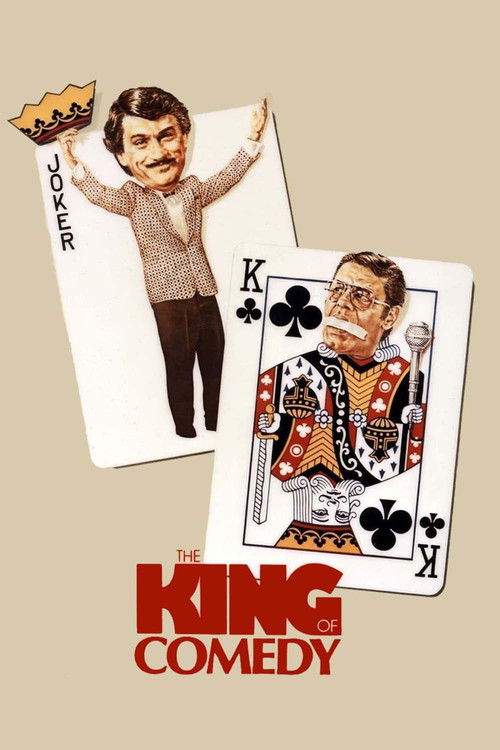
The most underrated: The King of Comedy
The King of Comedy came out in 1982, between Raging Bull and the fallow mid-decade years, and audiences mostly stayed away. It is the film that looks most clearly at the 2020s from 1982: a delusional fan who manufactures celebrity through sheer refusal to accept reality, a media landscape that rewards spectacle over substance. Robert De Niro's Rupert Pupkin is scarier than any gangster Scorsese ever filmed because he is so recognizably ordinary.
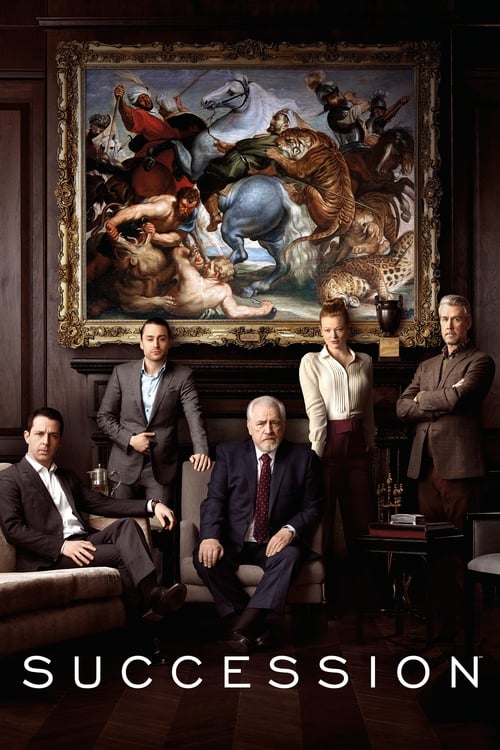
The spiritual successor: Succession
If you want the Scorsese feeling in a TV-length format, Succession is the closest thing: men in suits who speak in threats, a patriarch whose approval warps every relationship around him, violence that is mostly psychological but occasionally very real. Jesse Armstrong shares Scorsese's trick of making you complicit in the luxury before pulling the rug. The whole series moves like a long tracking shot that ends somewhere nobody expected.
The late career that demands reassessment
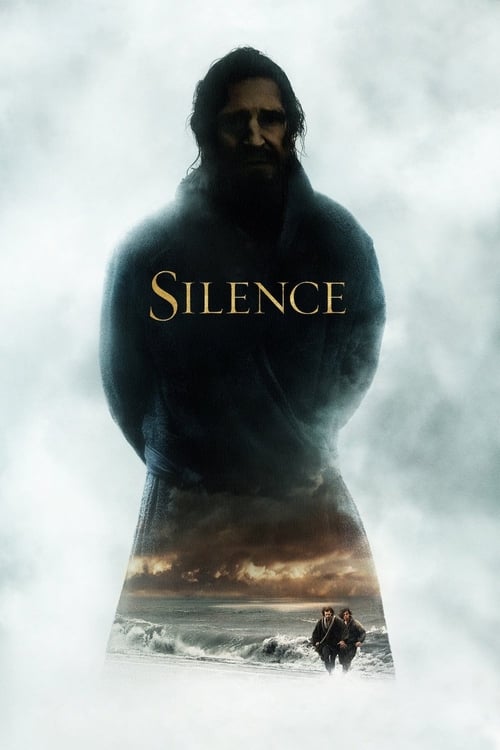
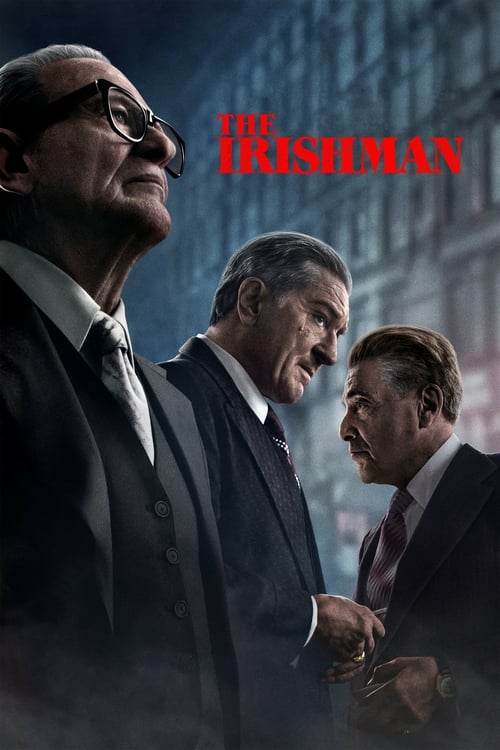
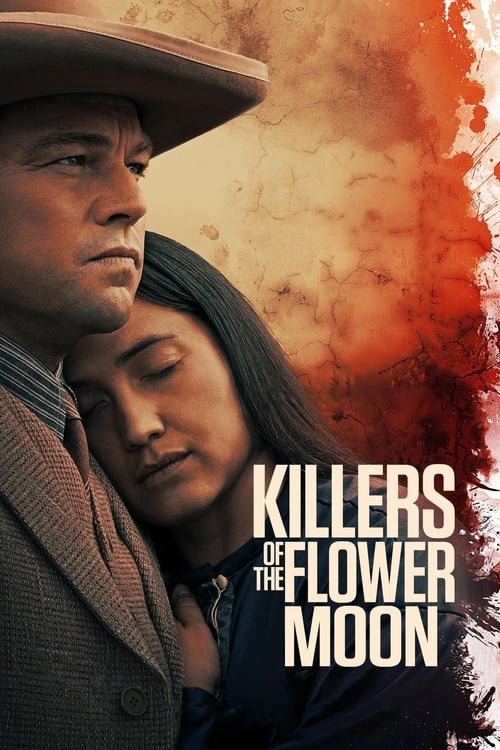
Killers of the Flower Moon arrived in 2023 and some viewers found it too long, too slow. Those viewers missed something essential: Scorsese deliberately withheld the detective thriller machinery he could have deployed in the first hour, keeping the camera on Osage faces and Osage grief instead of on white FBI competence. It is his most morally serious film since Silence, and probably the one future generations will consider most urgently. The Irishman repays a second watch too, once you understand that the point is the emptiness at the end.
A Career in Pivots
- 1967First feature: Who's That Knocking at My Door
- 1973Mean Streets puts him on the map Mean Streets
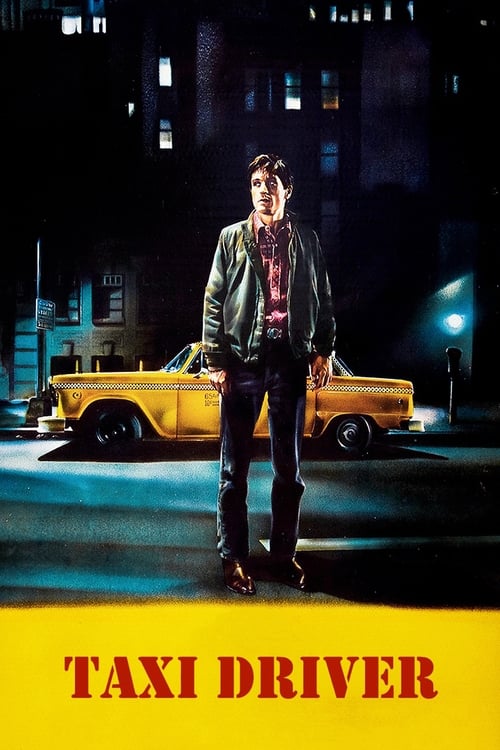
- 1976Taxi Driver wins the Palme d'Or at Cannes Taxi Driver
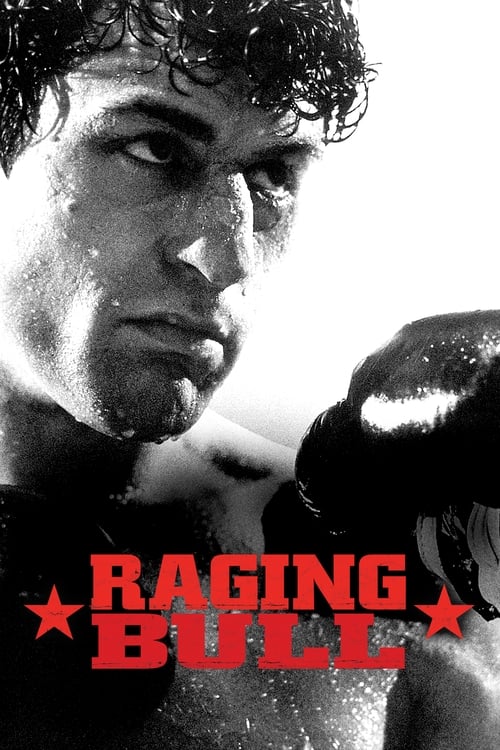
- 1980Raging Bull, shot in black and white against studio pressure Raging Bull
- 1982The King of Comedy tanks commercially, haunts him The King of Comedy
- 1990Goodfellas redefines the crime film GoodFellas
- 1993The Age of Innocence proves he can do restraint The Age of Innocence
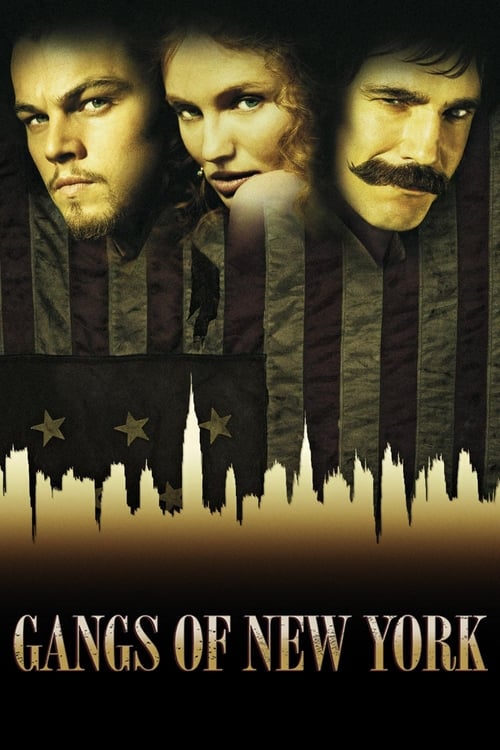
- 2002Gangs of New York opens a new historical register Gangs of New York
- 2006The Departed wins the long-overdue Oscar The Departed
- 2016Silence, a personal project 30 years in the making Silence
- 2019The Irishman on Netflix reignites the auteur debate The Irishman
- 2023Killers of the Flower Moon opens Cannes Killers of the Flower Moon
Crime sagas and American guilt
For Fans of Goodfellas
Explore the For Fans of Goodfellas guide →Cinema is a matter of what's in the frame and what's out. His genius is knowing that what you do not show is the thing that stays with you.CrossBinge editorial