
Lo-fi hip hop started as a niche corner of SoundCloud and YouTube before "chill beats to study/relax to" became a genre unto itself. The sound borrows from jazz, soul, and classic boom-bap: vinyl crackle, deliberately imperfect drums, Rhodes piano chords, bass that sits back rather than pushes forward. What makes it stick is the mood it creates. It is not background music in a dismissive sense. It is music engineered to focus attention while lowering the stakes. The artists who shaped it, from J Dilla's near-mythic influence to the bedroom producers who followed him, understood that restraint is a kind of craft. If the dusty warmth of a flipped Nujabes sample or a Knxwledge beat gets under your skin, the same sensibility runs through jazz records, certain films, specific novels, and a handful of games that understand ambient texture as emotional language.
Essential Lo-fi Hip Hop
The albums and projects that defined the sound
The Jazz Records Underneath
Lo-fi producers mine these obsessively; hear where the samples come from
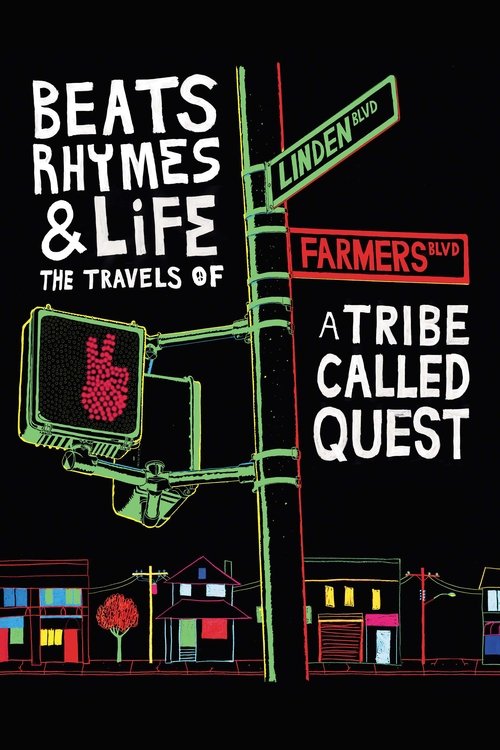
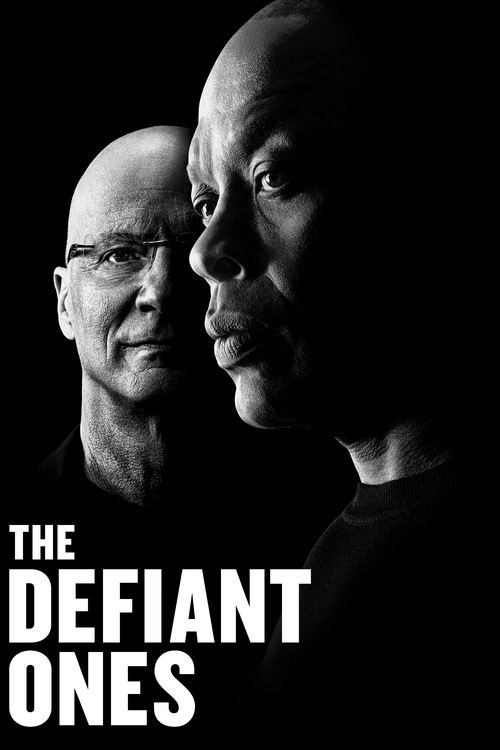
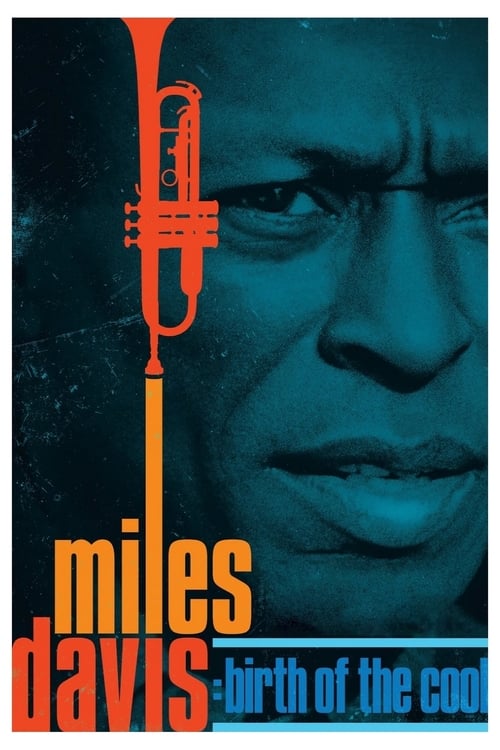
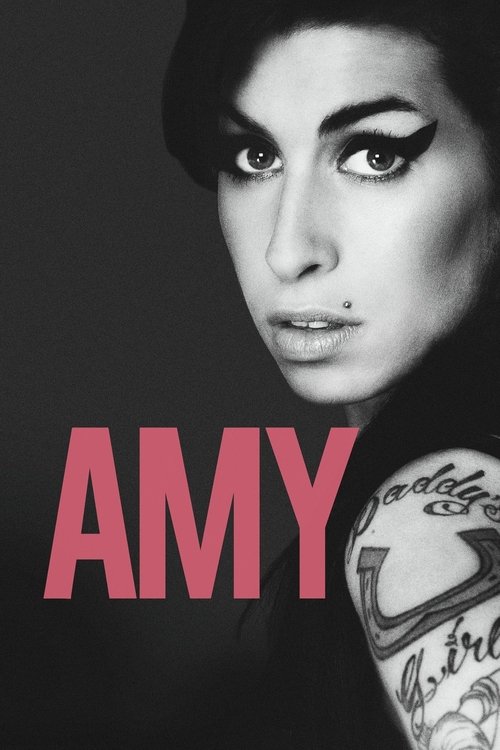
Documentaries and Concert Films with the Same Quiet Energy
Films about craft, process, and obsession in music

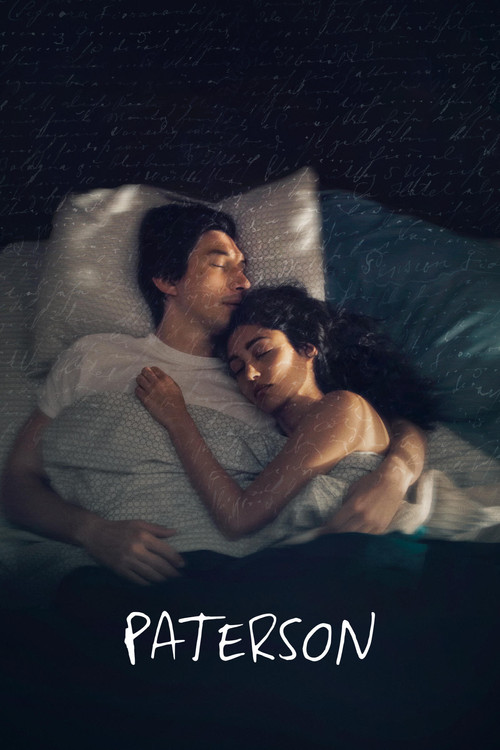
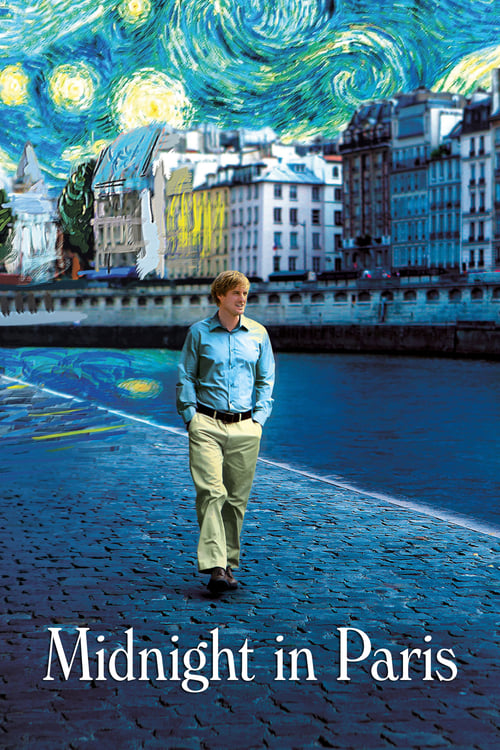
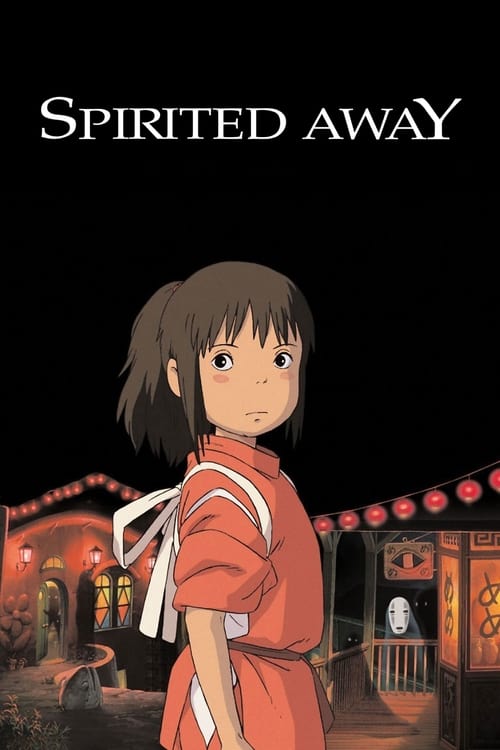
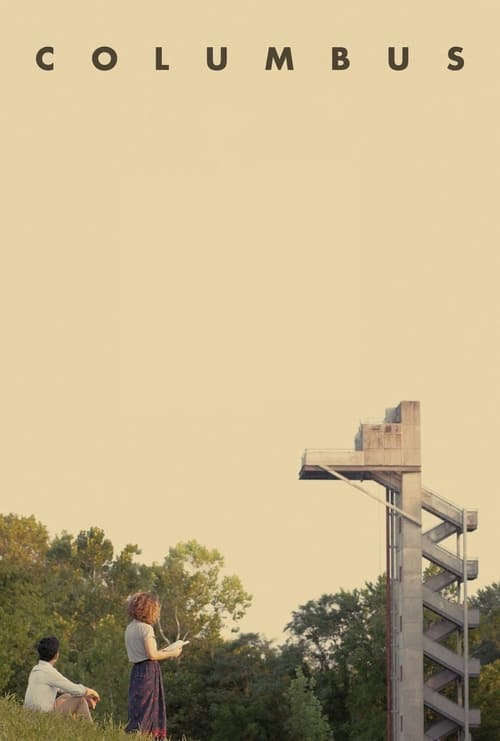
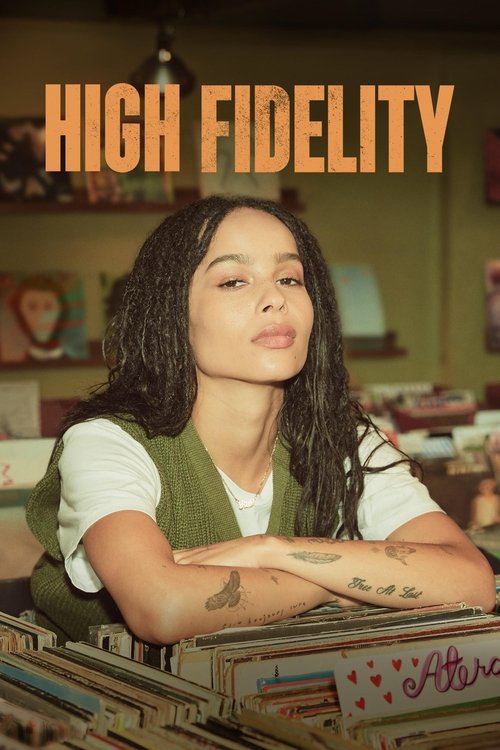
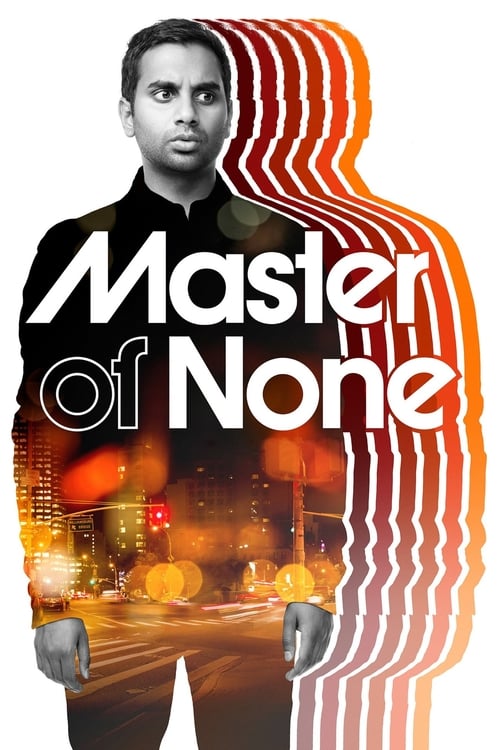
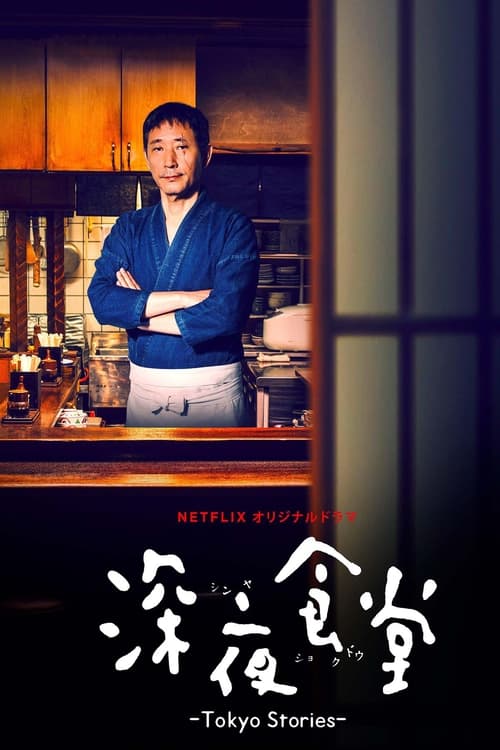
Films and Series with Lo-fi's Late-Night Mood
The same amber-lit, slow-burn atmosphere on screen



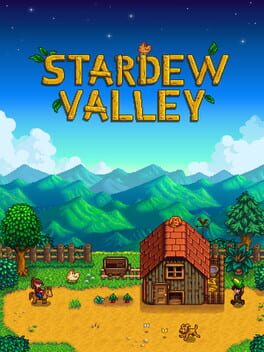
Games That Understand Ambient Texture
Rhythm, atmosphere, and music games that share lo-fi's patience




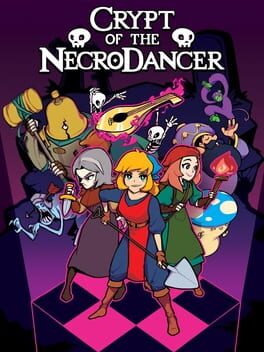
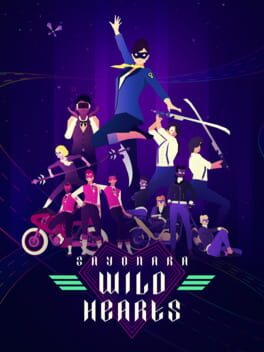

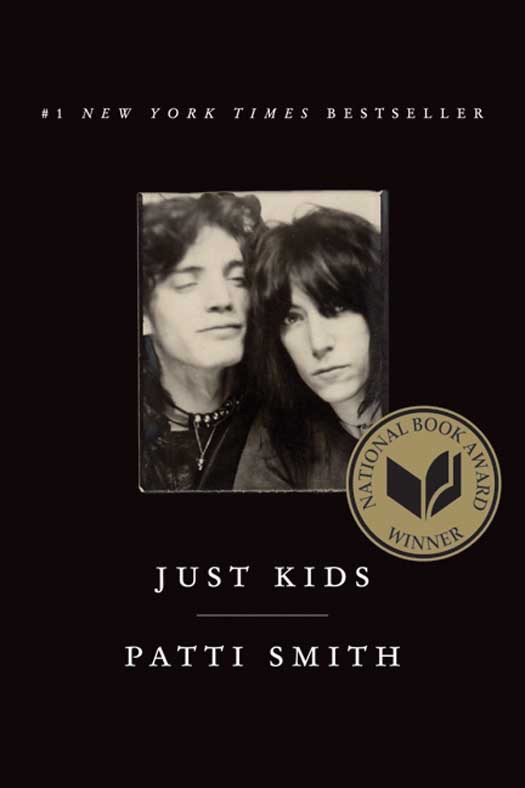
Books for the Same Headspace
Novels and essay collections that read like a lo-fi playlist feels



J Dilla Changed What a Beat Could Be
Before Donuts, quantizing beats to a grid was the default. J Dilla recorded with intentional imperfection: drums that push and drag against each other, samples that loop in unexpected places, a sense that the music is breathing. Every lo-fi producer who followed owes something to that album. Released three days before Dilla died in 2006, it is a complete statement about what hip hop production could do when it stopped trying to sound slick.
Nujabes Turned Anime Into a Sonic Aesthetic
The Samurai Champloo soundtrack, produced largely by Nujabes, made the case that hip hop and traditional Japanese aesthetics fit together without friction. The result is music that sounds timeless rather than era-specific. Nujabes died in 2010 but his records still circulate on every lo-fi streaming playlist, a direct line between jazz sampling and the anime-adjacent visual identity that lo-fi hip hop YouTube channels would later adopt.

The YouTube Stream Made Lo-fi a Place, Not Just a Sound
Lofi Girl (originally ChilledCow) launched a 24/7 YouTube live stream in 2017 and turned a genre into an environment. The looping animation of a girl studying at a desk became one of the most-watched live streams in YouTube history. What the stream understood was that the music was functioning as infrastructure for people's lives, not as a listening event. That reframing, music as a shared productive space, is genuinely new and the genre is still working out what it means.
Coffee Talk Gets the Atmosphere Right
Coffee Talk is a visual novel built almost entirely around the proposition that setting and soundtrack can carry a game. You serve drinks to fantasy creatures in a Seattle coffee shop while it rains outside. The game's jazz-adjacent lo-fi soundtrack, by Andrew Jeremy, earns its comparison to the music that plays on the same YouTube streams. It is one of the few games that understands lo-fi hip hop as a specific emotional register rather than just ambient wallpaper.
Lo-fi Hip Hop: A Short History
- 1988De La Soul's debut reframes sampling as collage art, planting seeds for lo-fi's approach to found sound
- 1994Illmatic by Nas and Ready to Die by Biggie define east coast boom-bap; producers start pushing slower, jazzier variants
- 1999DJ Shadow's Endtroducing... proves an album can be built entirely from samples; huge influence on lo-fi's compositional logic
- 2001Nujabes begins producing; his sound merges Japanese jazz with hip hop in a way that will define the aesthetic a decade later
- 2006Donuts released; J Dilla dies three days later; the album becomes a canonical reference for a generation of bedroom producers Donuts
- 2011Knxwledge starts uploading hundreds of beat tapes to SoundCloud; the format of the informal lo-fi release is established
- 2015College Music's YouTube channel begins aggregating chill hip hop playlists; the genre's online distribution model takes shape
- 2017ChilledCow launches the 24/7 lo-fi girl stream; the genre becomes ambient infrastructure for millions of people worldwide
- 2020Lo-fi becomes one of the most-streamed categories on Spotify and YouTube during global pandemic lockdowns
Late-night beats and neon moods
For Fans of Jazz
Explore the For Fans of Jazz guide →Lo-fi hip hop is the only genre where the imperfections are the point. The crackle, the drift, the beat that does not quite land on the grid: that is where the feeling lives.CrossBinge