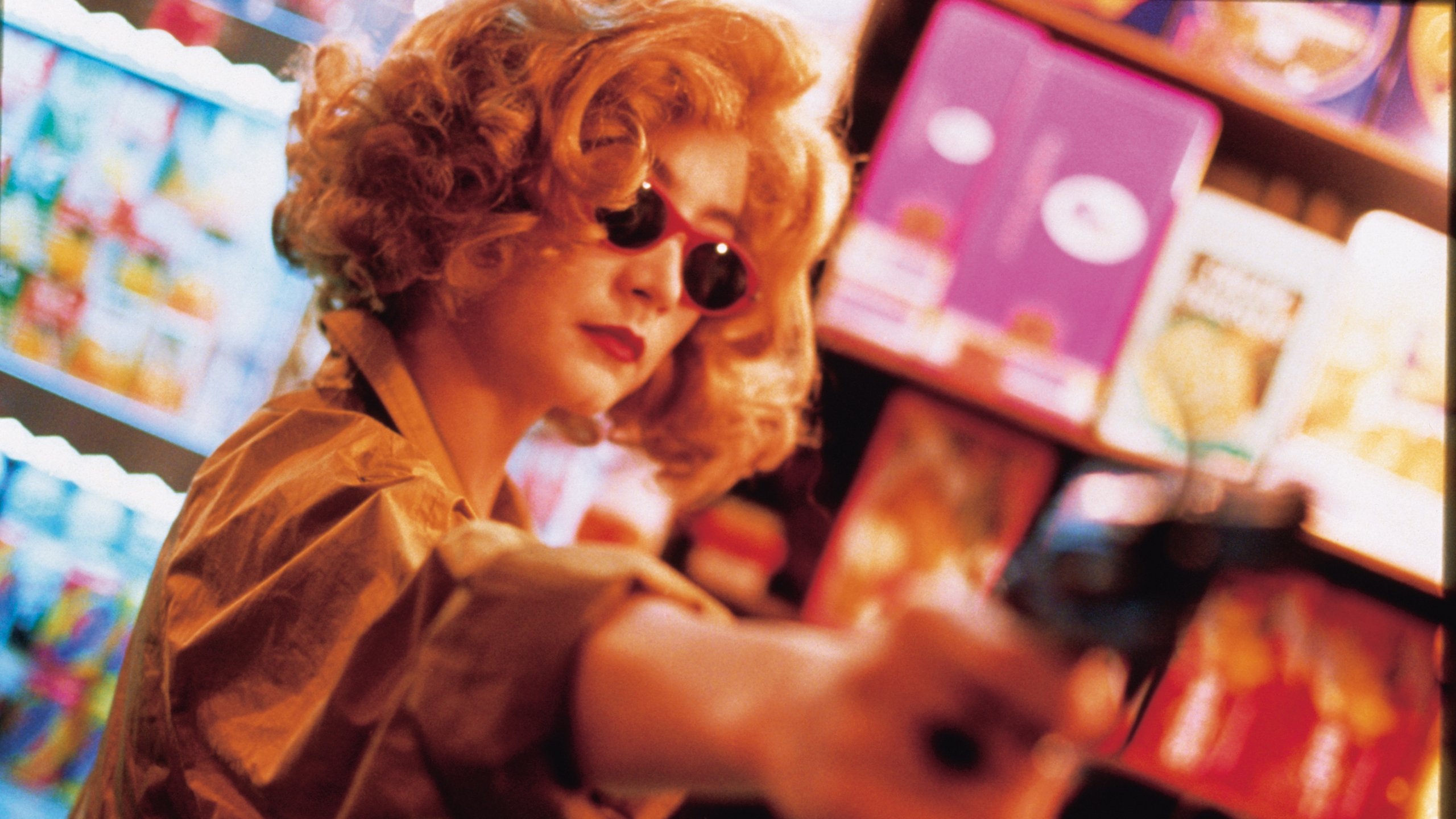

Chungking Express is two short stories stitched together in Tsim Sha Tsui and Lan Kwai Fong, and Wong Kar-wai shot both in less than two months. The connective tissue is not plot but feeling: people orbiting each other without quite connecting, time slipping past them while they hold on to a detail (a can of pineapple with an expiry date, a bottle of salad dressing). Christopher Doyle's camera crowds close, the step-printing makes motion dreamy and fractured, and the Mamas and the Papas bleed into Faye Wong covering 'Dreams.' Fans of this film are chasing a specific mood: urban solitude that is somehow warm, romance that lives entirely in the almost, a city as a living, indifferent character. Everything below earns its place by doing at least one of those things well.
Essential Wong Kar-wai
The films to see if Chungking Express opened the door
Urban Solitude on Film
Films that live inside the gap between strangers in a city

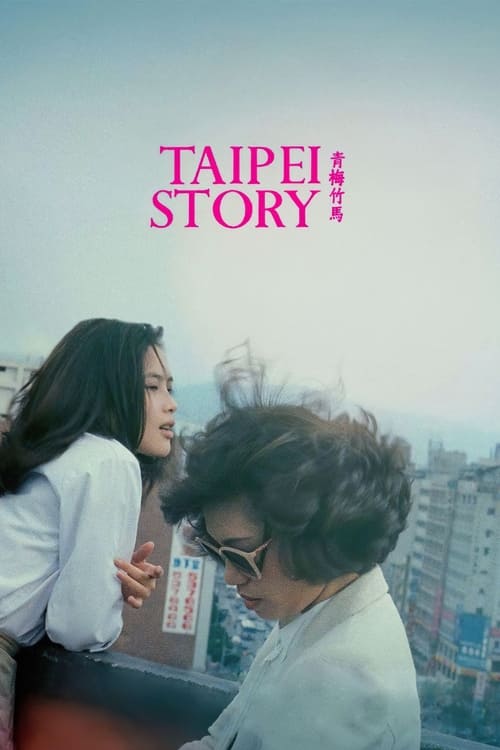
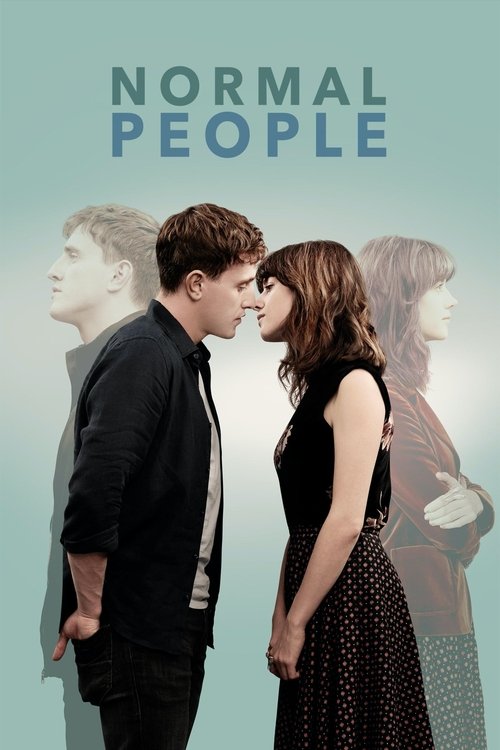
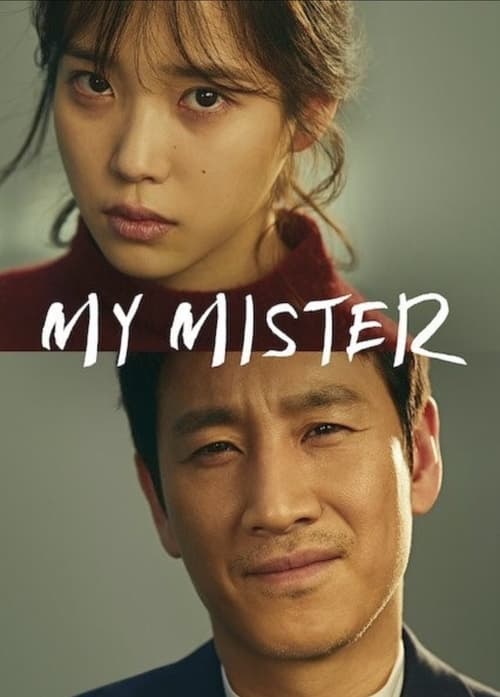
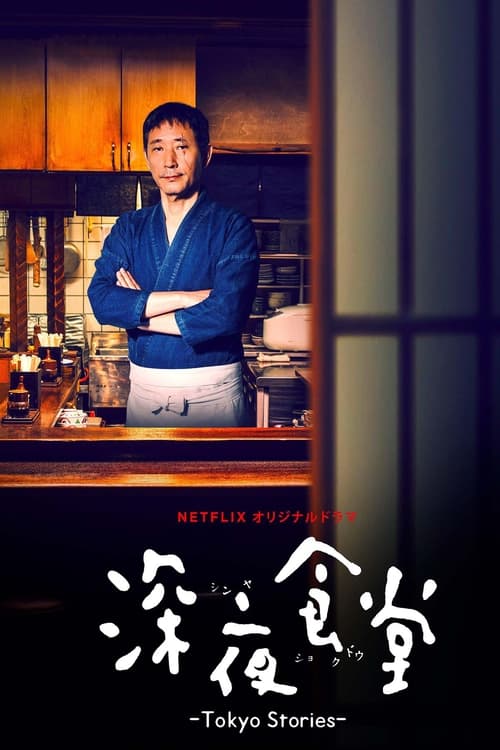
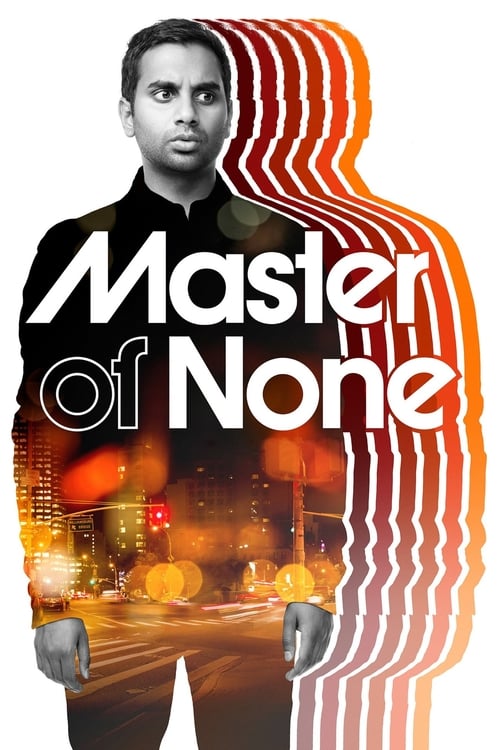
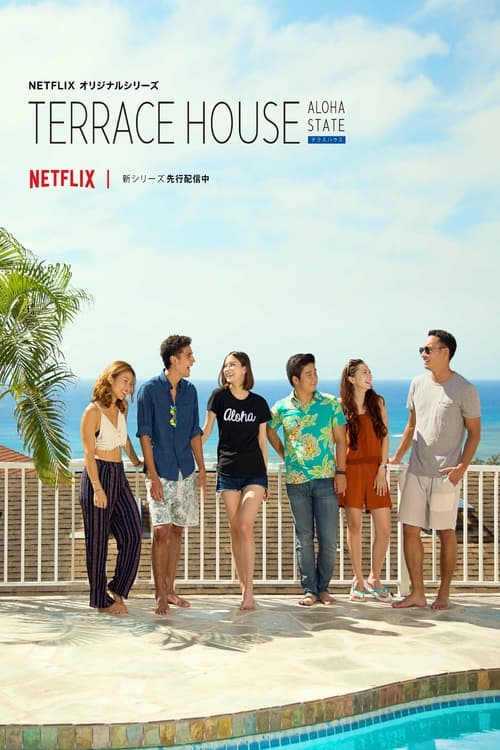
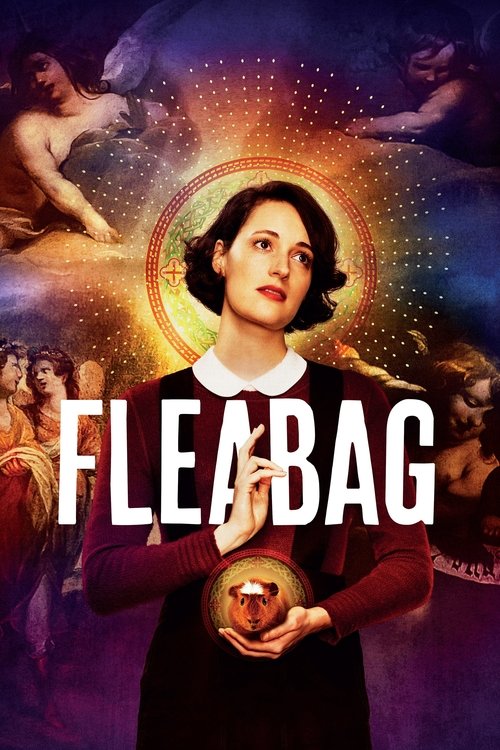
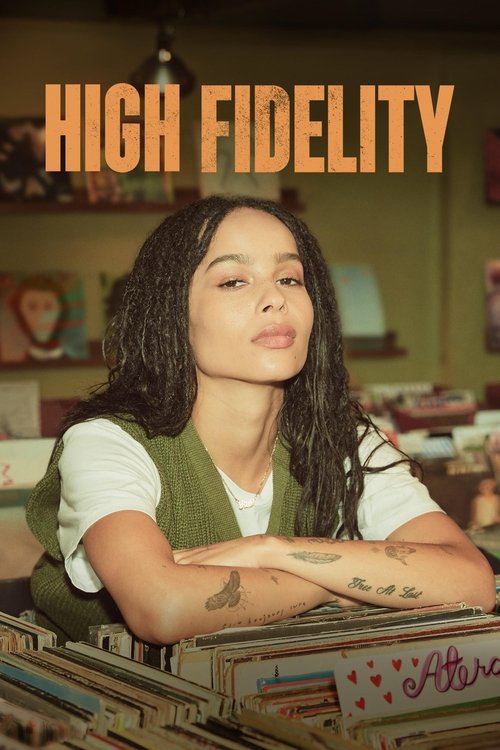
Series That Breathe the Same Air
Television with drifting characters, neon cities, and unspoken feeling
The Novels Underneath
Books about cities, time, missed connections, and the ache of almost


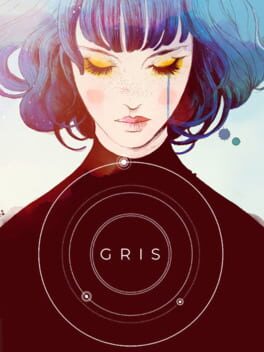
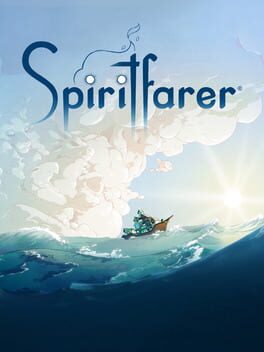
Games with the Same Mood
Games that put you inside a city, a memory, or a quiet in-between



The Soundtrack and Its Kin
Music that captures drift, longing, and a city at 3 a.m.
Christopher Doyle Invented a Grammar
The step-printing, the crash-zooms into faces, the willingness to underexpose until a scene becomes a smear of color: Christopher Doyle's work with Wong Kar-wai across the 1990s defined what 'expressive cinematography' could look like outside the European art-film tradition. Every shot in Chungking Express feels like it was caught rather than composed. That instinct of grabbing the real city around a story rather than controlling it has influenced a generation of filmmakers who want their cameras to feel alive.
Pop Songs as Emotional Architecture
Chungking Express does not use pop music as wallpaper. When Faye Wong's cover of 'Dreams' plays for the third time in one scene, it has become a character with its own want. Wong Kar-wai understands that a repeated song inside a film changes meaning each time, accumulating context the way a person accumulates heartbreak. The films below take the same approach: the music is not illustration, it is argument.
Hong Kong Before the Handover
The film was shot in 1994, three years before the 1997 handover of Hong Kong to China, and that proximity gives it an unspoken undertow. The characters are all people who have been left or are about to be left. The city itself feels provisional. This reading is not required to love the film, but it deepens everything. Taiwan New Wave cinema from the same decade (Hou Hsiao-hsien, Edward Yang) carries a parallel weight: cities and people caught between one era and whatever comes next.
Letting Go as a Plot
Both stories in Chungking Express are about the same thing: someone trying to hold on, and then deciding not to. The film is not interested in dramatic release. It trusts the viewer to feel the shift without announcing it. The books and films below share that restraint. They are stories where nothing much happens and everything changes.
The World Chungking Express Came From
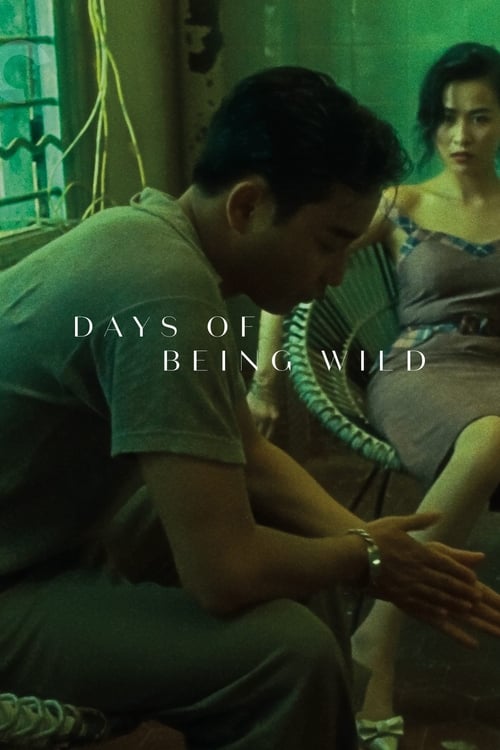
- 1990Days of Being Wild released, Wong Kar-wai's second feature, Tony Leung's wordless cameo sets up a sequel that would not arrive for years Days of Being Wild
- 1991Edward Yang releases A Brighter Summer Day, the other great Hong Kong/Taiwan urban epic of the era A Brighter Summer Day
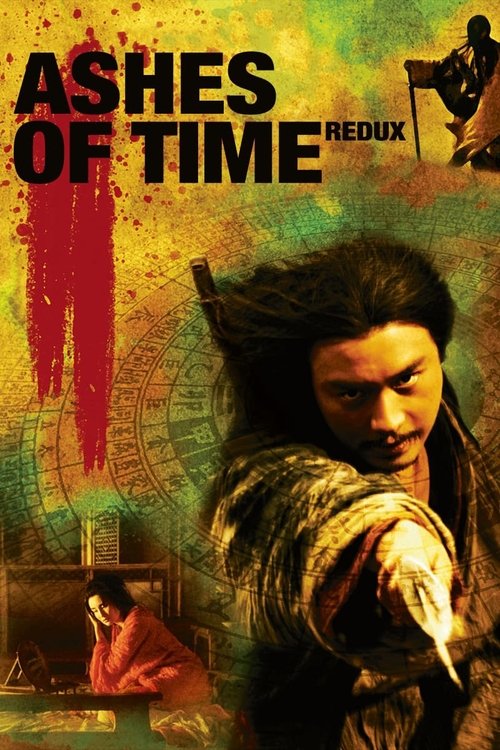
- 1993Ashes of Time shoots in the Gobi Desert while Chungking Express is conceived as its exact opposite: cheap, fast, urban, spontaneous Ashes of Time
- 1994Chungking Express shot in 23 days while Ashes of Time completes post-production Chungking Express
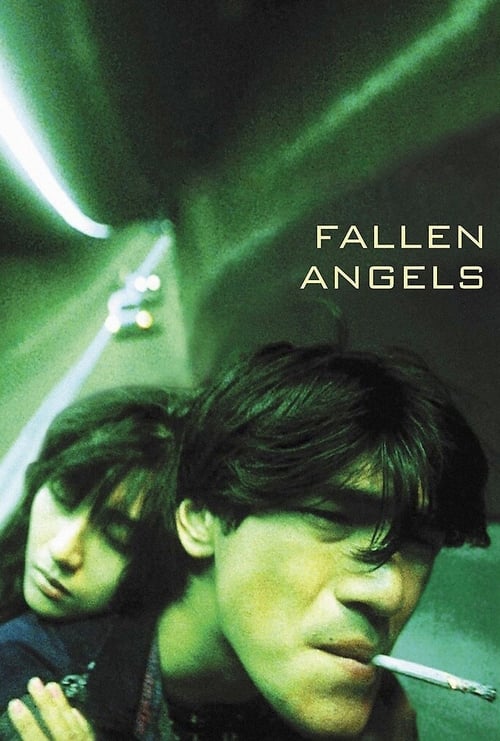
- 1995Fallen Angels released, Wong Kar-wai's companion piece shot on the same streets with Christopher Doyle, darker in register Fallen Angels
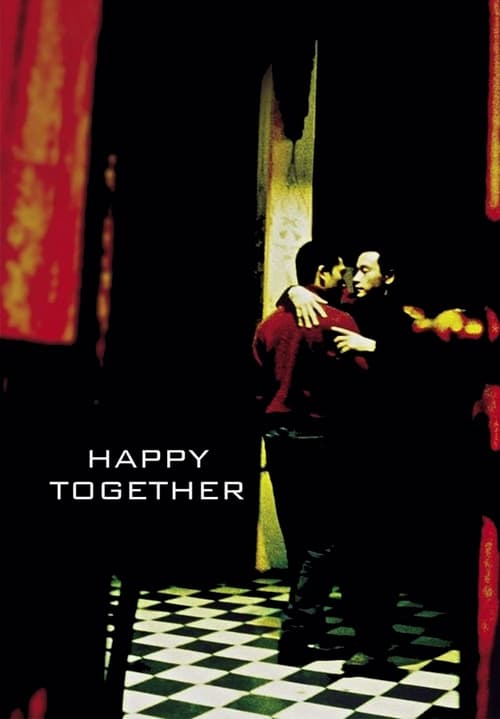
- 1997Hong Kong handover; Happy Together released the same year, set in Buenos Aires, looking away from the city that defined the decade Happy Together
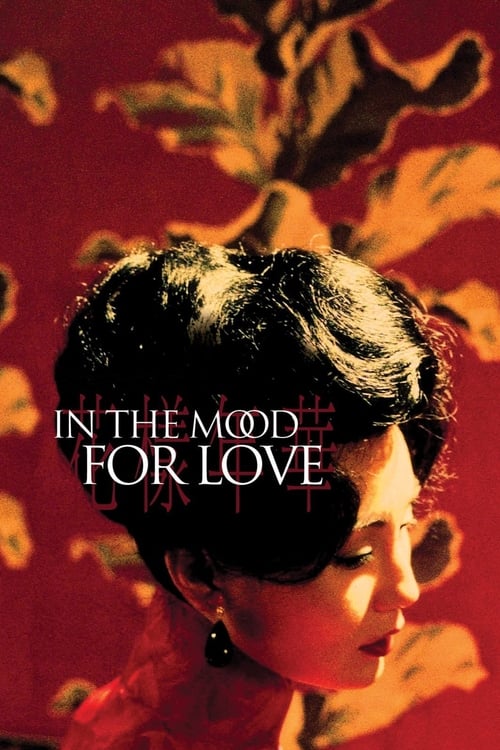
- 2000In the Mood for Love arrives, Wong Kar-wai's most formally controlled work, shot with Michael Galasso and Shigeru Umebayashi In the Mood for Love
More Wong Kar-wai longing
For Fans of Wong Kar-wai
Explore the For Fans of Wong Kar-wai guide →We rub shoulders with people every day. Maybe in a minute, maybe tomorrow, maybe in a year, maybe next lifetime, we can become friends.Chungking Express (1994)