
Math rock is the genre that made time signatures into a compositional weapon. Rooted in post-hardcore and progressive rock, it swapped verse-chorus predictability for interlocking polyrhythm, asymmetric phrasing, and tapped guitar lines that sound like two instruments at once. The bands that defined it (Don Caballero, Slint, Battles, Toe, Covet) share a sensibility: precision in service of feeling, not the other way around. What fans chase is that moment when a 17/16 pattern suddenly locks and the whole arrangement breathes. Whether the gateway is an album, a concert film, a video game built around rhythm mastery, or a novel that shares the same obsessive structural logic, the through-line is music that rewards active attention.
Essential Math Rock
The albums every fan comes back to
Bands Running Parallel
Adjacent genre records that share the same precision and restlessness
Documentaries and Concert Films
Watch the hands, watch the math

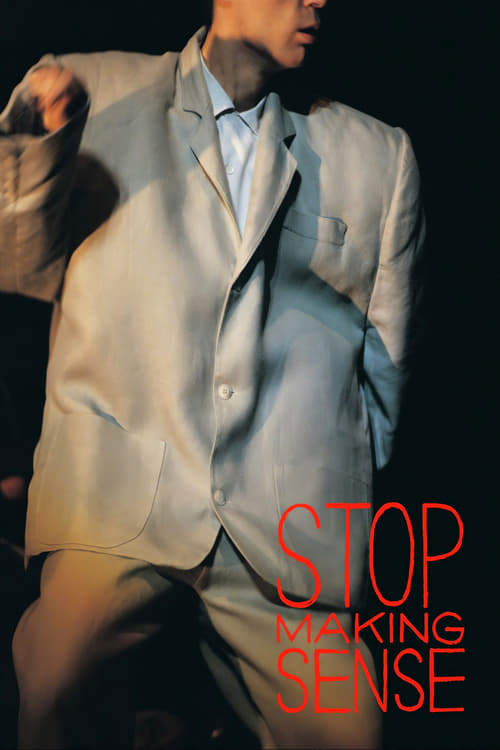
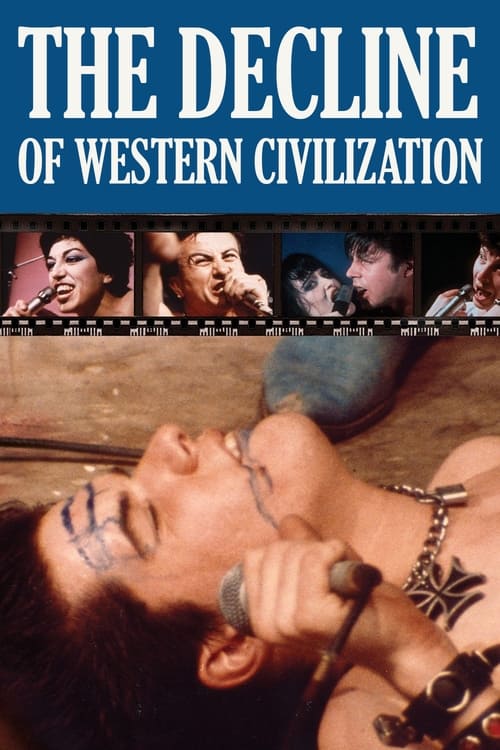
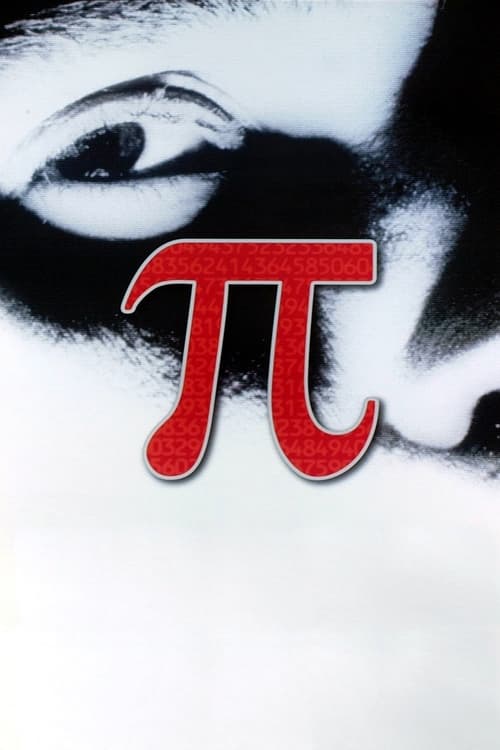
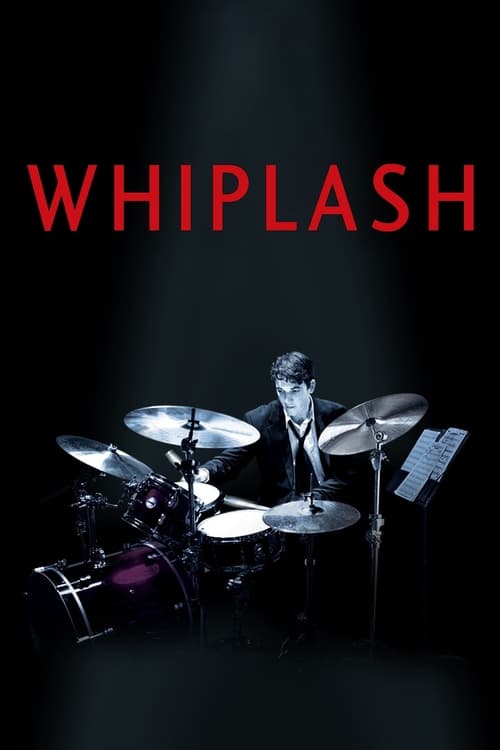
Films with the Same Energy
Tightly constructed, uneasy, built on patterns that keep shifting




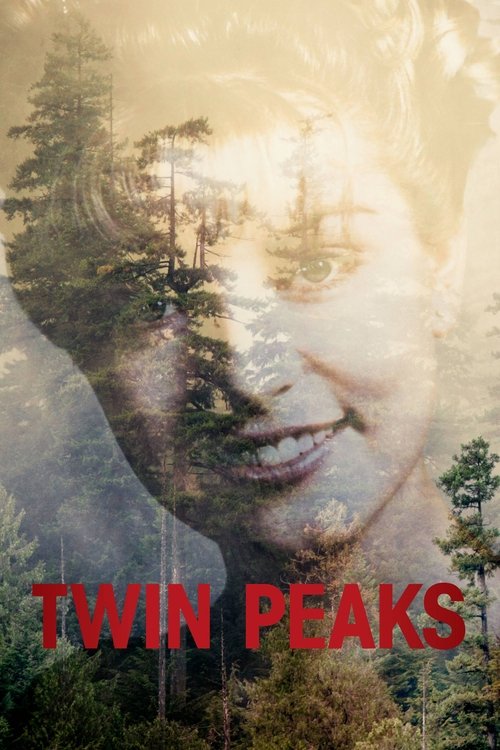
Series That Reward Attention
Dense, precise storytelling where every detail earns its place




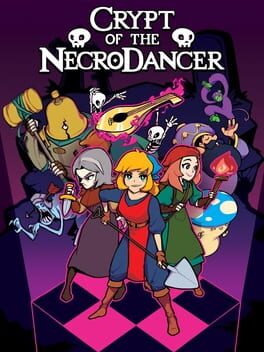
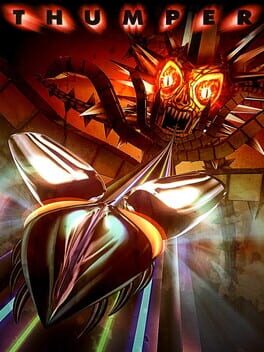
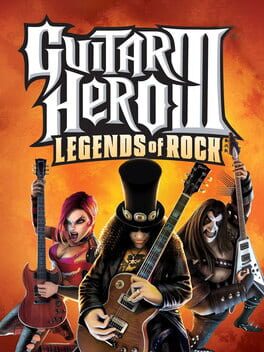
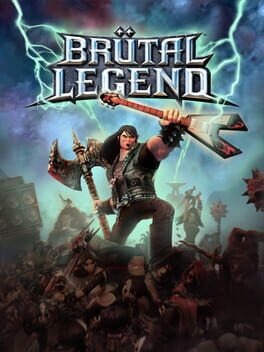
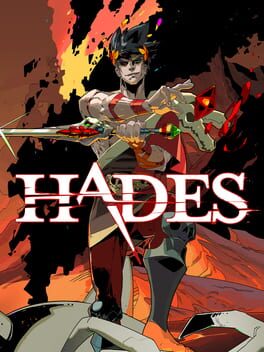
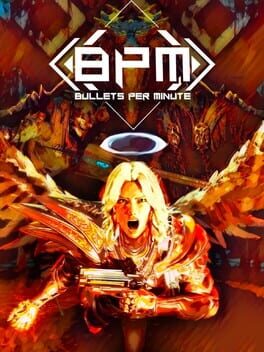
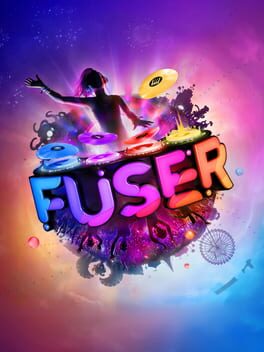
Games Built Around Rhythm Mastery
For when you want to feel that locked-in precision with your hands
Books for the Structurally Obsessed
Novels and nonfiction that share math rock's love of complex form


Slint Invented the Grammar
Slint's Spiderland (1991) did not sell. It was barely heard on release. What it did was establish a complete set of rules that dozens of bands spent the next 30 years following: dynamic range as a compositional tool, spoken-word passages in rock structures, guitar tunings that made chords feel like architecture. Don Caballero took the rhythmic complexity further. Mogwai took the dynamics to arena scale. Toe refined it into something almost delicate. Every branch traces back to that Louisville basement.
Battles Made Math Rock a Spectator Sport
Most math rock bands play to their own obsessions and trust the audience to catch up. Battles, especially on Mirrored (2007), found a way to make the complexity visible. John Stanier's drumming is the anchor: mechanical, enormous, undeniably physical. Layered on top are guitar and keyboard loops that spin around each other until the rhythm becomes hypnotic rather than academic. It is the record that convinced non-genre listeners that odd meters could be genuinely fun.
Japanese Math Rock Is Its Own Continent
The Japanese scene (Toe, Tricot, Ling Tosite Sigure, Mouse on the Keys) absorbed math rock's technical vocabulary and rebuilt it with a melodic warmth that the American originators rarely prioritized. Toe in particular on For Long Tomorrow treated the guitar interplay less as a puzzle to solve and more as a conversation to follow. The result is math rock that you can feel emotionally without needing to count along. This branch of the genre now has more active bands and more releases per year than the American scene that spawned it.
Prog Rock Built the Foundation
Math rock did not arrive from nowhere. King Crimson's Red (1974), in particular the track Fracture, is a direct ancestor: odd meters, no chord resolution, guitar technique pushed past what blues-rock allowed. Henry Cow, This Heat, and Robert Fripp's various configurations in the mid-1970s were doing the same structural experiments that Don Caballero would rediscover via post-hardcore 20 years later. Listening back through the lineage is not just historical housekeeping. The earlier records often have a rawness that the polished modern scene has lost.
Math Rock: A Short History of the Odd Bar
- 1969King Crimson debut with In the Court of the Crimson King, establishing progressive rock's appetite for odd meters and compositional seriousness. In the Court of the Crimson King
- 1975This Heat form in London, fusing tape manipulation with punk energy and polyrhythmic structures that anticipate post-rock by a decade.
- 1988Slint record Tweez in Louisville, Kentucky, introducing the quiet-loud dynamic and angular guitar interplay that will define the coming decade.
- 1991Spiderland is released. Initial sales are negligible. Its influence on the next 30 years of underground guitar music is incalculable. Spiderland
- 1993Don Caballero release For Respect, formally introducing math rock as a named genre category, with drum parts that no one believes are played by a human.
- 1995Don Caballero 2 arrives, the genre's clearest early statement: no vocals, no hooks in the conventional sense, pure interlocking rhythm and riff. Don Caballero 2
- 2002Toe form in Tokyo and begin translating math rock's technical language into melodic, emotionally direct compositions.
- 2007Battles release Mirrored. John Stanier's drumming and the album's dancefloor edge bring math rock to its widest audience. Mirrored
- 2009Toe's For Long Tomorrow cements Japanese math rock as a distinct and internationally followed branch of the genre.
- 2015Covet, fronted by guitarist Yvette Young, begins building an audience online. Her tapped-guitar style and melodic sensibility attract listeners who had never considered math rock.
- 2020The COVID lockdown generates a boom in home-studio math rock: solo guitar records, emo-adjacent bands with odd-meter choruses, and a new generation of players raised on Yvette Young tutorials.
Music that thinks, minds that wander
Music & Musicians
Explore the Music & Musicians guide →Math rock is music that counts, but never feels like counting. When the meter clicks, it feels more inevitable than any four-four pulse.CrossBinge Editors