
The architects of the long, slow dissolve
Pink Floyd were a British rock band formed in London in the mid-1960s: Syd Barrett, Roger Waters, Richard Wright, Nick Mason, and later David Gilmour. They spent roughly two decades building something that barely resembled pop music by the end. They were a psychedelic band, then a progressive rock band, then something harder to categorise: a collective obsession with absence, alienation, the passage of time, and the machinery of modern life grinding people down. The albums are not collections of songs so much as environments you enter. The Dark Side of the Moon (1973) sat on the Billboard charts for over a decade not because it was catchy but because it was inhabitable. Wish You Were Here (1975) is a grief record disguised as a suite about the music industry. The Wall (1979) is a rock opera about a man bricking himself in against the world, and it works as both.
Gilmour's guitar tone (warm, sustained, bending slowly toward sadness) is the sonic equivalent of late afternoon light. Waters' lyrics are confrontational where Gilmour's playing is elegiac. Wright's keyboards build cathedrals. The combination produced a body of work that rewards headphones, silence, and attention in a way very few things in any medium do. If you love Pink Floyd, you love art that takes its time, that treats atmosphere as content, that doesn't explain its own feelings. The recommendations here follow that logic.
Essential Pink Floyd
The albums in the order a new listener should hear them
The perfect entry point is not the obvious one
Wish You Were Here is the better starting album than The Dark Side of the Moon. It is more direct emotionally, less likely to be ruined by the weight of its own reputation, and the opening suite 'Shine On You Crazy Diamond' tells you everything about who Pink Floyd are in one sustained arc of grief. The Dark Side is the masterpiece. But Wish You Were Here is the one that hooks people who thought they were too cool to be moved by a classic rock band.
In the prism: concert films and music documentaries
When sound is not enough and the visuals have to keep up

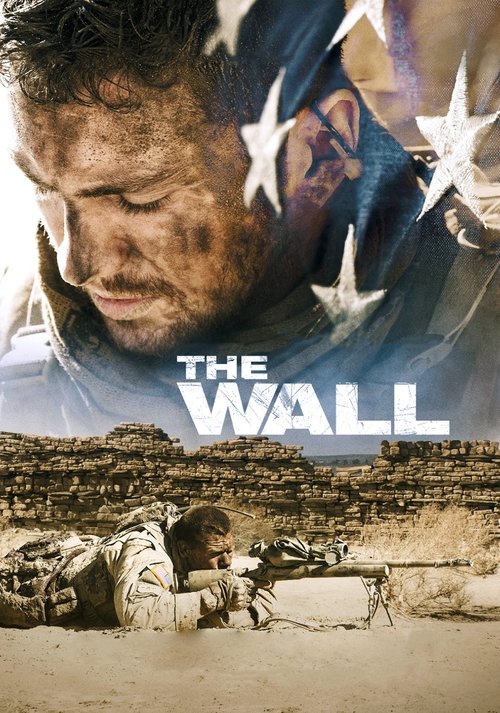
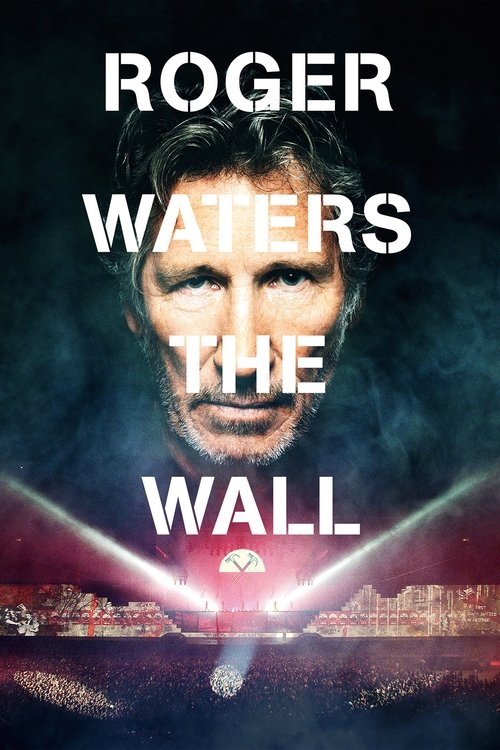
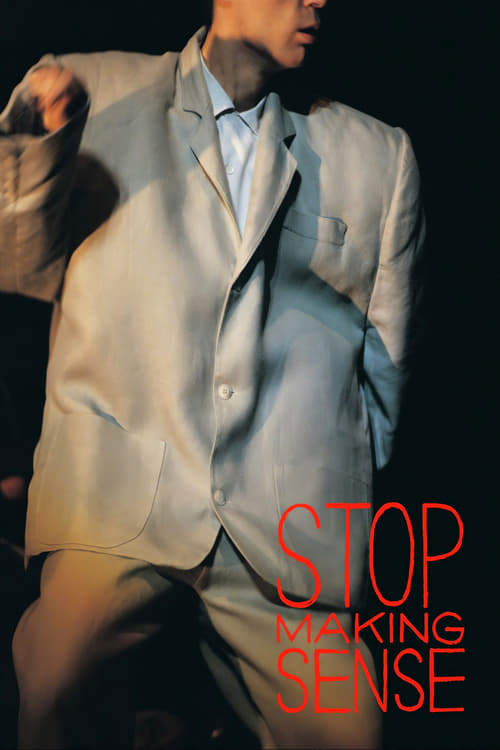
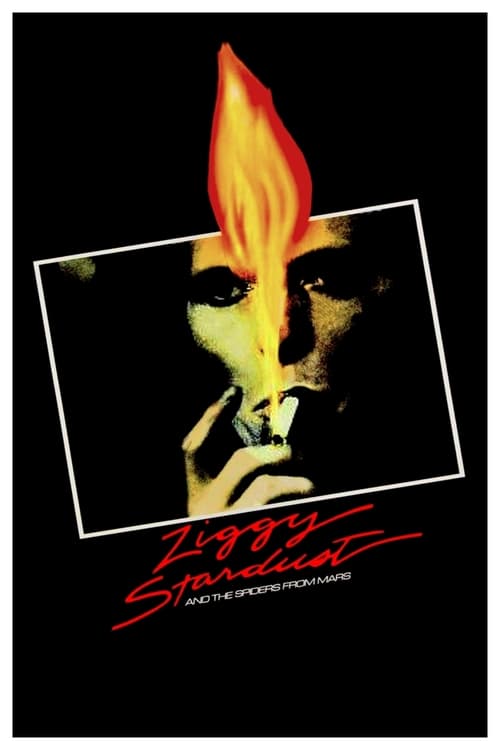
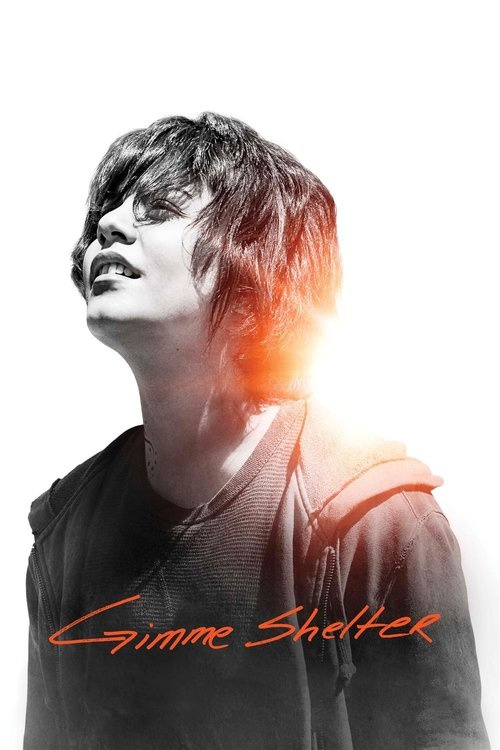
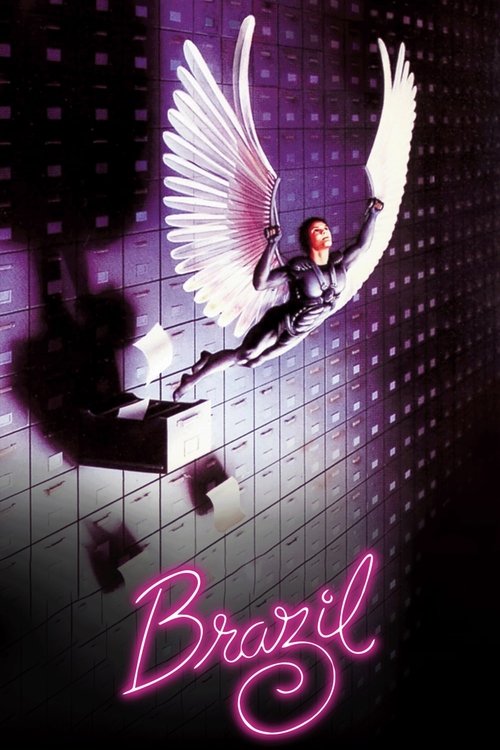
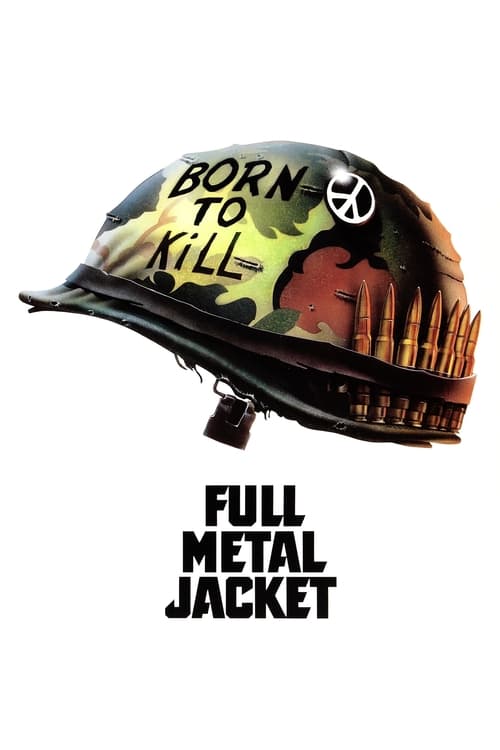
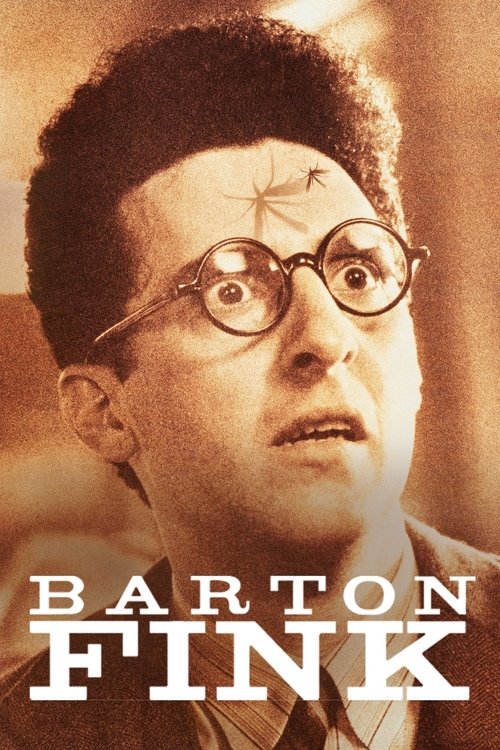
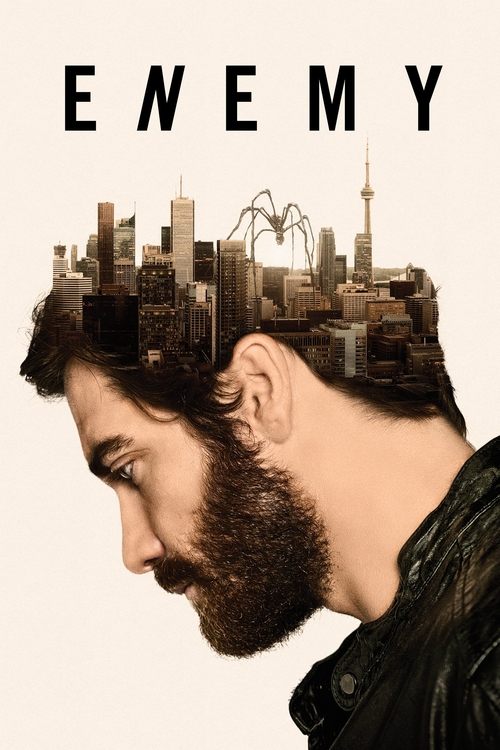
The long dark corridor: films with the same existential temperature
Alienation, memory, time, and beautiful dread
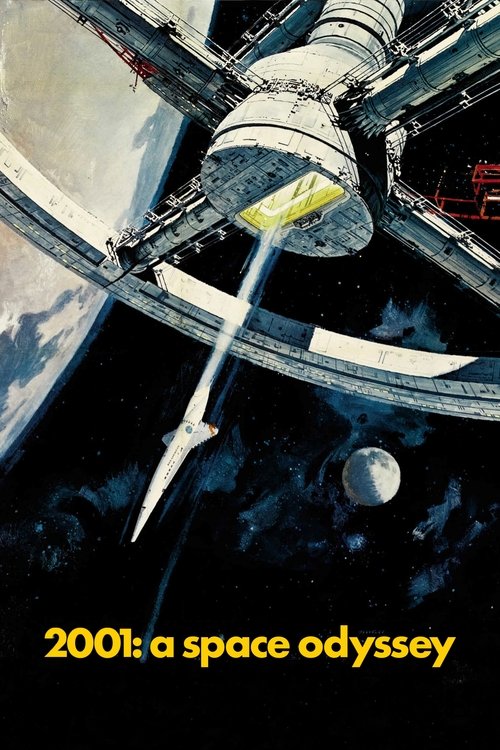
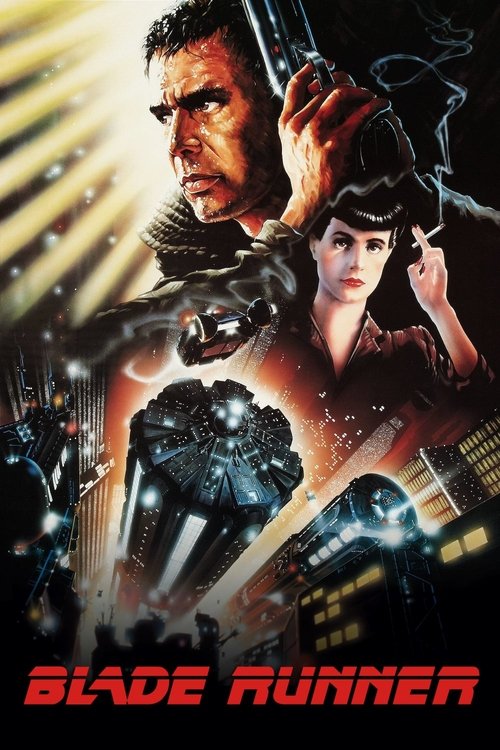
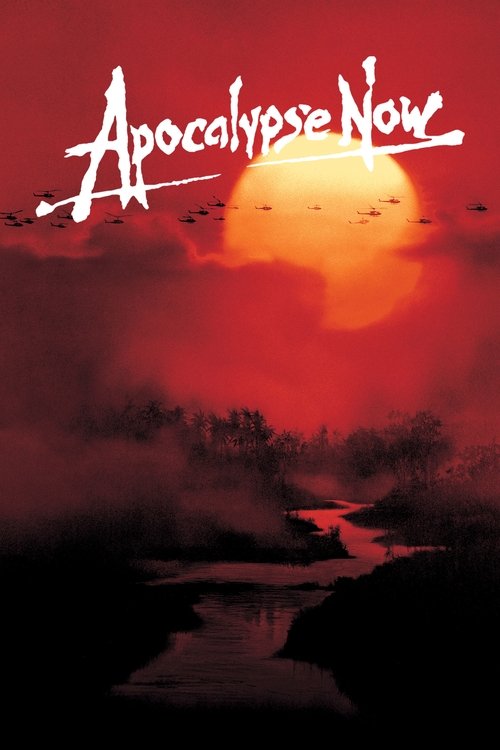
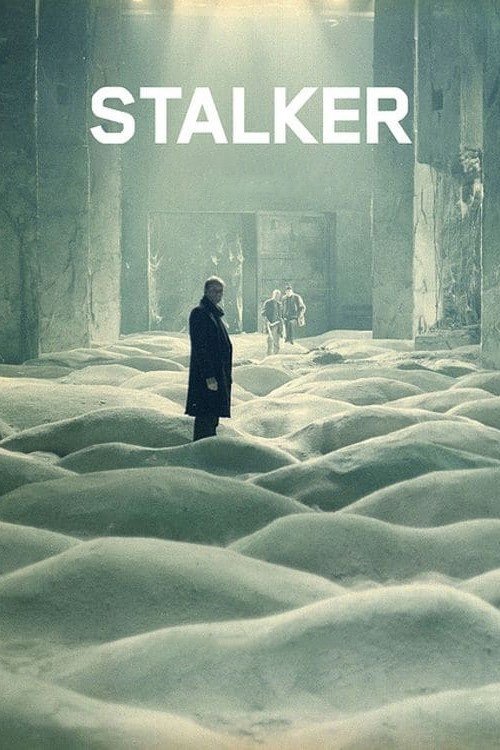
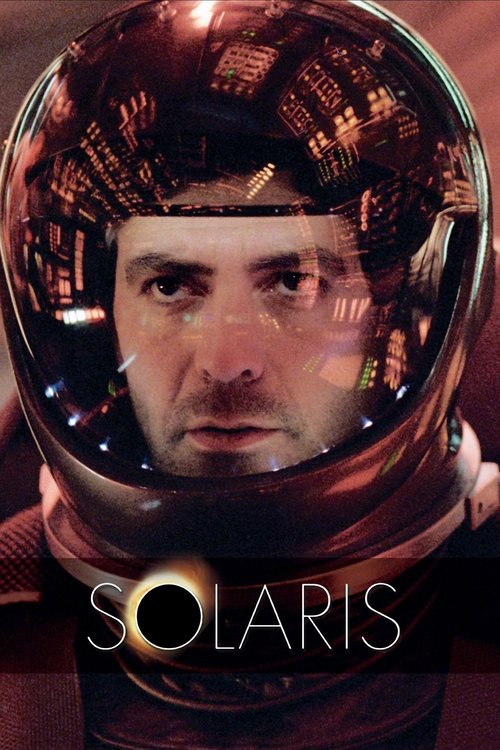
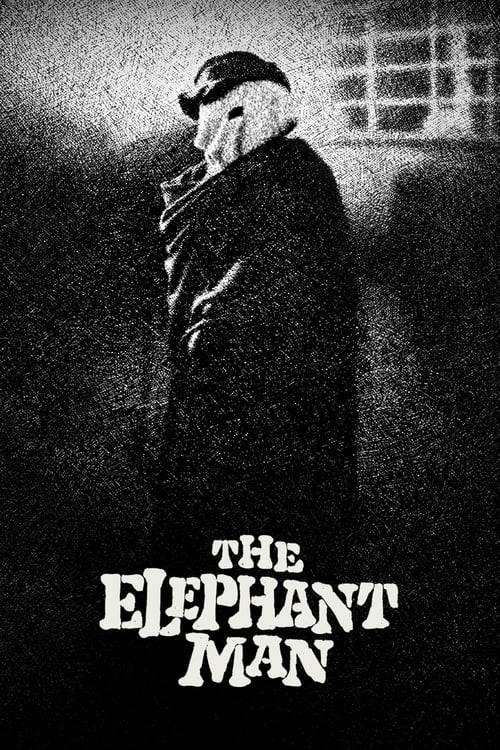
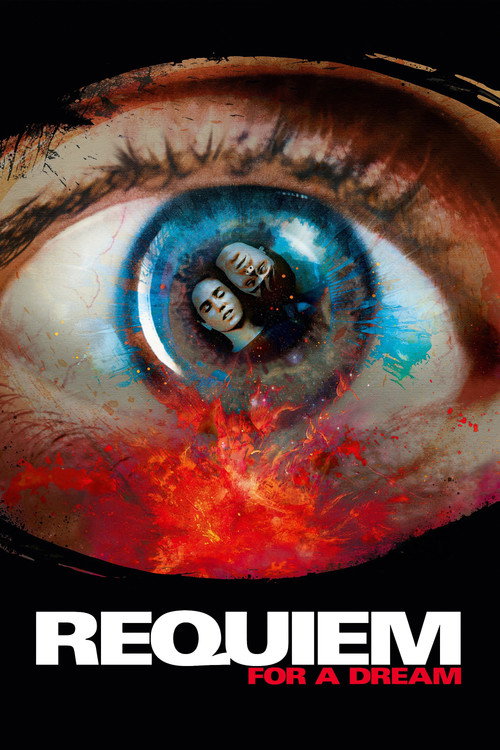
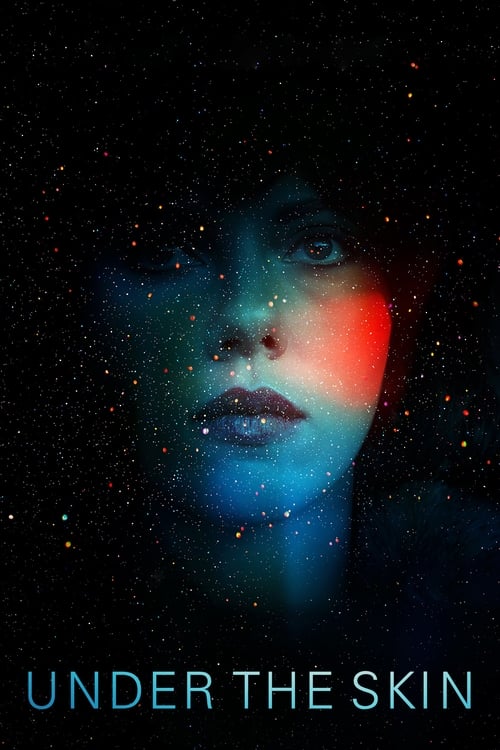
Animals is the most underrated album in the catalogue
Animals (1977) sits between Wish You Were Here and The Wall in the catalogue and gets skipped because neither of its neighbours is skippable. That is a mistake. It is the angriest thing Roger Waters ever wrote for the band: a three-tier class satire borrowed loosely from Orwell, built on two of Gilmour's most ferocious guitar performances. It has aged into something that sounds more relevant to the present than almost anything else in the discography.
Architects of the same loneliness: progressive and art rock
Albums built like rooms you get lost in
Radiohead are the spiritual successors, full stop
The argument is not that Radiohead sound like Pink Floyd. They don't, really. The argument is that no other band inherited the same project: making rock music that confronts the listener with their own alienation, using studio texture as the primary instrument, and caring more about the emotional logic of an album's arc than individual songs. OK Computer and Kid A exist in the same philosophical category as The Wall and Animals, even if they arrive there by completely different routes.
The machine grinds on: dystopia and the social organism in fiction
Books that share Waters' anger and Barrett's unravelling


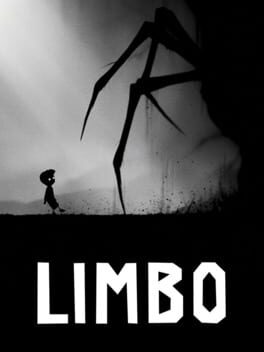
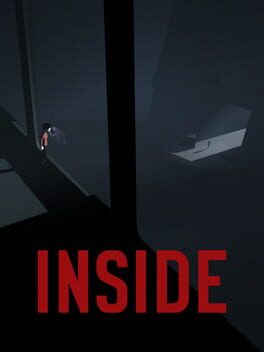
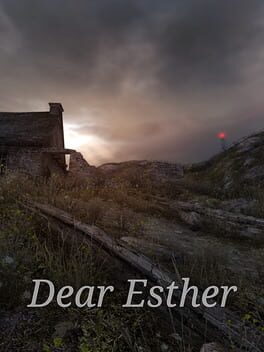
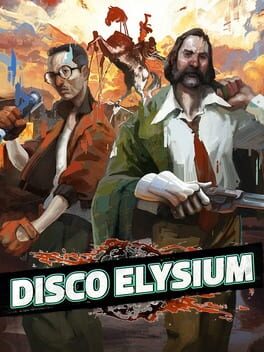
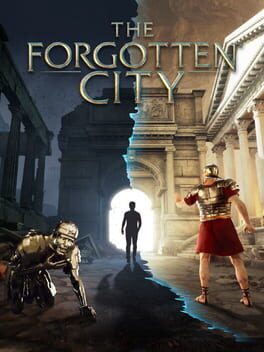
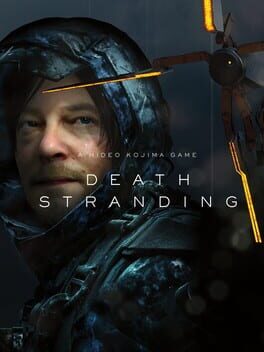
Games that feel like albums: atmosphere over action
Play states that reward patience the way a Floyd side rewards headphones

The Wall as a film is stranger and better than it has any right to be
Alan Parker directed The Wall (1982) from a script by Roger Waters, and the result is one of the genuinely unclassifiable objects in cinema: not a concert film, not a musical, not quite a drama. Bob Geldof plays Pink without speaking for almost the entire film. Gerald Scarfe's animation sequences are among the most disturbing things in any mainstream release of that era. It is too much, which is exactly right for the material.
A band that kept reinventing its own darkness
- 1967The Piper at the Gates of Dawn: psychedelia under Syd Barrett The Piper at the Gates of Dawn
- 1971Meddle introduces the epic side-long suite format Meddle
- 1973The Dark Side of the Moon redefines what an album can be The Dark Side of the Moon
- 1975Wish You Were Here mourns Syd Barrett and the lost ideal Wish You Were Here
- 1977Animals goes full political fury Animals
- 1979The Wall becomes a rock opera and a cultural event The Wall
- 1982The Wall film expands the album into cinema The Wall
- 1987A Momentary Lapse of Reason: Floyd continues without Waters A Momentary Lapse of Reason
- 1994The Division Bell, the elegiac farewell before the long silence The Division Bell
- 2014The Endless River closes the book with instrumental eulogy The Endless River
Concept albums and dystopian soundscapes
For Fans of Radiohead
Explore the For Fans of Radiohead guide →The music never demands that you feel a particular thing. It builds a room, leaves the lights low, and waits.CrossBinge editors