

Jorge Luis Borges spent his career writing short fictions that read like philosophical proofs and philosophical essays that read like nightmares. The Argentine master built worlds where libraries contain every possible book, mirrors are morally suspect, and time folds back on itself. What his fans chase is a very specific feeling: the vertigo of a neat, logical argument arriving at a conclusion that dissolves the ground beneath you. His territory is the borderland between metaphysics and pulp fiction, between the detective story and the infinite regress. Once you have read him, certain images become permanent fixtures in how you see the world.
Essential Borges
The books that define the labyrinth




Architects of the Impossible
Authors who build labyrinths as intricate as Borges


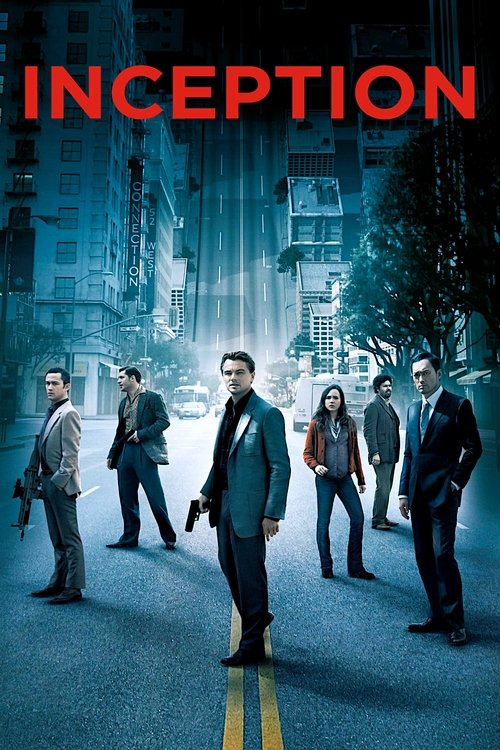
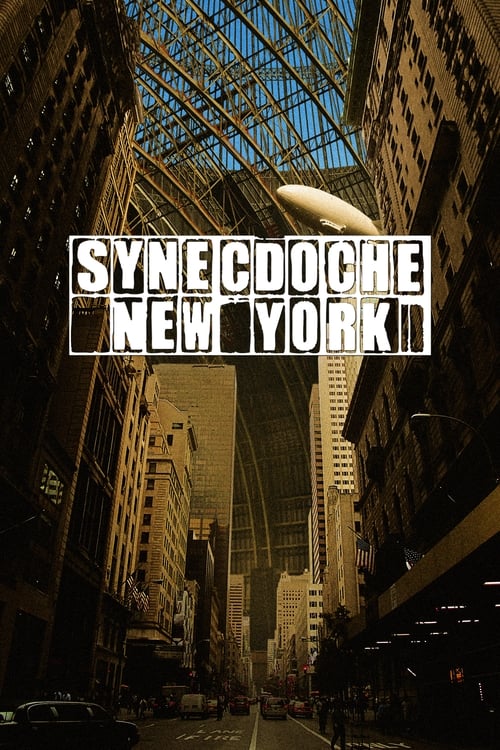
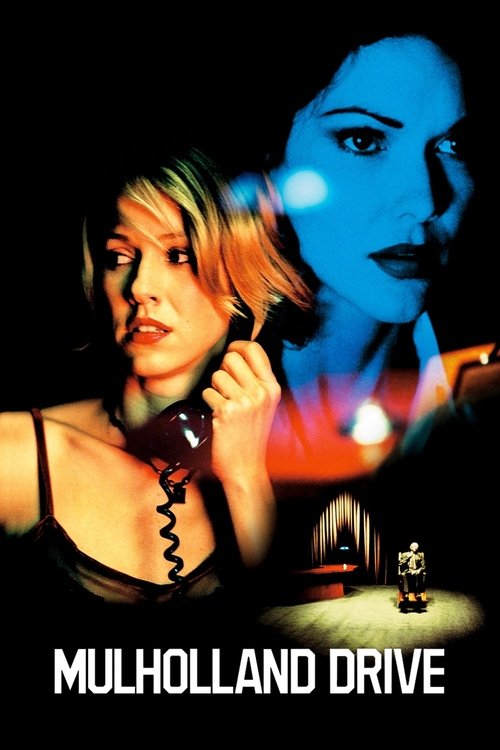
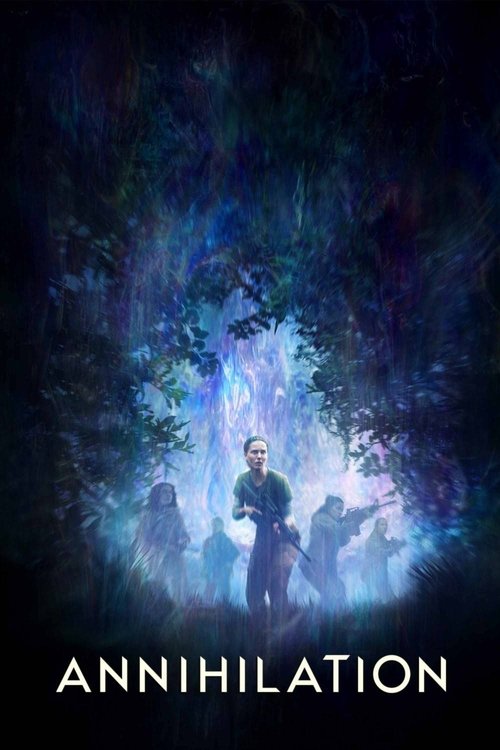
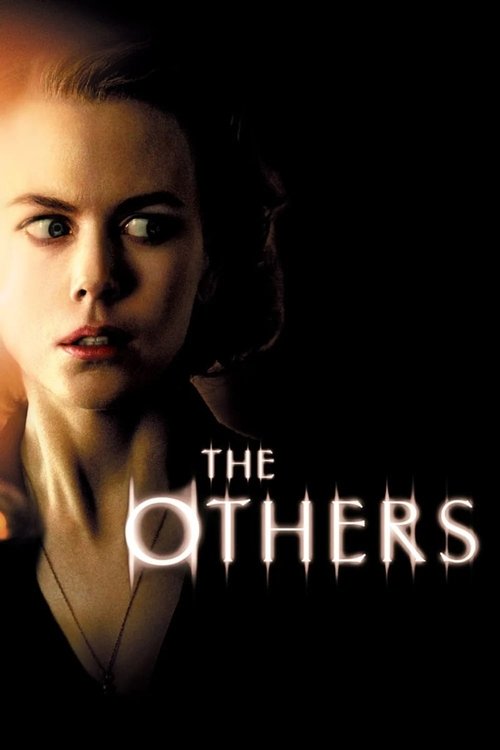
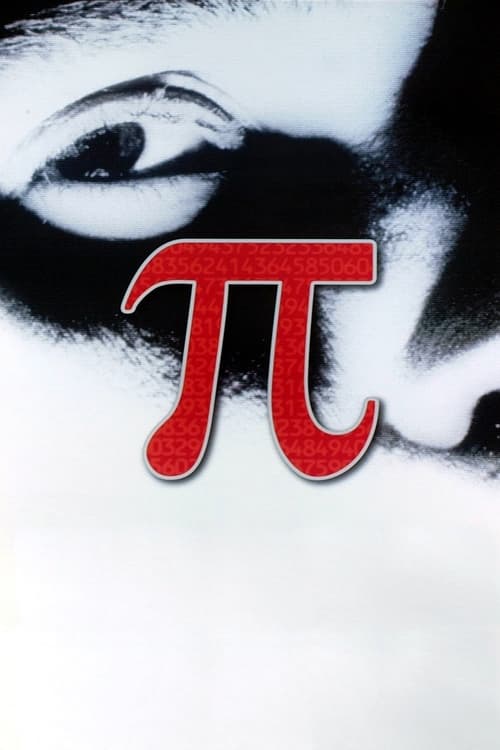
Films That Fold Reality
Cinema built on the same logic of infinite regression and doubt




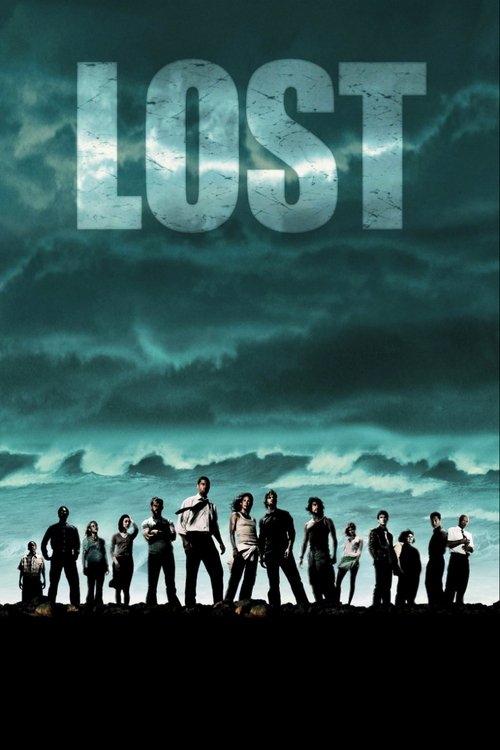
Television in the Maze
Series that share the Borgesian obsession with nested realities and hidden order





Games That Are Puzzles About Puzzles
Works where the structure of the game is the argument
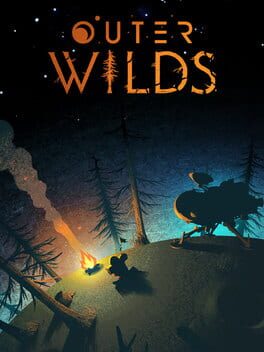
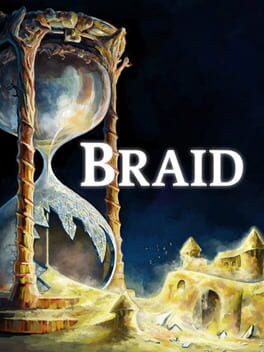
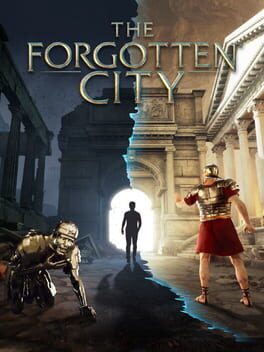
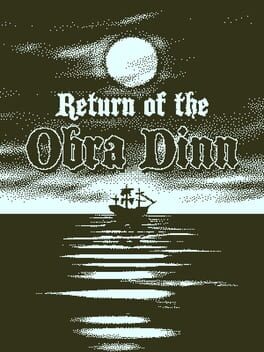


The Labyrinth Is Not a Symbol: It Is the Subject
Borges is often called a writer of ideas, as if the ideas were decorative. They are not. The labyrinth in his fiction is not a metaphor for human confusion: it is a precise logical structure that, once you inhabit it, reveals that the concepts of inside and outside no longer apply. His imitators tend to borrow the imagery without the rigor, which is why so much so-called Borgesian fiction feels like atmosphere without argument. The real inheritance is the method: use fiction as a machine for producing propositions that cannot be stated any other way.
His Best Stories Are Also His Best Detective Fiction
Borges was a genuine devotee of Edgar Allan Poe and G.K. Chesterton, and the detective story backbone shows in his tightest work. 'Death and the Compass,' 'The Garden of Forking Paths,' and 'Ibn Hakkan al-Bokhari, Dead in His Labyrinth' are locked-room puzzles where the detective reasoning is real and the solution is philosophically devastating. He understood that the pleasure of detection, the sense that pattern underlies chaos, is a seductive lie, and he built stories that deliver that pleasure while demonstrating the lie.

Kafka Is the Closest Relative, Not the Same Animal
The comparison to Kafka is inevitable and partially correct. Both build worlds of oppressive logic that operates by its own internal rules regardless of human comfort. But Kafka's nightmare is weight, accumulation, the bureaucratic grind that never resolves. Borges is lighter and more dangerous: his labyrinths are elegant. You walk into them willingly because the architecture is beautiful. By the time the trap closes, you are not sure you want out. This is a different kind of dread, and it opens different doors.


The Essays Are Fiction and the Fiction Is Argument
One of Borges' central techniques is writing fake reviews of real or imaginary books, and real essays about fictional authors, collapsing the boundary between criticism and creation. 'Other Inquisitions' reads like a collection of literary essays until you realize each one is also a short story. This approach has a practical consequence for readers: the habit of reading him trains you to distrust genre labels. Everything becomes a frame, and the frame is always also part of the content.
Borges and His Worlds
- 1923First poetry collection published: Fervor de Buenos Aires Fervor de Buenos Aires
- 1935A Universal History of Iniquity introduces his fictional-nonfiction method
- 1944Ficciones published, including 'The Garden of Forking Paths' and 'The Library of Babel' Ficciones
- 1949The Aleph published, containing his most celebrated single story The Aleph and other stories, 1933-1969
- 1952Other Inquisitions: essays that are arguments that are fictions The Inquisition
- 1960El Hacedor (Dreamtigers): prose poems and brief fictions deepen the dreamwork
- 1961Shares the International Publishers' Prize with Samuel Beckett
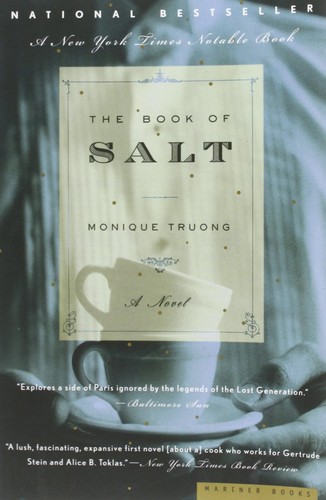
- 1975The Book of Sand: late stories, including the terrifying infinite book The Book of Salt
- 1986Borges dies in Geneva; his influence on world literature and game design continues to grow
Labyrinths, dreams, and unreal worlds
Mind-Bending Films and Series
Explore the Mind-Bending Films and Series guide →The Library of Babel is total and its shelves register all the possible combinations of the orthographical symbols. That is to say, all that it is given to express, in all languages.Jorge Luis Borges, Ficciones (1944)