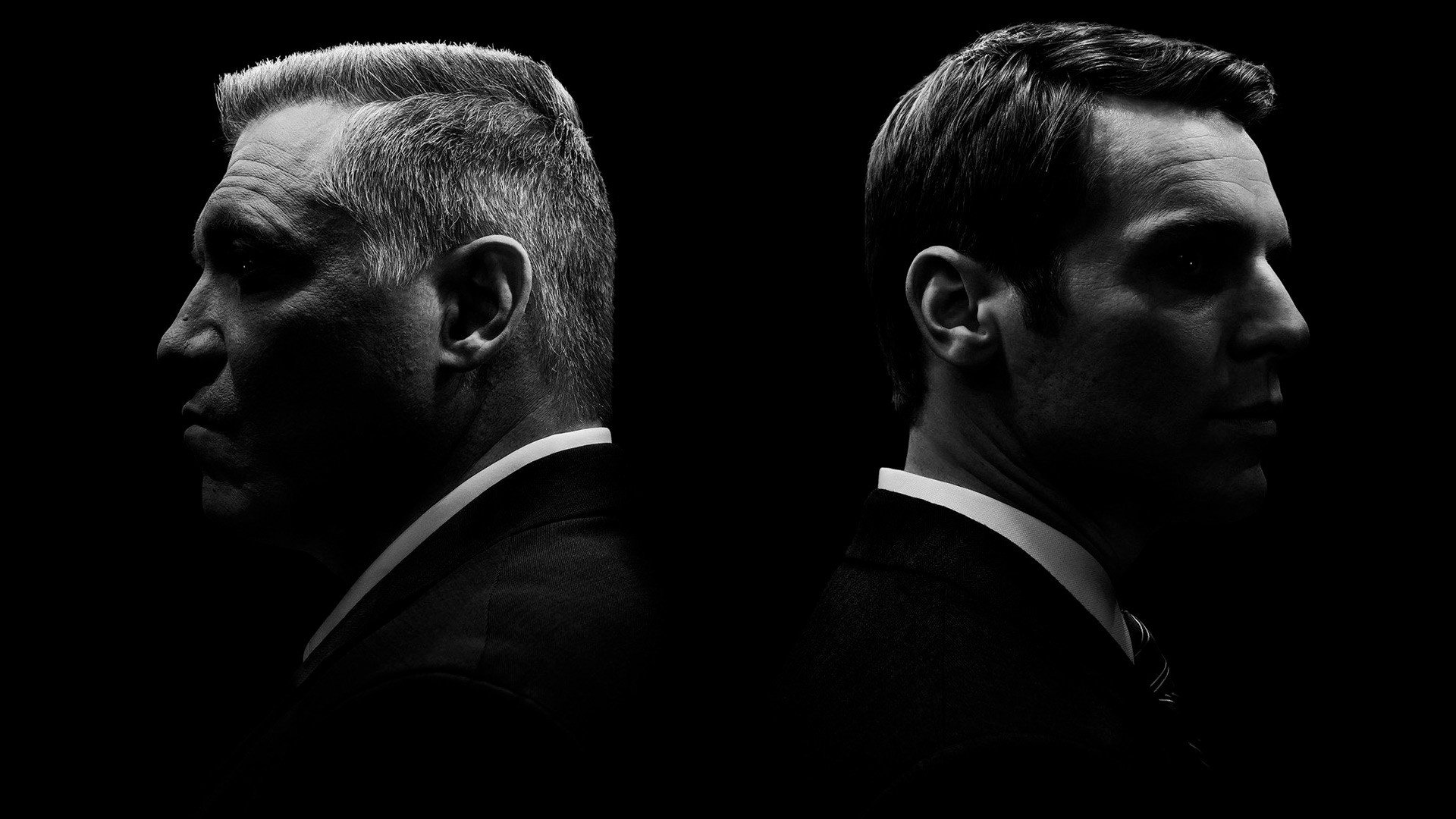

Mindhunter (Netflix, 2017-2019) drops you into the birth of FBI criminal profiling. Holden Ford and Bill Tench drive the back roads of America interviewing convicted killers, building the vocabulary that would become behavioral science. David Fincher directs with the same cold precision he brought to Zodiac and Se7en: long silences, institutional fluorescence, conversations that feel like interrogations even when they're not. The show is less about catching criminals than about what studying them costs the people who do it. That precise, clinical dread of staring into something that stares back is the through-line every recommendation below shares.
Essential Mindhunter
The show itself, ranked by the episodes and seasons that define it
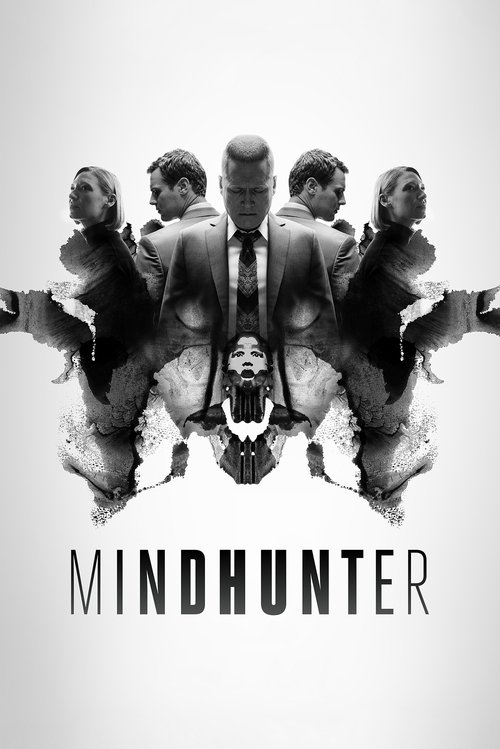
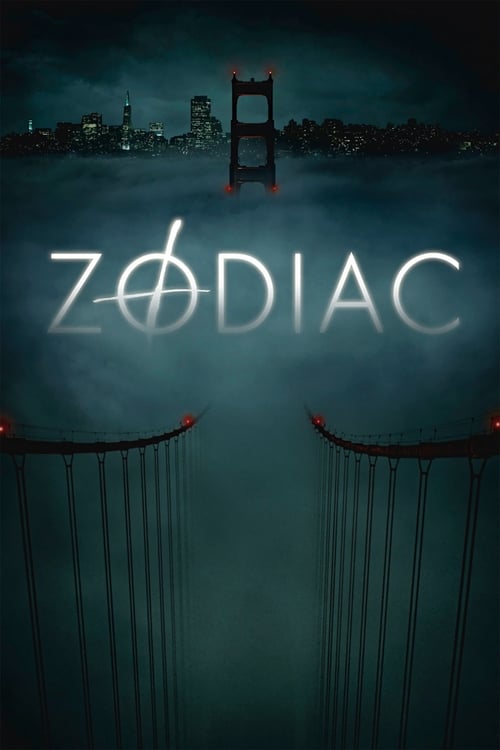
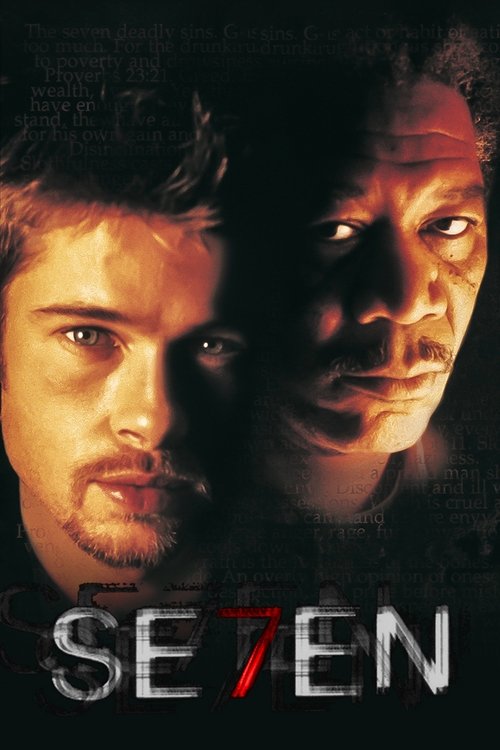


If You Love the Cold Procedural: Crime Series with the Same Patience
TV dramas that trust silence, detail, and slow-burn investigation over spectacle



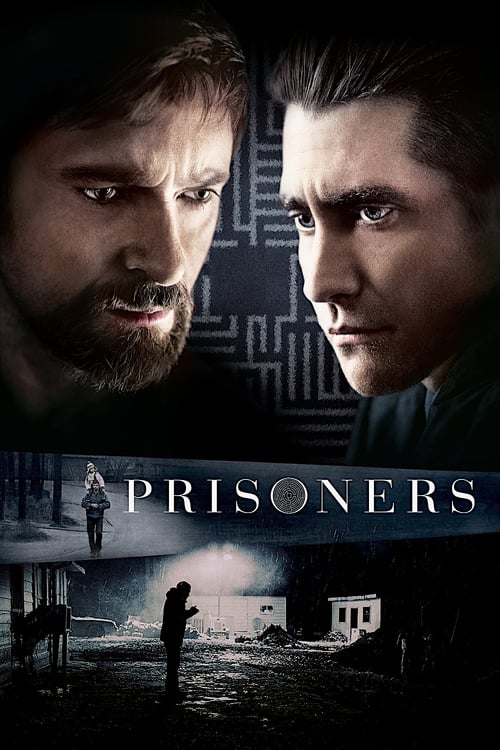
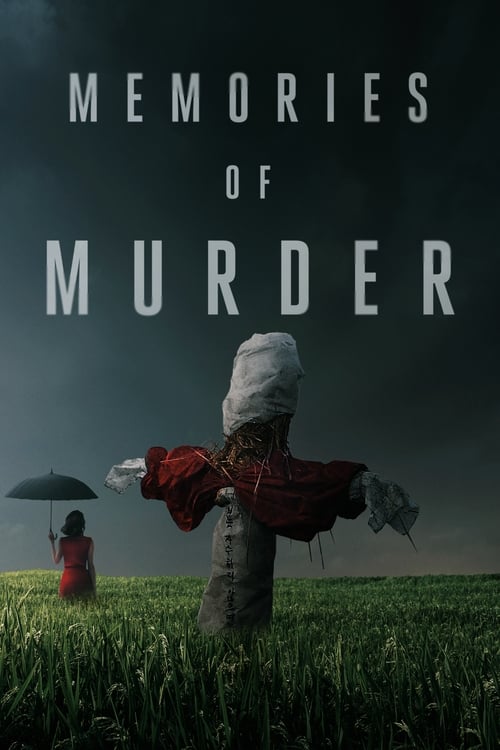
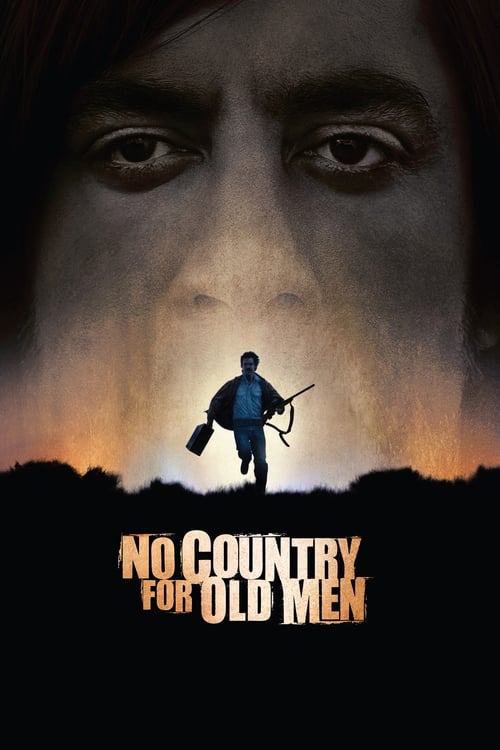
If You Love Fincher's Frame: Films in the Same Register
Crime and psychological thrillers shot with the same controlled dread
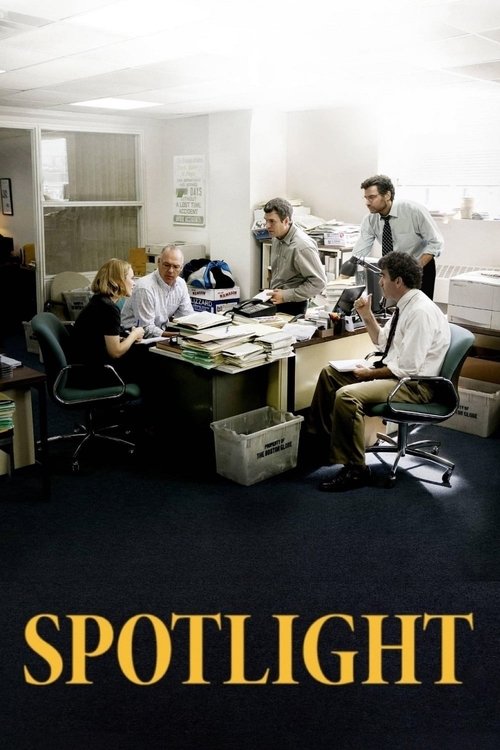

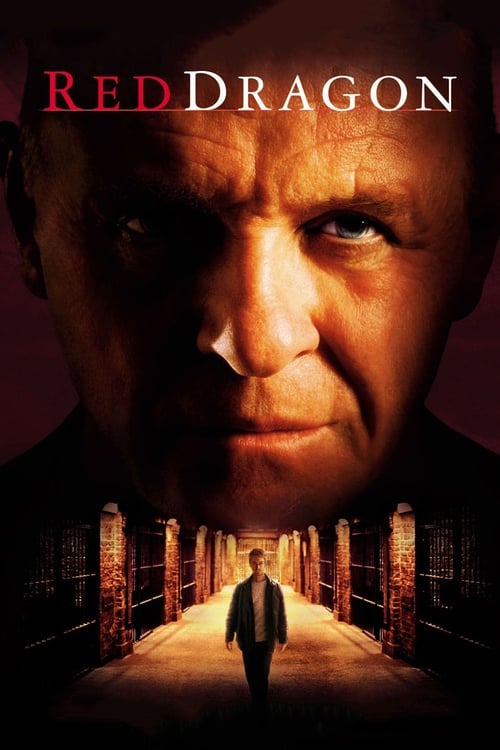
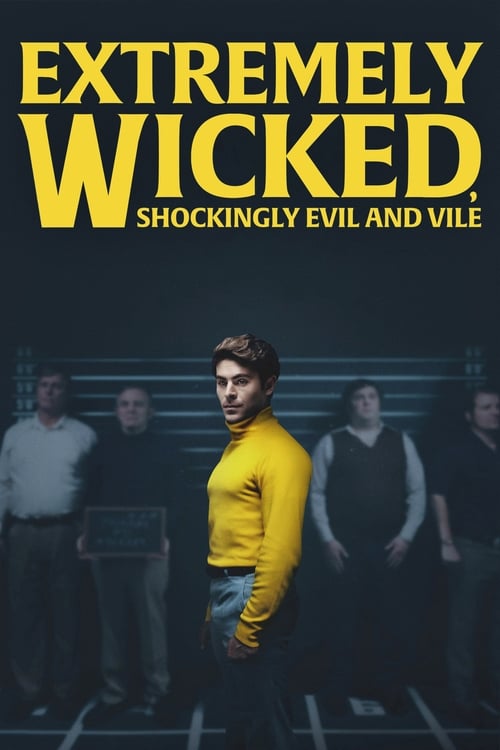
If You Love the Source: Books That Built Behavioral Science
True crime and criminology books by and about the FBI agents who invented profiling


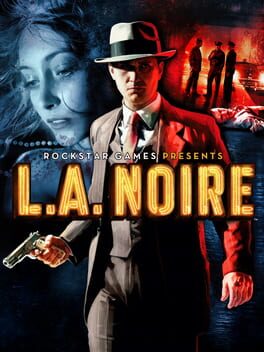
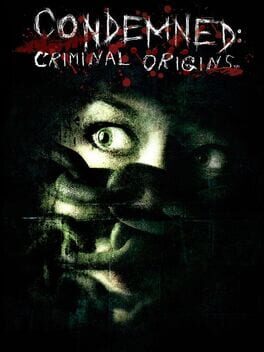
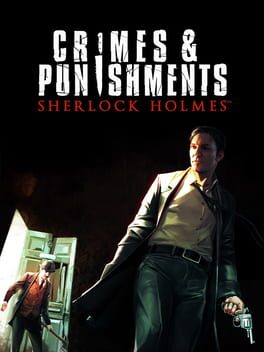
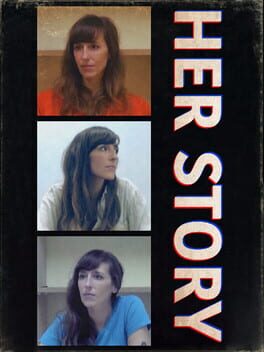
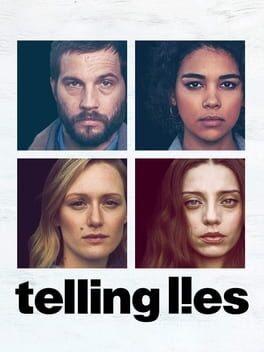
If You Love the Psychological Chess: Games About the Criminal Mind
Games that put you inside investigation, profiling, and moral pressure

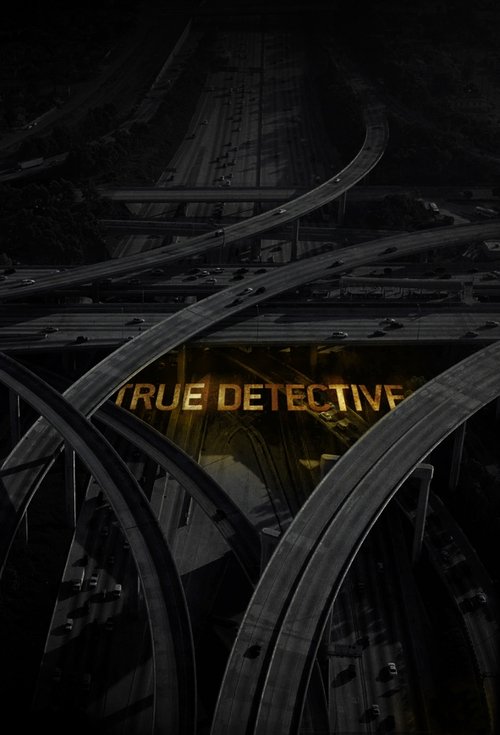
True Detective Season 1 Is the Closest Television Equivalent
Nic Pizzolatto's first season does what Mindhunter does: it uses the architecture of a police procedural to excavate the minds of the investigators. Rust Cohle's nihilist monologues and Matthew McConaughey's gaunt performance are the flip side of Holden Ford's compulsive intellectualism. Both shows ask whether you can spend enough time thinking about evil without it reshaping how you see the world. Season 1 remains one of the best single seasons of American television precisely because it commits to that question without flinching.
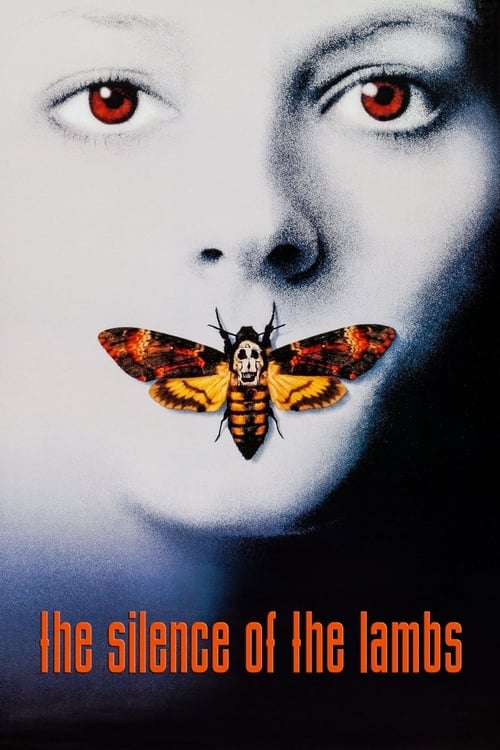
The Silence of the Lambs Did It First and Still Does It Best
Jonathan Demme's 1991 film is the direct ancestor of Mindhunter's premise: a federal agent learns to think like a killer by talking to one. Clarice Starling and Holden Ford share the same drive and the same danger. Silence of the Lambs is tighter, more theatrical, and openly terrifying where Mindhunter is slow and clinical, but they're working the same seam. Anthony Hopkins created the archetype that every later screen killer in a suit is measured against.
John Douglas's Own Books Reveal What the Show Compresses
Mindhunter (the book, 1995) is the memoir on which the series is directly based. John Douglas spent decades in BSU interviewing convicted killers and pioneered the methodology the show dramatizes. The TV version compresses, dramatizes, and occasionally fictionalizes, but the book gives you the cases in full and Douglas's own voice explaining why each interview mattered. Whoever Fights Monsters, by Douglas's colleague Robert Ressler, covers the same era from a second perspective and fills in the gaps the show leaves out.
The Real History Behind the Show
- 1972The FBI Behavioral Science Unit is established at Quantico.
- 1977John Douglas and Robert Ressler begin systematic interviews with imprisoned serial killers, inventing criminal profiling as a discipline.
- 1981The Atlanta Child Murders case, depicted in Season 2, reaches its controversial conclusion.
- 1988The BSU's work is popularized in Thomas Harris's novel The Silence of the Lambs, which draws directly on Douglas's casework. The Silence of the Lambs
- 1991Jonathan Demme's film adaptation wins five Academy Awards and makes behavioral profiling a cultural reference point. The Silence of the Lambs
- 1995John Douglas publishes his memoir Mindhunter, naming a generation's understanding of serial crime.
- 2017David Fincher's Netflix series debuts, dramatizing the BSU's founding years. MINDHUNTER
- 2019Season 2 airs, expanding to the Atlanta murders and deepening Bill Tench's family storyline.
Hunting the criminal mind
Serial Killer Hunts
Explore the Serial Killer Hunts guide →The show is not about monsters. It is about the people who decide to understand them, and what that decision costs.CrossBinge