
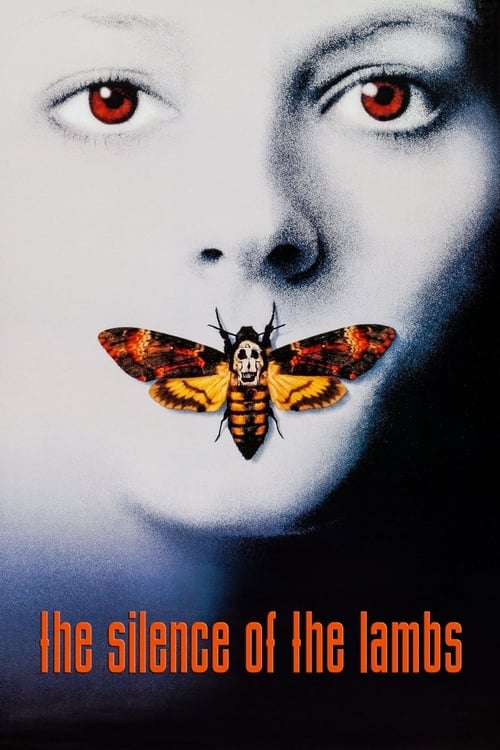
Jonathan Demme's 1991 film is one of the rare genre pictures that the Academy rewarded with all five major Oscars, and the praise was deserved. What fans actually love is not the horror trappings but the precision of the character work: Clarice Starling navigating a world of men who underestimate her, Hannibal Lecter as a mirror that reveals uncomfortable truths, and Buffalo Bill as an embodiment of otherness twisted into violence. The film is methodical, almost procedural in its tension-building, and it trusts the audience to sit with discomfort. If that combination has stayed with you, the works below operate in the same key.
Essential The Silence of the Lambs
The film itself and its direct world

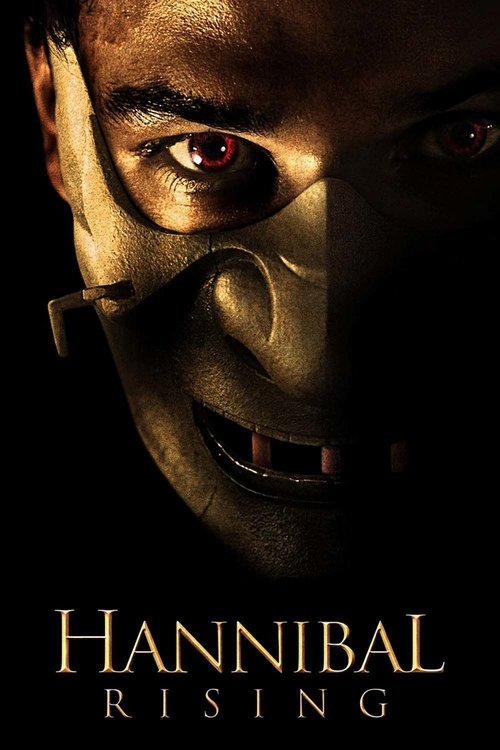
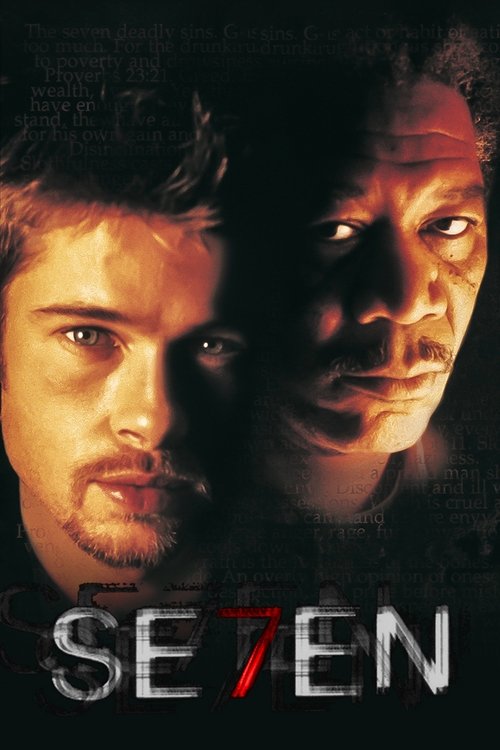
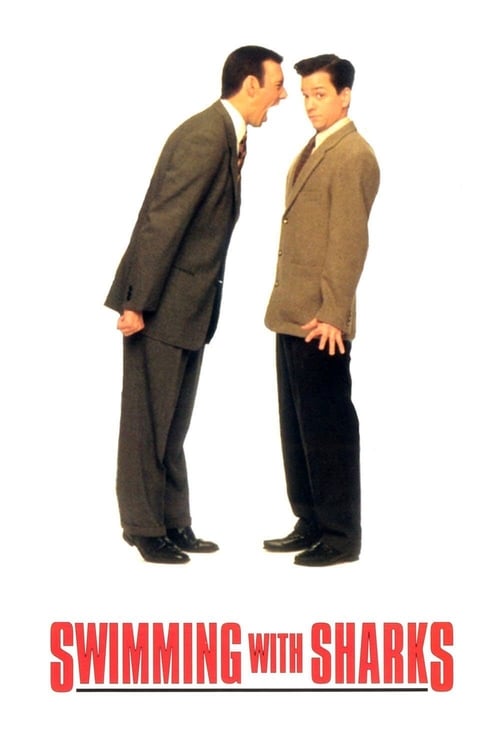
Same-Director and Same-Vibe Films
Films that share the methodical tension and moral complexity
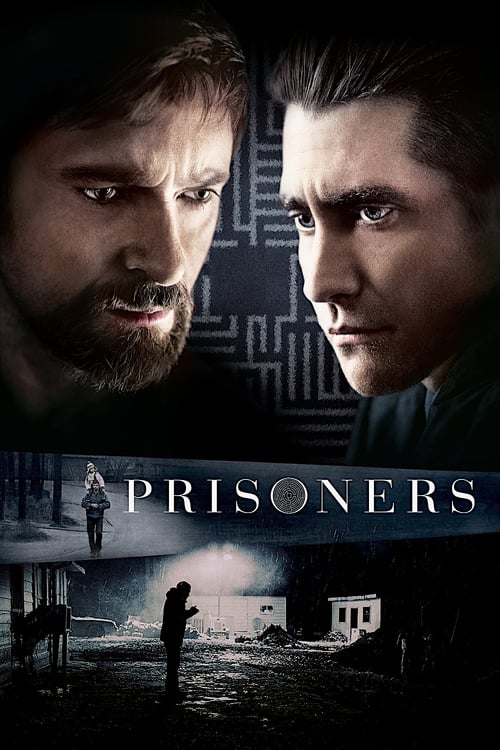

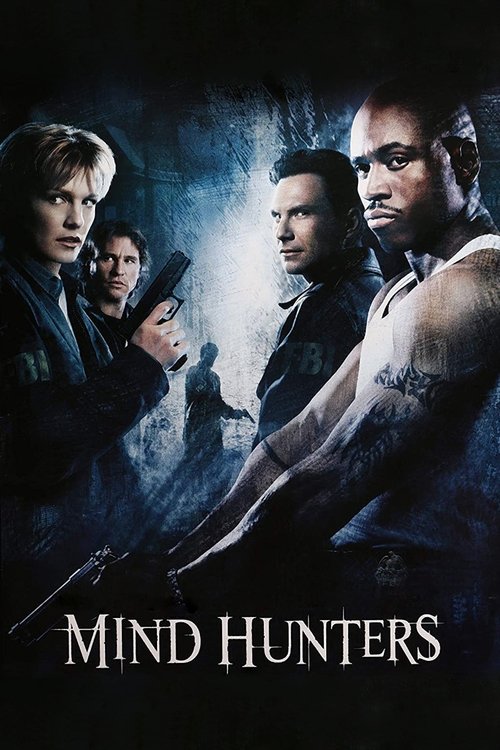

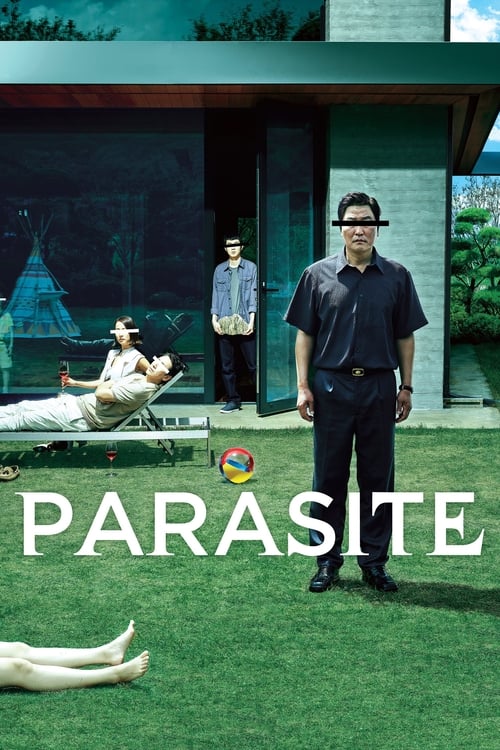
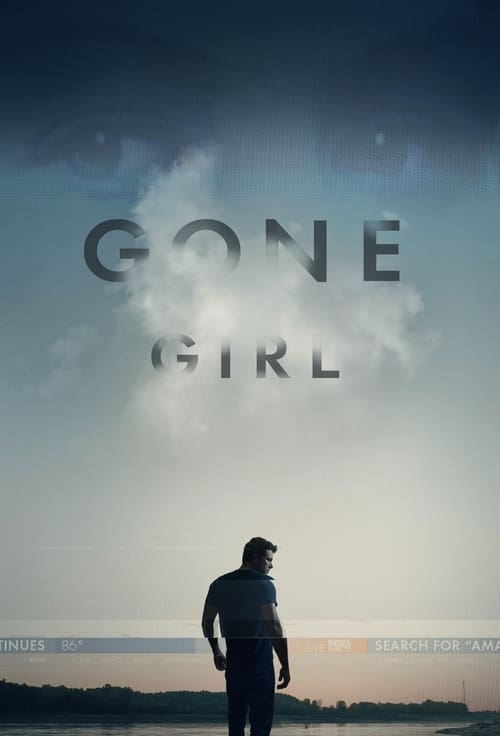
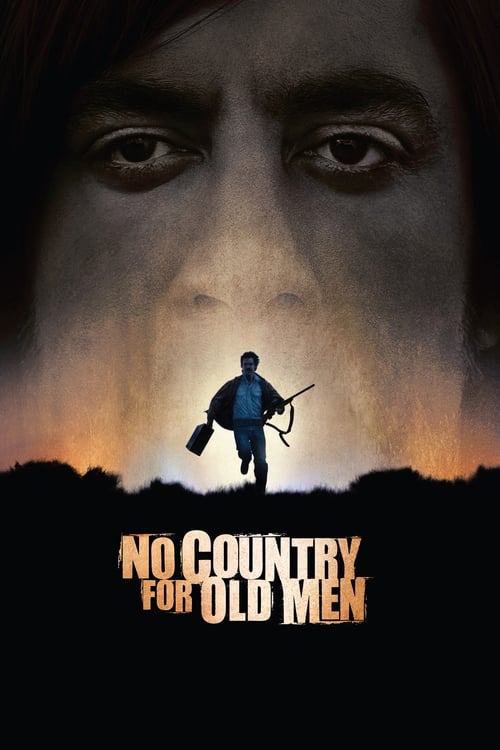
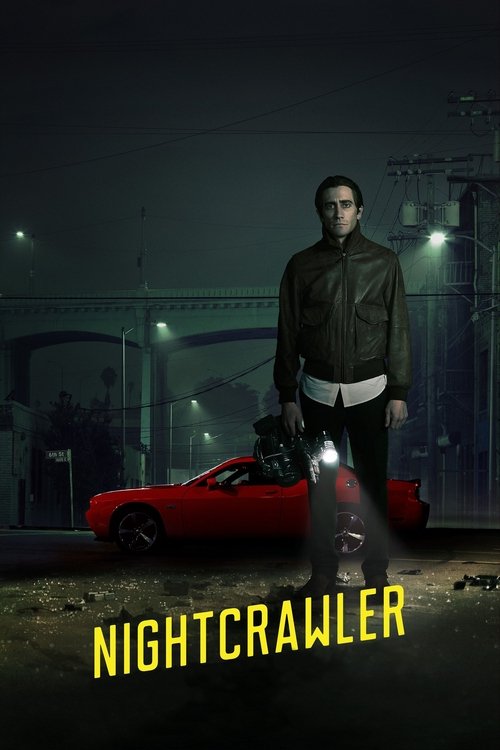
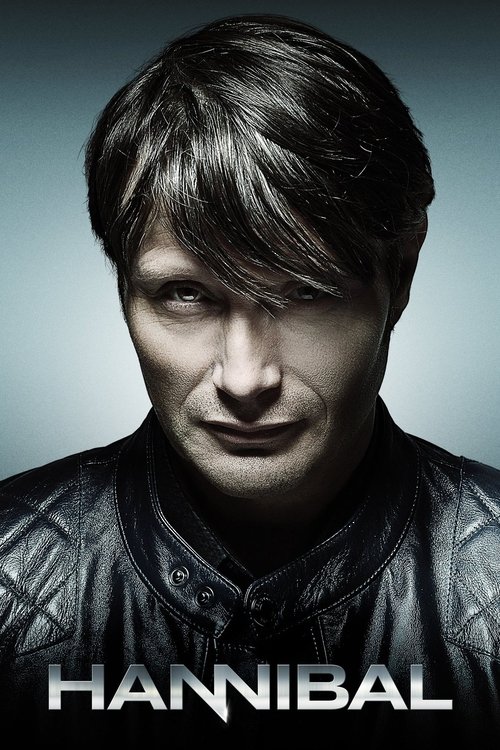
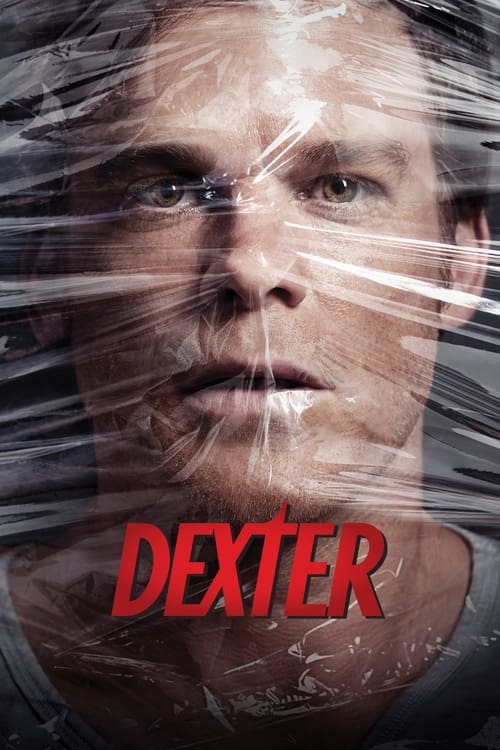
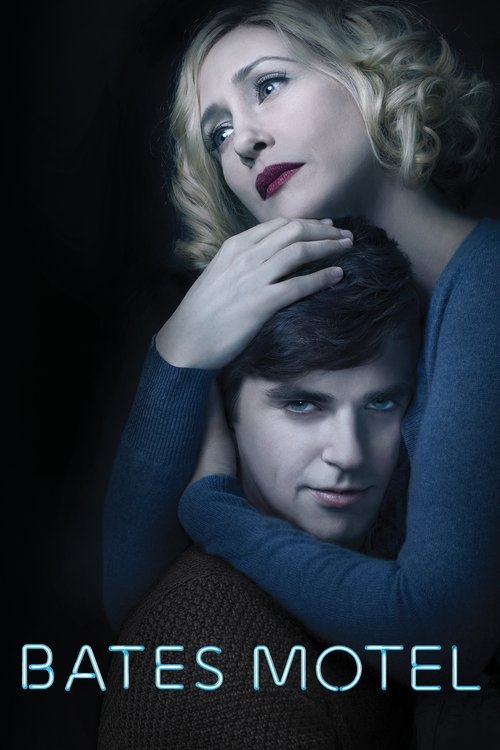
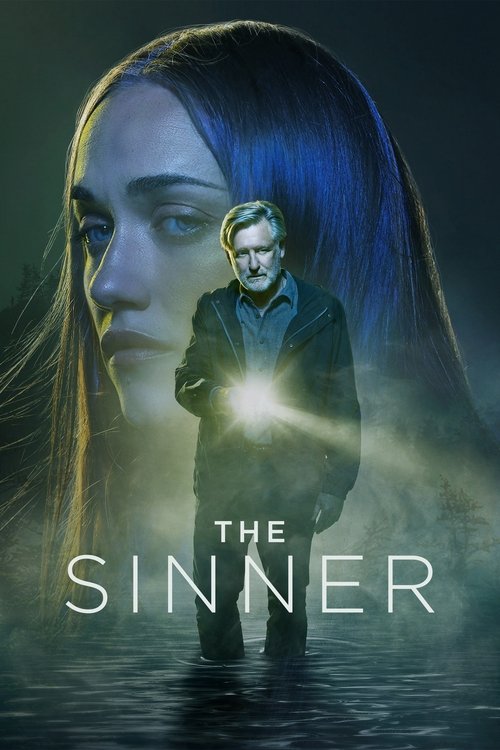
Series in the Same Vein
Television that sustains the same psychological pressure
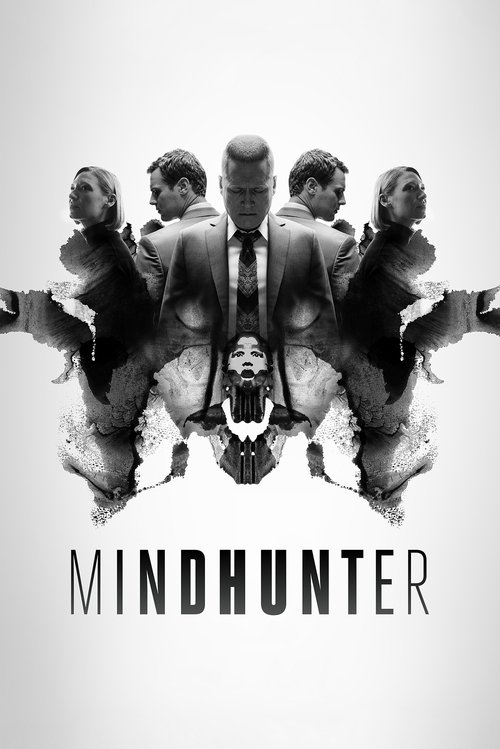


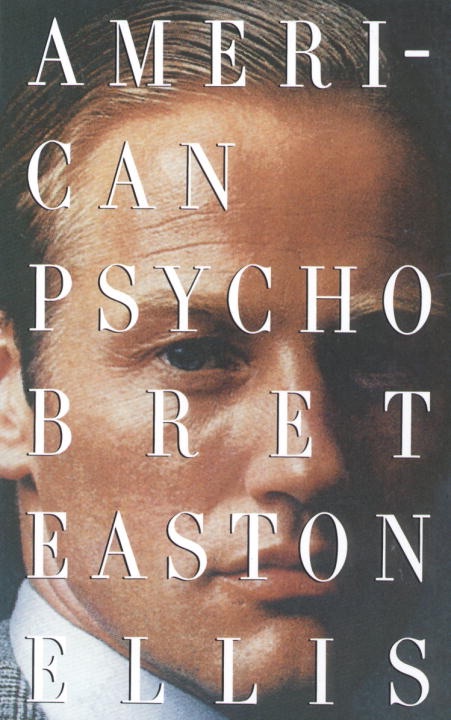
The Source and Thematically-Linked Novels
Books that share the procedural dread and the killer-as-oracle dynamic


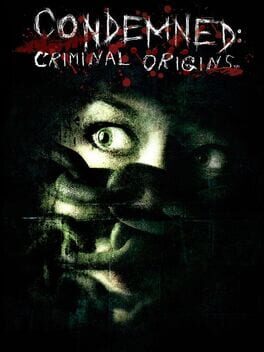
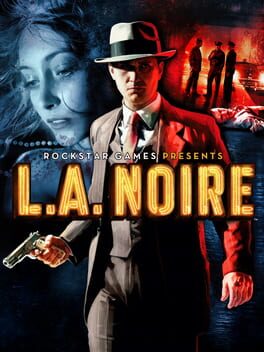
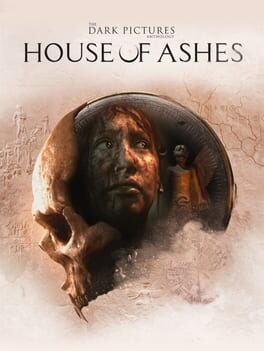
Games Sharing Its DNA
Games built on profiling, psychological horror, and predator-versus-investigator tension




Clarice Starling is the real reason it works
Strip out Lecter and the film is still a study in Clarice Starling navigating hostility with intelligence and composure. Jodie Foster plays her as someone who absorbs every slight and converts it into focus. The threat she faces is not just Buffalo Bill but the entire apparatus of condescension around her. That dynamic, a woman who earns respect through competence in a resistant environment, is what gives the film its lasting grip.
Lecter works because he is never entirely wrong
The reason Hannibal Lecter lodged so deeply in culture is not the violence but the insight. He sees people clearly, and his observations are uncomfortable because they are often accurate. Anthony Hopkins plays him without camp, as a genuine intellectual who happens to be a killer, which makes every scene with him feel like a negotiation rather than a spectacle. The franchise struggled to maintain that balance across sequels, but the original gets it exactly right.
The procedural structure is what makes the horror land
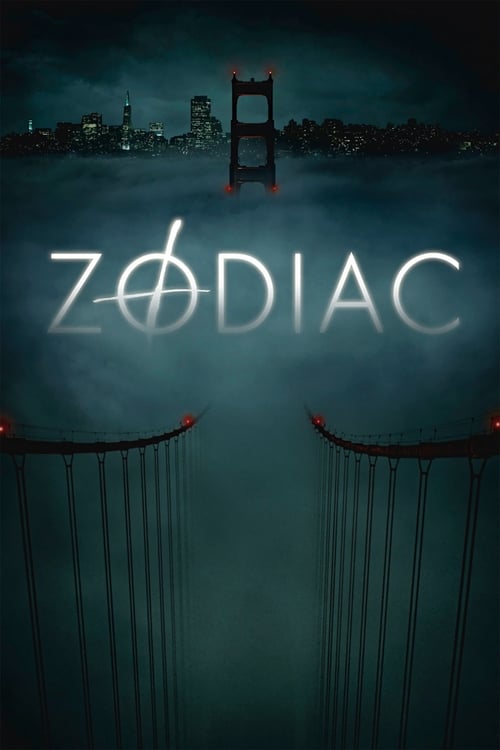
Demme builds dread through process, not set-pieces. The film follows FBI procedure with enough fidelity that the eventual divergence from routine hits harder. This is the same quality that makes Mindhunter and Zodiac compelling: the horror accumulates through detail rather than shock. Audience patience is rewarded with something that feels earned.
Thomas Harris built the modern serial-killer genre
Red Dragon (1981) and The Silence of the Lambs (1988) established the vocabulary that two subsequent decades of crime fiction used: the FBI profiler, the cooperative monster, the killer with a logic-driven compulsion. Harris wrote only four novels in the Lecter cycle and then largely stopped. That scarcity has kept the originals from feeling dated. Anyone who wants the richest version of the story should start with Red Dragon.
From the page to the screen and beyond
- 1981Thomas Harris publishes Red Dragon, introducing Hannibal Lecter
- 1986Michael Mann adapts Red Dragon as Manhunter, the first Lecter film Manhunt
- 1988Harris publishes The Silence of the Lambs The Silence of the Lambs
- 1991Jonathan Demme's film wins five Academy Awards including Best Picture The Silence of the Lambs
- 1999Harris publishes Hannibal, the controversial sequel Cannibal
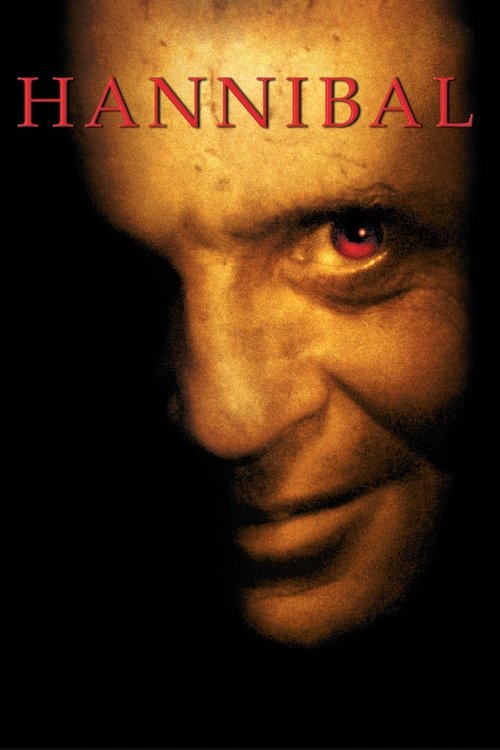
- 2001Ridley Scott's Hannibal brings Lecter back to cinemas Hannibal
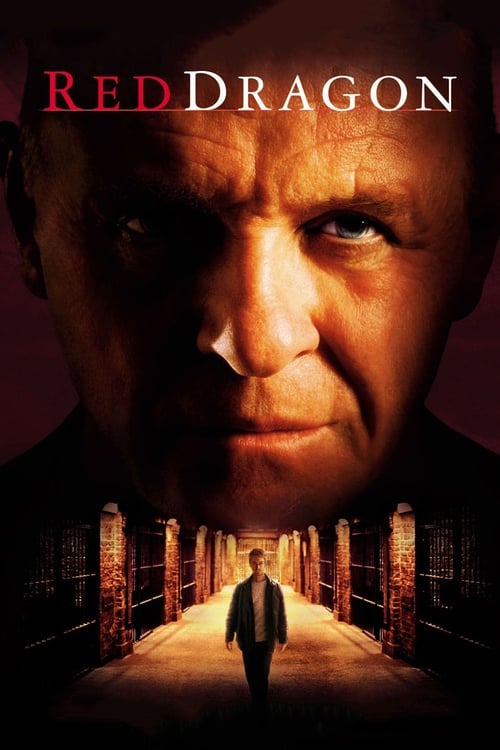
- 2002Brett Ratner's Red Dragon remakes the first novel with the original cast Red Dragon
- 2013Bryan Fuller's Hannibal series begins its three-season run Hannibal
- 2021Clarice continues Starling's story in a CBS series Clarice
More minds worth hunting
Serial Killer Hunts
Explore the Serial Killer Hunts guide →A census taker once tried to test me. I ate his liver with some fava beans and a nice Chianti.Hannibal Lecter, The Silence of the Lambs (1991)