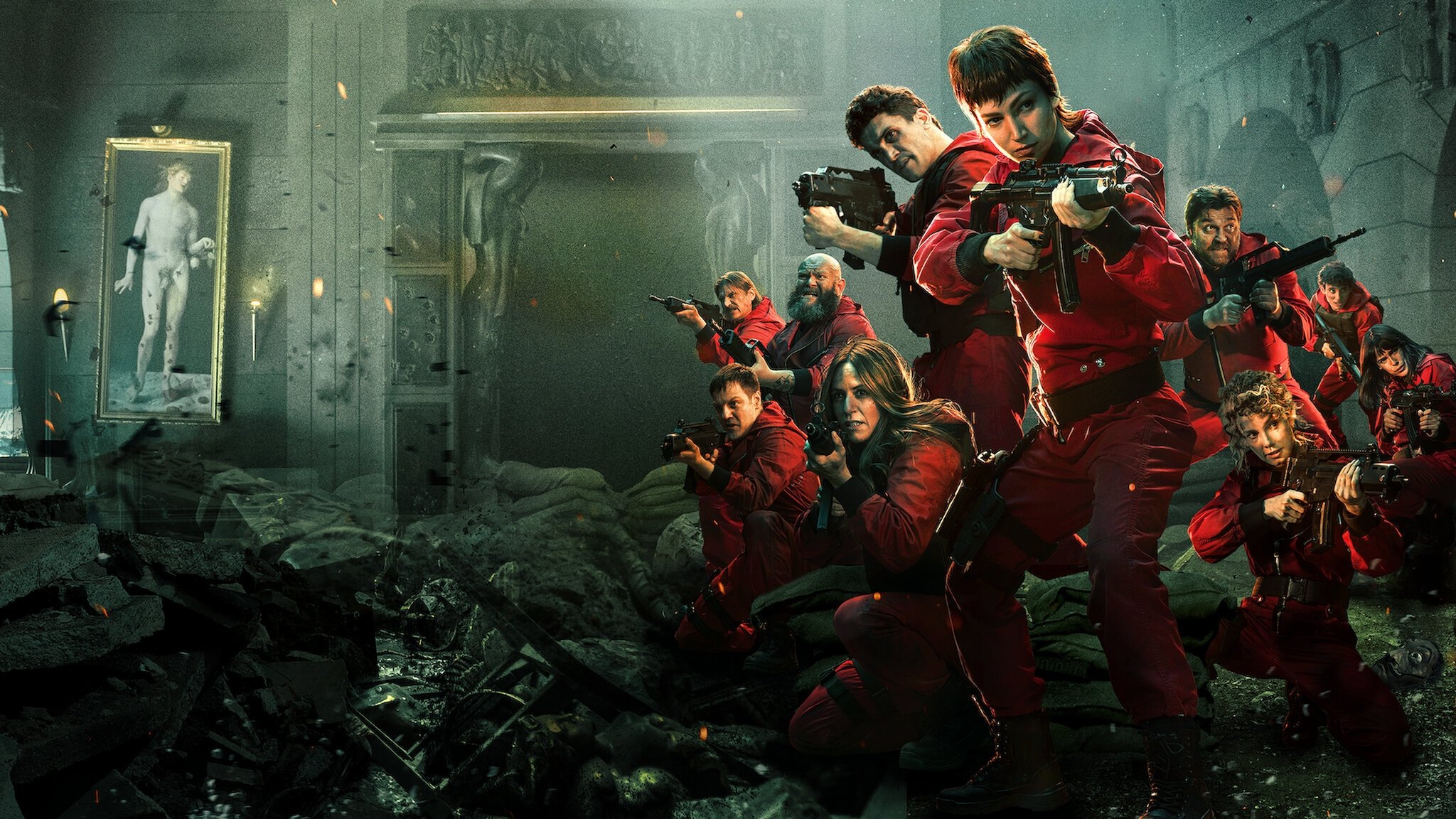

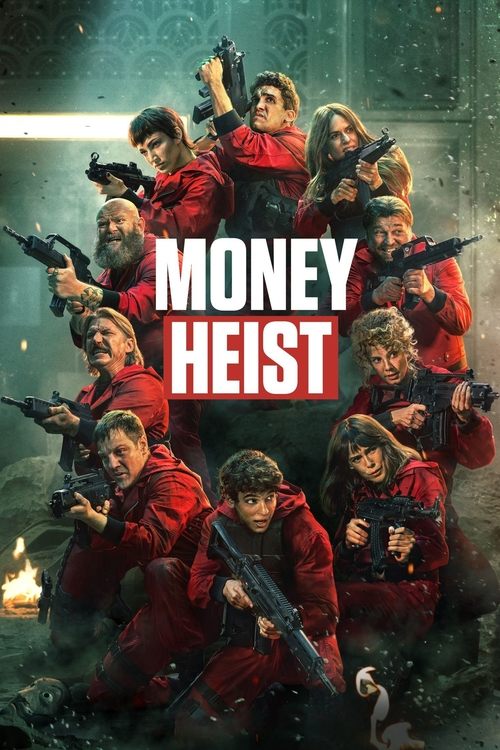
Money Heist (La Casa de Papel) started as a modest Spanish crime thriller and became the most-watched non-English series in Netflix history. Created by Alex Pina and built around a simple, electric premise: a mysterious criminal genius called The Professor recruits eight robbers to execute the most elaborate bank heist ever attempted, while keeping hostages alive and the police at bay.
What made it explode globally was not just the mechanics of the robbery. It was the political anger underneath. The Professor's gang doesn't steal from the people; they print money and let it fall from the sky. Every team member is named after a city. The red jumpsuit and Dali mask became protest symbols on streets from Madrid to Beirut. The show lives at the intersection of heist spectacle, soap-opera emotion, and genuine class-war ideology. If that combination lit you up, the works below will feed the same hunger.
If You Love the Siege Format: Taut TV Thrillers
Series that lock you inside a pressure-cooker situation and refuse to let you out





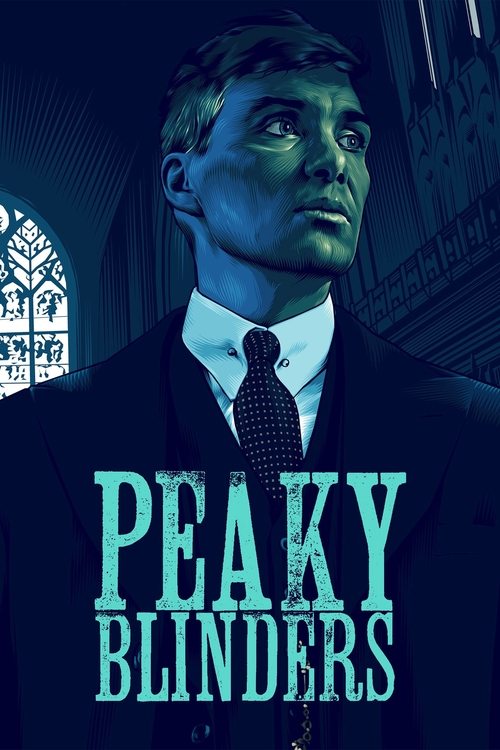
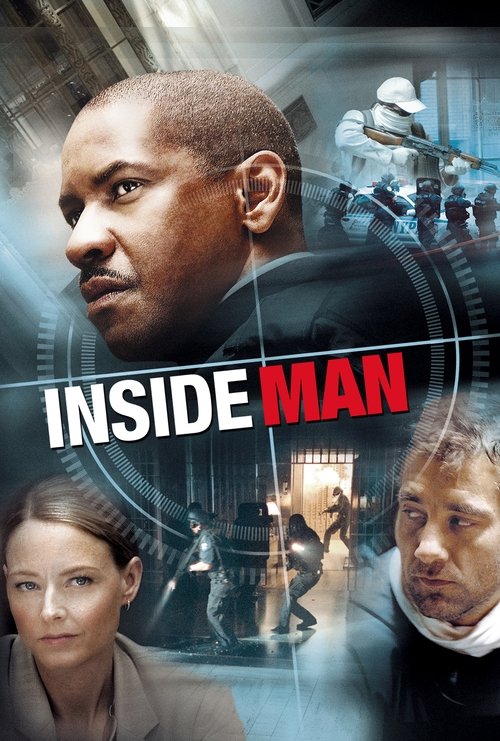
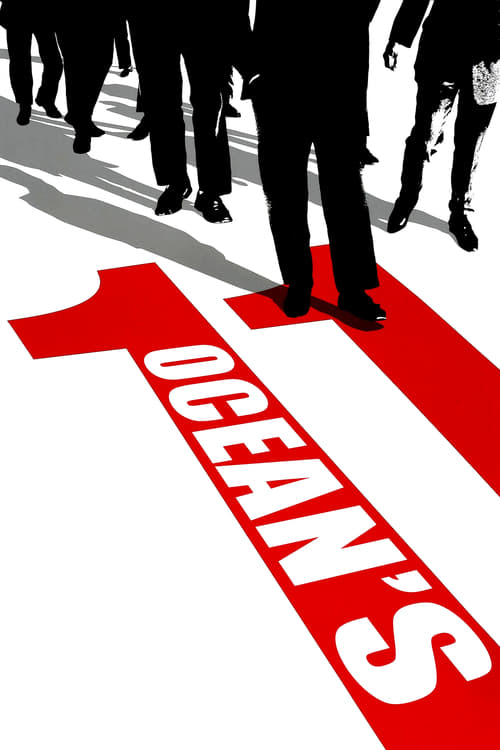
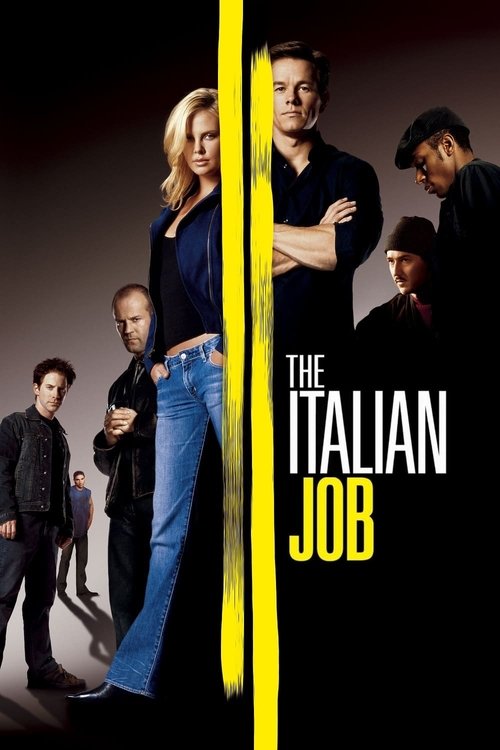
The Heist on the Big Screen: Films Worth Cracking
From classic capers to modern high-concept robberies



The Page Before the Plan: Crime and Caper Novels
Books that share the same strategic obsession and moral complexity


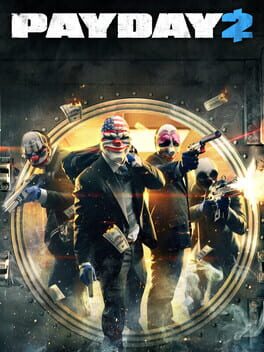
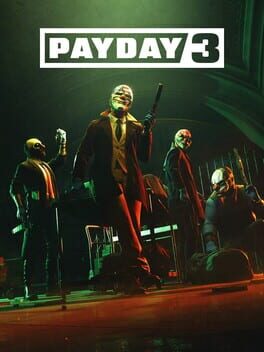
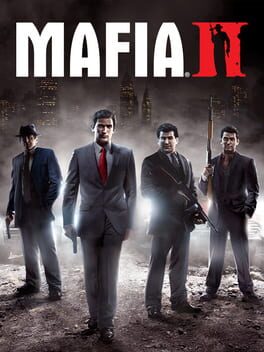
Play the Heist: Games About Planning and Pressure
Games that reward careful strategy, team coordination, and nerve




The Professor Is the Show's Real Engine
Money Heist lives or dies on Alvaro Morte's performance as The Professor. He is not a violent man; he is a systems thinker so obsessed with control that he rehearses every possible failure state in advance. The tension the show generates comes almost entirely from watching his plans bend under pressure he could not have anticipated. When the plan breaks, his panic is just as gripping as any gunshot.
Class Rage Made Watchable
The show's genius was dressing economic protest in crime-thriller clothes. The Professor's ideology is explicit: a gang printing money inside a government mint is morally equivalent to what central banks do every day. That argument is thin, but it gave audiences a permission structure to root for criminals, and in the years of austerity politics it landed hard across southern Europe and Latin America.

When a Season Finale Becomes a Cultural Moment
The cliffhanger at the end of Part 2, before Netflix acquired the show and greenlit Part 3, turned a regional Spanish hit into a global conversation. The gap between those parts, and the shock of new characters and an escalated location in Part 3, showed how a serialized heist narrative can reinvent itself mid-run without losing the audience. Very few shows have managed that transition.
The Heist Film That Still Raises the Bar
Heat (1995) remains the reference point for every heist story that wants to be taken seriously. Michael Mann built a film around two men who should never meet, who only truly understand each other, circling a robbery that becomes almost secondary to the existential question of whether a life of crime can coexist with anything else worth living for. Money Heist's Professor and Raquel/Lisbon dynamic echoes that question across an entire series.
The Heist Timeline
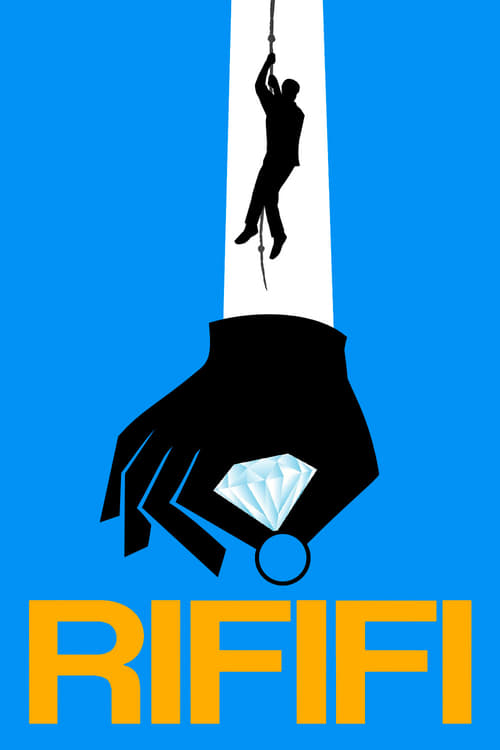
- 1955Rififi sets the template for the wordless, meticulous screen heist Rififi
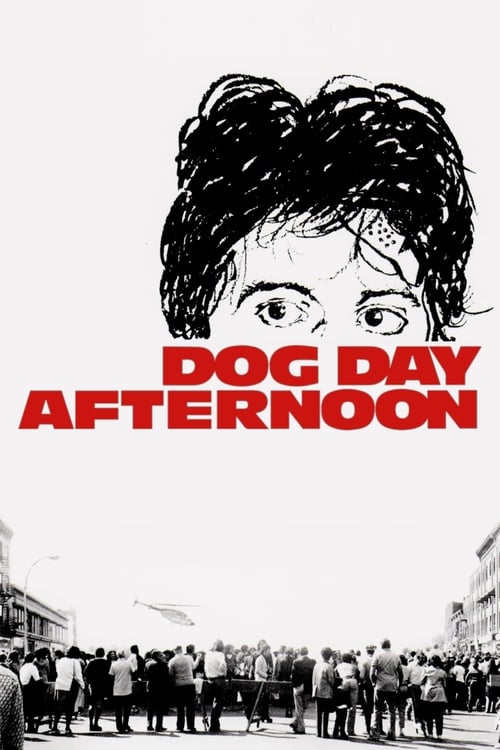
- 1975Dog Day Afternoon invents the hostage-negotiation thriller from a real event Dog Day Afternoon
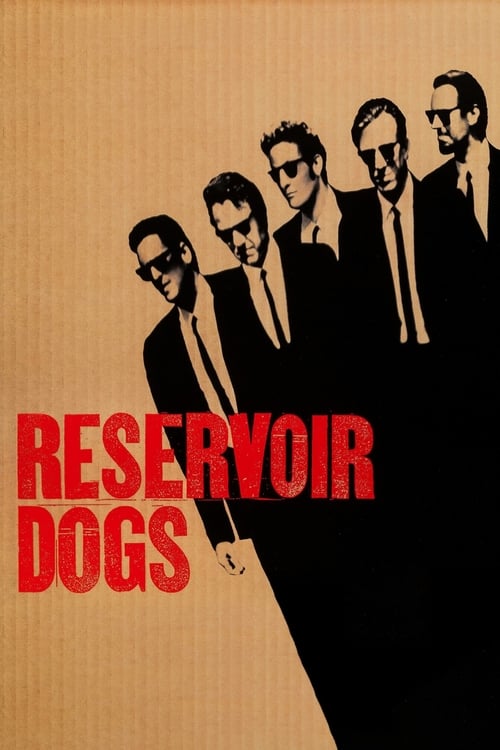
- 1992Reservoir Dogs proves a heist film can work entirely before and after the robbery Reservoir Dogs
- 1995Heat raises the genre to literary ambition with two actors at the top of their powers Heat
- 2001Ocean's Eleven restores the caper as light-touch entertainment for a new generation Ocean's Eleven
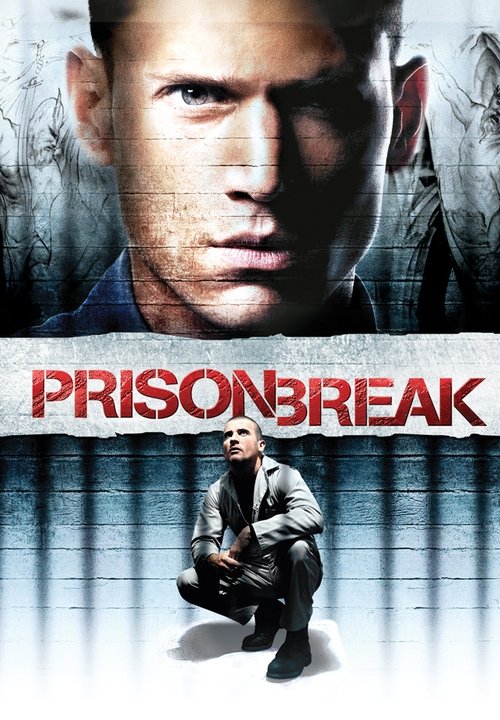
- 2003Prison Break takes the siege/escape format to long-form television Prison Break
- 2017Money Heist premieres on Antena 3 in Spain; Netflix later acquires it globally Money Heist
- 2019Netflix drops Parts 3 and 4; red jumpsuits become an international protest symbol Money Heist
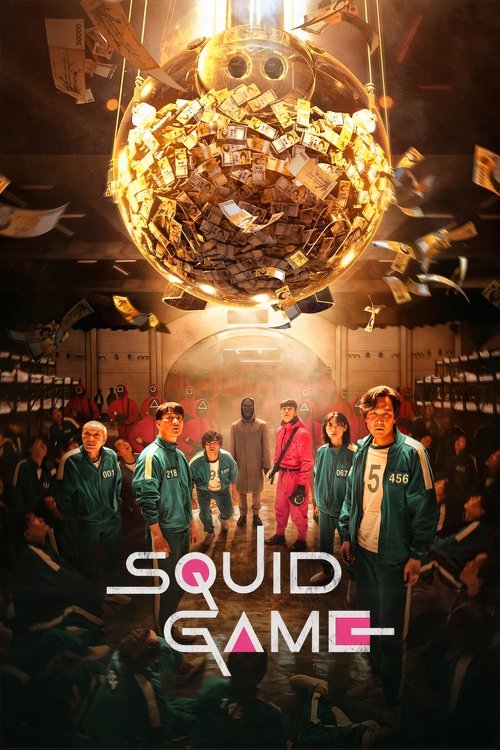
- 2021Squid Game demonstrates that non-English genre TV can become a universal cultural event Squid Game
- 2022Korean adaptation Money Heist: Korea proves the format travels to a different political context Money Heist: Korea - Joint Economic Area
Red jumpsuits and the perfect score
Heists
Explore the Heists guide →Resistance is not a crime. Being alive is not a crime. And printing money inside a building the government owns, with the government's own paper, is not so different from what they do every working day.The Professor, Money Heist