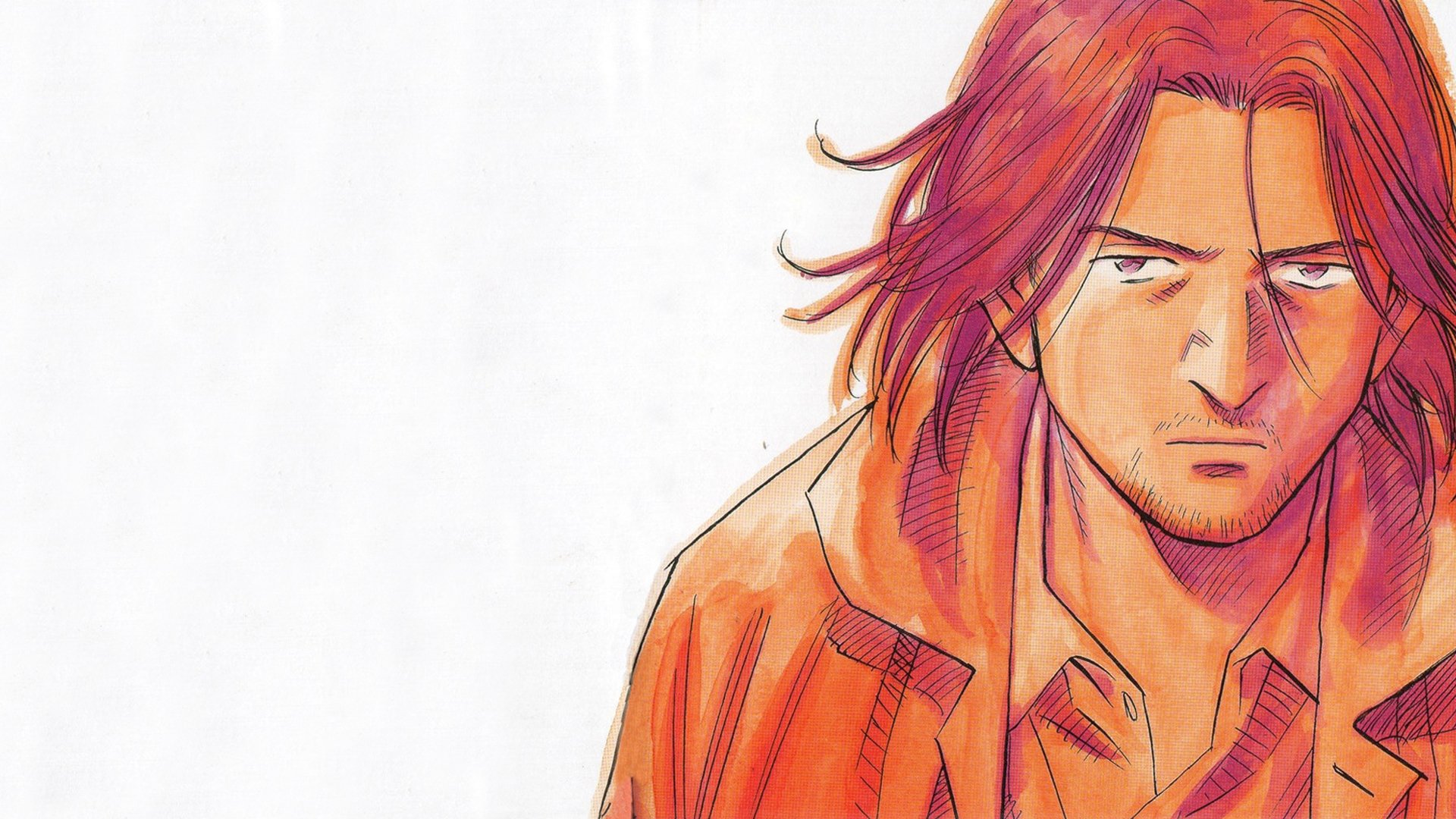

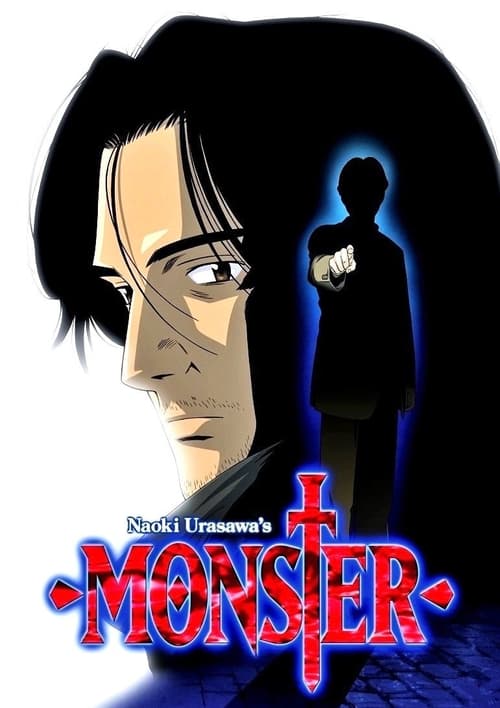
Monster (1994-2001, Naoki Urasawa) is set across Germany and Central Europe in the years after reunification. Its central tension is deceptively simple: Dr. Kenzo Tenma, a Japanese neurosurgeon in Dusseldorf, defies hospital politics to save a boy named Johan Liebert. Years later, Johan resurfaces as a serial killer of extraordinary intelligence and near-supernatural persuasion. Tenma, now wanted for murders he did not commit, pursues Johan across a continent.
What sets it apart is Urasawa's patience. Monster builds its horror from psychology and atmosphere, not gore. Every side character has a complete life. The pacing resembles a literary novel more than a thriller. Its reputation as one of the greatest manga ever written rests on that discipline: a story of evil, guilt, and what it costs to remain human.
Essential Monster
The anime and manga themselves, and Urasawa's closest companions


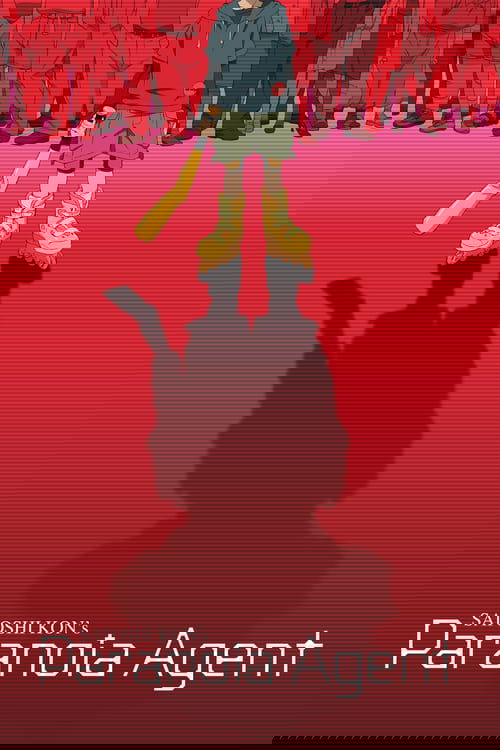
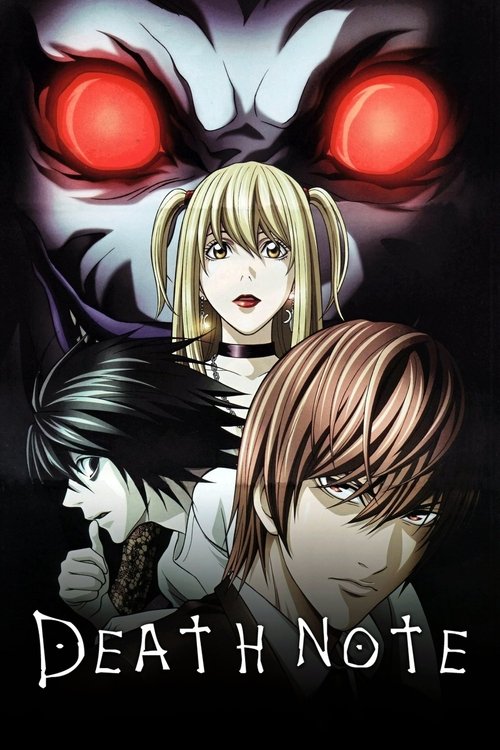
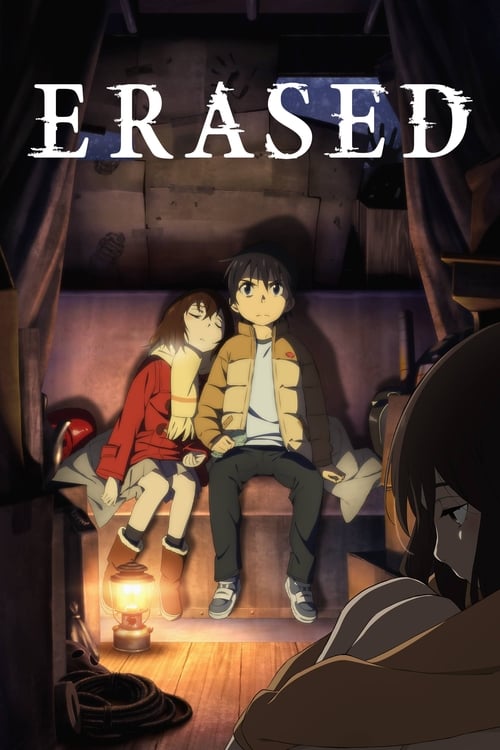
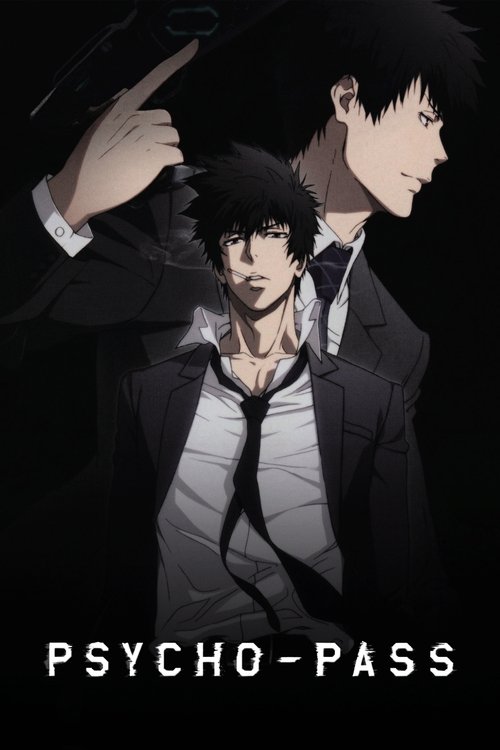
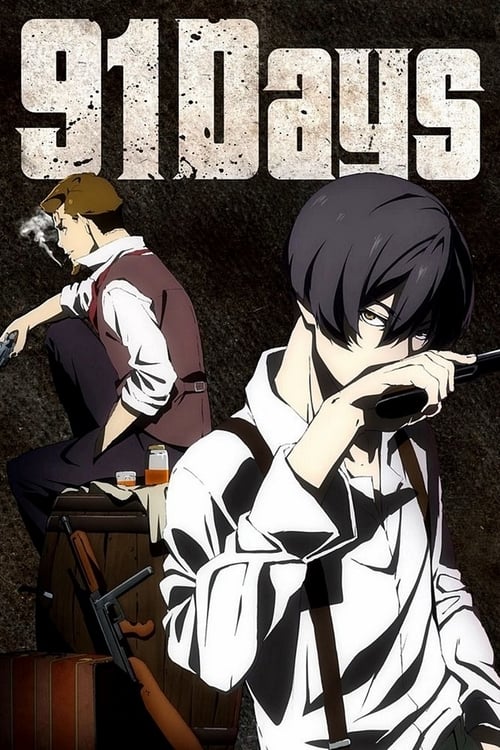
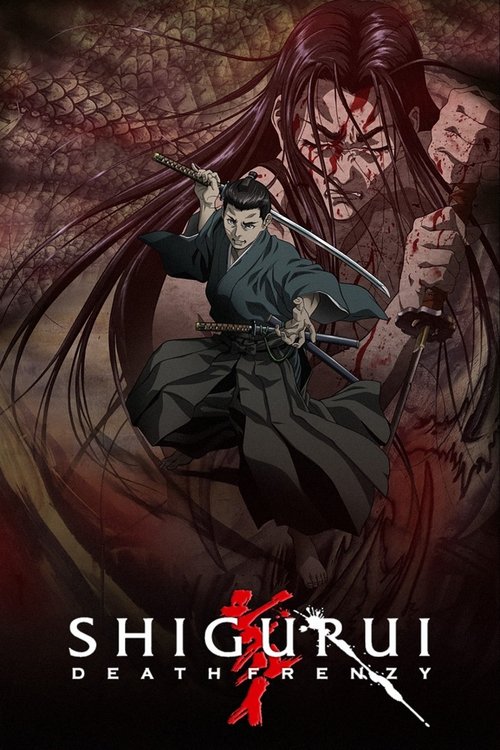
If You Love Monster: Psychological Anime Thrillers
Series that share its slow dread and moral weight

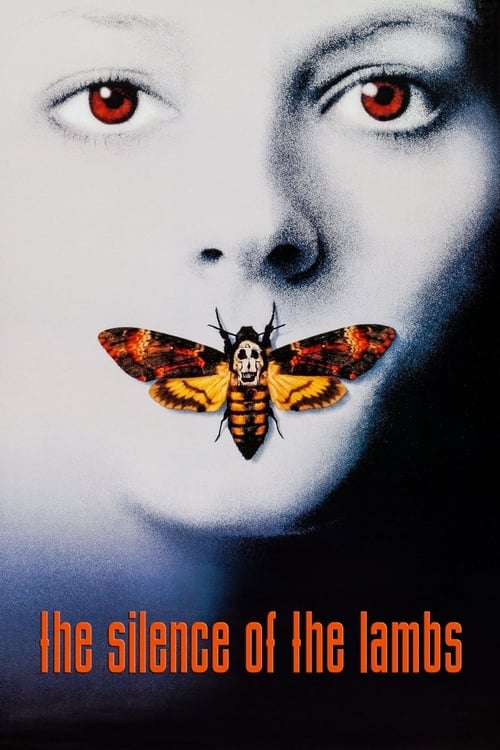
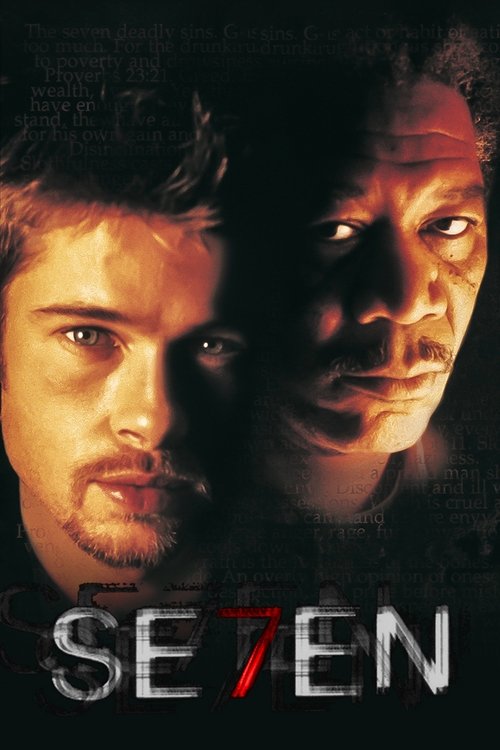
The Killer Next Door: Films in the Same Register
European and American thrillers that treat evil with the same quiet seriousness

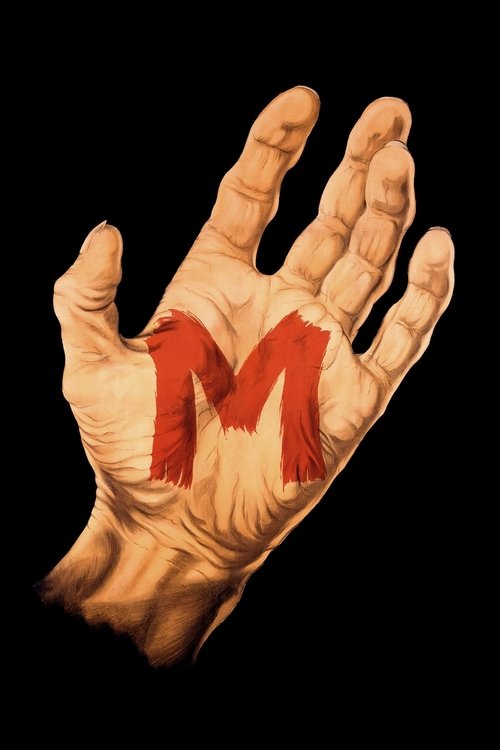
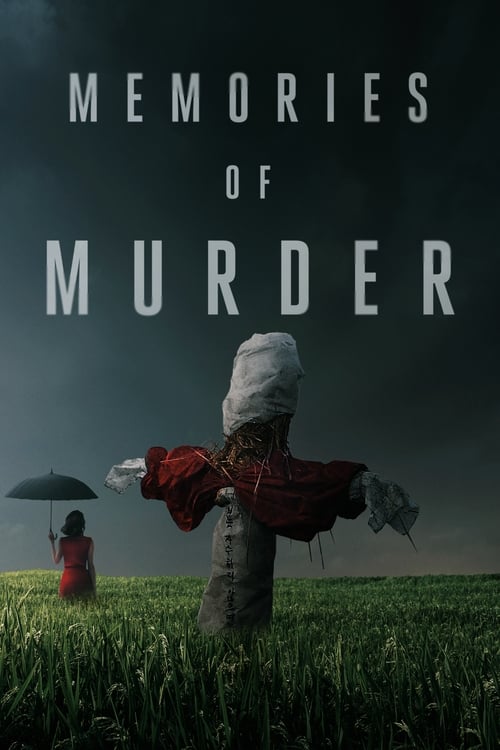
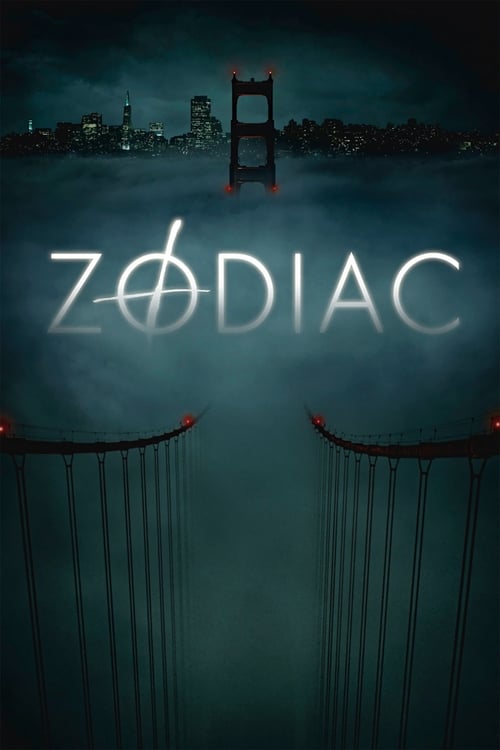

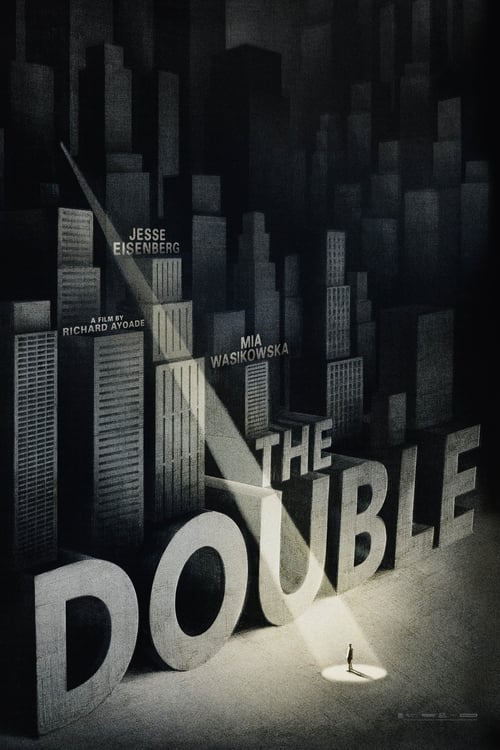
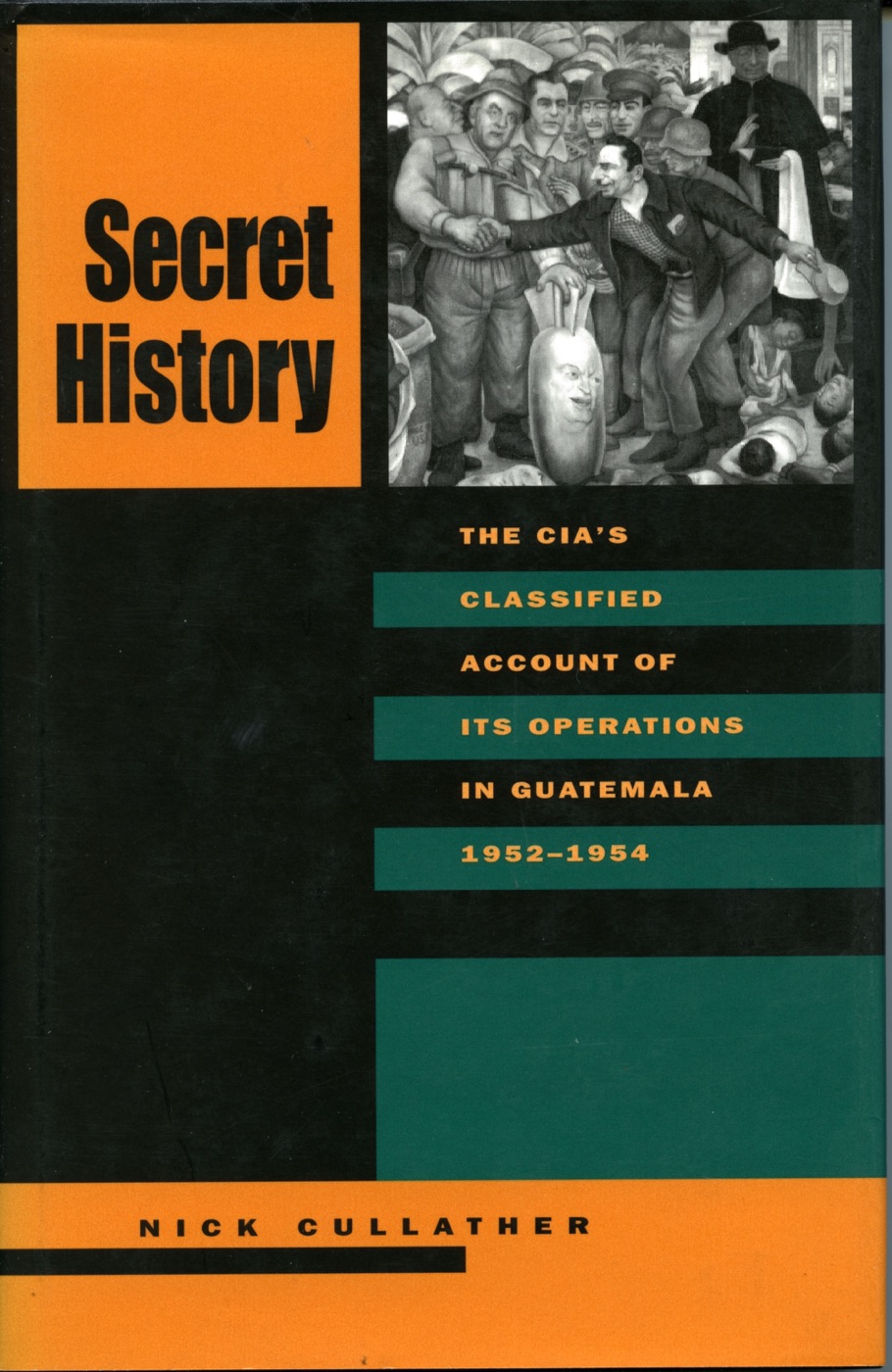
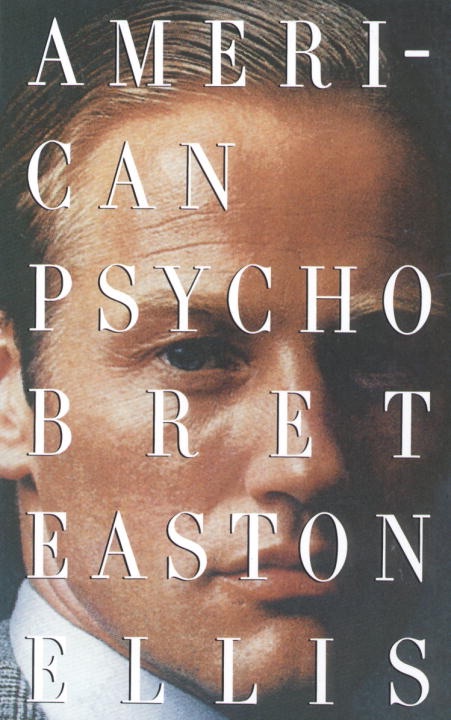
Literary Crime and the Architecture of Evil
Novels that trace killers, obsessives, and the men who pursue them



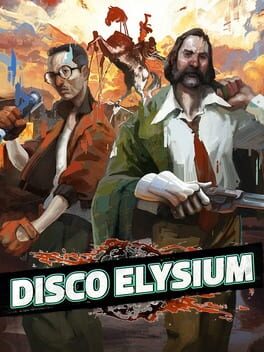
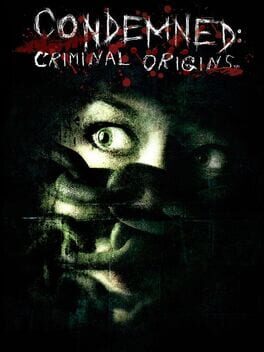
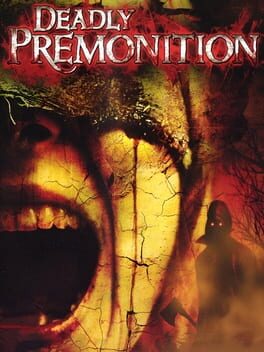
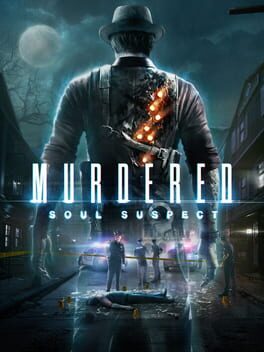
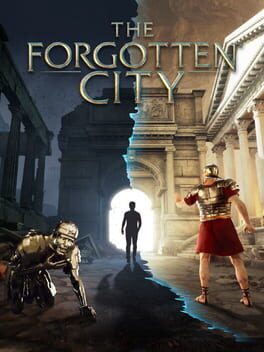
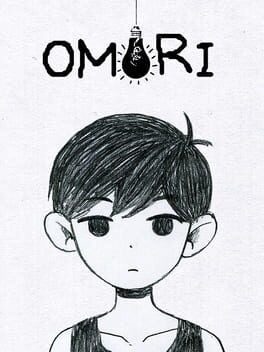
Games of Dread and Consequence
Games where tension comes from psychology, not reflex


Johan Liebert Is the Best Villain in Manga
Most fictional villains explain themselves eventually. Johan Liebert never fully does. He is charming, beautiful, and utterly empty, and Urasawa has the courage to leave that emptiness intact. You learn his history in fragments. You never quite understand him. That restraint is what makes him terrifying: he functions as a void onto which other characters project their worst fears about human nature.
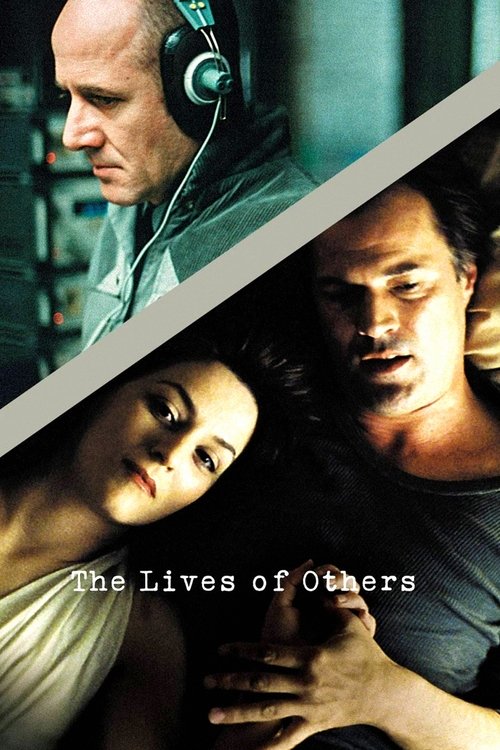
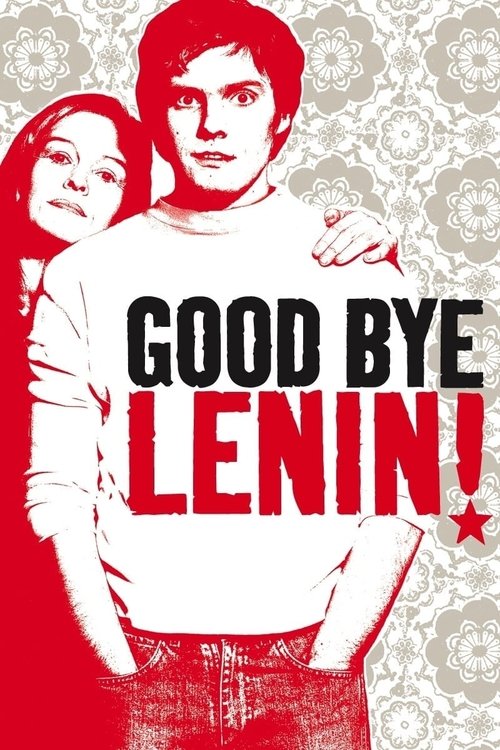
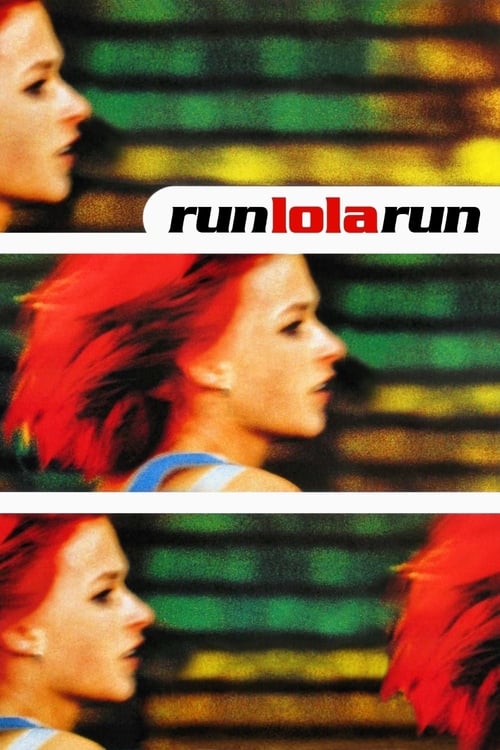
Post-Wall Germany on Screen
Films and series set in Germany around reunification, the world Monster inhabits




Patience Is a Narrative Virtue
Monster asks viewers to follow Tenma across dozens of episodes before the central confrontation comes into focus. Readers raised on faster-paced shonen often bounce off the first volume. Those who stay are rewarded with something rare: a thriller where every detour has weight, every minor character leaves a mark, and the climax earns its emotional cost because the setup was so unhurried.
Urasawa's Europe Is More Real Than Most Live-Action Depictions
Urasawa researched Central Europe before drawing Monster, and it shows. The architecture, the geography, the social texture of post-reunification Germany and the Czech Republic feel observed rather than borrowed from Hollywood shorthand. That specificity of place is part of what gives the story gravity: this is not an abstracted crime drama but one rooted in a particular historical moment.

Urasawa and Monster: Key Moments
- 1994Monster begins serialization in Big Comic Original, Shogakukan Monster
- 2001Monster concludes at 18 volumes Monster
- 2004Madhouse begins the 74-episode anime adaptation Monster
- 200420th Century Boys manga completes serialization 20th Century Boys
- 2004Death Note begins serialization, establishing a wave of psychological manga thrillers Death Note: Another Note - The Los Angeles BB Murder Cases
- 2007Pluto begins, Urasawa's reimagining of Astro Boy Plutocrats
- 2024Pluto anime adaptation releases on Netflix PLUTO
Chasing the monster within
For Fans of Death Note
Explore the For Fans of Death Note guide →The scariest thing about Johan Liebert is not what he does. It is how reasonable he sounds while he does it.Recurring observation in critical writing on Monster