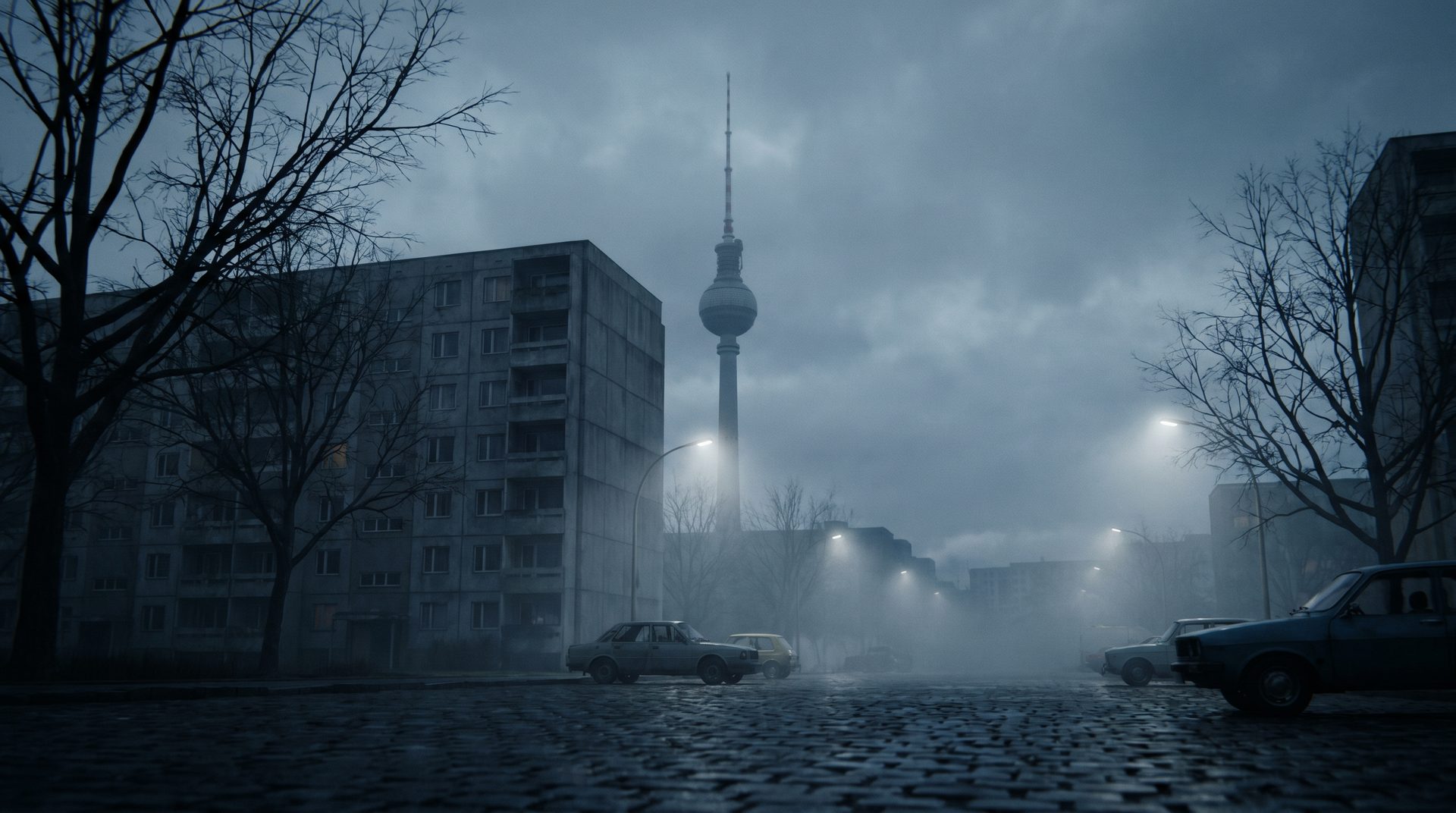

The Country That Cannot Stop Watching Itself
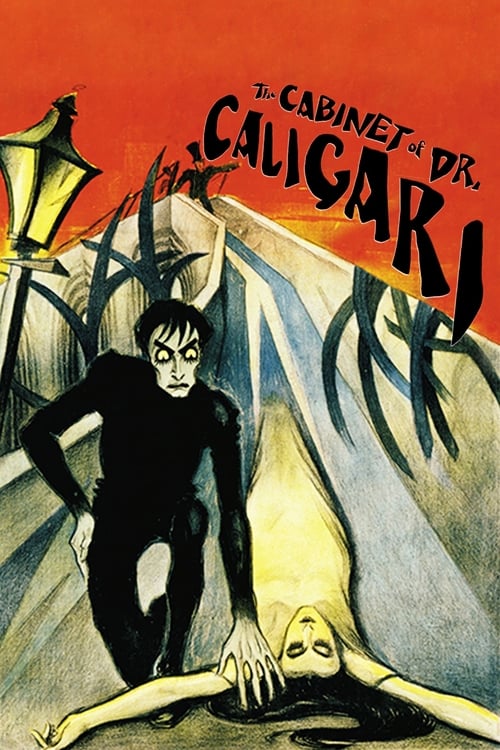
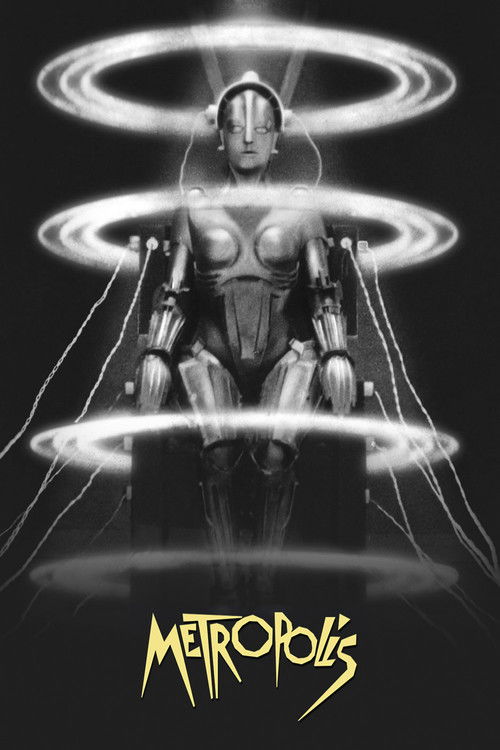
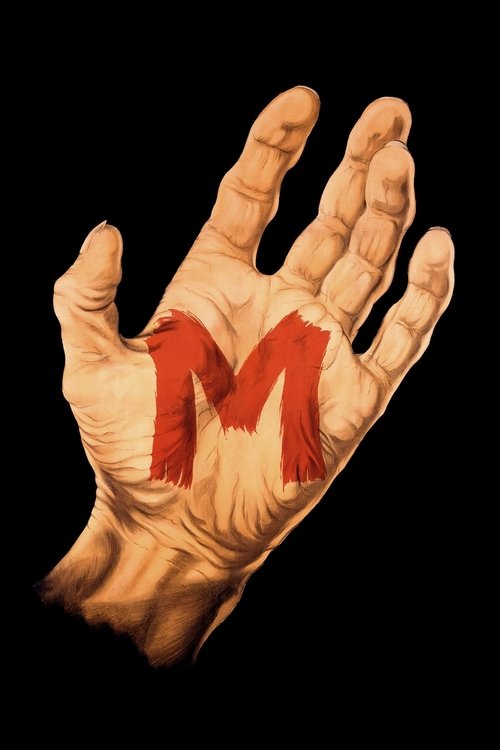
German cinema was born in dread. The shadow-puppet laboratories of Berlin's UFA studios in the 1910s and 1920s produced an art form that seemed to understand, before the politics did, what was coming. The Cabinet of Dr. Caligari (1920) is the founding text: a world of tilted walls and impossible geometry, authority figures who are also madmen, reality itself gaslit into submission. Fritz Lang's Metropolis and M followed, and by the early 1930s the entire edifice of Weimar Expressionism had conjured the nightmare that was about to swallow it.
Geography matters here. Germany sits at the hinge of Europe, a flat, river-crossed country with no natural frontiers, perpetually invaded and perpetually invading. Berlin, the capital, was rebuilt four times in the twentieth century, bombed to rubble, divided by a wall, reunified, and then rebuilt a fifth time as the cultural capital of a continent. This constant destruction and reconstruction has given German filmmakers a subject that never exhausts itself: what do you do with ruins, and what do you do with the people who made them?
The answer, across a century, has been: you watch. You watch obsessively. The New German Cinema of the 1970s (Herzog, Fassbinder, Wenders, Schlondorff) processed the Federal Republic's economic miracle and its unspoken guilt with a ferocity that embarrassed the country's establishment and electrified the world's critics. Rainer Werner Fassbinder made nearly forty films in thirteen years, most of them about how power moves through love. Werner Herzog carried actors and camera crews into the Amazon and the Arctic because the interior landscape of Germany, he seemed to feel, required the exterior landscape of the impossible. Wim Wenders turned road movies into philosophy lectures you actually wanted to sit through.
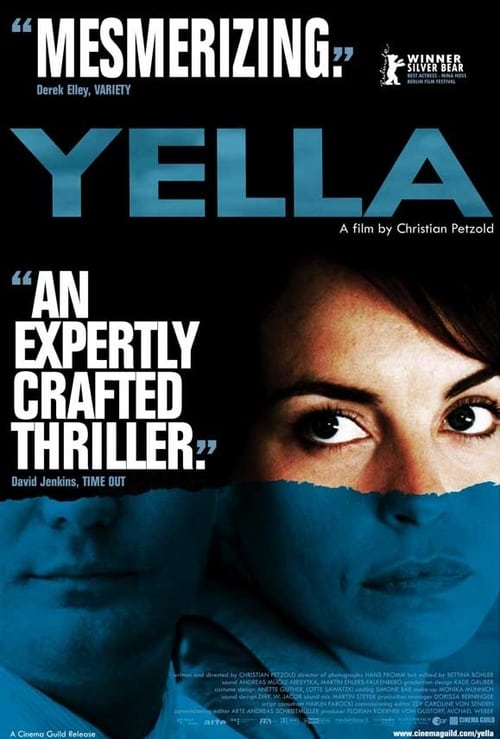
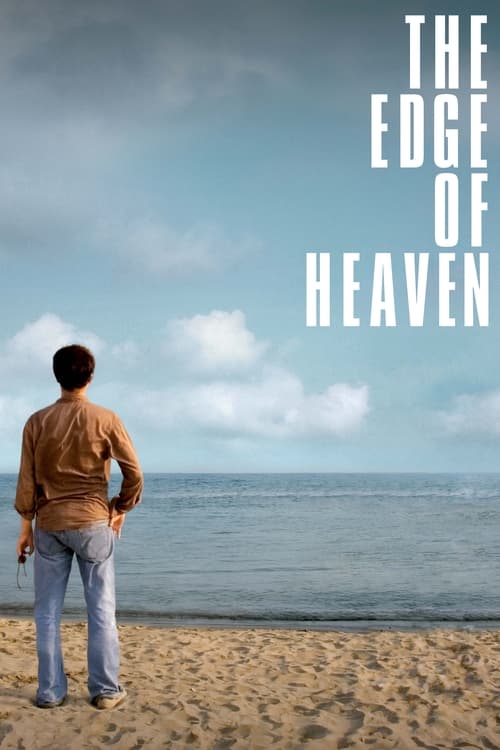
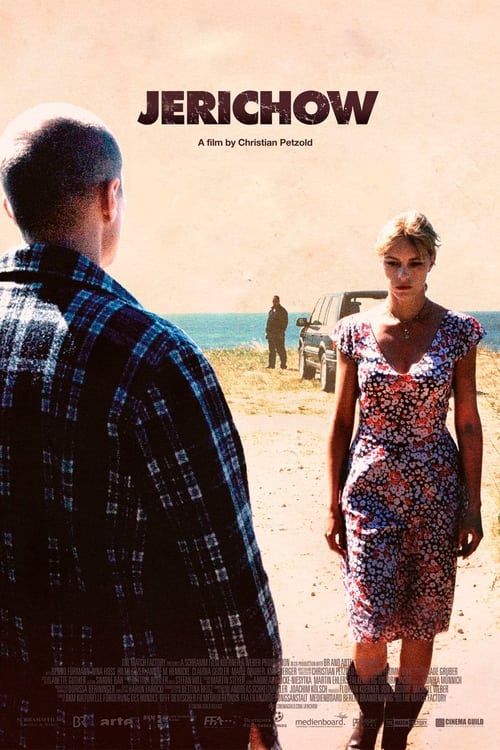
Then the Wall came down in 1989, and cinema had to figure out what reunification meant. Leander Haussmann made comedies about Ostalgie. Wolfgang Becker made Goodbye Lenin! (2003), which is both the funniest and most accurately melancholy film about the DDR ever made. More recently, the Berlin School, a loose movement anchored by Christian Petzold and Maren Ade, has traded expressionist excess for an almost suffocating observational realism, the camera holding very still while the emotional temperature in the room rises to something dangerous.
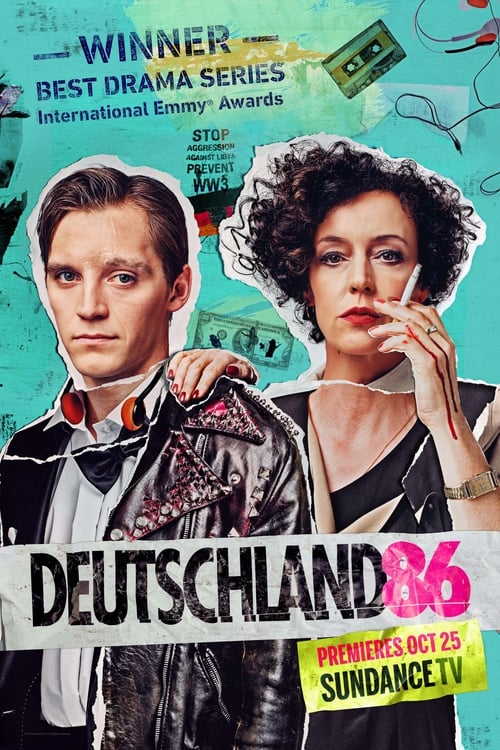
On television, Germany finally stopped being bashful. Dark (2017) married quantum physics to Black Forest gothic and produced the most structurally ambitious serial drama any country has ever broadcast. Babylon Berlin reconstructed the Weimar Republic at a production scale that shamed most theatrical features. Deutschland 83 turned Cold War espionage into a generational argument. None of this came from nowhere. It came from a country that has been making art about the costs of forgetting for a hundred years, and has not yet decided to stop.
The Weimar Expressionist Canon
The films that invented the visual language of modern horror, noir, and science fiction



Fassbinder was the most important filmmaker of the 1970s, full stop
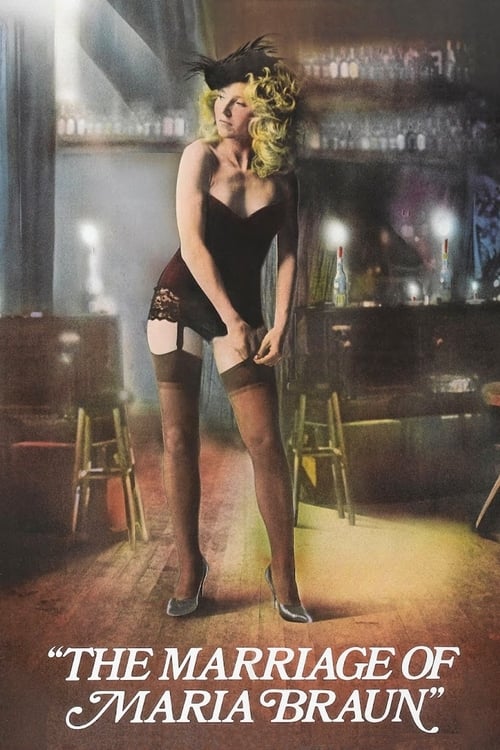
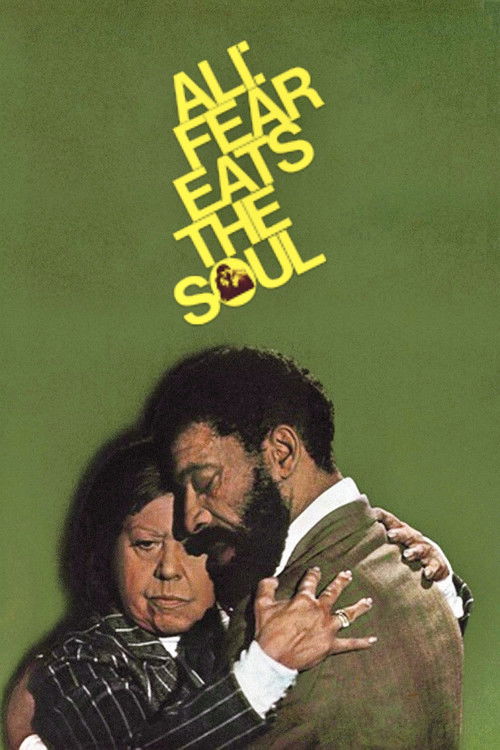
The French New Wave gets the mythology and the magazine covers. But Rainer Werner Fassbinder, working in Munich between 1969 and his death in 1982, produced a body of work more emotionally violent, more politically precise, and more formally inventive than anything his Parisian contemporaries managed. The Marriage of Maria Braun, Ali: Fear Eats the Soul, Fox and His Friends, Berlin Alexanderplatz: each one a different angle on the same argument, which is that capitalism does not need gulags because it has love. The melodrama is the method, not the decoration. He used Sirk's lush surface to smuggle in Brecht's analysis, and the combination is still radioactive.

New German Cinema: The Big Four
Herzog, Fassbinder, Wenders, Schlondorff and the films that put postwar German cinema back on the world map
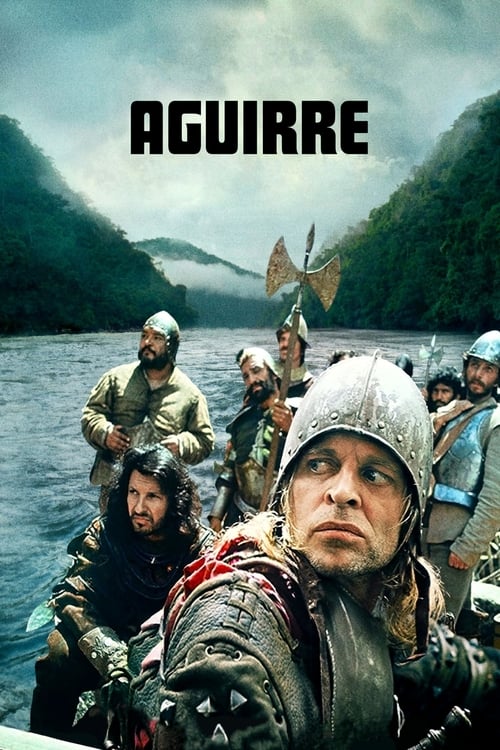
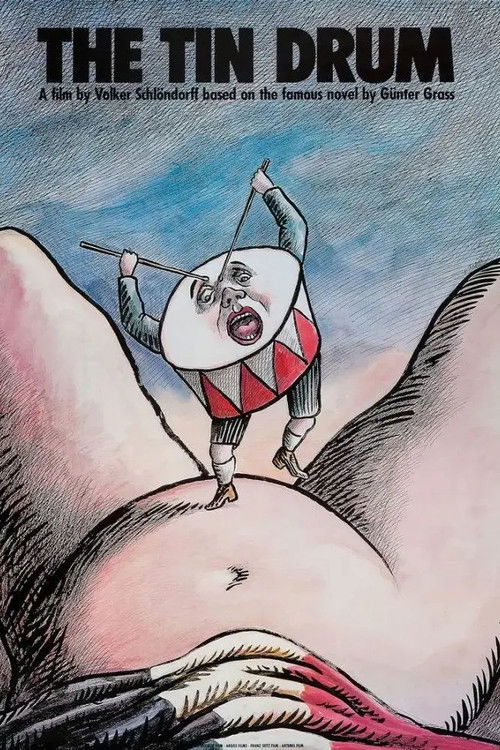
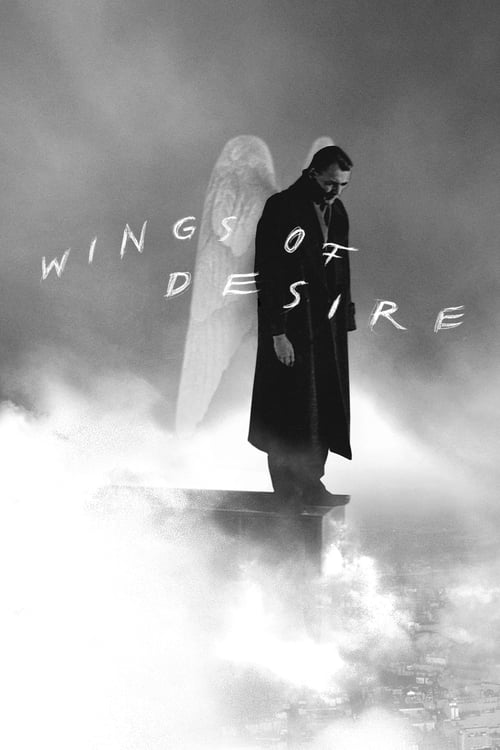
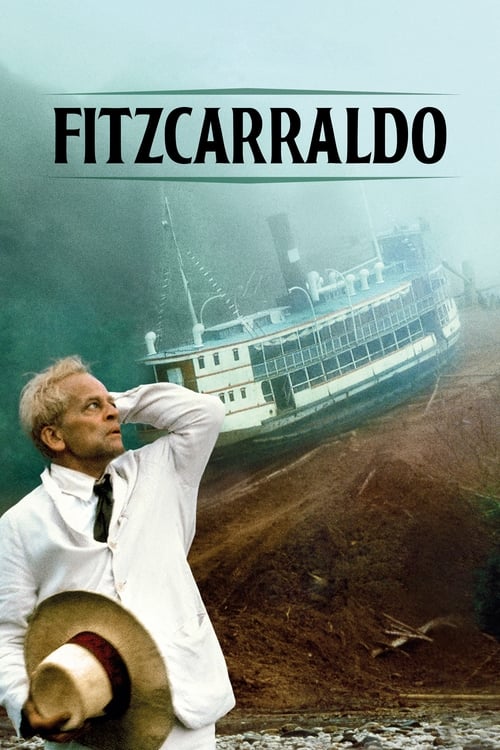
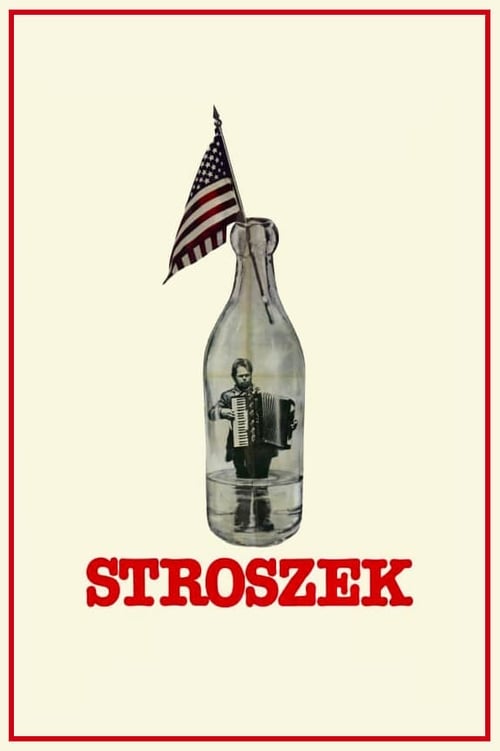
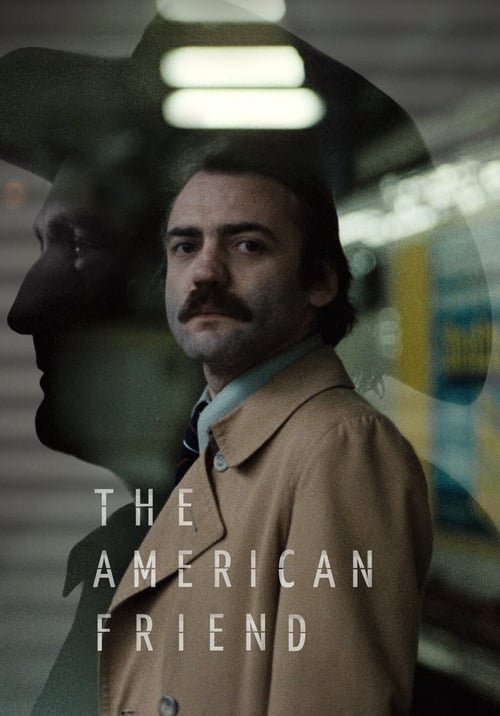
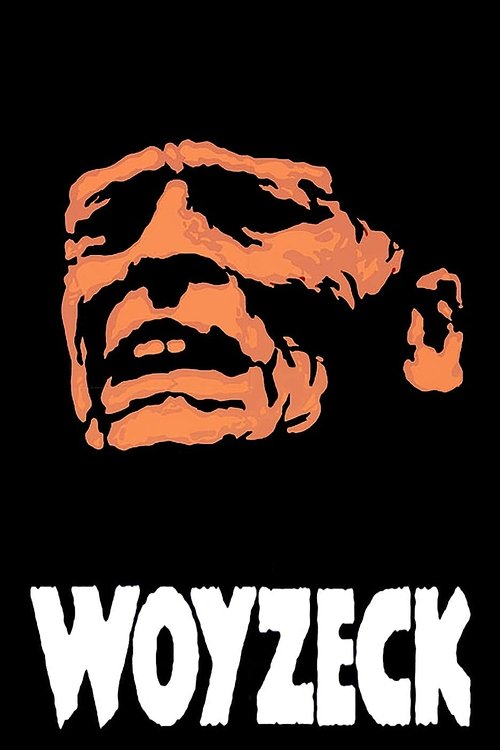
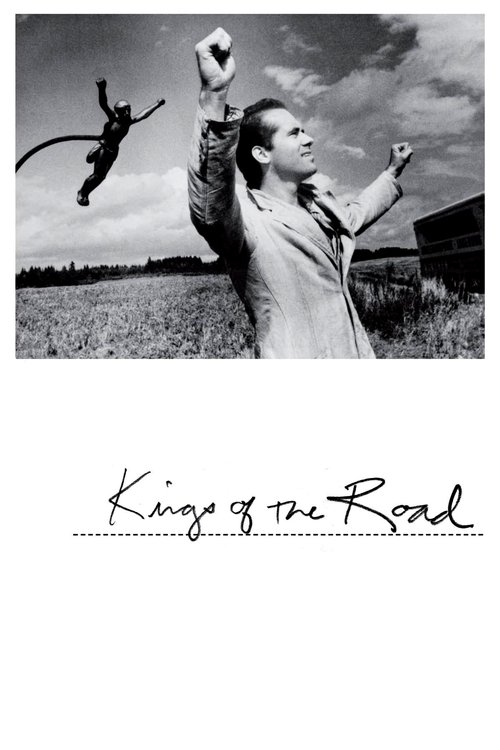
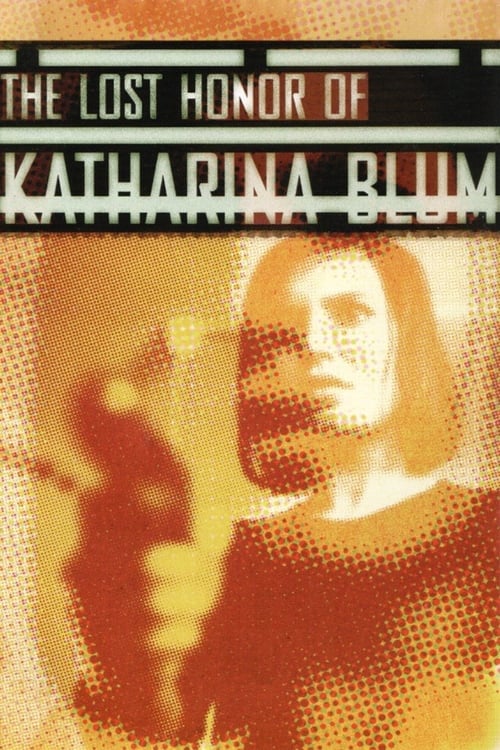
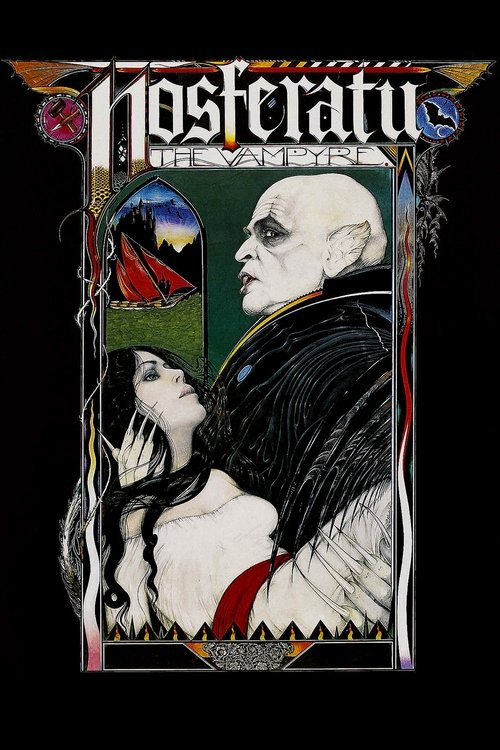
German cinema keeps returning to the same question: how do you live in a country whose history you cannot stop inheriting?CrossBinge editorial
Dark is the best-structured TV drama ever made, and nobody argues about it hard enough
The complaint about Dark is that it is too complicated to follow. This is exactly backwards. Dark is the only television series that has ever taken the formal implications of its own premise seriously. If time is a loop and every event is caused by its own consequence, then the narrative structure must also be a loop, and Dark builds exactly that: a closed causal architecture that, on rewatch, is watertight. Most time-travel stories are just adventure stories with a gimmick. Dark is a tragedy about determinism, grief, and whether free will survives once you understand the mechanism. The Black Forest setting is not atmosphere. It is the argument.

The Berlin School and After
The slow-cinema movement that replaced expressionist shadow with something colder: a fixed camera and people who cannot say what they mean




A Century of German Screen History
- 1920Weimar Expressionism peaks The Cabinet of Dr. Caligari
- 1927Science fiction invents its own iconography Metropolis
- 1931Sound cinema and serial-killer noir arrive together M
- 1933UFA absorbed into Nazi propaganda machine; exile begins for Lang, Wilder, Ophuls
- 1962Oberhausen Manifesto: the old cinema is dead
- 1972New German Cinema announces itself to the world Aguirre, the Wrath of God
- 1979Schlondorff's adaptation wins the Palme d'Or at Cannes The Tin Drum
- 1980Fassbinder's 15-hour masterwork airs on ARD Berlin Alexanderplatz
- 1987Wenders films an angel falling in love with Berlin Wings of Desire
- 1989The Wall falls; cinema gains an entirely new subject
- 2003Reunification comedy becomes the decade's defining film Goodbye
- 2006Stasi surveillance drama wins the Oscar The Lives of Others
- 2015Maren Ade redefines the cringe comedy as emotional horror Toni Erdmann
- 2017Netflix Germany launches its most ambitious original Dark
- 2017Weimar Republic reconstructed at prestige-TV scale Babylon Berlin
Toni Erdmann is a perfect film and its reputation still undersells it
At two hours forty-two minutes, Maren Ade's Toni Erdmann is often described as exhausting, which is precisely the point. The film is about the exhaustion of pretending to be the person your job requires you to be, and the way a parent who refuses to perform adult seriousness becomes, in that refusal, the most threatening figure in the room. Sandra Hüller's performance is one of the finest in European cinema this century. The nude birthday party scene is not a set piece. It is the film's thesis delivered in a single image: when you strip away all the professional armour, what is left is either vulnerability or freedom, and the film refuses to tell you which.
The War and Its Aftermath on Screen
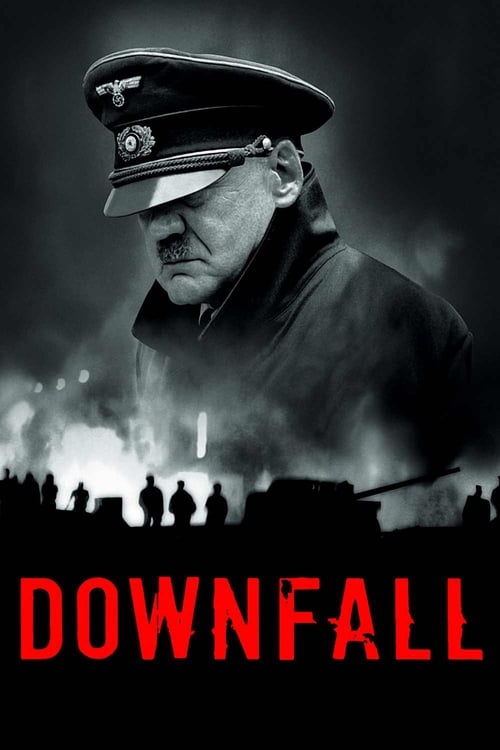
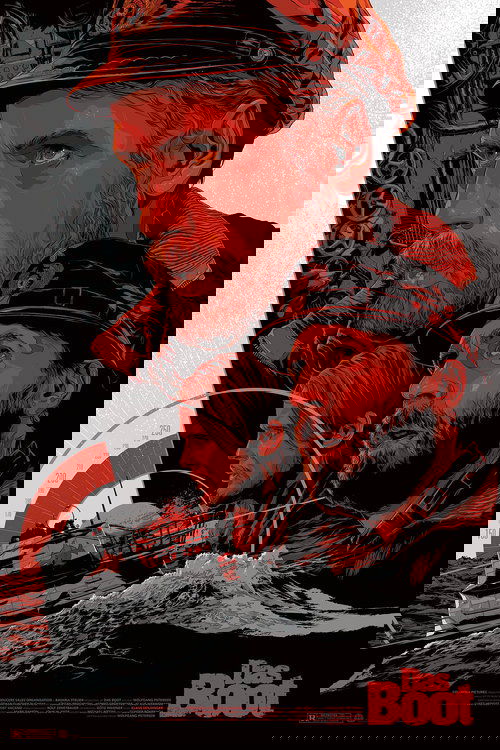
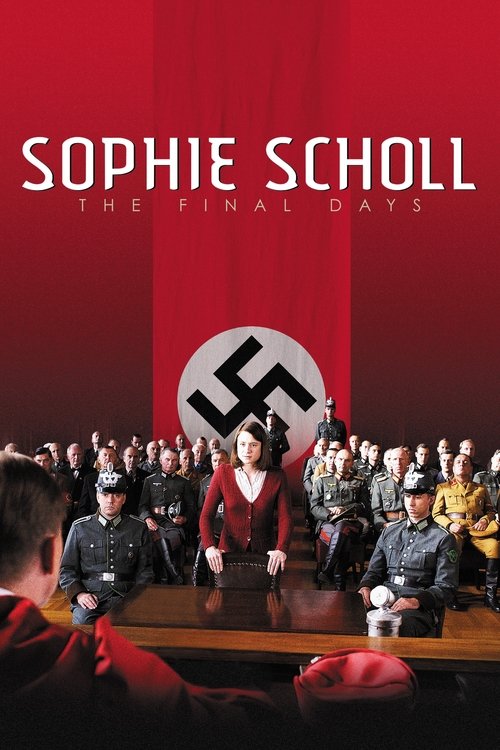
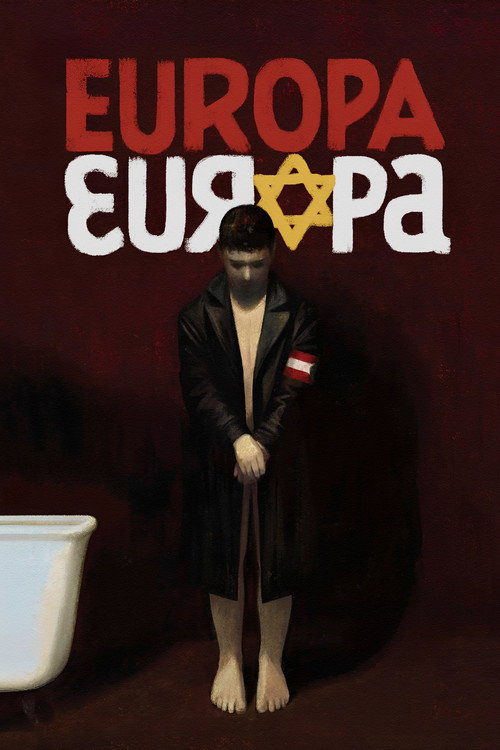
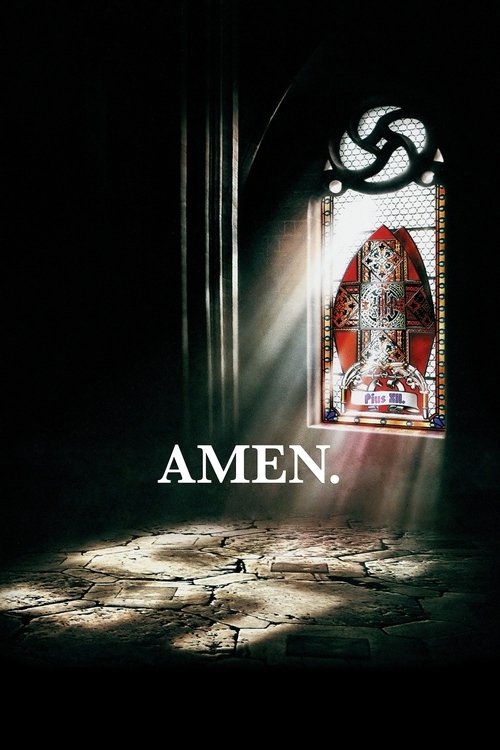
Germany's cinema has never stopped trying to understand what happened between 1933 and 1945, and what came after


Modern German Television
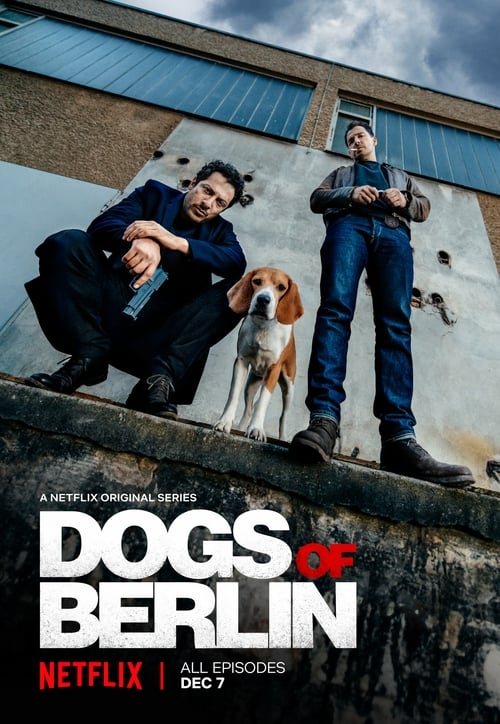
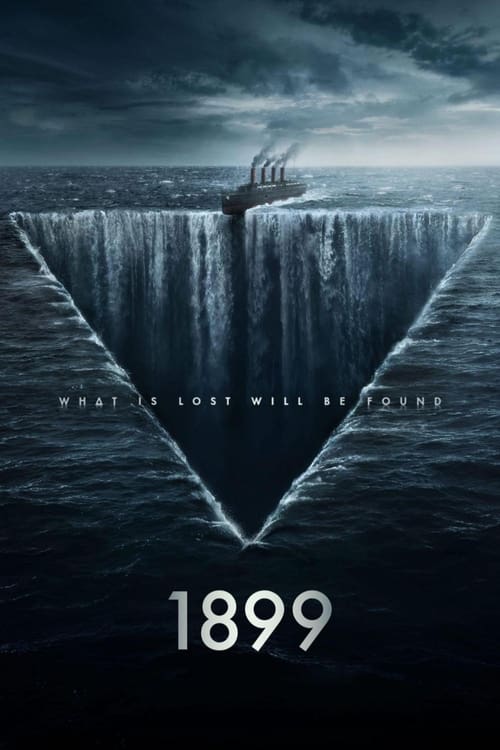
The streaming era brought international budgets and a willingness to be genuinely strange


Books: The Literary Bedrock
The novels that shaped what German screen storytelling thinks about, and several that became defining adaptations


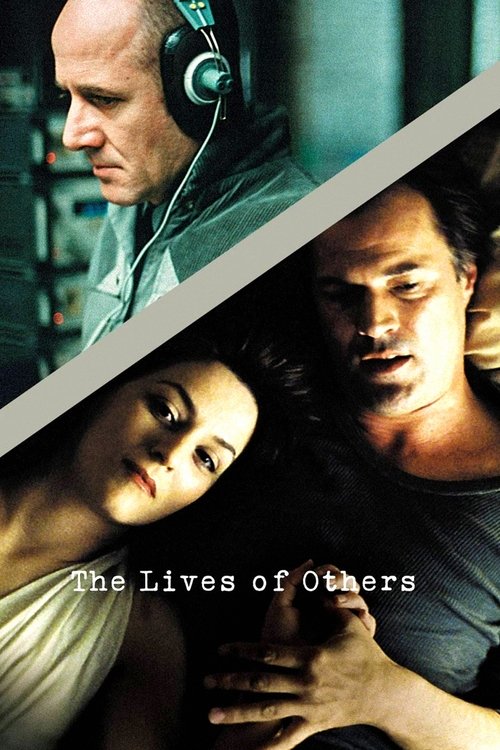
The Lives of Others is the rare prestige film that earns every frame of its reputation
Florian Henckel von Donnersmarck's debut feature took the Academy Award and was immediately dismissed by some Berlin School critics as too clean, too satisfying, too willing to give the audience catharsis. They were not entirely wrong about the aesthetics. But the critique mistakes tidiness for dishonesty. The Lives of Others earns its emotional resolution because it understands something true: that systems of surveillance are built out of human beings who are capable of being changed by what they hear through the wall. Ulrich Mühe, dying of cancer during production, gives the most controlled performance in German cinema since Haneke's German period, and the film's final scene is devastatingly correct.
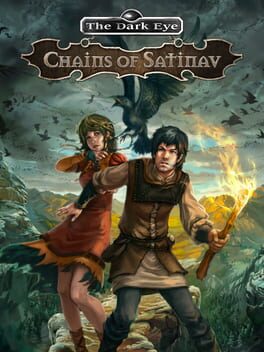
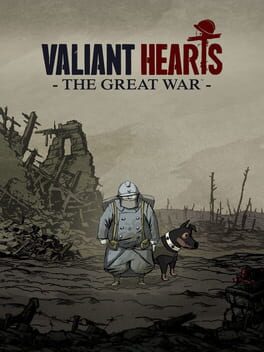
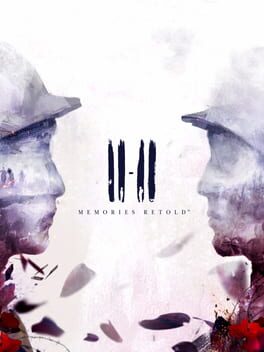
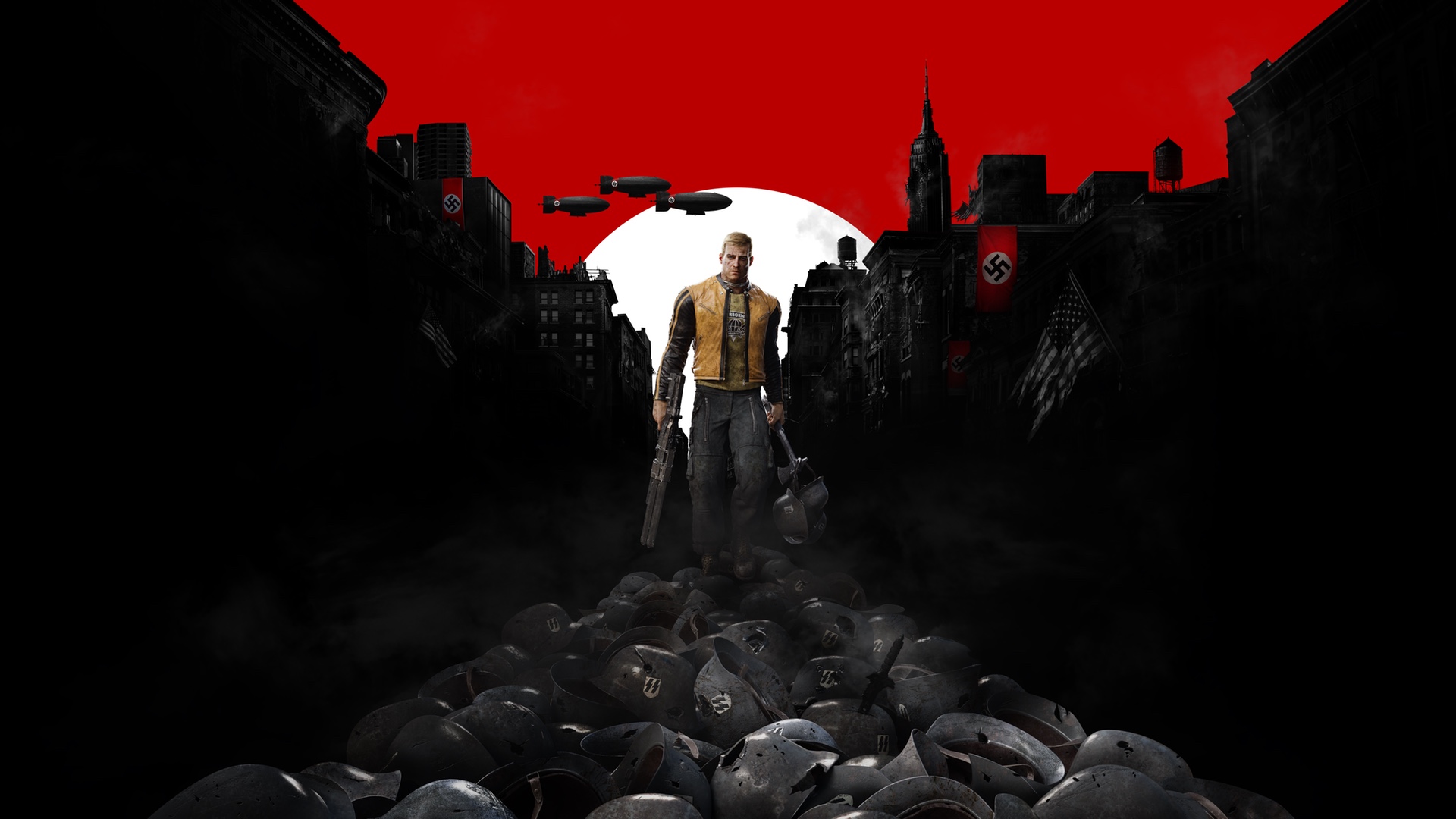
Games Set in or Shaped by Germany
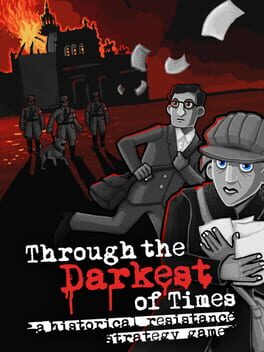
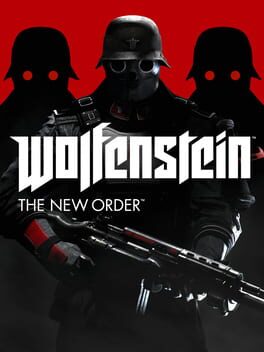
German history and German studios have generated some of the most morally serious games ever made

Essential Deeper Cuts
Past the canon, these are the films serious viewers reach for second
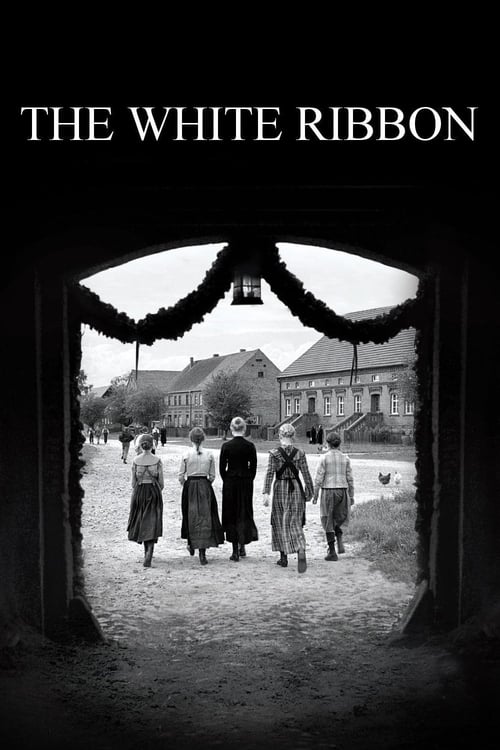
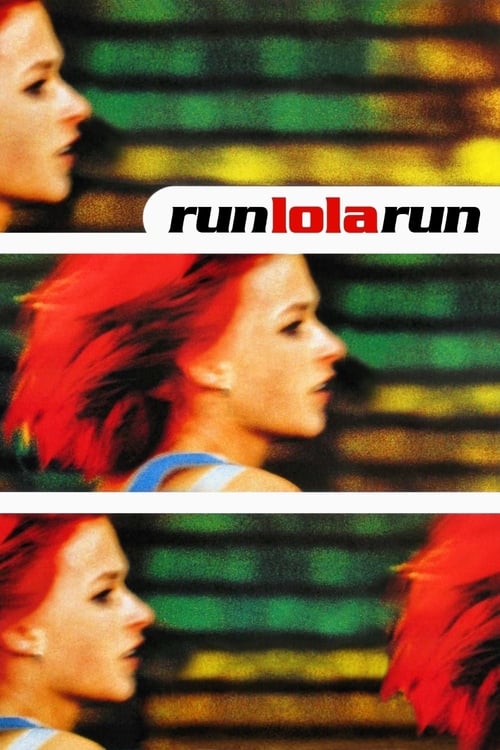
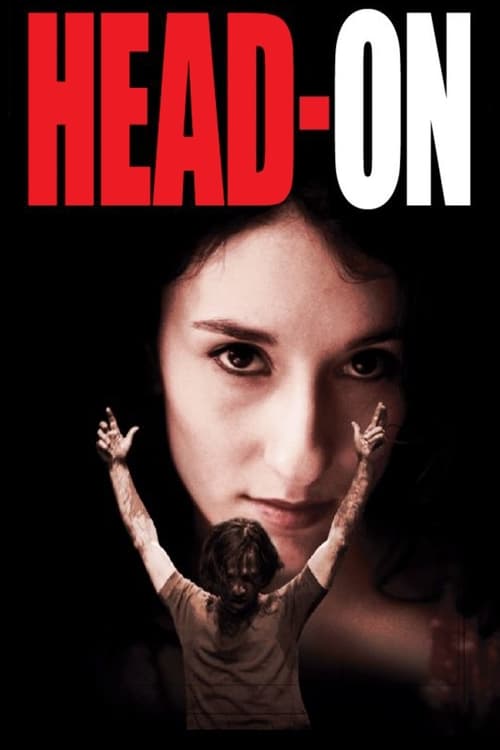


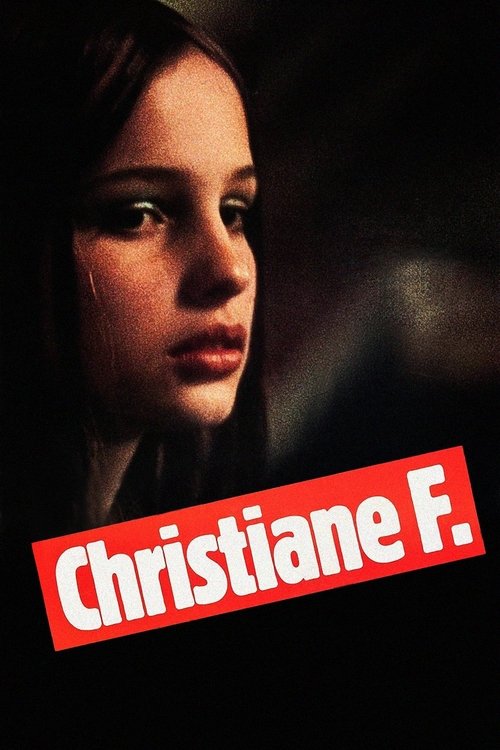
What to Watch First
If you have never seen a German film before: Metropolis (1927) is forty-five minutes shorter than you think and more visually alive than most films made since. The Lives of Others is the entry point that requires no prior knowledge and rewards everything. Dark on Netflix is the place to start for television, though commit to the subtitles and do not let anyone describe season two to you before you reach it.
If you are already comfortable: Berlin Alexanderplatz (1980) is the work that rewards the most serious investment. Fassbinder's fifteen-hour television adaptation of Alfred Doblin's novel is not background viewing. It is the fullest account German screen culture has ever given of itself.
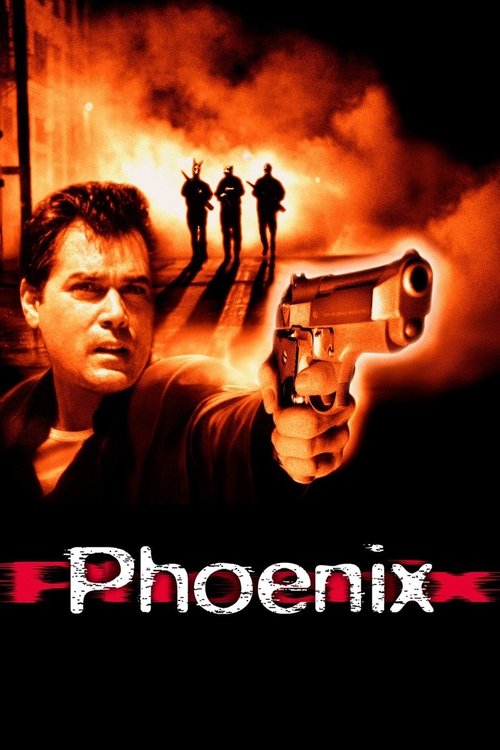
And if you want the argument distilled: watch Wings of Desire and then Phoenix back to back. One is Berlin before the Wall fell, shot in black and white, about an angel who wants to become mortal because human suffering seems more real than immortal peace. The other is Berlin after the Wall, about a concentration camp survivor whose husband may have betrayed her, and who must decide whether to perform the identity he remembers in order to find out the truth. Together they cover everything German cinema knows.
Notable German Books
The most-notable books written in German, from the catalog
 The Patrioteer
 The March Fallen
 The little witch
 Cassandra
 Old Surehand 1. Unter Geiern. Der Schatz im Silbersee
 Das Parfum
 Correction
 Wilhelm Meister's Apprenticeship
 The black spider
 Narcissus and Goldmund
 Dantons Tod
 The adventures of Simplicius Simplicissimus
 Peter Camenzind
 Beneath the Wheel
 Auto-da-fé
 Such is life