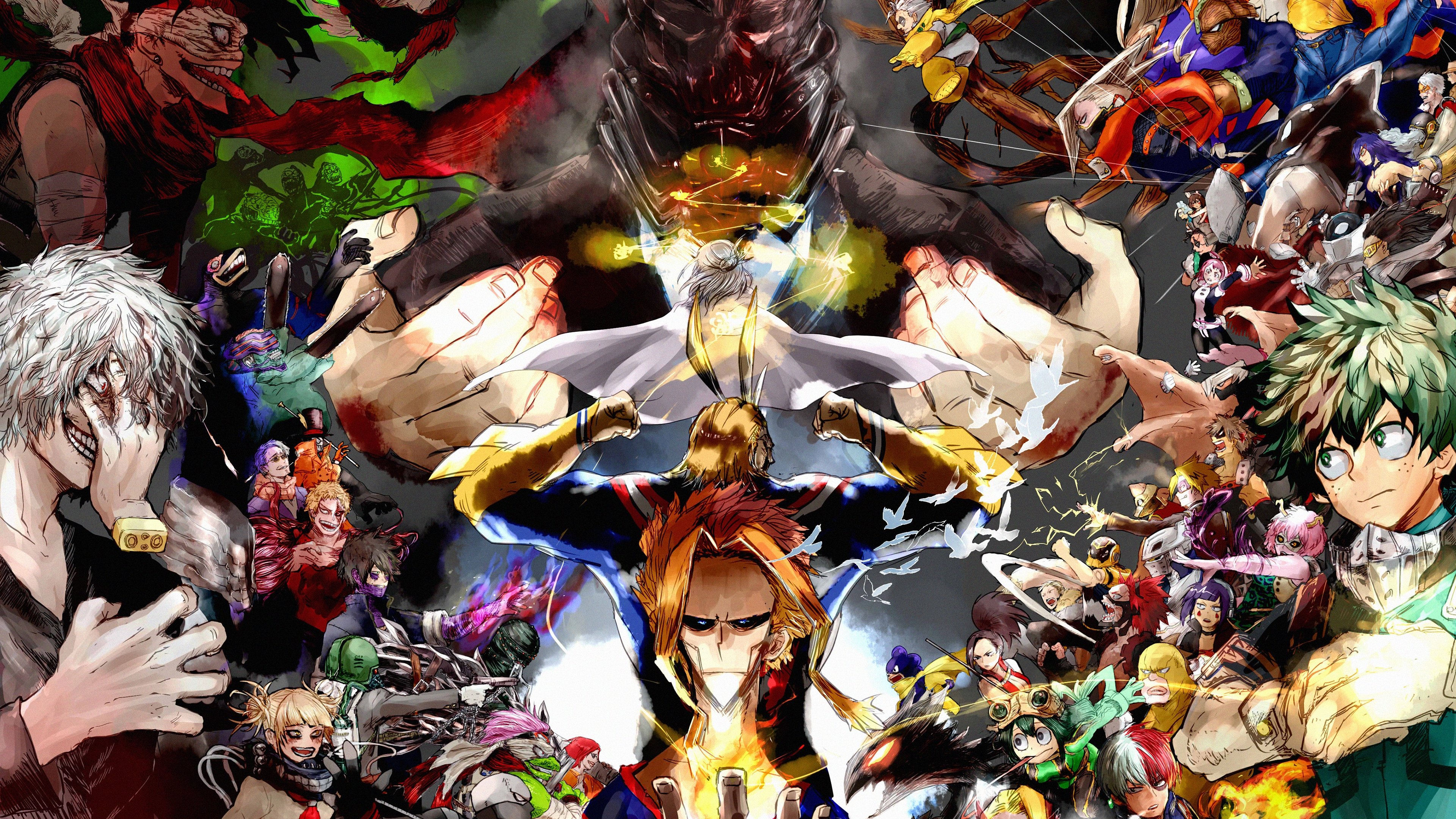

Kohei Horikoshi's manga launched in 2014 and the anime adaptation followed in 2016, quickly becoming the defining shonen series of its decade. The premise is elegant: in a world where 80 percent of humanity has a superpower called a Quirk, the remaining 20 percent are considered lesser. Izuku Midoriya is born Quirkless, yet inherits the world's most powerful ability from the greatest hero alive and enrolls in a high school that trains the next generation of professionals. What follows is not simply a tournament bracket and escalating fight scenes. MHA is a sustained meditation on mentorship, inherited trauma, the weight of expectation, and the gap between the hero society projects and the one it actually produces. The villains are not cartoons: Tomura Shigaraki and the League of Villains exist because the system failed people. The arc from 'I want to be a hero' to 'what kind of hero' is what keeps readers and viewers coming back across every season and volume.
Essential My Hero Academia
The anime itself, season by season, and the theatrical films

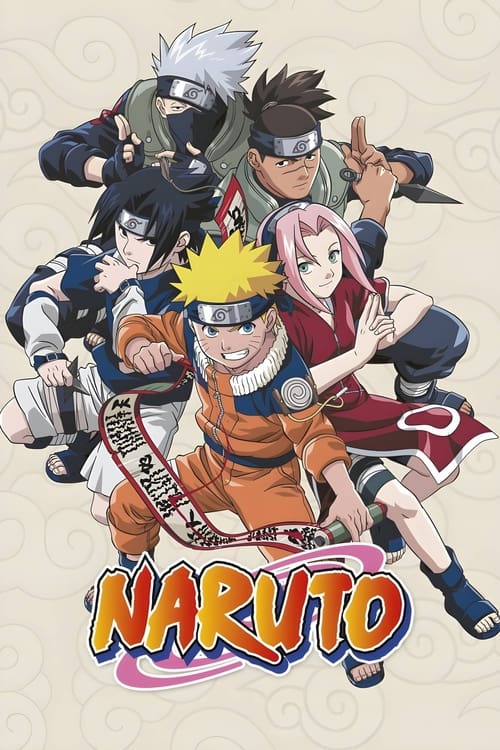
If You Love the Training Arc: Coming-of-Age Shonen
Series built around young people forging themselves under impossible pressure

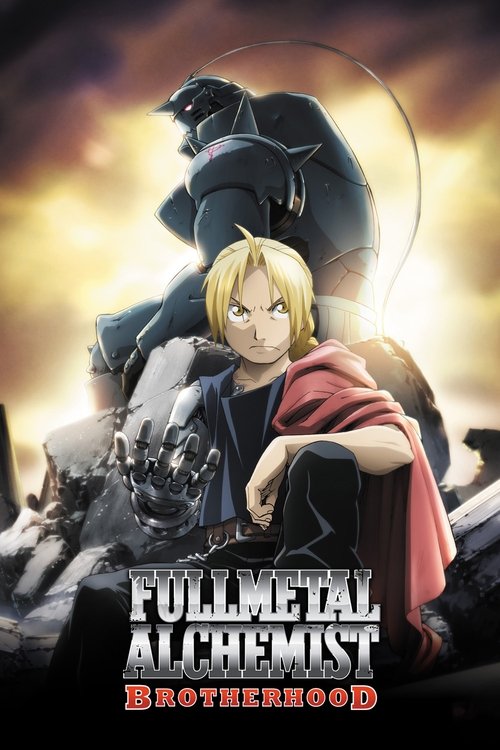
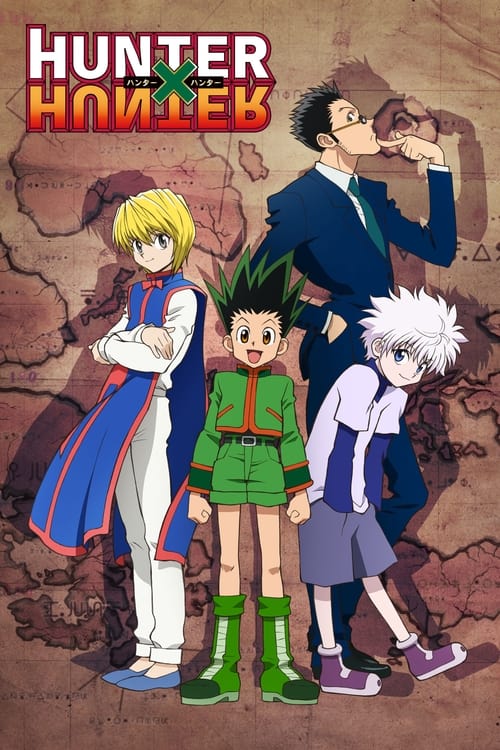
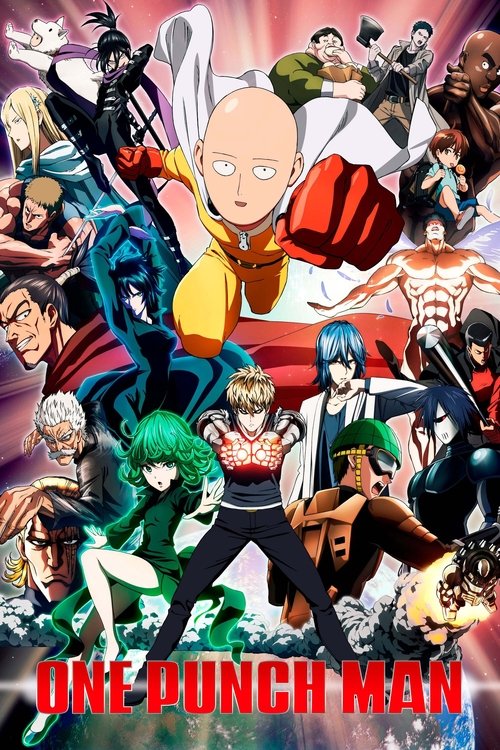
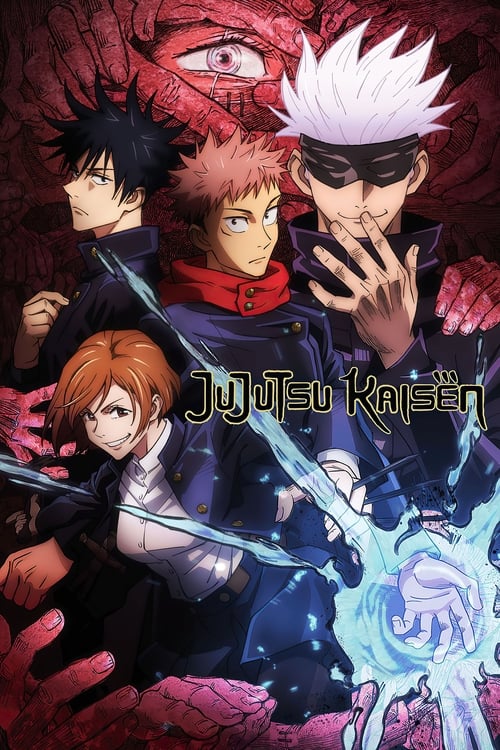
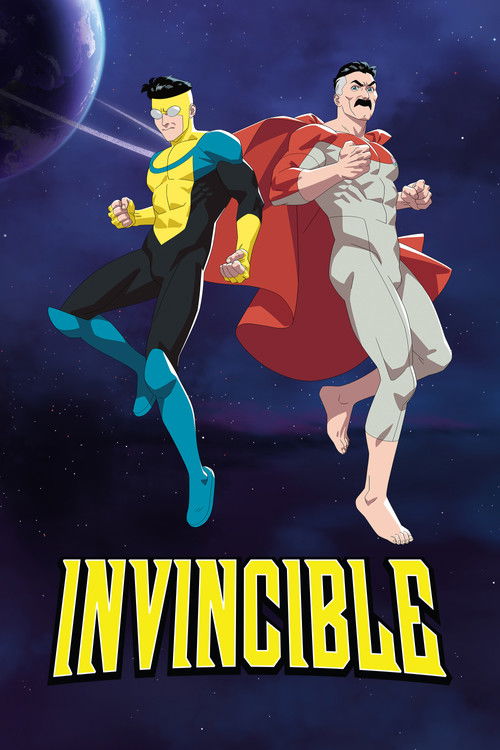
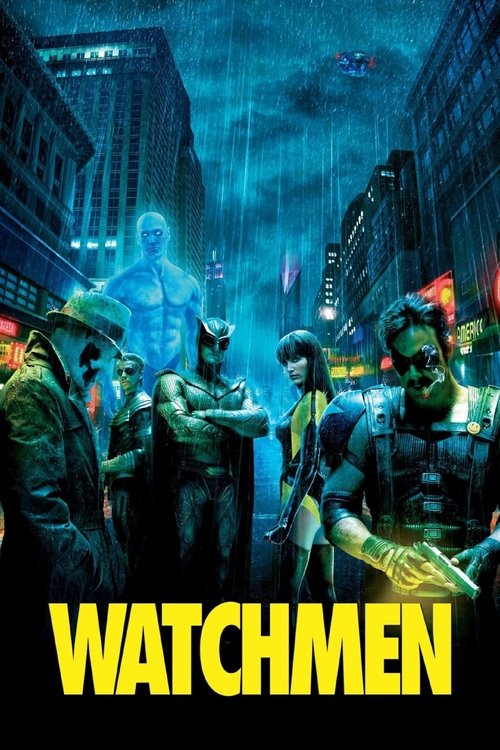
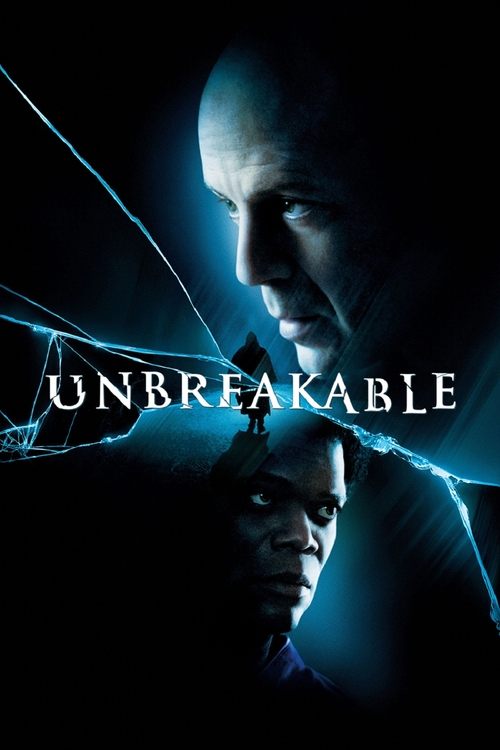
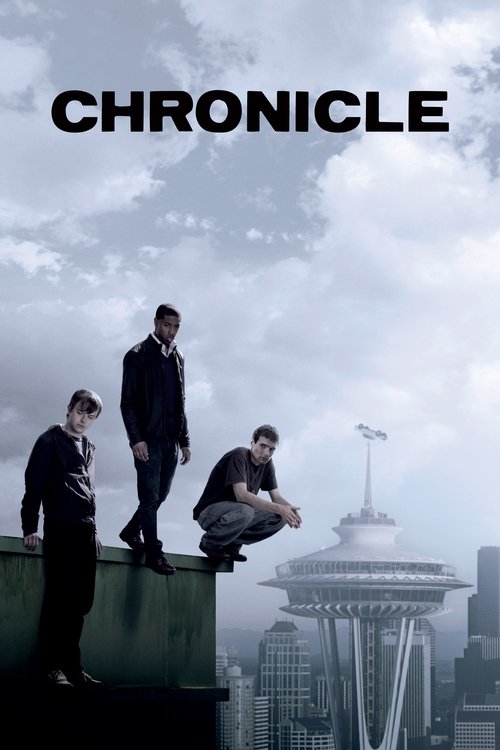
If You Love the Superhero Society Critique: Films and Series That Complicate the Cape
Stories where the costume does not make the hero


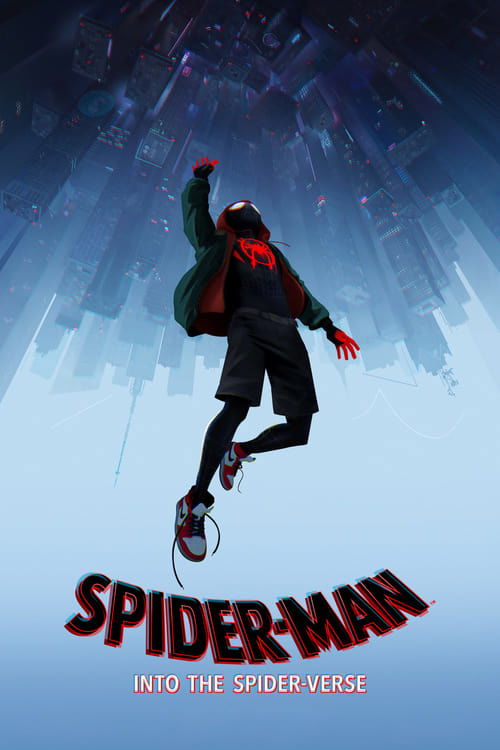
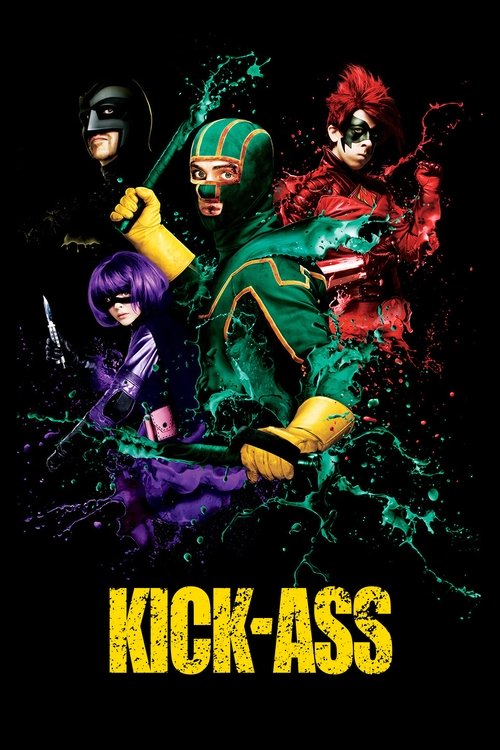
If You Love the Manga: Books That Match the Energy
Manga volumes and novels for fans who want more pages to tear through


If You Love the Battles: Games That Capture That Kinetic Feeling
Fighting games and action titles with the same explosive combat and hero energy
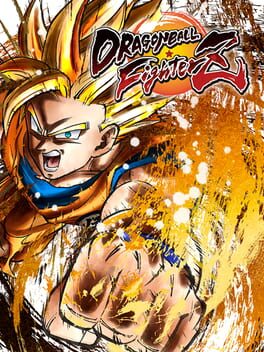
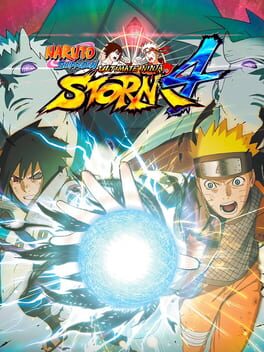
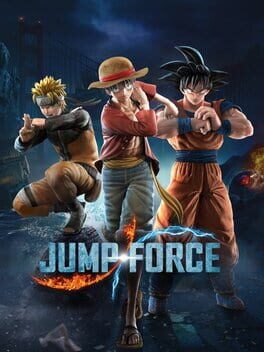
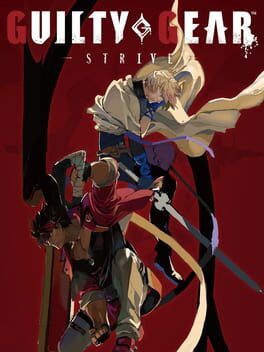
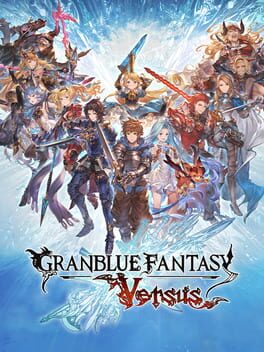
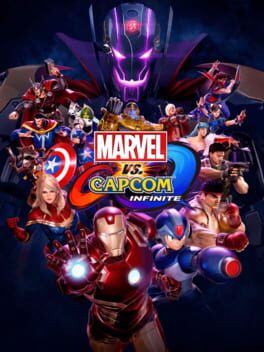
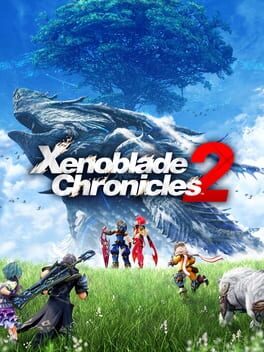
The Villains Are the Real Argument
MHA earns its depth in the League of Villains. Tomura Shigaraki began as a petulant cipher, but across five seasons Horikoshi built him into one of shonen's most coherent antagonists: a child failed by heroes who grew up learning that the system protects its symbols, not its people. Himiko Toga and Twice carry the same wound. The series is at its best when it forces Midoriya to reckon with the fact that the society he wants to protect created the very enemies he is fighting.
All Might Is the Best Mentor in Modern Shonen
The mentor-student relationship is a shonen staple, but All Might works because the series does not let him be invincible. His declining health, his inability to save everyone, and his eventual retirement strip the symbol bare and leave Midoriya with something harder: not a model to imitate but a lesson in what to do differently. The scene where he finally says the words is one of the most earned moments in the genre.
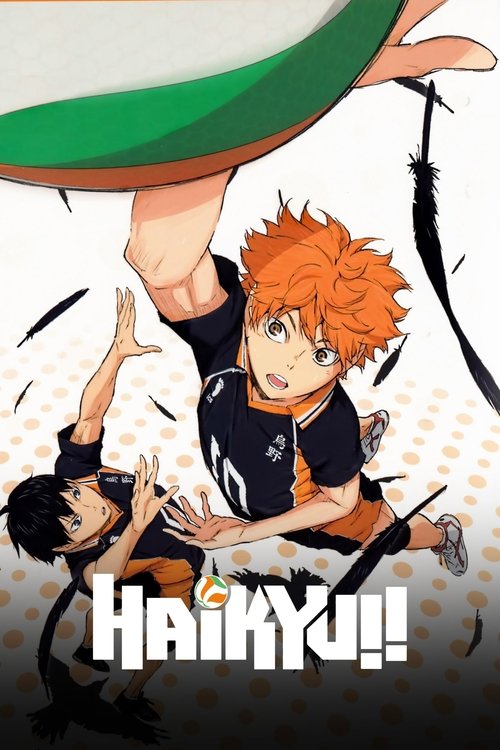
Haikyu!! Is the Training Arc at Its Purest
For viewers who respond to MHA's classroom grind and team dynamics more than the superpower spectacle, Haikyu!! delivers the same emotional payload through high school volleyball. The series understands that sport is about self-knowledge as much as victory, and its roster of rivals-turned-foils mirrors MHA's Class 1-A vs. 1-B structure exactly. No powers, just will, craft, and the terror of the next match.
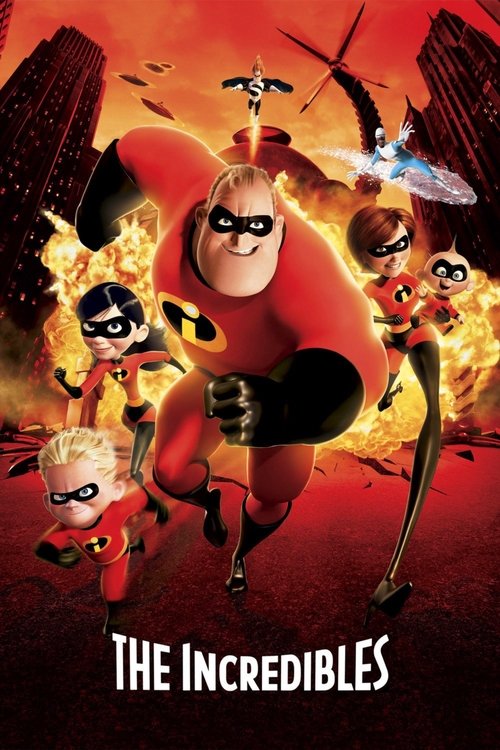
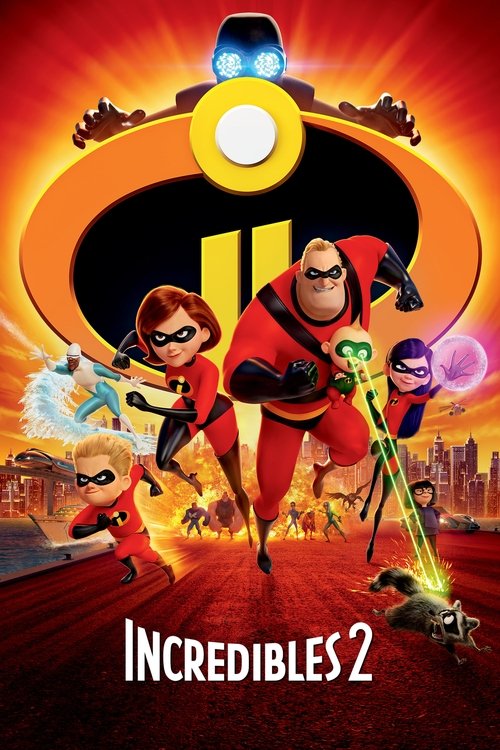
The Incredibles Mapped This Territory First in Film
Pixar's 2004 film raised nearly every question MHA would later ask: what happens to heroes when society no longer wants them, what is owed to exceptional people versus the common good, and whether raising children inside a culture of heroism is a gift or a burden. Watching The Incredibles after MHA season four is not redundant; it is clarifying.
My Hero Academia: A Timeline
- 2014Manga serialization begins in Weekly Shonen Jump
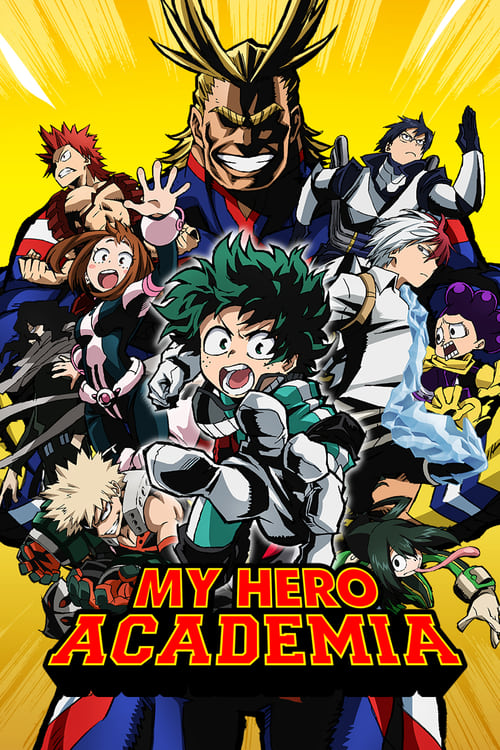
- 2016Anime adaptation premieres (Season 1) My Hero Academia
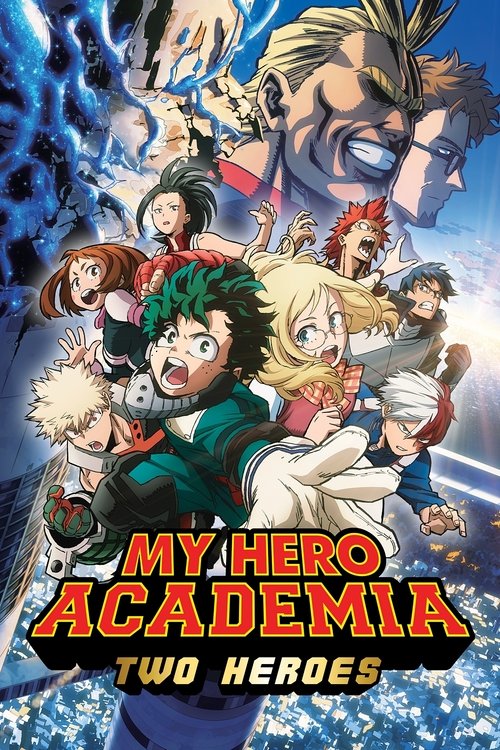
- 2018First theatrical film released My Hero Academia: Two Heroes
- 2019Season 4 covers the Overhaul arc, widely seen as the dramatic peak My Hero Academia
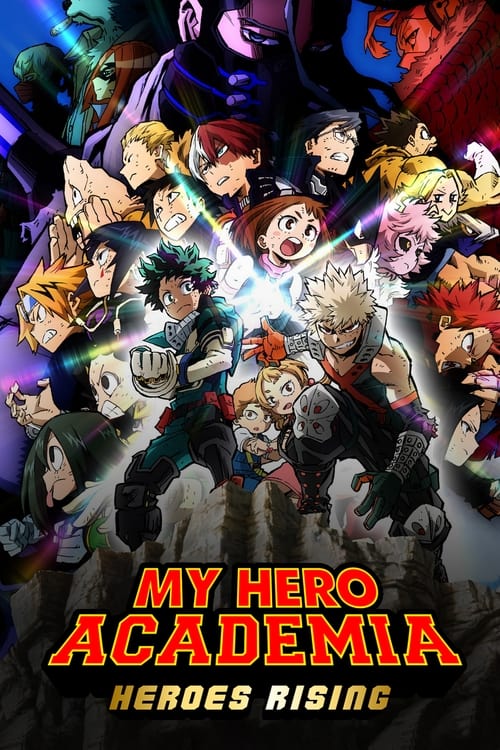
- 2019Second film adapts a new story My Hero Academia: Heroes Rising
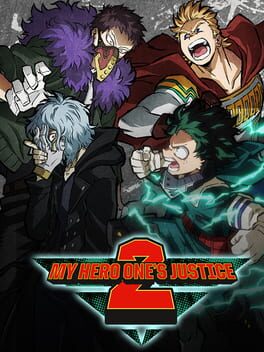
- 2020My Hero One's Justice 2 brings the fighting game series into its stride My Hero One's Justice 2
- 2021Third film sets a new box-office record for the franchise My Hero Academia: World Heroes' Mission
- 2022Season 6 adapts the Paranormal Liberation War arc My Hero Academia
- 2024Manga concludes its final arc after a decade of serialization
Heroes, shonen, and found family
Superheroes
Explore the Superheroes guide →A hero is not someone born without fear. It is someone who is terrified and goes forward anyway.Izuku Midoriya, My Hero Academia