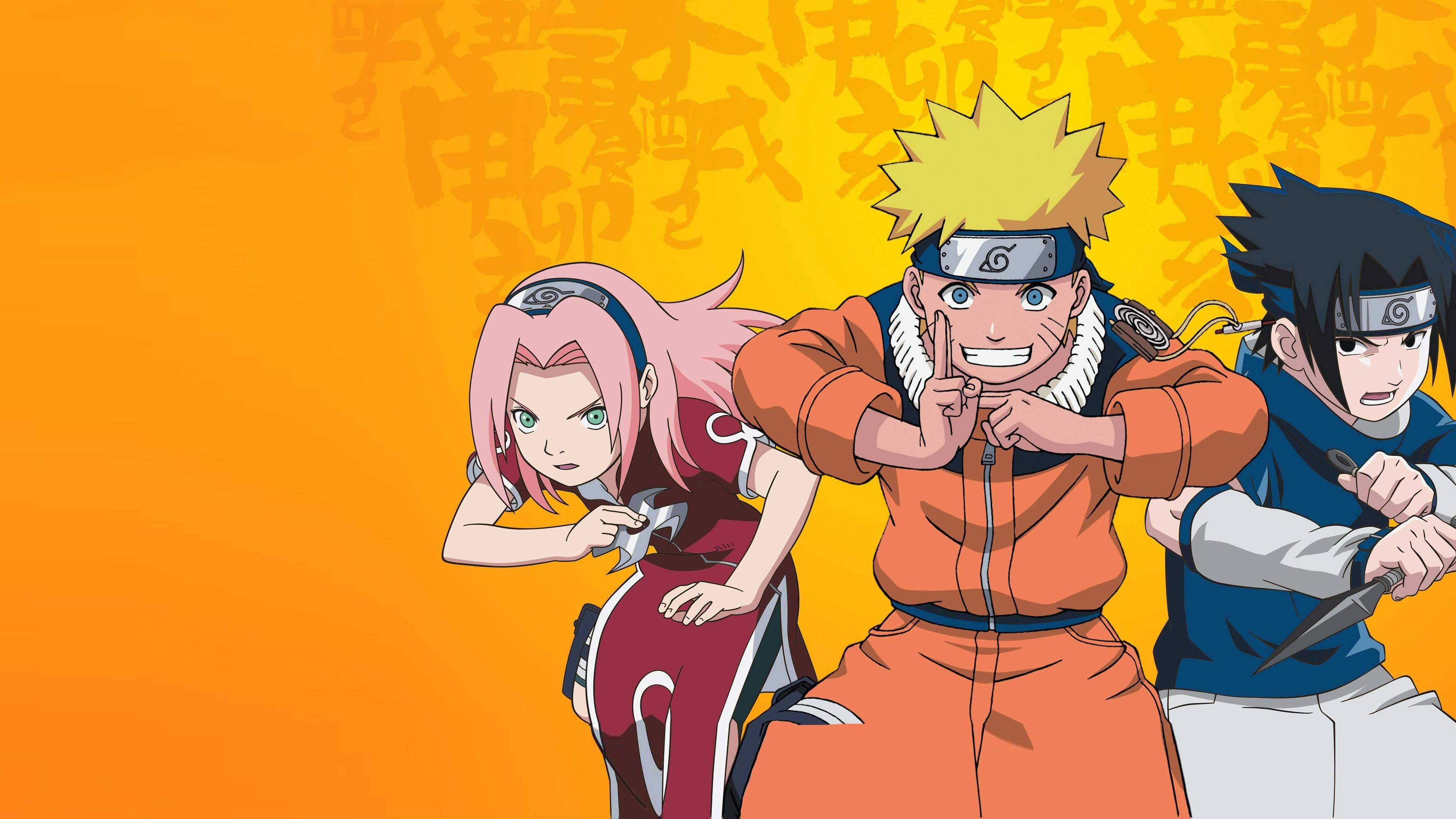

Masashi Kishimoto's Naruto ran in Weekly Shonen Jump from 1999 to 2014, following Naruto Uzumaki from a lonely, overlooked kid in Konohagakure to the village's greatest protector. What hooked readers and viewers was never just the spectacle of jutsu clashes: it was the through-line of recognition, belonging, and the cost of the path you choose. The anime adaptations (original run 2002-2007, then Naruto Shippuden 2007-2017) stretched that story across hundreds of episodes, cementing it as one of the pillars of the shonen genre. Boruto: Naruto Next Generations extended the world into a new generation. Across manga volumes, films, games, and a sequel series, the Naruto canon is vast but navigable. This guide is your map.
Essential Naruto
The core anime and manga, in order
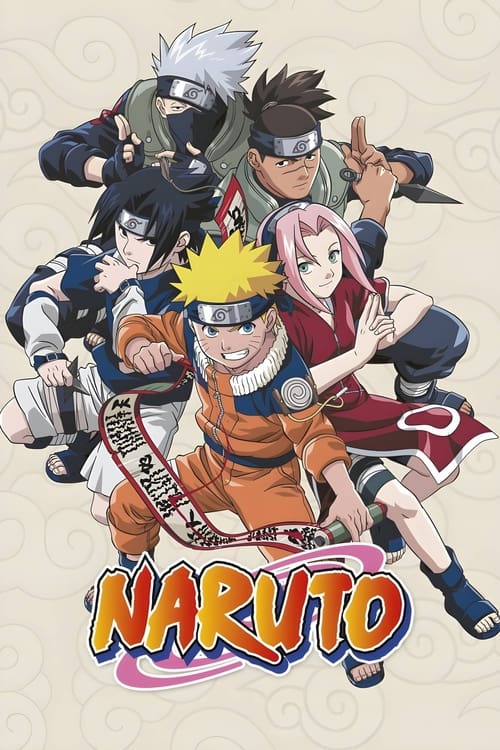

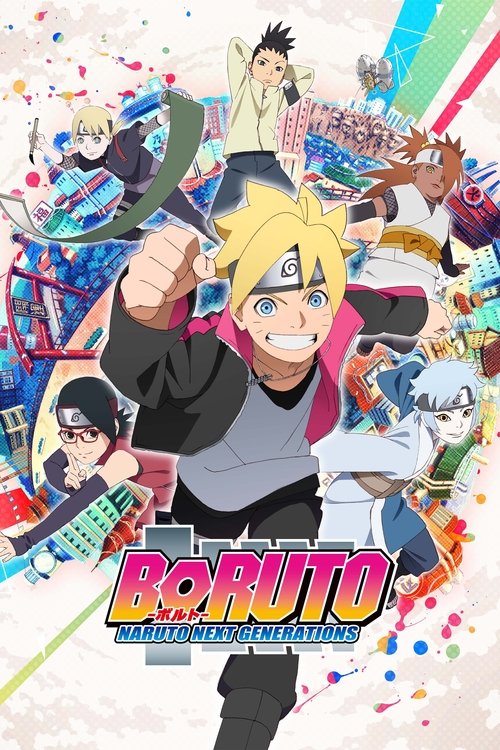


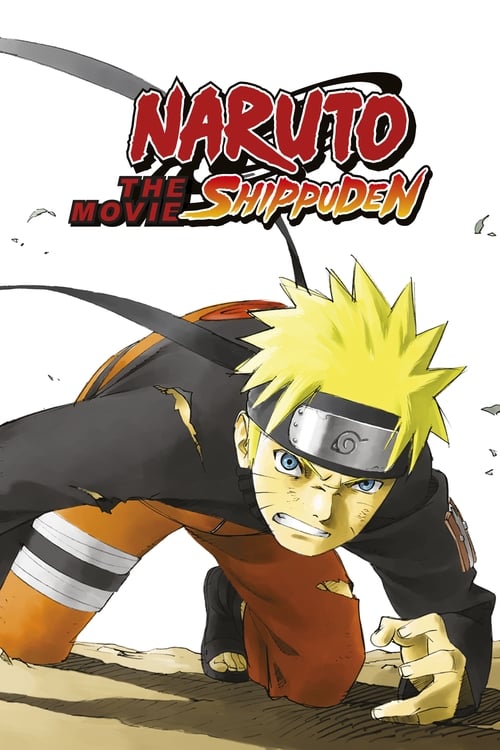
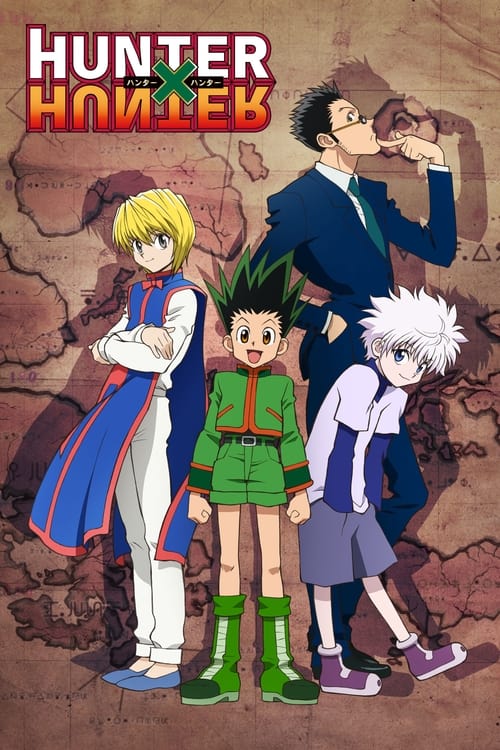
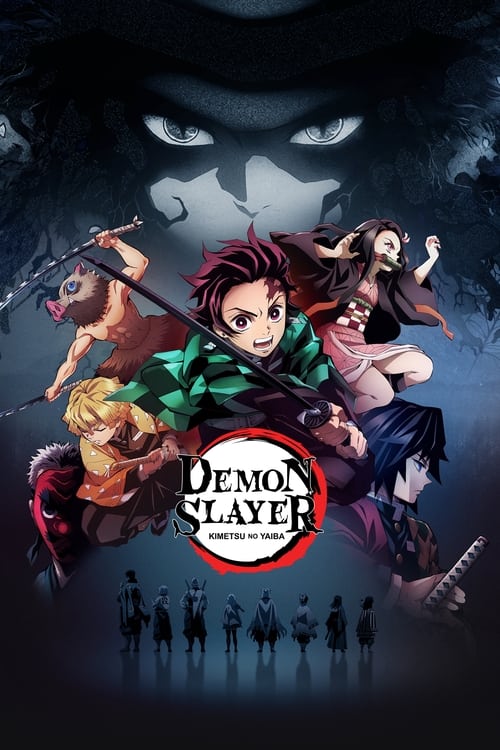
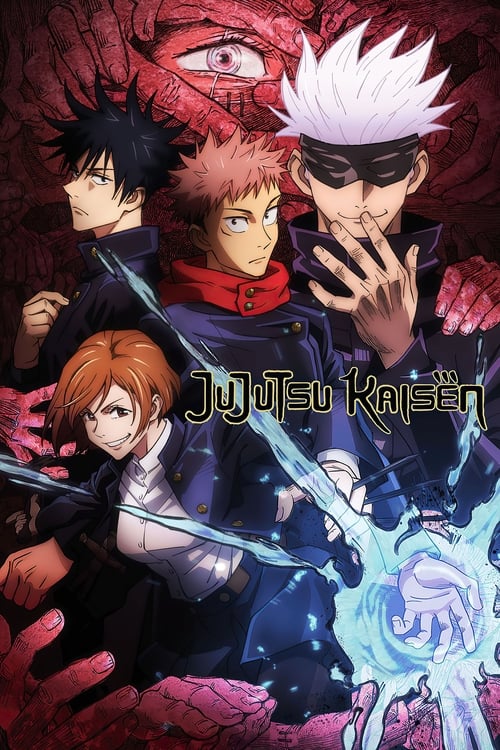
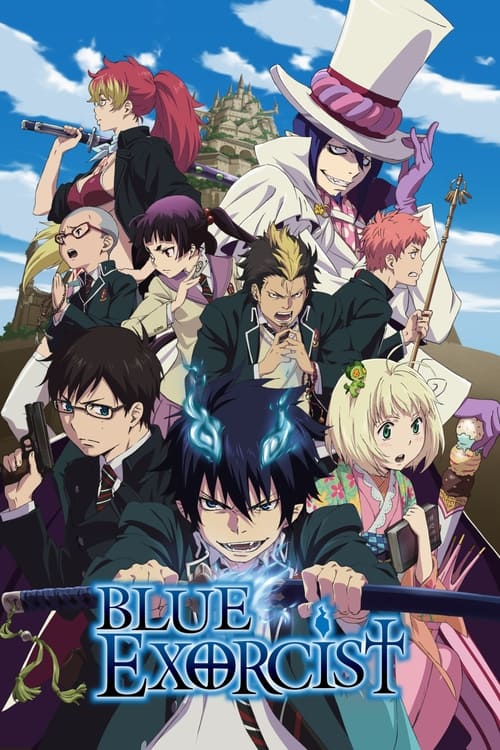
If You Love the Shonen Rivalry Arc
Series built on friendship, training, and unforgettable rivals



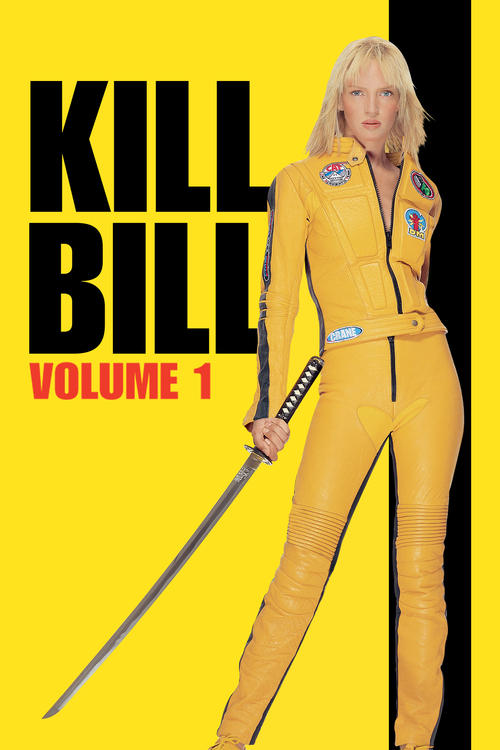
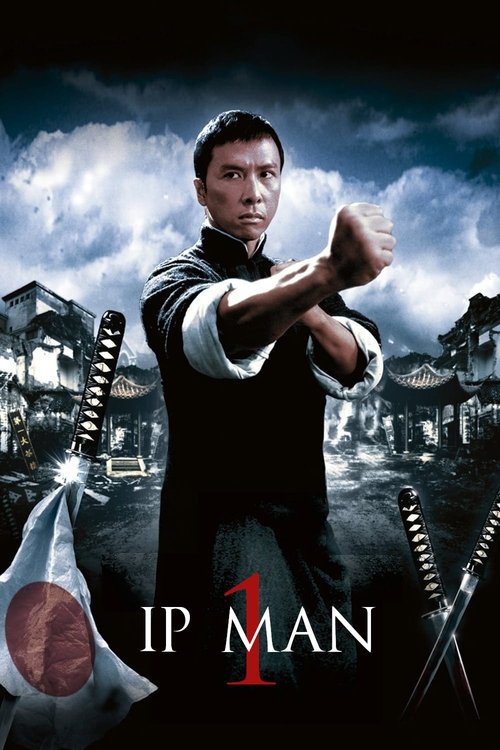
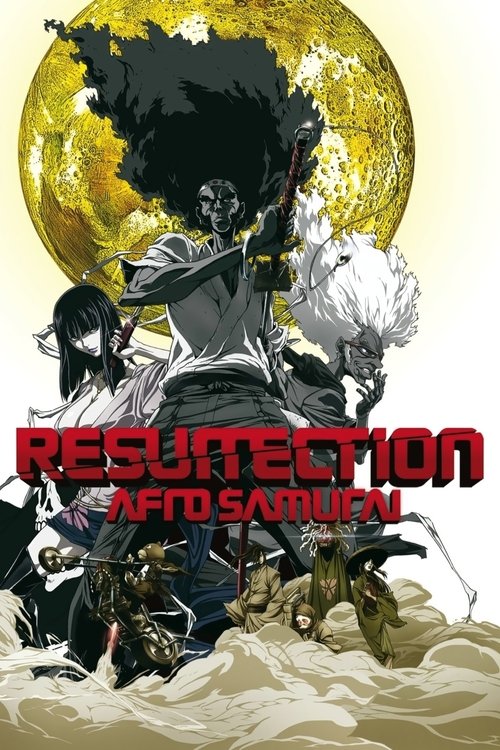
Ninja Action on Screen
Films with the same kinetic combat and high-stakes missions


For Fans of the Games
Jump into the Naruto game library, then the wider ninja and action arena
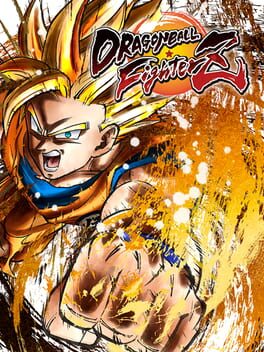
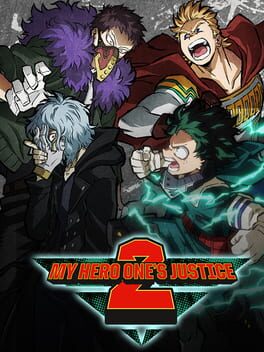
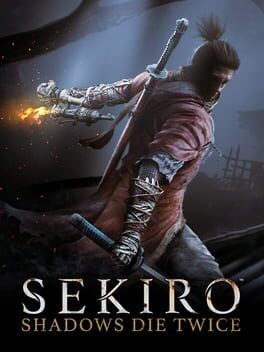
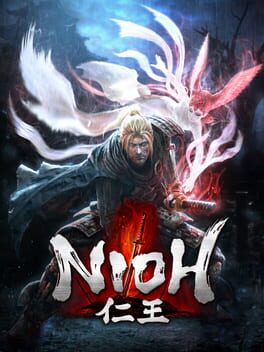
Manga and Light Novels Worth the Read
Source material, spin-offs, and books with the same spirit


Shippuden Is Where It Became Something Else
The original Naruto series is a classic coming-of-age story. But Naruto Shippuden, which picks up with a time-skip and an older, harder cast, is where the series earned its emotional weight. The Pain arc in particular remains one of the most discussed story runs in shonen history. Kishimoto let the consequences of war land, and the show never fully recovered its lightness after that. It is bleaker, more ambitious, and ultimately more rewarding than its predecessor.
The Itachi Reveal Changed How the Whole Story Reads
Itachi Uchiha is introduced as a villain and ends as something far more complicated. The reveal of his true motivation mid-series is one of the genre's great recontextualization moments: it changes what you remember about earlier episodes and adds layers to everyone around him. It is also the emotional engine behind a lot of the sequel material. For anyone who reads the manga after watching the anime, the Itachi chapters hit differently the second time through.
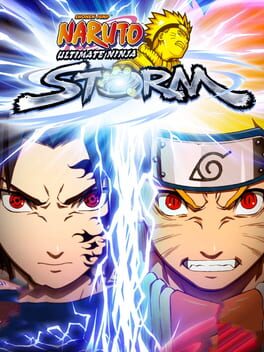
The Ultimate Ninja Storm Games Are the Best Anime Adaptations in the Medium
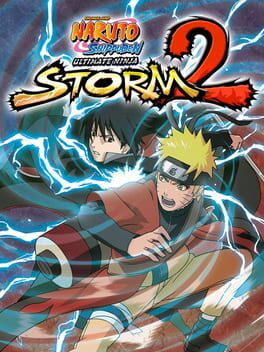
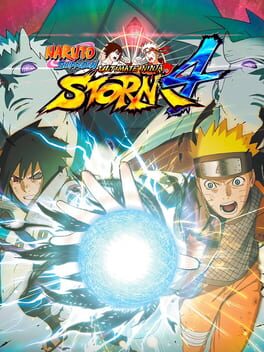
Most licensed anime games are a compromise. The Naruto: Ultimate Ninja Storm series is an exception. The CyberConnect2 games match the anime's visual language with genuine fighting depth, and the story modes are faithful enough to function as a condensed replay of the series. Storm 4 in particular, covering the Fourth Great Ninja War arc, is a legitimate spectacle. For fans who want to re-experience the series or introduce a friend to the story, it is a more accessible on-ramp than asking them to watch 700 episodes.
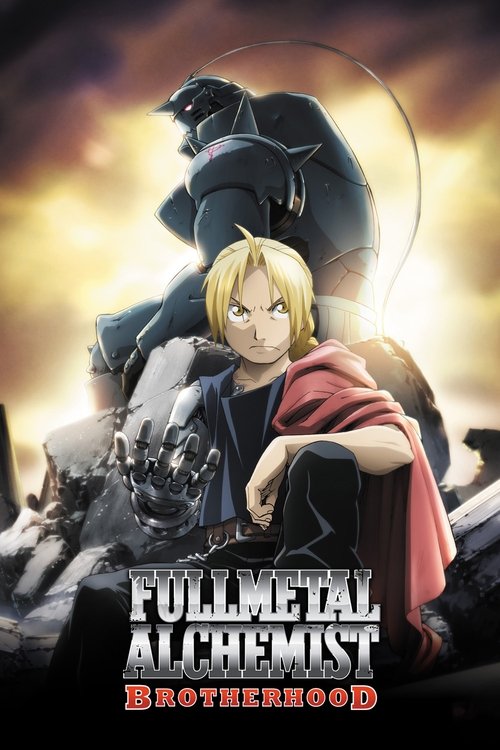
Fullmetal Alchemist: Brotherhood Is the Peer Naruto Earns Comparison With
The "Big Three" of early 2000s shonen (Naruto, Bleach, One Piece) dominated the era, but the series that holds up most cleanly alongside Naruto in terms of narrative structure and thematic ambition is Fullmetal Alchemist: Brotherhood. Both feature young protagonists carrying an unfair burden, both use a fantasy world to examine guilt and systemic violence, and both have supporting casts that feel fully realized. FMA:B is shorter and tighter; Naruto is bigger and messier. They reward each other.
The Naruto Timeline
- 1999Masashi Kishimoto's manga launches in Weekly Shonen Jump. Naruto 3-in-1
- 2002The original anime adaptation begins its run. Naruto
- 2004First feature film releases alongside the anime. Naruto the Movie: Ninja Clash in the Land of Snow
- 2007Time-skip: Naruto Shippuden premieres, picking up two-and-a-half years later. Naruto Shippūden
- 2008First Naruto: Ultimate Ninja Storm game released on PS3. Naruto: Ultimate Ninja Storm
- 2014The manga concludes after 700 chapters. Naruto 3-in-1
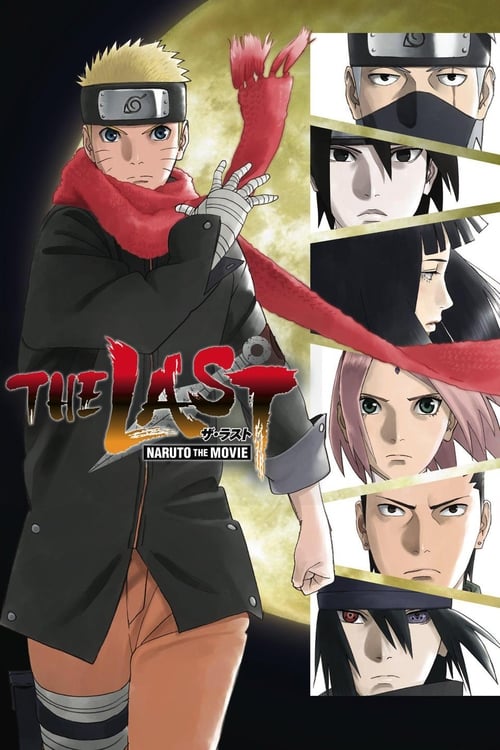
- 2014The Last theatrical film ties off the manga's epilogue. The Last: Naruto the Movie
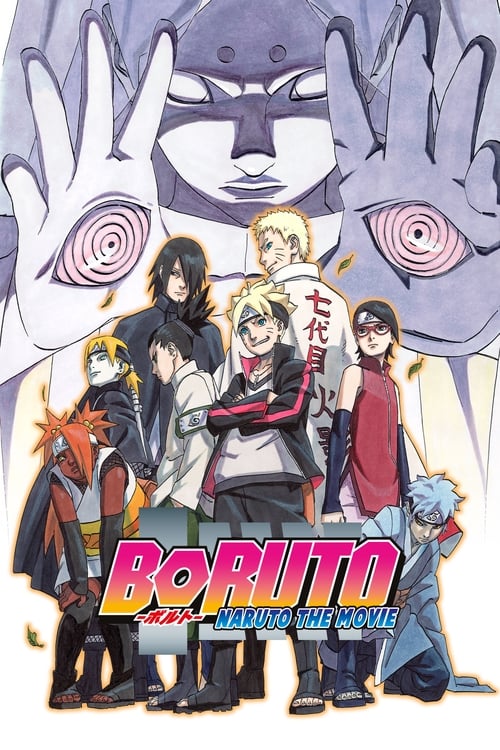
- 2015Boruto: Naruto the Movie bridges generations. Boruto: Naruto the Movie
- 2016Naruto Shippuden ends. Boruto manga and anime launch the next era. Boruto: Naruto Next Generations
- 2016Ultimate Ninja Storm 4 covers the series finale arc. Naruto Shippuden: Ultimate Ninja Storm 4
More ninja and shonen epics
Ninja
Explore the Ninja guide →A shinobi who breaks the rules is trash. But a shinobi who abandons their friends is worse than trash.Kakashi Hatake, Naruto