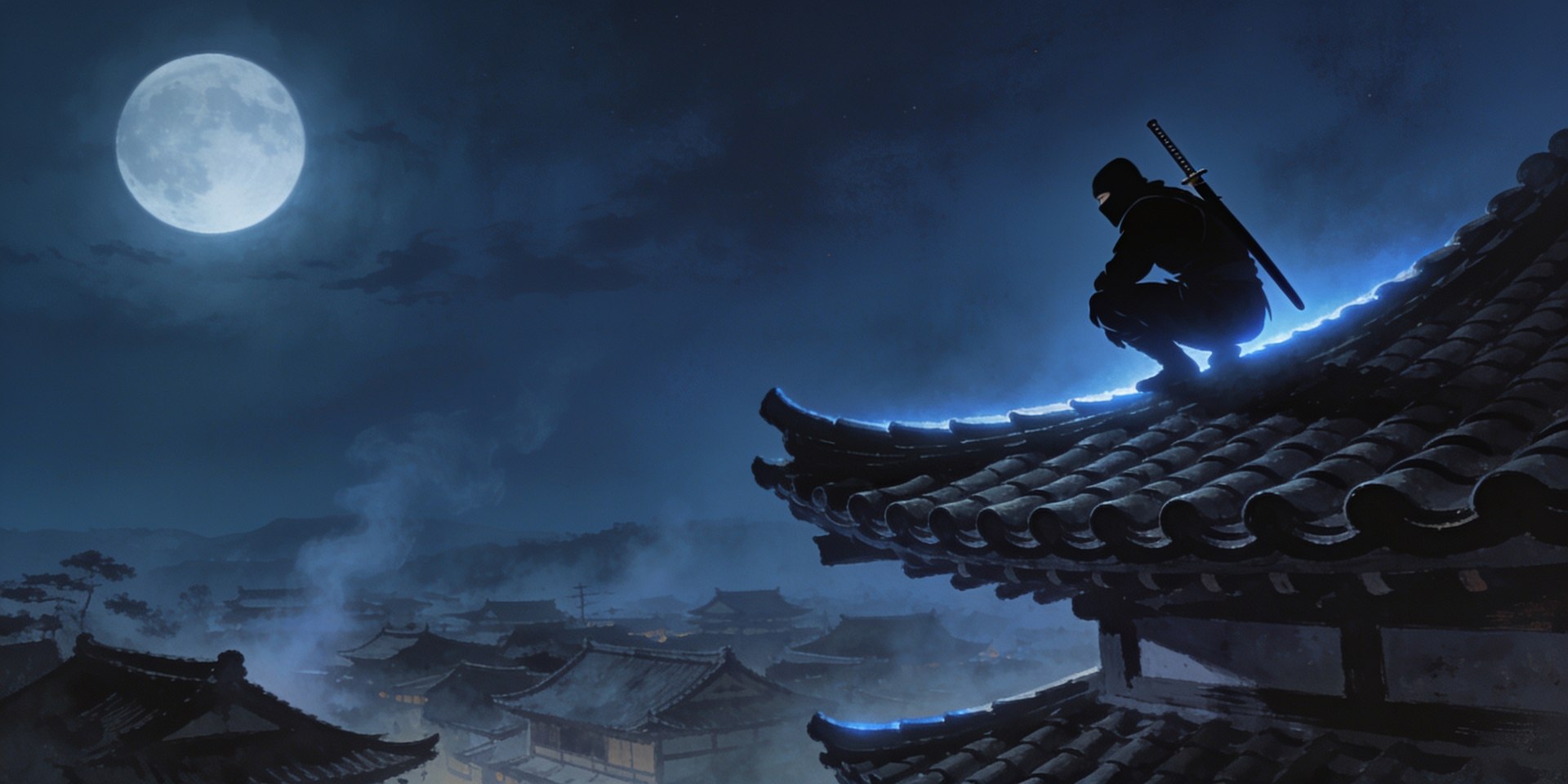

The ninja is half history and half rumor, which is exactly why the figure refuses to die. The real shinobi of feudal Japan were spies, saboteurs and irregular soldiers, hired for the work a samurai's honor code would not allow: infiltration, arson, assassination, the gathering of secrets. Out of that murky historical record grew one of the most durable pop-culture archetypes on earth, a black-clad ghost who moves across rooftops, vanishes in smoke and kills before you know he is in the room.
No other action figure has been remade so many ways. The ninja has been a grindhouse killing machine in 1980s American action, a tragic swordsman in Japanese chambara, a cartoon turtle, a blond teenager screaming about friendship, and the player character in some of the best stealth games ever built. The thread that runs through all of it is the same fantasy: total control, total silence, and the patience to wait in the dark until the moment is right. This guide follows the hidden blade across every medium it has ever cut through.
Essential ninja
The canon, from the rooftops of Edo to the shadows of a modern stealth game

Tenchu invented the modern stealth ninja
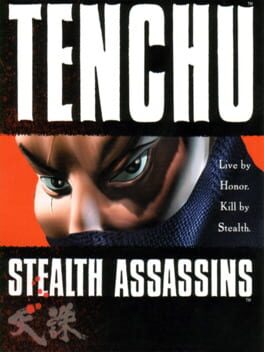
Before Metal Gear Solid taught a generation to hide in boxes, Tenchu: Stealth Assassins (1998) put you on the tiled roofs of feudal Japan and asked you to be patient. It is the game that worked out the grammar of the stealth-ninja: a top-down ki meter that tells you how close an unaware guard is, the grappling hook that pulls you up out of sight, the one-hit stealth kill that rewards you for never being seen at all. Rush in swinging and you die. Wait in the dark, read the patrol, drop on a guard from above, and you feel like the thing the legends describe.
Everything from Mark of the Ninja to Aragami owes Tenchu a debt. It understood, before almost anyone, that the ninja fantasy is not about combat. It is about being the threat nobody saw coming.
The shinobi at the controller
Stealth, parry and sword from Tenchu and Shinobi to Sekiro and Nioh
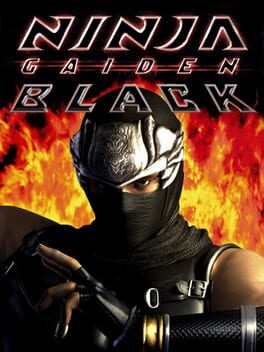
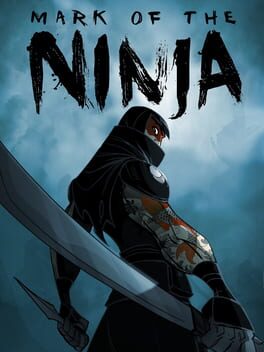
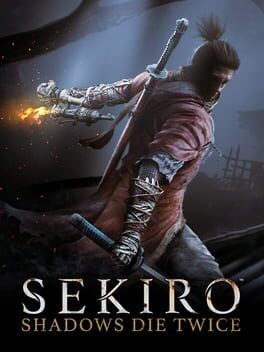
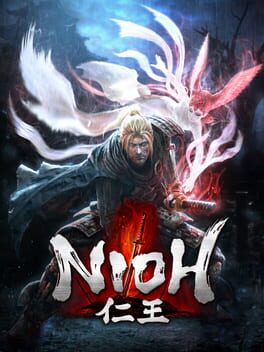
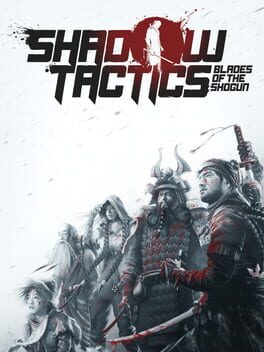
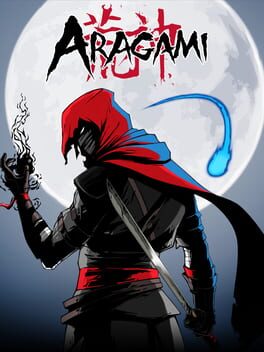
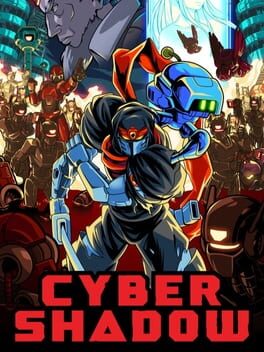
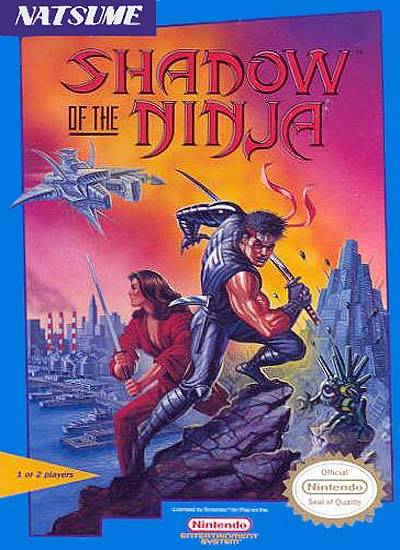
The grindhouse decade
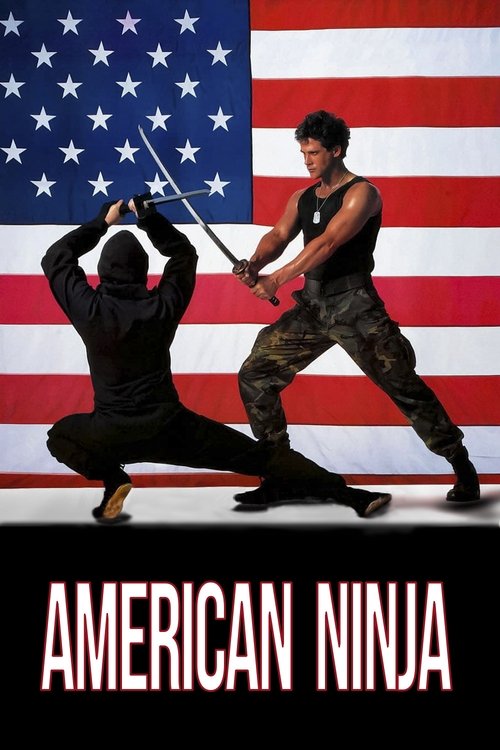
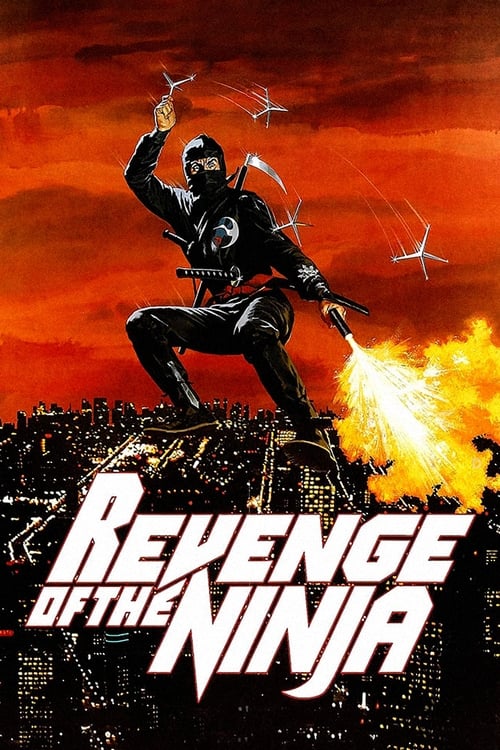
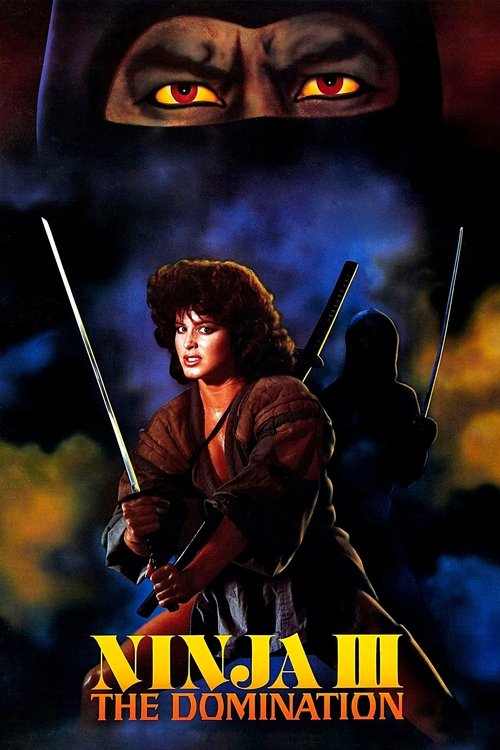
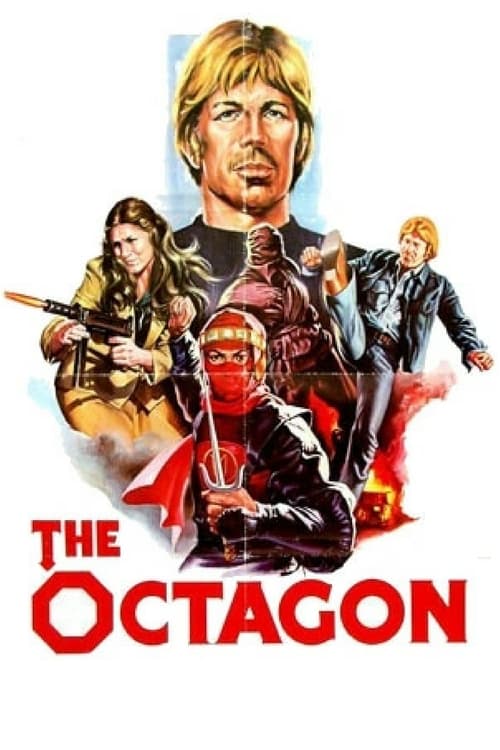
The Western ninja boom was loud, cheap and gloriously committed to its own nonsense. Cannon Films built a small empire on it: Enter the Ninja, Revenge of the Ninja, Ninja III: The Domination and the American Ninja series turned the shinobi into an export-grade action figure, all throwing stars, smoke bombs and Sho Kosugi staring death at the camera. None of it is historically accurate and most of it is not trying to be. What these films understood is that the ninja makes a perfect movie monster: he can be anywhere, he kills without warning, and the hero only beats him by becoming one.
Hong Kong got there first and weirder. The Shaw Brothers' Five Element Ninjas is a delirious wuxia-ninja hybrid, all color-coded assassins and gore, and it remains the high-water mark for sheer invention. The American films are pulpier and dumber, and that is most of their charm.
Ninja at the movies
Cannon-era pulp, Shaw Brothers wuxia and the modern revenge film

Ninja Scroll is still the genre's masterpiece
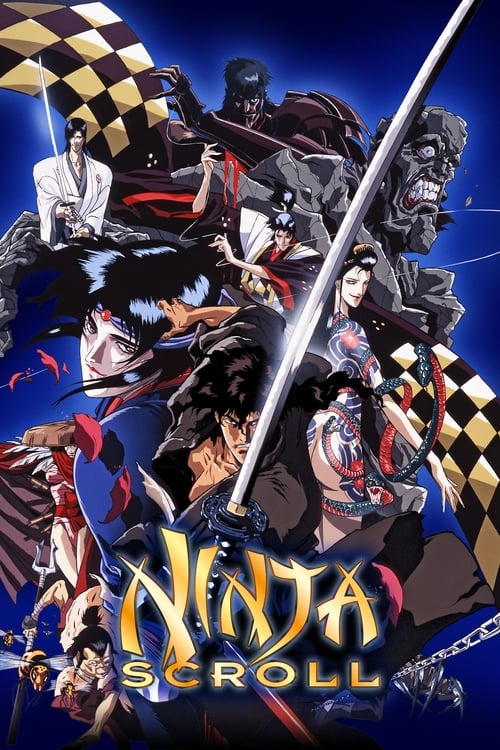
Yoshiaki Kawajiri's Ninja Scroll (1993) is the film that proved the ninja story could be genuinely great rather than merely fun. Jubei, a wandering swordsman, gets tangled with a band of grotesque elemental assassins and a poison-skinned kunoichi named Kagero, and the result is one of the most brutal, beautiful and adult pieces of hand-drawn animation ever made. The fights are inventive in a way live action could never match: a man who turns to stone, another who hides in shadows, a swordsman of impossible speed.
It is violent and bleak and does not soften its world for you. It also took the genre seriously as tragedy, not just spectacle, and three decades on nothing in the catalog has topped it.
Shinobi on screen
Anime epics and live-action dramas, from a modern spy family to a clan war

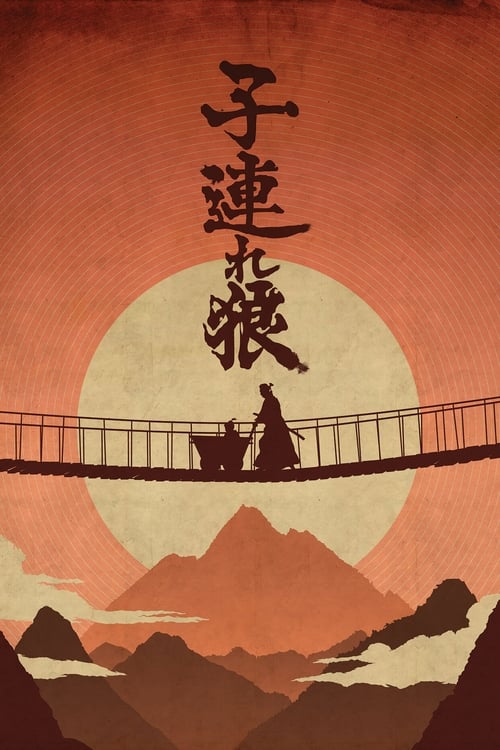
The art of the ninja is the art of being where you are not expected, and gone before you are believed.A folk gloss on the shinobi, the figure every work in this guide is chasing
Sekiro is the hardest, purest ninja simulator ever made
FromSoftware's Sekiro: Shadows Die Twice (2019) is not a stealth game and not exactly a soulslike. It is a swordfighting game built entirely around the deflection, the perfect parry that turns an enemy's blade aside and breaks their posture. But woven around that clash is the most complete ninja toolkit any game has offered: the grappling hook for vertical movement, the prosthetic arm with shuriken and firecrackers and an axe, the silent backstab that ends a hard fight before it starts. You are a shinobi who can also stand and trade steel when the moment demands it.
It is punishing, and that is the point. The fantasy here is mastery earned through repetition, the same way a real shadow-warrior would have drilled a single motion ten thousand times. When it finally clicks, no other game makes you feel this dangerous.
On the page
The ninja and the wandering swordsman are blood relatives in print, and the manga shelf is where the genre does its most serious work. Takehiko Inoue's Vagabond reimagines the life of Miyamoto Musashi as a study of violence and discipline, drawn with a brush-and-ink intensity that few comics anywhere have matched. Hiroshi Hirata's Satsuma Gishiden is grim, historical and uncompromising, a portrait of the samurai underclass that pulls no punches about what loyalty cost.
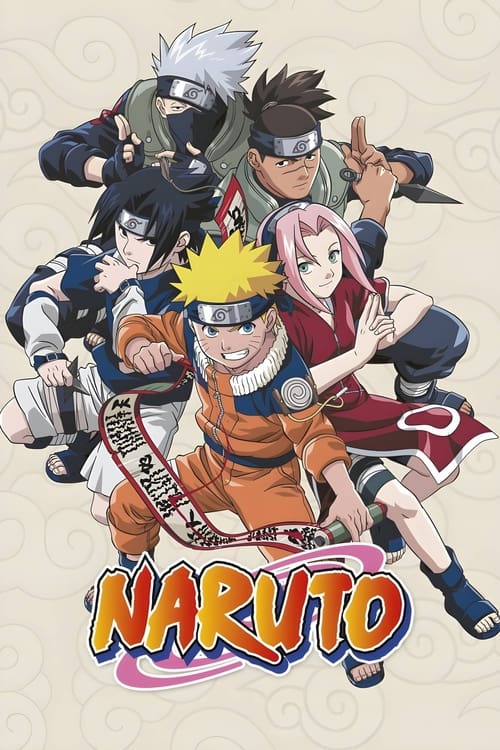
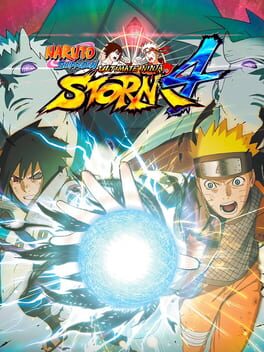
The modern face of the ninja on the page is Boruto, the continuation of the Naruto saga that turned the shinobi village into one of the best-selling franchises in publishing history. For the wider world that produced these stories, James Clavell's Asian Saga (Tai-Pan and beyond) and histories like Samurai William map the feudal and trading Japan the shadow-warriors actually moved through.
Ninja and samurai on the page
Inoue, Hirata, the Naruto lineage and the world that made them


The Turtles are the ninja the West actually grew up with
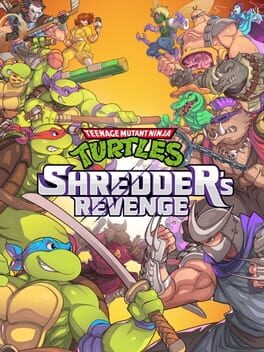
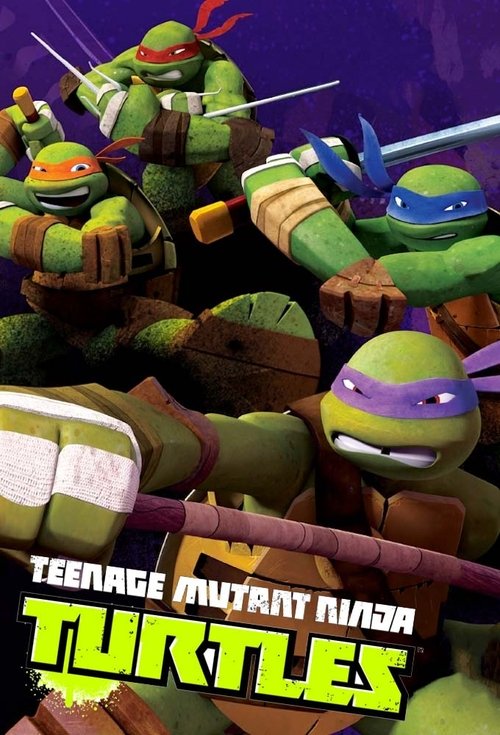
For an entire generation outside Japan, the first ninja they ever met were four mutant turtles trained by a rat. Teenage Mutant Ninja Turtles began as a gritty black-and-white comic parody and mutated into a cartoon, a film franchise and a run of beloved beat-em-up games. Strip away the pizza and the one-liners and the bones are pure shinobi: a master, a hidden clan, the masked enemy Shredder and his Foot soldiers, weapons drawn straight from the ninja arsenal.
Shredder's Revenge (2022) is the best recent argument for why this corner of the genre endures. It is a gorgeous, pixel-perfect throwback to the arcade brawlers, and it remembers that the Turtles were always a way to smuggle real ninja iconography into Saturday-morning television.
Smoke bombs and side-scrollers
The lighter, faster and stranger corners of the ninja world

The wandering blade
Chambara, lone swordsmen and the films the ninja genre grew out of