
The Godfather of Grunge Who Never Stopped Being a Folk Singer
Neil Young has been making records since 1968, and he has spent most of that time confounding anyone who thought they had him pinned. He released Harvest in 1972, a warm, string-draped country album that sold millions, then turned around and made Tonight's the Night, a wrecked late-night record about drug death and grief that his own label tried to shelve. He gave Seattle's grunge generation its battle cry with Rockin' in the Free World, then went back to acoustic campfire songs. This is not inconsistency. It is a man following the sound in his head wherever it leads.
The through-line is the guitar. On an acoustic it is intimate, searching, confessional. On a Les Paul through a Marshall stack it becomes something feral: long solos that circle a feeling rather than resolve it. His voice, high and reedy and slightly fragile, matches both modes. Underneath the music is a recurring set of preoccupations: the cost of fame, the precariousness of the natural world, the way the American West opens up and also isolates, the dead friends, the lost loves, the political fury at what gets sold off or poisoned.
A Neil Young fan lives in the tension between the beautiful and the broken. The songs can be ravishing and they can be difficult, sometimes in the same four minutes. That pull toward the raw and the unresolved connects Young to a wide range of other artists and storytellers working in the same register across every medium.
Essential Neil Young
The records every fan needs, in rough chronological order
Start with Rust Never Sleeps, Not Harvest
Everyone gets handed Harvest first, and it is a great record, but it can mislead new listeners into thinking Young is primarily a gentle acoustic balladeer. Rust Never Sleeps from 1979 is the better entry point precisely because it holds both sides in one place: side one is quiet and stark, side two is an extended electric assault. The closing track, 'Hey Hey, My My', makes the whole argument in four minutes. After that record, you know who you are dealing with.
Restless Americana: Songwriters Who Go Their Own Way
Artists with the same refusal to stay comfortable
Electric and Distorted: Rock That Earns Its Noise
The feedback lineage Young helped create
Tonight's the Night Is the One That Lasts
Tonight's the Night was recorded in 1973 after two of Young's associates died of heroin overdoses, and it sounds like it. The playing is loose and sometimes wrong. The mood never lifts. Young made it as an act of mourning, not as a commercial record, and Reprise did not want to release it. It sat in a vault for two years. When it finally came out, critics did not know what to do with it. Now it is regarded as one of the rawest and most emotionally honest rock records ever made. It rewards the patience the first few listens require.
The Documentary Lens: Music, Land, and Conscience on Film
Films that share Young's combination of beauty, fury, and raw footage
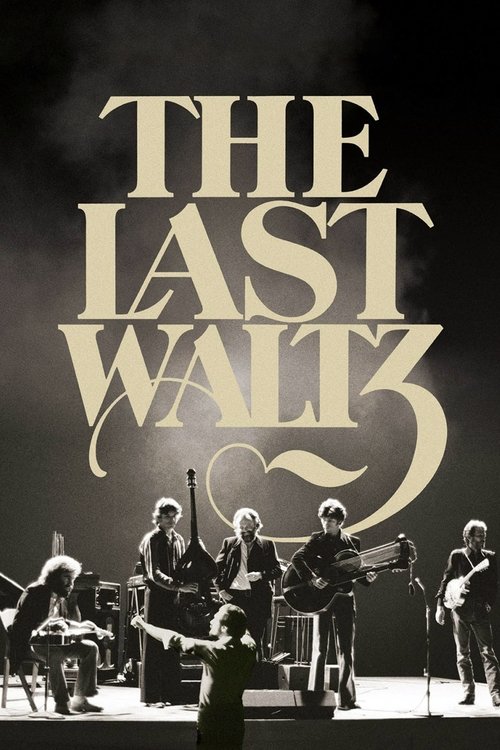

The Last Waltz Is the Concert Film That Set the Standard
Martin Scorsese filmed The Band's 1976 farewell concert with the kind of camera attention usually reserved for narrative features, and the result changed what a concert film could be. For Young fans it is also simply a great place to watch him perform alongside peers of equal stature. His cameo is brief and slightly chaotic, which is to say it is entirely in character. If you have never seen it, this is where the music documentary tradition begins.
Open Road, Open Land: Books and Games with the Same Horizon
The landscape as protagonist, the journey as meaning


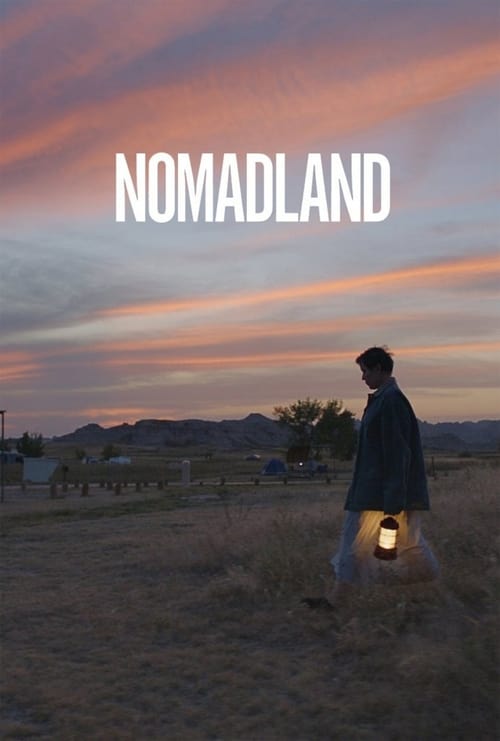
Cormac McCarthy Writes the Way Young Plays
The comparison sounds odd until you sit with it. McCarthy's prose is stripped to the bone and then something unexpected emerges from that austerity, violent and beautiful and relentless. His landscapes feel morally weighted, the land itself making a judgment. Young's guitar solos work the same way: spare enough that each note costs something, long enough that the feeling has nowhere to hide. Blood Meridian and The Road both have the same unsparing quality as Tonight's the Night. Start with The Road if you want the entry point that is hardest to put down.
It's better to burn out than to fade away.Neil Young, Hey Hey, My My (Into the Black), 1979
Neil Young: A Career in Key Moments
- 1966Joins Buffalo Springfield in Los Angeles Buffalo Springfield Again
- 1968Releases self-titled debut solo album Neil Young
- 1969Joins Crosby, Stills and Nash; Woodstock performance
- 1970After the Gold Rush establishes his solo identity After the Gold Rush
- 1972Harvest becomes his biggest-selling album Harvest
- 1974On the Beach: the album his label hated and fans took decades to find On the Beach
- 1975Tonight's the Night finally released after two years in the vault Tonight’s the Night
- 1979Rust Never Sleeps: acoustic and electric, one record Rust Never Sleeps
- 1989Freedom and Rockin' in the Free World spark the grunge generation
- 1990Ragged Glory: full noise with Crazy Horse Ragged Glory
- 1992Harvest Moon: reflective acoustic sequel to Harvest Harvest Moon
- 2012Psychedelic Pill: sprawling, uncompromising late-career statement Psychedelic Pill
- 2022Removes music from Spotify over COVID misinformation concerns