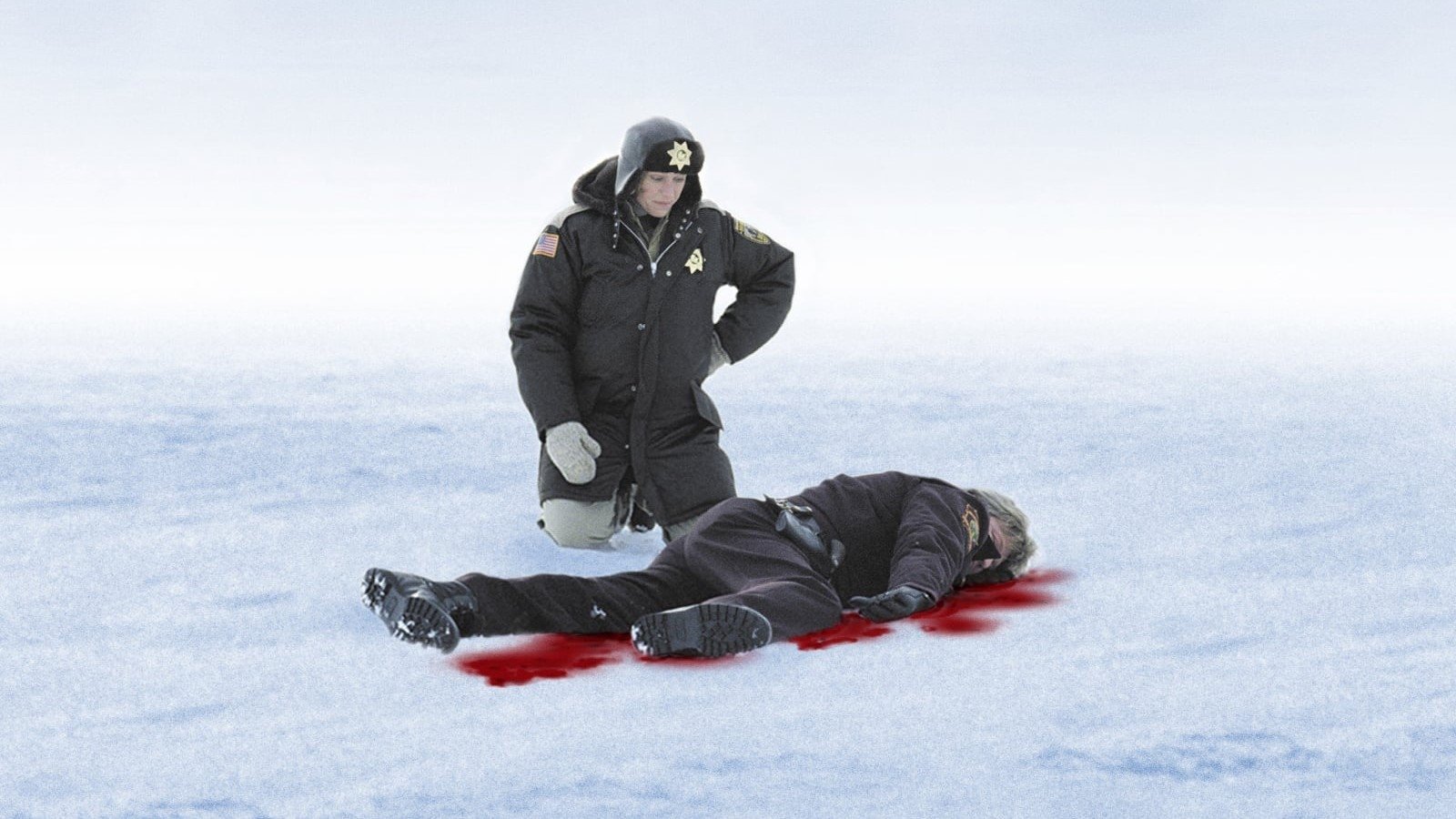

No Country for Old Men (2007) is built on a single, uncomfortable idea: some forces cannot be bargained with, outrun, or explained. The Coen Brothers adapted Cormac McCarthy's novel with almost no music and almost no mercy, letting Anton Chigurh function as pure consequence rather than villain. Llewelyn Moss finds money. Ed Tom Bell finds he no longer understands the world he is supposed to protect. What a fan of this film chases is that specific combination: immaculate craft, a story that refuses easy catharsis, and a moral weight that lingers for days. The works below earn the same feeling.
The Coen Brothers: the same uncompromising eye
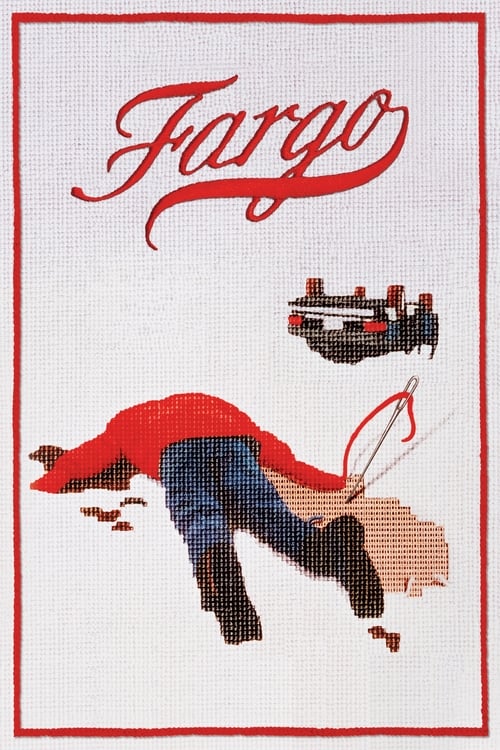
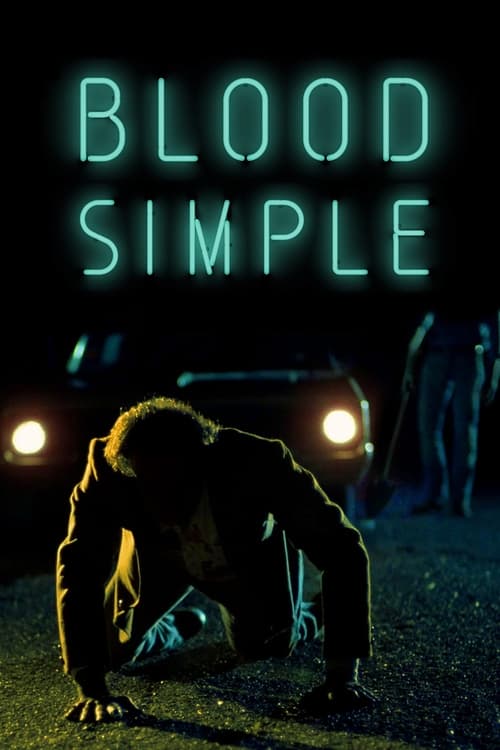
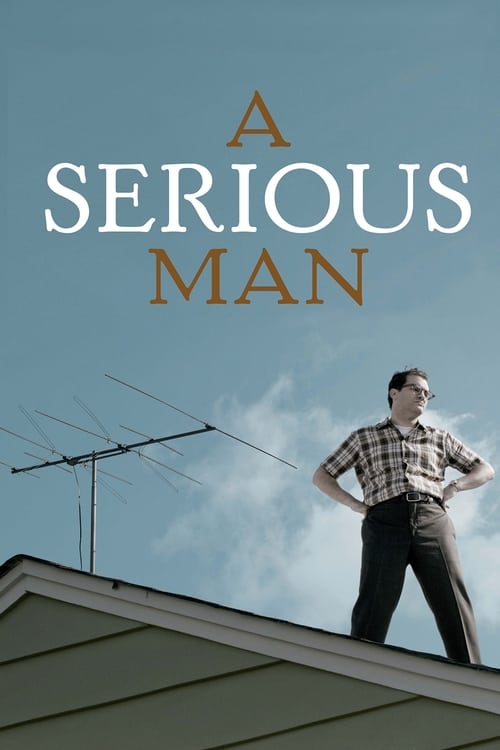
Films by Joel and Ethan Coen that share the craft and moral seriousness
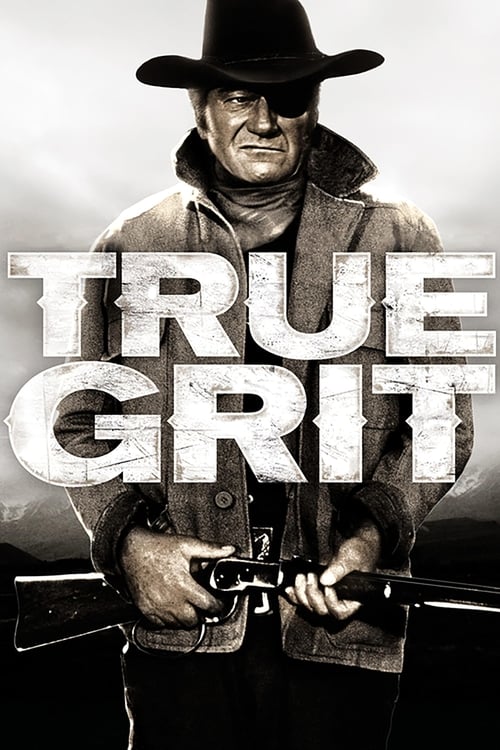
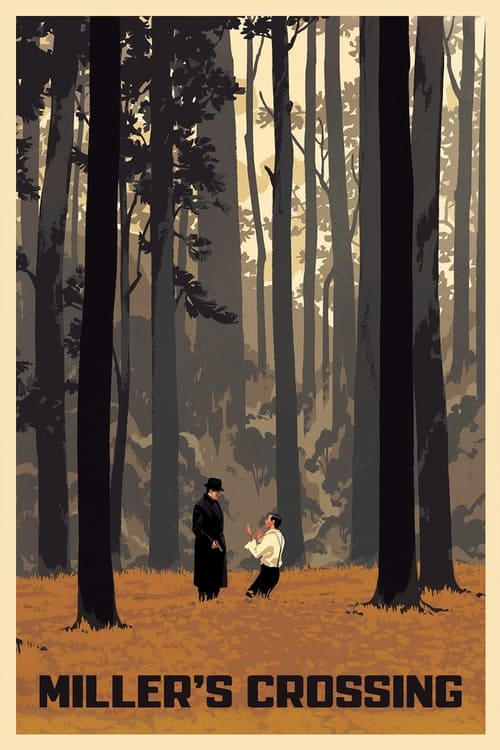
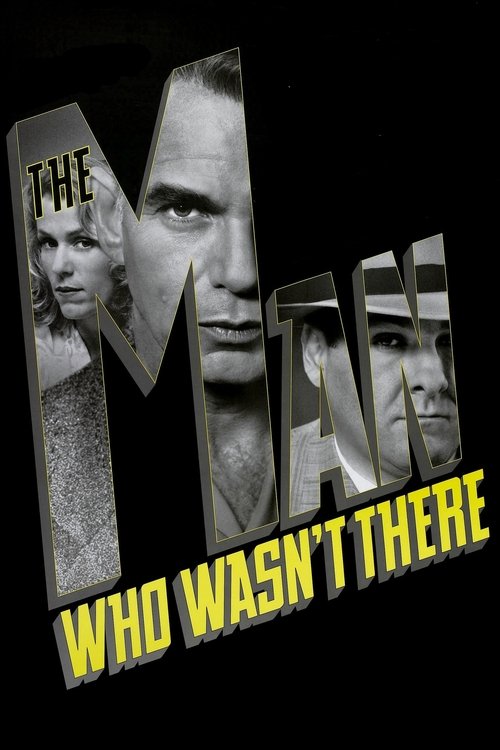
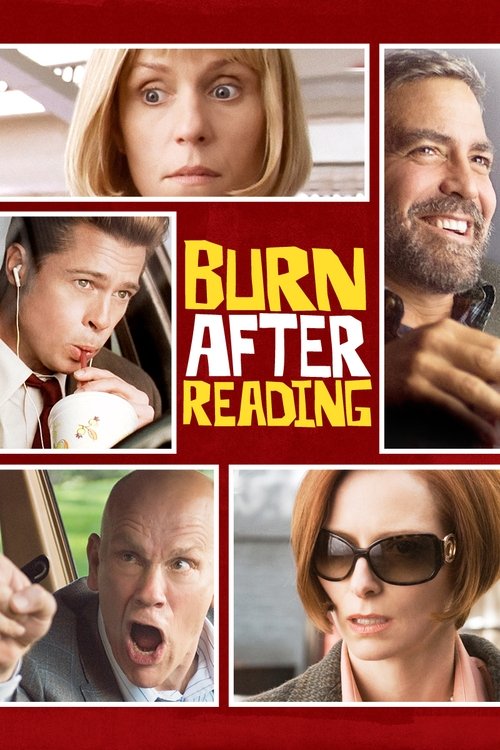
Same vein: violence, dread, and moral weight
Films that hold the same cold, unblinking gaze at human danger
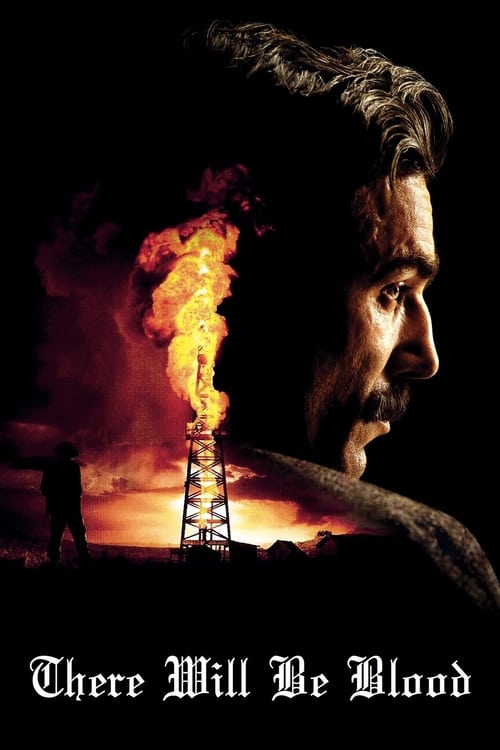
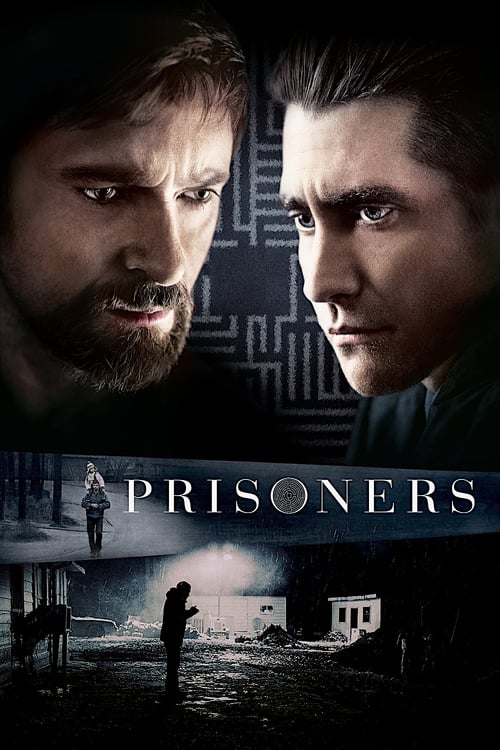
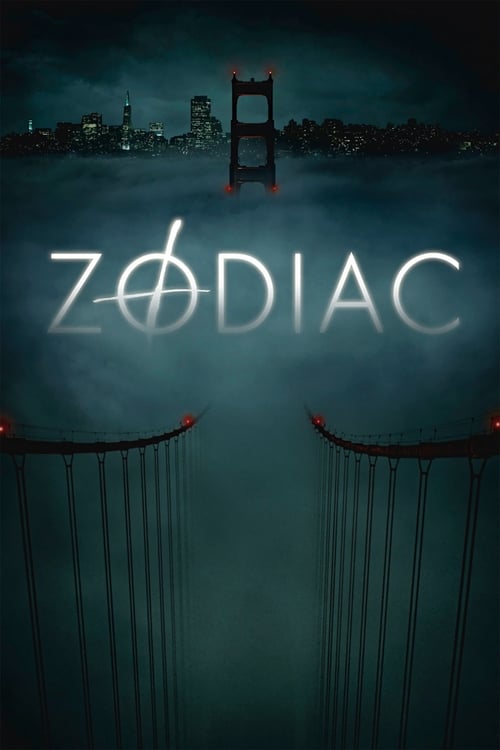
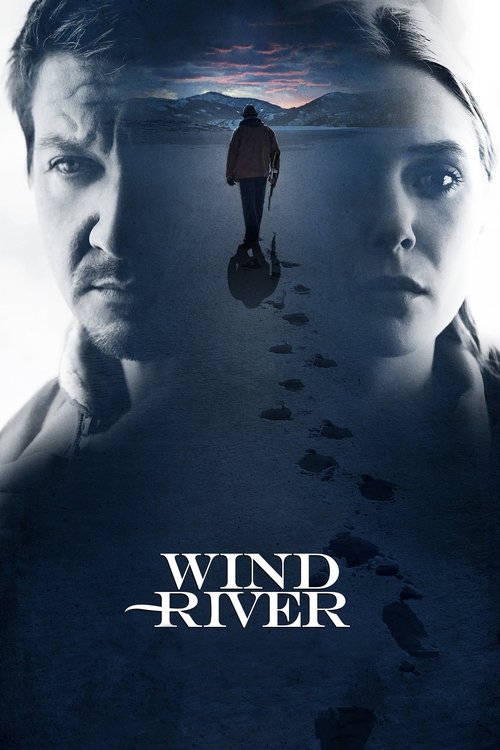
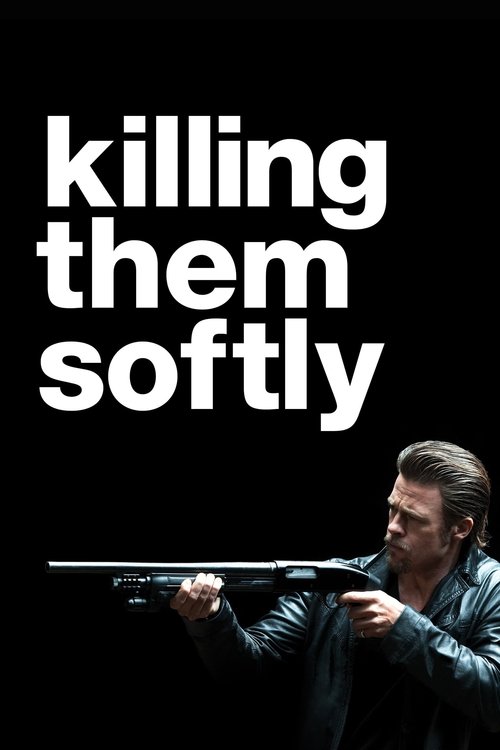
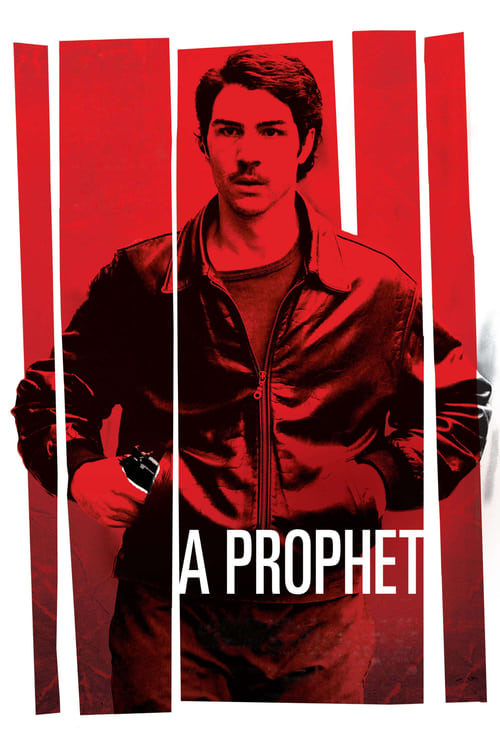
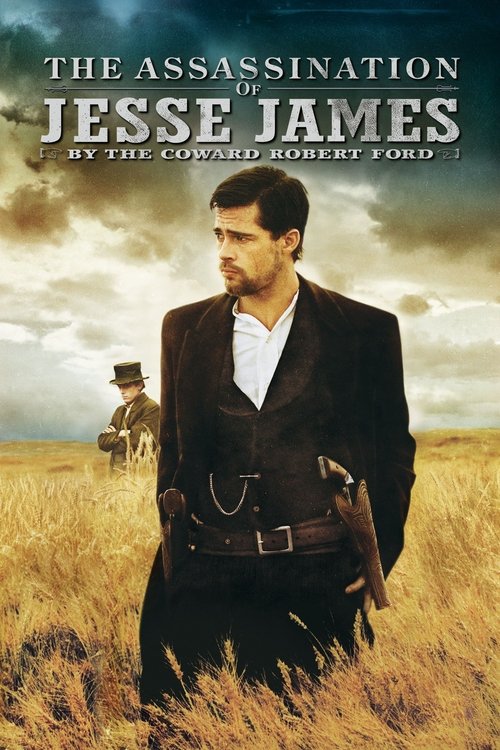
Series that live in the same moral territory
TV that shares the landscape: crime, consequence, and creeping dread

Cormac McCarthy and the novels that built this world
The source novel and books that share its brutal, lyrical gravity


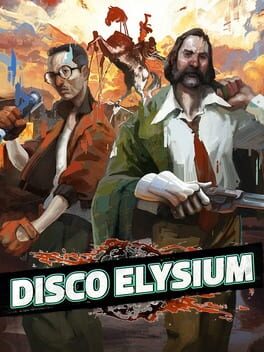
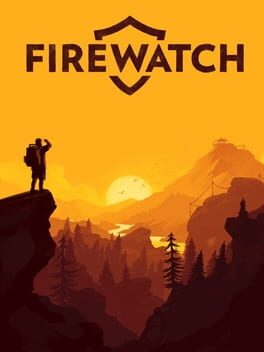
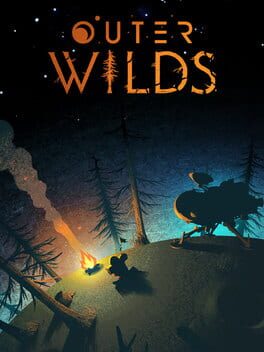
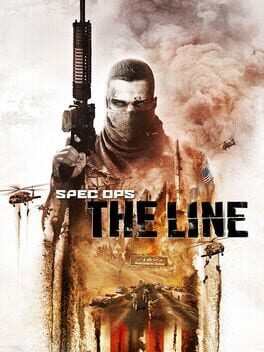
Games that trade in the same tension
Games built on dread, isolation, and the cost of violence
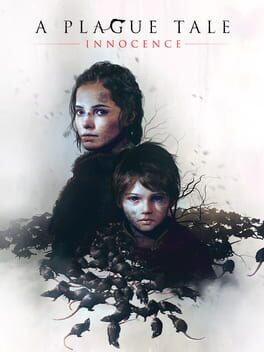
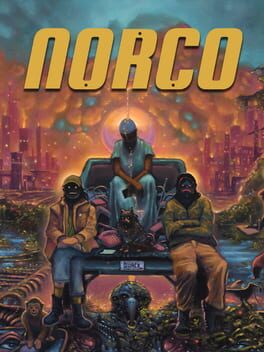
Anton Chigurh is not a monster. He is a principle.
Most thriller antagonists can be stopped by the right combination of luck and cleverness. Chigurh cannot. The Coens and Javier Bardem present him not as a sadist enjoying the work, but as something closer to logic itself: a man who decided what the world is and then became consistent with that decision. That is what makes the film philosophically unnerving rather than simply violent. Ed Tom Bell's final monologue is not a eulogy for a lost case. It is a man admitting that the world was never what he thought it was.
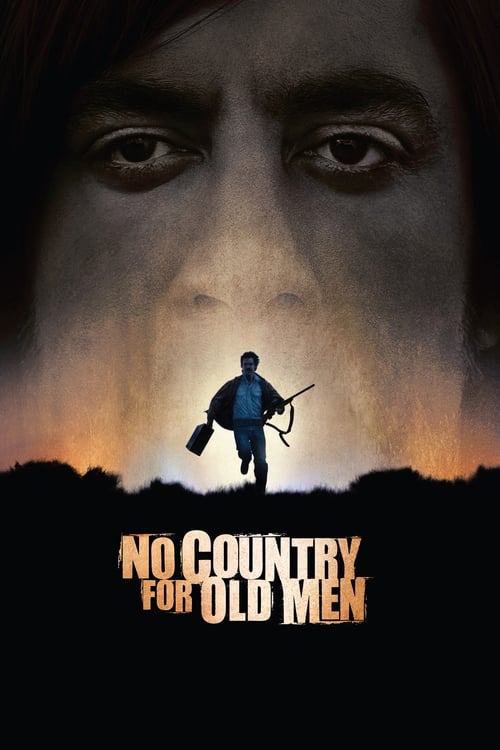
McCarthy's West Texas is a character.
The landscape in the film is not backdrop. The flat light, the dust, the distance between human beings: these are load-bearing. The Coens shot on location in New Mexico and West Texas with Roger Deakins, who won nothing for it at the time and deserved everything. The emptiness communicates that no one is coming to help, that the rules of civilization are thin, and that whatever happens here will not be witnessed. McCarthy's novel does the same work with prose stripped of quotation marks and sentiment.

The coin toss is not about fate. It is about refusal.
Chigurh's coin tosses have been read as a commentary on fate, on randomness, on nihilism. But the more interesting reading is simpler: he offers people the coin because he does not want to make the decision himself. He has constructed a personal philosophy and the coin is how he maintains it without having to feel its weight. When Carla Jean refuses to call it, she refuses to participate in that philosophy. It is the most defiant act in the film. It costs her everything and it is the moral center of the story.
From the novel to the cultural benchmark
- 2005Cormac McCarthy publishes the novel No country for old men
- 2007Coen Brothers adaptation releases No Country for Old Men
- 2008Four Academy Awards including Best Picture, Director, and Supporting Actor
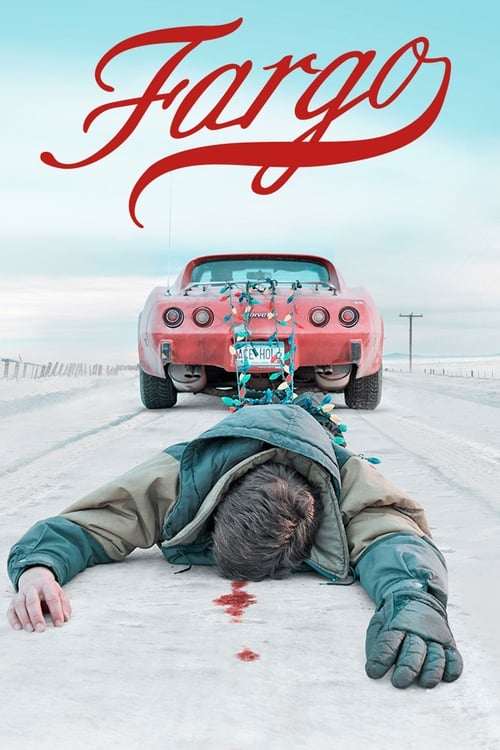
- 2012Fargo TV series in development, directly citing No Country's DNA Fargo
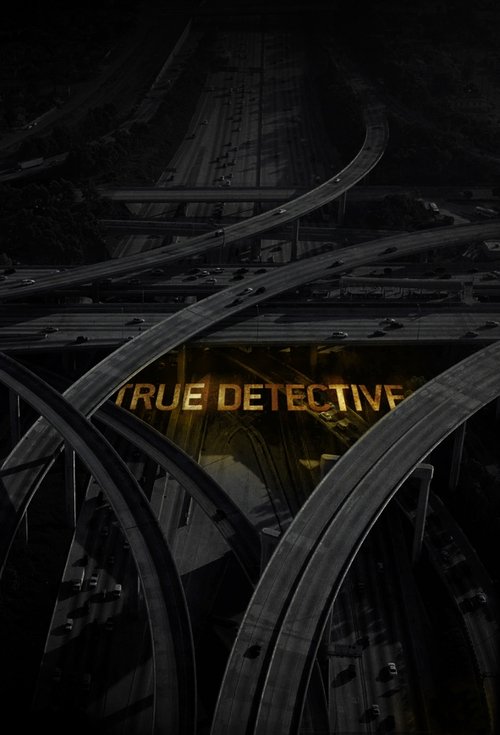
- 2013True Detective created by Nic Pizzolatto, same Southern Gothic moral dread True Detective
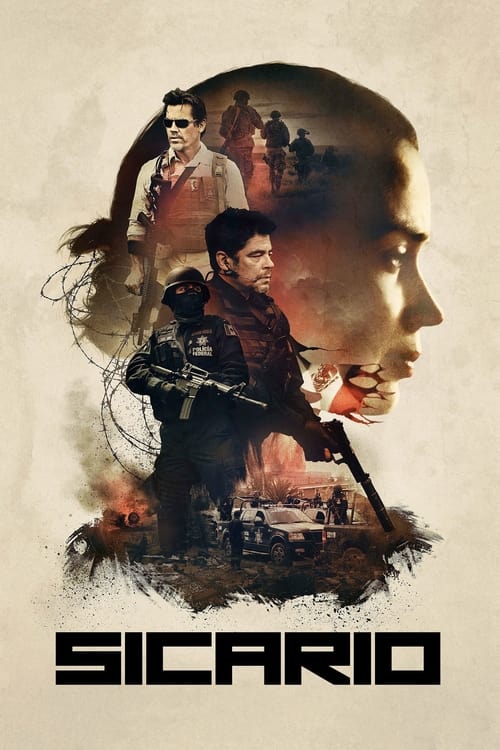
- 2015Sicario channels the same Southwest brutality and moral ambiguity Sicario
- 2022McCarthy's final novels The Passenger and Stella Maris published The Passenger
Frontier dread, unstoppable menace, manhunts
For Fans of Cormac McCarthy
Explore the For Fans of Cormac McCarthy guide →What you got ain't nothin new. This country is hard on people. You can't stop what's coming.Sheriff Ed Tom Bell, No Country for Old Men