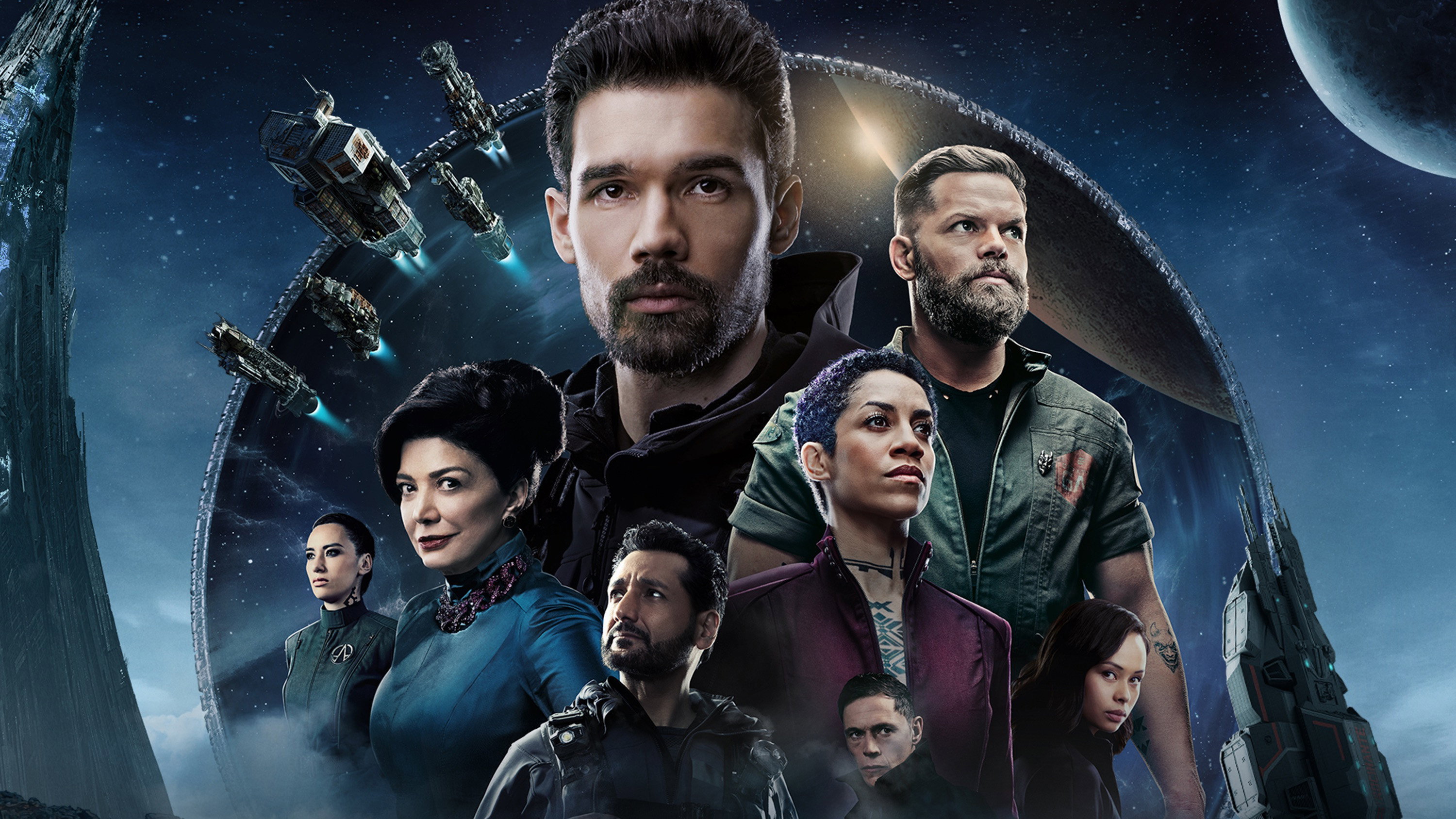

The Expanse earns its reputation the hard way: no artificial gravity, no warp drives, no alien-invasion shortcuts. What it offers instead is a solar system two centuries from now that operates like a real place with real stakes. The Belt is an exploited labor colony. Mars is a nationalist military power. Earth is an overcrowded bureaucracy. And between all three, a conspiracy involving an alien protomolecule threatens to shatter the fragile balance. The show ran six seasons (Syfy, then Amazon) and adapted the first six of James S.A. Corey's nine-novel series, finishing at a genuine narrative conclusion. The through-line a fan loves: politics that never lets anyone be simply right or wrong, physics that makes space genuinely dangerous, and characters whose loyalties shift because the world is that complicated.
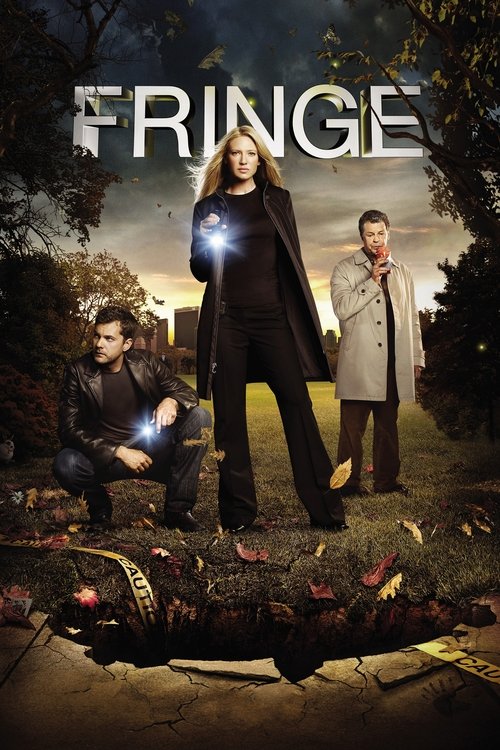
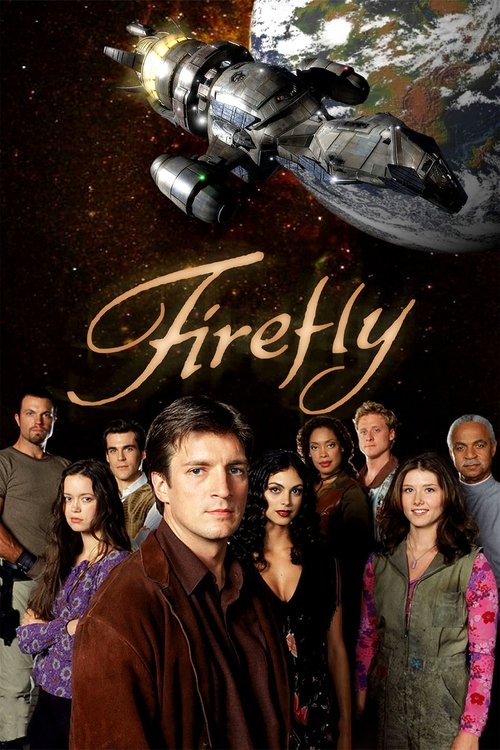
If you love The Expanse: Hard Sci-Fi TV
Series that treat science, politics, and consequences with the same seriousness
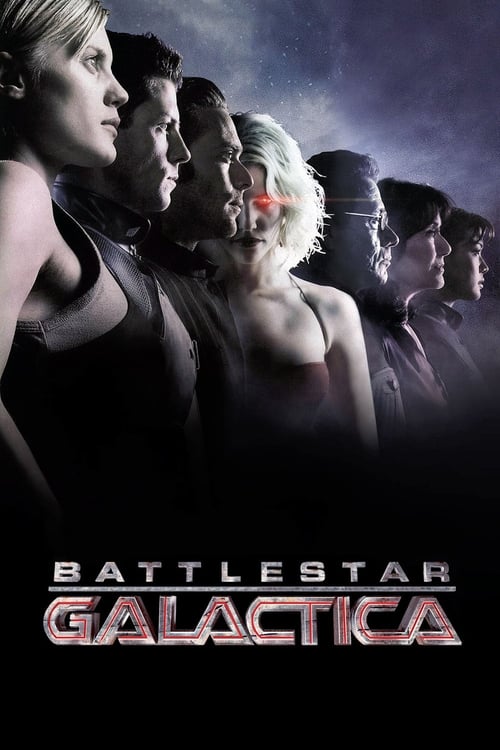
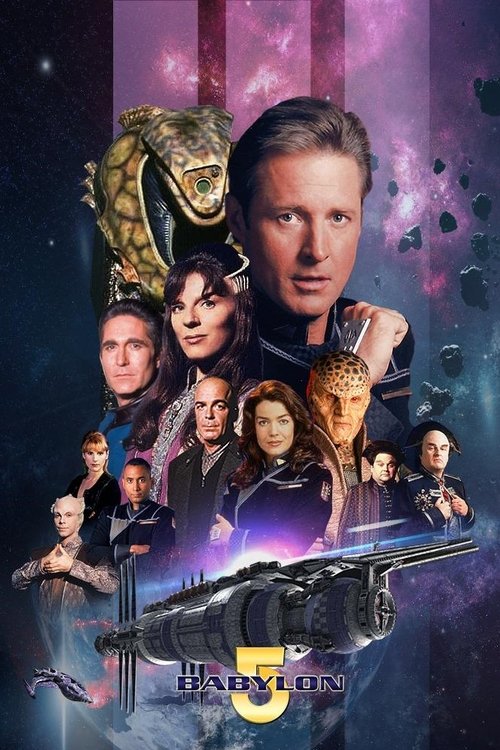
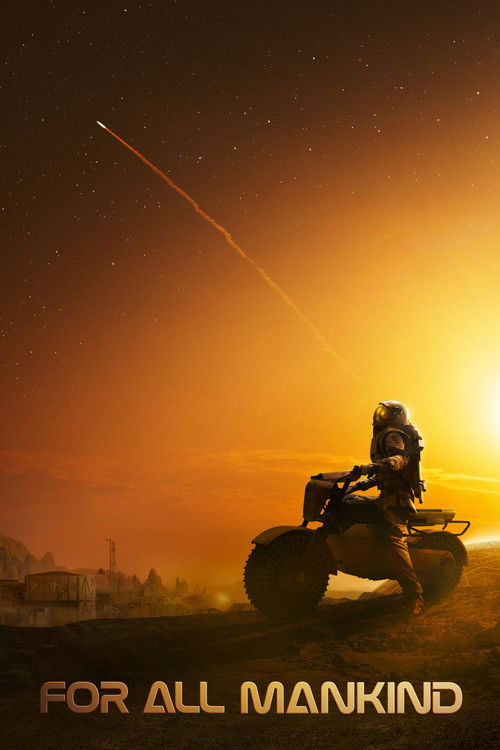
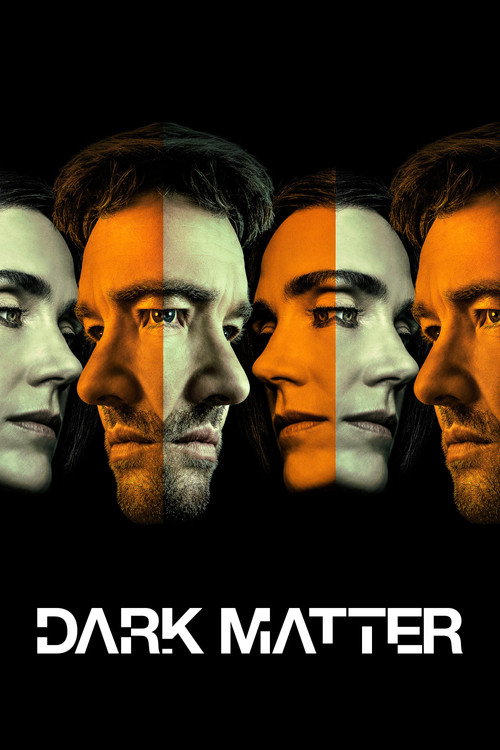
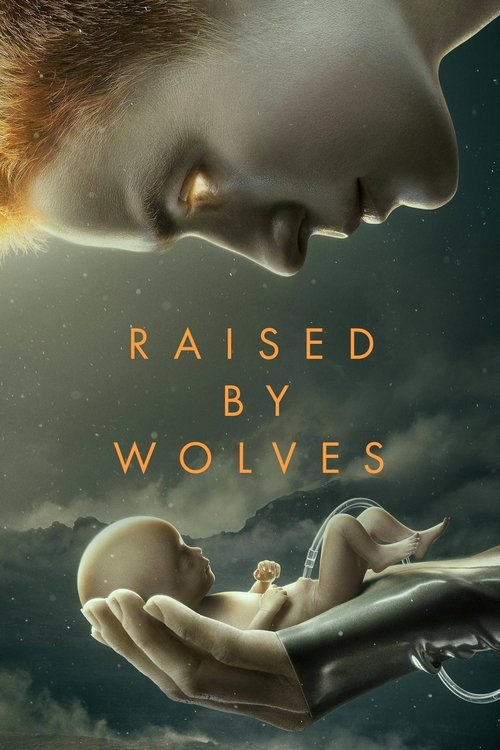
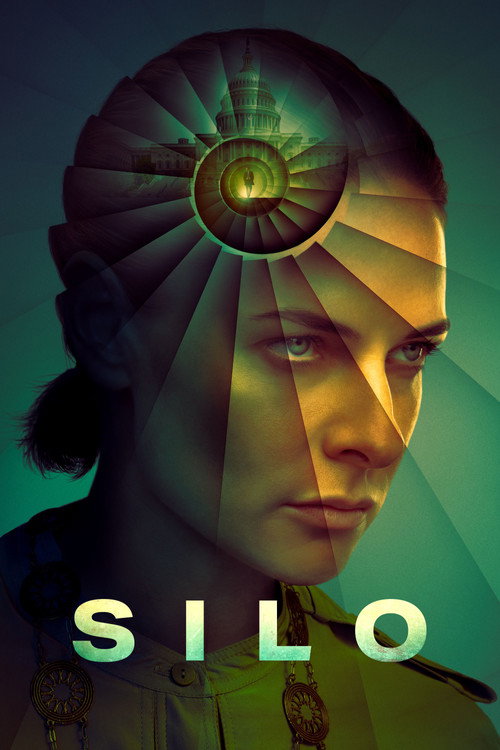
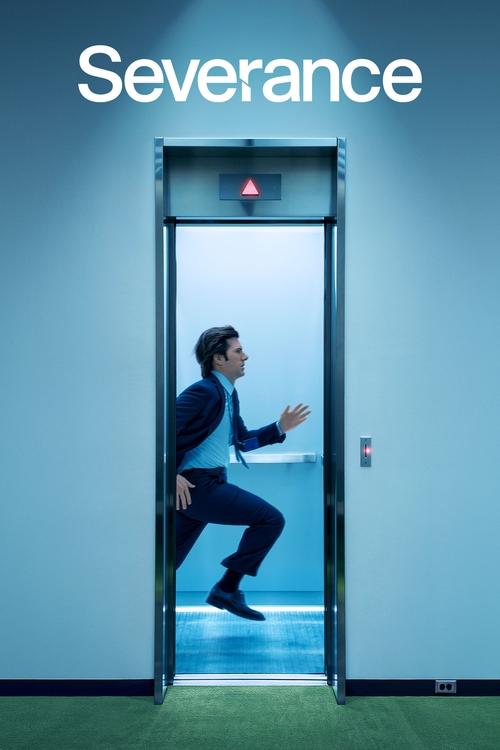

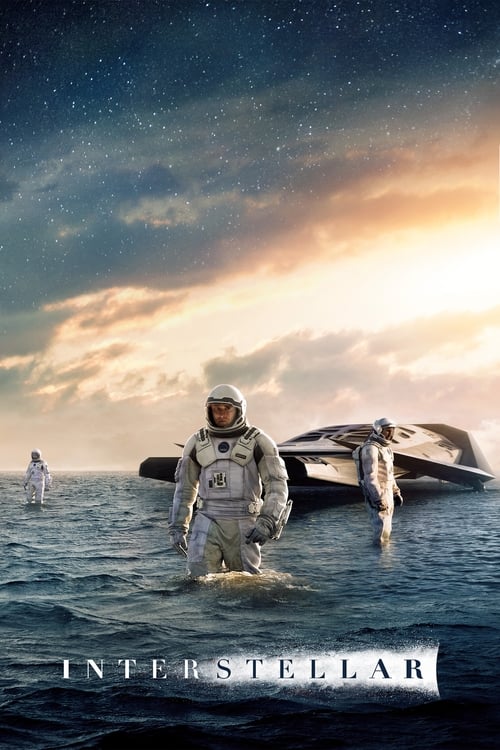
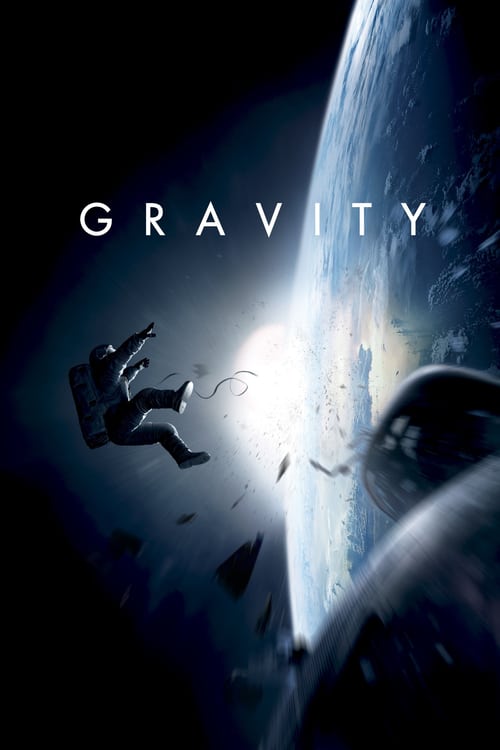
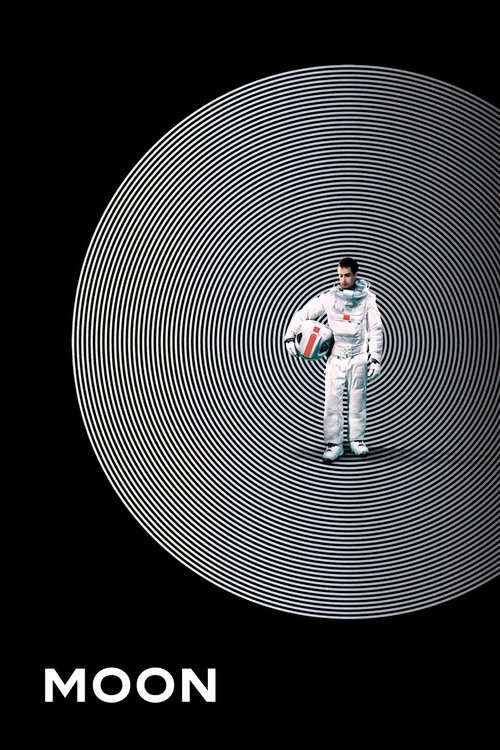
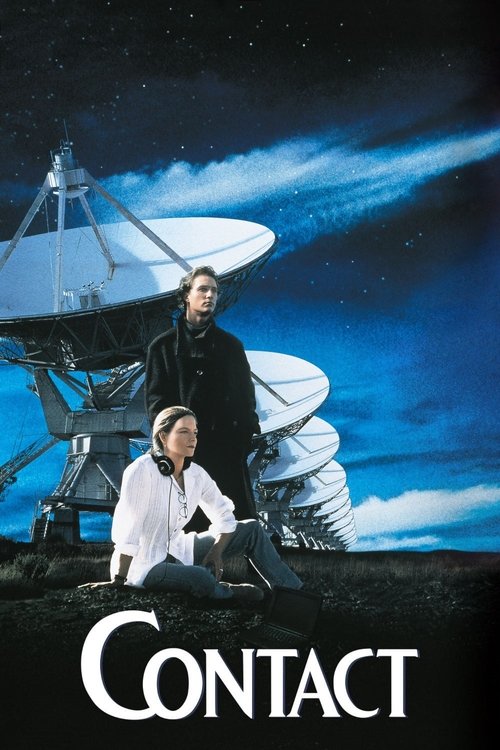
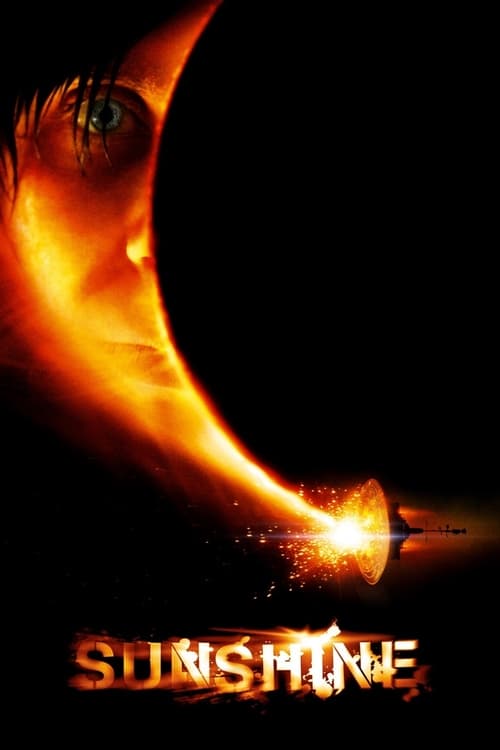
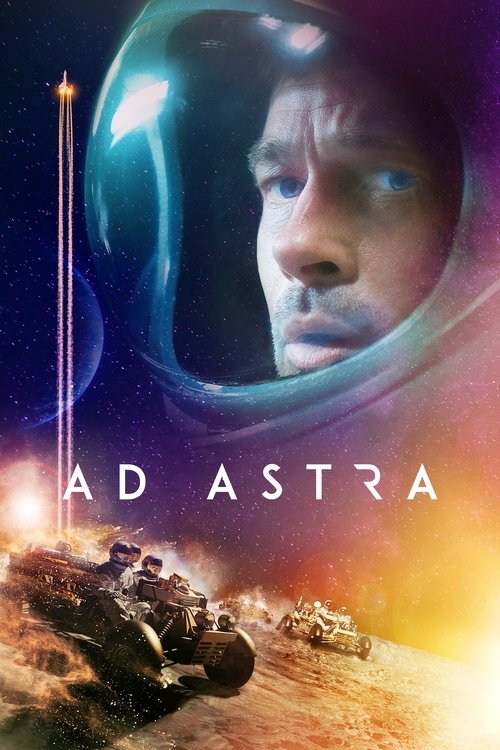
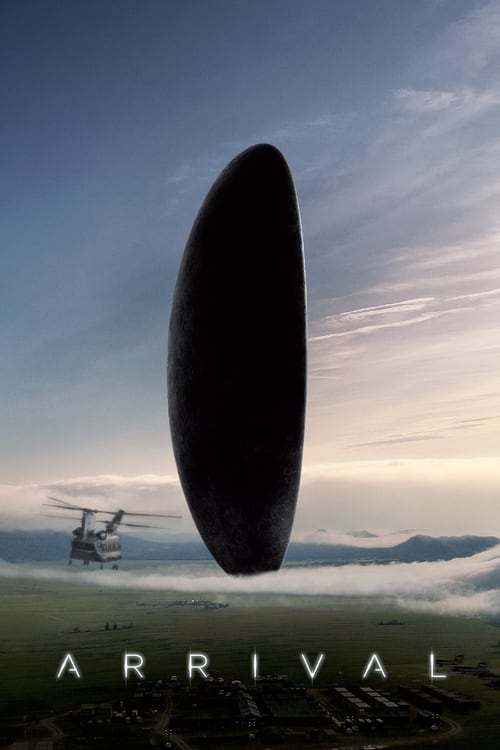
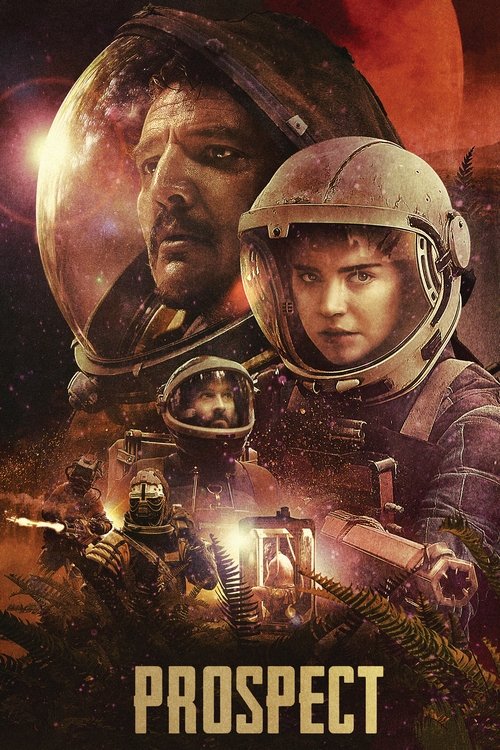
If you love The Expanse: Space Realism on Film
Films that share the show's commitment to plausible physics and human cost

If you love The Expanse: The Source Novels and Their Kin
The books the show is based on, plus hard SF novels with the same political weight


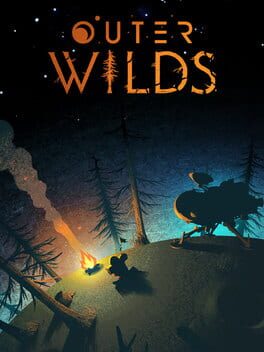
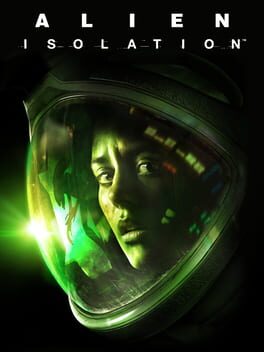
If you love The Expanse: Games That Live in the Same Space
Games with hard-SF systems, resource politics, or survival in hostile space


The Belt Is the Point
Most space operas treat the working class as scenery. The Expanse makes Belters the moral center. Their creole dialect, their physiological differences from Earthers and Martians, their organized labor grievances filtered through the OPA: all of it reads as genuine sociology, not flavor text. The show's best political argument is that resource scarcity always produces hierarchy, and hierarchy always produces resistance.
Physics as Consequence, Not Background
The Expanse consulted with physicists and aerospace engineers, and it shows in ways other sci-fi series never bother with: thrust gravity, the Epstein drive as a world-shaping invention, the lethal reality of a railgun round in space. When characters die here, it is from decompression and g-force, not convenient plot torpedoes. That commitment creates a universe where every fight matters because the margins are real.
No Heroes, Only Positions
James Holden spends six seasons wanting to do the right thing and being wrong about what that means at least half the time. Avasarala operates from pure political realism. Drummer builds loyalty and watches it fracture under pressure. The Expanse borrows its moral framework from literary SF: systems determine behavior, and good people can serve terrible systems. It is not nihilism, it is grown-up storytelling.
The Best Adaptation a Novel Could Ask For
The show compresses and reorders James S.A. Corey's books without losing what makes them essential. Some characters appear earlier, some plotlines are woven together, but the moral architecture survives intact. It is a rare example of adaptation as genuine collaboration rather than strip-mining source material for plot. Readers find the show a worthy companion; viewers discover the novels add dimension rather than just repeating scenes.
The Expanse at a Glance
- 2011Leviathan Wakes published, the first novel in the series Leviathan
- 2015TV adaptation premieres on Syfy, covering roughly the first novel
- 2017Season 3 adapts Abaddon's Gate, widely considered the show's peak The Expanse
- 2018Syfy cancels; Amazon picks it up after a fan campaign keeps it alive
- 2019Season 4 debuts on Amazon Prime Video, adapting Cibola Burn
- 2021Season 5 adapts Nemesis Games, the most personal and devastating arc
- 2022Season 6 concludes the Amazon run; authors continue the novel series Leviathan Falls
Hard sci-fi across the solar system
Space Opera
Explore the Space Opera guide →Space isn't the frontier. People are the frontier. And the Belt has been paying for everyone else's exploration since day one.The Expanse