
Oscar Wilde wrote in a period that wanted propriety and gave it fireworks instead. His plays crackle with epigrams so sharp they still cut; his novel reads like a fever dream about beauty's cost; his fairy tales carry genuine grief beneath their gilded surfaces. What ties a Wilde fan together is a taste for ideas delivered with style: prose that performs even when it whispers, characters who know they are performing, and a moral seriousness smuggled inside apparent frivolity. Whether you follow him into Victorian comedy, Gothic fiction, aestheticist poetry, or the films and series that keep reinventing his world, the through-line is the same: intelligence that refuses to be boring.
Essential Oscar Wilde
The works that define his voice, from the stage to the page
![The picture of Dorian Gray [adaptation]](https://covers.openlibrary.org/b/id/14314474-L.jpg)


Wilde on Screen
Film and television adaptations that bring his wit and tragedy to life

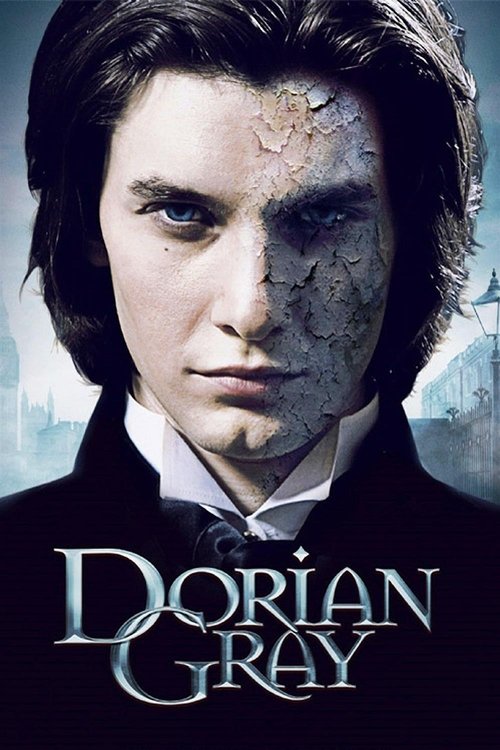

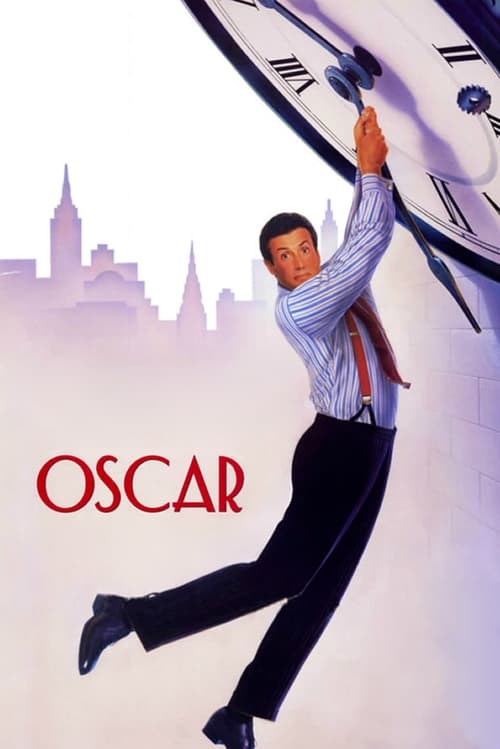
Victorian Wit and Social Comedy
If you love Wilde's skewering of polite society, try these kindred spirits in fiction and film


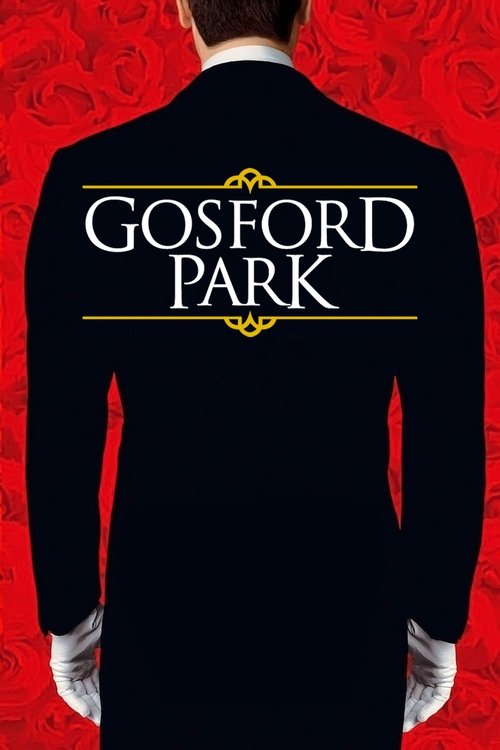
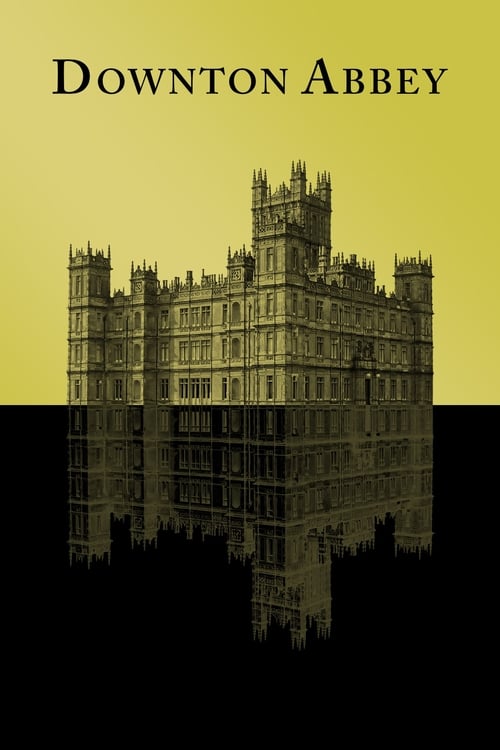
Aesthetes, Decadents, and Beautiful Dangers
Books that share Wilde's belief that art and sensation are the only things worth living for



Gothic Doubles and Dark Mirrors
The terror beneath the elegance: fiction where beauty hides rot


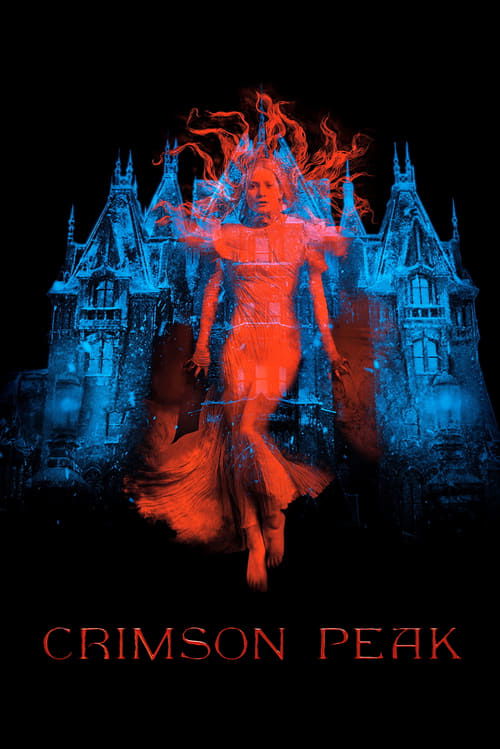
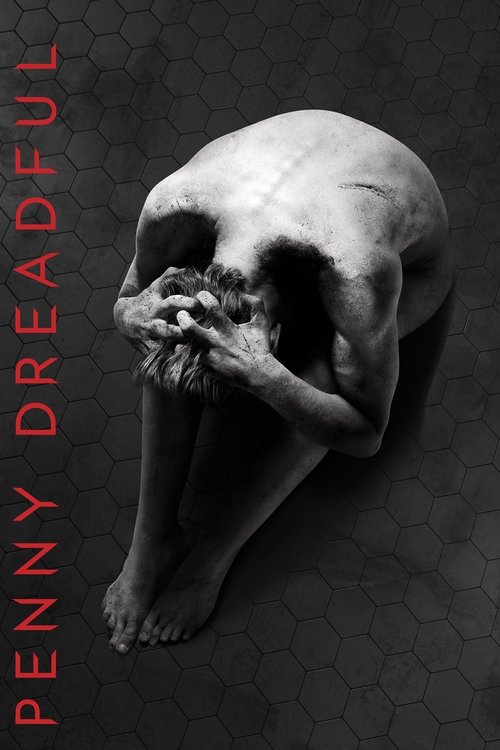
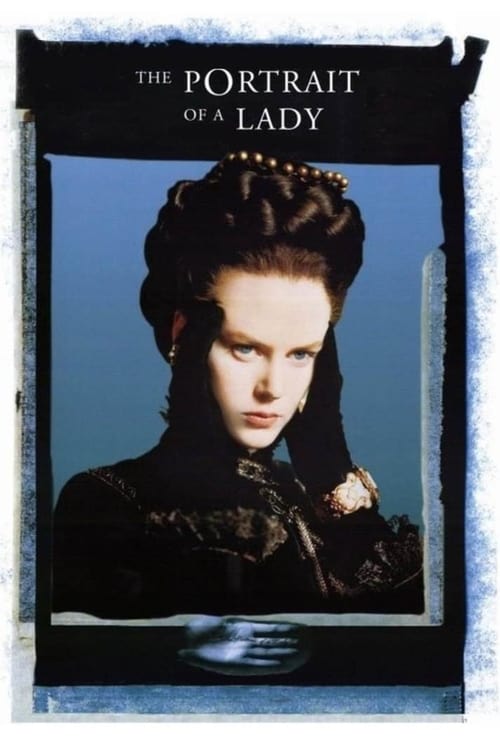
Games of Identity and Performance
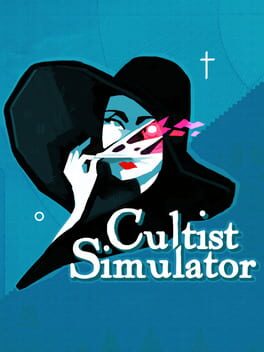
Games where persona, mask, and role-play are at the heart of the experience


Dorian Gray is Wilde's only novel, and it is enough
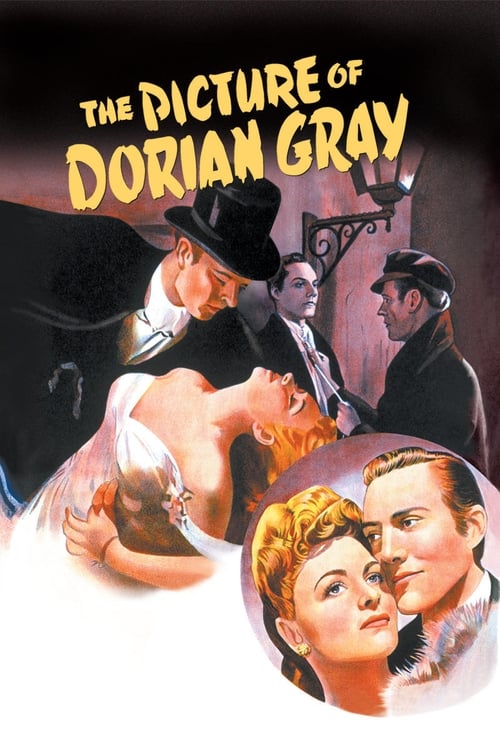
The Picture of Dorian Gray has been called a Gothic novel, a philosophical fable, an aestheticist manifesto, and an indictment of its own author's beliefs. It is all of these at once. Lord Henry Wotton dispenses aphorisms like a man who has never had to live with the consequences of one; Basil Hallward loves Dorian with a sincerity that condemns him. The portrait is the mechanism, but the real subject is what it costs to treat life as a work of art and other people as accessories to it. Wilde wrote the novel in a single sustained burst and then spent years distancing himself from it. He should not have worried: the book is more honest than he perhaps intended.
The fairy tales are the darkest thing he wrote
The Happy Prince seems like a story for children. A gilded statue gives away his gold leaf and jeweled eyes, piece by piece, to the poor. A swallow stays to help until winter kills it. Wilde wrote this while his sons were young, but the grief inside it belongs to an adult who has been paying attention. The giant who builds a wall around his garden to keep children out, the fisherman who trades his soul for a mermaid's love: these are parables about what happens when beauty is hoarded or when the self becomes more important than connection. Read alongside the plays, they reveal that Wilde's wit was always in conversation with a quieter, more wounded register.

Earnest set the template for the comedy of manners and never stopped being funny
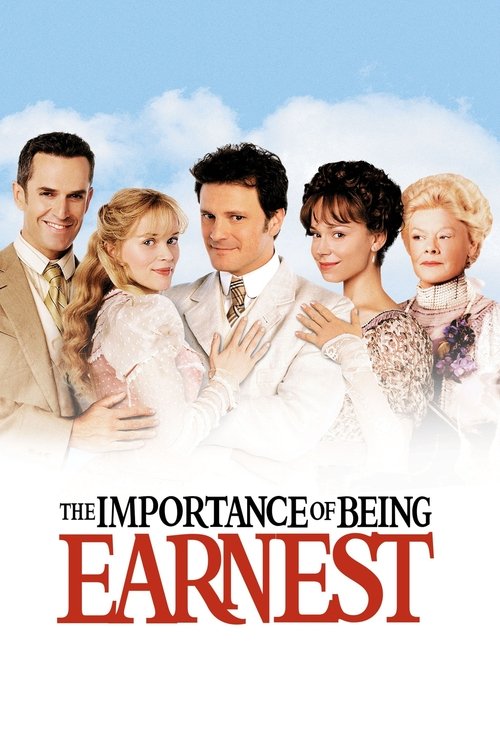
The Importance of Being Earnest runs on a very specific engine: characters who take trivial things with deadly seriousness and serious things with complete lightness. Gwendolen and Cecily argue over the moral superiority of the name Ernest; Jack and Algernon construct elaborate fictional alter-egos to escape social obligation. Wilde wrote it in three weeks and called it a trivial comedy for serious people, which is exactly right. The comedy holds because the social world being satirized is itself absurd: a world where a man's eligibility depends on who his parents were, where a woman's diary is her only honest record. Nearly every drawing-room comedy since has borrowed something from this play without always knowing it.
Oscar Wilde: A Life in Works
- 1881First collection of poems published, establishing Wilde as a figure of the Aesthetic Movement Poems
- 1888The fairy tales appear, beloved by children and adults for very different reasons
- 1890Dorian Gray published in Lippincott's Monthly Magazine; expanded into a novel the following year The picture of Dorian Gray [adaptation]
- 1891Salome written in French; the English translation would be illustrated by Aubrey Beardsley
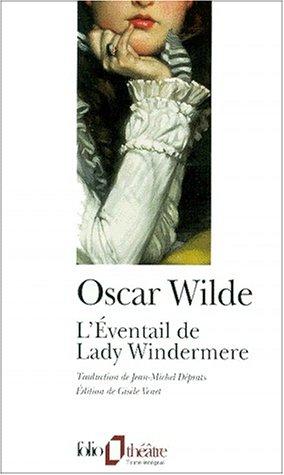
- 1892Lady Windermere's Fan opens in London to great success Lady Windermere's Fan
- 1893A Woman of No Importance follows, cementing his reputation as the leading comic playwright of his era
- 1895The Importance of Being Earnest opens in February; Wilde is arrested in April on charges of gross indecency The Importance of Being Iceland
- 1897De Profundis, a long letter to Lord Alfred Douglas, written during his imprisonment at Reading Gaol
- 1898The Ballad of Reading Gaol published after his release, his last major work
Victorian wit and gothic shadow
Victorian London
Explore the Victorian London guide →We are all in the gutter, but some of us are looking at the stars.Oscar Wilde, Lady Windermere's Fan (1892)