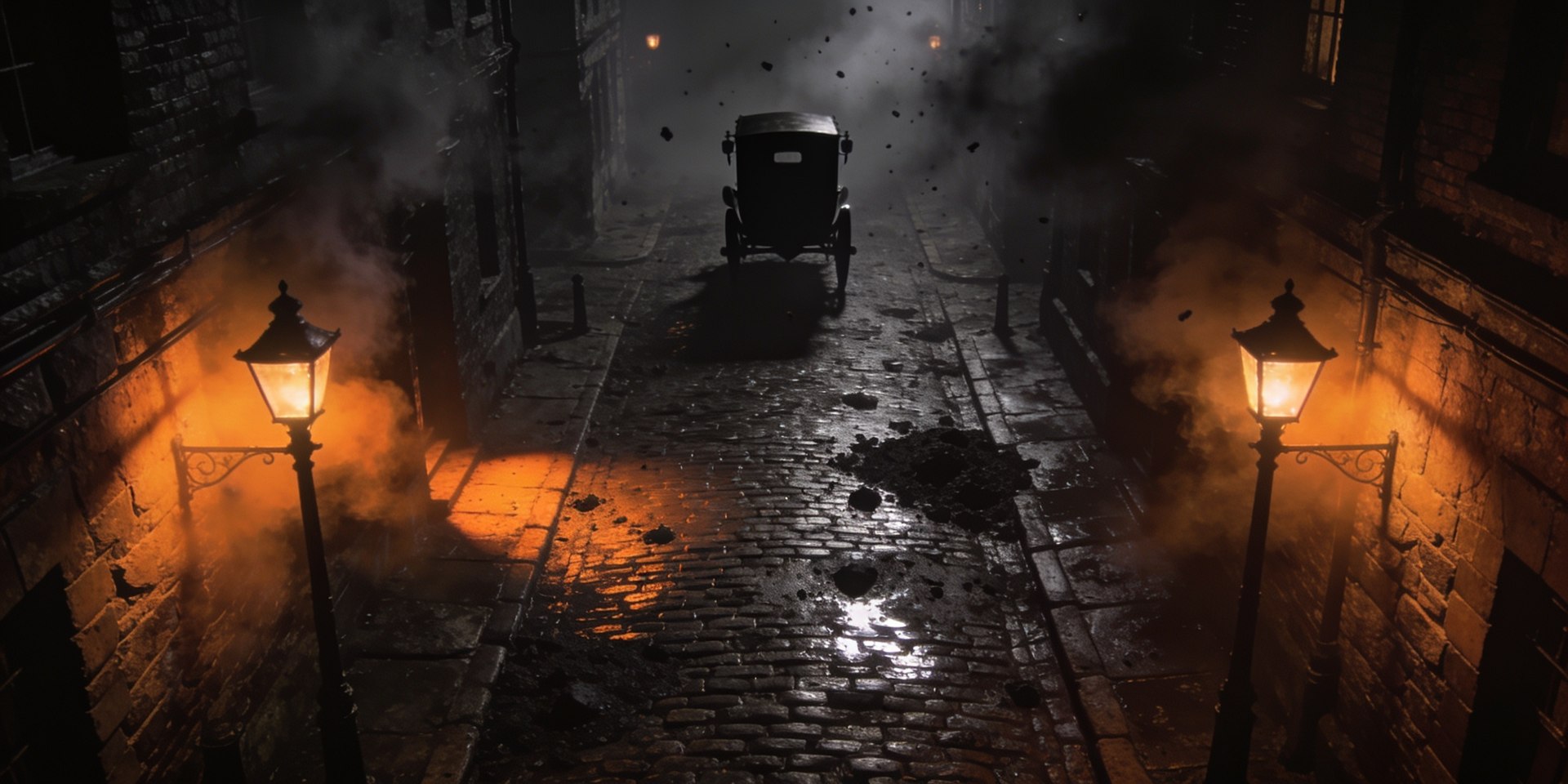

No city in fiction has been imagined more obsessively than London between roughly 1830 and 1901. It is the London of gaslight and coal smoke, of cathedrals and rookeries within walking distance of each other, of the richest empire in the world and the most desperate slums in its capital. Charles Dickens walked it at night for miles and turned what he saw into the canon of the English novel. Arthur Conan Doyle placed the world's greatest detective at 221B Baker Street and let him read London like a fingerprint. And someone, never caught, murdered five women in Whitechapel in 1888 and became the world's most famous uncaught killer.
What makes Victorian London so durable as a setting is not the costumes or the fog machines, though both help. It is the extreme social proximity: a Victorian gentleman might walk ten minutes to find himself in a world his servants would not survive. The period is built for drama, built for moral stakes, built for the kind of stories where a person's address tells you everything about their chance in life.
Essential Victorian London
The canon, across every screen and page
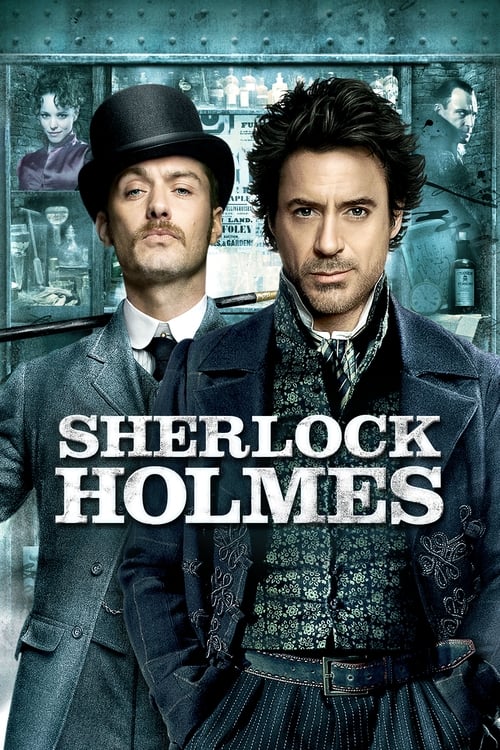 Sherlock Holmes
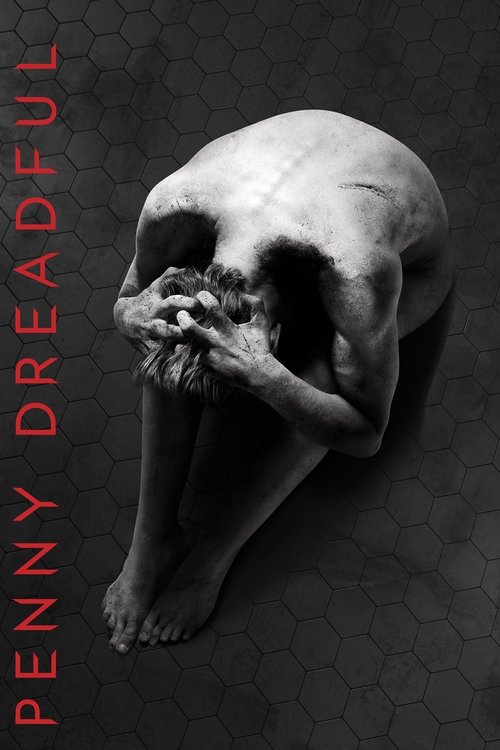 Penny Dreadful
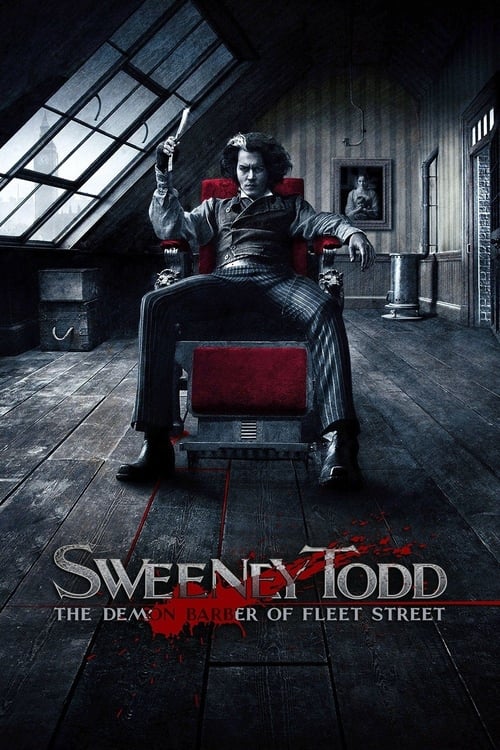 Sweeney Todd: The Demon Barber of Fleet Street
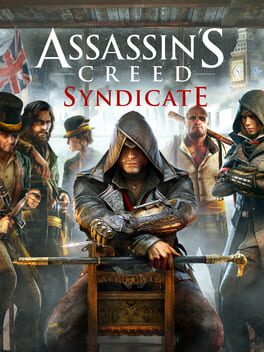 Assassin's Creed Syndicate
![The Complete Sherlock Holmes [1/2] (Adventures of Sherlock Holmes / Hound of the Baskervilles / Memoirs of Sherlock Holmes / Study in Scarlet / Sign of Four)](https://is1-ssl.mzstatic.com/image/thumb/Publication123/v4/de/0d/94/de0d9478-5190-048b-6bf2-f7b4f6a2982b/9781958943403.jpg/1400x1400bb.jpg) The Complete Sherlock Holmes [1/2] (Adventures of Sherlock Holmes / Hound of the Baskervilles / Memoirs of Sherlock Holmes / Study in Scarlet / Sign of Four)
The Complete Sherlock Holmes [1/2] (Adventures of Sherlock Holmes / Hound of the Baskervilles / Memoirs of Sherlock Holmes / Study in Scarlet / Sign of Four) The Picture of Dorian Gray
 Sunless Sea
 Oliver!
Penny Dreadful is the definitive Victorian London television series
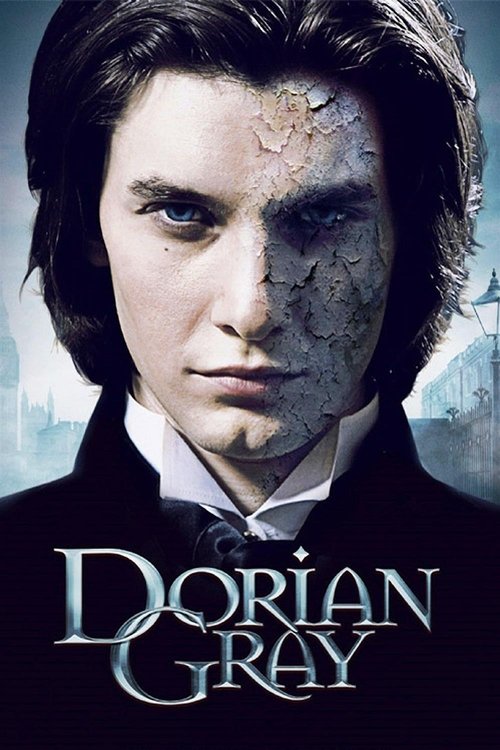
The accusation against Penny Dreadful is that it is melodramatic. The defense is that Victorian popular fiction was melodramatic, and deliberately so. John Logan's Showtime series took every monster the period produced (Dorian Gray, Dracula's Mina, Frankenstein's creature, Doyle's world of spiritualism) and assembled them in a single West London household, then asked what it would actually feel like to carry that much darkness. Eva Green's Vanessa Ives is one of the great television performances of the 2010s: religious terror, sexuality, grief, and genuine menace all in one face. The fog-drenched London the show builds is atmospheric in a way that no theme park attraction has matched. It ran three seasons and ended on its own terms.
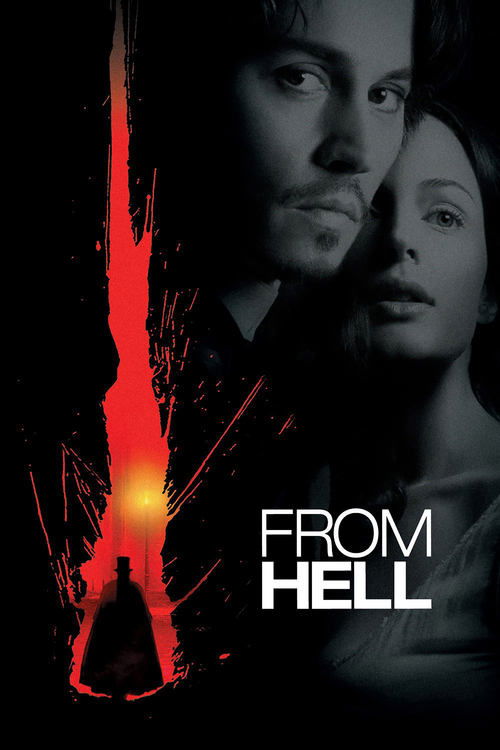
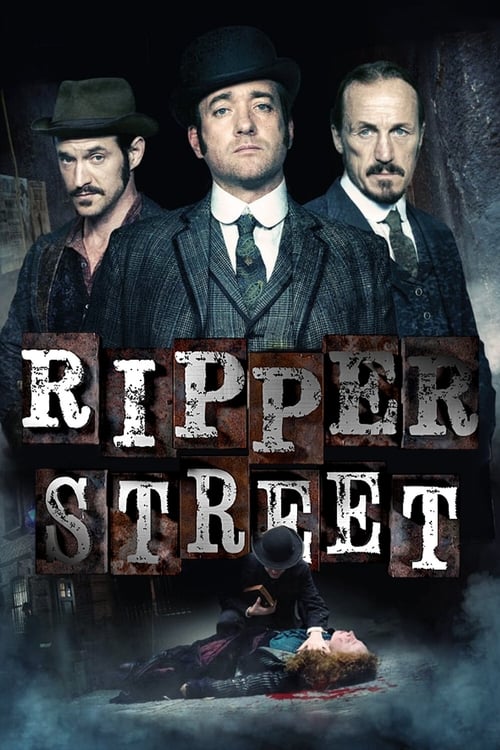
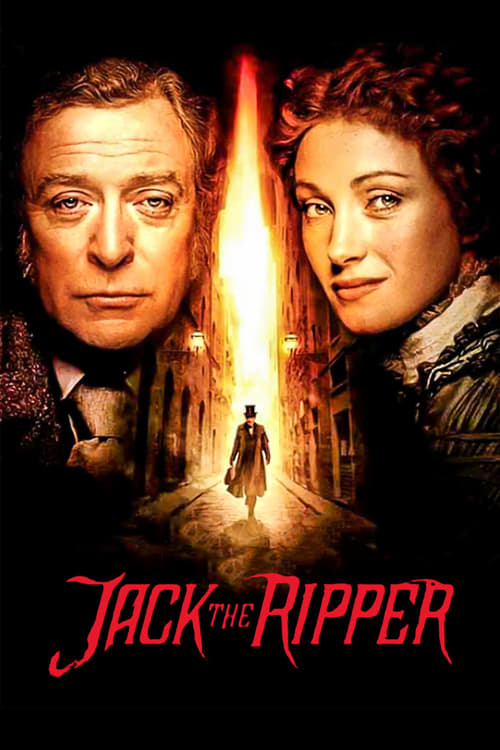
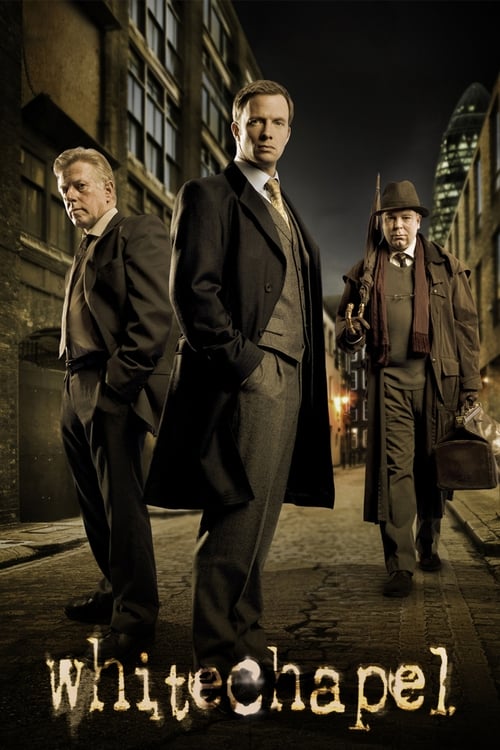
The Ripper's London
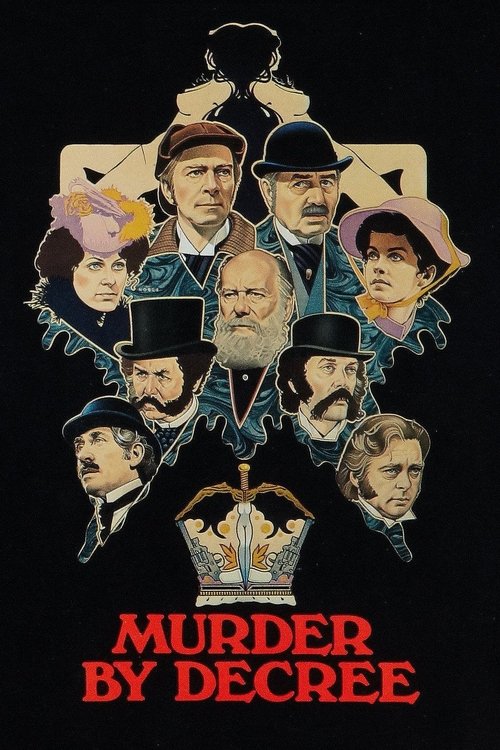
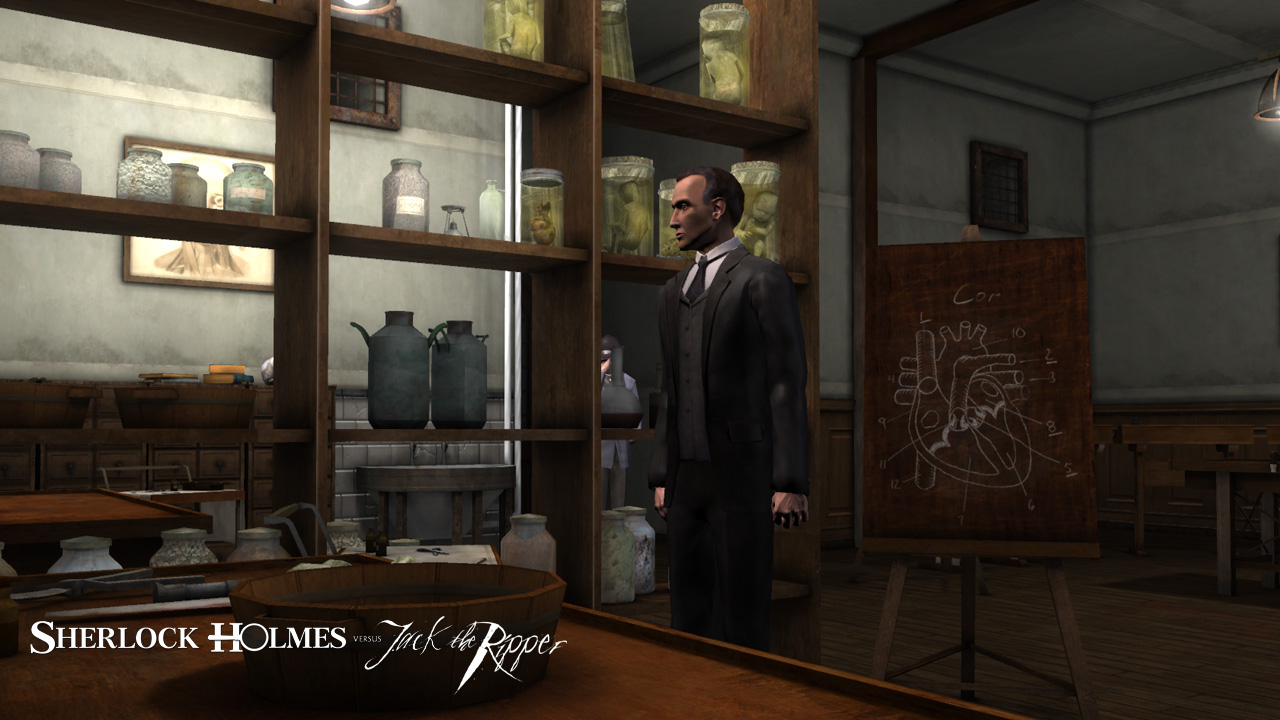
Whitechapel, fog, the streets and unresolved dread

The detective as the city's conscience
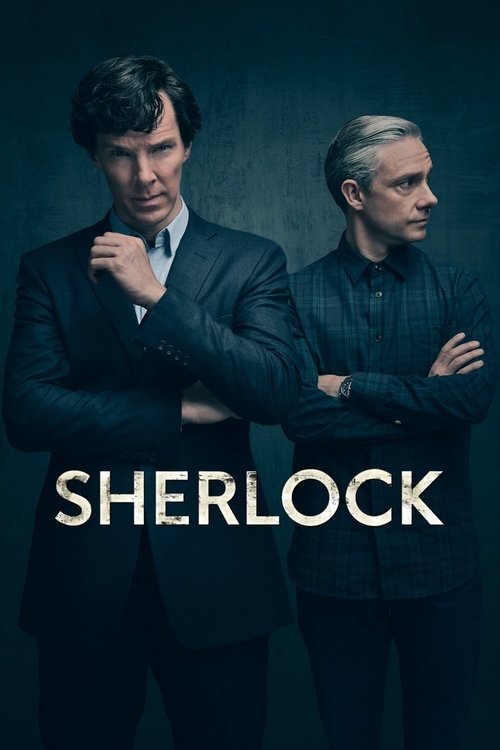
Sherlock Holmes did not invent the detective story (that credit goes to Poe's Dupin), but he made it Victorian, and he made it London. Baker Street, hansom cabs, a three-pipe problem, the fog outside the window: the iconography is so complete that it still functions as shorthand for rational inquiry over a century after Doyle wrote it. Holmes works because he sees the city whole. He can read a man's profession from his boots and his nation from his tan, which means that in Holmes's London, every person carries their life on the surface for anyone clever enough to read it. That is a Victorian idea: that the city is legible, that poverty is visible, that empire has left its mark on every body.
Doyle published the first Holmes story in 1887, the year before the Ripper murders. The timing is worth noting. London's most famous fictional detective and its most famous uncaught real killer were born in the same period, from the same anxious fascination with who walked the city's streets and why.
Sherlock Holmes on screen
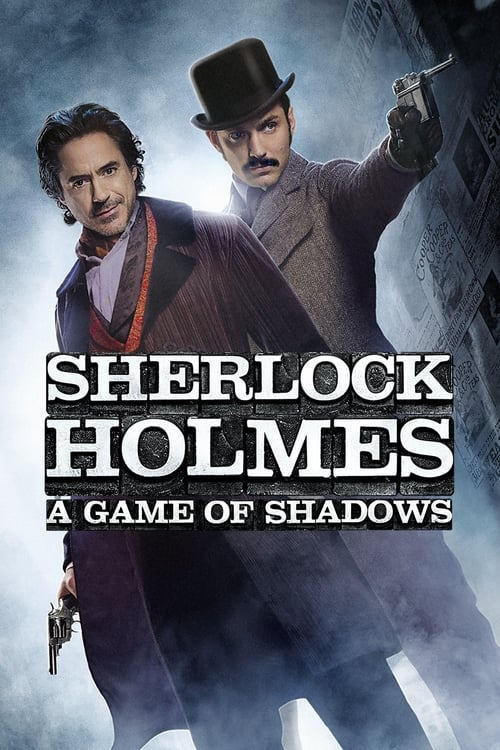
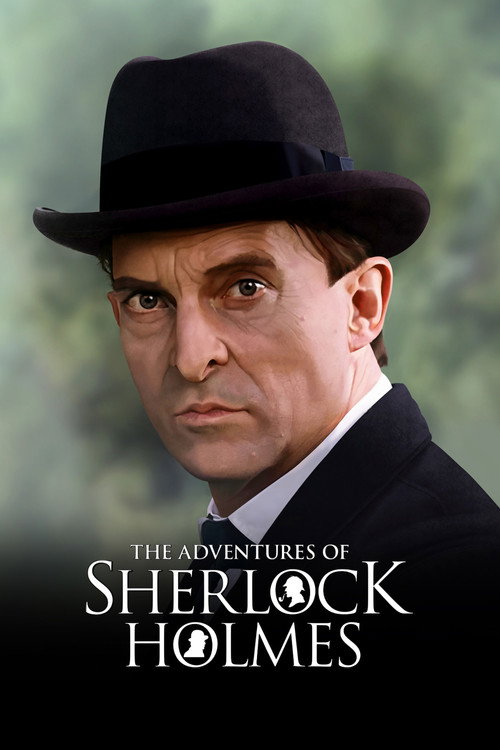
A century of Baker Street, from Granada to Guy Ritchie to BBC
Dickens is the original source
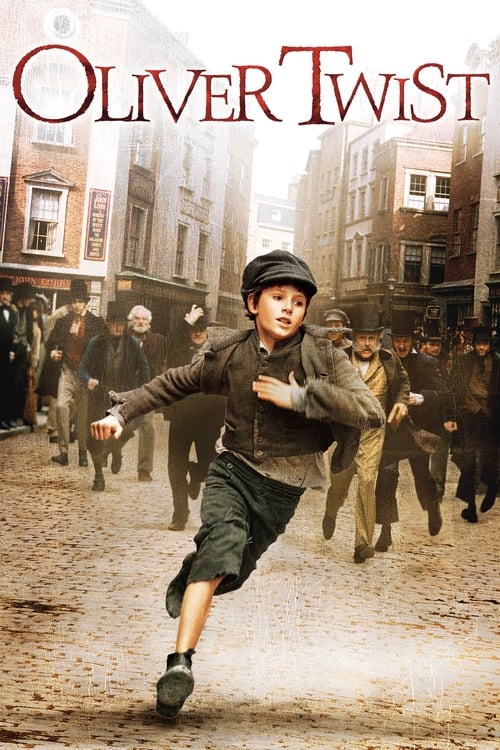
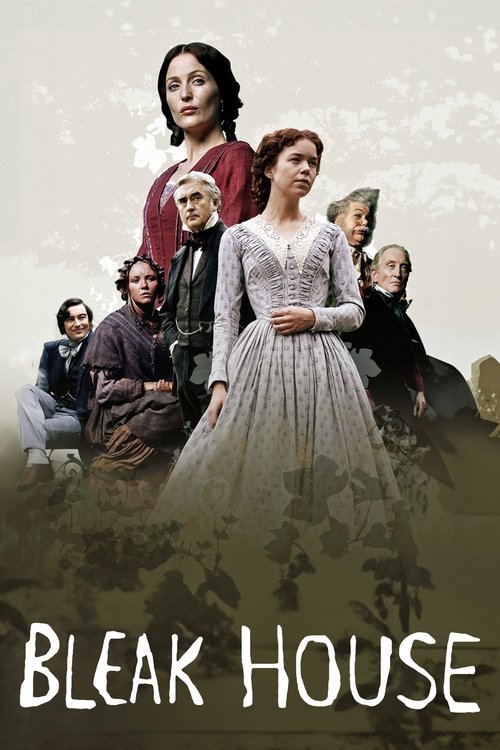
Everything fictional set in Victorian London is in some sense downstream of Dickens. The fog, the grotesque rich, the starving children, the workhouses, the melodrama of unlikely coincidence resolving social injustice: these are Dickens's inventions, or at least his contributions to the cultural vocabulary of the period. When Oliver Twist was adapted into a musical and then a Polanski film, when Bleak House became one of the BBC's finest serialized dramas, when Dickensian tried to put all the characters into one street together, they were all working inside a universe of character types and moral furniture that one novelist assembled in less than twenty years of writing. No other Victorian writer has been adapted more; none has shaped the image of the period as completely.
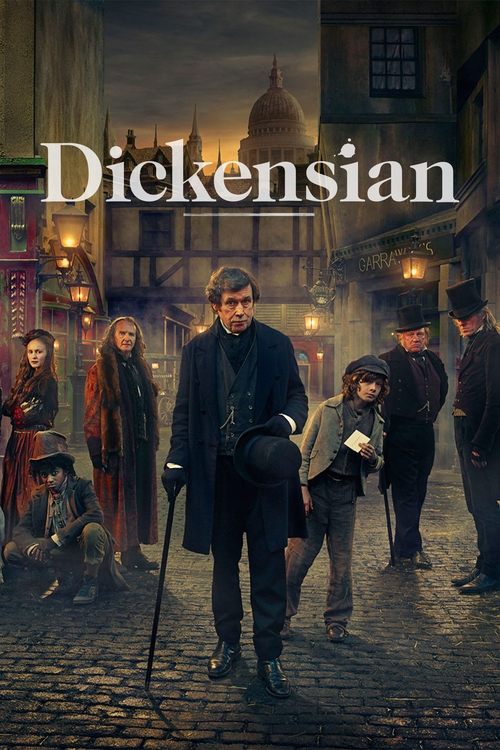
Dickens on screen
Oliver, Pip, Esther and the rest, filmed and serialized
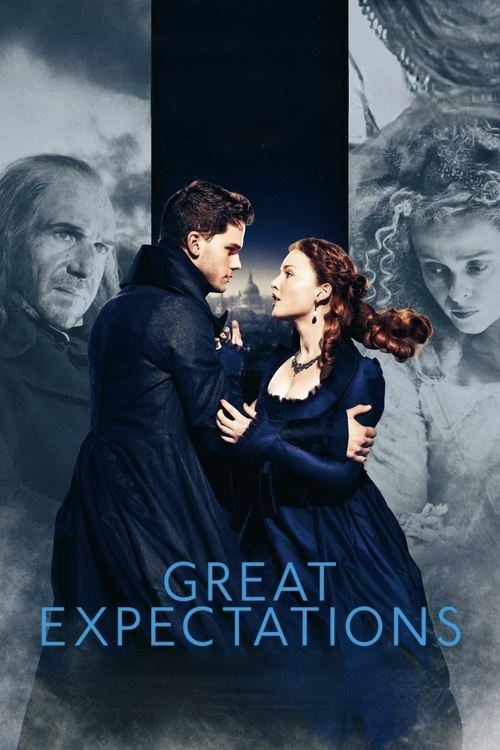
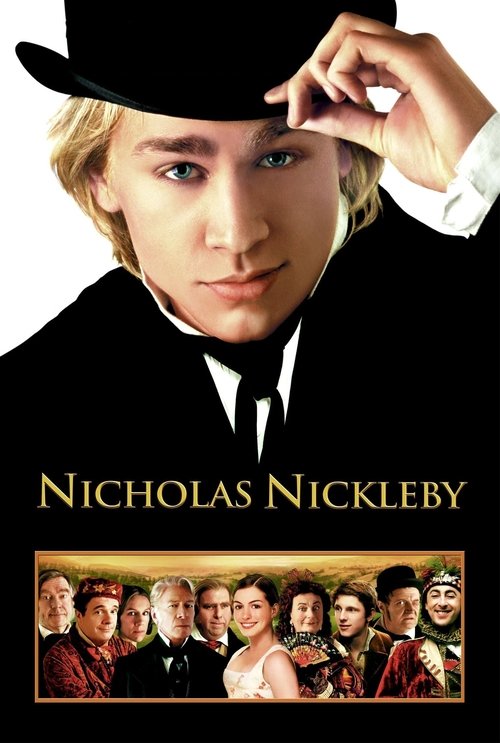
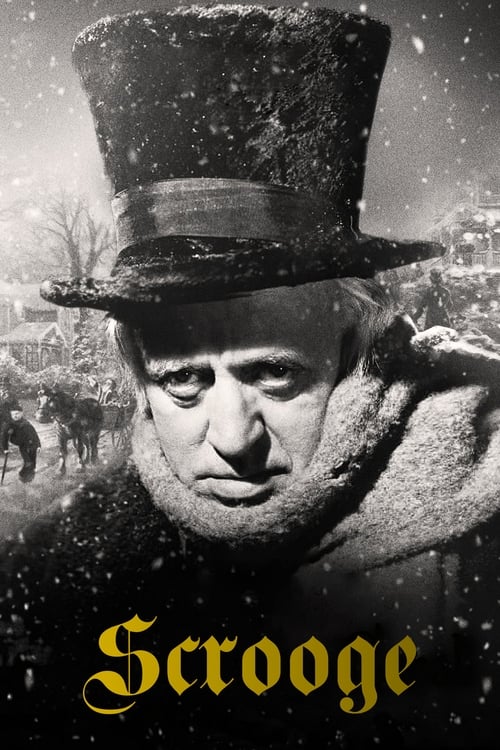
Assassin's Creed Syndicate got the city right
Video games set in historical periods usually build a backdrop, not a world. Assassin's Creed Syndicate is an exception. Ubisoft's 2015 open-world game reconstructed 1868 London at a scale and density that no film production could afford: the Thames, the docks, the East End slums, Buckingham Palace, the underside of bridges. Jacob and Evie Frye fight the Templar grip on London's criminal gangs while navigating a class structure drawn with more care than many historical dramas. The rope launcher lets you scale any building; the carriage races cut through the city at speed. What holds it together is that the setting is not just a skin but a system: the gangs, the crime lords, the borough politics all map onto something the period actually looked like.
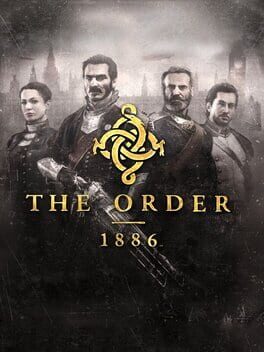
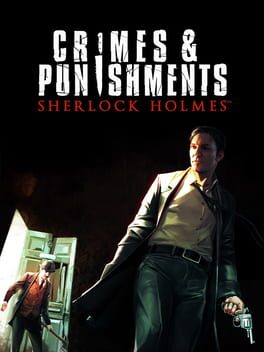
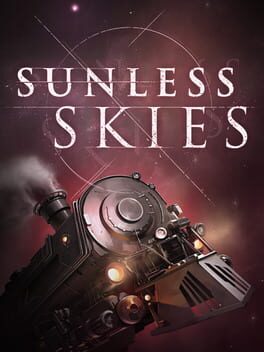
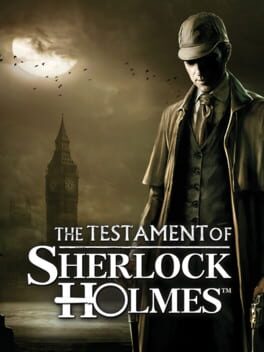
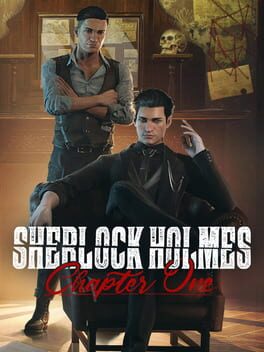
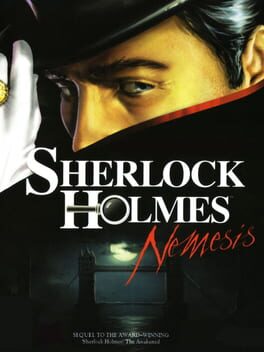
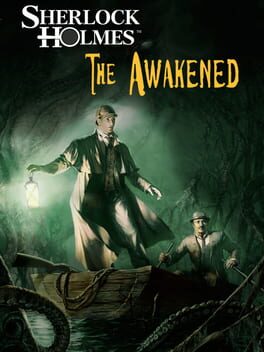
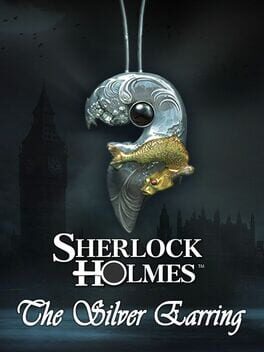
Victorian London in games
From Whitechapel alleys to fog-soaked underground seas
The literary Victorian London
The novels and story collections that built the period
![The Hound of the Baskervilles [adaptation]](https://is1-ssl.mzstatic.com/image/thumb/Publication3/v4/55/3e/e9/553ee913-5a7c-e2ac-4a07-f508088be74d/HotB_UK_COVER.jpg/1400x1400bb.jpg)
![A Christmas Carol [adaptation]](https://covers.openlibrary.org/b/id/9280626-L.jpg)


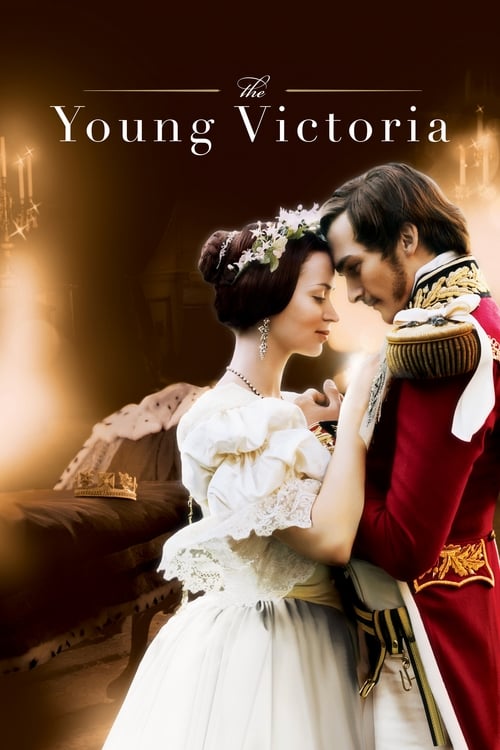
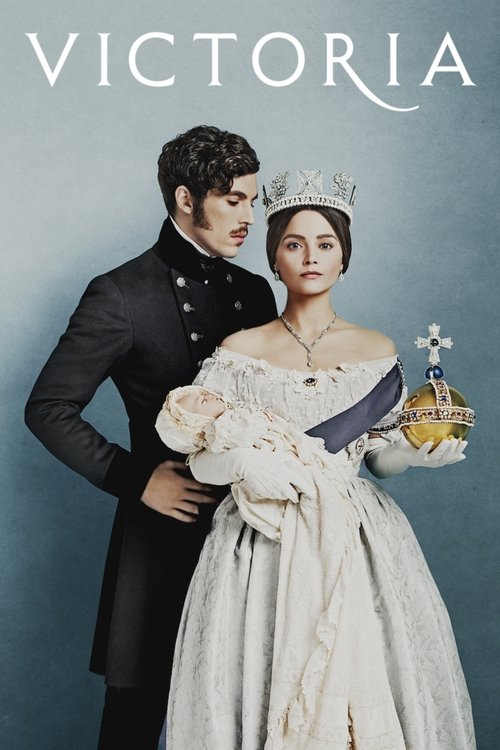
The empire, the crown and the drawing room
Victorian London's ruling class, gentry and outsiders on screen

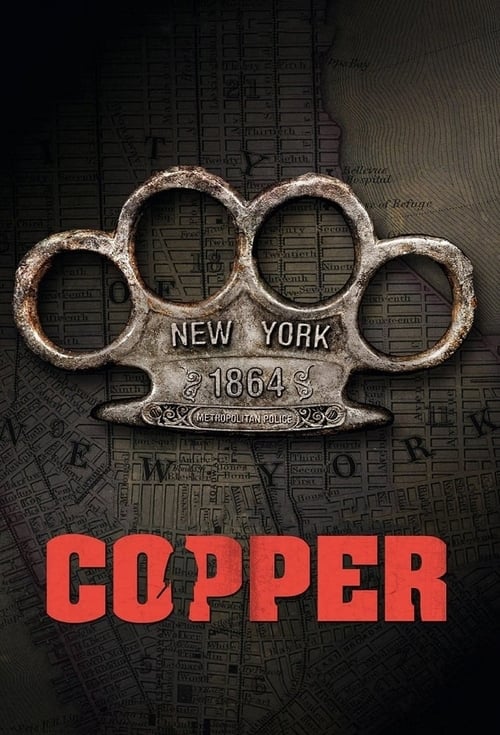
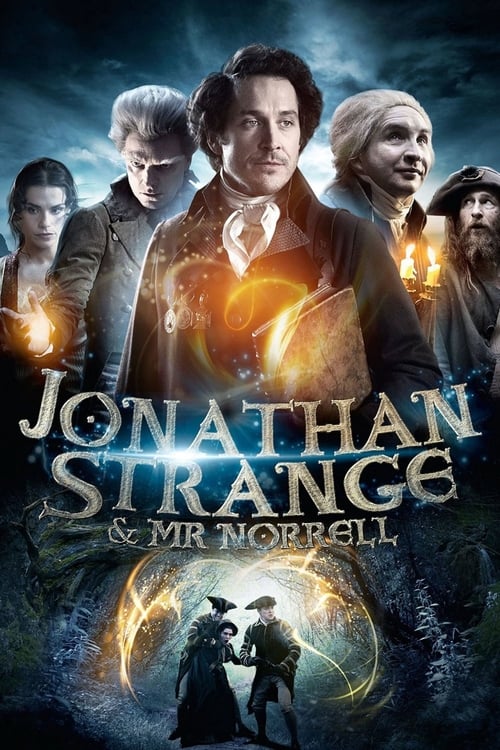
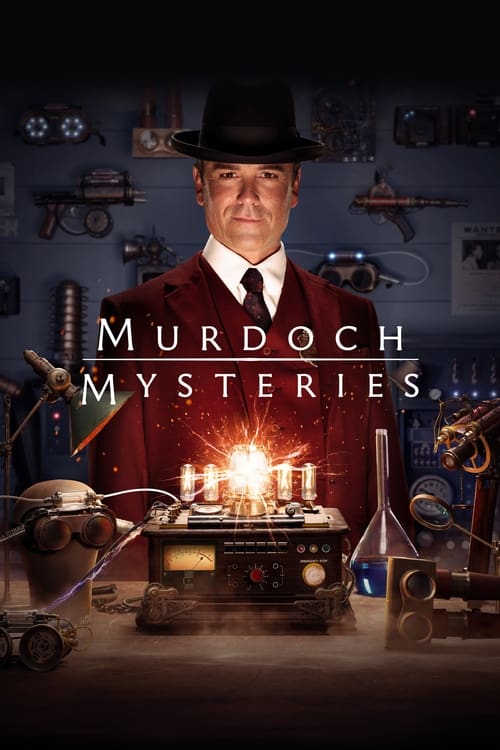
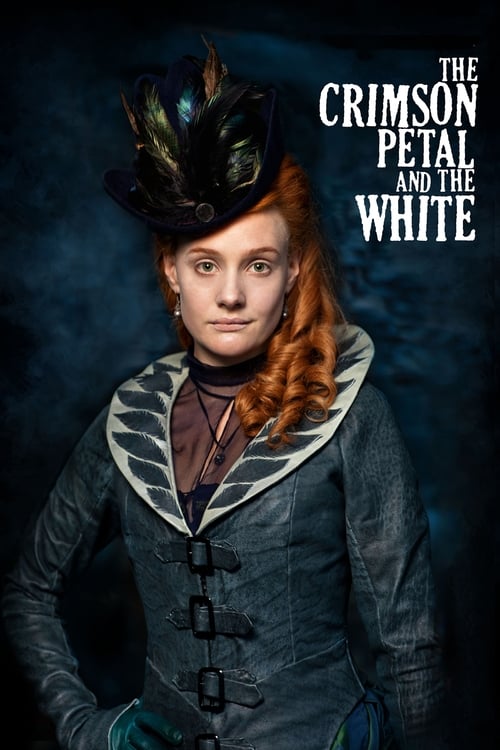
Gaslight, fog and the same dark city
Gothic Romance
Explore the Gothic Romance guide →The fog is not decorative. It is the point. Victorian London was a city where you could not see the person beside you, and the literature took that seriously.On the period's most useful weather