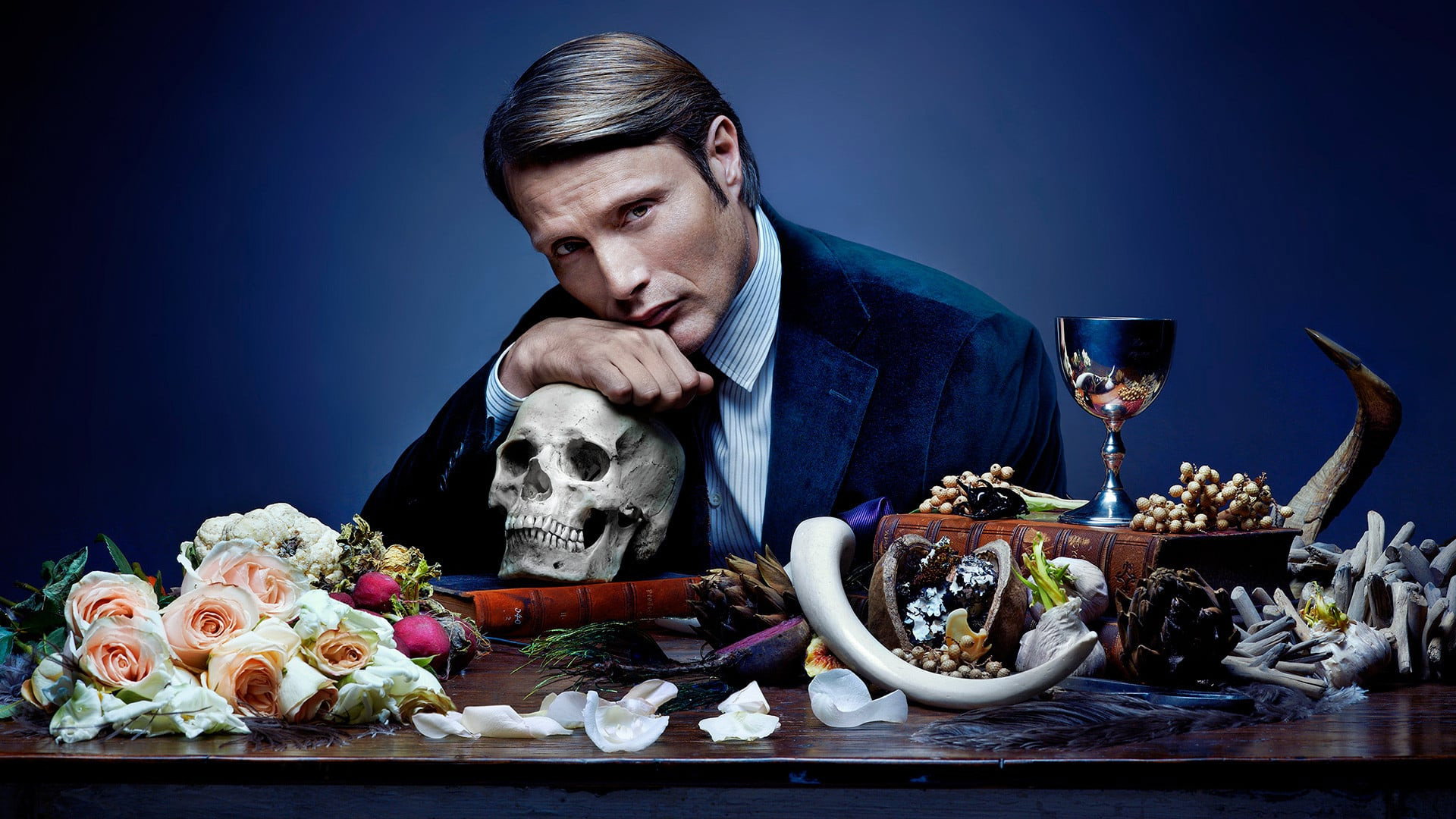

Penny Dreadful (Showtime, 2014-2016) drew its power from a simple but audacious premise: what if all the great Victorian monsters shared the same city, the same sins, and the same doomed circle of acquaintances? Dorian Gray, Frankenstein's creature, Dracula's survivors, werewolves, witches, and Mina Harker all orbited Eva Green's Vanessa Ives, one of prestige television's most fully realized characters. The show was never just horror spectacle. It was a sustained meditation on trauma, faith, shame, and the violence done to women by the age that invented them as romantic objects. Creator John Logan wrote every episode himself, which gave the series an unusual unity of voice: florid, literary, unafraid of silence. If you loved it, you are looking for exactly this combination of Gothic atmosphere, Romantic-era literary roots, and character studies that refuse to flinch.
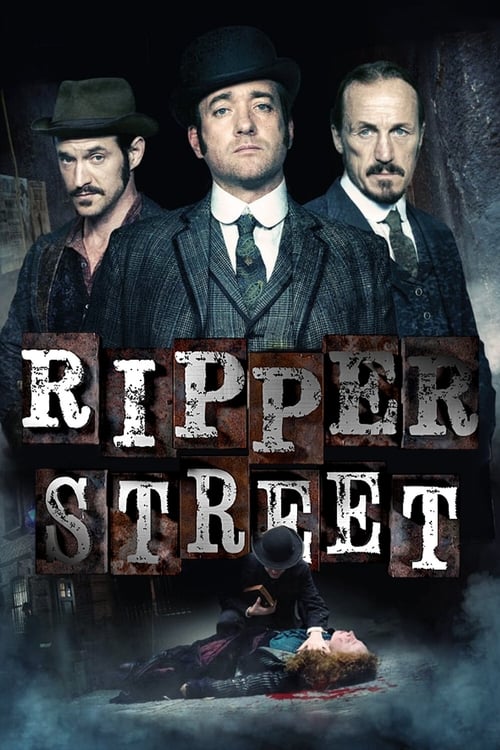
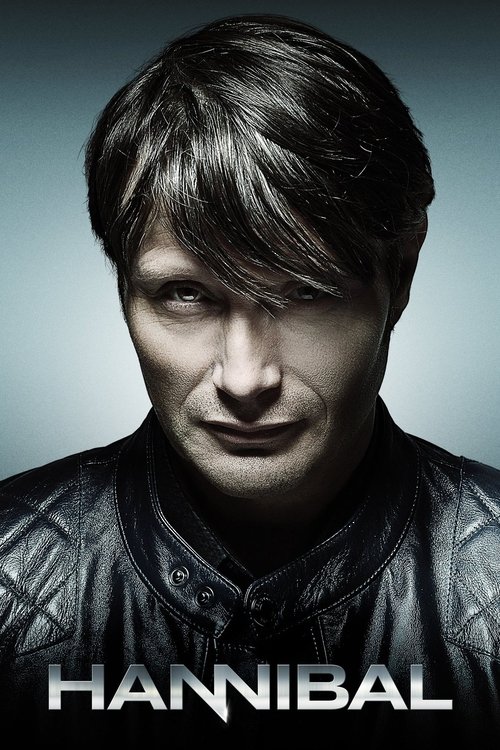
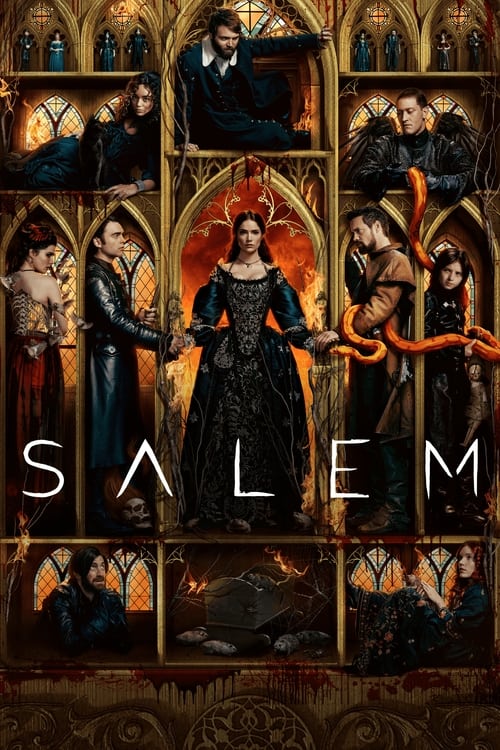
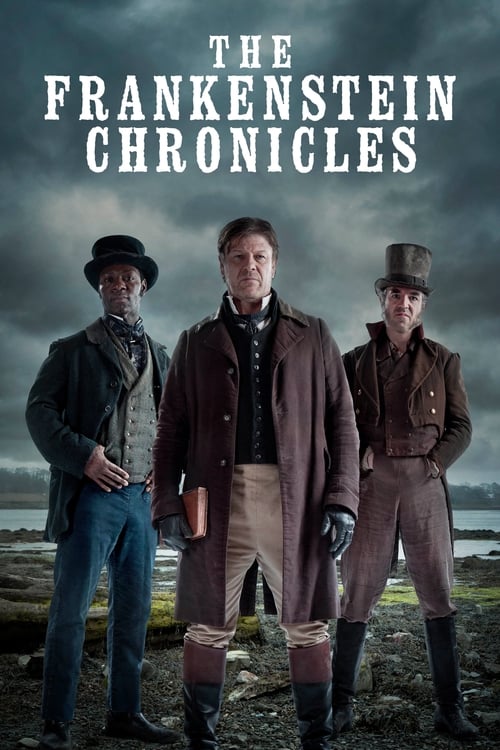
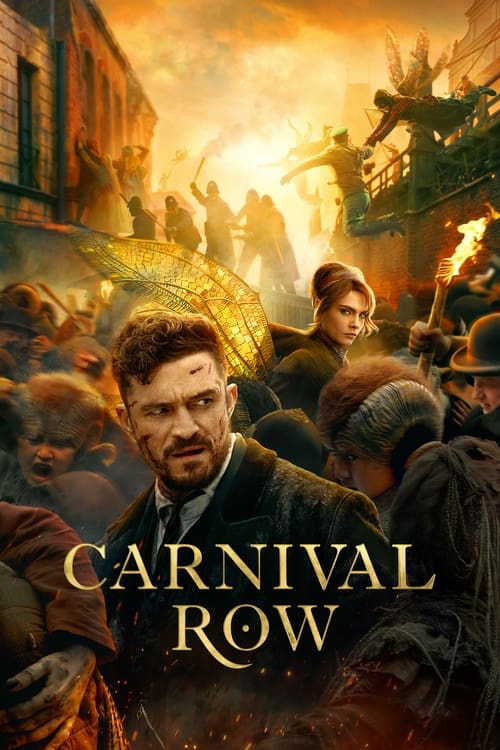
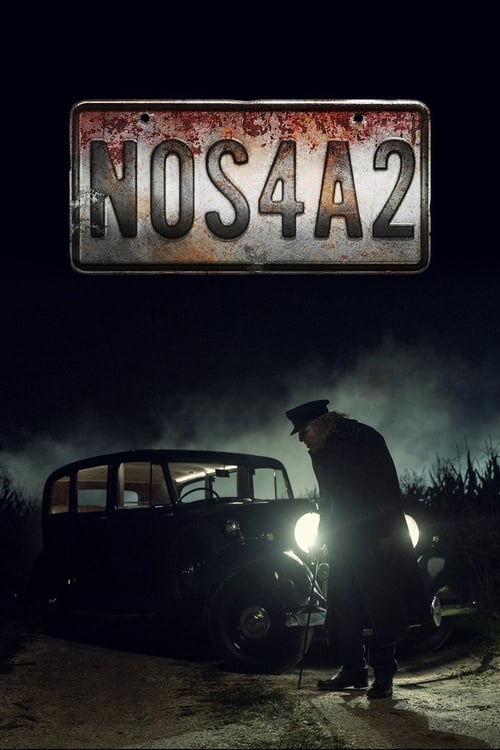
Kindred Spirits on Screen
Series that share the Gothic dread, literary horror, and morally complicated monsters


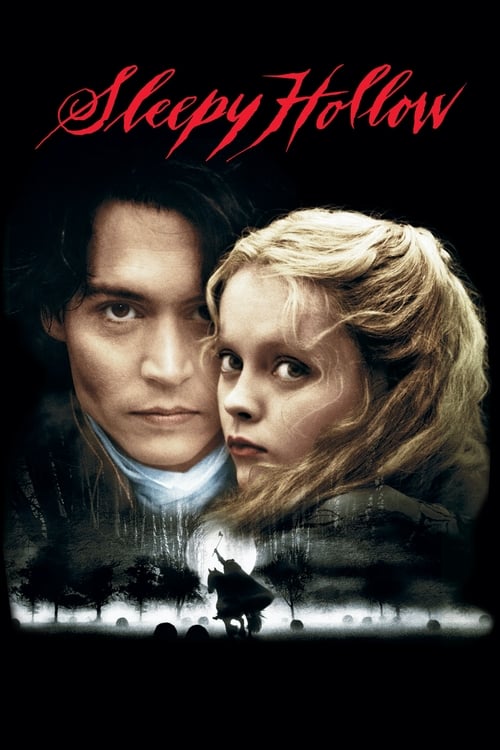
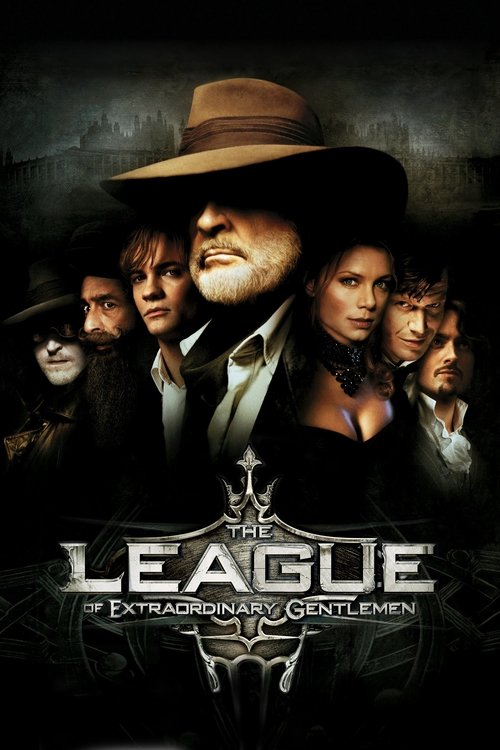
Gothic Cinema for the Same Appetite
Films that understand monster sympathy, Victorian dread, and operatic tragedy

The Source Texts
The Victorian and Romantic novels Penny Dreadful raided, remixed, and expanded


![The picture of Dorian Gray [adaptation]](https://covers.openlibrary.org/b/id/14314474-L.jpg)


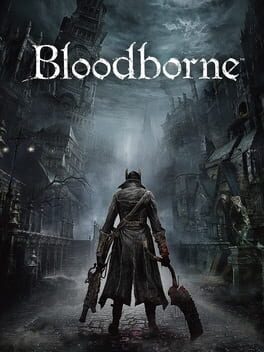
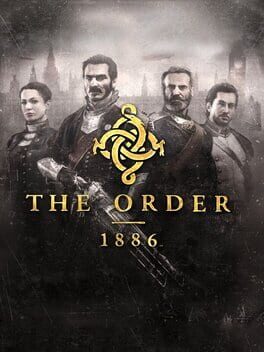
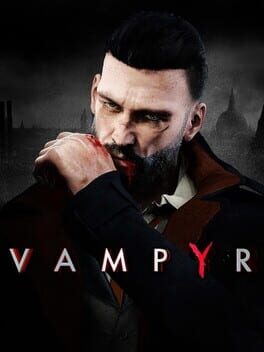
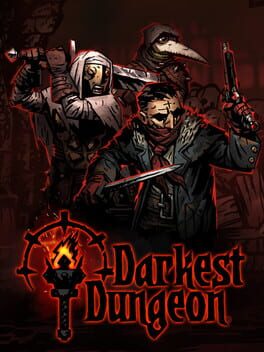
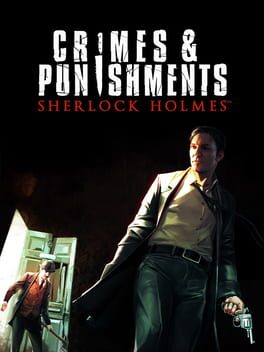
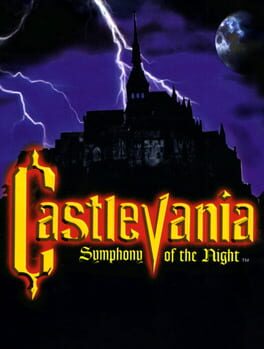
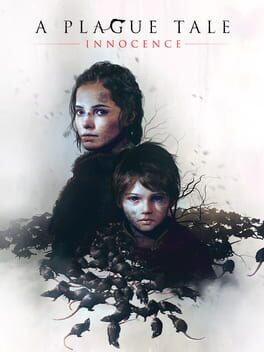
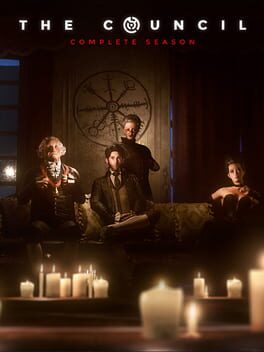
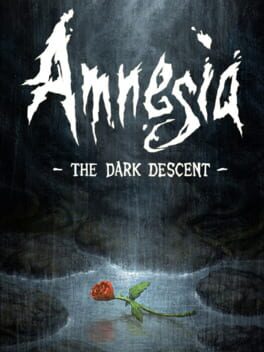
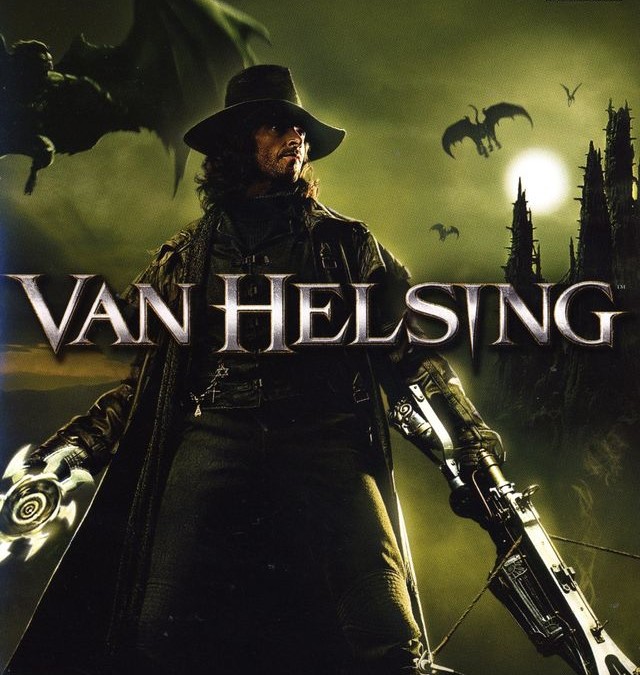
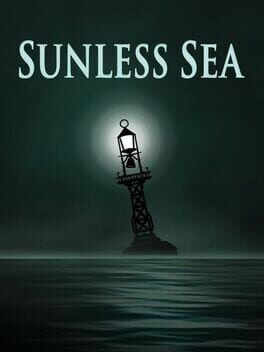
Games That Live in the Dark
Victorian horror, Gothic atmosphere, and monster mythology in interactive form
Eva Green Carried a Show That Could Have Collapsed
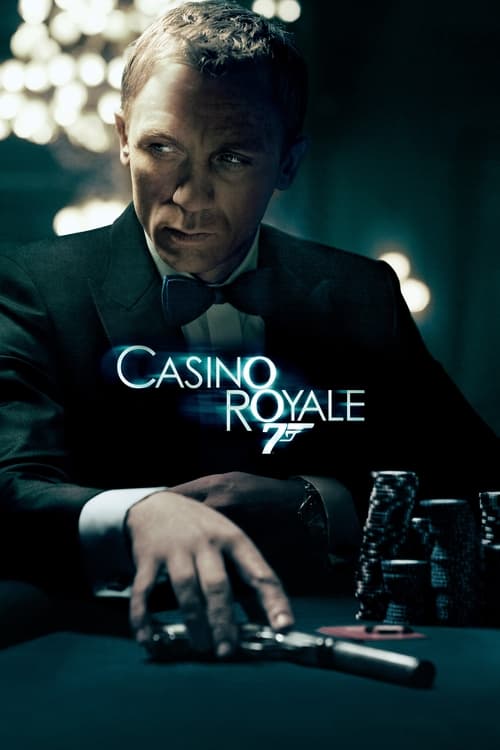
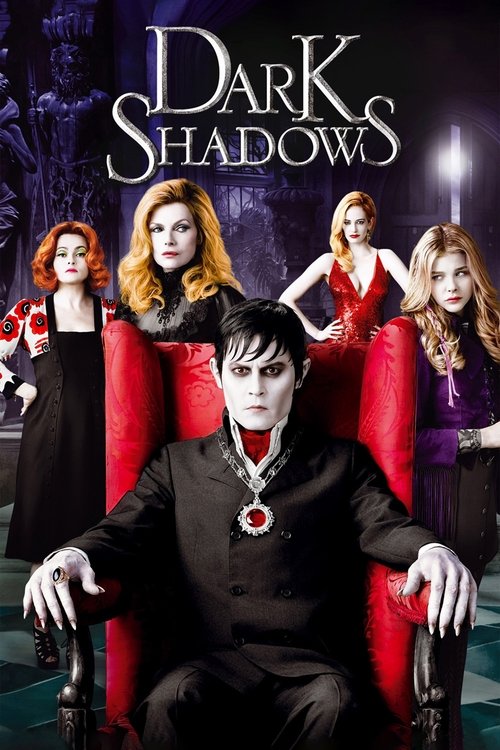
Penny Dreadful asked its lead to hold together a narrative that routinely veered into occult monologue, possession sequences, and near-operatic grief. Eva Green did not just hold it: she made Vanessa Ives the most compelling figure in prestige horror of the decade. The performance drew on her work in Casino Royale and Dark Shadows, but surpassed both: raw, physical, and willing to look genuinely unhinged. Without that center, the show's literary ambitions would have felt like a costume party.
Bloodborne Is the Closest Game Has Come to This Feeling
Bloodborne (2015) arrived almost simultaneously with Penny Dreadful's second season, and the overlap in sensibility was uncanny: a city rotting from within, monsters that were once human, cosmic forces that make rationalism useless, and a protagonist who absorbs madness by continuing. The Yharnam aesthetic, the Lovecraftian underpinning layered beneath Victorian surface, and the deep lore told through item descriptions rather than exposition all speak to the same audience that found Vanessa Ives compelling. Neither work condescends to its horror.
The Victorian Novel Gave Horror Its Grammar
Bram Stoker, Mary Shelley, Oscar Wilde, and Sheridan Le Fanu wrote in an era gripped by science anxiety, imperial guilt, and a terror of the body. Penny Dreadful understood that Dracula and Frankenstein are not just monsters: they are arguments about what happens when progress outpaces conscience. Reading the source texts after watching the show is not homework. It is discovering that the show was a very good adaptation of an entire cultural moment.
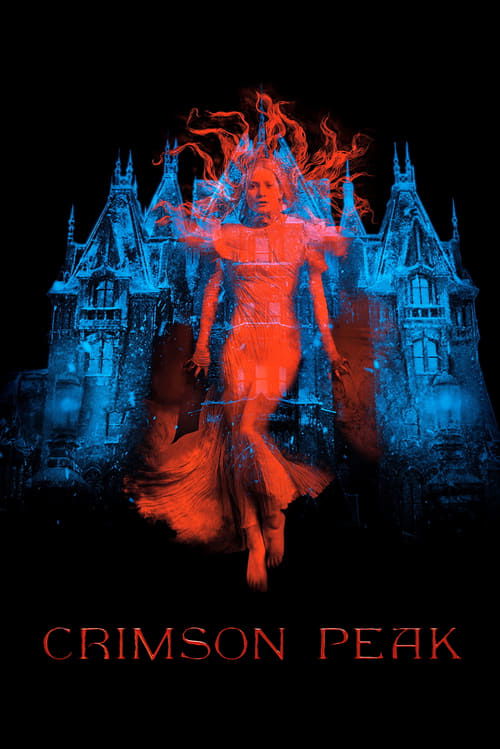
Crimson Peak Gets the Gothic Right Where Others Fumble
Guillermo del Toro's 2015 film arrived in theaters the same year Penny Dreadful was peaking, and the two works make a perfect double bill. Crimson Peak is, as del Toro insisted, not a ghost story but a story with ghosts: the horror is human, the atmosphere is architectural, and the violence is intimate. Its problem was marketing: sold as a jump-scare film to audiences who did not want a Gothic romance. Penny Dreadful fans will recognize exactly what it is.
Gothic Horror's Long Road to the Screen
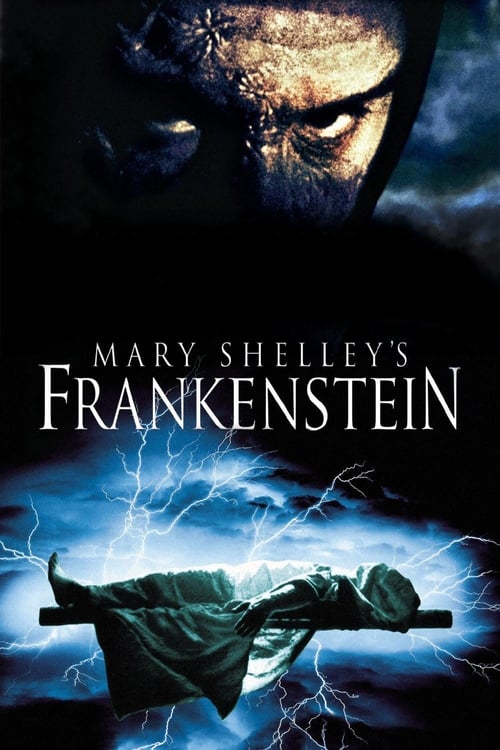
- 1818Mary Shelley publishes Frankenstein, inventing science horror Frankenstein
- 1872Sheridan Le Fanu's Carmilla gives vampires a feminine, erotic dimension Carmilla
- 1890Oscar Wilde publishes The Picture of Dorian Gray The picture of Dorian Gray [adaptation]
- 1897Bram Stoker's Dracula consolidates the vampire mythology Dracula
- 1931Universal's Dracula and Frankenstein launch the monster movie era Frankenstein
- 1992Coppola's Bram Stoker's Dracula brings Gothic sensuality back to cinema Bram Stoker's Dracula
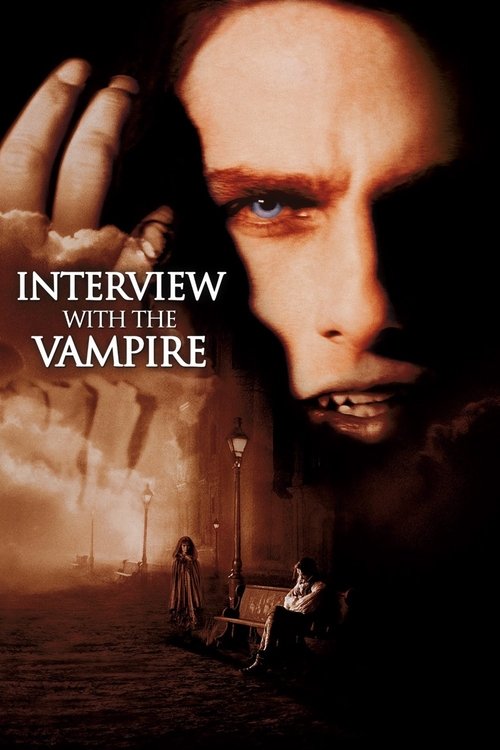
- 1994Interview with the Vampire proves monster sympathy has mainstream appeal Interview with the Vampire
- 2014Penny Dreadful premieres on Showtime, unifying the Victorian monsters Penny Dreadful
- 2015Bloodborne launches, translating Gothic horror into interactive dread Bloodborne
- 2015Crimson Peak brings del Toro's Gothic romance to theaters Crimson Peak
- 2016Penny Dreadful concludes with one of television's most divisive finales Penny Dreadful
Gaslit gothic horror and monsters
Victorian London
Explore the Victorian London guide →Night's candles are burnt out, and jocund day stands tiptoe on the misty mountain tops.Vanessa Ives, Penny Dreadful