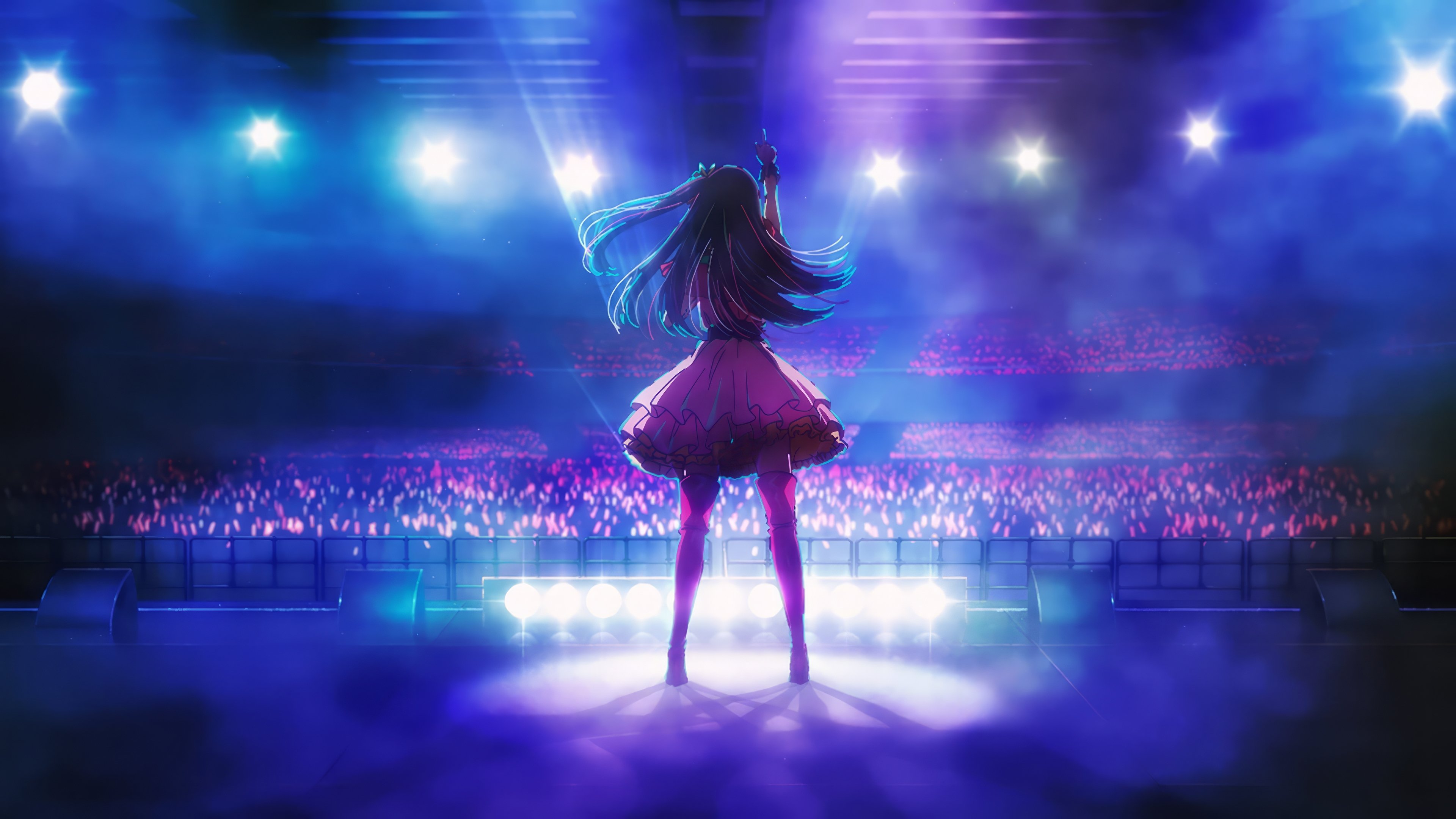

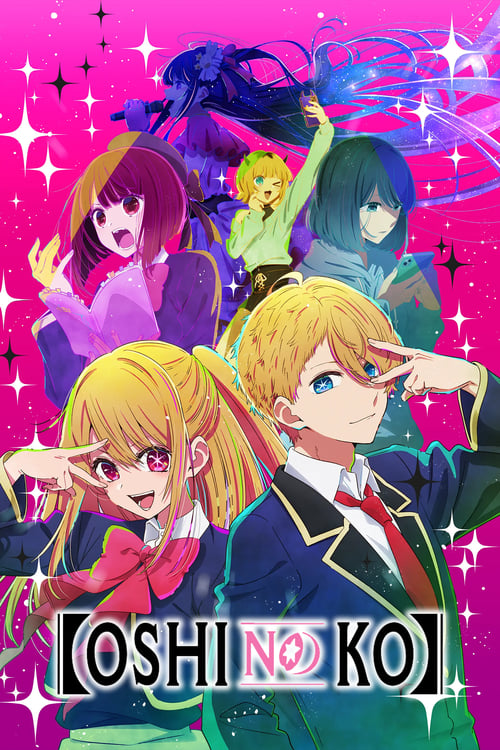
Oshi no Ko begins as a story about idol worship and shatters it into something far darker. Mangaka duo Aka Akasaka and Mengo Yokoyari (the same team behind Kaguya-sama: Love Is War) built a work that starts with a single act of violence, then spends its runtime asking what the entertainment industry demands of the people it consumes. The through-line a fan loves: the collision between manufactured image and genuine feeling, characters who perform versions of themselves for survival, and grief that refuses to stay buried. The anime adaptation by Doga Kobo/Akasaka's original became one of the most-watched premieres in recent memory, its 90-minute opening episode immediately reframing everything that followed. If you are here because of that opening, this guide is for the rest of the rabbit hole.
The Dark Side of the Spotlight
Series that treat the entertainment industry as a pressure cooker





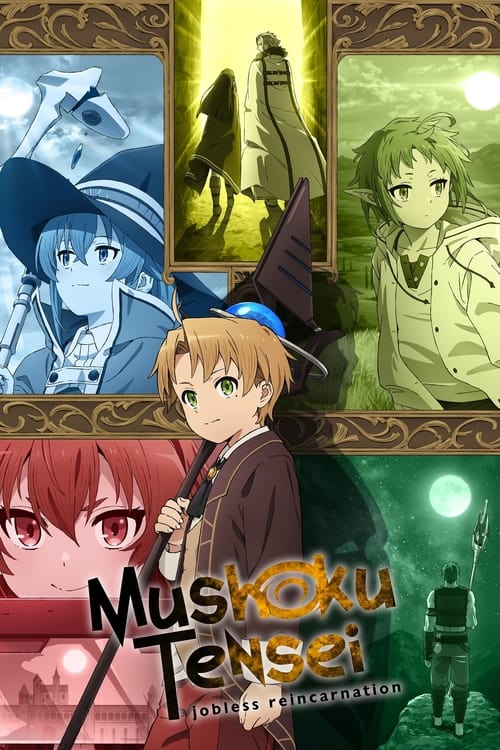
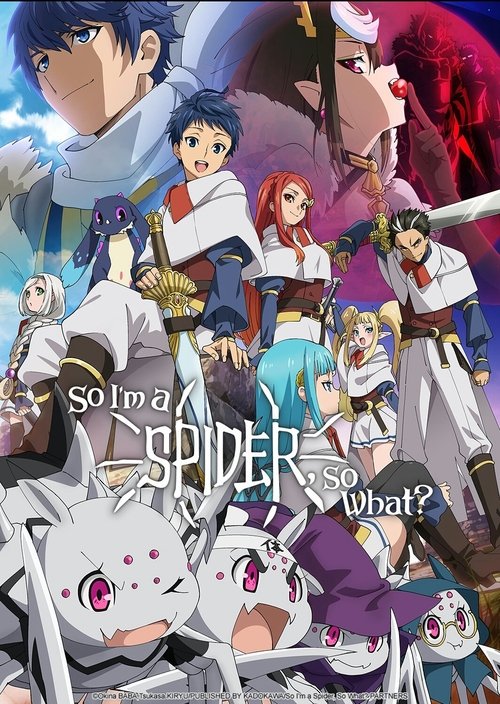
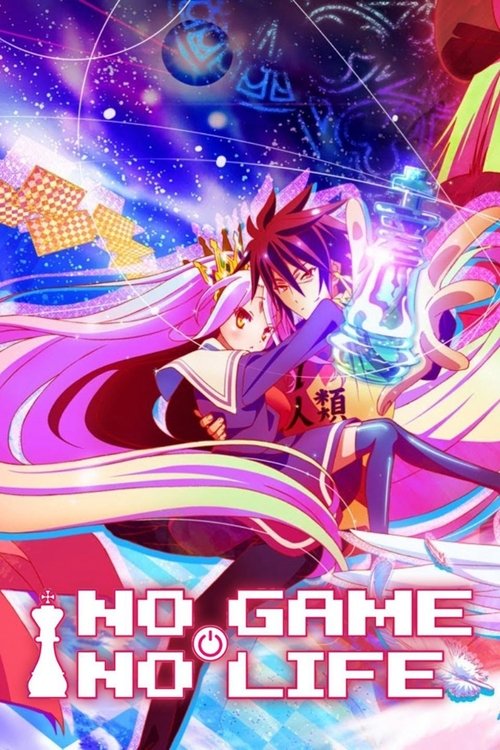
Reincarnation and Second Lives
Isekai and rebirth stories with real emotional weight

Grief, Obsession and Memory
Films and series where loss reshapes identity
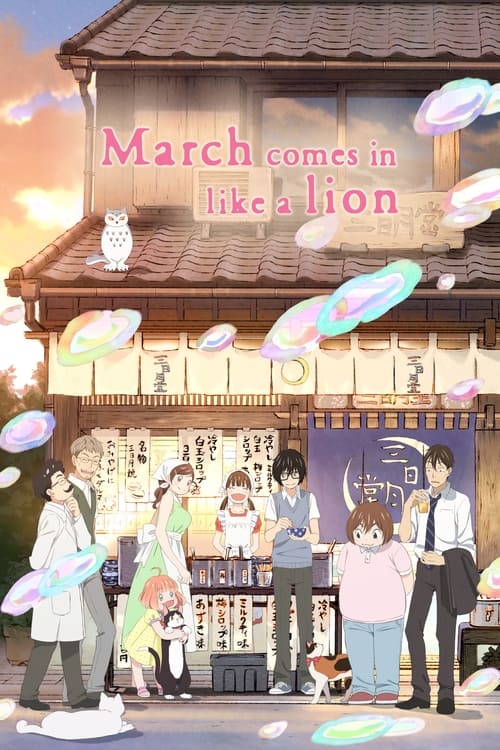

Games About Performance and Identity
Play where the gap between persona and self is the point






The 90-minute opener changed what anime can do in a first episode
Most anime pilots spend their time establishing a premise. Oshi no Ko's first episode builds genuine attachment to characters over an hour, then destroys them. It is not a twist in the conventional sense: it is an emotional investment deliberately cashed in to set the series' moral stakes. The move works because the writing earns it, not because it shocks. Anime rarely uses its premiere runtime so ruthlessly, and the industry took notice.
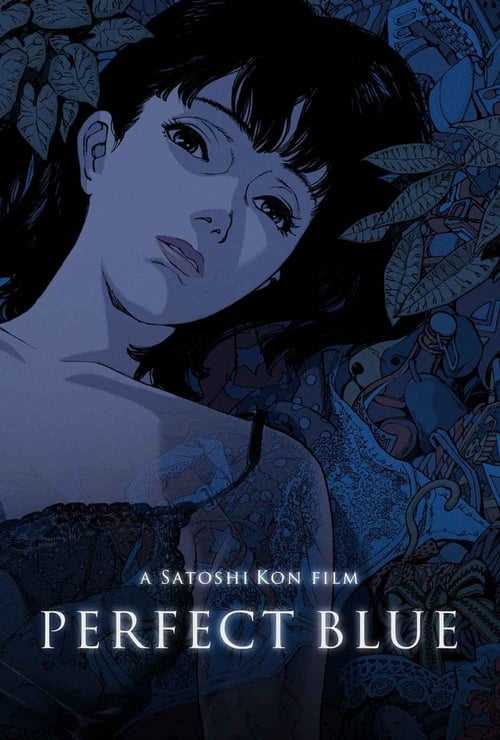
Perfect Blue is still the definitive film about idols and fractured identity
Satoshi Kon's 1997 film asked what happens when a pop idol tries to become an actress and the industry, the fans, and her own self-image refuse to let her. Oshi no Ko arrives nearly three decades later with different answers to the same questions. Both works understand that the idol persona is a product, and that the person underneath has to survive selling it. Watching them back to back is one of the best double bills in anime.
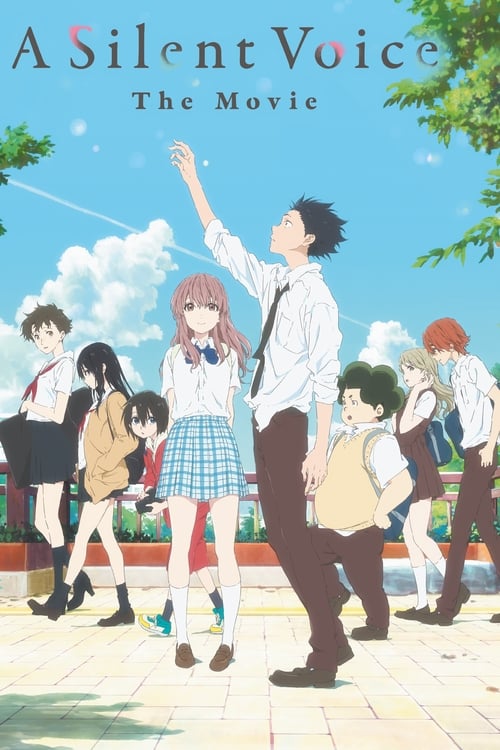
Your Lie in April and A Silent Voice are the emotional peers of Oshi no Ko's quieter moments
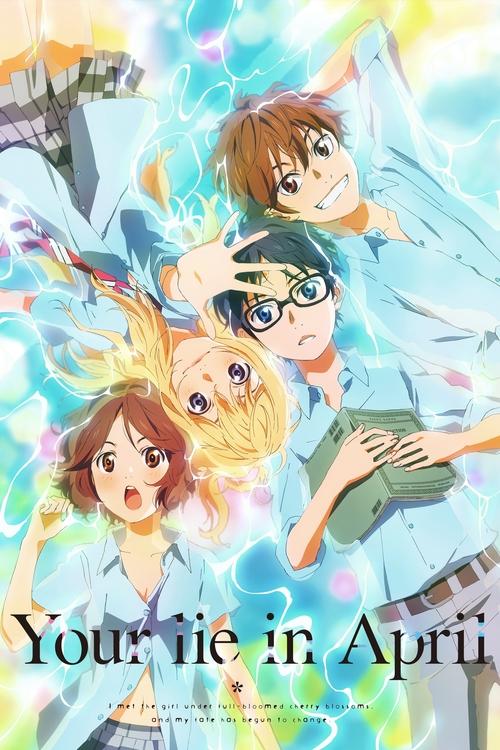
Strip away the industry satire and Oshi no Ko is a story about children who lost something irreplaceable and built lives in the shadow of that loss. Your Lie in April is about music as grief-processing. A Silent Voice is about the weight of guilt over years. Neither has the same cynical edge as Oshi no Ko, but they share the same core: the idea that people carry damage in ways that look, from the outside, like ambition or competence.
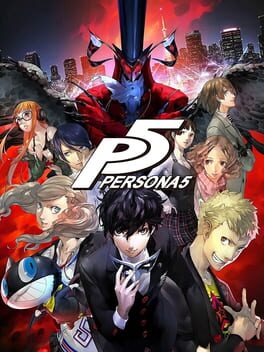
Persona 5 is the game that gets closest to Oshi no Ko's central argument
Persona 5 is built around the idea that society forces people into masks, and that rebellion requires stealing the heart of the corrupt institution that trapped you. Oshi no Ko makes a similar argument about entertainment: the persona is the mask, the industry is the palace, and the cost of survival is performing something that is not entirely you. Both works are more interested in the system than in individual villains, which is what gives them staying power beyond their respective genres.
Oshi no Ko: key moments in the franchise
- 2020Manga launches in Weekly Young Jump
- 2023Season 1 anime premieres, 90-minute first episode breaks streaming records 【OSHI NO KO】
- 2023YOASOBI's opening theme 'Idol' becomes one of the most-streamed Japanese singles internationally
- 2024Season 2 anime adapts the manga's 'Reality Show' arc
- 2024Live-action film adaptation announced
Idol fame, grief, dark anime
Psychological Horror
Explore the Psychological Horror guide →In this industry, lies are a talent.Ai Hoshino, Oshi no Ko