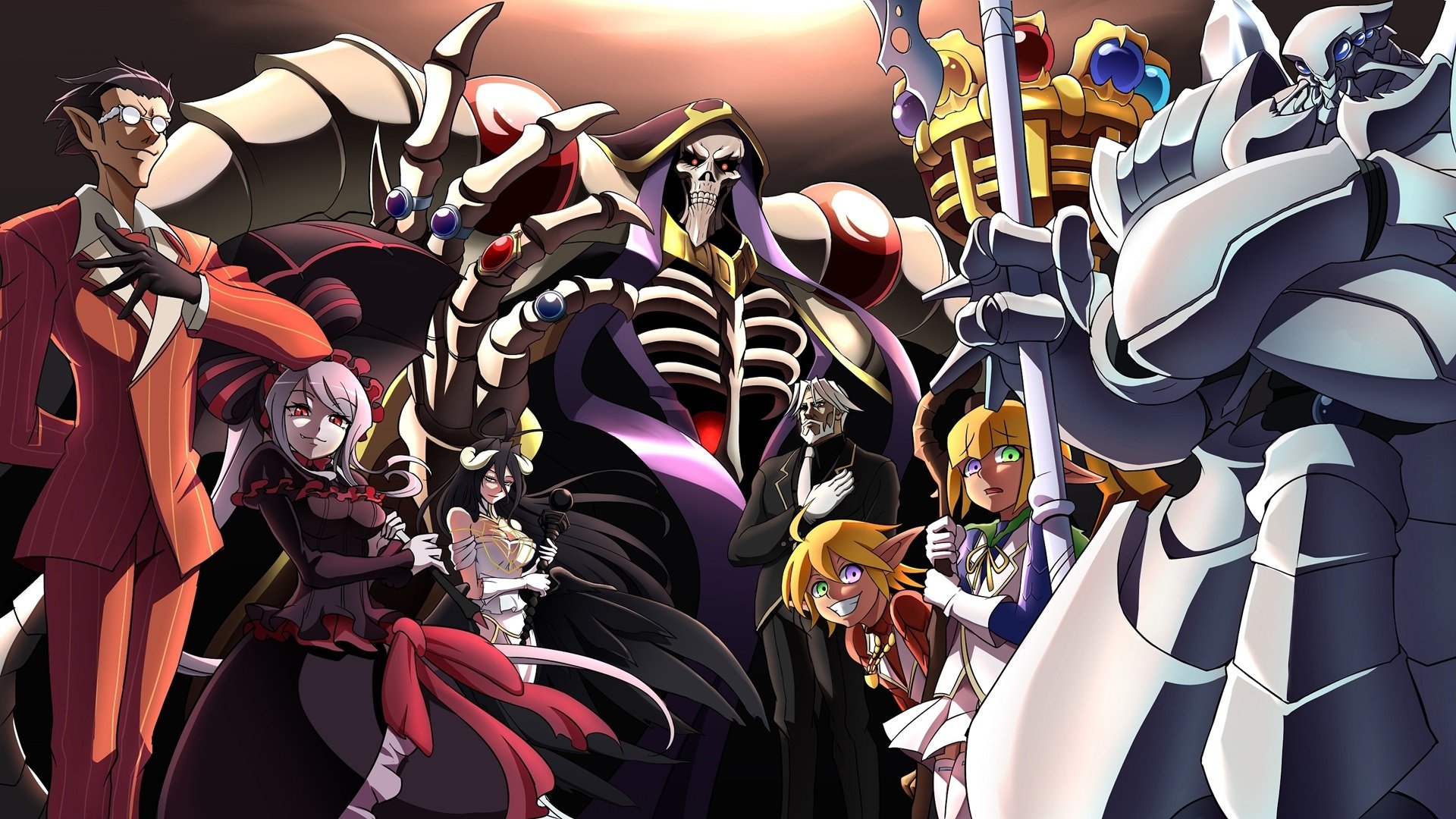

Overlord begins with a premise almost everyone has imagined: what if you were so powerful in a video game that the world just bent around you? Ainz Ooal Gown, formerly a salaryman named Suzuki Satoru, finds himself trapped in the decaying virtual world of Yggdrasil as his guild's skeleton sorcerer avatar, with every NPC now fully sentient and fanatically devoted to him. The series earns its following not through underdog heroics but through something rarer: a protagonist who is genuinely terrifying, whose mercy is strategic, and whose grip over a fantasy continent tightens chapter by chapter. The through-line a fan chases is meticulous dark-fantasy world-building, political chess played with armies and demons, and the quiet horror of watching good intentions filtered through an increasingly alien mind.
Essential Overlord
The anime seasons and the light novels that built the Great Tomb of Nazarick
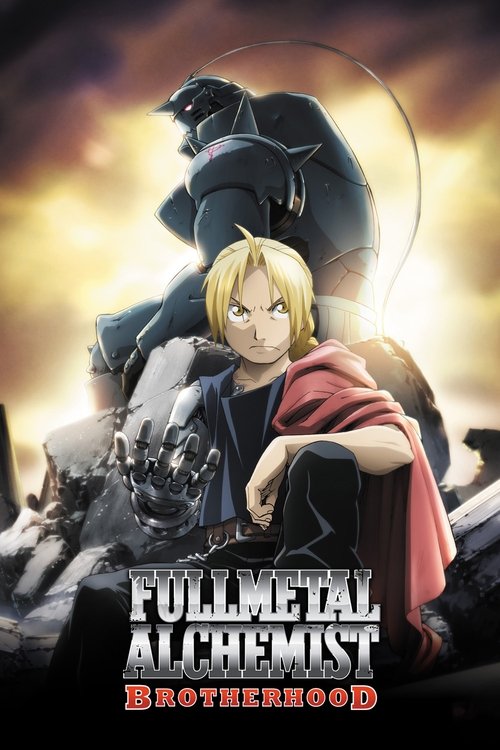
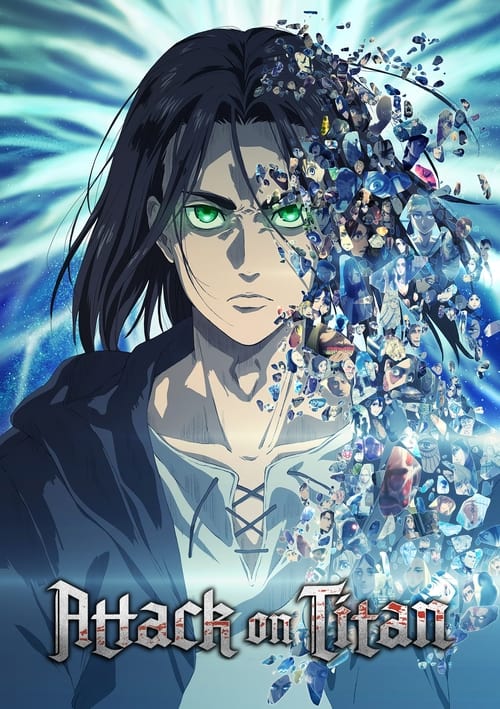
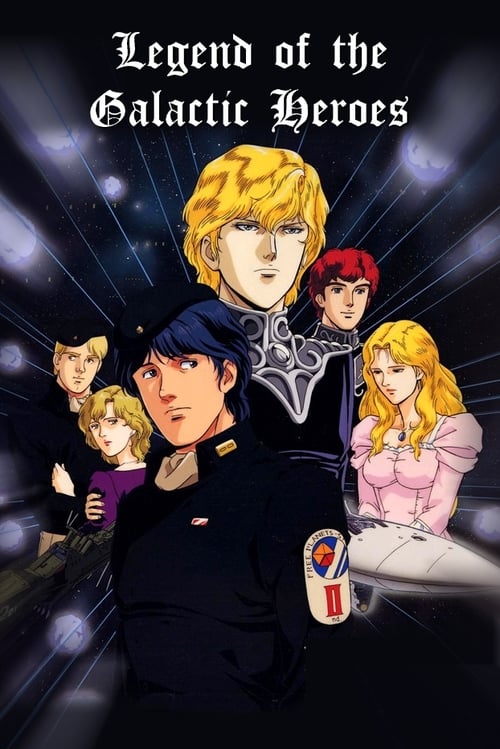
If You Love the Villain-Protagonist Angle
Anime and manga where the most dangerous person in the room is also the lead

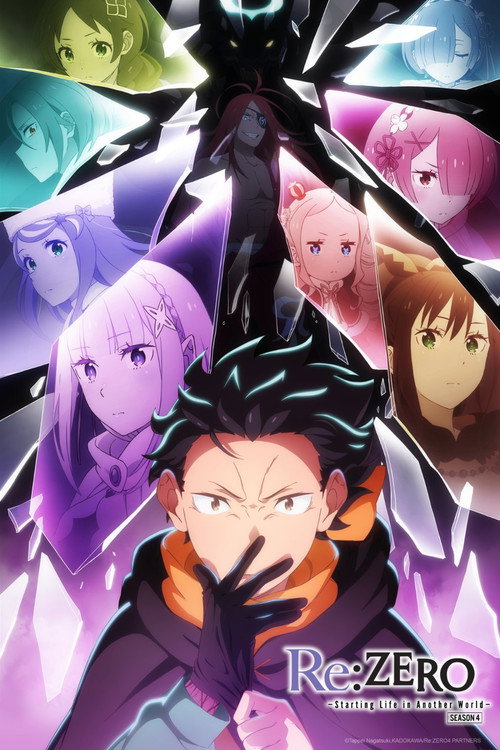
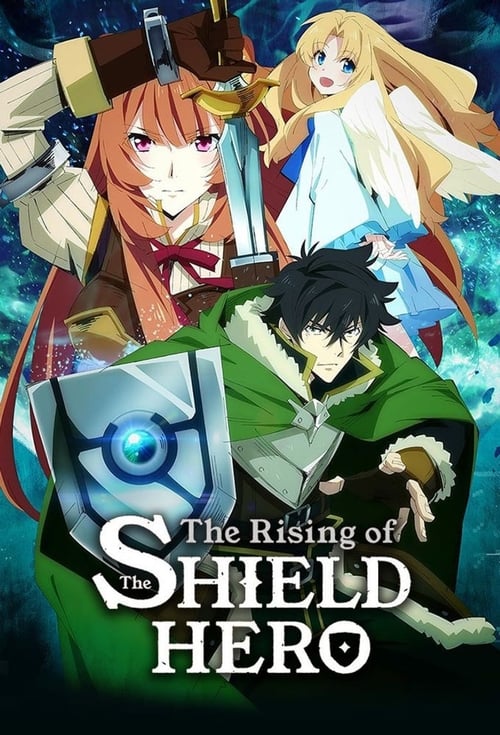

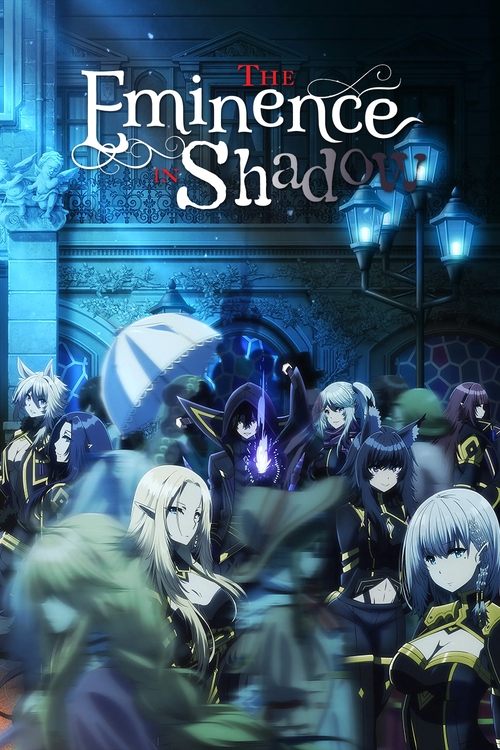
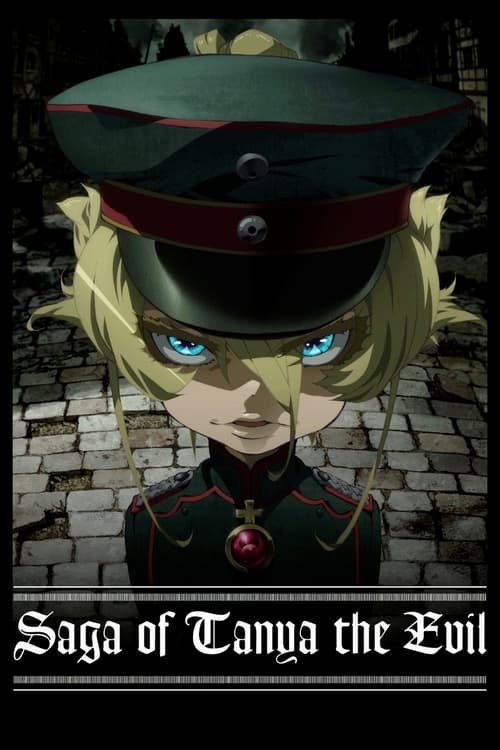
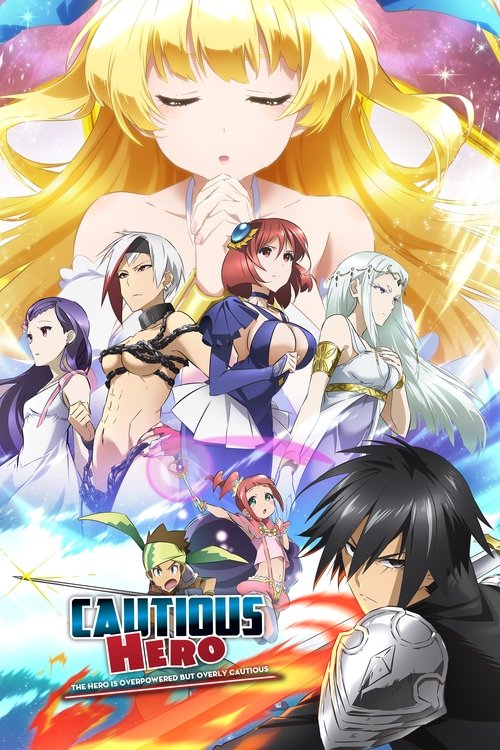
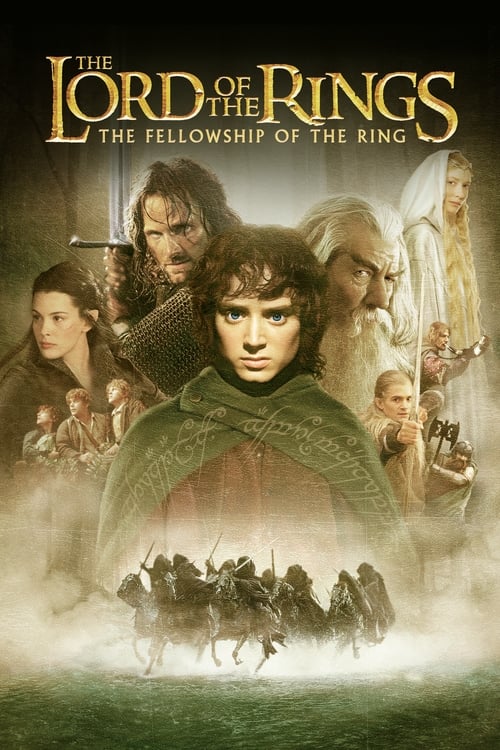
Dark Fantasy on Screen
Films and series with the same blend of political darkness, elaborate world-building, and moral ambiguity
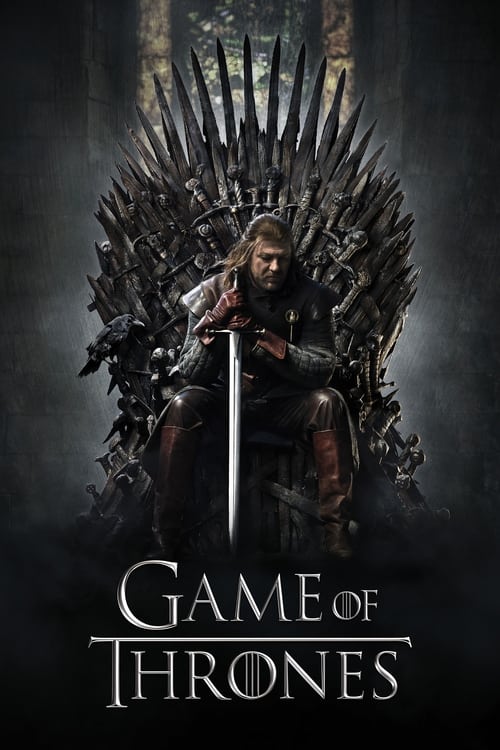
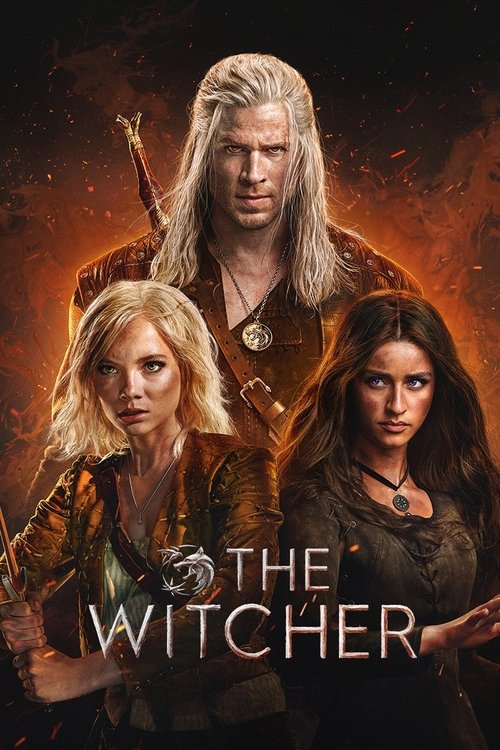
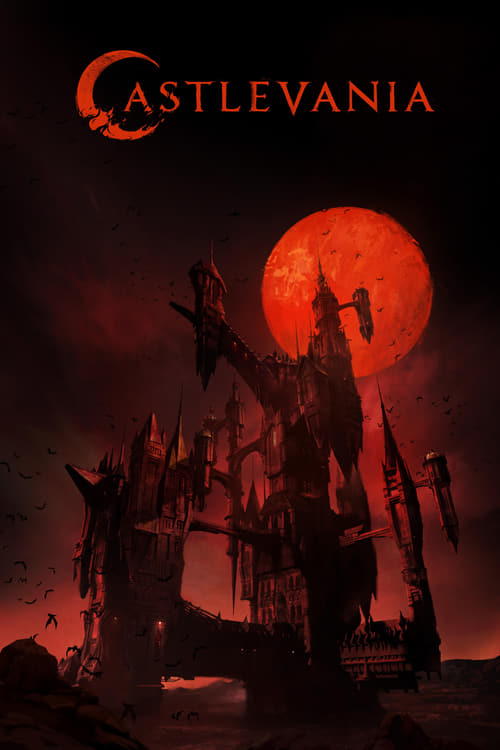

Games That Share the Dungeon-Master Energy
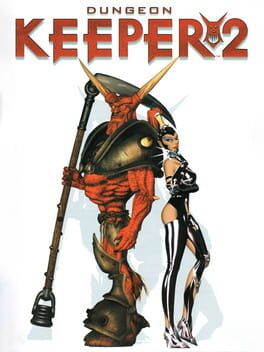
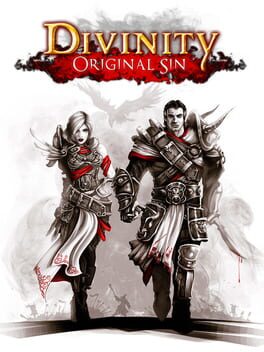
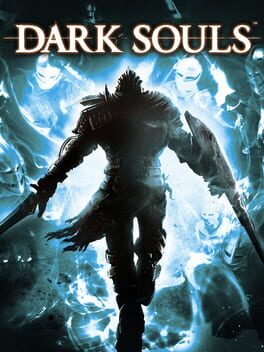
Strategy, RPG, and dark-fantasy games where you build, rule, or corrupt a world
Ainz Is Not the Hero, and That Is the Point
Most isekai protagonists stumble into power and use it to save everyone. Overlord inverts that entirely. Ainz grows more inhuman with every season, his emotional suppression mechanics bleeding into genuine detachment, and the series never blinks away from what it means when a god-tier entity chooses conquest over rescue. The horror works precisely because Ainz is not a cartoon villain. He is methodical, occasionally kind by accident, and surrounded by subordinates who are far more bloodthirsty than he pretends to be.
The Floor Guardians Make the Series
Ainz's floor guardians are not background furniture. Albedo, Shalltear, Cocytus, Demiurge: each is written with distinct ideology, vanity, and a loyalty that borders on religious fervor. The political dynamics inside Nazarick, the jealousies and rivalries kept barely in check by devotion to Ainz, carry as much dramatic weight as any external conflict. When the series focuses on their schemes and misinterpretations of Ainz's orders, it becomes a dark workplace comedy as much as an epic.
World-Building Over Action
Overlord's slow-burn reputation is earned. The series spends whole arcs on kingdom politics, adventurer guild bureaucracy, and the economics of a world being quietly reshaped by Nazarick's influence. Fans who bounce off isekai power fantasies often find Overlord works precisely because it treats its world as a system, not a backdrop. The payoff for that patience, watching pieces fall into place across the Re-Estize Kingdom arc in seasons three and four, is among the most satisfying in the genre.
Overlord: From Web Novel to Screen
- 2010Kugane Maruyama begins publishing Overlord as a web novel on Arcadia
- 2012Light novel adaptation begins publication under Enterbrain/KADOKAWA
- 2014Manga adaptation (art by Hugin Miyama) launches in Comp Ace
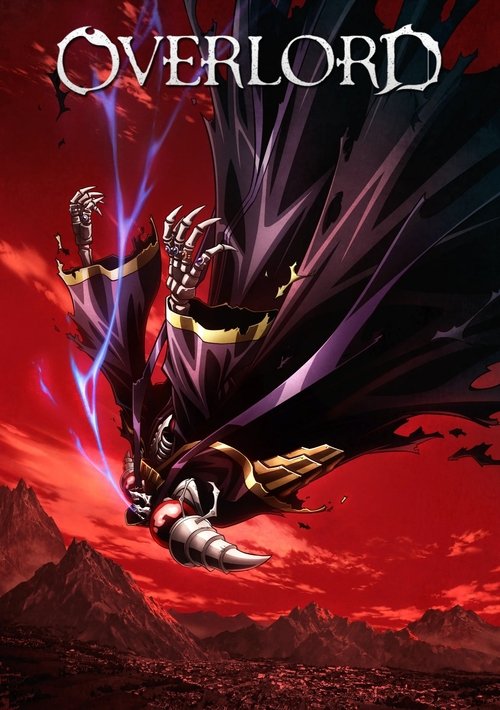
- 2015Anime season 1 premieres, covering volumes 1-3 Overlord
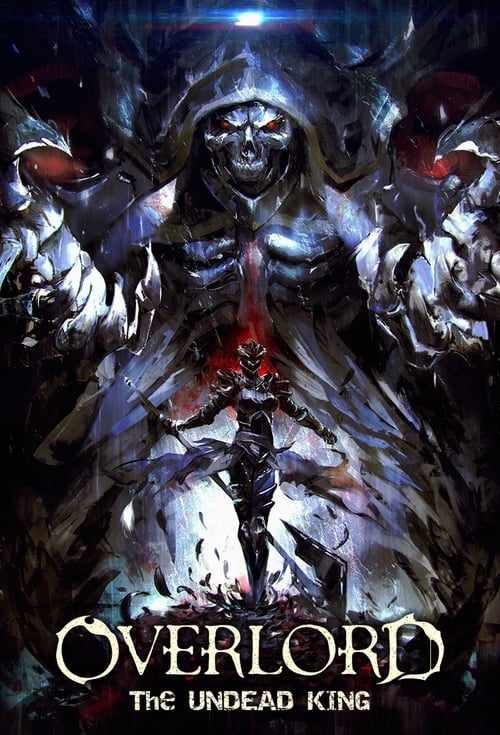
- 2018Seasons 2 and 3 air back-to-back; compilation films released in Japan Overlord: The Undead King
- 2022Season 4 premieres, adapting volumes 10-11
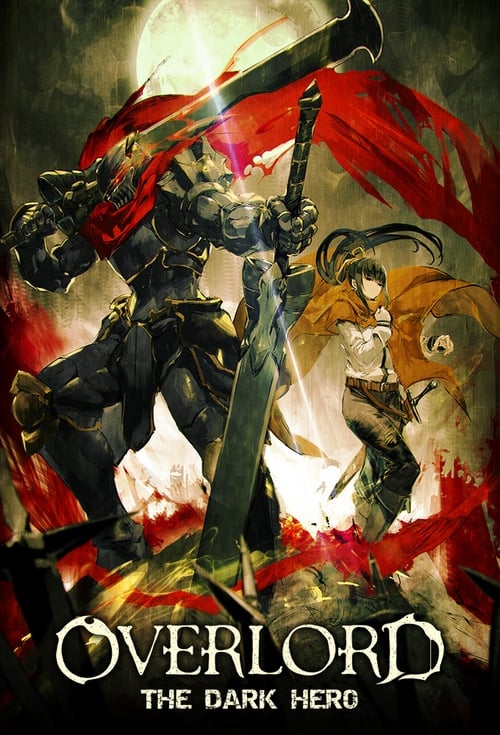
- 2023Original feature film The Dark Hero focuses on Ainz's alter ego Momon Overlord: The Dark Hero
More dark fantasy and villain protagonists
Dark Fantasy
Explore the Dark Fantasy guide →The Great Tomb of Nazarick does not need to conquer the world by force. It only needs to make the world understand that resistance is a choice, and a poor one.CrossBinge editorial