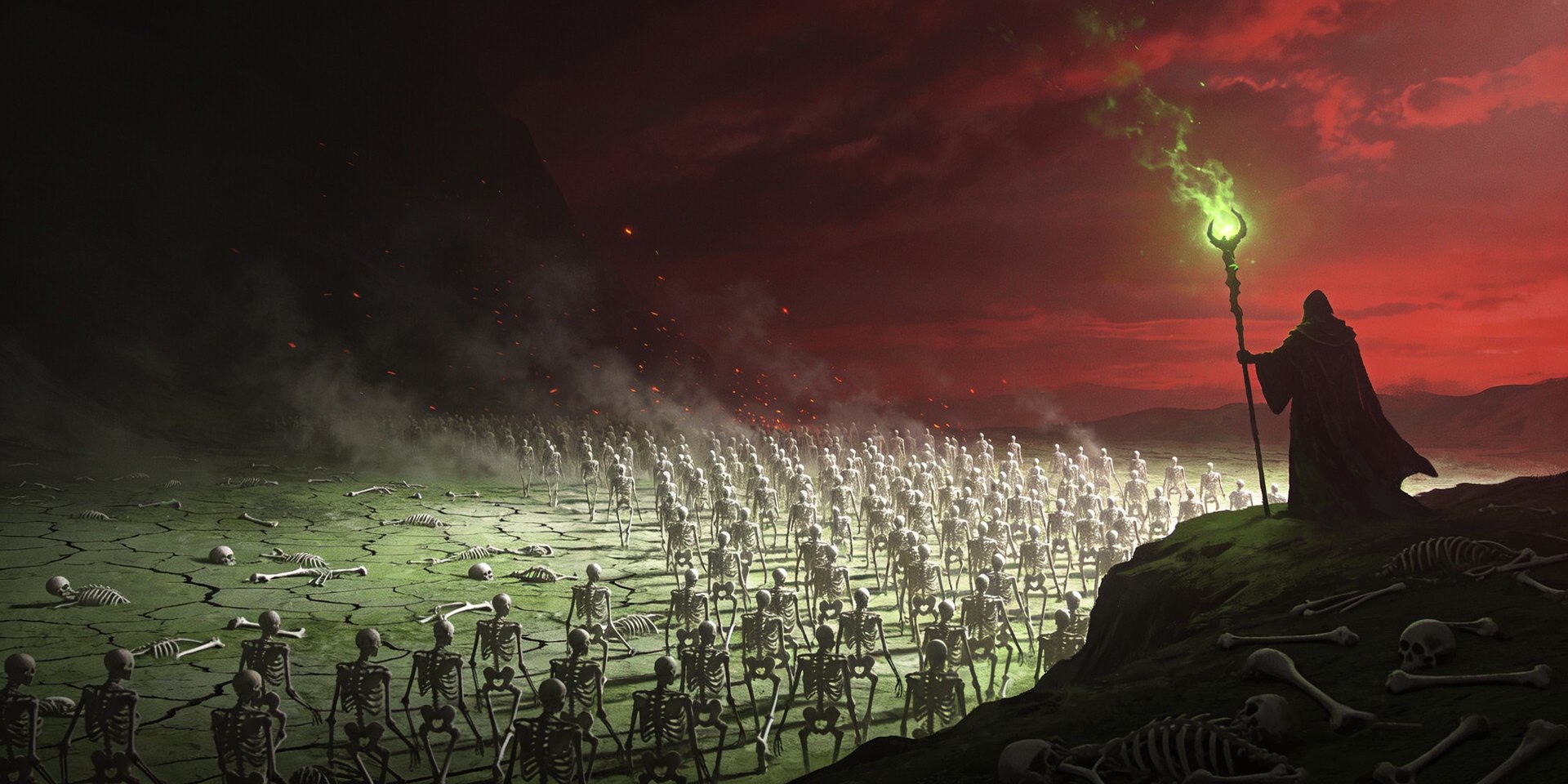

There is a particular dread in the army that cannot be killed because it is already dead. A zombie outbreak is chaos, a mindless tide. This is something colder: the dead organized, ranked, given purpose by a living will. Somewhere a robed figure raises a staff, and the soil heaves, and what comes up forms ranks. The skeleton does not bleed, does not break, does not run. It only marches.
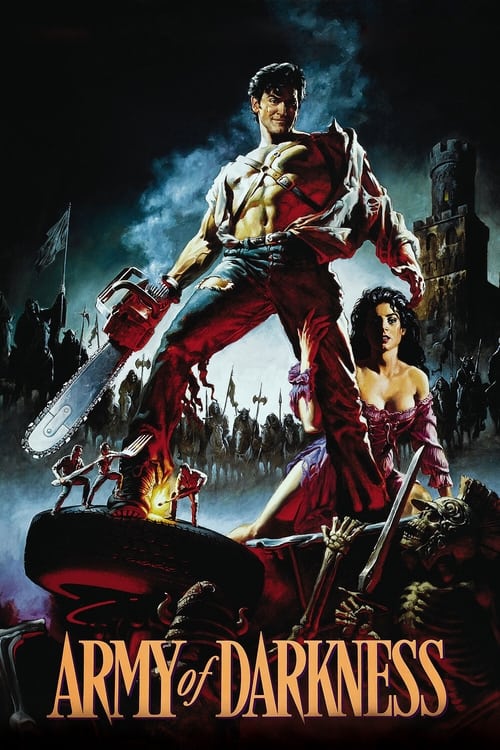
This guide is about that figure and the legions it commands. The necromancer is one of fantasy's oldest villains and one of its most seductive playable fantasies, because the power on offer is the ugliest one imaginable: turning your enemies into your soldiers, and death itself into a resource. From the bone-throwing skeletons of Army of Darkness to the Scourge sweeping across a continent in Warcraft III, from the Sundering of Tolkien's Dead Men of Dunharrow to the cursed crews of the Caribbean, the raised host is its own genre. We have gathered the films, games, shows, books and music that do it best, across every shade of green-lit catacomb.
The undead host
The canon of necromancers and raised legions, across every medium


Diablo turned the necromancer into a hero you root for
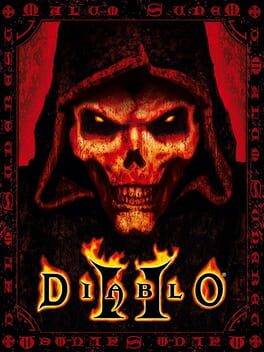
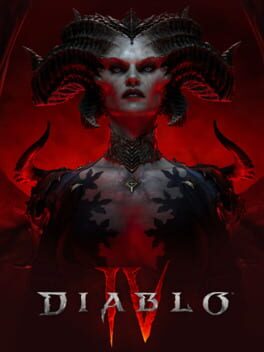
For most of fantasy, the necromancer is whoever you are sent to stop. Blizzard's Diablo franchise did something stranger and more durable: it made raising the dead a class you choose and love. The Diablo II Necromancer, with his Bone Spear, his Skeleton Mages and his Corpse Explosion, was the first time a generation of players got to be the figure on the hill commanding the host instead of fighting it. Your army is whatever just died near you. The screen fills with your own shambling retinue.
Diablo IV brought the class back with even more grotesque flourish, letting you sacrifice your minions for power or flood a room with a standing legion. It is the purest expression of the whole fantasy: death is not the end of a fight, it is the supply line for the next one.
Necromancy on film
Cursed crews, raised legions and the sorcerers who command them
The dead under orders
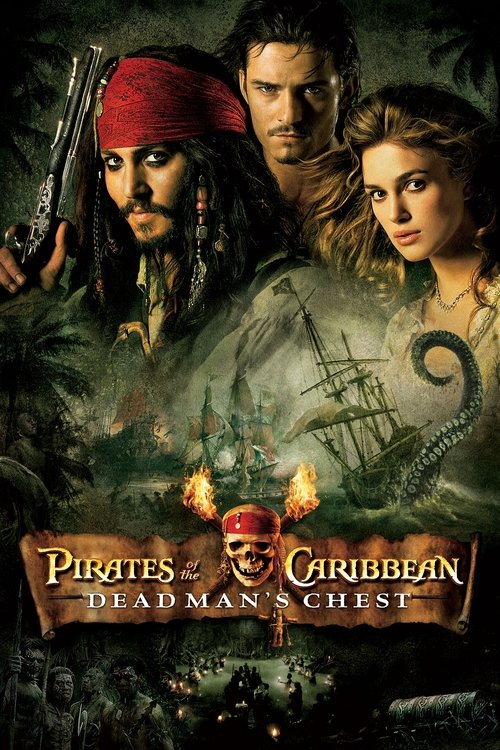
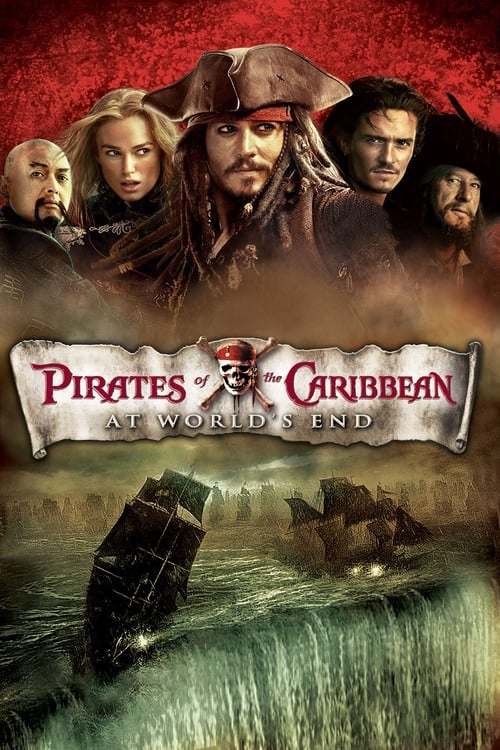
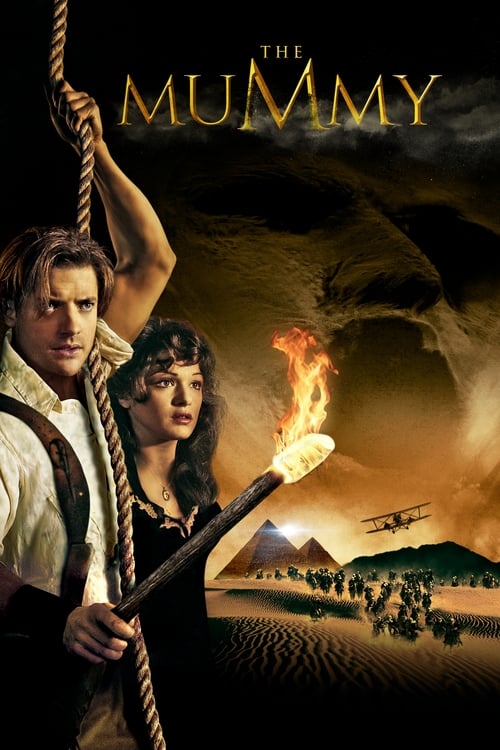
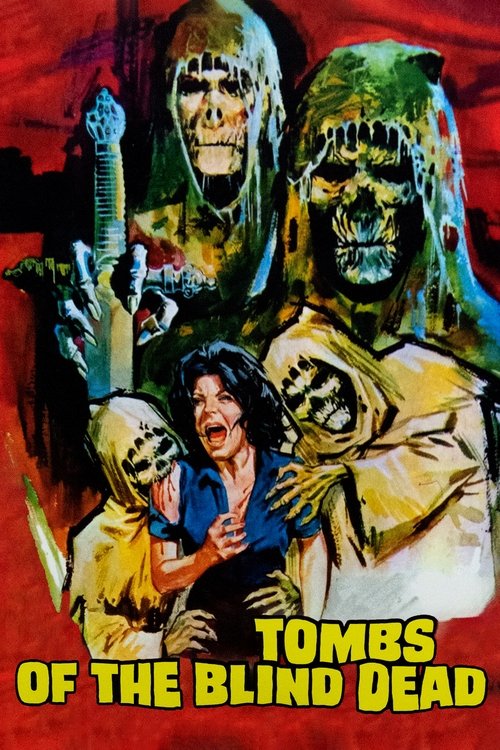
What separates this genre from horror's shambling crowds is command. A zombie horde has no general. The undead army does, and the drama is always partly about that relationship: the sorcerer and the thing they have made. The Mummy gives Imhotep a plague-driven devotion that survives three thousand years in the sand. The Templars of Tombs of the Blind Dead ride out from a ruined Iberian monastery in slow, blind, eyeless formation, hunting by sound. And the Pirates of the Caribbean films built a billion-dollar franchise on the simplest version of the idea: a crew that cannot die, dragging its curse across the sea, with Davy Jones and his barnacled men as the second, stranger turn of the screw.
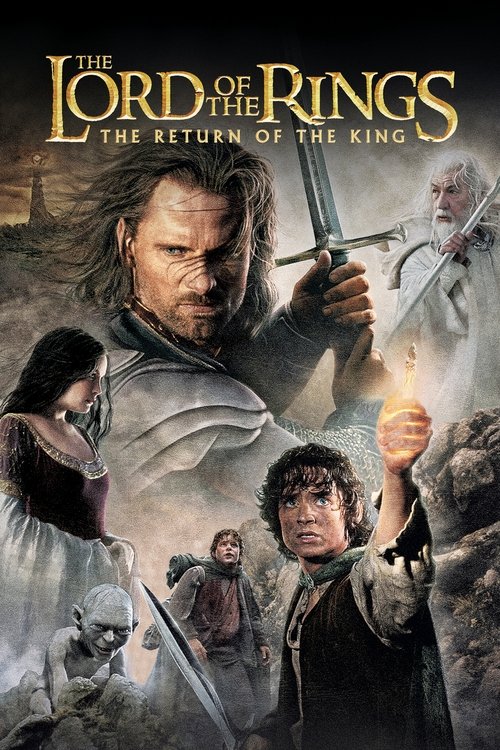
Few films commit to the marshaled-dead idea as literally as Peter Jackson's The Return of the King, where Aragorn calls on an entire oathbreaker army, a green tide of the dead released from their curse only once they have repaid it in blood. It is the rare blockbuster where the undead legion is the good guys' cavalry.
Raise a legion to command
Bone mages, Vampire Counts, the Scourge and the Necropolis faction
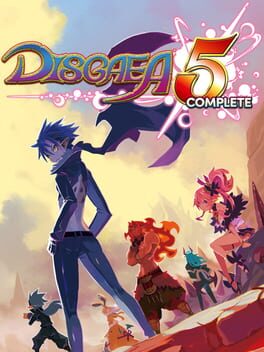
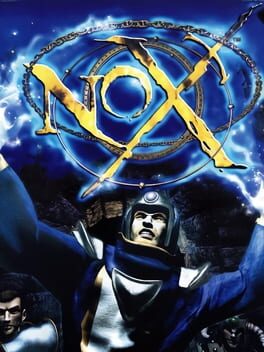
Warcraft III still has the definitive undead campaign
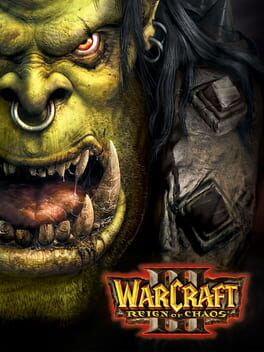
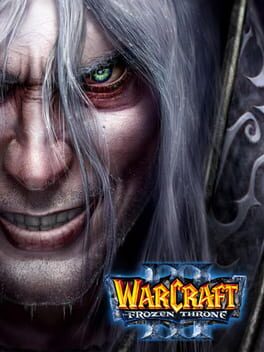
More than two decades on, the Undead campaign of Warcraft III: Reign of Chaos remains the high-water mark for the raised-army fantasy in games. You play the fall of Arthas, a prince who picks up a cursed runeblade to save his people and ends up commanding the very plague that destroyed them. The Scourge is not just a faction, it is a logic: ghouls raised from corpses, meat wagons flinging plague, necromancers turning every battlefield casualty into a fresh recruit. Win a fight and your enemy's dead become your reinforcements.
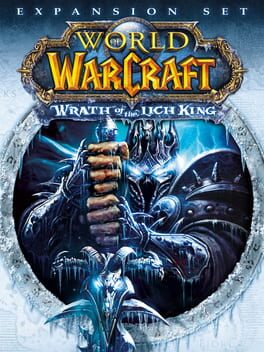
Its expansion, The Frozen Throne, completed the arc by marching Arthas to the Lich King's frozen seat, and Blizzard later spent a whole World of Warcraft expansion, Wrath of the Lich King, letting millions storm Icecrown to finish what the campaign started. The death-knight-as-tragic-hero template that everyone has copied since starts here.
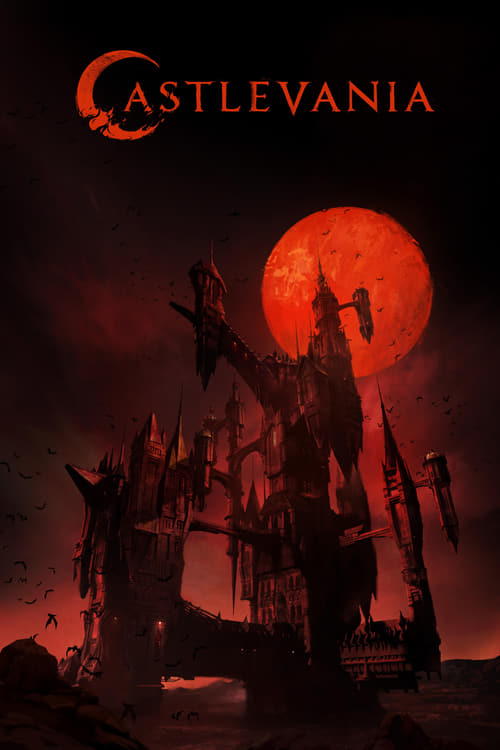
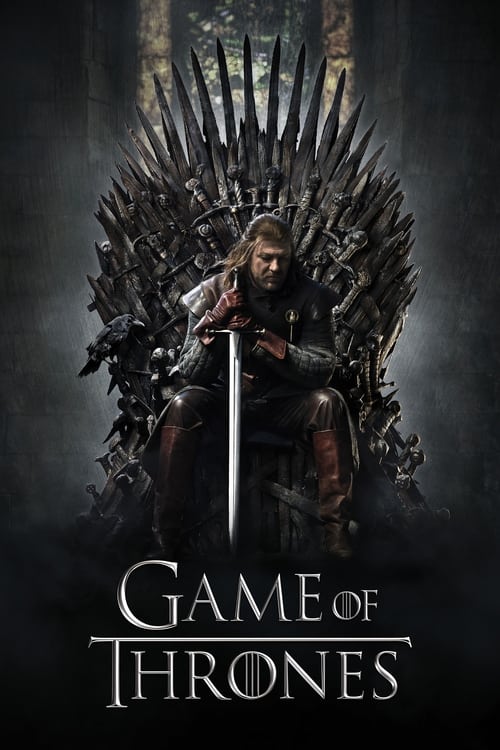
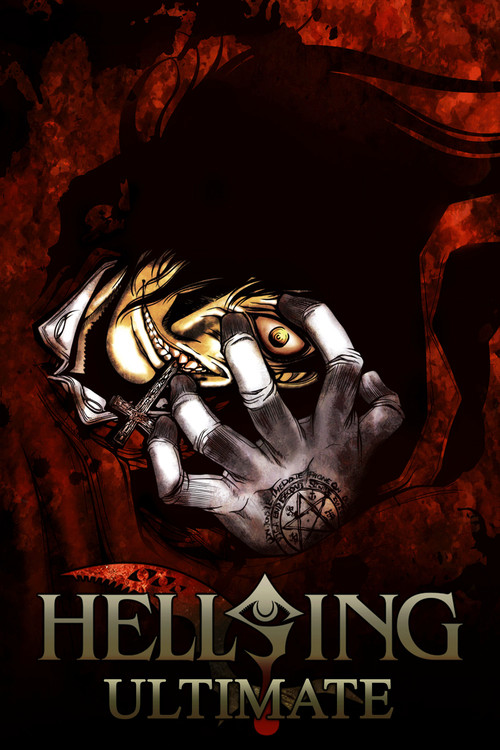
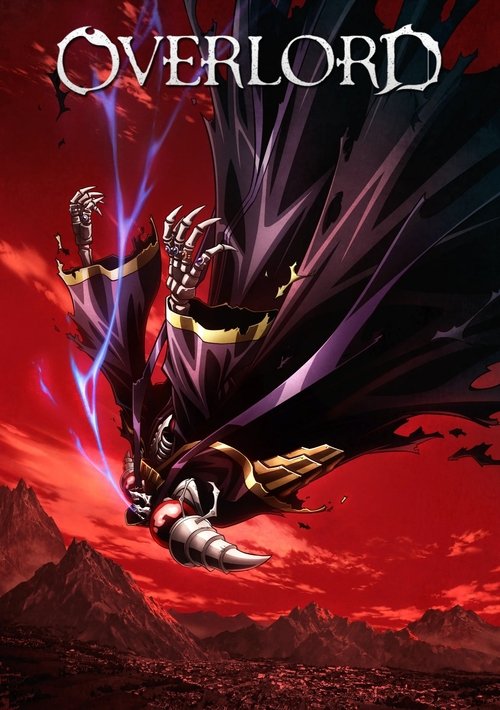
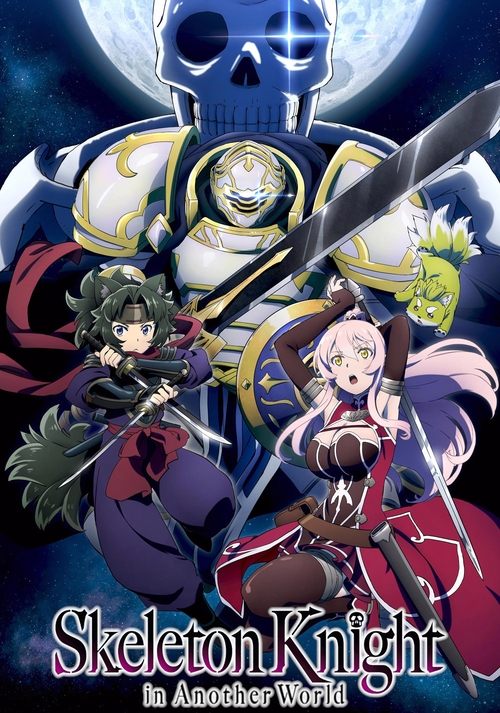
The dead on screen
From Dracula's castle to the Scourge's anime cousins

The bone sorcerers on the page
The necromancer was a fixture of fantasy fiction long before a controller let you become one. Knight of the Black Rose sends the cursed death knight Lord Soth, one of Dragonlance's great tragic monsters, into the mists of Ravenloft, an undead lord forever circling his own damnation. Older, weirder pulp keeps the lamp lit too: the simply titled Necromancer and Brian Lumley's Necroscope sequence treat speaking to and raising the dead as a kind of forbidden science rather than a costume.
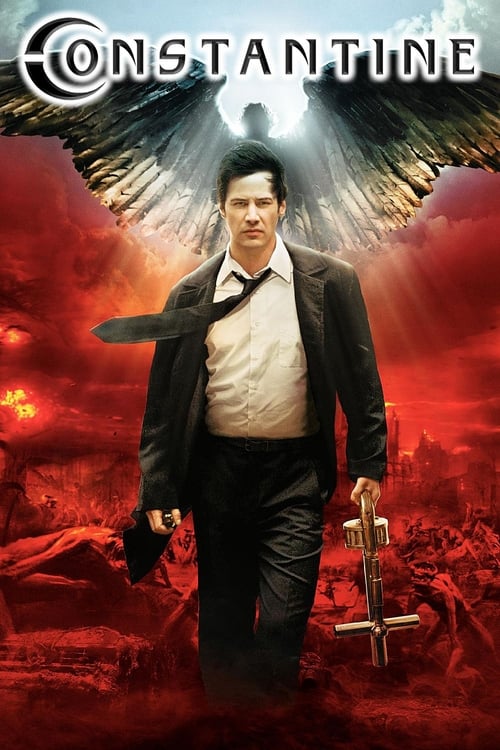
Comics belong here as much as prose. Hellboy fights against resurrected legions and ancient sorcery in nearly every outing, and John Constantine, the chain-smoking magus of Hellblazer, spends his career on the wrong side of bargains with the dead. These are the texts the games and films have been adapting, openly or not, for decades.
Bone sorcerers on the page
Death knights, forbidden science and the magi who bargain with the grave


Death is no obstacle to those who know its name. It is a recruiter.The unofficial creed of every necromancer who ever raised a host
Sea of Thieves makes the cursed crew a multiplayer threat
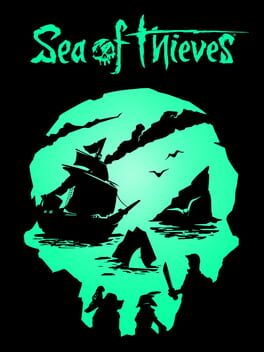
The undead army is usually something that happens to you. Sea of Thieves turns it into a recurring boss you sail toward. Skeleton crews crew their own galleons, man their own forts and rise out of the surf in glowing waves when you raid the islands they guard. Defeat a skeleton captain and another simply takes the wheel. They are the closest a live-service game has come to the Pirates of the Caribbean fantasy of an enemy that the sea itself keeps re-supplying.
It is a smart use of the trope. Human players come and go, but the dead are always on the map, always reforming, always one bad fight away from overrunning you. The cursed crew works better as ambient menace than as a single set-piece, and Rare understood that.
Soundtracks for the marching dead
The scores and records that score a graveyard's awakening