

Parasite (2019) works on you in layers. First it is a very funny film about an opportunistic family worming their way into a wealthy household. Then it shifts, and the comedy curdies into something darker. Then the basement opens. Bong Joon-ho's genius is that every image does double duty: the stairs between the rich Park home and the semi-basement Kim apartment are a physical map of South Korean class stratification. Fans of Parasite are not just fans of a great thriller; they are fans of cinema that uses genre mechanics to say something true about who gets to live above ground and who does not. Everything below follows that charge: the slow reveal, the collision between the comfortable and the desperate, and the feeling that the house itself is an argument.
Essential Bong Joon-ho
His other films, each a genre in disguise




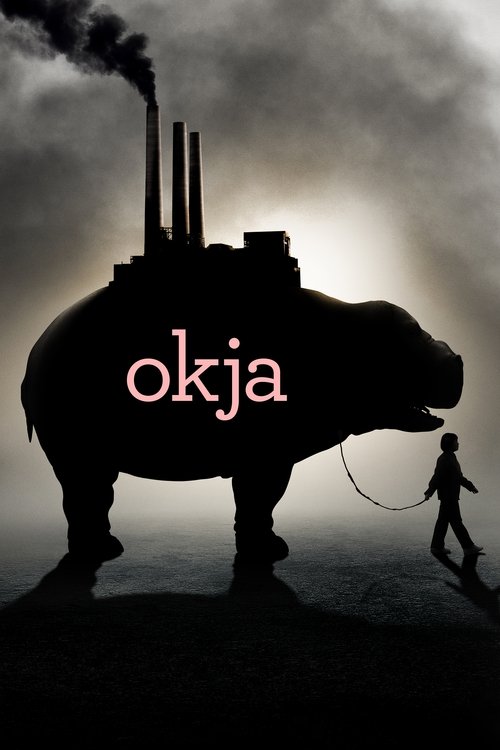
Films that play the same two-sided game
Dark comedy meets social X-ray




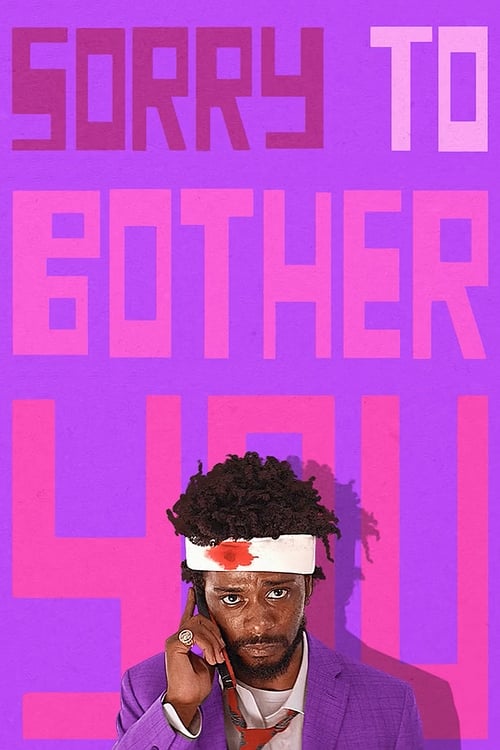
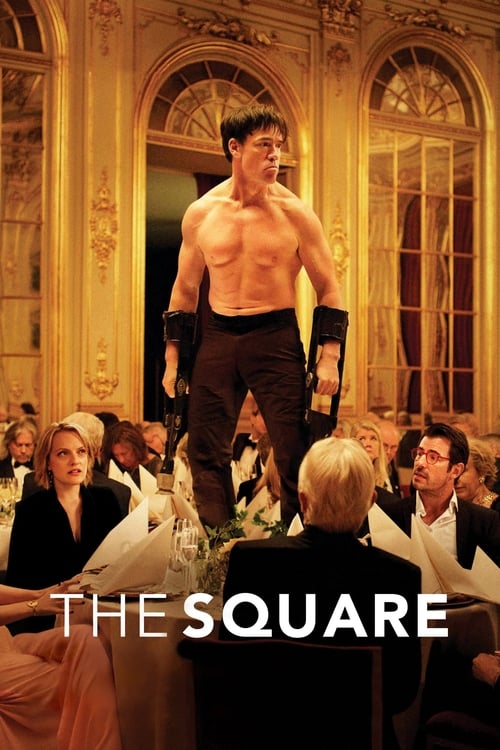


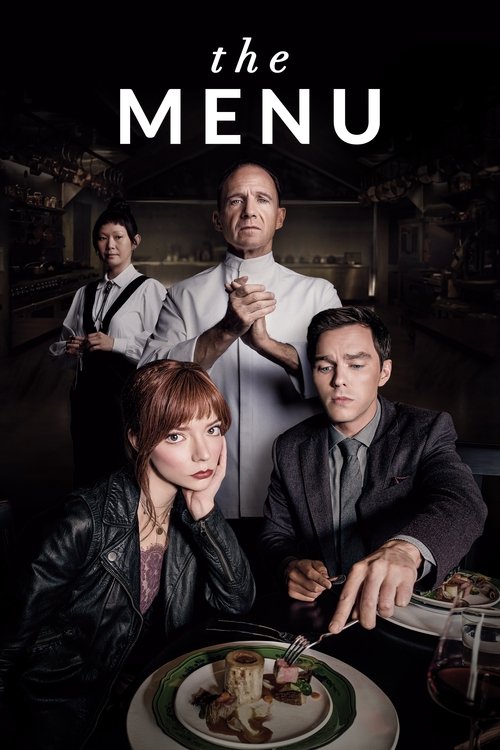

Series with the same current underneath
TV that uses genre to expose class and power






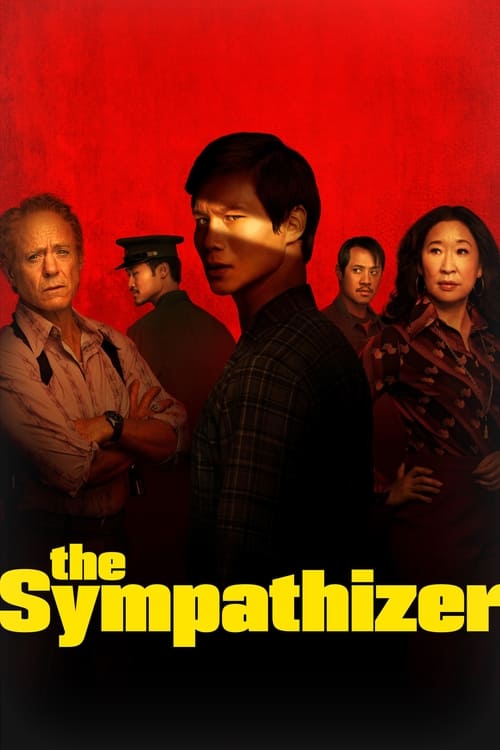

Books where the house is the trap
Novels about class friction, infiltration, and buried secrets
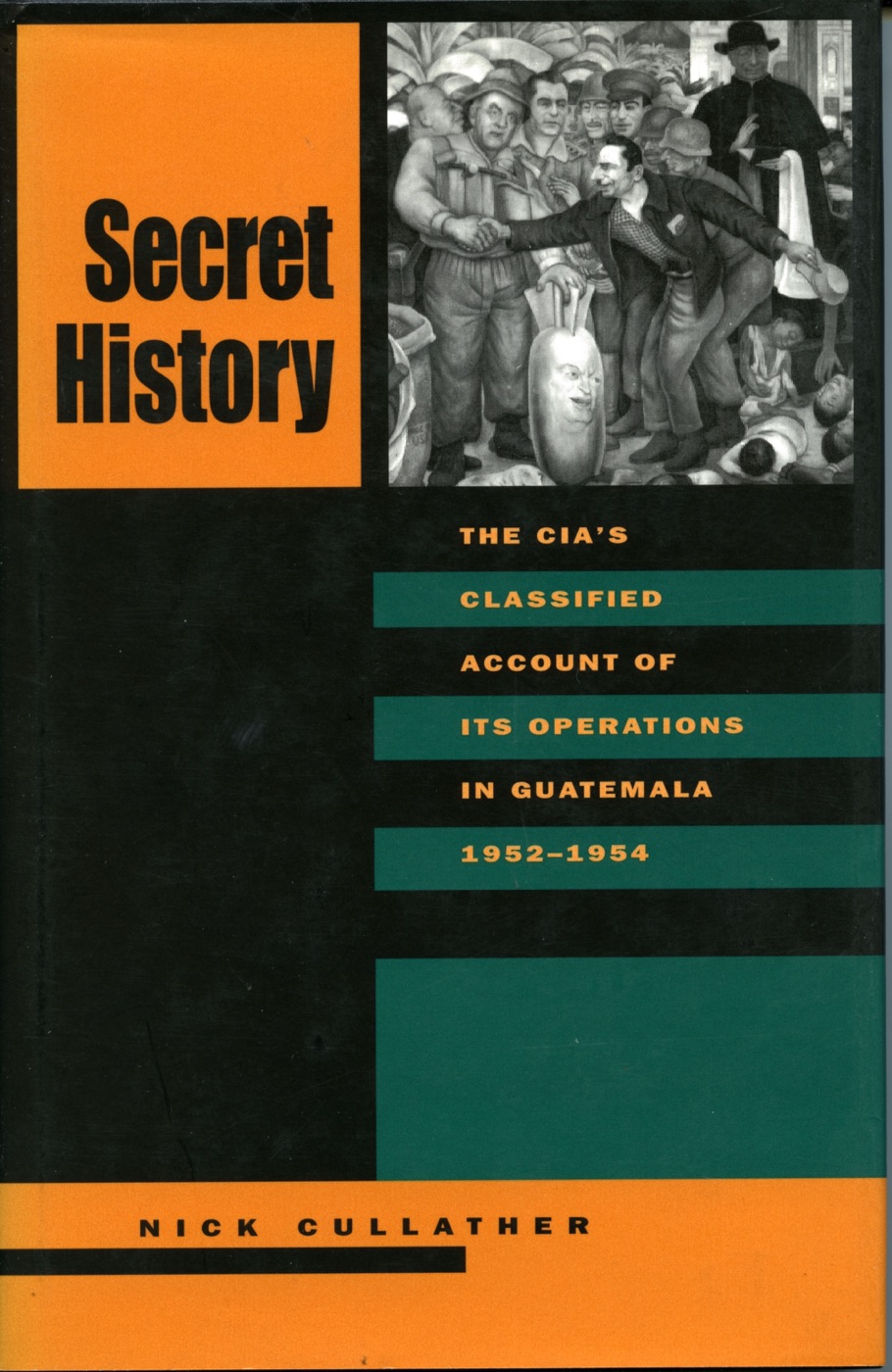



Games that make the system the antagonist
Tension, deception, and the rules that favor the house





The music of Parasite and its kin
Jung Jae-il's score and albums with the same tonal whiplash
The basement is always there
Every great thriller about class has a basement. In Parasite it is literal: a man has been living beneath the wealthy family's house for years, invisible and forgotten. The reveal reframes everything you saw before it. Burning does this too, with a greenhouse that may or may not exist. Get Out does it with a literal sunken place. The pattern is not a coincidence: the underclass is always already beneath the surface of comfortable life, and genre cinema keeps finding new trapdoors to make that visible.
Korean cinema's long decade
Parasite did not arrive from nowhere. The preceding two decades of South Korean cinema, from Park Chan-wook's Vengeance Trilogy to Lee Chang-dong's Burning and Poetry, built the vocabulary Bong used. A scene can pivot from kitchen-sink comedy to Gothic horror without breaking tone because Korean directors trained audiences (and themselves) to hold those registers simultaneously. Shoplifters (Japan) and the early work of Hong Sang-soo extend the geography of that sensibility across East Asia.


Knives Out and the art of the pleasant trap
Rian Johnson's Knives Out and its sequel Glass Onion work a cheerful version of Parasite's core trick: they use the conventions of the whodunit to anatomize wealth, inheritance, and who the system is actually built for. Where Bong is ruthless, Johnson is (a little) warmer, but the structural argument is the same. Neither lets the rich off the hook, and neither lets the audience be comfortable either.

A short history of class-war cinema
- 1954La Strada opens the playbook on the powerless serving the powerful La Strada
- 1960The Housemaid (Kim Ki-young) builds the Korean domestic thriller template The Housemaid
- 2000Bong Joon-ho debuts with Barking Dogs Never Bite Barking Dogs Never Bite
- 2003Memories of Murder cements Bong as a major voice Memories of Murder
- 2017Get Out makes class and race legible through horror Get Out
- 2018Burning (Lee Chang-dong) and Shoplifters (Kore-eda) dominate world cinema Burning
- 2019Parasite wins the Palme d'Or and four Academy Awards including Best Picture Parasite
- 2021Squid Game brings the same class allegory to global television Squid Game
- 2022Triangle of Sadness and The Menu push the satire further Triangle of Sadness
Class rage, Korean cinema, dark thrills
For Fans of Bong Joon-ho
Explore the For Fans of Bong Joon-ho guide →It is the same staircase. The Kims walk up it as guests. They walk down it as workers. The architecture is the argument.CrossBinge