
Paulo Coelho built a global readership not on plot mechanics but on a single repeating conviction: that every person has a Personal Legend, a calling encoded at birth, and that the universe bends toward those courageous enough to pursue it. His books read less like novels and more like parables, stripped of ornament, each sentence arriving with the confidence of an old proverb. The Alchemist remains the best-selling Portuguese-language book in history, translated into more than 80 languages, because the hunger it speaks to is genuinely universal. Whether you came to Coelho through a dog-eared paperback on a gap year or a late-night crisis of meaning, the through-line his fans share is the same: a taste for stories that carry a thesis, that treat the interior journey as the real adventure, and that blur the boundary between fiction and wisdom literature.
Essential Paulo Coelho
The novels that define his vision, from the pilgrimage that started it all to his quietest masterworks.


If You Love the Philosophical Fable: Similar Authors
Writers who share Coelho's taste for wisdom disguised as story, myth laced with meaning.


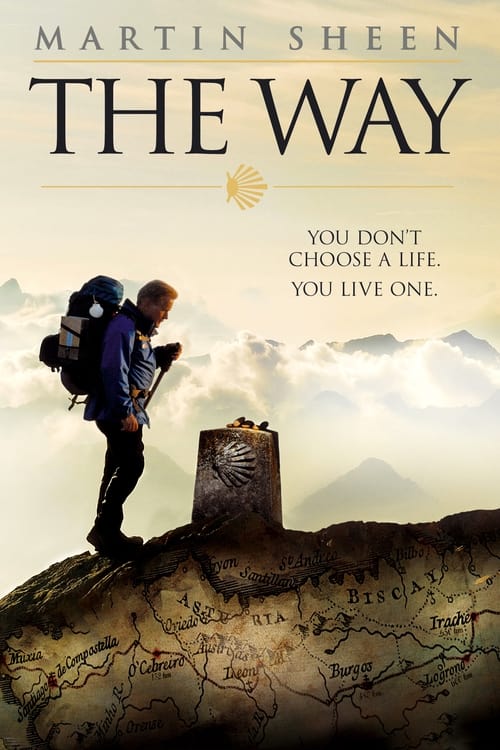
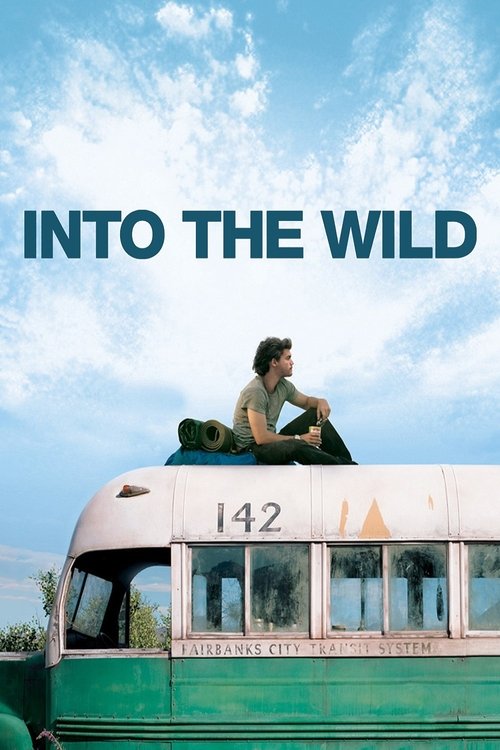
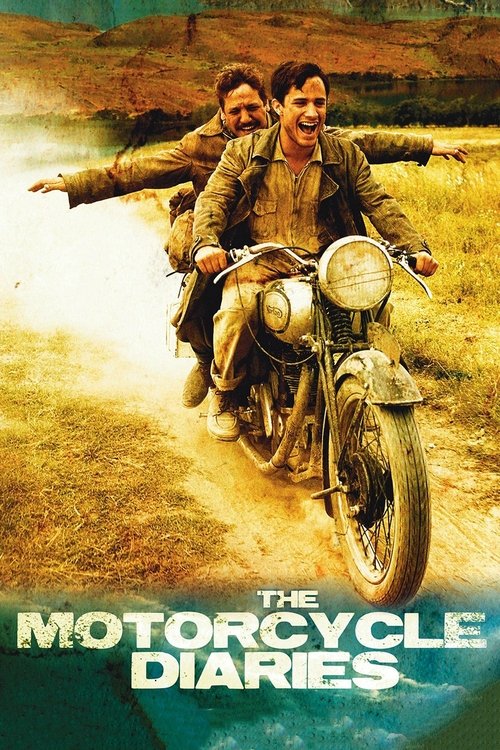
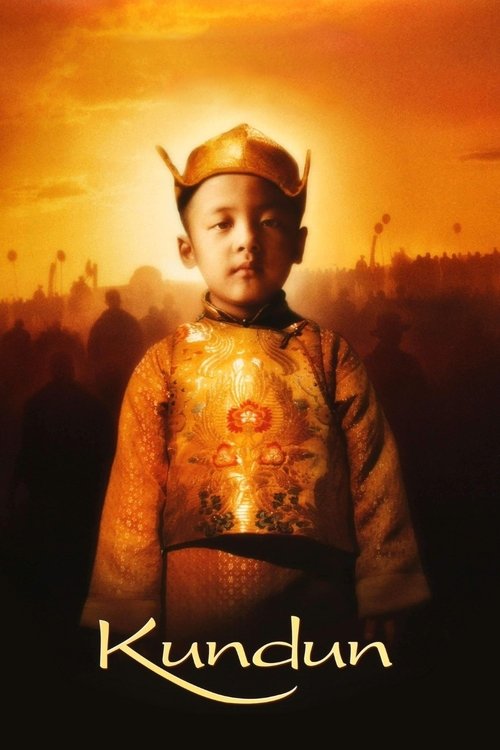
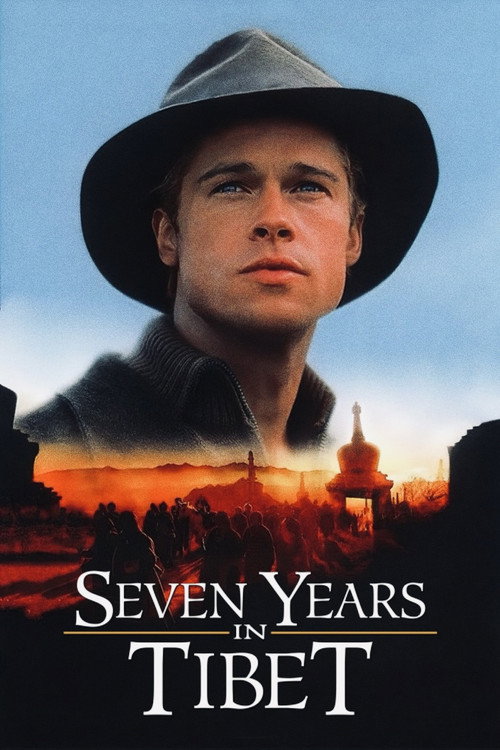
If You Love the Spiritual Quest: Films
Movies that share the Coelho feeling: one person, an inner call, a transformation earned by traveling far and going deeper.


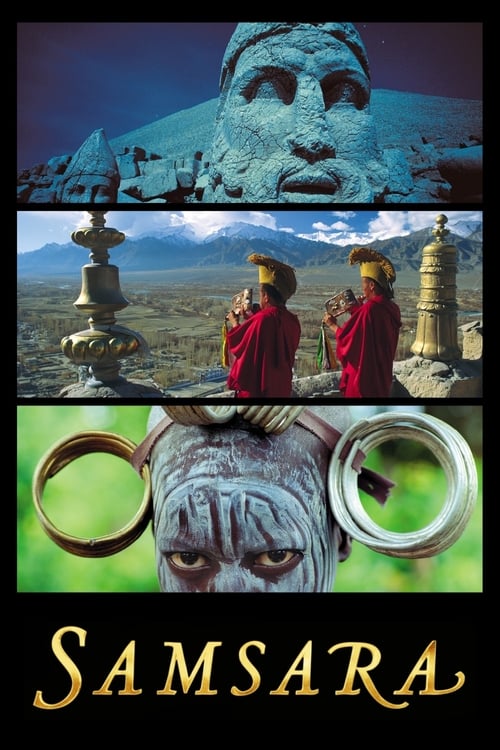
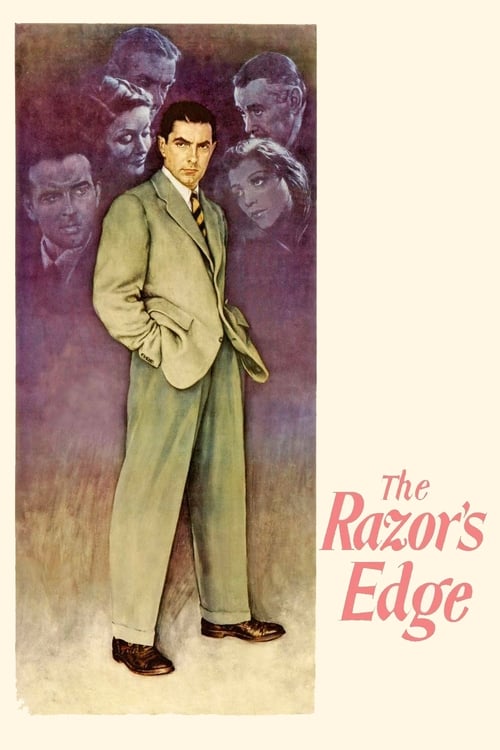
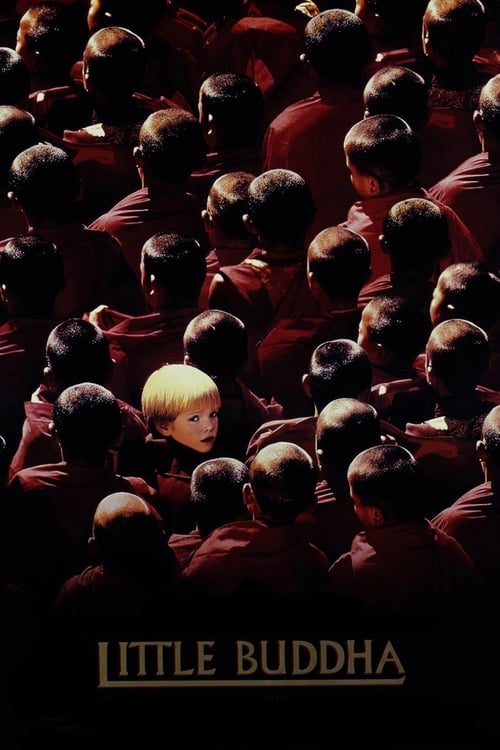
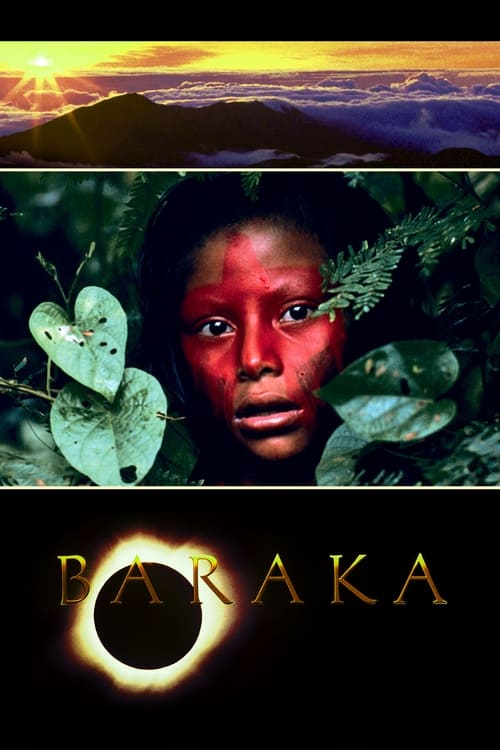
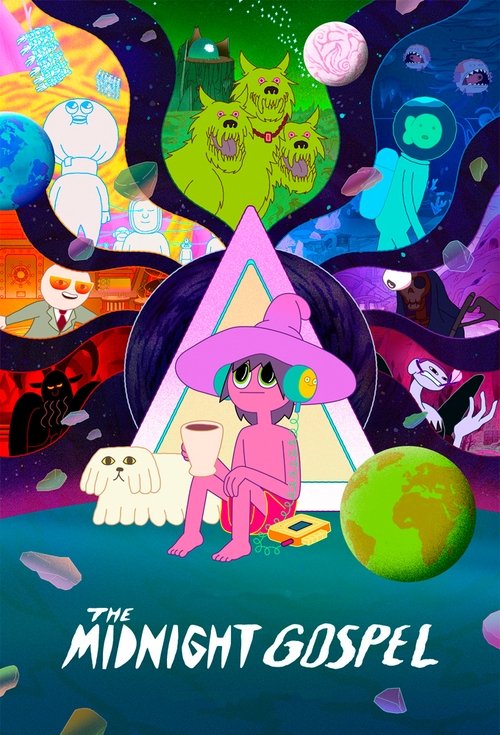
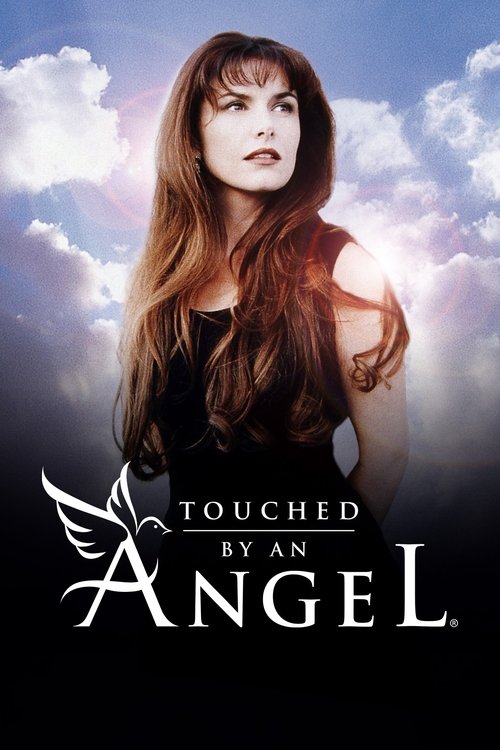
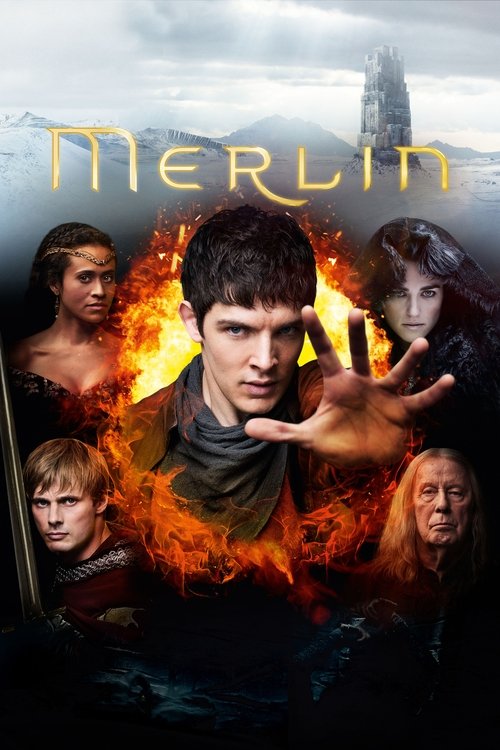
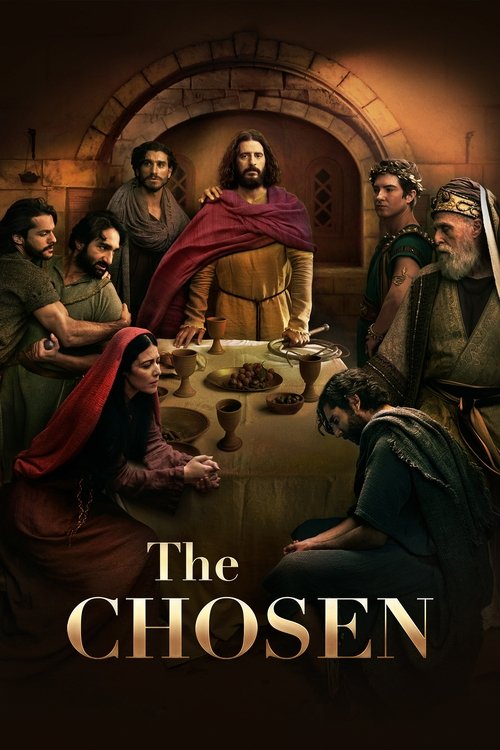
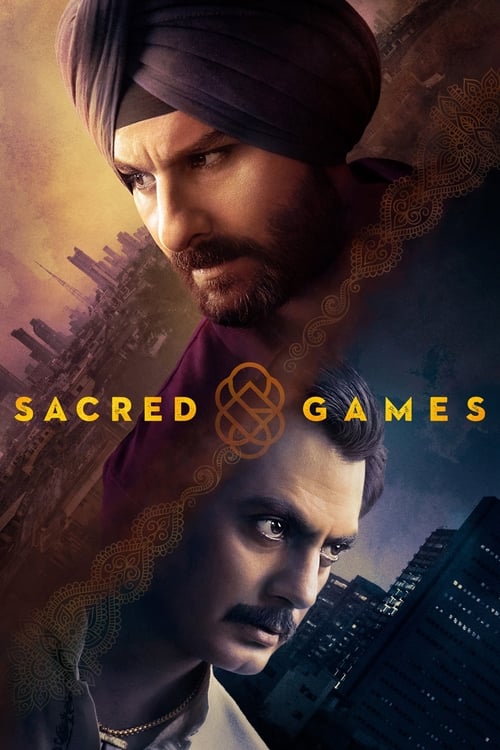
If You Love the Fable and the Myth: Series
TV series with the same mythic texture: heroes answering a call, magic as metaphor, destiny as a force you can feel.





If You Love the Journey as the Destination: Games
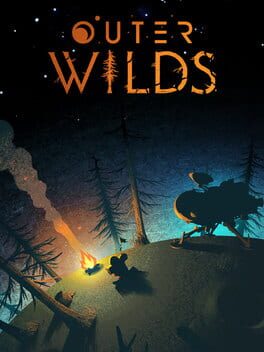
Games that trade action for introspection, treating travel and discovery as meditative acts.

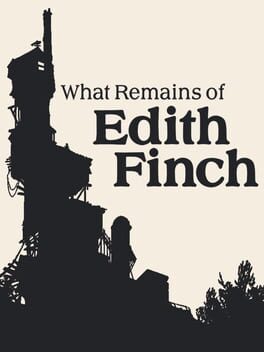



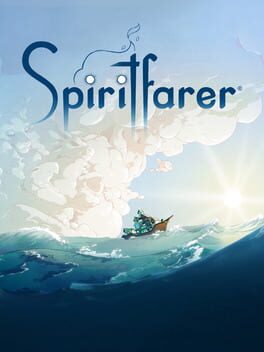
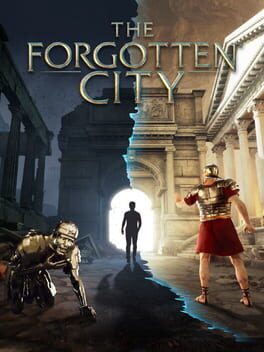
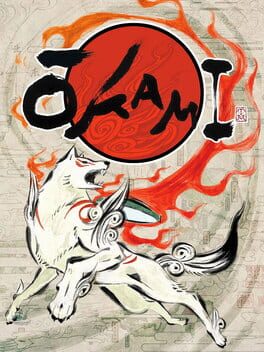



If You Love Desert Mysticism and the Ancient World: Music
Albums that carry the same warm, searching atmosphere: world rhythms, sacred minimalism, and music that feels like walking across open terrain.
The Alchemist Works Because It Refuses to Explain Itself
Critics who find Coelho slight are usually looking for psychological realism or stylistic complexity he has no interest in supplying. The Alchemist is a fable, and fables achieve their power through compression and repetition, not revelation. Santiago does not grow as a character in the way a Henry James protagonist grows. He moves. He listens. He loses things and finds others. The book works because it trusts the reader to supply the emotional weight themselves, to project their own stalled Personal Legend onto his uncluttered one. That is not a limitation. It is the technique.
Coelho's Pilgrimage Books Are His Most Honest Work
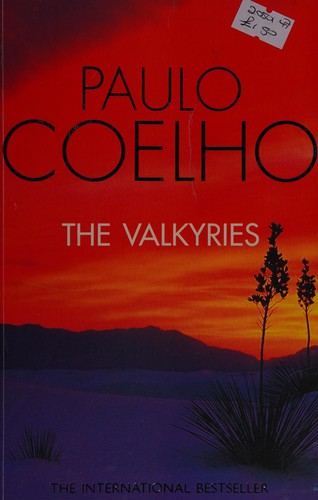
The Pilgrimage and The Valkyries are strange, personal, and far less universally beloved than The Alchemist precisely because they are more specific. They are reports from actual journeys Coelho took, filtered through the lens of Regnus Agnus Dei practices and his RAM initiation order. They document failure, embarrassment, and encounter with forces he cannot fully explain. Readers who want the parable comfort of The Alchemist sometimes find these books irritating. Readers who want to understand what actually drives him find them indispensable.
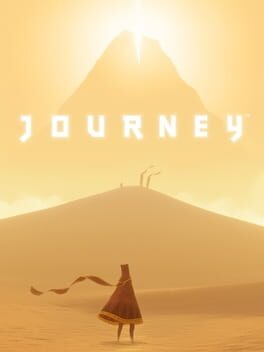
Journey (the Game) Is the Closest Any Game Has Come to a Coelho Novel
thatgamecompany's Journey (2012) strips interaction to almost nothing: you walk, you fly briefly, you hum a single note to communicate with strangers you may meet along the way. The destination is visible from the start. What changes is you. The game's total silence on meaning, its refusal to tell you what the mountain represents or what happened to the ancient civilization you pass through, is precisely the move Coelho makes in text. The work holds the question open so your answer can fill it. Play it in one sitting, alone, on a quiet night.
Veronika Decides to Die Deserves More Attention Than It Gets
Coelho wrote Veronika Decides to Die after his own involuntary commitment to a psychiatric institution as a young man, and the autobiographical rawness shows. It is angrier, stranger, and more willing to implicate the reader than most of his work. The premise, a young woman who survives a suicide attempt and is told she has days to live, allows Coelho to dissect what it costs to be 'normal' in a way his lighter parables do not approach. It is not his most loved book. It may be his bravest.
A Life in Quests
- 1947Born in Rio de Janeiro, Brazil.
- 1970Travels across Latin America, North Africa, and Europe, a formative wandering period.
- 1982Joins RAM, a spiritual order; begins initiation practices that shape his writing.
- 1986Walks the Camino de Santiago, the pilgrimage that becomes The Pilgrimage.
- 1988Publishes The Alchemist in Brazil to modest initial sales. The Alchemist Graphic Novel
- 1993The Alchemist published in the US; becomes a global phenomenon. The Alchemist Graphic Novel
- 1994By the River Piedra I Sat Down and Wept begins the Valkyries-era explorations. The Alchemist - The Pilgrimage - By the River Piedra I Sat Down and Wept
- 1998Veronika Decides to Die draws on his own psychiatric hospitalization in the 1960s. Veronika decides to die
- 2004Eleven Minutes becomes his second-best-selling novel worldwide. Eleven Minutes
- 2014Guinness record: most-translated living author.
- 2022The Alchemist film adaptation announced with a major studio.
Fables, seekers, and the open road
Magical Realism
Explore the Magical Realism guide →When you want something, all the universe conspires in helping you to achieve it.Paulo Coelho, The Alchemist