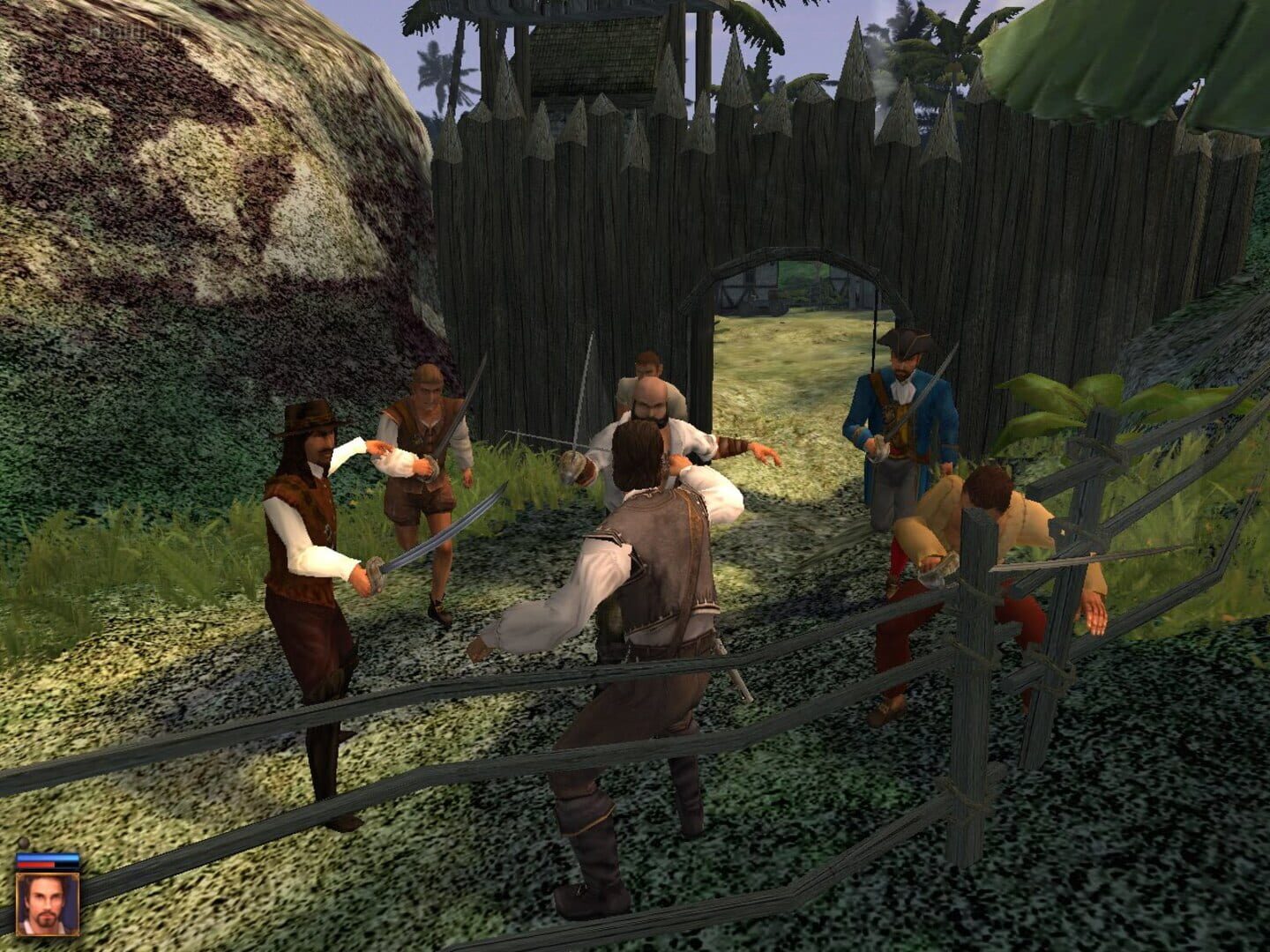

The Pirates of the Caribbean franchise built its mythology on a single irresistible promise: the ocean is lawless, the rum is always gone, and a charming scoundrel with terrible hair can outmaneuver any navy. Beginning with The Curse of the Black Pearl in 2003, Gore Verbinski and producer Jerry Bruckheimer delivered something rare for the era: a massive studio spectacle that genuinely felt like adventure rather than product. The through-line fans love is the atmosphere of consequence-free chaos, where cursed gold, Davy Jones, and the Pirate Brethren Court are treated with the same sincere earnestness as any classic mythology. Captain Jack Sparrow became one of cinema's most imitated characters, but the franchise's deeper appeal is its commitment to baroque world-building, practical stunt work, and a score by Hans Zimmer that made every compass spin feel epic.
Essential Pirates of the Caribbean
The franchise's own films, from the original to the supernatural sequels

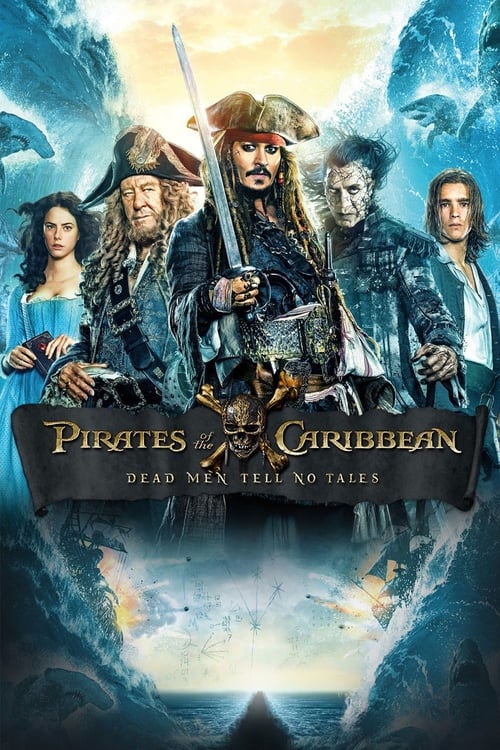
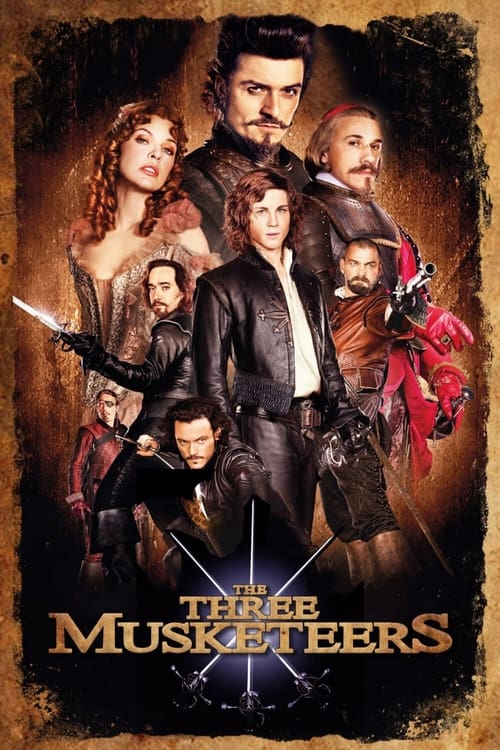
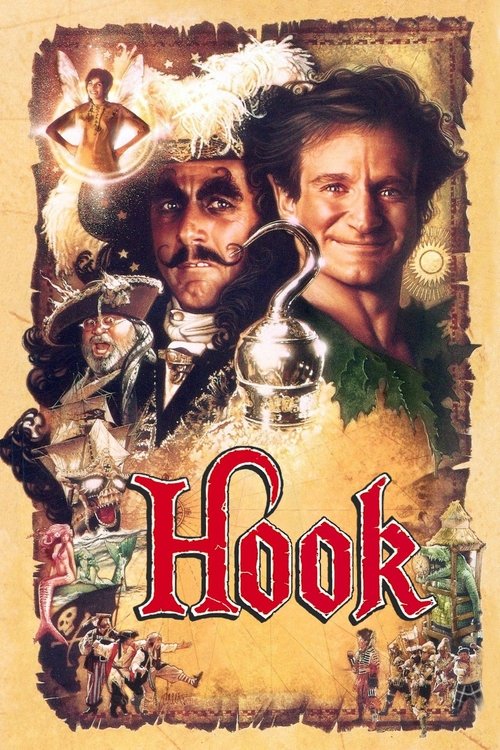
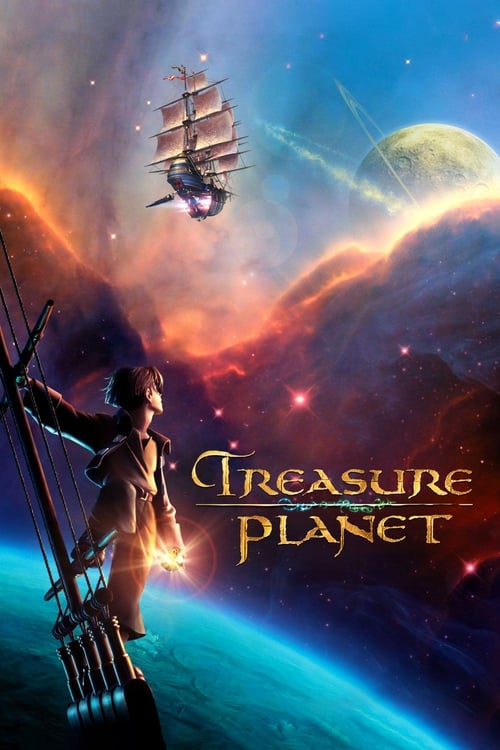
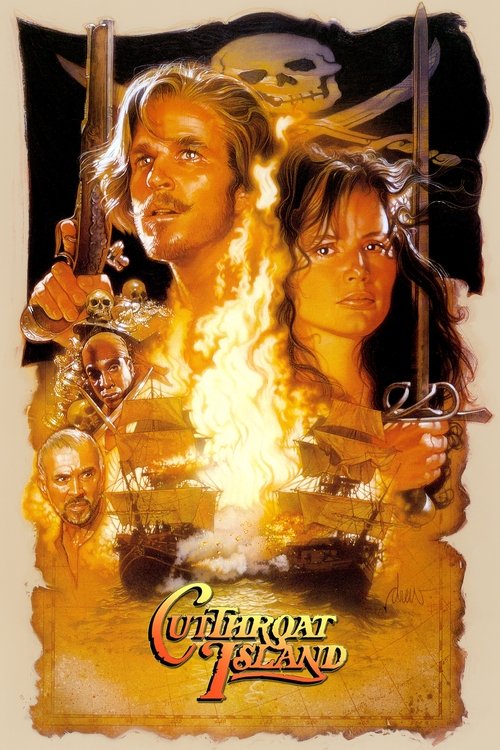
If You Love the High-Seas Spectacle
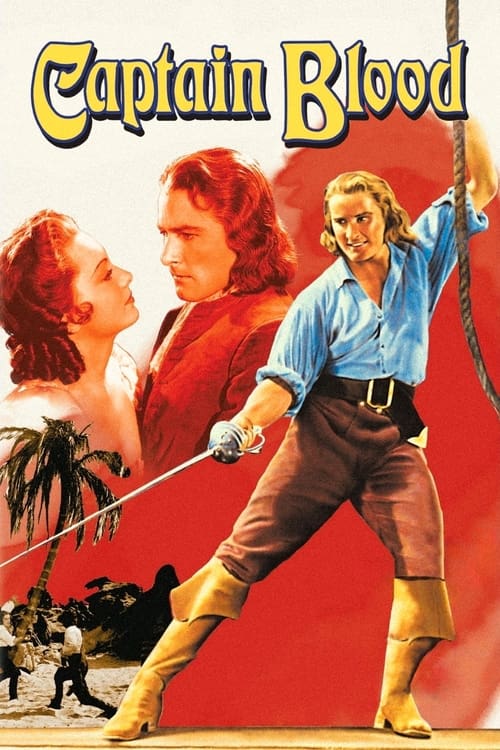
Epic naval adventures and swashbuckling cinema cut from the same cloth
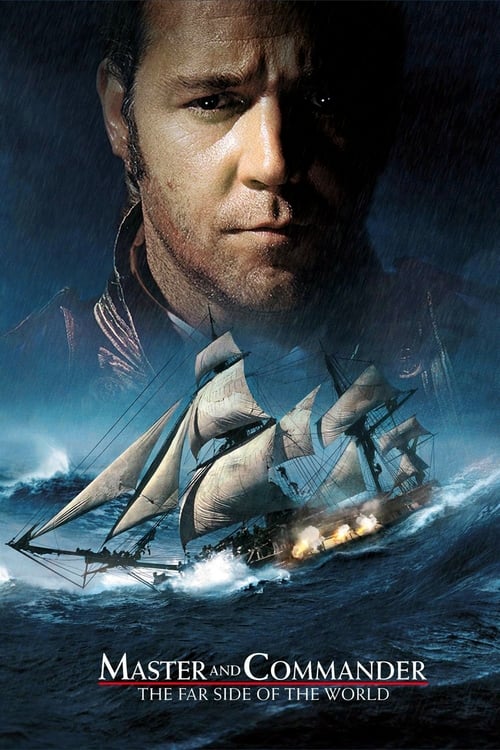
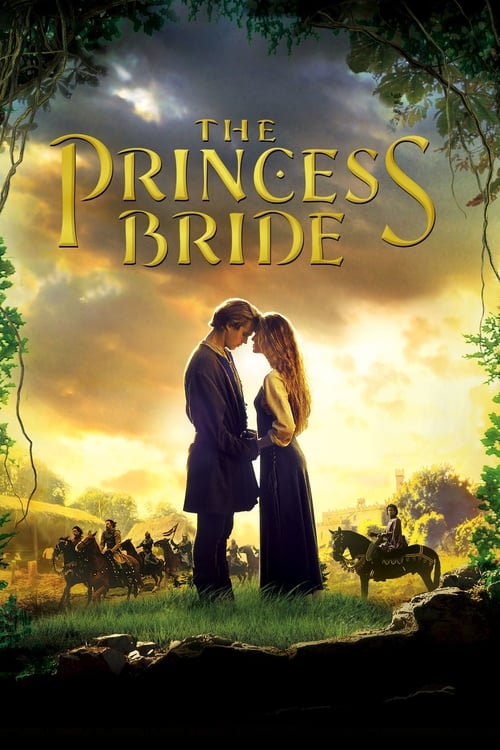
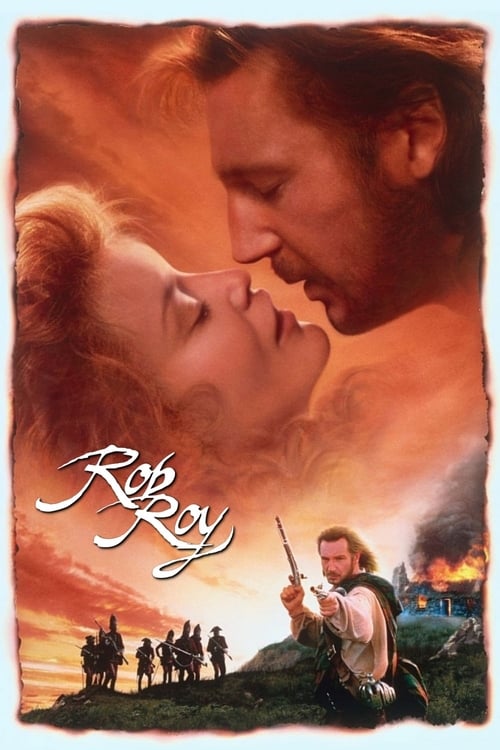
If You Love the Cursed-World Mythology
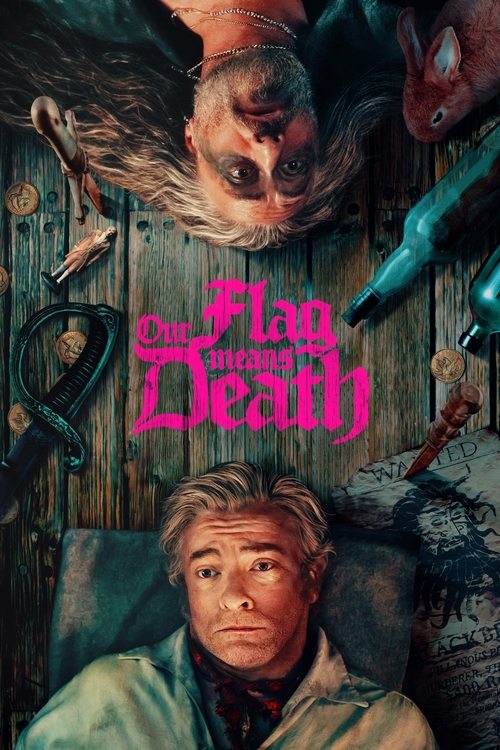
Films and series that build elaborate supernatural rules and make you believe every one of them
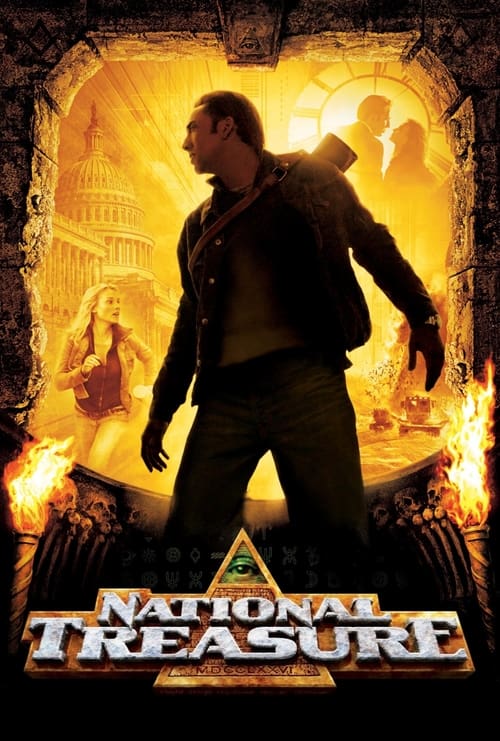
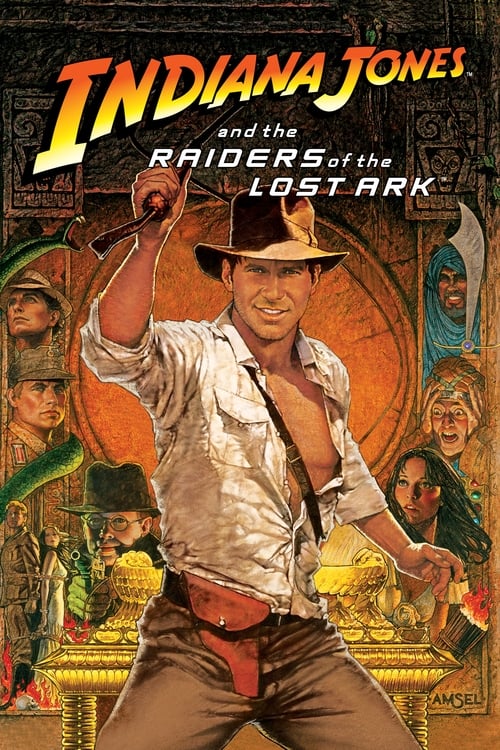
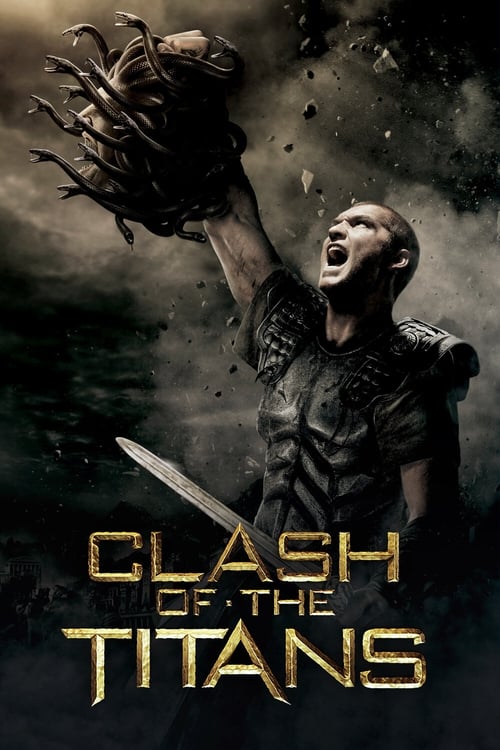
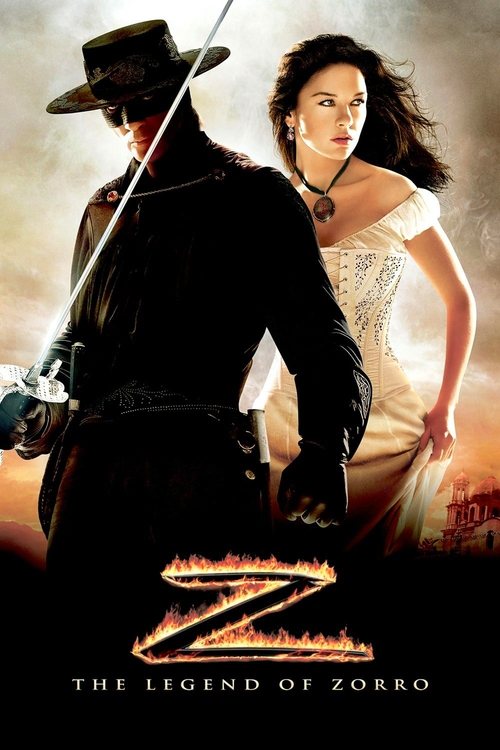
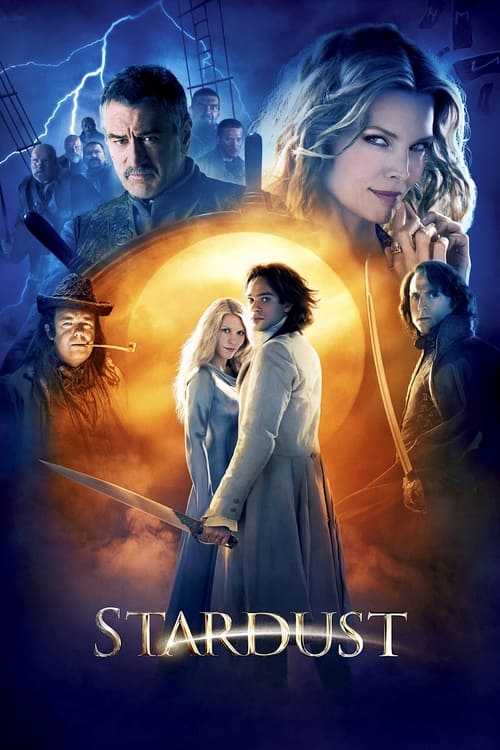
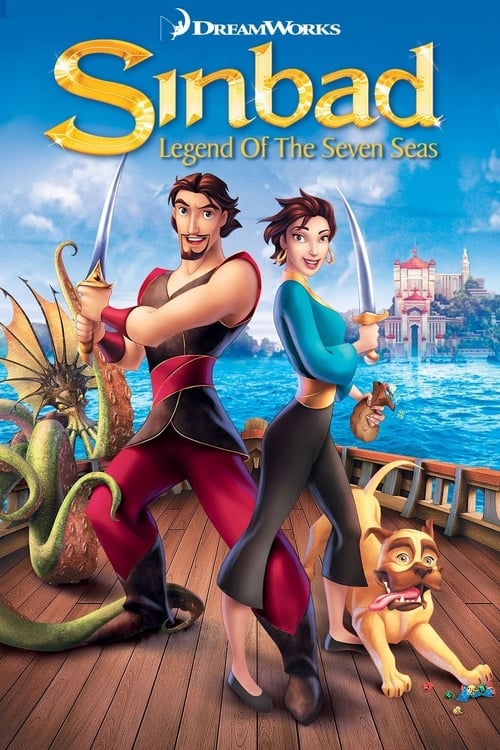
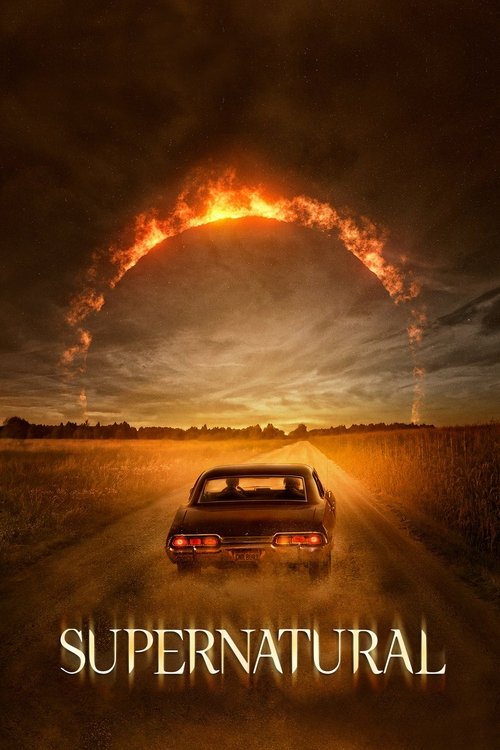
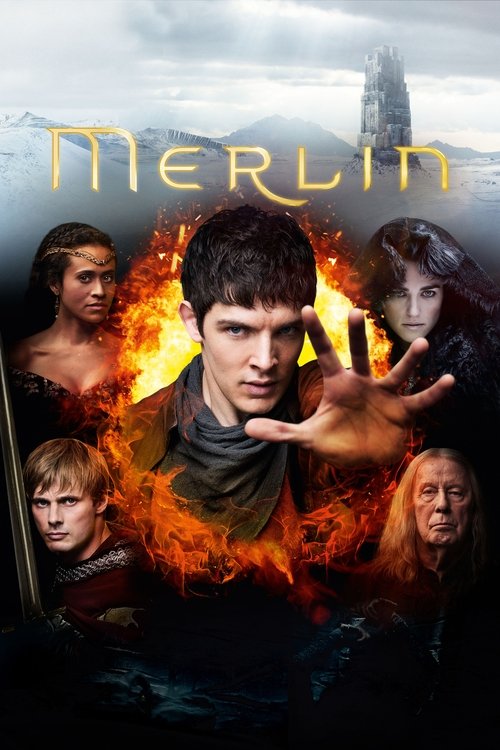
Sail Into These Games
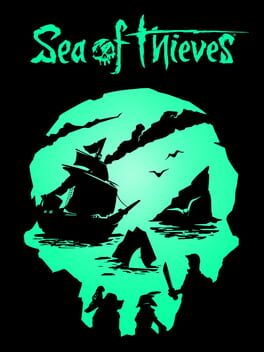
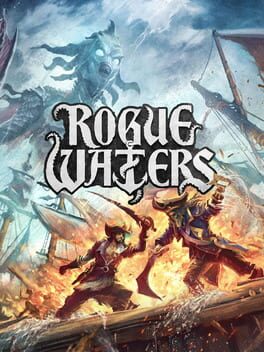
Games that capture open-ocean freedom, piracy, and swashbuckling action

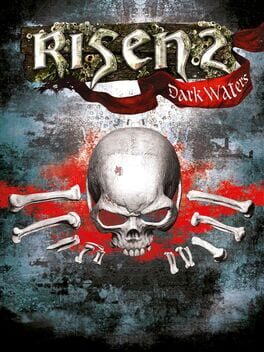
The Books That Sail the Same Seas
Novels soaked in nautical adventure, piracy, and the romance of the open water



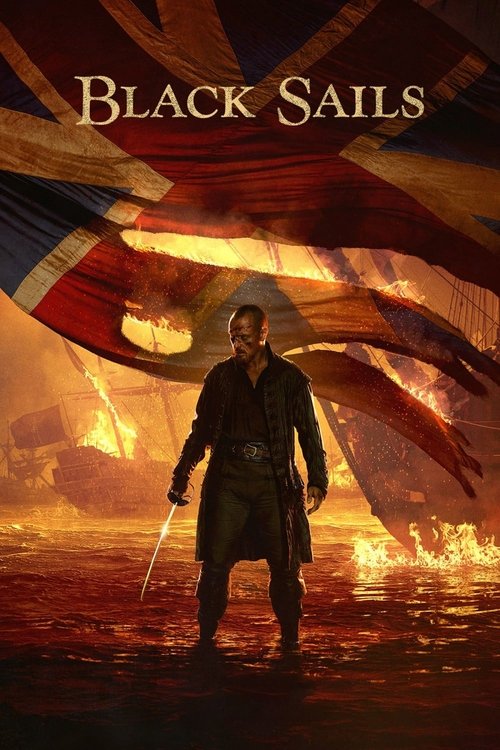
Black Sails Is the Prequel POTC Never Made
Starz's Black Sails treats the pirates of Nassau with a seriousness that Pirates of the Caribbean deliberately avoids, yet the two properties share a common soul. Where POTC leans into theatrical fun, Black Sails builds out the political and personal machinery that makes piracy a genuine movement. Charles Vane, Flint, and Anne Bonny feel like the darker, morally complicated versions of characters who could have stepped off the Black Pearl. The show even threads Long John Silver's origin through its final season with remarkable care. Watch it after At World's End and the cynicism and idealism of both works reflect off each other.
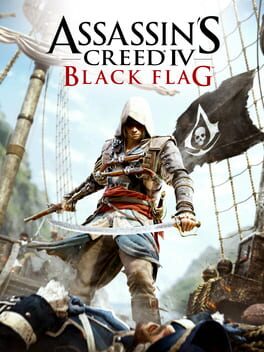
Assassin's Creed IV: Black Flag Is the Best Pirate Game Ever Made
Ubisoft's Black Flag was originally designed as an Assassin's Creed game but became something far more resonant: an open-ocean pirate simulation with one of the best maritime soundtracks in gaming. Edward Kenway is the franchise's most grounded protagonist, and his arc from mercenary to something approaching conscience mirrors Will Turner's journey more than most critics acknowledged at the time. The naval combat, the sea shanties that your crew learns and sings as you plunder, the sense of the Caribbean as a genuinely alive world: no other game has matched it. If you mourned the end of the Black Pearl trilogy, this is the place to spend another forty hours.
Treasure Island Built the Blueprint
Robert Louis Stevenson's 1883 novel didn't invent pirates, but it did invent almost every narrative convention we associate with them. The buried treasure, the one-legged antagonist with a parrot, the map with an X, the treacherous double-cross among cutthroats: all Stevenson. Jack Sparrow himself is a spiritual descendant of Long John Silver, a charming criminal whose self-interest and genuine affection make him impossible to fully hate. On Stranger Tides, the Tim Powers novel that lends its name to the fourth film, is also worth reading: it treats Blackbeard and the Fountain of Youth as magic-realist history in a way the film only partially captured.
Hans Zimmer Scored an Era
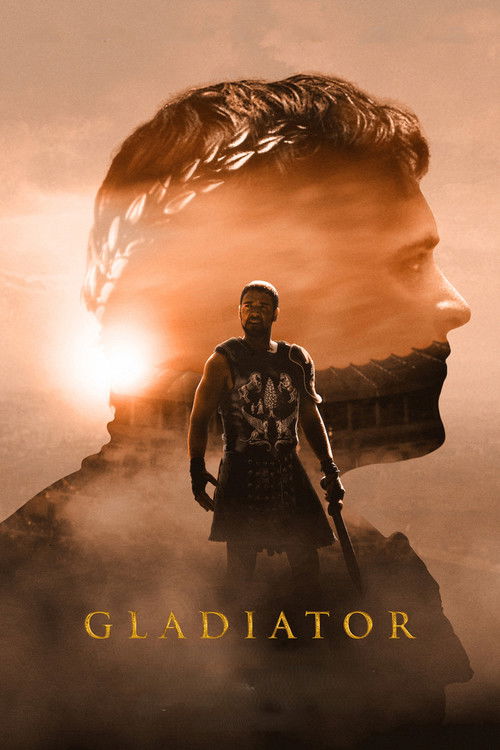
The Pirates of the Caribbean score by Hans Zimmer and Klaus Badelt established a template for blockbuster action music that dominated the decade that followed. The main theme, built on a relentless repeating motif for solo violin, became shorthand for adventure itself. Zimmer's expanded scoring on Dead Man's Chest and At World's End pushed into darker, stranger territory: the Davy Jones motif played on a clavichord is genuinely eerie, and the final battle score for At World's End remains one of his most ambitious sustained efforts. Film score fans who found this music will recognize the same DNA in Gladiator, The Last Samurai, and Zimmer's own catalogue of adventure epics.

A Franchise on the High Seas
- 2003The Curse of the Black Pearl releases, launching the franchise and introducing Captain Jack Sparrow Pirates of the Caribbean: The Curse of the Black Pearl
- 2003Gore Verbinski, Jerry Bruckheimer, and Disney take a theme-park ride and turn it into a blockbuster trilogy anchor
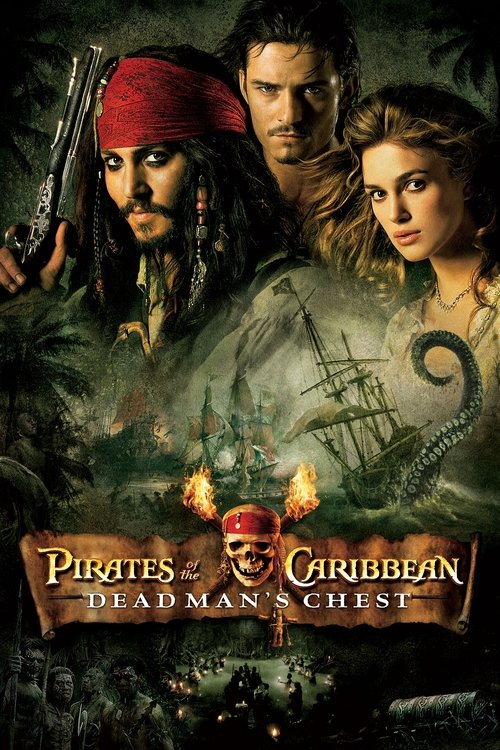
- 2006Dead Man's Chest breaks box-office records and introduces Davy Jones as one of the decade's great CGI antagonists Pirates of the Caribbean: Dead Man's Chest
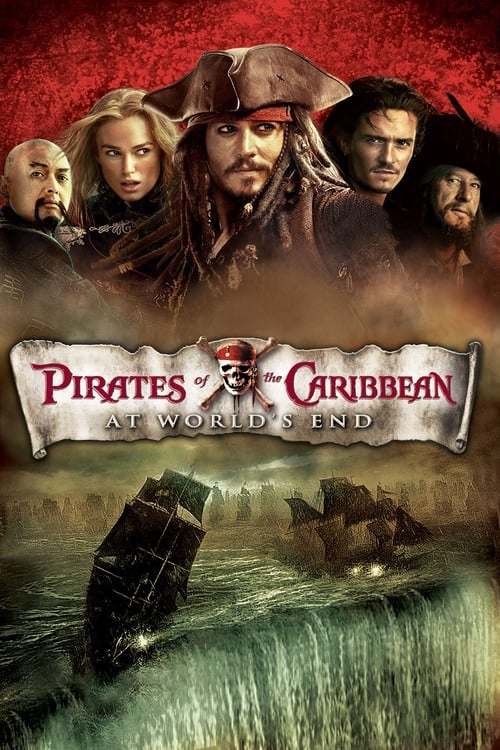
- 2007At World's End closes the original trilogy with an all-hands sea battle and a bittersweet mythology conclusion Pirates of the Caribbean: At World's End
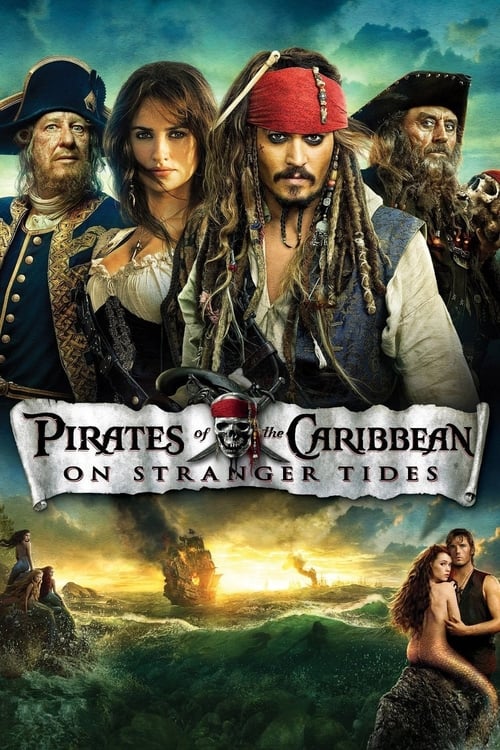
- 2011On Stranger Tides takes Jack solo, adapting Tim Powers' novel and introducing Blackbeard Pirates of the Caribbean: On Stranger Tides
- 2013Assassin's Creed IV: Black Flag releases and becomes the gold standard for pirate-themed open-world games Assassin's Creed IV Black Flag
- 2014Black Sails premieres on Starz, setting up a serious dramatic companion to the franchise's tone Black Sails
- 2017Dead Men Tell No Tales closes the saga's second act, reviving Barbossa and Salazar Pirates of the Caribbean: Dead Men Tell No Tales
Swashbuckling on the high seas
Pirates
Explore the Pirates guide →The problem is not the problem. The problem is your attitude about the problem.Captain Jack Sparrow