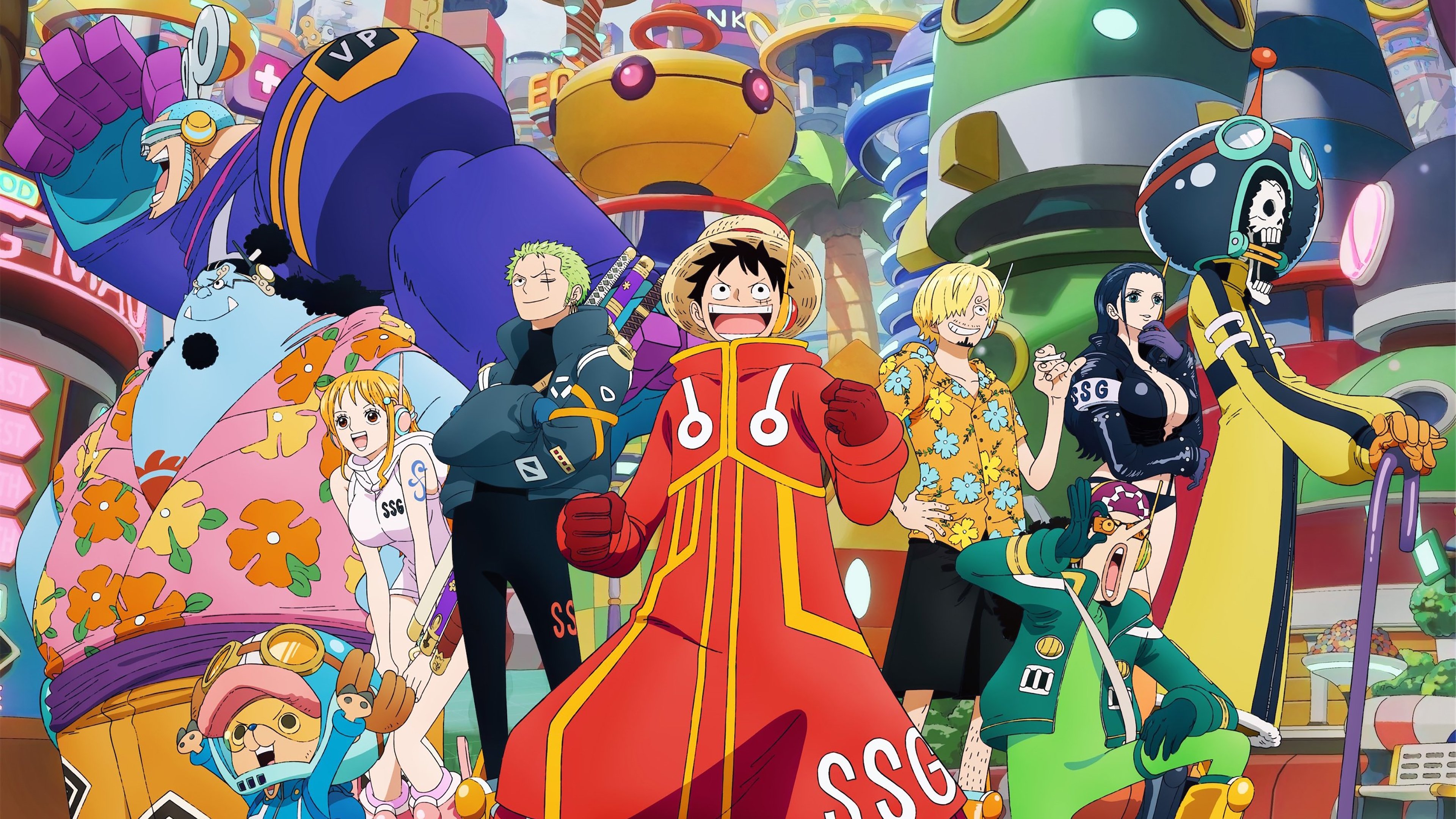

Eiichiro Oda launched One Piece in Weekly Shonen Jump in 1997, and nearly three decades later it is the best-selling manga series of all time. The premise is deceptively simple: Monkey D. Luffy, a boy who accidentally ate a Devil Fruit that made his body stretchable like rubber, sets sail to become King of the Pirates and find the legendary treasure called the One Piece. What grows around that premise is anything but simple. One Piece is a story about freedom, about the cruelty of power, about the way governments erase history to protect themselves, and most of all about a crew of misfits who become the family they each needed. The anime adaptation by Toei Animation has run continuously since 1999, making it one of the longest-running animated series on the planet. The 2023 Netflix live-action adaptation cracked the code that had defeated every previous anime adaptation, earning genuine praise from new viewers and longtime fans alike. If you love the feeling of a world that keeps expanding -- where every new island brings new rules, new heartbreak, and new reasons to care -- this list is built for you.
Essential One Piece
The core manga and anime across every form

The Netflix Live-Action and Its Pirate Cousins
High-seas adventure on screen

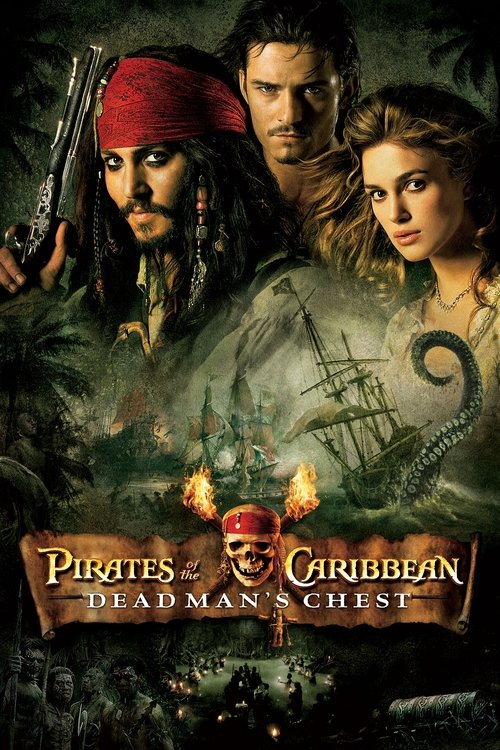
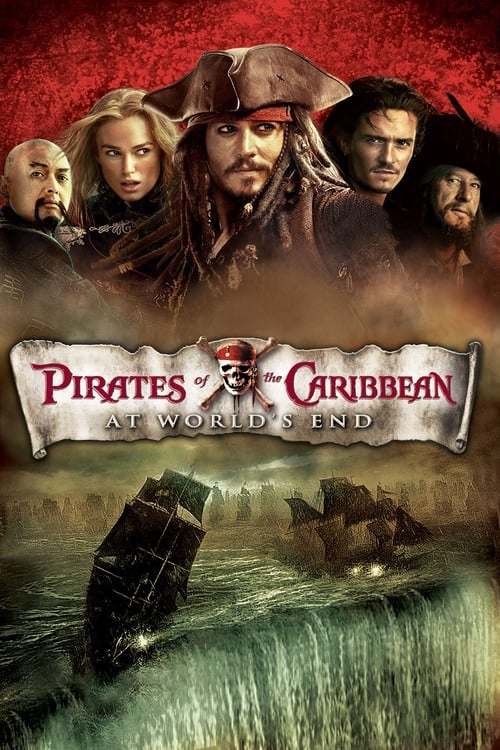
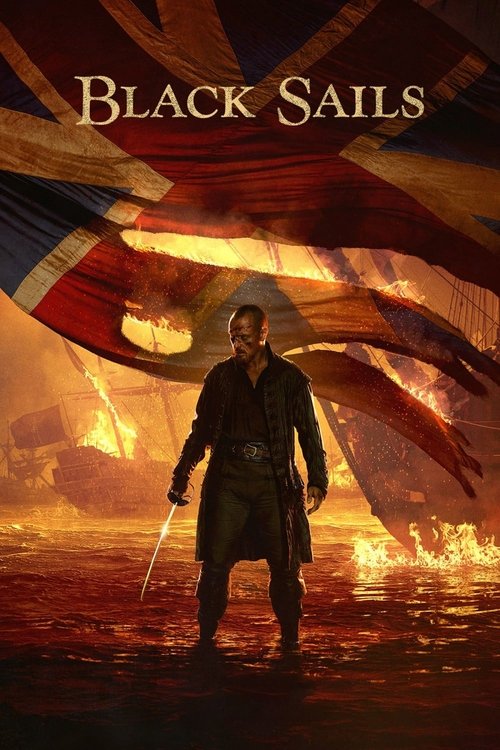
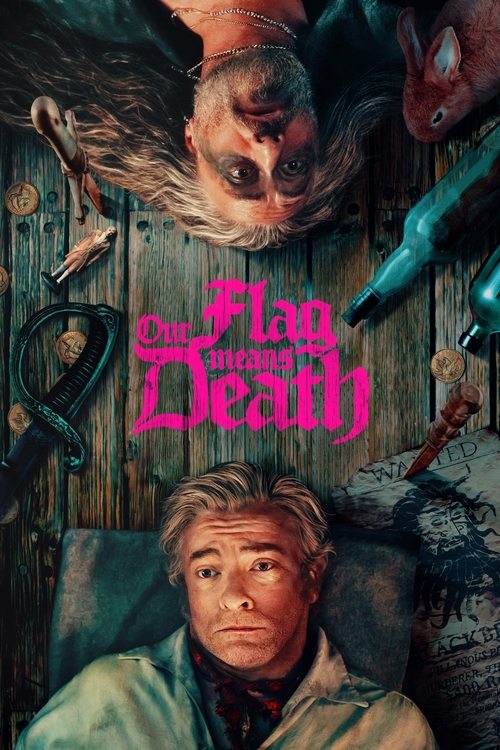

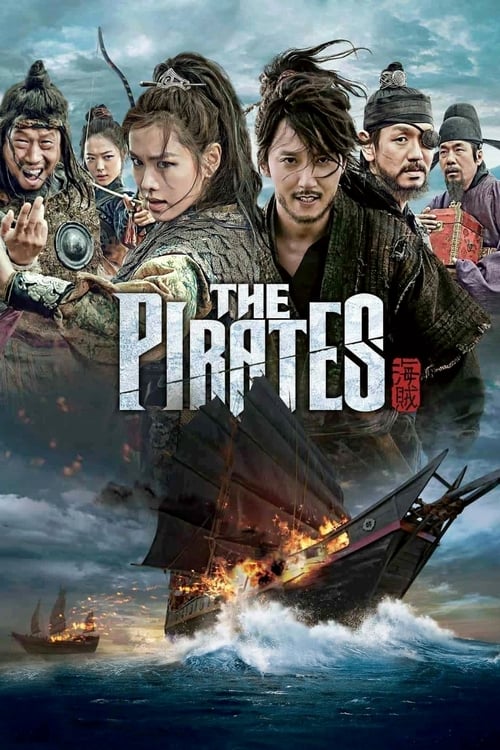
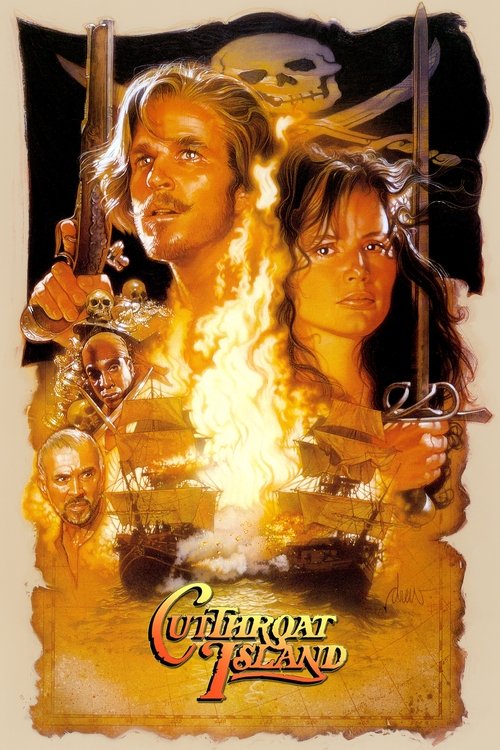
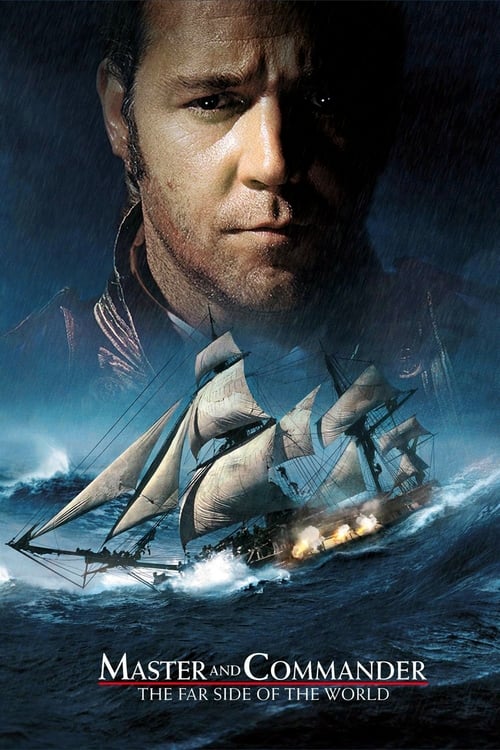
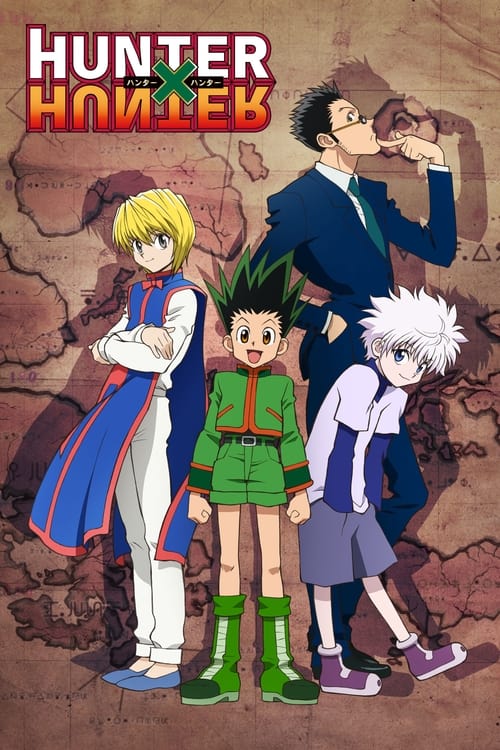
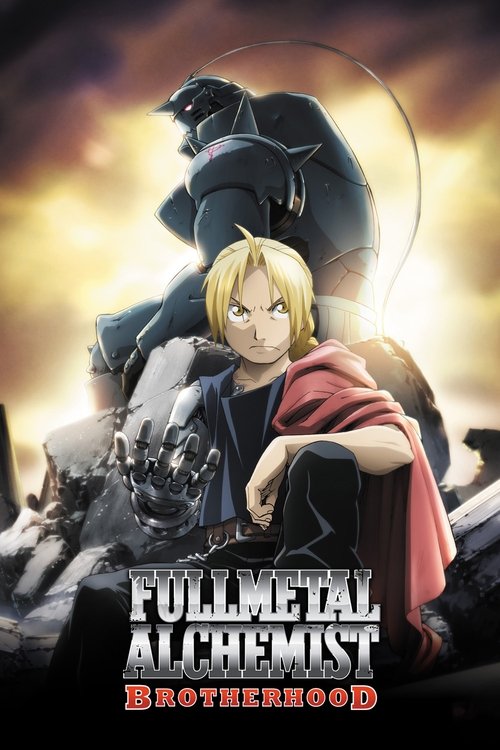
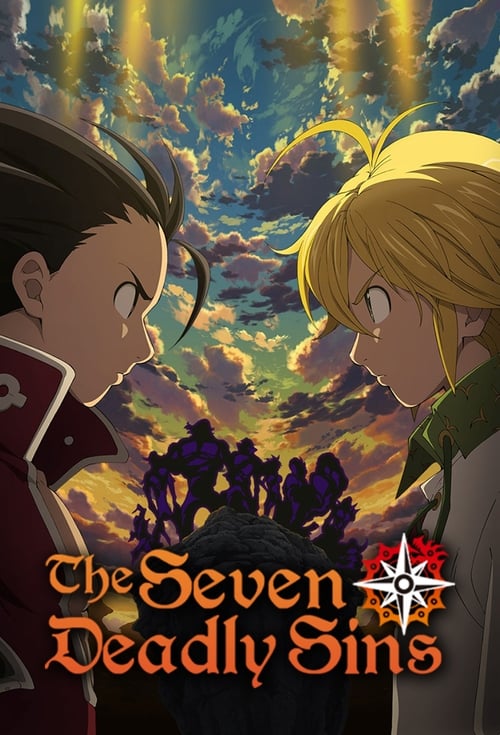
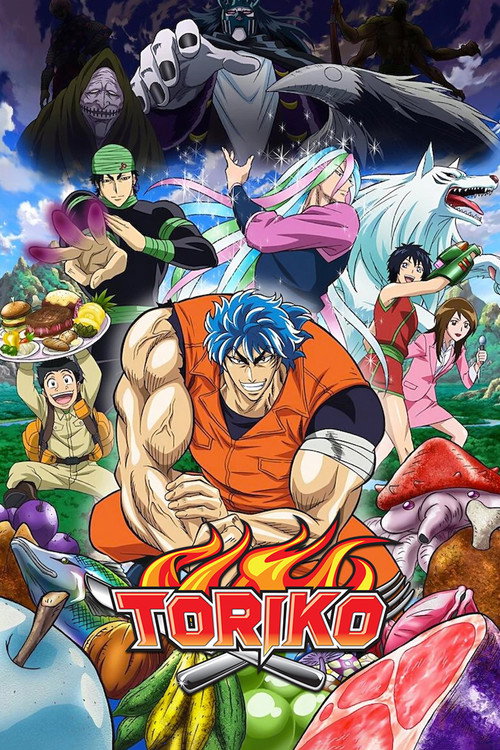
If You Love the Found Family and the Crew
Anime and series where loyalty is everything

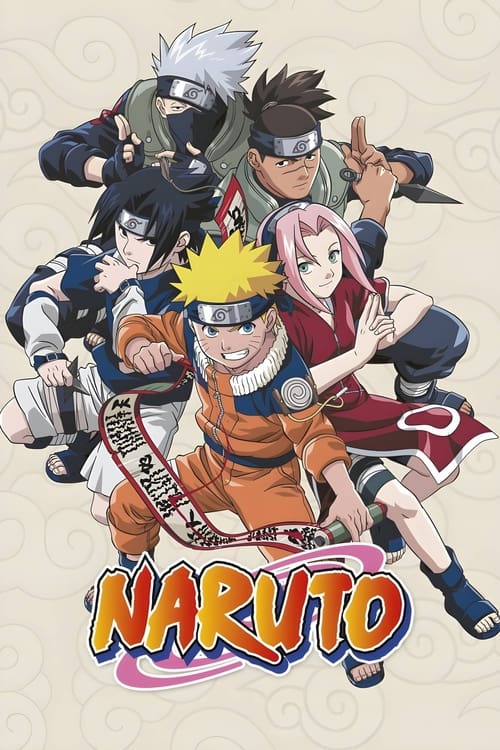



World-Building and Grand Adventure on the Page
Books and manga that match the epic scope


![The Count of Monte-Cristo [3/5]](https://is1-ssl.mzstatic.com/image/thumb/Publication123/v4/8b/b0/b0/8bb0b03a-3f80-e6cb-de7f-c74e0aaa4f7f/PD-The_Count_of_Monte_Cristo-Adj.jpg/1400x1400bb.jpg)


Set Sail in Games
Games that capture the adventure, the crews, and the open world
Films With the Same Scale and Heart
Live-action epics with grand journeys and ragtag heroes

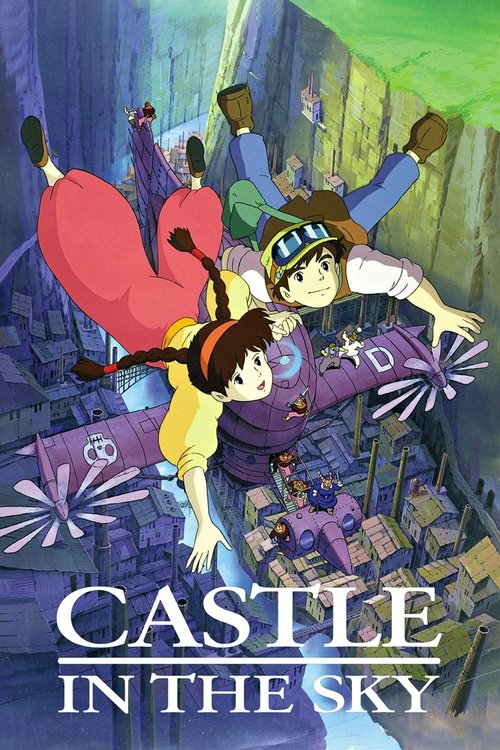
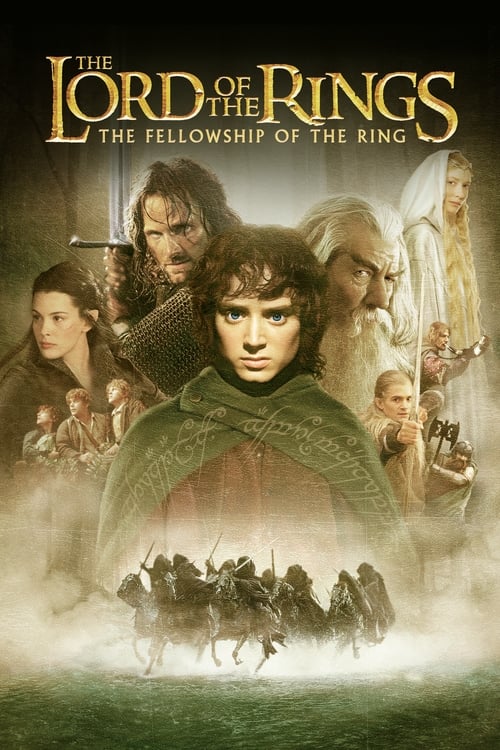
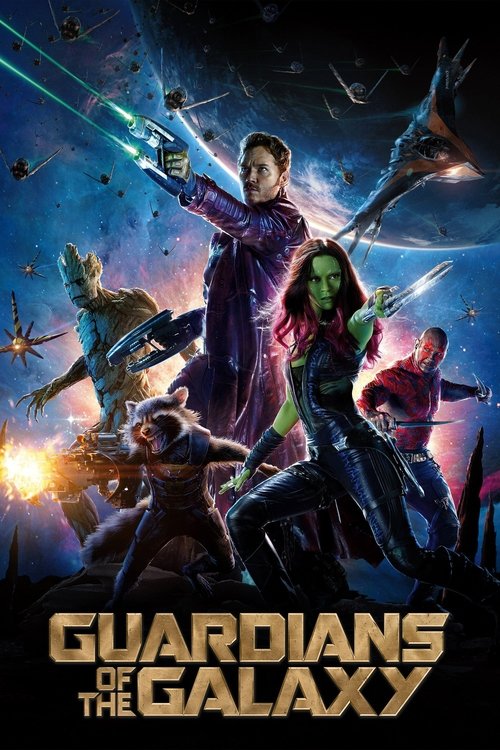
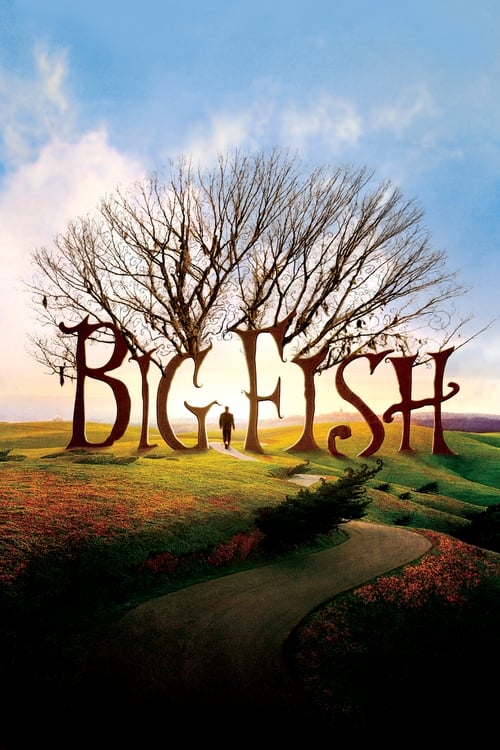
The Arlong Park arc is where One Piece became something else entirely
Most shonen series reveal their emotional ambitions slowly. One Piece blew its cover early. The Arlong Park arc, which begins around episode 31 of the anime, turns the story of a rubber-limbed kid chasing treasure into a portrait of grief, colonial oppression, and what it costs to carry a burden alone for years. Nami's backstory is devastating in a way that feels earned rather than manufactured. When Luffy finally acts, it lands not because it is a cool fight, but because the audience has been given every reason to feel the weight behind it. That balance -- spectacle built on genuine emotional stakes -- is the formula One Piece never abandons.
The Netflix live-action solved the hardest problem in adaptation
Turning beloved anime into live-action has a grim track record. The Netflix One Piece from 2023 worked for a specific reason: it understood that fidelity to surface details (costumes, sets, fight choreography) matters less than fidelity to feeling. The show captures why people love these characters -- the loyalty, the humor, the sheer sincerity -- while ruthlessly cutting the filler that bloats the anime. Iñaki Godoy's Luffy is a genuine performance, not a cosplay. Season 1 proves the hypothesis; the only real question is whether later arcs, which are vastly more complex, can sustain it.
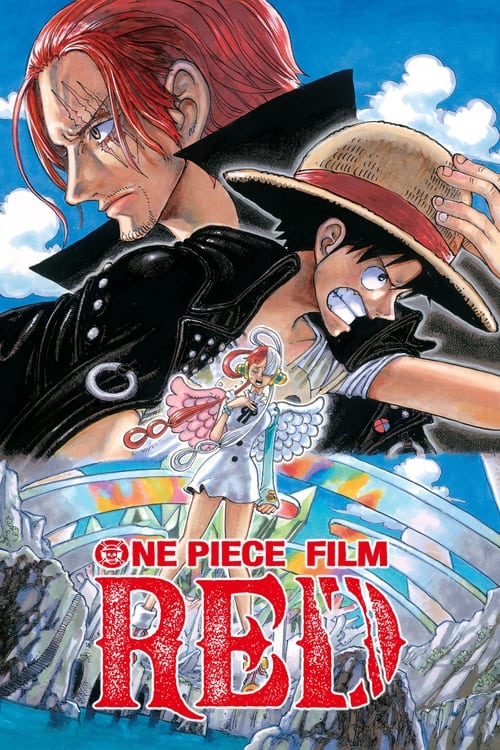
One Piece Film: Red is the rare filler film that actually matters
Most anime theatrical releases exist to be watched and forgotten. One Piece Film: Red from 2022 is genuinely exceptional -- a standalone film built around the character of Uta, a pop idol with a connection to Shanks, and the questions it raises about the price of happiness. The music (performed in-universe by Ado, whose anonymous public persona mirrors Uta's) is legitimately good pop. The emotional throughline earns its finale in a way that most main-series arcs spend years building to. It is the entry point for people who want to understand why One Piece fans are so devoted without watching 1000-plus episodes.
Oda's world-building is a genre of its own
There are writers who build worlds, and then there is Eiichiro Oda. Every island in One Piece has its own economy, history, political structure, and visual grammar. The Devil Fruits are a magic system with genuine internal logic. The history of the Void Century, teased across hundreds of chapters, pays off in ways that make rereads feel like decoding. What is remarkable is that none of this is accidental: Oda has discussed having the ending planned from very early in the series, and small details planted in early chapters continue to pay off decades later. The manga is a masterclass in long-form serialized storytelling.
One Piece Across Time
- 1997Manga launches in Weekly Shonen Jump ONE PIECE 8
- 1999Anime adaptation begins on Fuji TV One Piece
- 2000First theatrical film released One Piece: The Movie
- 2003Baron Omatsuri film, a darker standalone One Piece: Baron Omatsuri and the Secret Island
- 2009Pirate Warriors game series begins One Piece: Pirate Warriors
- 2010Strong World film, first written directly by Oda One Piece Film: Strong World
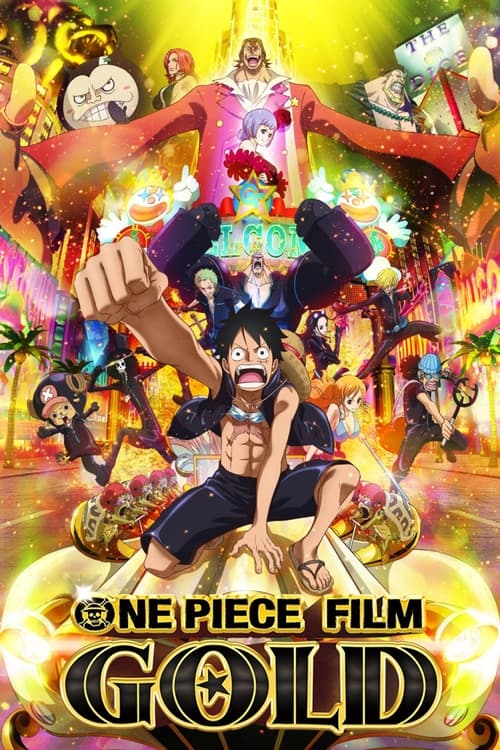
- 2016Gold film, glittering casino-arc spectacle One Piece Film: GOLD
- 2019Stampede celebrates the 20th anniversary One Piece: Stampede
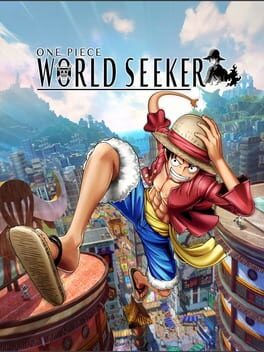
- 2019World Seeker brings open-world adventure One Piece: World Seeker
- 2022Film: Red -- Uta and the music of Shanks One Piece Film Red
- 2023Netflix live-action series premieres to global acclaim One Piece
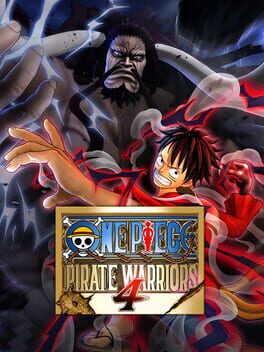
- 2024Pirate Warriors 4 remains the best game adaptation One Piece: Pirate Warriors 4
Pirate adventures and treasure hunts
Pirates
Explore the Pirates guide →People's dreams never die. That was what Gold Roger said as he was about to be executed. And those words have given birth to pirates ever since.One Piece