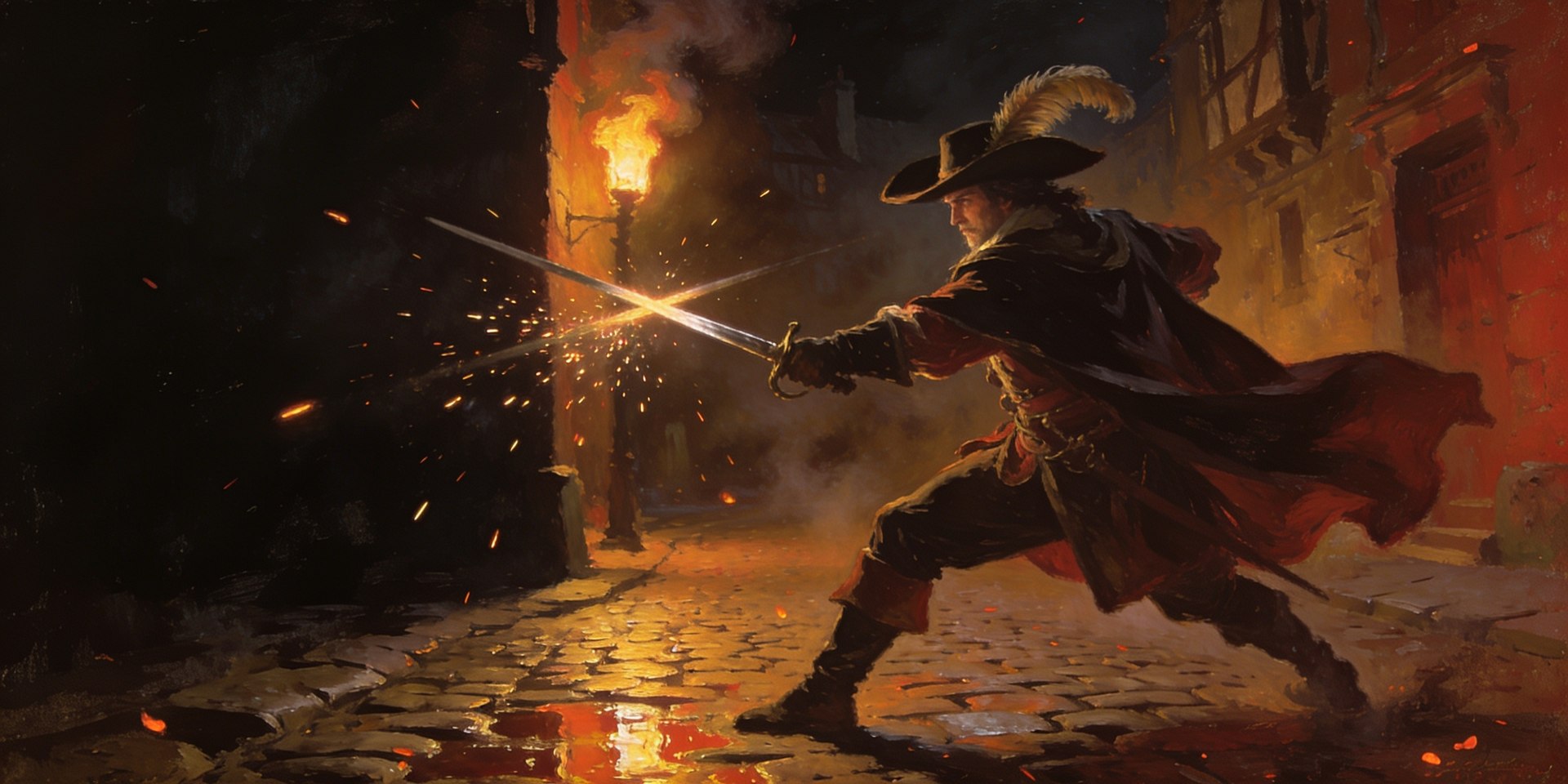

The swashbuckler is the genre of the grand gesture. A man vaults a balcony, slides down a curtain on the point of his sword, and lands grinning in the middle of a sword fight he is about to win. He is outnumbered and unbothered. He fights for a queen who will never thank him, a friend who does not deserve him, or a wrong done twenty years ago that he has spent his whole life waiting to repay. The rapier is the instrument, but the real subject is honor: the private code a man keeps when the law, the crown and the church have all failed him.
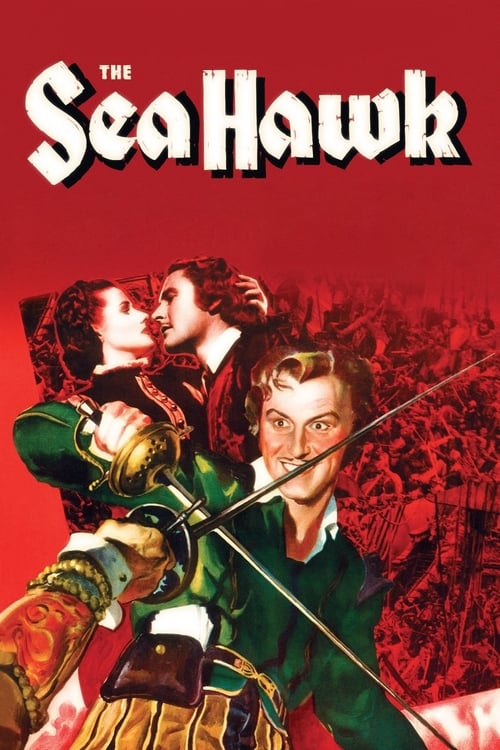
It is a genre built almost entirely by two writers and the people who could not stop adapting them. Alexandre Dumas gave us d'Artagnan and Edmond Dantes. Rafael Sabatini gave us Captain Blood and Scaramouche. Everyone since, from Errol Flynn flashing across a Warner Brothers soundstage to Ubisoft handing you a cutlass on the open Caribbean, has been refining the same fantasy: that wit and a blade and a refusal to bow are enough to set the world right. This is a guide to that fantasy across film, television, games and the page.
Essential swashbucklers
The canon of capes, blades and rooftop chases across every medium
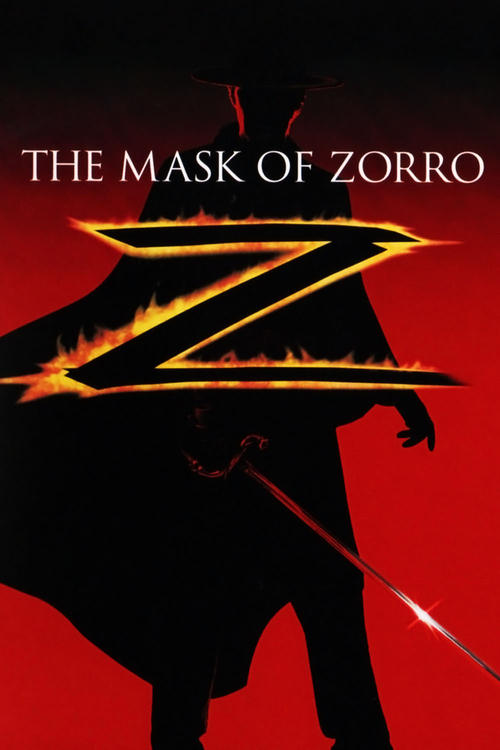


The Mask of Zorro is the last great old-fashioned swashbuckler
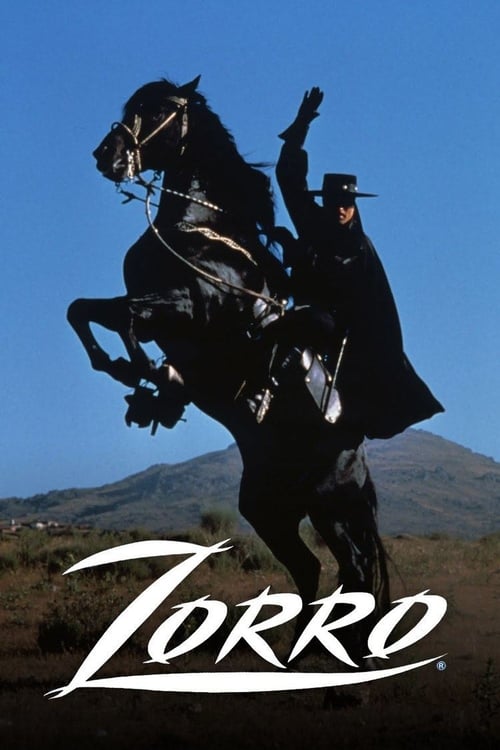
Hollywood spent decades trying to revive the Errol Flynn picture and mostly produced expensive embarrassments. Then in 1998 Martin Campbell made The Mask of Zorro and got everything right at once. Anthony Hopkins is the aging Don Diego, broken by prison, passing the cape to a thief he has to civilize first. Antonio Banderas is the most charismatic blade since Flynn himself, and Catherine Zeta-Jones turns a sword fight into the best scene in the movie purely on the strength of how much fun she is clearly having.
What makes it work is that it remembers the swashbuckler was always half a comedy. The duels are choreographed for laughs as much as tension, the romance is played at full heat, and the politics (a corrupt governor, a stolen province, a peasantry with no champion) give the swordplay something to be about. Campbell would go on to reboot James Bond twice. This is the film that proved he understood what makes a hero thrilling rather than merely competent.
Swords on the big screen
From Flynn's Sherwood to the wit of the modern duelist
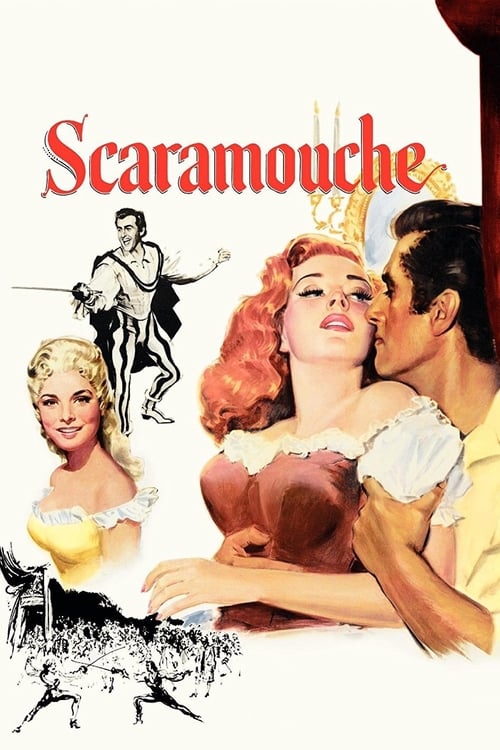
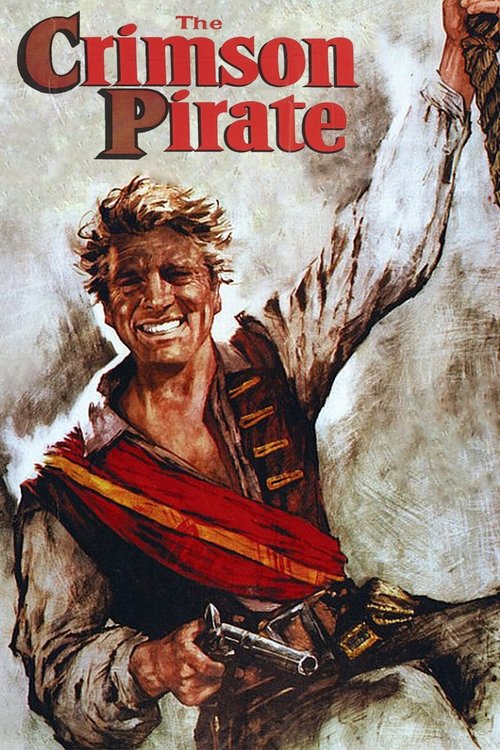
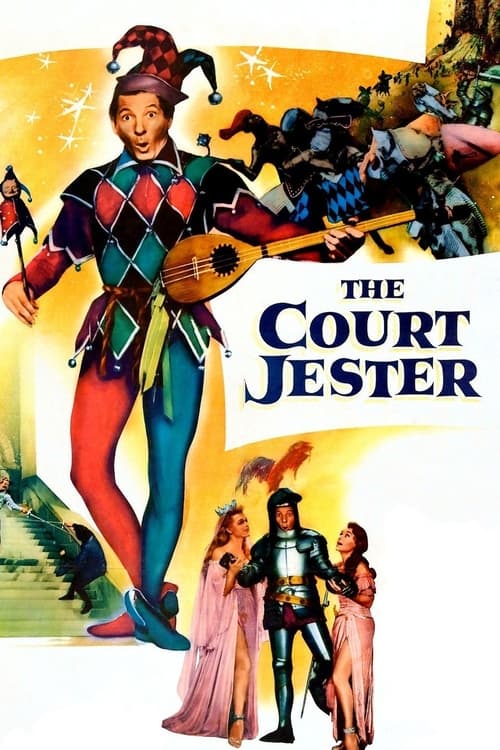
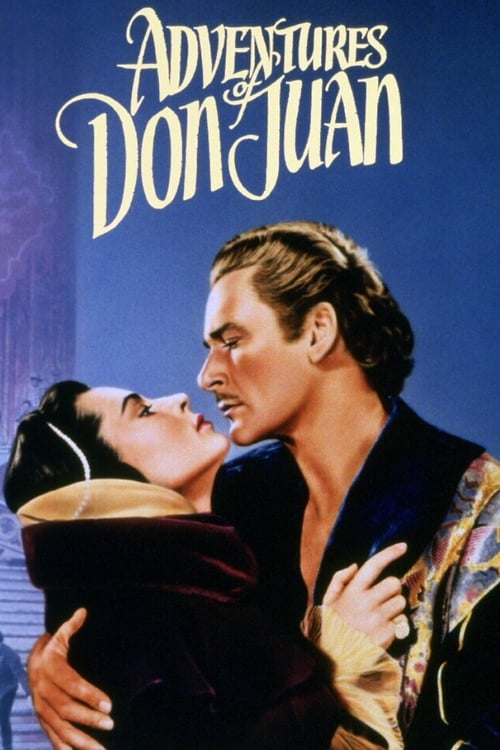

Dumas owns this genre
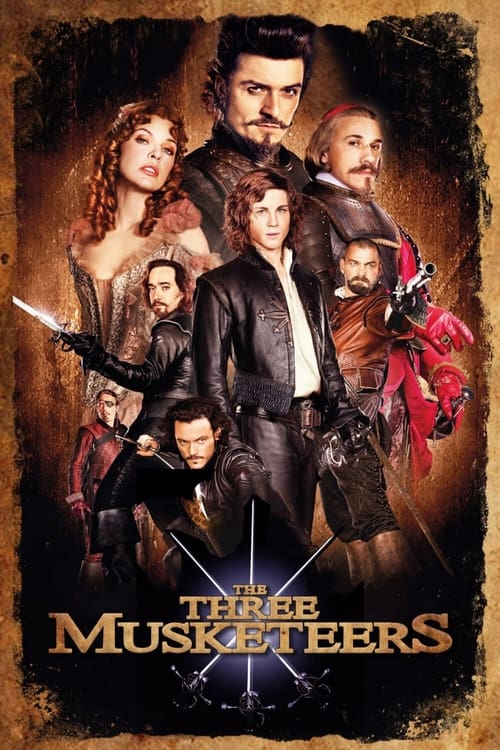
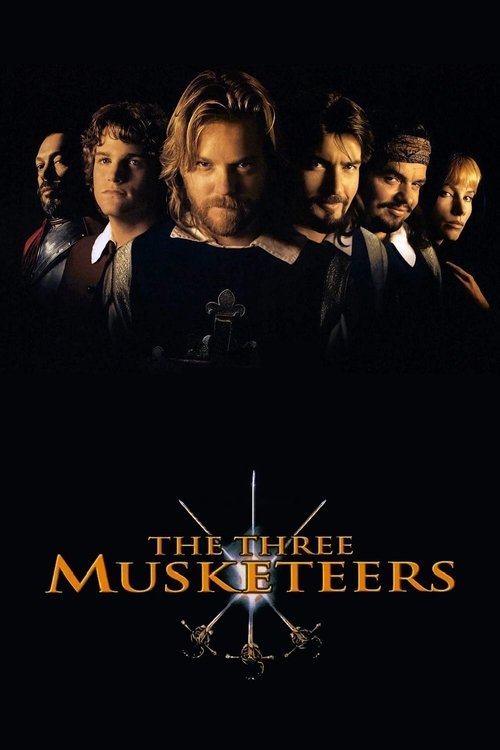
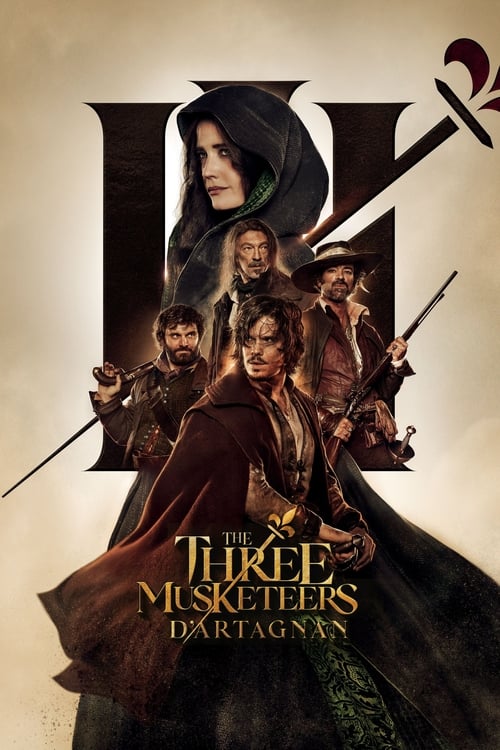
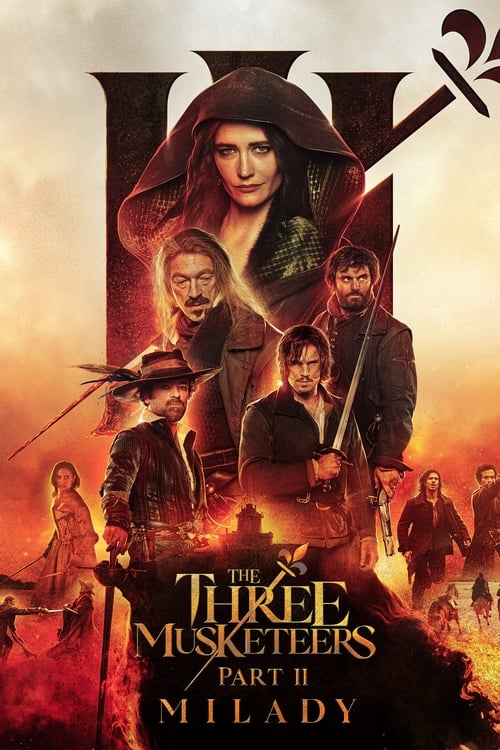
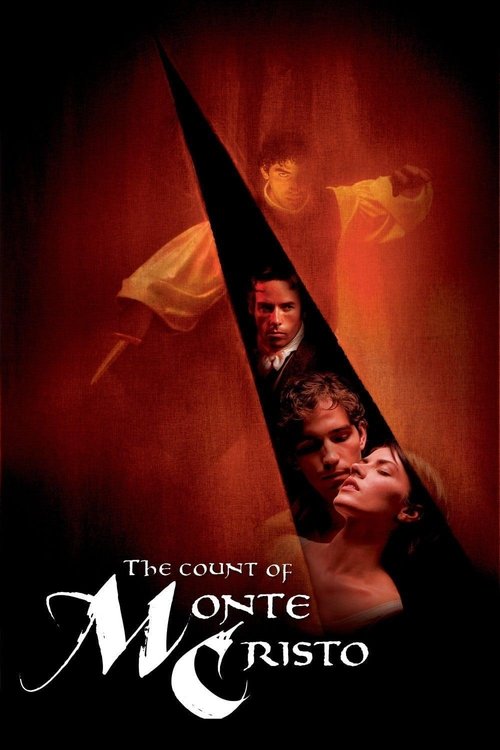
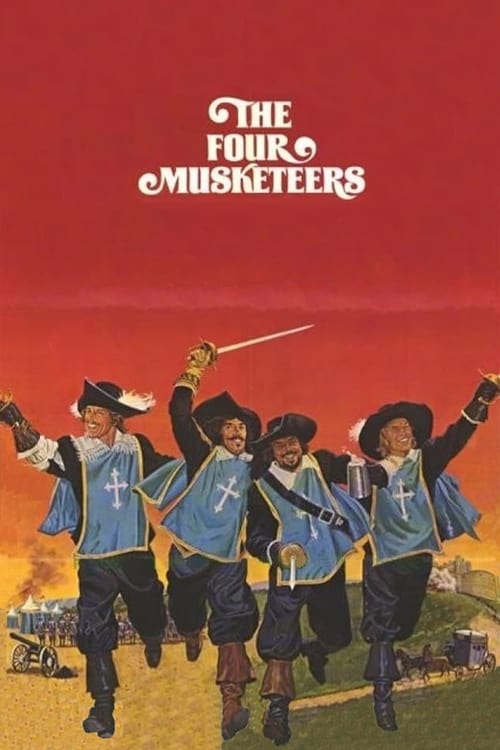
No single author has been adapted more, or more faithfully abandoned, than Alexandre Dumas. The Three Musketeers alone exists in dozens of screen versions, from the lavish 1973 Richard Lester two-parter (so long it was split into two films, leading to a lawsuit from the cast) to the recent French-language D'Artagnan and Milady duology that takes the material seriously as historical drama. Then there is The Count of Monte Cristo, the greatest revenge story ever written, given its definitive modern English-language version by Kevin Reynolds in 2002 with Jim Caviezel as Dantes and Guy Pearce as the friend who betrays him.
Dumas understood something the genre has never stopped using: that the duel is only ever about what the duel stands for. D'Artagnan does not fight for sport. Dantes does not escape the Chateau d'If to be free; he escapes to make four men pay. Strip the swordplay out and you still have a perfect engine of loyalty, betrayal and patience.
The Dumas screen canon
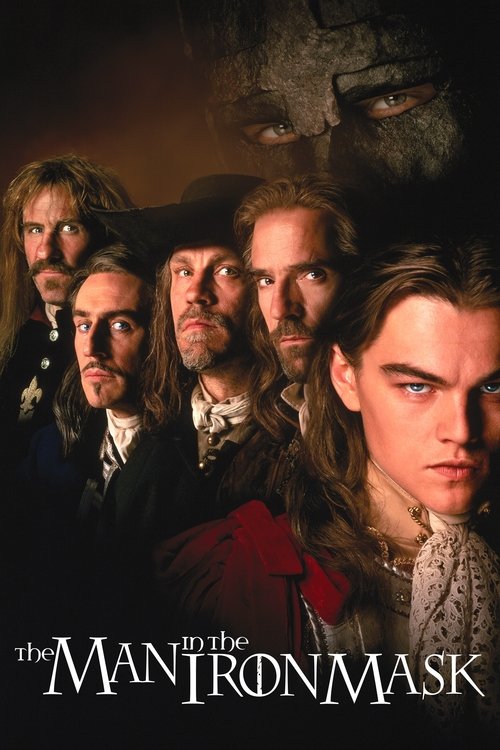
Musketeers, Monte Cristo and the man in the iron mask
Black Sails is the swashbuckler grown up and dangerous
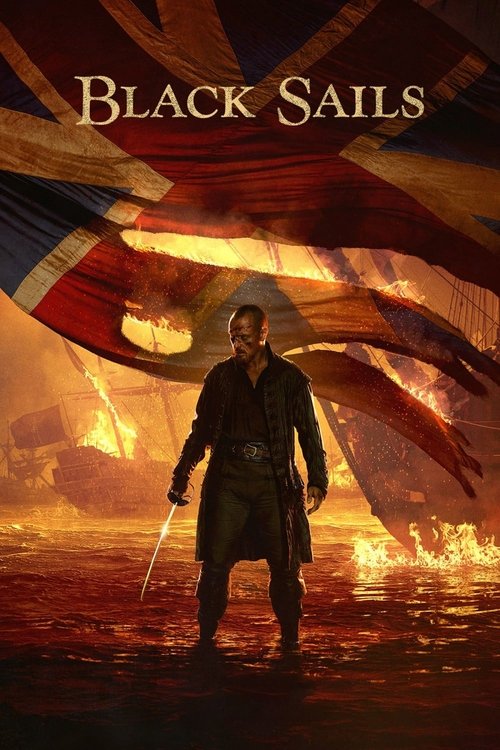
For most of its history the pirate story has been a children's adventure with a parrot on its shoulder. Black Sails dragged it into adulthood and refused to apologize. Built as a prequel to Treasure Island, it gives the young Long John Silver, Captain Flint and a deck of real historical pirates (Blackbeard, Charles Vane, Anne Bonny, Jack Rackham) a four-season political tragedy about the brief, doomed attempt to build a free society outside the reach of empire.
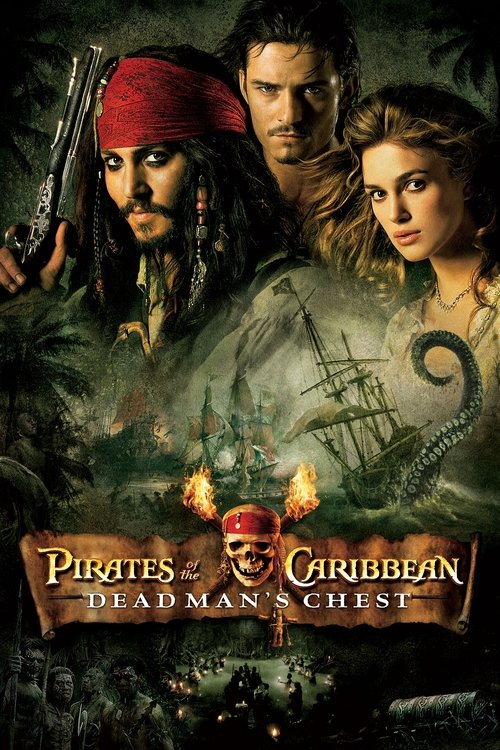
The show is gorgeous and brutal, with ship battles that put the Pirates of the Caribbean films to shame and a scripts-first commitment to letting characters argue their way through scenes. It treats piracy as a labor movement, a war against the merchant class, and asks the question the genre usually skips: what does a person become when they decide the civilized world is the enemy? It is the best pirate fiction made in this century, and it is barely about treasure at all.
Capes and cutlasses on TV
Where the long form gives the duelists room to breathe


All for one, and one for all.The Three Musketeers, Alexandre Dumas: the oath the entire genre has been swearing ever since
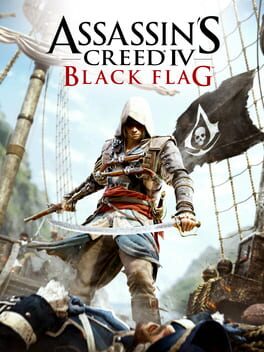
Black Flag is the swashbuckler fantasy at its most complete
Assassin's Creed IV: Black Flag almost forgot it was an Assassin's Creed game, and that is exactly why it is the best one. Ubisoft set you loose as Edward Kenway across a beautiful open Caribbean in the golden age of piracy, gave you a ship you genuinely come to love, and let you sail wherever the horizon went. The naval combat (broadsides, boarding, sea shanties sung by the crew as you cross open water) remains the gold standard for putting a player on the deck of a sailing ship.
What lifts it above mere mechanics is the cast: Blackbeard, Charles Vane and a young Mary Read are written as real people rather than waxwork legends, and Kenway's arc from greedy opportunist to something like a man with a conscience earns its ending. If you want to know why the swashbuckler refuses to die, play three hours of this with the wind at your back. The genre was always, secretly, about freedom of movement.
Swashbucklers to play
Open seas, stolen ships and the best sword duels you get to win yourself
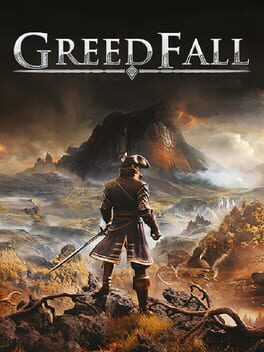
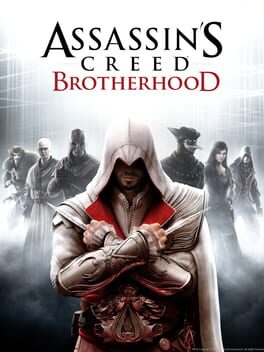
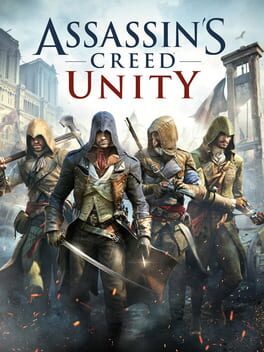
Where it all started: the page
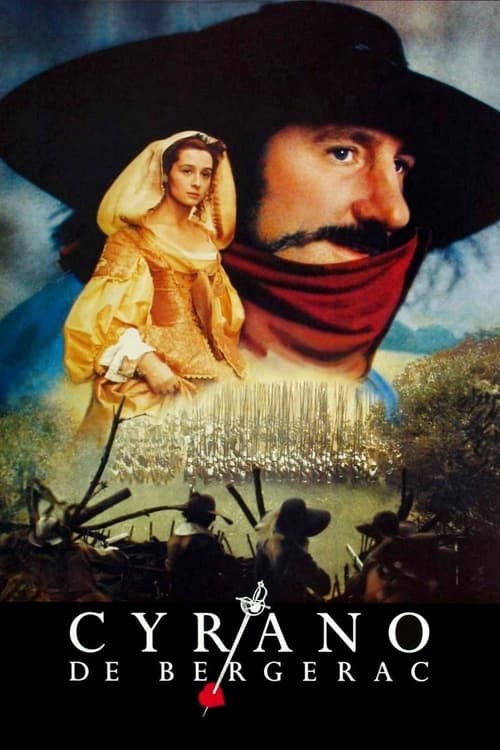
Every cape on every screen traces back to a shelf of novels. Dumas and Sabatini are the load-bearing walls, but the genre is wider and stranger than the films let on. Baroness Orczy's The Scarlet Pimpernel invented the secret-identity hero a generation before the comic books, dressing up a foppish English aristocrat who is secretly the boldest rescuer of the French Revolution. Edmond Rostand's Cyrano de Bergerac is the swashbuckler as tragedy, a duelist who can beat any man with a blade and cannot say the one thing he most wants to say. Walter Scott's Ivanhoe gave the whole genre its medieval, chivalric register.
And the tradition is still alive. Arturo Perez-Reverte's Captain Alatriste novels are a deliberate modern revival, set in the dying Spanish empire of the 1620s and steeped in real history and real bitterness. Georgette Heyer's Beauvallet and C.S. Forester's Hornblower books carried the seafaring adventure forward through the twentieth century. These are the books that taught the screen how to swagger.
The swashbuckler on the page
Dumas, Sabatini, Orczy and the novelists who built the genre




Pirates, princesses and the wider adventure
The cousins of the genre: high-seas capers and storybook romance

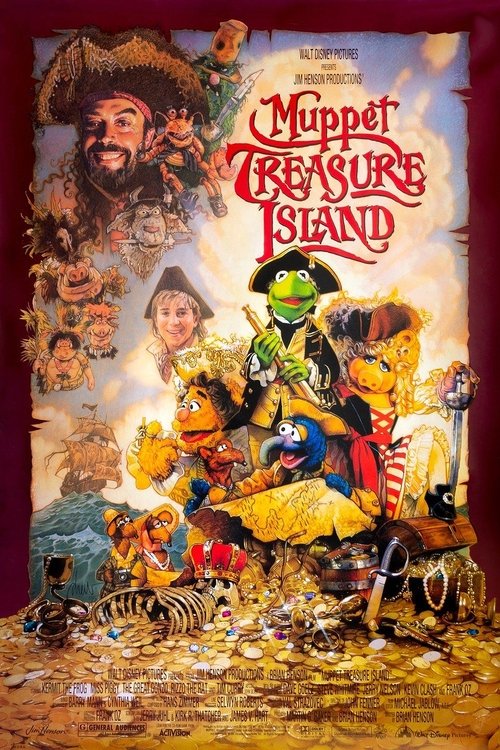
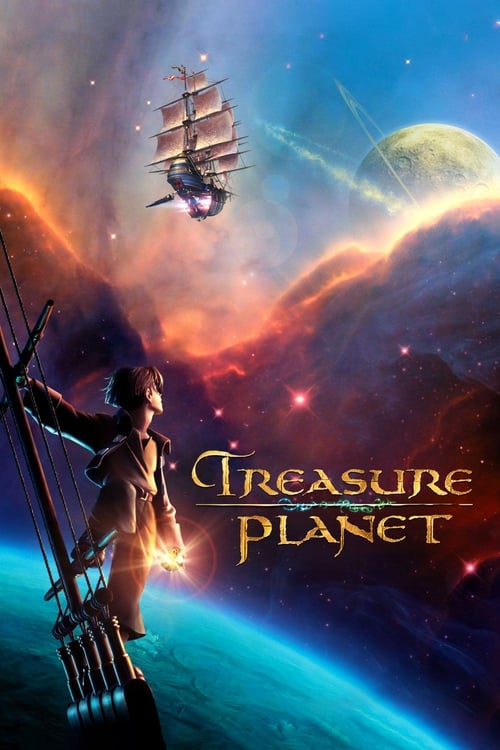
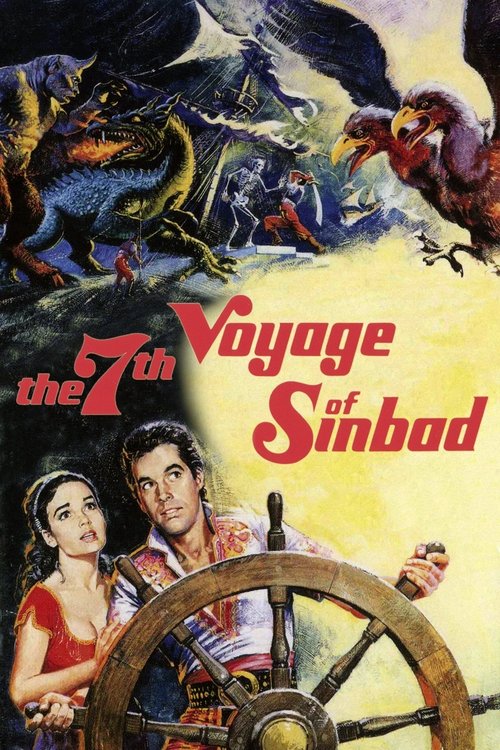
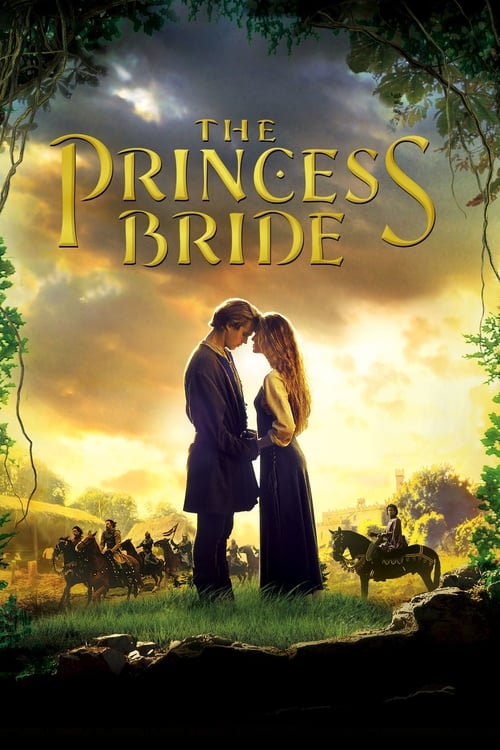
The Princess Bride understood the joke and loved it anyway
Rob Reiner's The Princess Bride is the swashbuckler that knows it is a swashbuckler and is delighted about it. The framing device (a grandfather reading to a sick boy who keeps interrupting) lets the film wink at every cliche while still committing to them completely. The duel atop the Cliffs of Insanity between Westley and Inigo Montoya, both fencing left-handed as a courtesy before revealing they are right-handed, is one of the great sword fights on film precisely because it is also a conversation between two men who like each other.
And Inigo himself, played by Mandy Patinkin, carries the genre's beating heart: a man who has spent his entire life training for a single revenge, repeating the same six words until they become a war cry. Hello. My name is Inigo Montoya. You killed my father. Prepare to die. That is Edmond Dantes, that is d'Artagnan, that is the whole genre distilled into one perfect, patient promise.