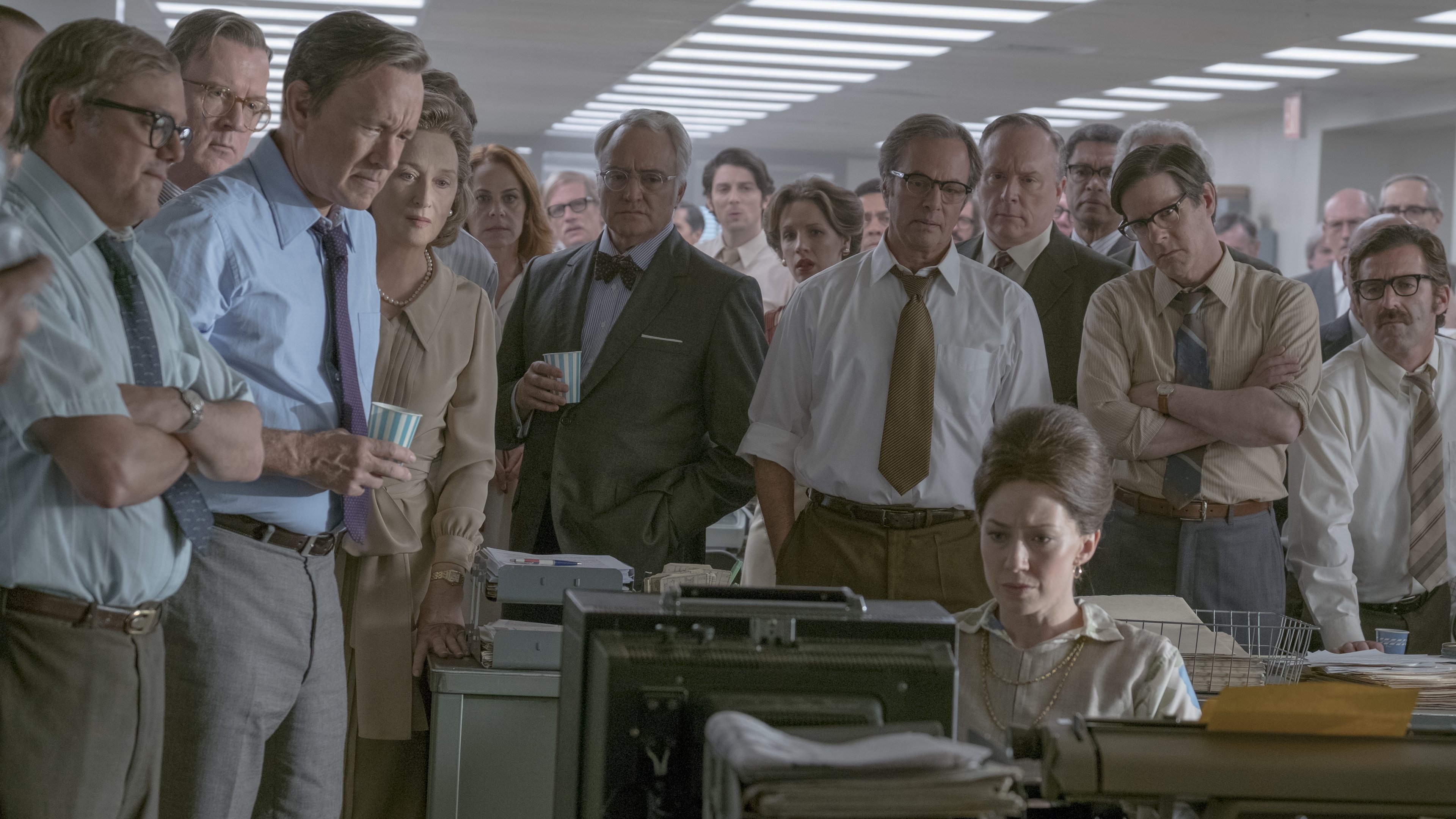

The political thriller runs on a single promise: the people in charge are hiding something, and finding out what will cost you everything. It is not the thriller of random violence or supernatural dread. The danger here is institutional, systemic, structural. The enemy has a budget, a press secretary, and plausible deniability. What fans of the genre chase is a very specific feeling: the slow, cold recognition that the architecture of power is built to protect itself, combined with the rarer and more satisfying feeling of watching someone dismantle it from the inside. Whether the canvas is a claustrophobic Senate hearing room, a war-room map table, a whistleblower's kitchen table, or a hacked server blinking in a datacenter, the mood is identical. Someone knows something. Others will do almost anything to keep it buried. The clock is running.
Essential Political Thrillers: Films
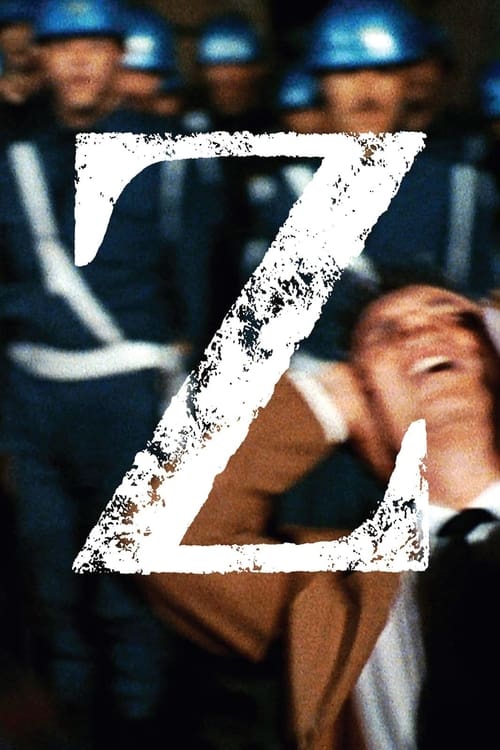
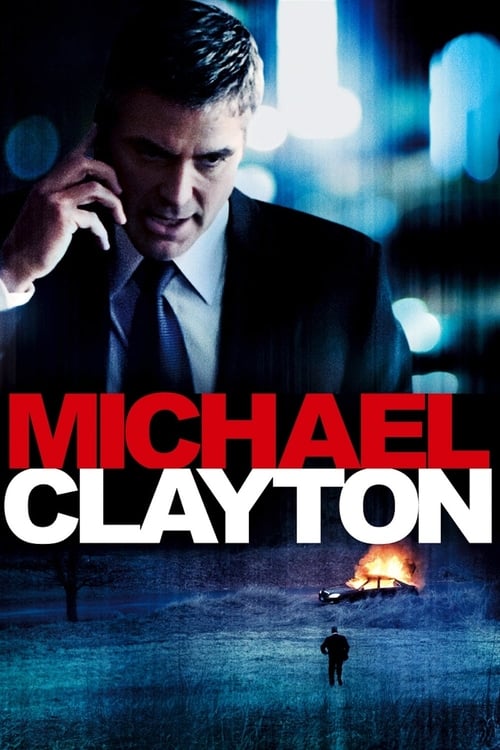
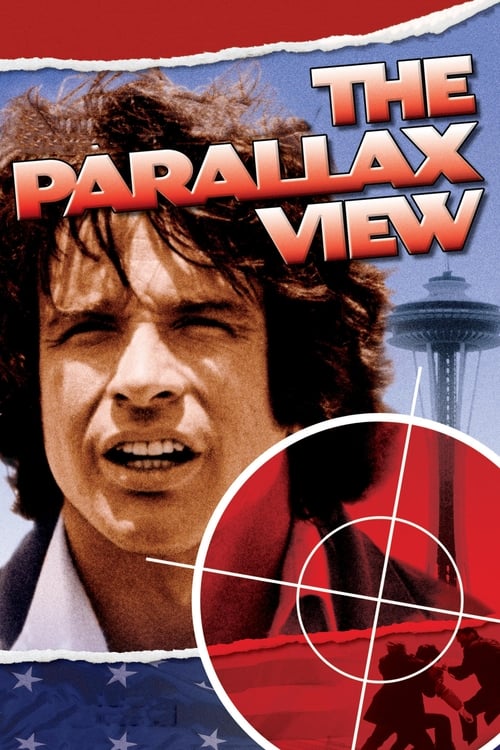
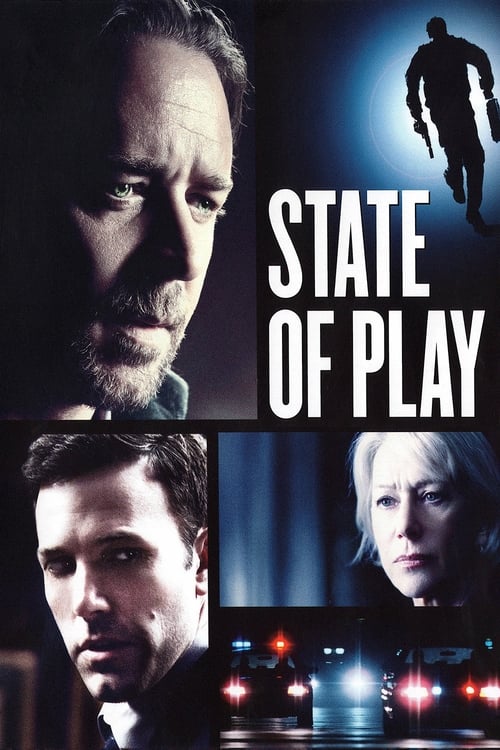
The canonical films that defined the genre's DNA
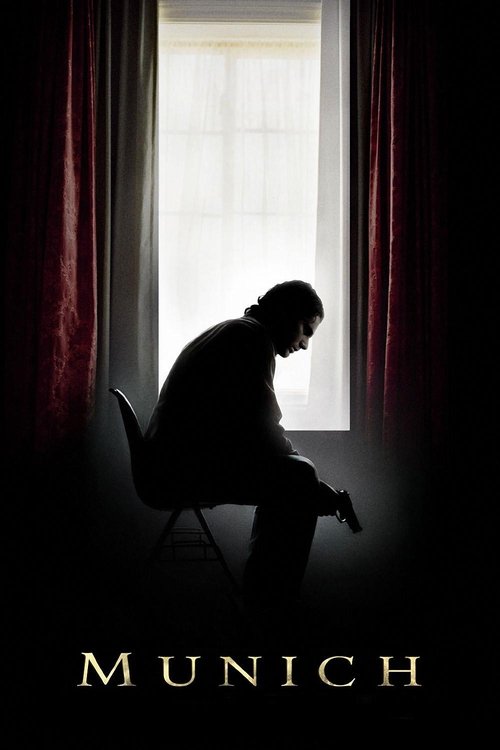
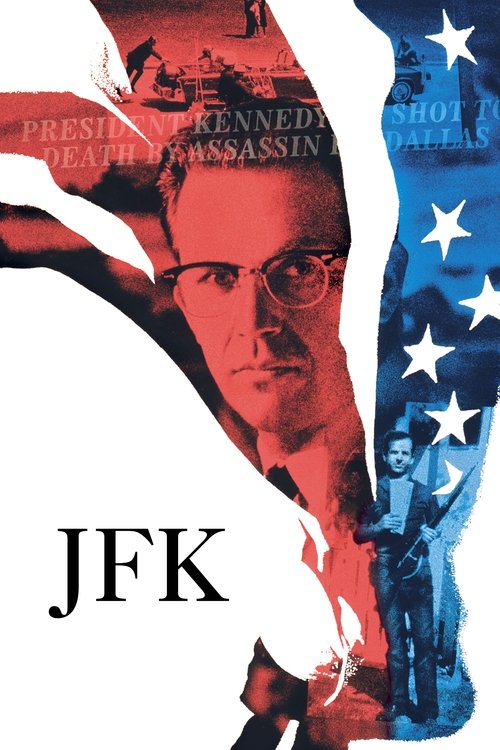
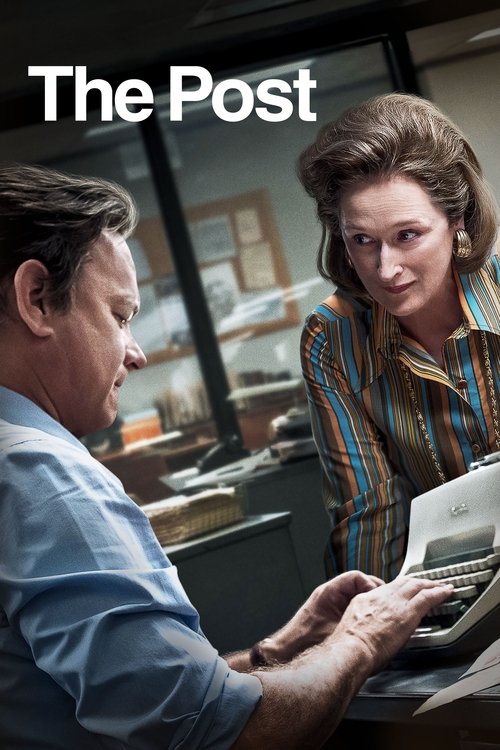
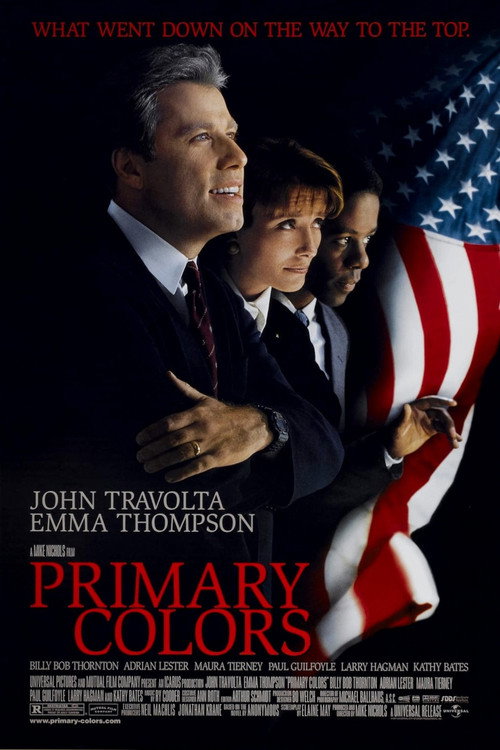
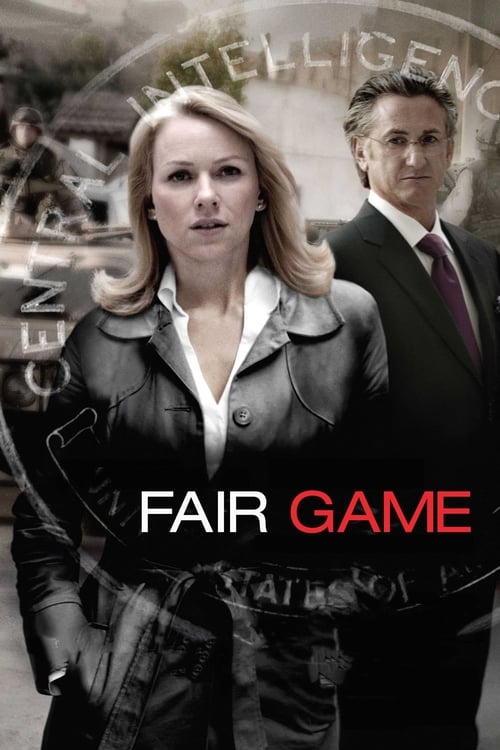
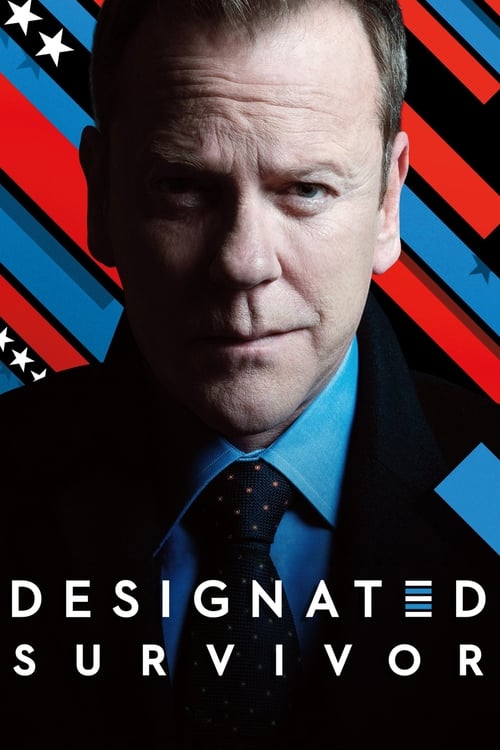
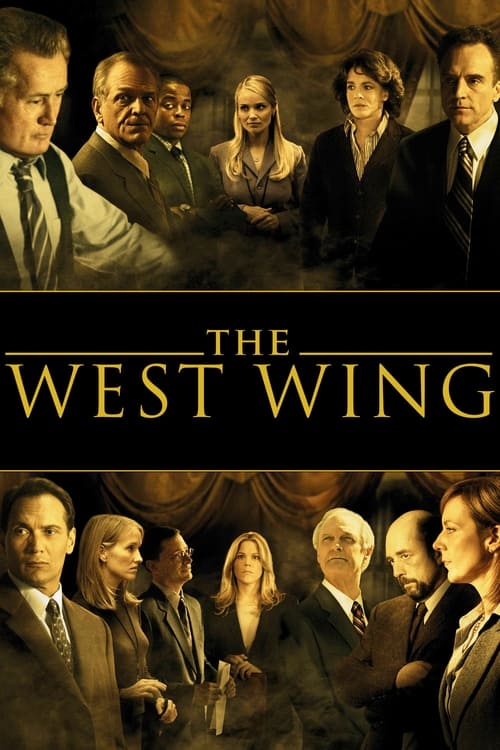
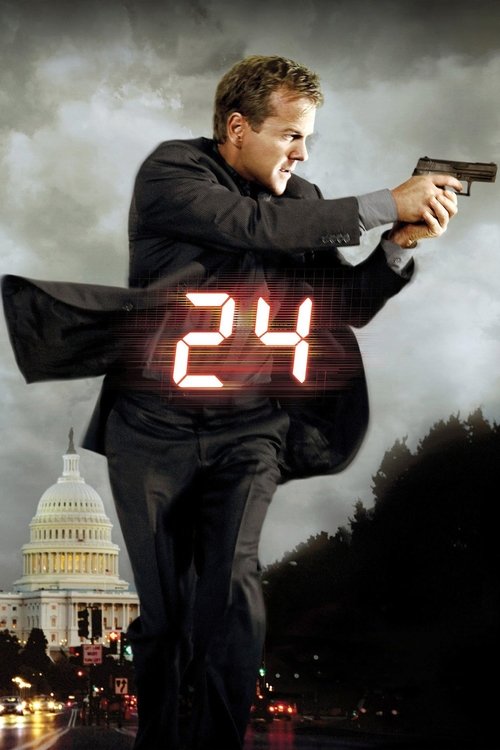
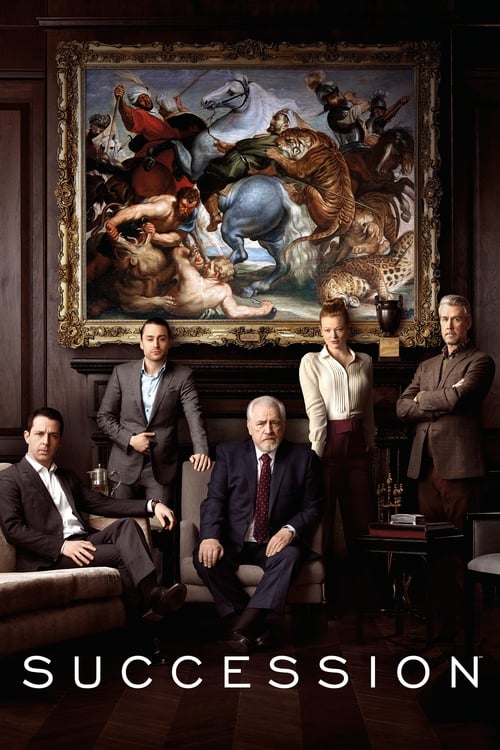
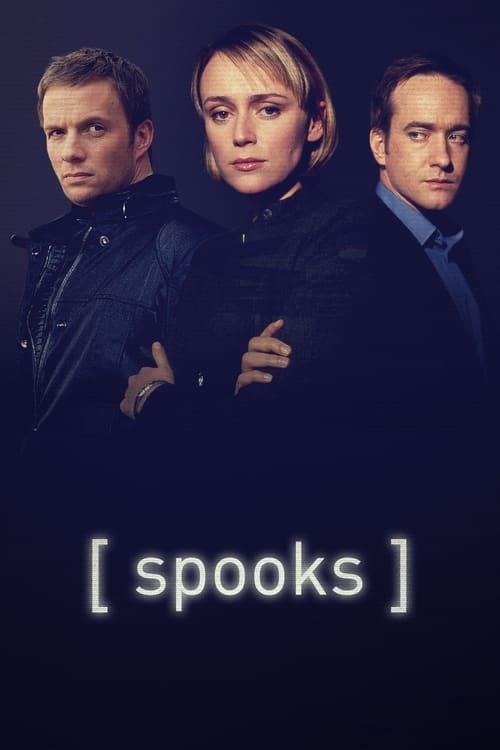
If You Love Political Thrillers: Essential TV
Series built on the same pressure, betrayal, and institutional rot
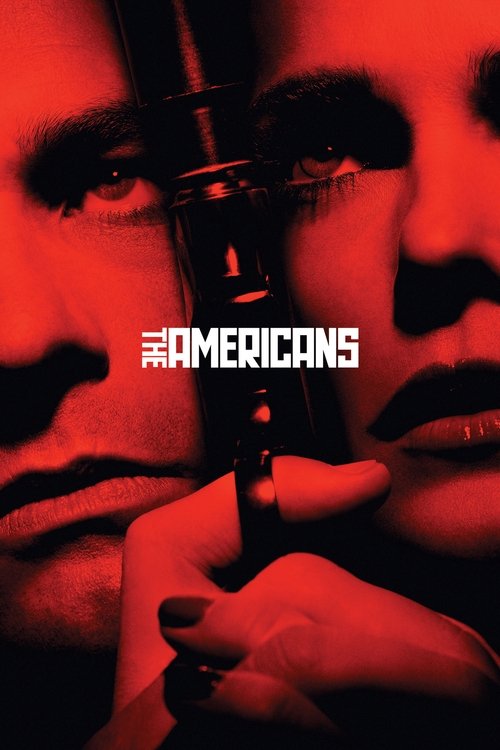




If You Love Political Thrillers: The Novels
The books that do the genre's deepest work: conspiracies, moles, cover-ups, whistleblowers


If You Love Political Thrillers: Games
Games that put you inside intelligence operations, espionage, and power struggles


The Paranoid Masterpiece: All the President's Men
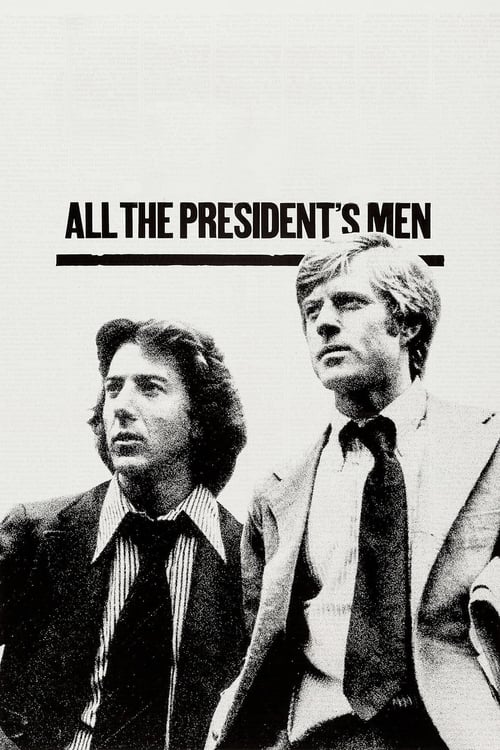
Alan Pakula's 1976 film remains the gold standard not because it is the most dramatic retelling of Watergate but because it is the most honest about how investigative journalism actually works: slowly, carefully, on foot, with a lot of phone calls that go nowhere. Dustin Hoffman and Robert Redford as Woodward and Bernstein are not action heroes. They are reporters. The film trusts the audience to find the pauses and dead ends as gripping as any gunfight. Deep Throat in the parking garage is still one of cinema's great scenes: two people whispering in the dark about the destruction of the republic, and the lights keep going out.
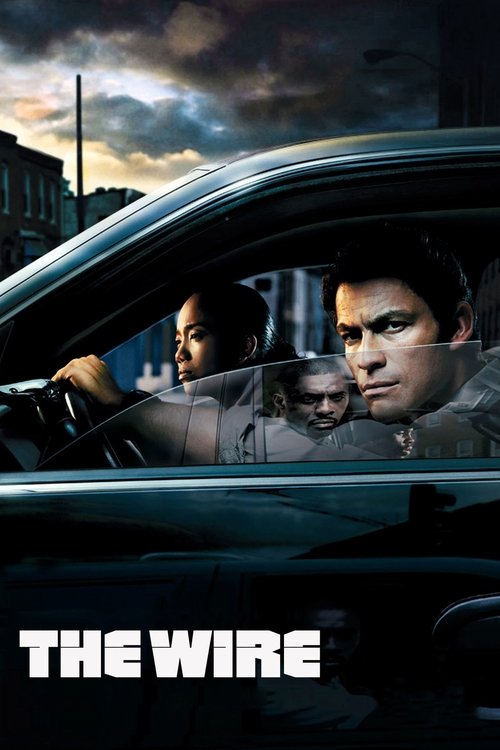
Television's Most Uncomfortable Truth: The Wire
David Simon's series is catalogued as a crime drama but it is among the most rigorous political thrillers ever made. Each season dissects a different institution: the drug trade, the port unions, the city government, the school system, the press. The thesis is consistent across all five seasons: institutions protect themselves first, and individuals, however principled, are ground up in that process. The political thrillers that make you angry rather than just tense almost always owe something to The Wire.
The Novel That Invented the Modern Spy Thriller: The Spy Who Came in from the Cold
John le Carre's 1963 novel arrived after decades of glamorous spy fiction and quietly burned the whole genre down. His protagonist Alec Leamas is not Bond. He is tired, compromised, and being used by people who will not tell him the full truth. The revelation at the novel's center is about the moral equivalence of Western intelligence with the enemies it claims to oppose. Every subsequent espionage thriller, from Tinker Tailor to The Americans, has had to reckon with the question le Carre first posed here: whose side are you really on, and what does that make you?
The Game That Made You the Surveillance State: Papers, Please
Lucas Pope's 2013 game drops you behind the immigration desk of a fictional Soviet-bloc country and asks you to make decisions that are simultaneously mundane and catastrophic. The brilliance is mechanical: you are paid per correct approval or rejection, you have a family to feed, and the rules keep changing. Every player eventually approves someone they should not, or rejects someone whose papers looked wrong but who had a genuine crisis. The political thesis (ordinary people enable authoritarian systems through ordinary compliance) arrives not through dialogue but through the physical act of stamping documents. No other game has made bureaucracy feel this dangerous.
A Century of Political Paranoia: Key Moments in the Genre
- 1959Allen Drury's Senate novel Advise and Consent wins the Pulitzer Prize, establishing the Washington insider thriller as literary territory.
- 1963le Carre publishes The Spy Who Came in from the Cold, replacing glamorous espionage with moral ambiguity and institutional betrayal. The Spy Who Came in from the Cold
- 1974All the President's Men (the book) lands as Nixon resigns; the genre absorbs the actual collapse of a presidency as source material.
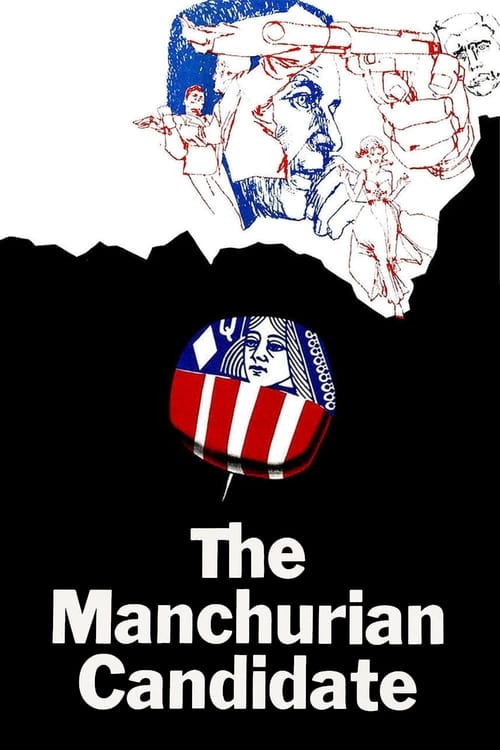
- 1976Three paranoid classics reach cinemas in one year: All the President's Men, The Manchurian Candidate re-enters culture, and Network diagnoses media as power. All the President's Men
- 1988Tom Clancy's Jack Ryan franchise goes cinematic with The Hunt for Red October in production; the techno-thriller hybridizes with political drama.
- 1999The West Wing premieres, creating a template for the idealistic counterpoint to the genre's usual cynicism. The West Wing
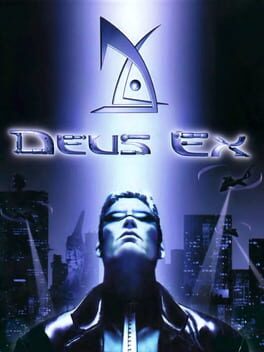
- 2001Deus Ex reframes political conspiracy as an immersive sim, merging genre fiction with player agency. Deus Ex
- 2011Tinker Tailor Soldier Spy reaches the screen again via Tomas Alfredson; le Carre's cold-war paranoia finds a new generation. Tinker Tailor Soldier Spy
- 2013Papers, Please turns border bureaucracy into a political statement and wins the Grand Prize at IndieCade. Papers, Please
- 2019Disco Elysium redefines the RPG as a political text, embedding ideology and institutional failure into every dialogue option.
Conspiracy, espionage, corridors of power
Conspiracy Thrillers
Explore the Conspiracy Thrillers guide →The political thriller's core question is not 'whodunit' but 'what does it mean that this was done, and by whom, with whose knowledge, and who benefits from no one ever finding out.'CrossBinge Editors