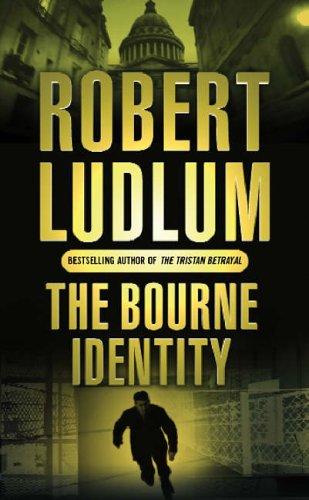

Robert Ludlum invented the modern conspiracy thriller as a commercial art form. His novels are built on a single galvanizing premise: an ordinary man, stripped of everything he thought he knew, must outrun a labyrinthine organisation that controls more of the world than governments dare admit. The Bourne trilogy gave the genre its most iconic amnesiac hero; the Covert-One series, the Matarese Circle, the Parsifal Mosaic, and dozens more demonstrated that Ludlum could sustain paranoia at novel-length like no one else. The tone is always kinetic, the geography always European (Zurich, Paris, Lisbon, Geneva), and the threat always institutional. If you finished a Ludlum novel at 2 a.m. telling yourself "just one more chapter," this guide maps the next ten things to read, watch, and play.
Essential Robert Ludlum
The Bourne novels and the broader canon, ranked by urgency


The Bourne Franchise on Screen
Every screen adaptation of Ludlum's most durable creation
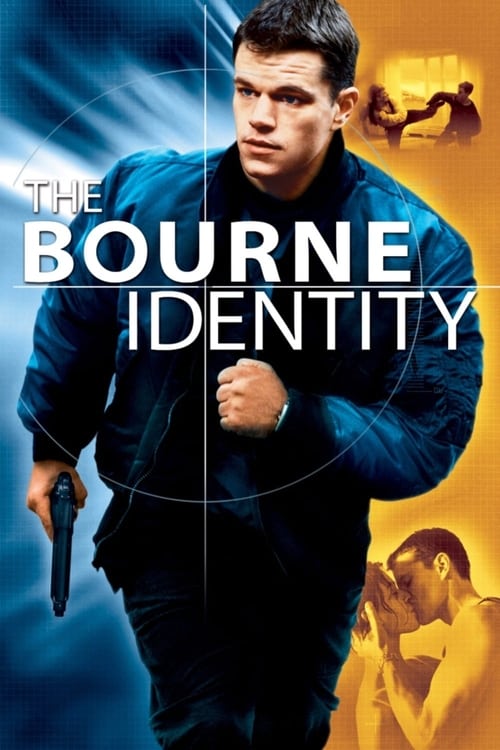
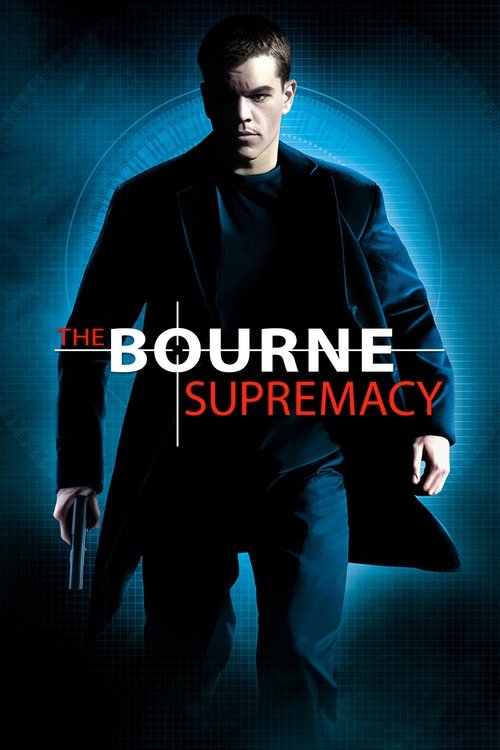
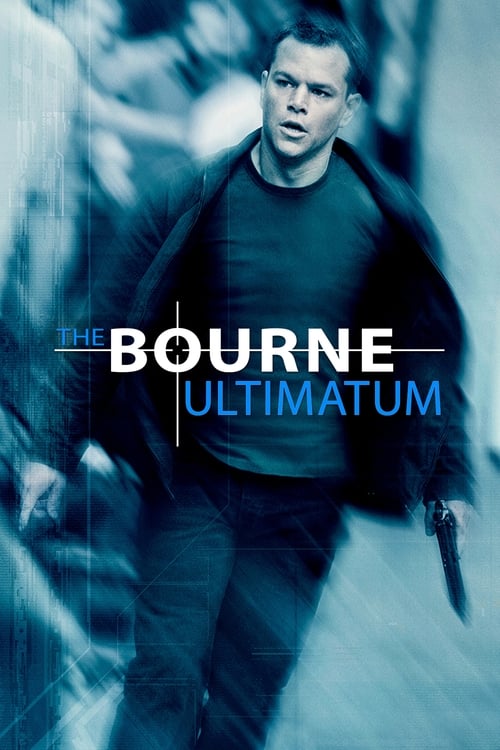
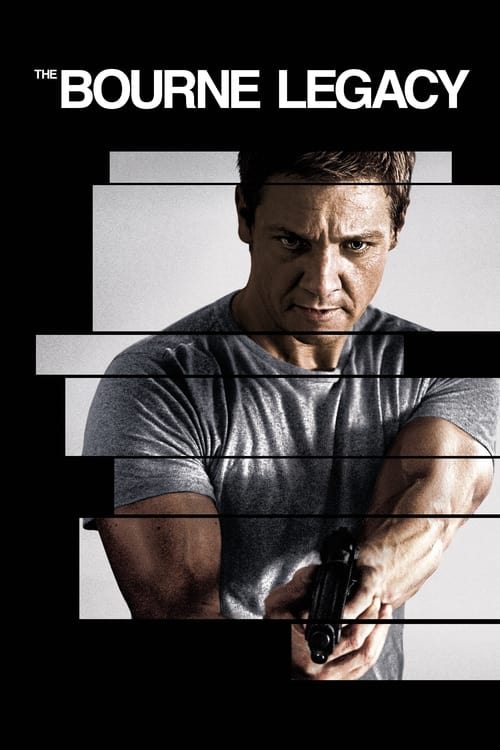
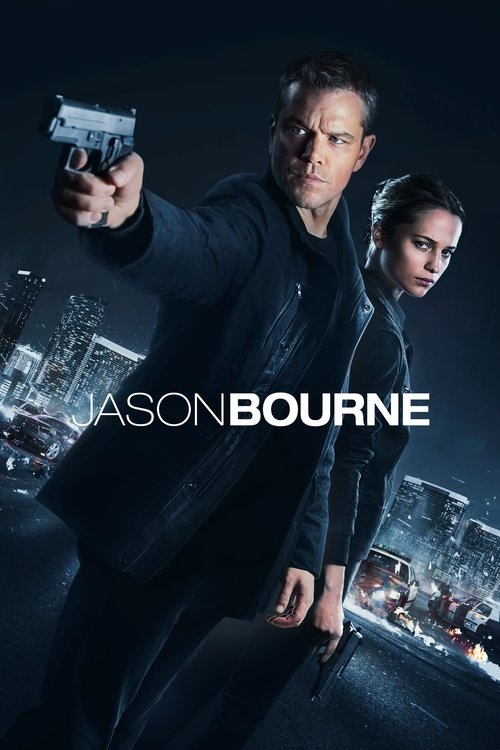
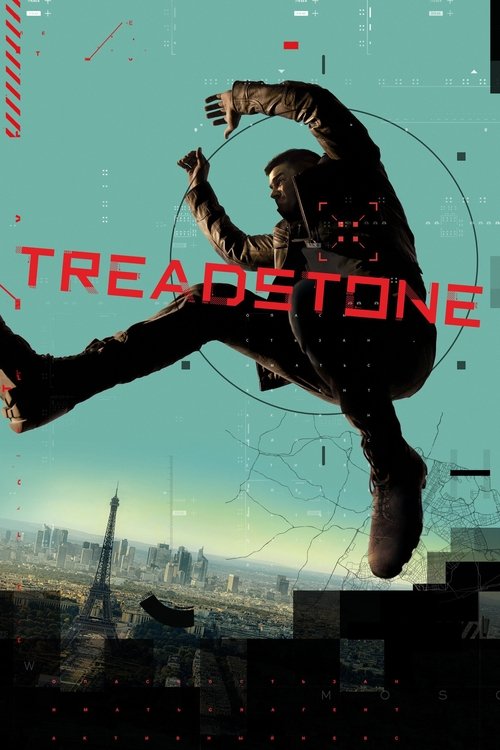
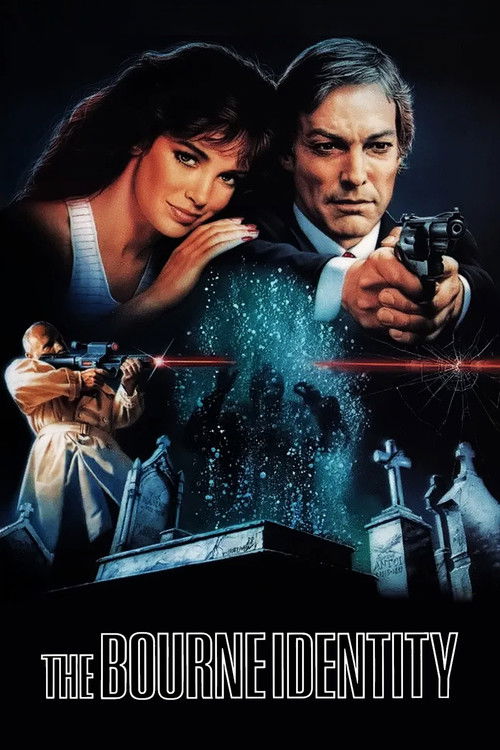
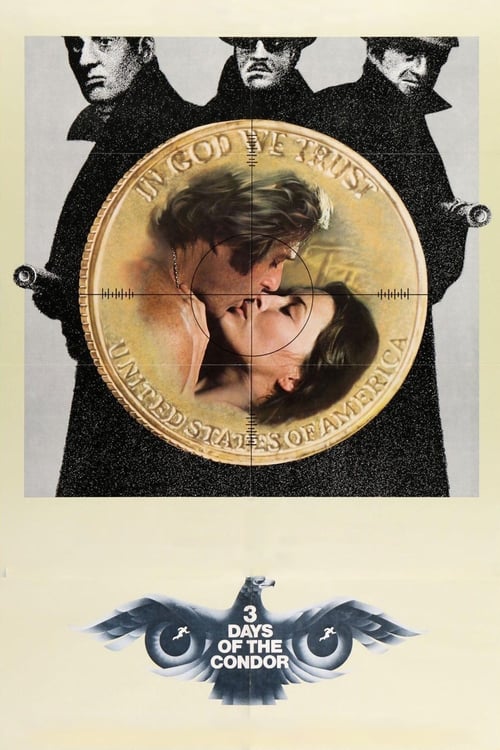
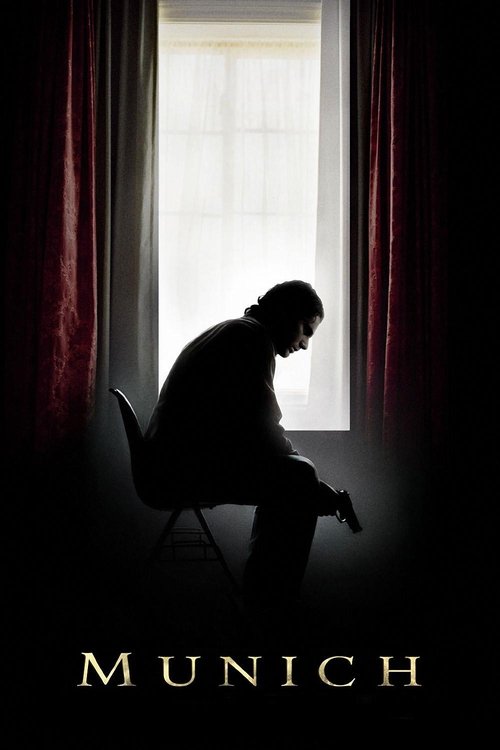
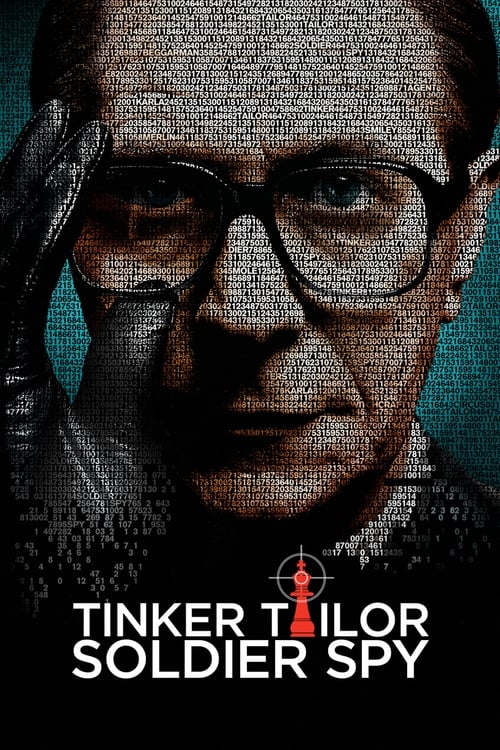
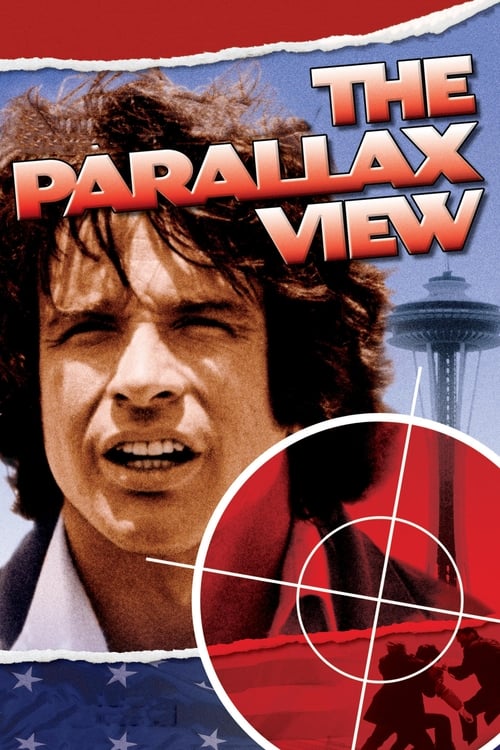
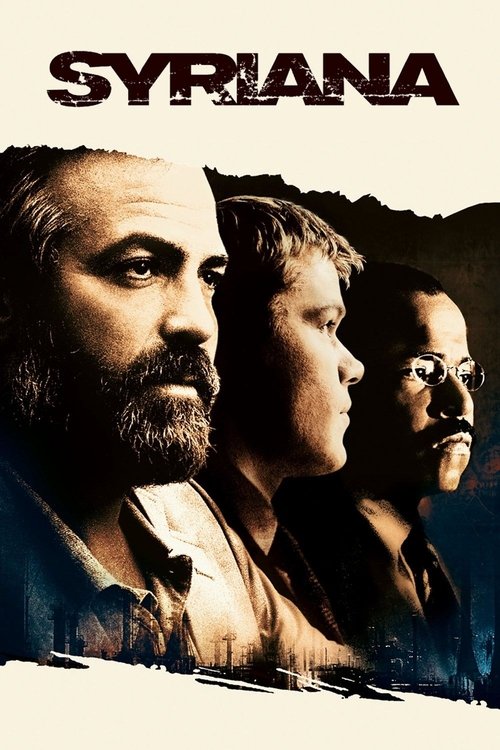
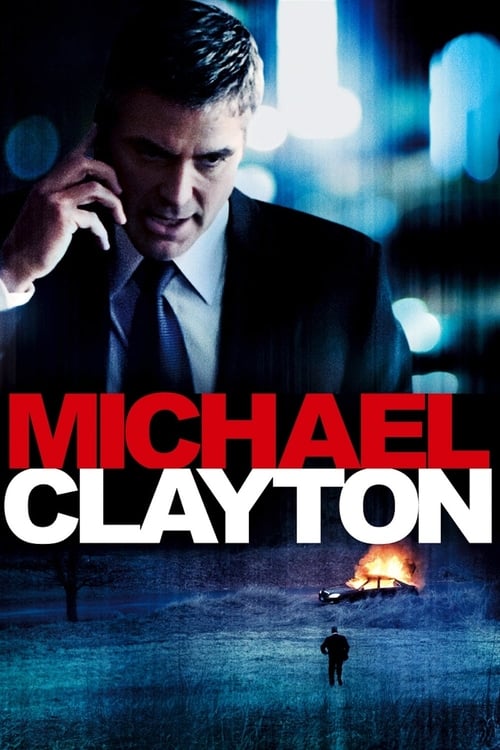
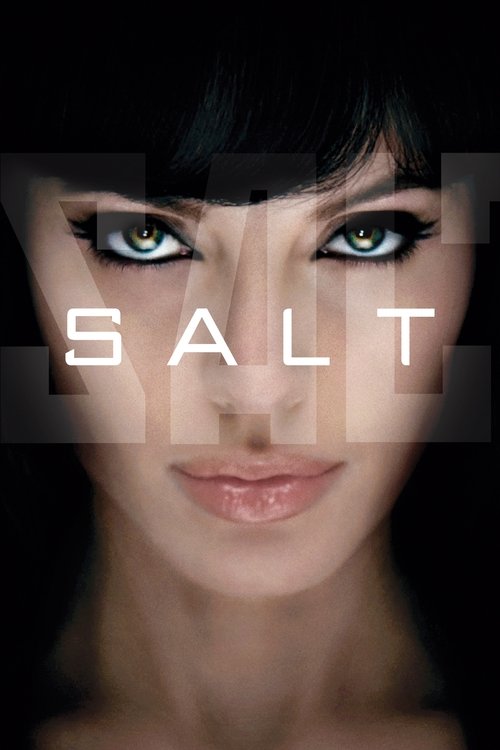
If You Love Ludlum: Spy and Conspiracy Films
The same paranoia, globe-trotting action, and institutional menace

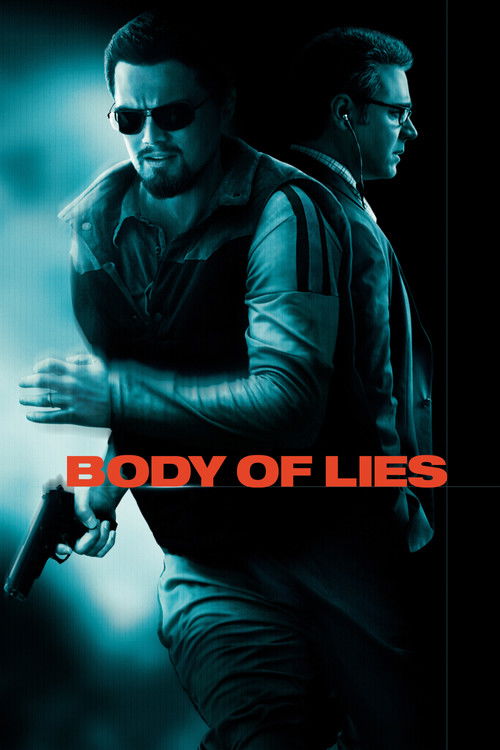
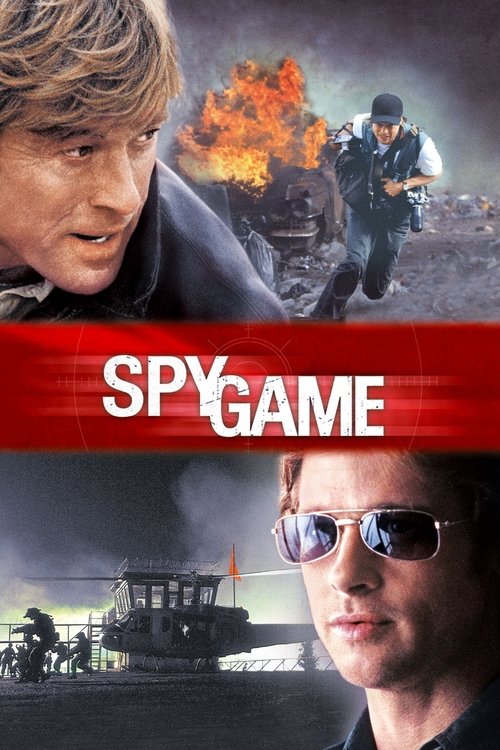
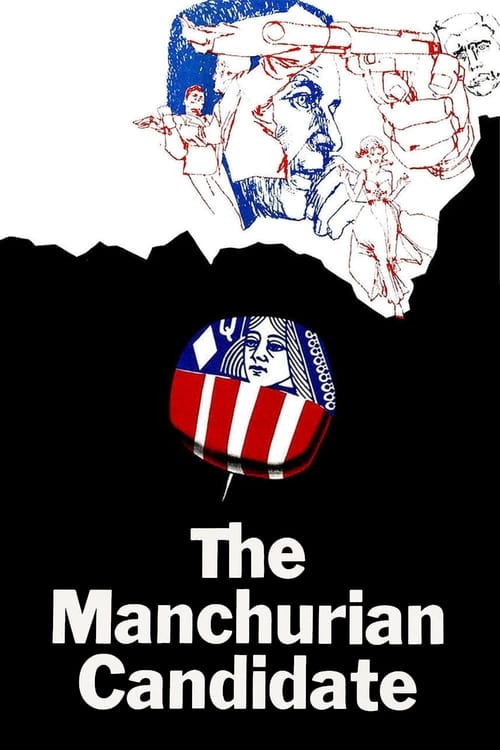
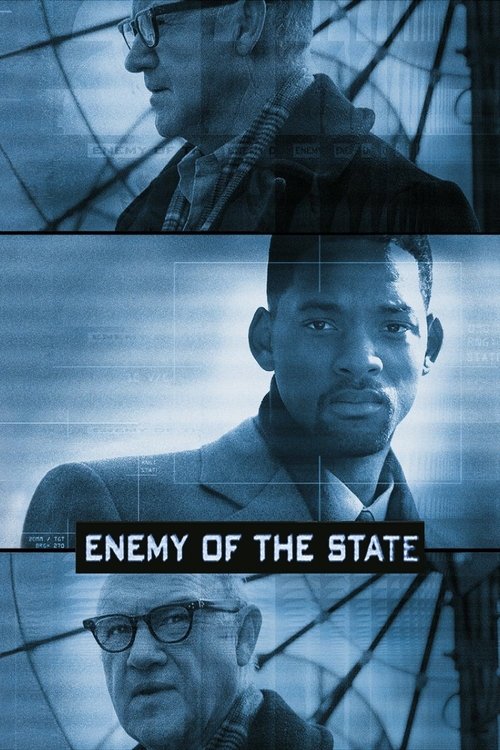
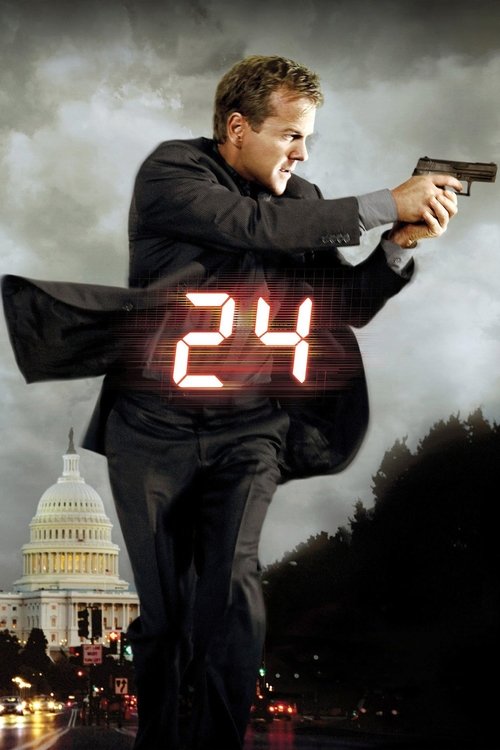
Conspiracy-Thriller Series for the Long Haul
TV and streaming shows with Ludlum's depth of plot and institutional dread
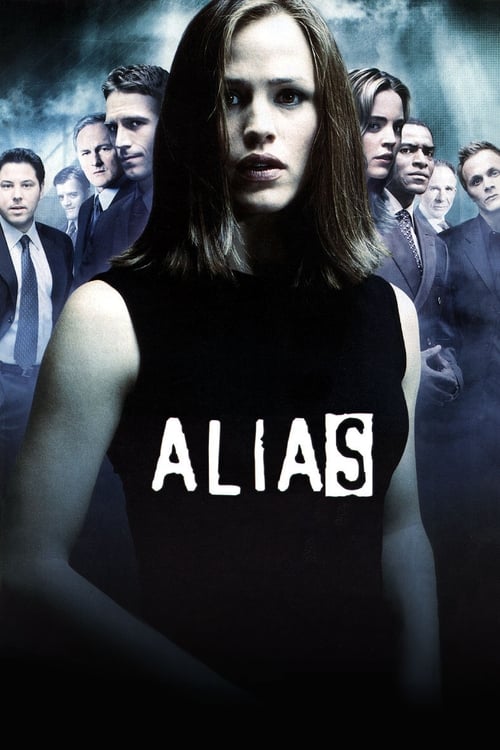

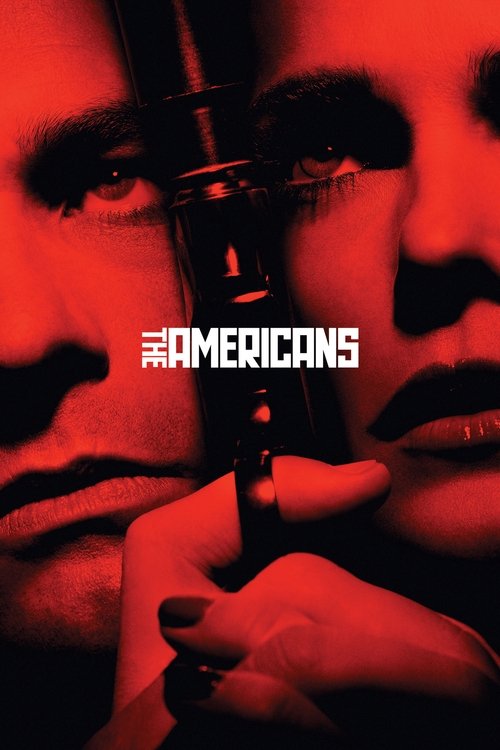
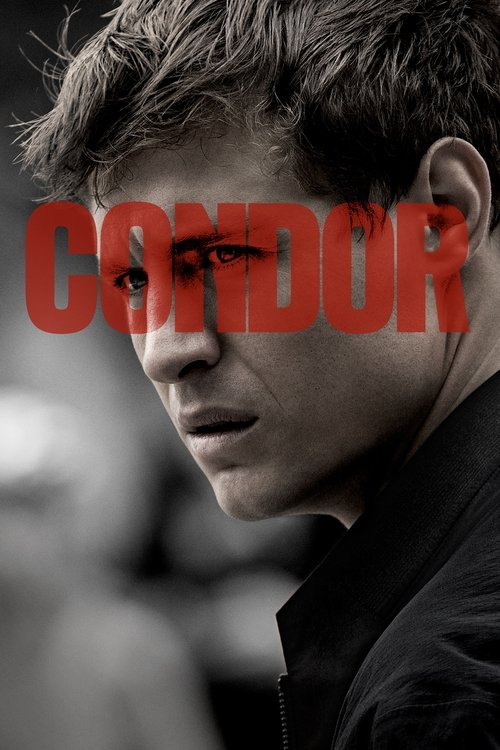
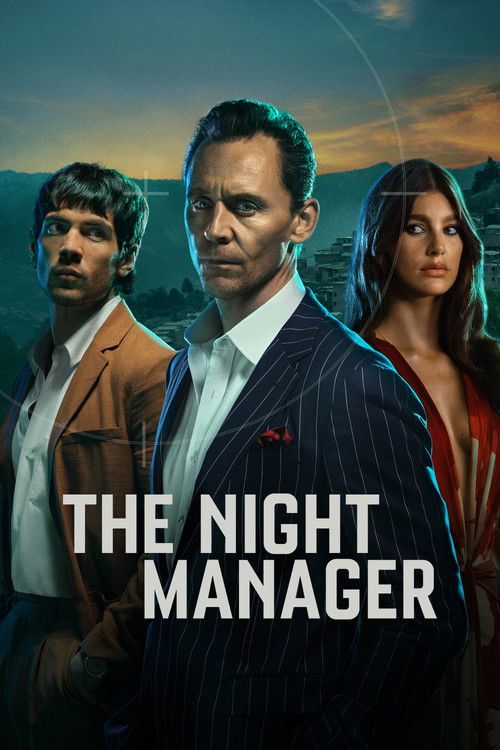
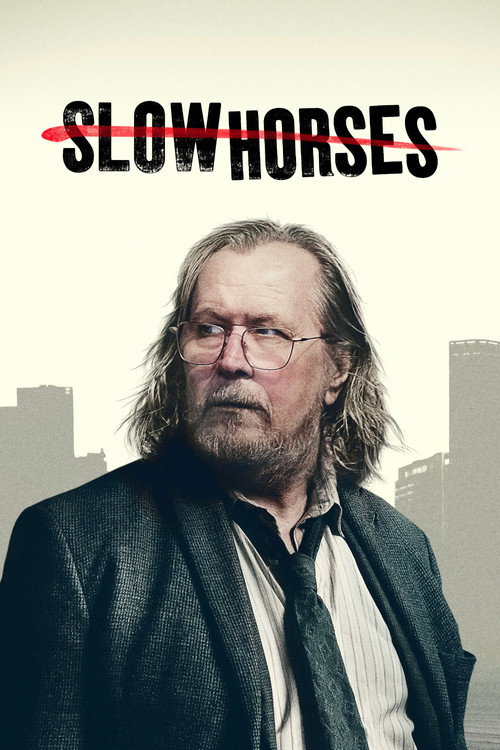


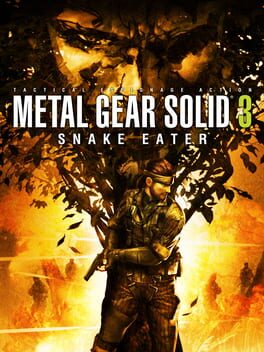
Spy and Stealth Games with the Bourne DNA
Games built on identity, infiltration, and the weight of covert action
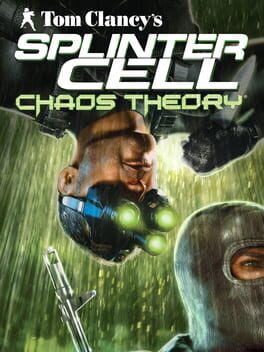
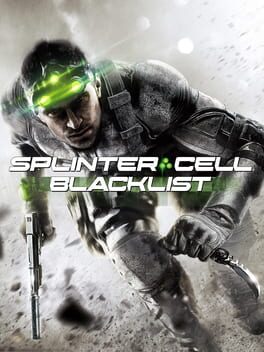
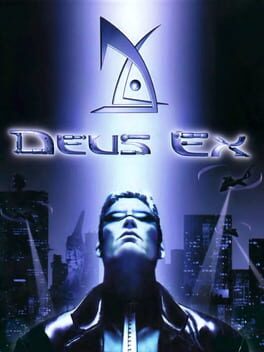

Authors Who Share Ludlum's Frequency
Espionage novelists with the same relentless plotting and moral complexity


The Bourne Identity Changed the Spy Hero Forever
Before Bourne, the spy hero was suave and in control: Bond ordering the right vintage at the right casino. Ludlum replaced that confidence with radical uncertainty. Jason Bourne wakes up with a body full of skills he cannot explain and a name he cannot remember. The terror is not external enemies but the self. That inversion, the hero as his own mystery, gave every subsequent amnesia-thriller, fractured-identity show, and cover-blown operative narrative its template. The Damon films sharpened it into pure kineticism, but Ludlum's original novel is a slower, stranger book, closer to an existential puzzle than an action sequence.
Cold War Paranoia Does Not Age
Ludlum wrote at the height of detente anxiety, when the CIA and KGB seemed equally capable of atrocity and equally unaccountable. That structural cynicism, the idea that the real enemy is the institution you work for, reads as contemporary as any post-Snowden thriller. The Parsifal Mosaic, published in 1982, imagines a rogue superpower faction willing to start a nuclear war to preserve ideological purity. The geopolitics shifted; the paranoia did not.
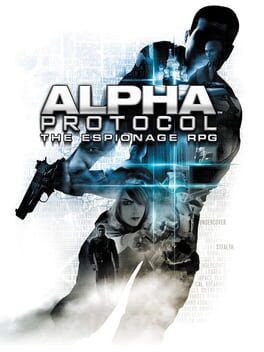
Alpha Protocol Is the Closest a Game Got to Ludlum
Alpha Protocol (2010) is the one game that genuinely attempted Ludlum's specific flavor: a disavowed CIA contractor piecing together a conspiracy that reaches the top of the agency, making split-second moral choices that rewrite the plot. It is mechanically unpolished and critically underrated, but its DNA is pure Ludlum. Choose your alliances wrong and your own government becomes the final boss. Nothing before or since has replicated that specifically political-thriller feel in an interactive format.
Le Carre and Ludlum: Two Sides of the Same Coin
Readers often choose sides: Ludlum the propulsive entertainer vs. le Carre the literary moralist. But both are obsessed with the same question: what does institutional loyalty cost a person's soul? Le Carre answers slowly, in gray prose and quiet devastation. Ludlum answers at a sprint, with car chases and double-crosses. They are not opposites. They are the same argument conducted at different tempos. Reading Tinker Tailor Soldier Spy after The Bourne Supremacy, or vice versa, is one of the great genre pairings.
Robert Ludlum: A Life in Thrillers
- 1927Born in New York City; raised in New Jersey.
- 1962Produces and acts in theatre; funds his career through stage work.
- 1971Debut novel published.
- 1973Political paranoia gets cinematic treatment.
- 1979The novel that defined a genre.
- 1980Jason Bourne arrives. The Bourne Identity
- 1986Bourne's most globe-spanning chapter.
- 1990The trilogy concludes. Ultimatum
- 2001Ludlum passes away; his estate continues the Bourne and Covert-One series with co-authors.
- 2002Doug Liman adapts Bourne for the screen. The Bourne Identity
- 2007Greengrass delivers the franchise's peak. The Bourne Ultimatum
- 2019TV prequel series explores Treadstone programme. Treadstone
Lost identities and global conspiracies
For Fans of Spy Thriller
Explore the For Fans of Spy Thriller guide →The hallmark of the Ludlum thriller is the revelation that the conspiracy is larger, older, and closer than the hero imagined -- and that the only way out is through.CrossBinge editors