
The paranoid thriller is America's most honest genre. It emerged in the early 1970s from the rubble of Vietnam, Watergate, and a handful of political assassinations that no official explanation ever fully explained. For the first time, mainstream Hollywood was willing to say, on screen, that the government might be lying, that the institutions meant to protect you might be running the operation against you, and that the lone individual with the inconvenient evidence is almost certainly going to lose.
The core logic is simple: someone knows something they are not supposed to know. What follows is the weight of a system pressing back against that knowledge. The thriller's tension is not fear of a monster. It is the horror of realizing the monster has a corner office, a budget, and deniability.
Essential conspiracy thrillers
The canon, across every screen and page
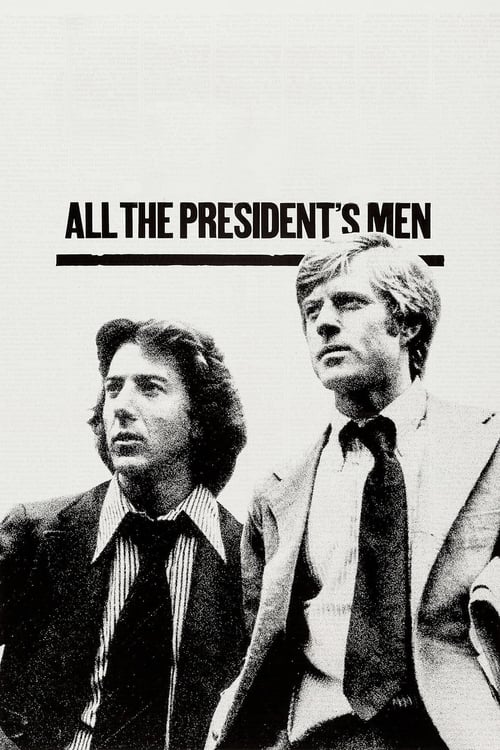

The 1970s invented the genre
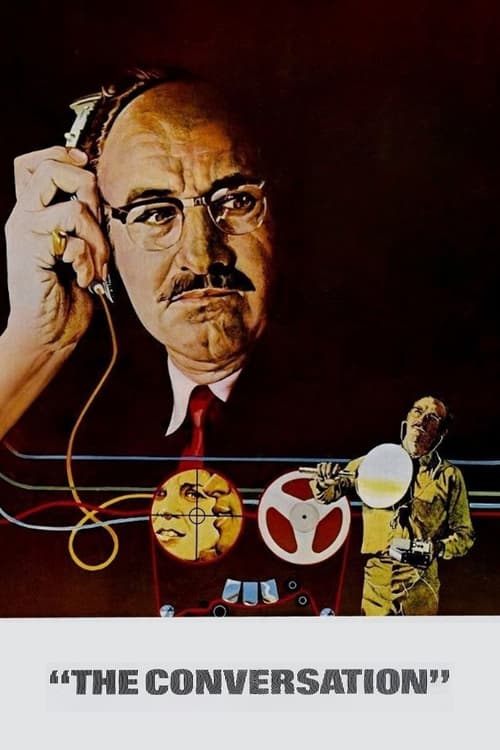
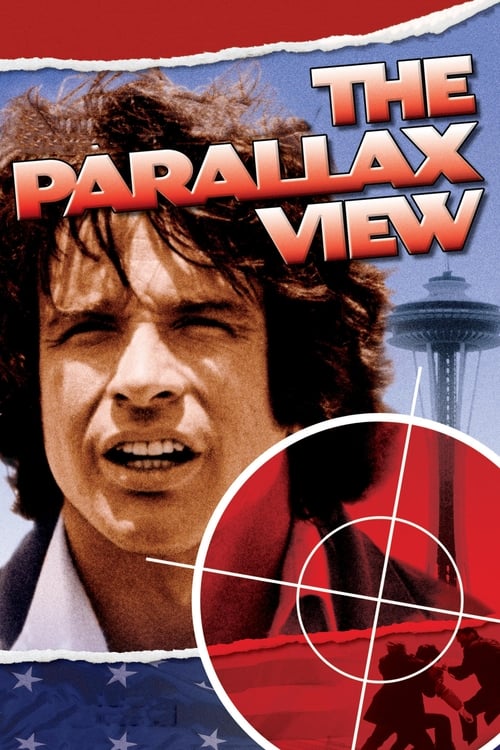
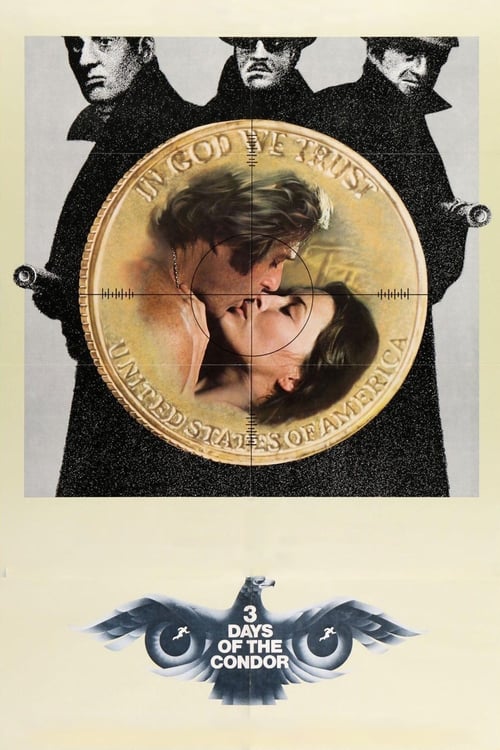
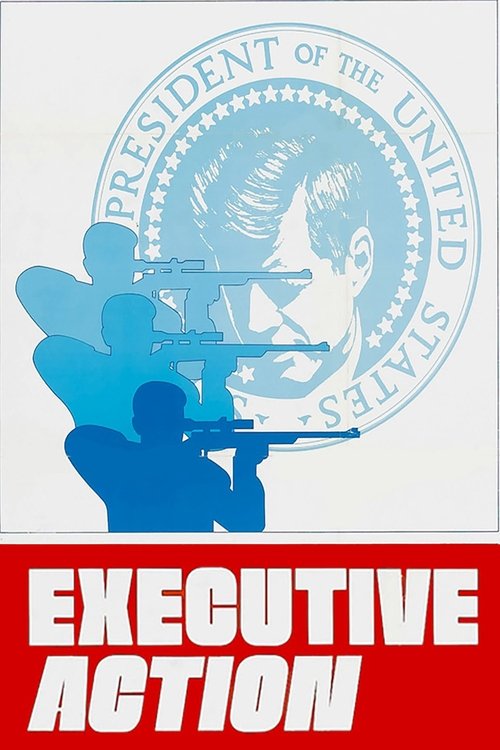
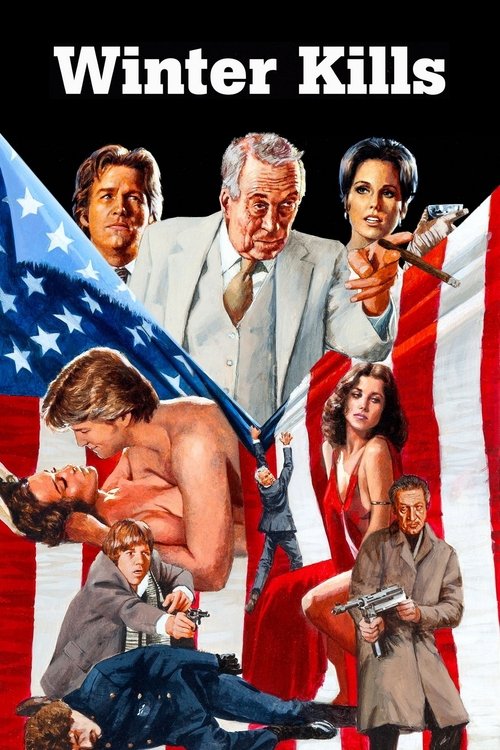
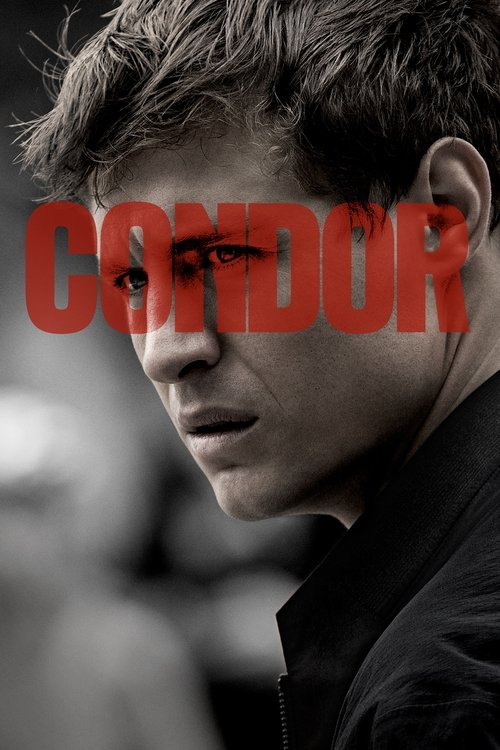
Three films made within a single year define the entire tradition. The Parallax View (1974) tracks a journalist who witnesses a political assassination and cannot convince anyone that what he saw was real, until it is too late. The Conversation (1974) turns the surveillance apparatus inward: a wire-tap professional realizes he has recorded something he was not meant to hear, and the film's dread is in what he does with that knowledge. Three Days of the Condor (1975) asks what happens when an ordinary CIA analyst stumbles onto a plan that the CIA itself is running. What unites them is the ending: not triumphant, not resolved. The truth surfaces, sometimes, but the system survives.
Paranoia, 1970s
The decade the genre was born
Whistleblowers and watchers
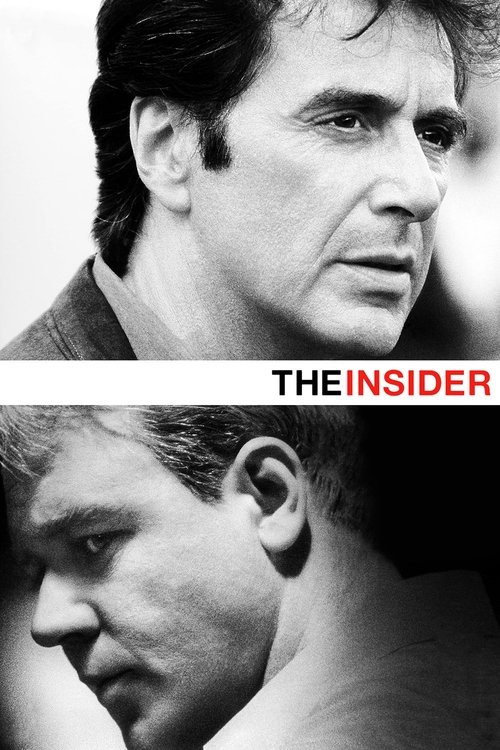
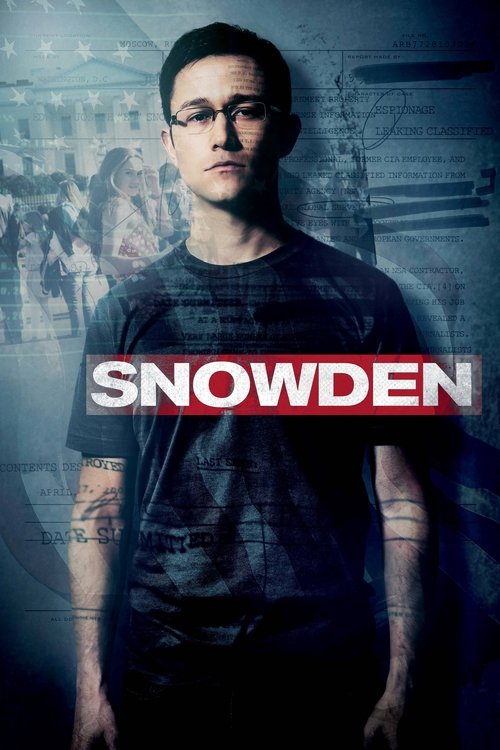
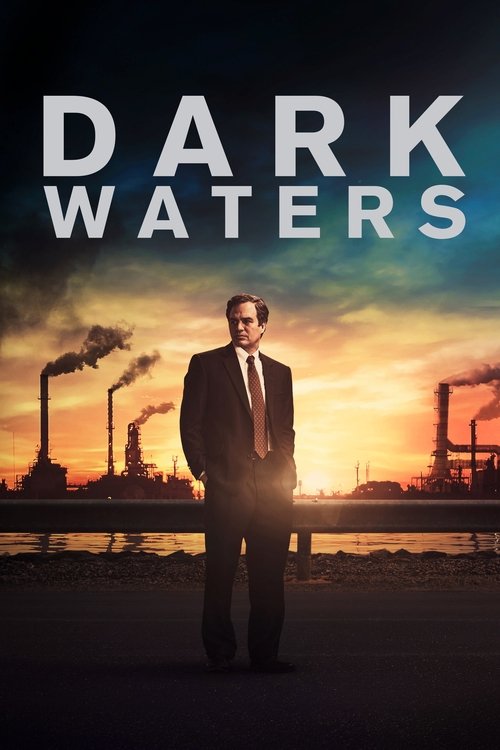
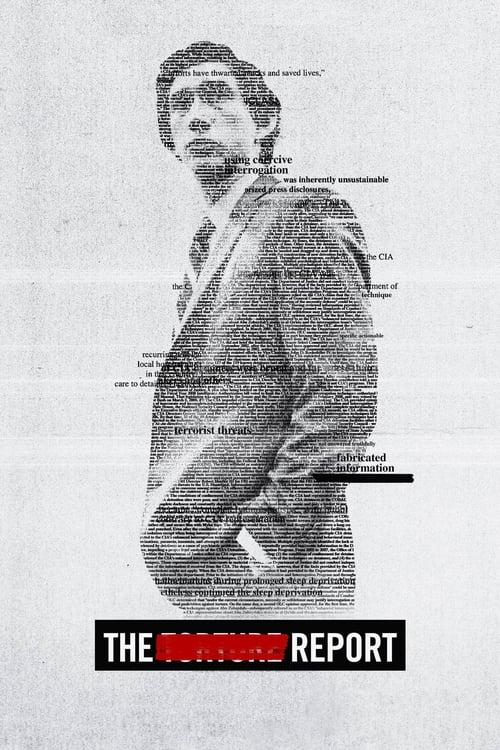
The modern conspiracy thriller arrives in two distinct shapes. The first is the whistleblower film: a person with internal access who sees the machine from the inside and cannot stay silent. The Insider (1999) follows a tobacco scientist who breaks under corporate pressure. Snowden (2016) reconstructs the most consequential leak of the surveillance age. Dark Waters (2019) and Official Secrets (2019) are both factual, both about individuals fighting institutions with far more resources and patience than any single person can match, and both end not with vindication but with a kind of exhausted partial truth.
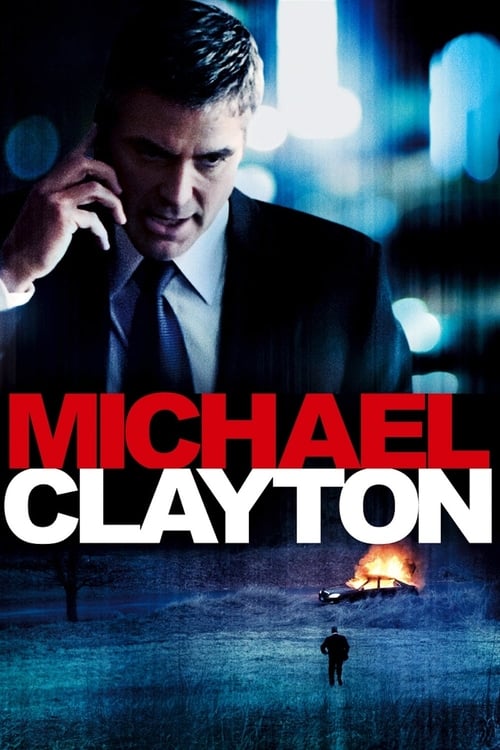
The second shape is the enemy-within story: the operative who discovers his own agency is the threat. This is the paranoia of Three Days of the Condor made contemporary. It runs through the Bourne films, through Michael Clayton, through nearly every serious political thriller made since 2001.
Whistleblowers vs. the system
Films about the cost of telling the truth

The Bourne films remade the action movie
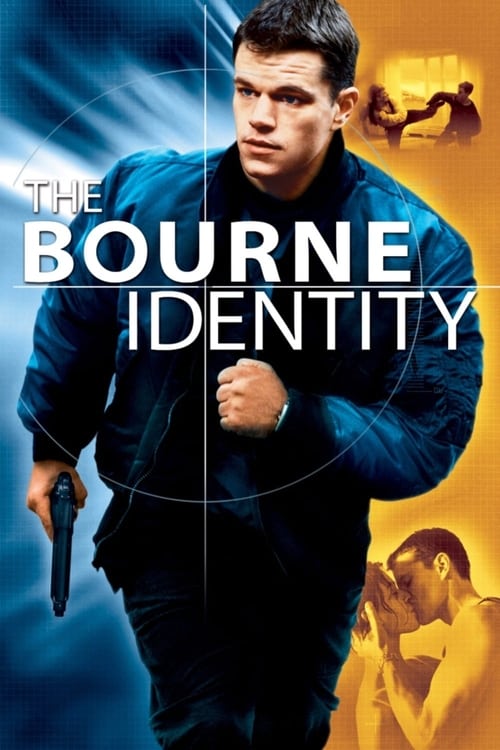
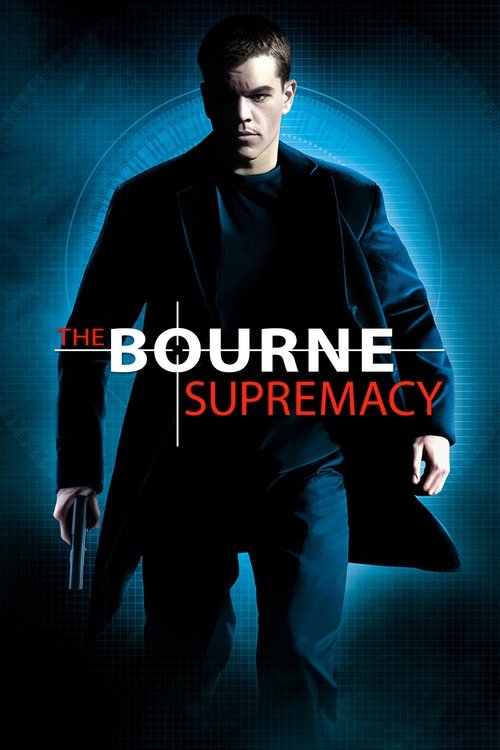
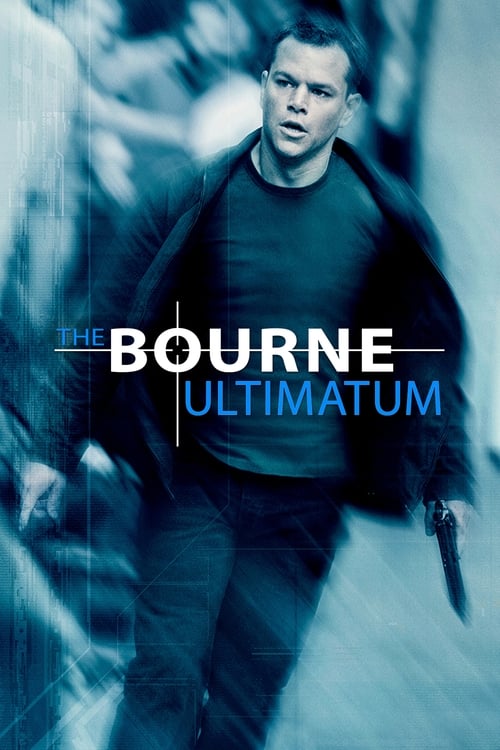
The Bourne franchise did something unusual for a blockbuster series: it used the conspiracy thriller's moral logic as the engine for its action sequences. Jason Bourne is not a hero who fights bad guys. He is a product of the program he is trying to expose. Every punch he throws is paid for by what the CIA made him, and every step forward uncovers another layer of institutional culpability. The Ultimatum in particular is structured as pure investigative pursuit, a reporter getting closer to the source with Bourne running alongside him, and its climax is not an explosion but a broadcast. The system, briefly, is made visible.
Operative turned target
The spy who knows too much about his own side
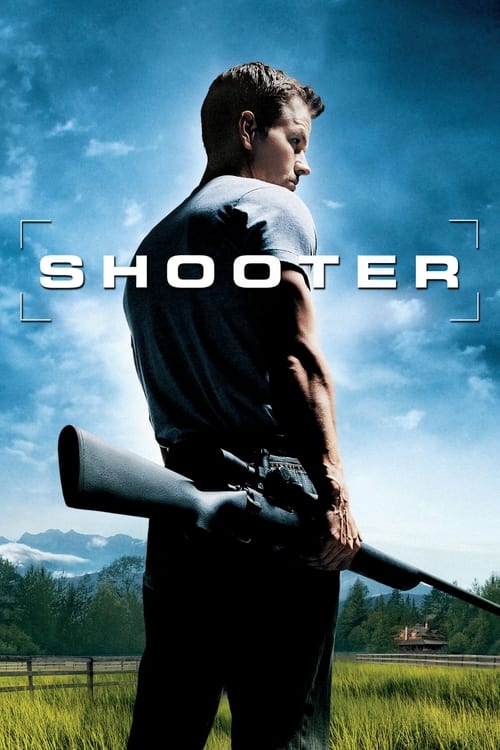
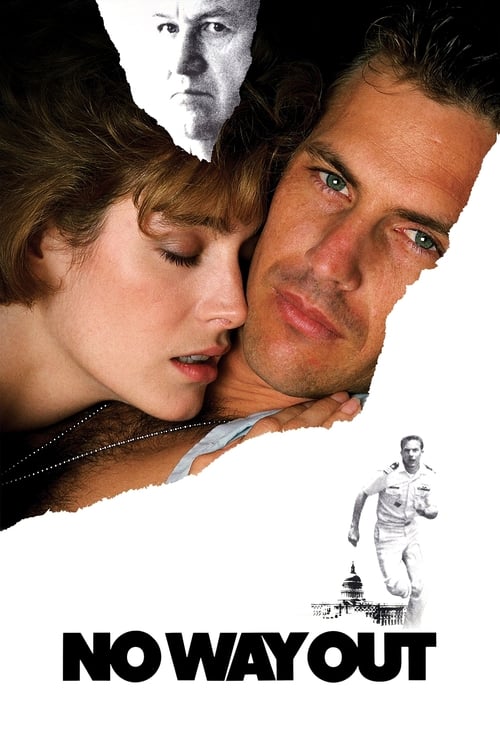

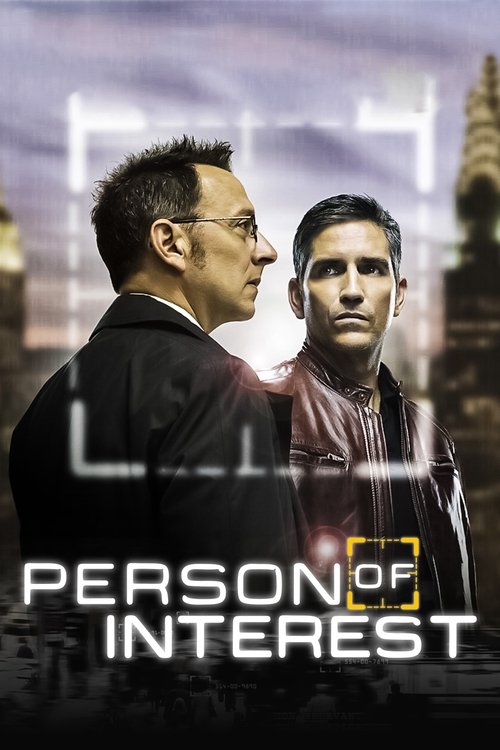
Television took the long view
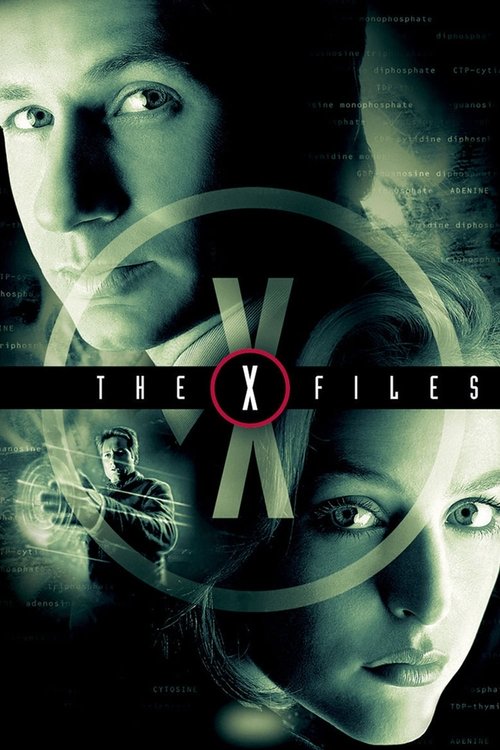
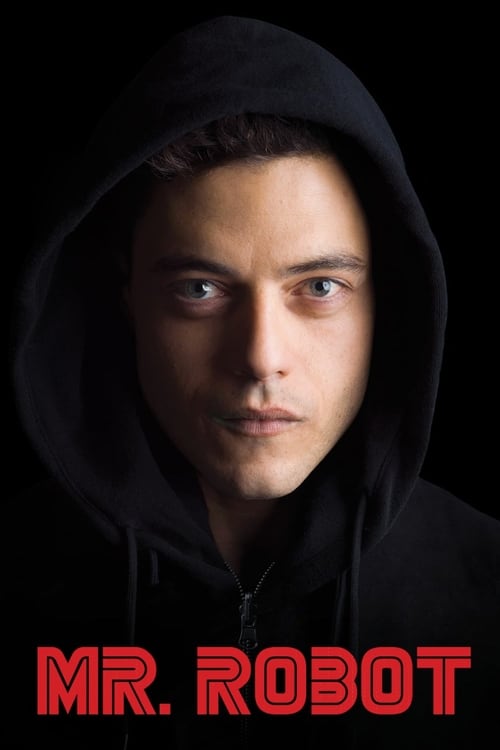
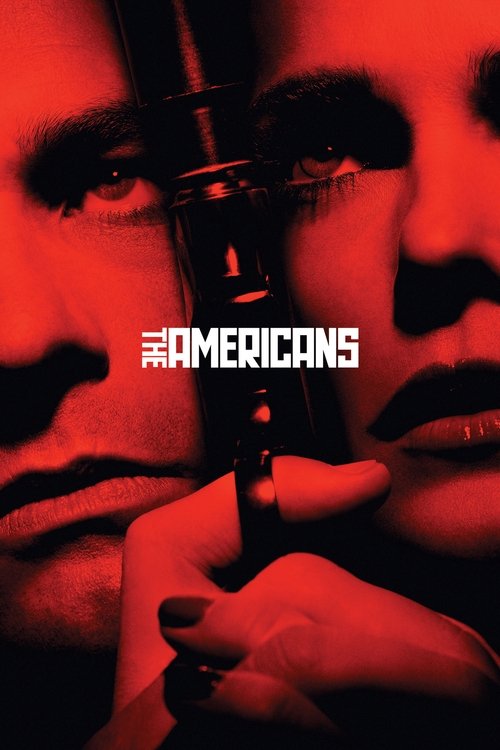
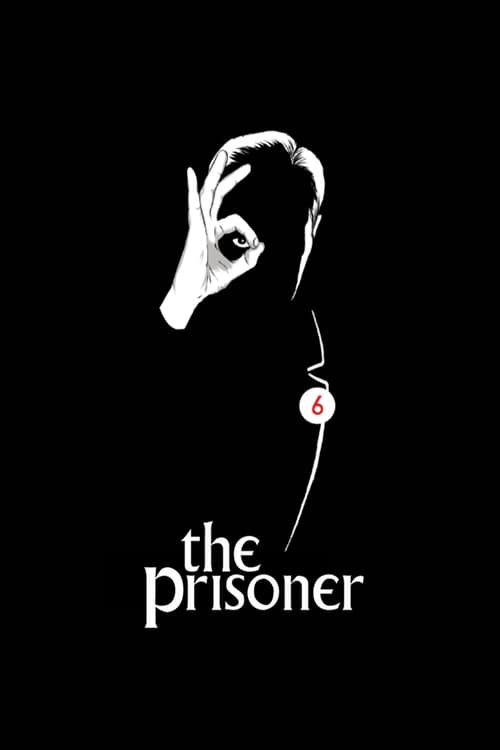
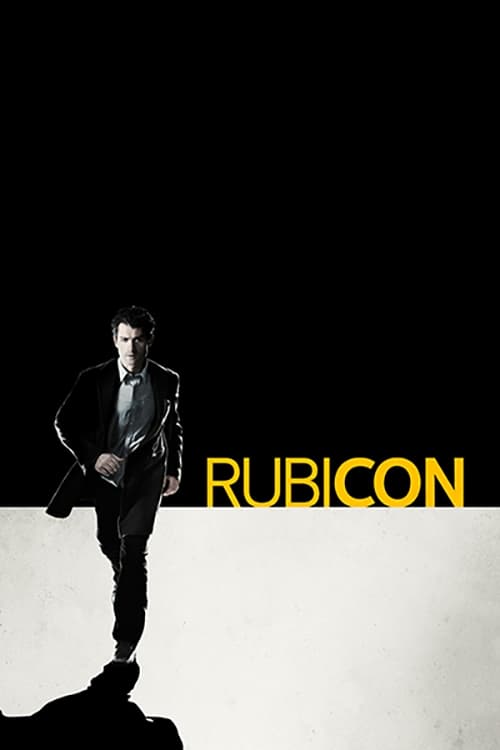
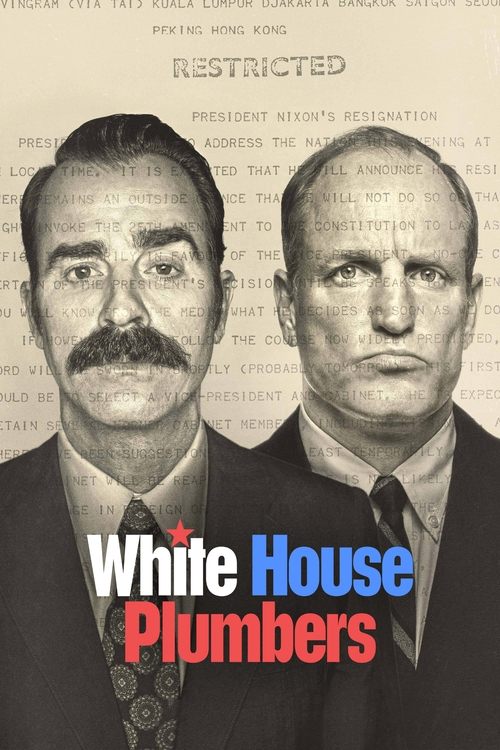
The conspiracy thriller's natural home, it turns out, is the long-form TV season. The X-Files ran the most famous of all TV paranoia narratives for nine seasons, building and undermining its mythology in equal measure until the mythology itself became a kind of trap. Mr. Robot did something far more rigorous: it used one brilliant, unreliable hacker's psychology to filter a genuinely accurate picture of surveillance capitalism, corporate opacity, and the limits of revolution. The Americans ran a different variation, asking whether Soviet sleeper agents living as an American family were the conspiracy or simply people doing a job, and whether the difference mattered.
Conspiracy on the small screen
Series that had the space to go deeper

Games built conspiracies you can touch
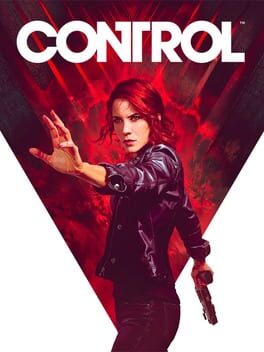
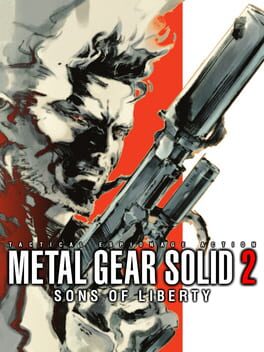
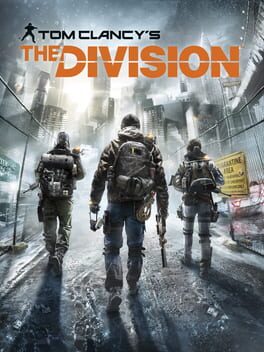
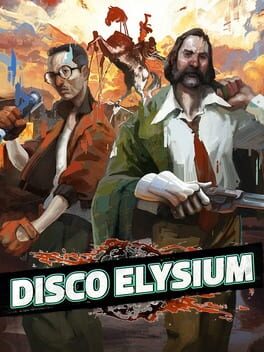
The videogame has one structural advantage over every other medium in this genre: it makes the player complicit. In Deus Ex (2000), you are an augmented government agent who gradually discovers that the agency employing you is running the very crisis you were sent to contain. Every upgrade you accepted, every mission you completed, served the conspiracy. Control (2019) places you inside the Federal Bureau of Control, an agency that classifies and contains paranormal objects, and the deeper you go the more the bureaucracy reveals itself as both the protector and the source of the threat. Metal Gear Solid 2 went further than most games have dared: it told you directly, at the end, that the flow of information you had consumed during the game was curated to produce a desired result. In 2001 that read as science fiction. It reads differently now.
Conspiracy you can play
Games where the system is the antagonist
The page version
Novels that built the template


The paranoid thriller's real subject is not the conspiracy. It is the cost of knowing the truth inside a system built to discredit anyone who says it out loud.On the politics of not being believed
The cover-up films
Watergate, assassination, and the political thriller at its most grounded