
Four guys from Forest Hills, Queens, who barely knew how to play their instruments -- and changed music forever because of it, not in spite of it. The Ramones stripped rock and roll down to its barest bones: two-minute songs, palm-muted power chords, matching leather jackets, and a shared surname that announced they were a gang as much as a band. Between 1976 and 1996 they released fourteen studio albums, never cracked the mainstream in America the way they deserved, and yet seeded virtually every punk, hardcore, and pop-punk movement that followed. Joey's adenoidal romanticism, Johnny's jackhammer right hand, Dee Dee's bass-and-chaos energy, and Tommy's metronomic kick drum created a sound that was at once primitive and perfectly engineered. If you love them, you love songs that hit like a freight train and still make you feel sixteen forever.
Essential Ramones
The albums that define the catalog, from the debut to the late-career surge
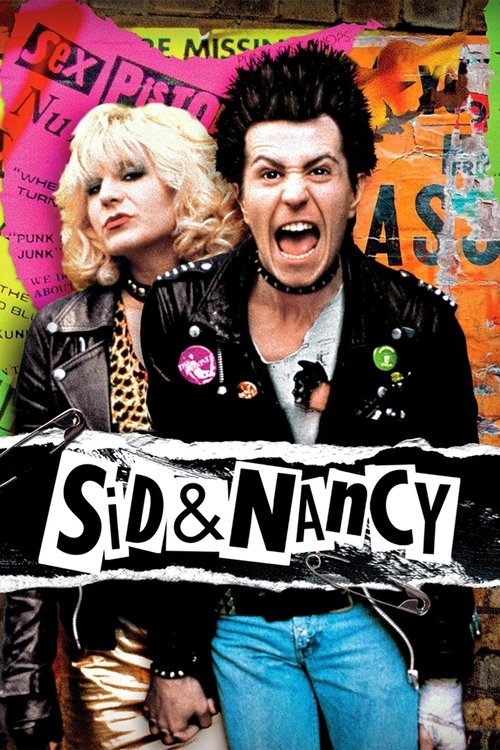
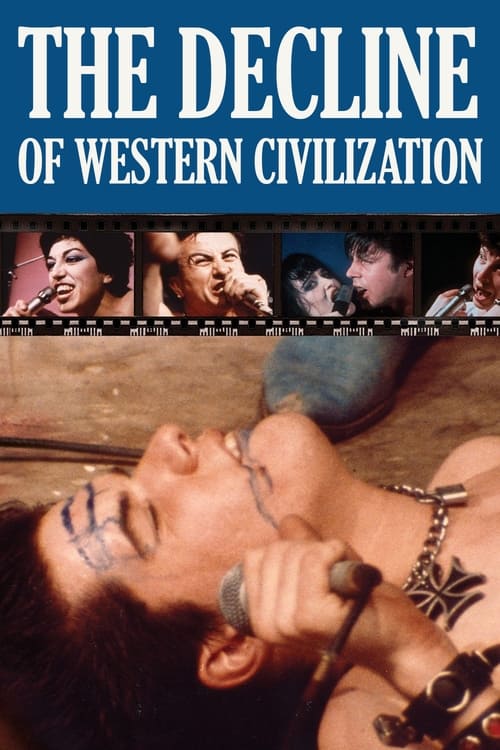
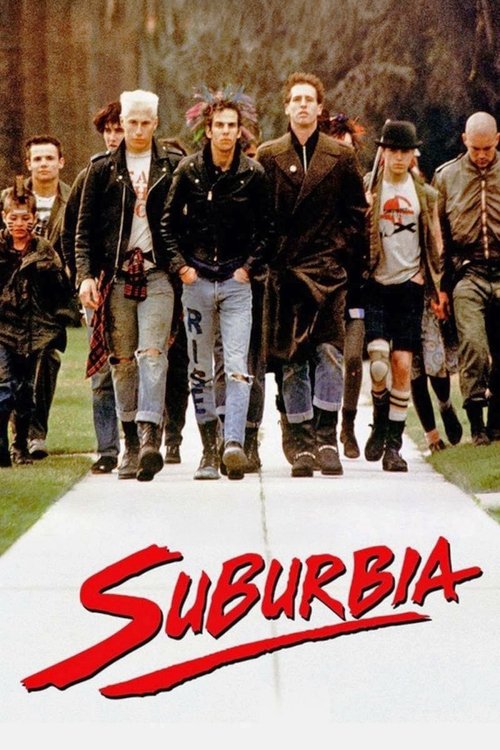
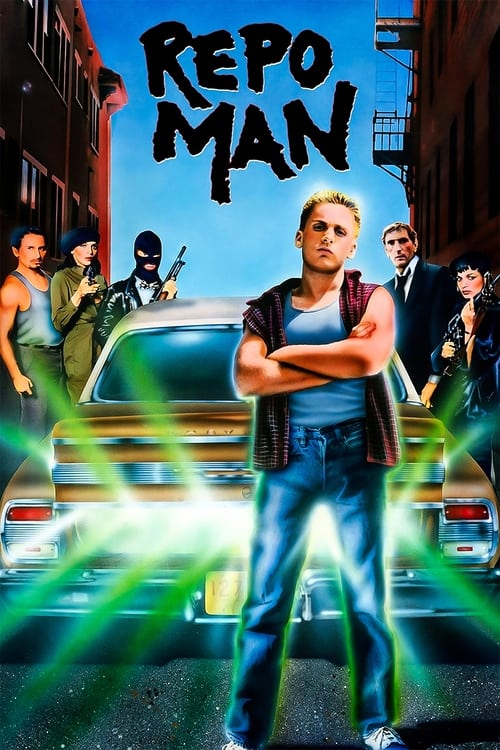
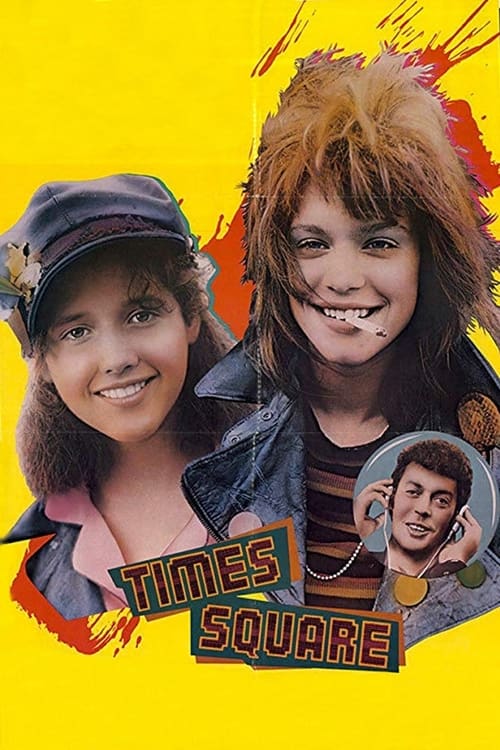
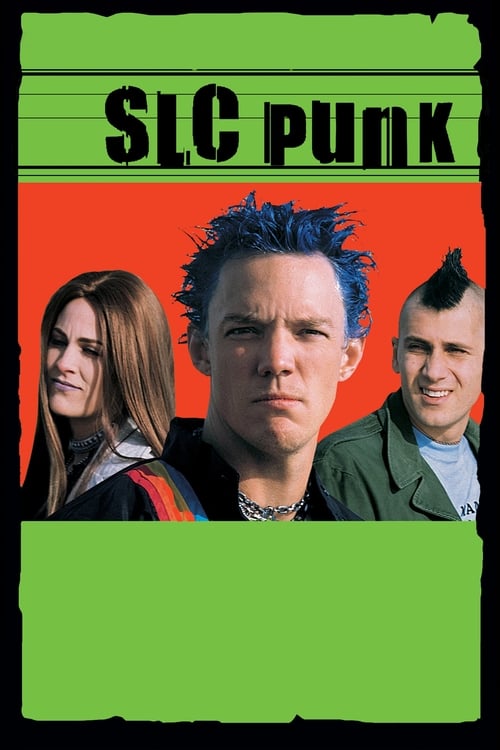
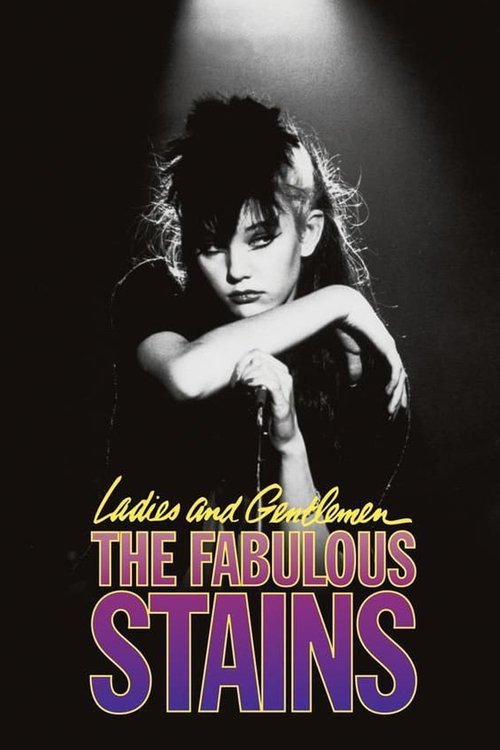
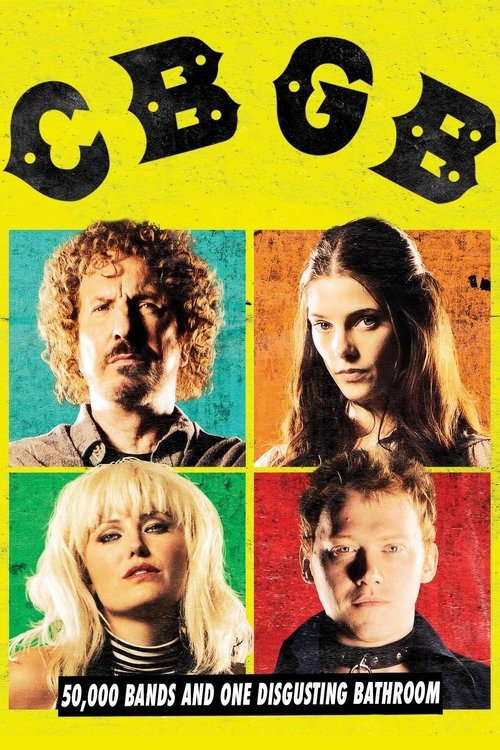
Punk at the Movies: Same Speed, Same Fury
Films that carry the torn-denim spirit of the Ramones' era and attitude

Punk and New Wave: Bands That Share the DNA
Records that belong in the same crate as your battered Ramones LPs
TV for the Leather-Jacket Generation
Series that capture the outsider energy, DIY rebellion, and youth-gone-wrong themes the Ramones embodied


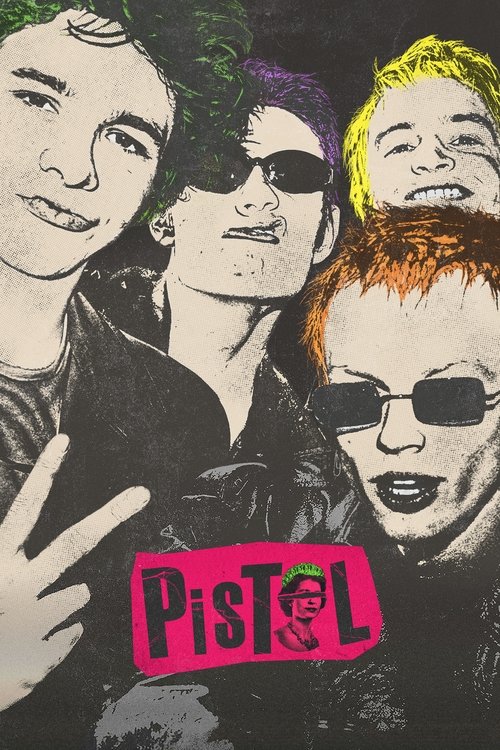
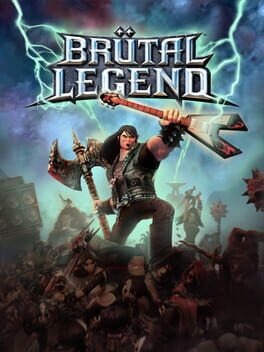
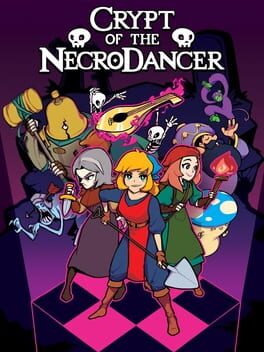
Play It Loud: Music and Punk Games
Games that share the Ramones' amp-cranked chaos or put you inside the world of rock



Rocket to Russia Is the Perfect Album
Nineteen songs. Twenty-nine minutes. No fat. Released in November 1977, their third record in eighteen months, it is the moment the Ramones locked everything in: the hooks are at their most pristine, the production (Tony Bongiovi and Tommy Ramone) just slick enough to reveal the melodies without sanding off the aggression. 'Sheena Is a Punk Rocker,' 'Rockaway Beach,' and 'Teenage Lobotomy' arrived as a triple-single barrage before the album even dropped. Nothing about it feels like a band figuring things out -- it sounds like mastery wearing a ripped T-shirt.
Phil Spector Made Them Weird (in the Best Way)
Hiring Phil Spector to produce End of the Century (1980) seemed like category error -- the Brill Building maximalist meeting the minimalist punks -- and the sessions were famously tense. Spector allegedly held the band at gunpoint to prevent them from leaving. What came out the other side was the strangest, most ambitious thing in the catalog: wall-of-sound reverb around 'Rock 'n' Roll High School,' an orchestrated 'Do You Remember Rock 'n' Roll Radio?' that somehow still sounds like the Ramones. It confounded fans and sold better than anything they'd made. The collision of opposing aesthetics produced something neither party could have made alone.

A Short History of the Ramones and Their World
- 1974The Ramones form in Forest Hills, Queens, and begin playing CBGB.
- 1976Debut album released on Sire Records. Ramones
- 1977The year that changed everything: Leave Home, Rocket to Russia, and the first UK tour ignite the British punk explosion. Rocket to Russia
- 1979Roger Corman's Rock 'n' Roll High School turns the band into cult-film stars. Rock 'n' Roll High School
- 1980Phil Spector produces End of the Century; the Clash release London Calling. London Calling
- 1984Too Tough to Die marks a hardcore-influenced comeback and shuts up critics who said they were finished. Too Tough to Die
- 1996Please Kill Me published; the Ramones play their final show on August 6.
- 2001Joey Ramone dies. The band's absence makes their presence felt everywhere.
- 2002Dee Dee Ramone dies.
- 2004Inducted into the Rock and Roll Hall of Fame. Johnny Ramone dies months later. End of the Century documentary released.
- 2012Mickey Leigh publishes I Slept with Joey Ramone, one of the finest sibling memoirs in rock.
Punk Roots and Torn Leather
For Fans of Punk Rock
Explore the For Fans of Punk Rock guide →We're not trying to be the next Rolling Stones. We're trying to be the first Ramones.Joey Ramone