
Hardcore punk is velocity and conviction made physical. It emerged in the late 1970s from the US East and West Coasts as a faster, harder, more ideologically charged mutation of first-wave punk: shorter songs, tighter rhythms, vocals that snarled politics or anguish rather than posturing. Black Flag, Minor Threat, Bad Brains, Dead Kennedys, and the Misfits defined the template. What held them together was not a sound so much as an ethic: do it yourself, say something real, and never slow down. The scene spread globally and kept splintering, from DC straight-edge to New York hardcore to powerviolence to metalcore, each strain carrying the same impatience with comfort. If you are drawn to that impatience, to music that functions as an argument, the films, books, and games below follow the same logic.
Essential Hardcore Punk
The records that defined, expanded, and argued with the genre
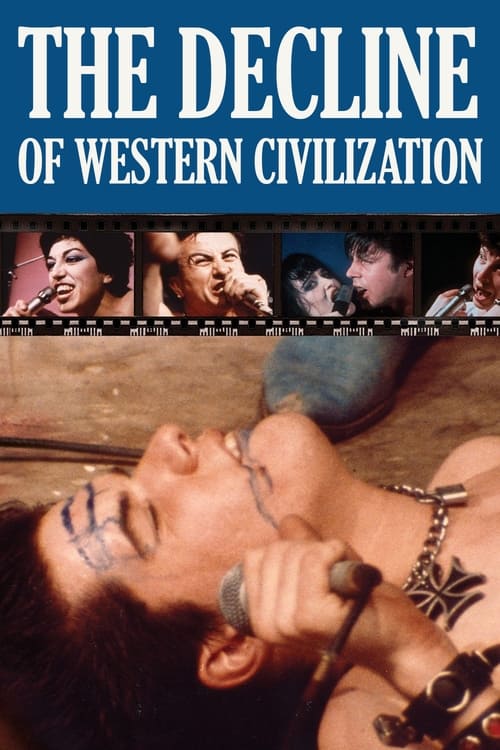
Inside the Scene: Documentaries and Concert Films
Films that capture what no recording fully can

The Minutemen proved that punk could be intricate
Double Nickels on the Dime arrived in 1984 and immediately complicated every assumption about what hardcore was supposed to be. D. Boon, Mike Watt, and George Hurley crammed jazz phrasing and political poetry into songs that rarely broke two minutes, then let a few run longer just to prove they could. The record is an argument about how much you can compress into a short form, and the answer keeps surprising people four decades later.
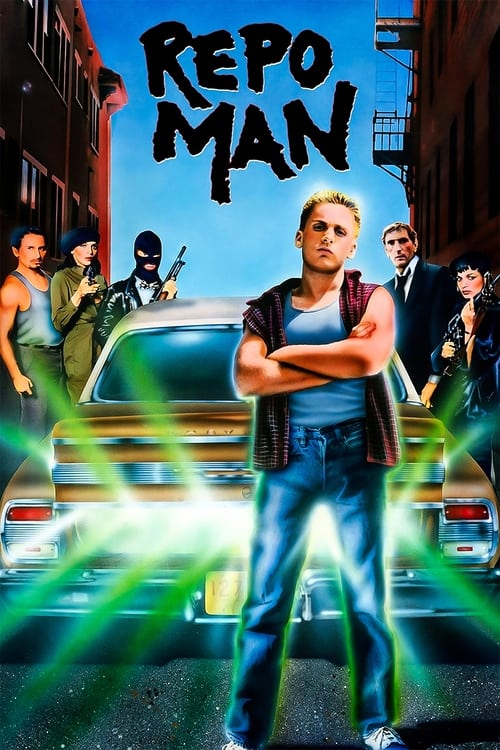
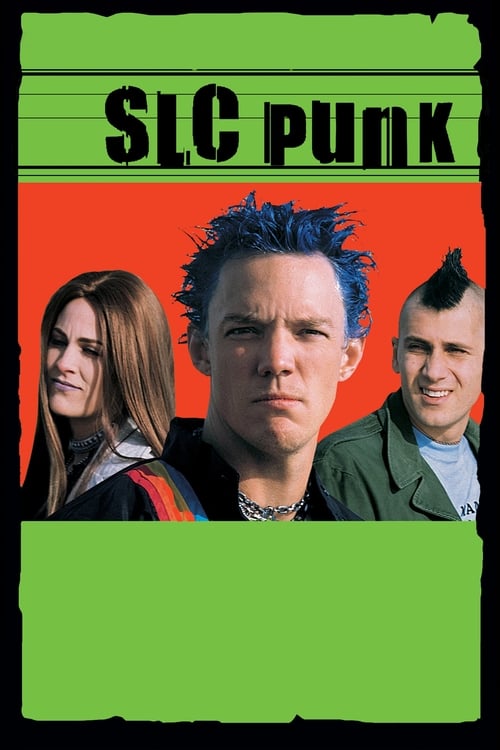
Same Energy, Different Medium: Films
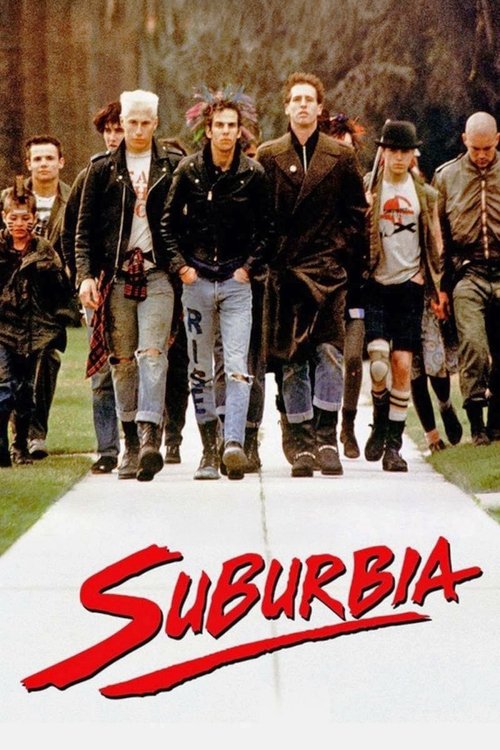
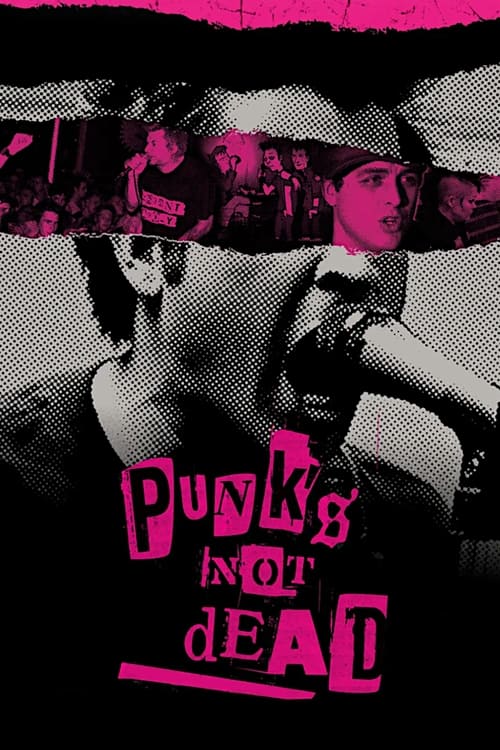
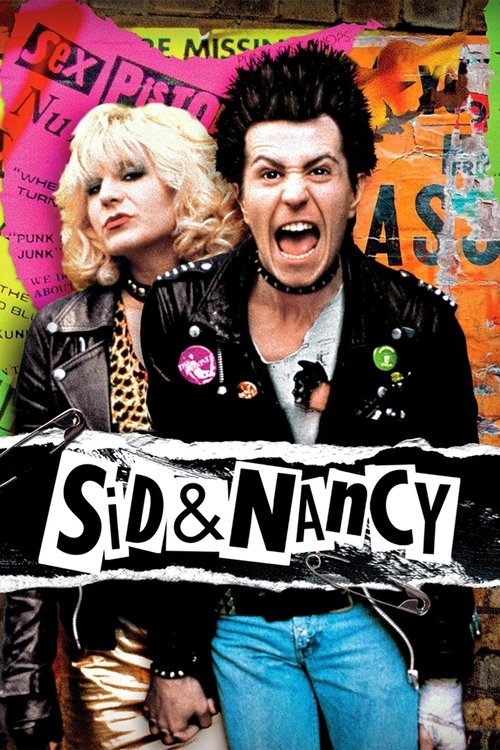
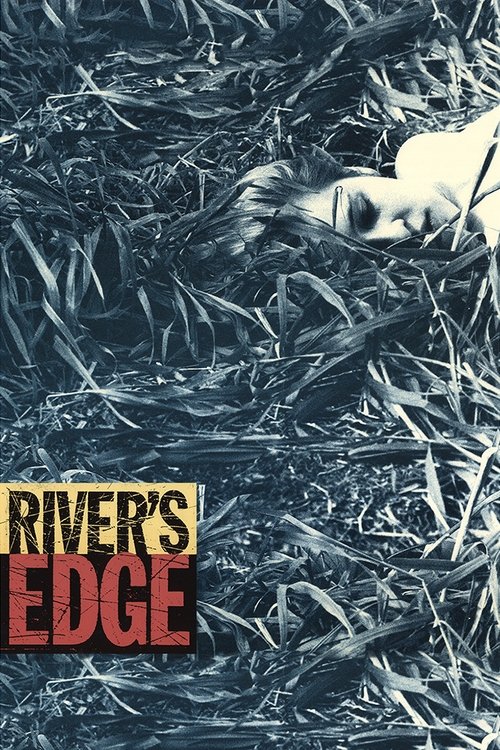
Movies with hardcore's speed, fury, or counter-cultural rage



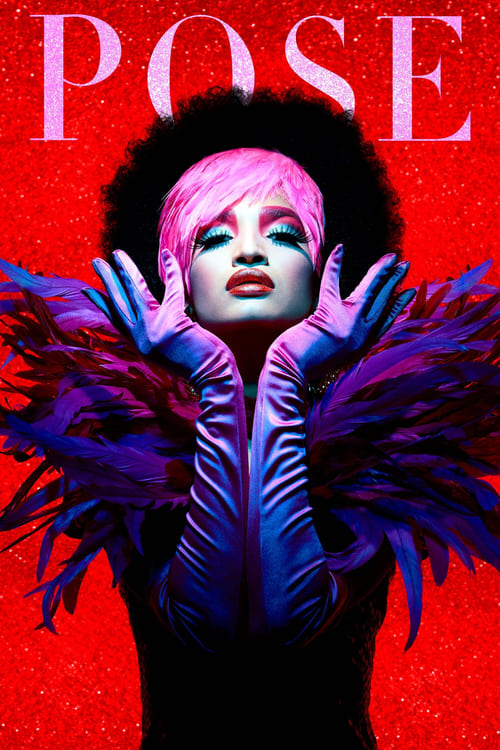
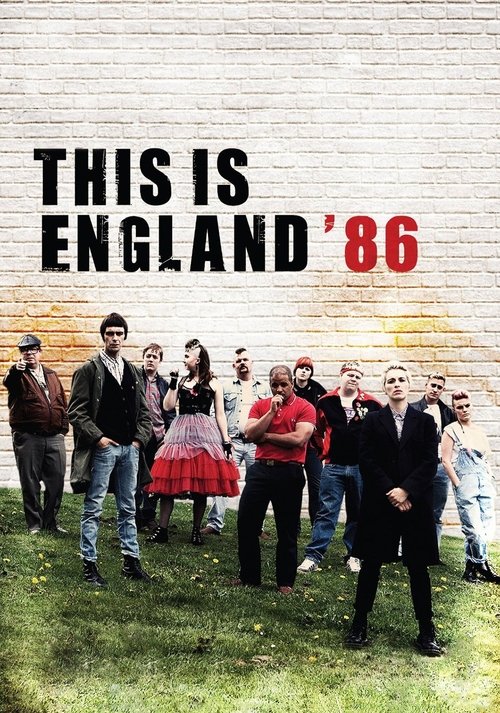
Loud Screens: TV That Gets the Subcultural Anger
Series with the same outsider stance and social friction
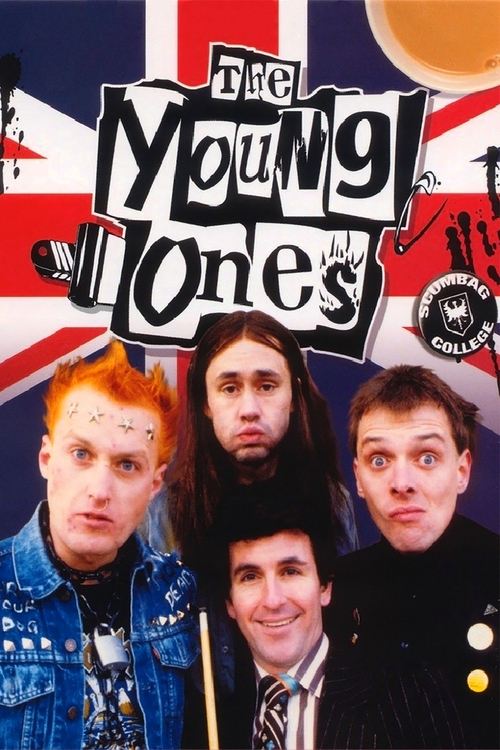
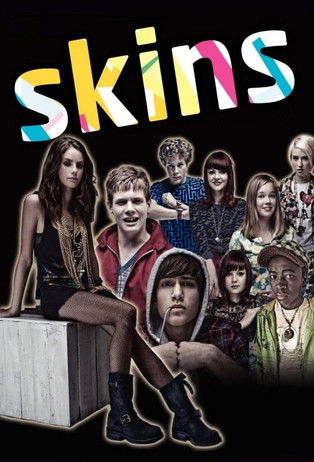
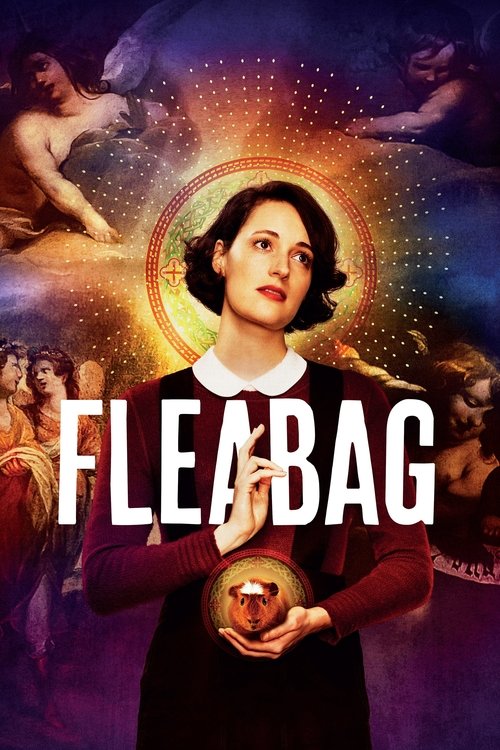
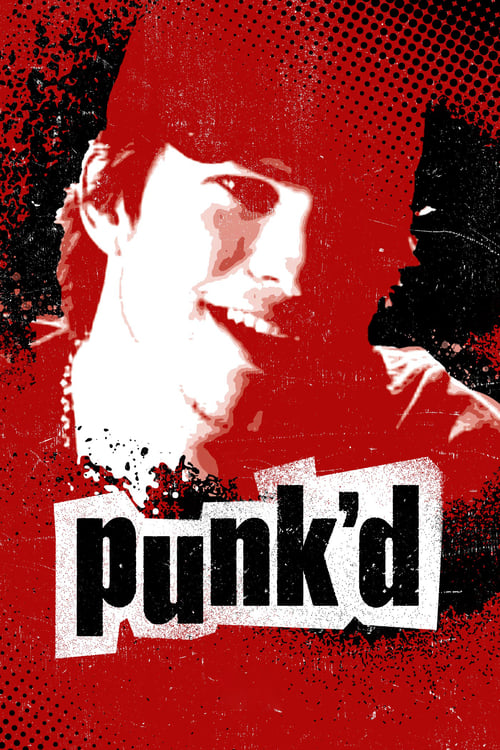

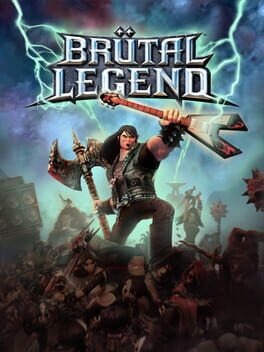
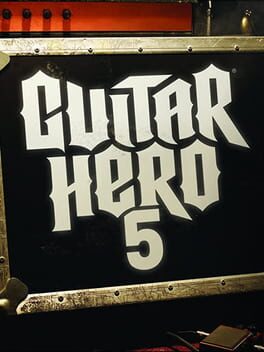
Play It Loud: Games Built on Aggression and Rhythm
From rhythm chaos to punk-coded brawlers


Black Flag did not care if you were comfortable
Damaged is not an easy record. Henry Rollins delivers Ginn's riffs as physical events, and the lyrics refuse the release valve of irony. That directness is the whole point: hardcore at its core is music that refuses to let you be a passive consumer, which is why its audience has always been small, devoted, and loud. The influence is everywhere, from metal to emo to post-hardcore, and most of it owes something to this one album.
Dead Kennedys turned punk into political satire
Jello Biafra wrote songs that read like op-eds delivered at 180 BPM. Fresh Fruit for Rotting Vegetables skewers California liberalism, suburban violence, and media manipulation without ever losing the hook. The band proved that hardcore could carry specific political argument, not just generalized rage, and that specificity is what separates them from a hundred bands that were simply fast.
Bad Brains rewrote what punk could sound like
A Black jazz-fusion group from DC that became the fastest, most technically precise hardcore band anyone had heard, then broke their own speed barrier by recording reggae tracks on the same albums. H.R.'s vocal range was absurd; the rhythm section played as a single breathing entity. Rock for Light is proof that the genre had no ceiling, only practitioners who chose not to look up.
Hardcore Punk: A Compressed History
- 1978Black Flag forms in Hermosa Beach, California; the template begins taking shape
- 1979Bad Brains relocate to New York; DC hardcore starts coalescing around venues like the Bayou
- 1980Dead Kennedys release Fresh Fruit for Rotting Vegetables; the genre has its first widely distributed statement Fresh Fruit for Rotting Vegetables
- 1981Minor Threat's first EP introduces straight-edge; Black Flag releases Damaged Damaged
- 1982Bad Brains release Rock for Light; the Bad Brains' performance speed becomes the benchmark Rock for Light
- 1984Husker Du release Zen Arcade; the Minutemen release Double Nickels on the Dime; hardcore fractures into art-punk
- 1987Bad Religion release Suffer; melodic hardcore earns its own lane Suffer
- 1988Fugazi form in DC; post-hardcore begins diverging from the original template
- 2006Paul Rachman and Steven Blush's documentary American Hardcore reaches theaters Hardcore
- 2012Michael Azzerad's Our Band Could Be Your Life provides the canonical written history
More fast, loud, uncompromising sound
For Fans of Punk Rock
Explore the For Fans of Punk Rock guide →Hardcore is not a style. It is a decision to play faster and mean it more than whoever came before.CrossBinge