
Soul music is the sound of somebody meaning it. Born from the convergence of gospel's emotional directness and rhythm and blues' earthly concerns, soul took shape in the late 1950s and hit its peak intensity through the 1960s and 70s with artists who treated every performance as testimony. What fans return to, across decades, is the feeling of hearing a voice pushed to its absolute limit in the service of something true. Ray Charles called it "the feeling of the blues with the transformation of gospel." That tension, between pain and release, between the personal and the communal, is the engine that drives every great soul record and every work across media that soul fans gravitate toward.
Essential Soul
The records that define the genre and the artists who built it
Soul on Screen: Documentaries and Concert Films
When the camera captures what words cannot
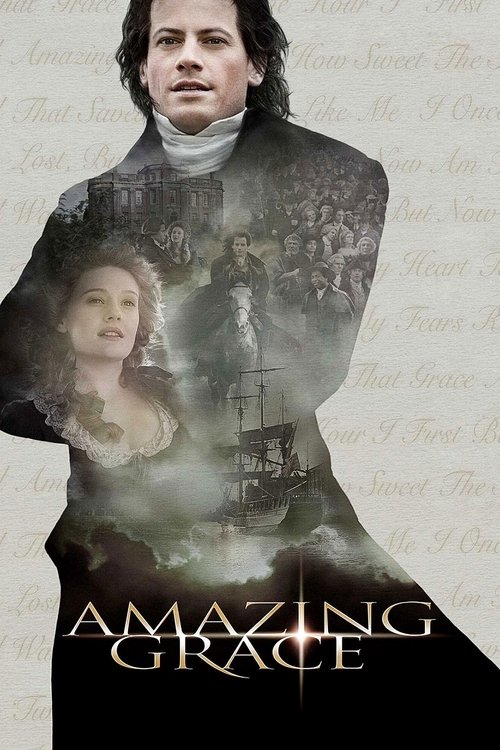
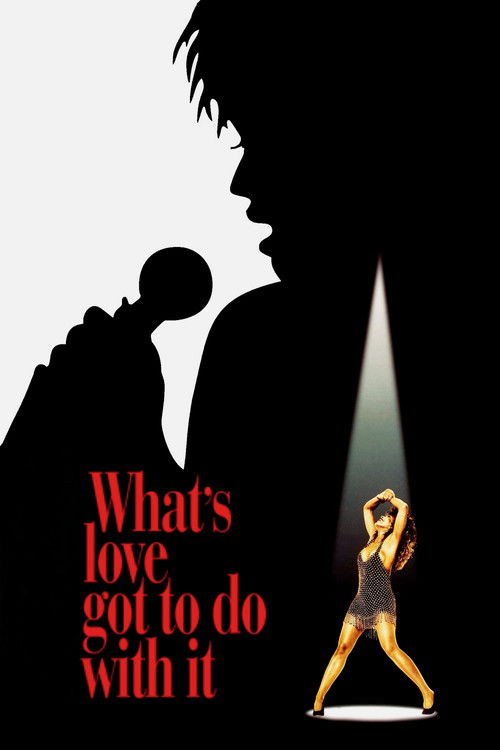
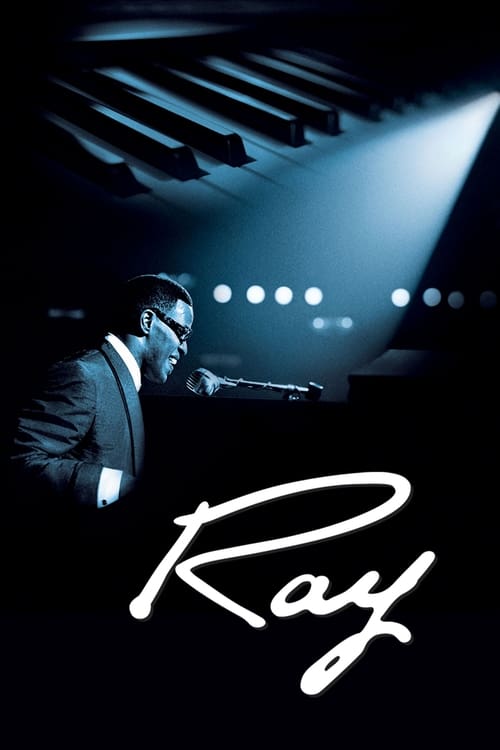
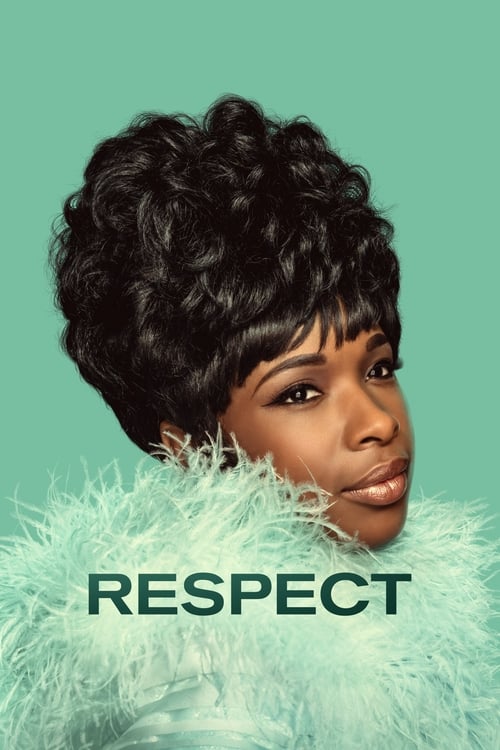
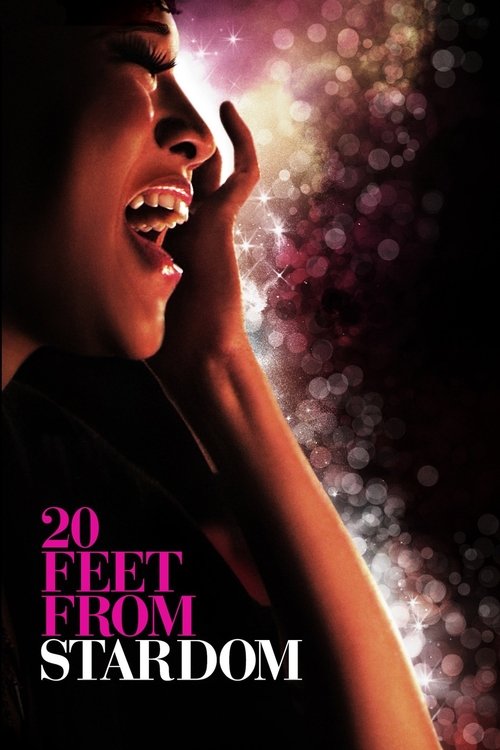

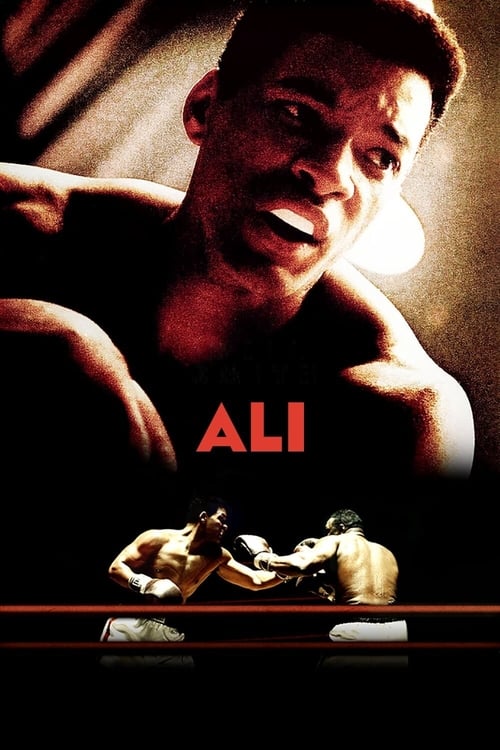
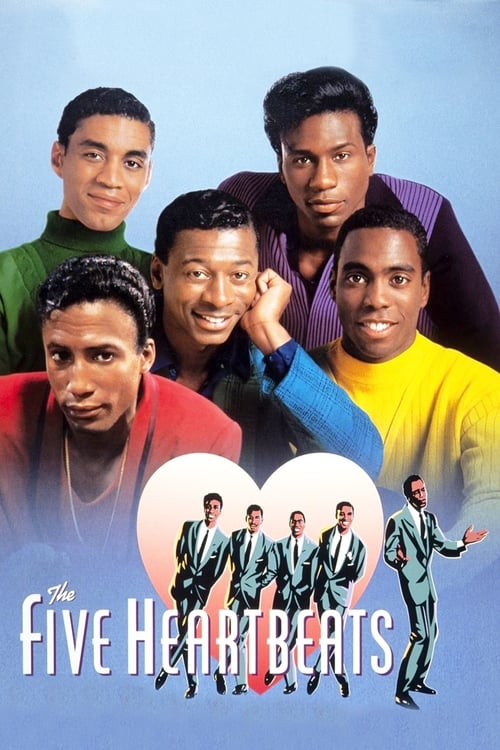
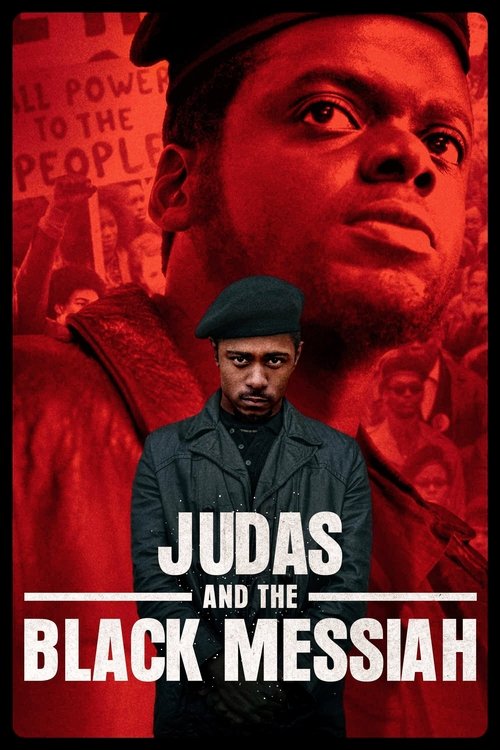
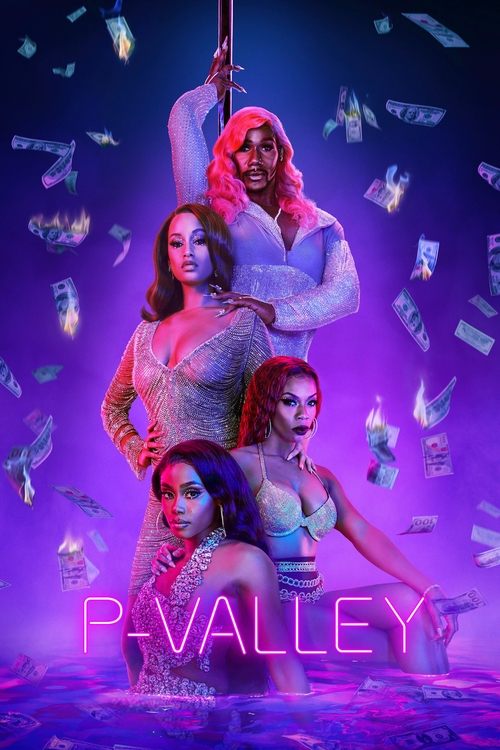
The Same Energy: Films and Series
Narratives that carry soul's emotional directness and communal spirit
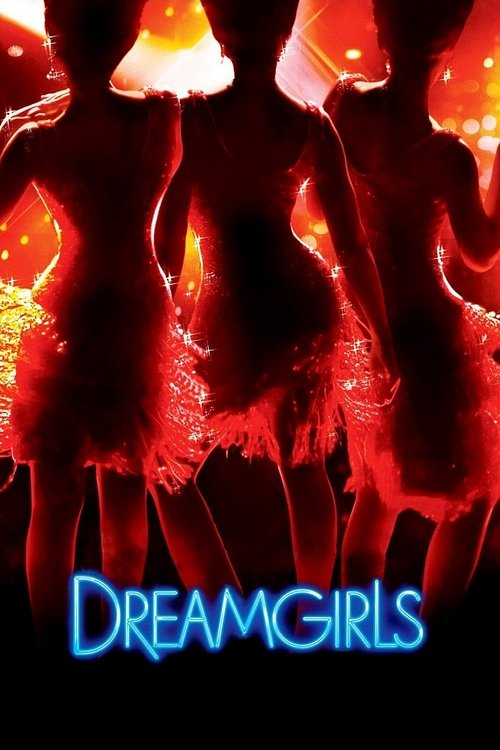

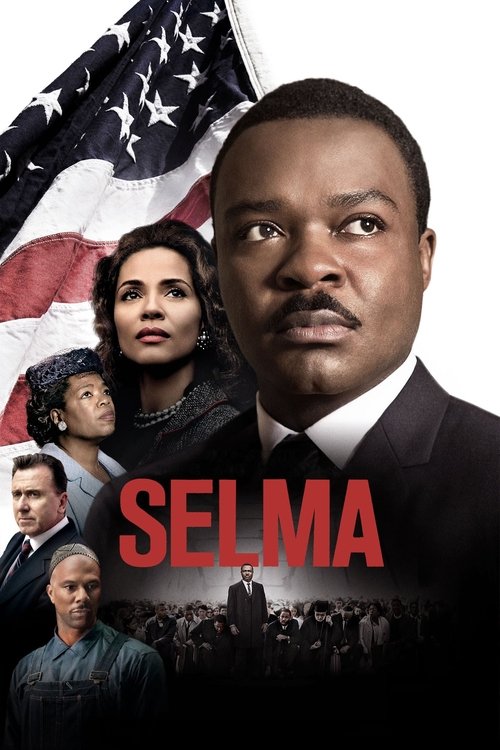
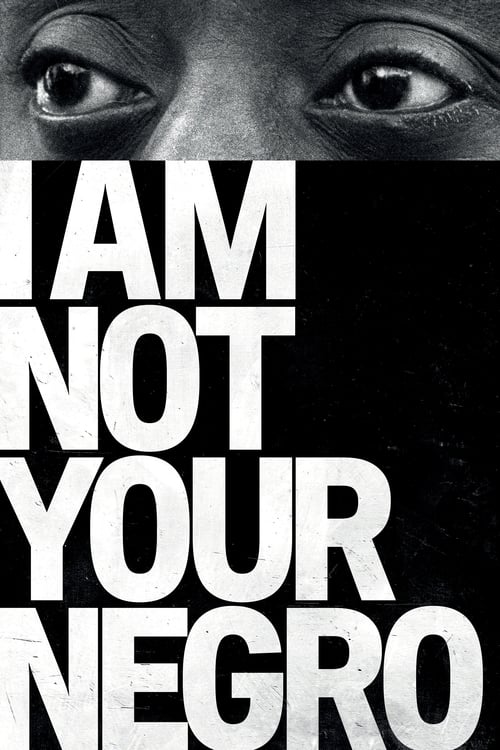
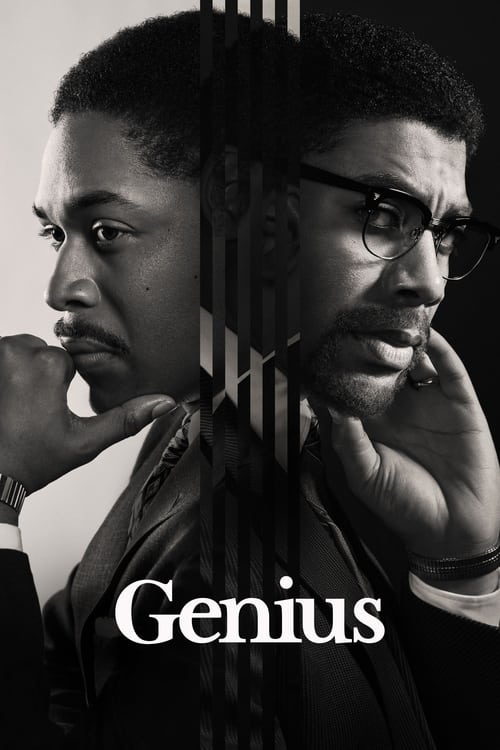
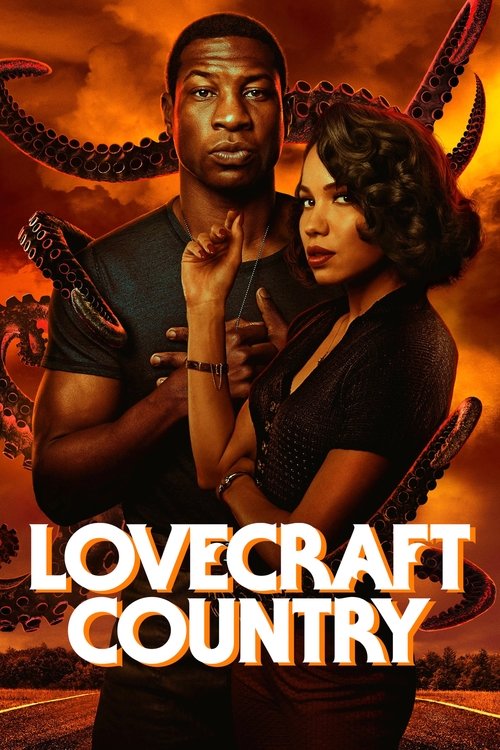
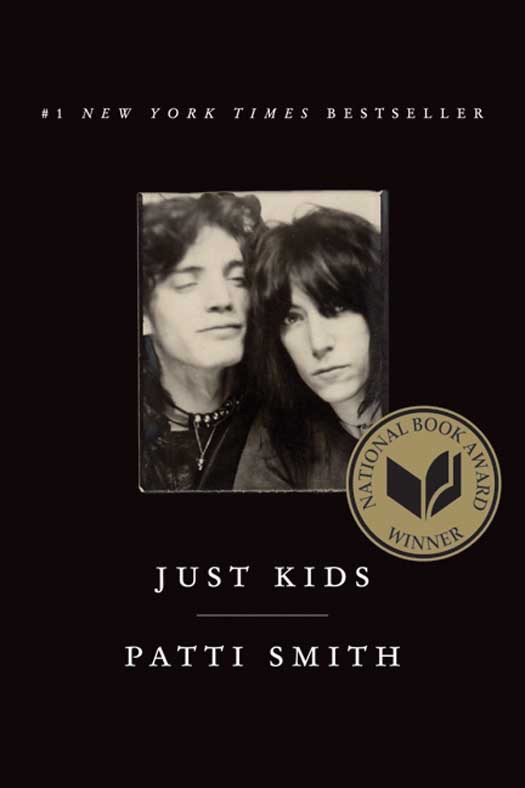
Music-Driven Novels and Memoirs
Books where music shapes lives and communities


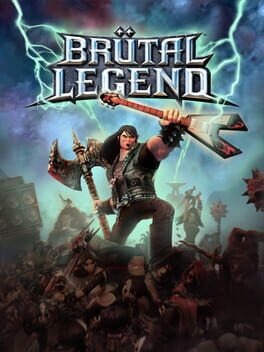
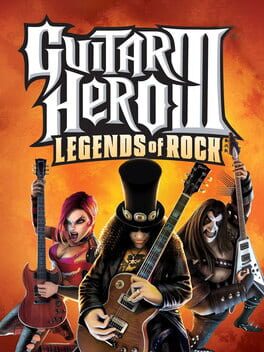
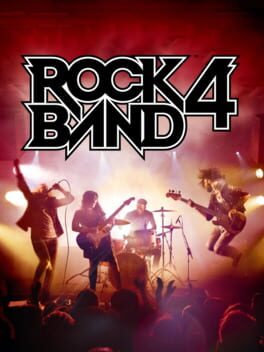
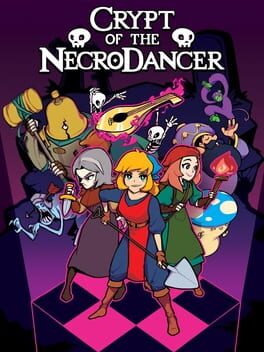
Rhythm, Groove, and Music Games
Games that put soul's spirit of performance at the center

Marvin Gaye Changed What a Soul Record Could Be
When Marvin Gaye released What's Going On in 1971, Motown president Berry Gordy initially refused to put it out, calling it uncommercial. Gaye delivered an album that embedded Vietnam, police brutality, and ecological anxiety inside arrangements so lush and sensual that the politics arrived almost as a caress. The record is now considered one of the greatest ever made, and it proved that soul music could hold the full weight of what a society was going through without sacrificing beauty or groove.
Aretha Franklin Did Not Ask for Your Respect, She Commanded It
The daughter of a Detroit Baptist minister, Aretha Franklin arrived at Atlantic Records in 1967 with a gospel education that no studio arrangement could contain. Her version of Otis Redding's Respect became an anthem not because of what it said but because of the absolute authority in her voice. The piano playing alone placed her in the first tier of American instrumentalists. Her run from 1967 to 1974 is the sustained peak of what soul music has ever produced by a single artist.
The Harlem Cultural Festival Happened and Almost Nobody Saw It
In the summer of 1969, six weekends of free concerts in Mount Morris Park in Harlem drew 300,000 people to see Stevie Wonder, Nina Simone, B.B. King, Sly and the Family Stone, and Mavis Staples, among others. The footage sat in a basement for fifty years. When Questlove assembled it into Summer of Soul (2021), it became the most important archival music film in a generation. The fact that this event was allowed to disappear from cultural memory says something specific about whose history gets preserved.
Neo-Soul Kept the Tradition Alive Without Copying It
When D'Angelo released Brown Sugar in 1995 and Voodoo in 2000, he was drawing directly from the Muscle Shoals and Motown playbooks while inserting hip-hop rhythmic sensibility and a deeply introspective lyrical register. Erykah Badu, Lauryn Hill, and Maxwell were doing parallel work. This was not nostalgia. It was a generation that had absorbed the lessons of soul so completely they could say something new with the same vocabulary. The neo-soul artists are the reason the tradition remains a living one.
Soul: A Timeline
- 1954Ray Charles fuses gospel and R&B on "I Got a Woman," establishing the template for secular soul
- 1956Little Richard's "Tutti Frutti" brings gospel ecstasy into rock and roll
- 1960Motown Records signs the Miracles, Marvelettes, and soon the Temptations, building the Detroit sound
- 1962James Brown records "Live at the Apollo" -- the definitive document of soul as live performance
- 1965Otis Redding records "Otis Blue" at Stax Studios in Memphis
- 1967Aretha Franklin arrives at Atlantic Records; "I Never Loved a Man" announces a new peak I Never Loved a Man the Way I Love You
- 1969The Harlem Cultural Festival draws 300,000 people over six summer weekends
- 1971Marvin Gaye releases "What's Going On" over Motown's objections What’s Going On
- 1976Stevie Wonder completes his peak run with "Songs in the Key of Life" Songs in the Key of Life
- 1995D'Angelo's "Brown Sugar" launches neo-soul as a distinct movement
- 2000D'Angelo's "Voodoo" and Erykah Badu's "Mama's Gun" define the mature neo-soul sound
- 2016Beyonce's "Lemonade" absorbs soul, country, hip-hop, and rock into a singular statement Lemonade
- 2021"Summer of Soul" releases fifty years of Harlem Cultural Festival footage
More soul, gospel, and conviction
For Fans of Aretha Franklin
Explore the For Fans of Aretha Franklin guide →Soul music is when you take a song and make it part of you so that your listeners can feel what you feel.Ray Charles