
Reggae is the sound of a small island speaking to the whole world. Born in Kingston, Jamaica in the late 1960s from the wreckage of ska and rocksteady, it locked in a four-four groove where the guitar chops on the offbeat, the bass carries the melody, and the drums drop out on beat three in a way that feels like a held breath before the release. That feeling, quiet urgency beneath maximum pressure, is what a reggae fan follows across every medium. The genre gave voice to Rastafarian spirituality, Jamaican poverty, Black liberation, and the stubborn human need for joy. Bob Marley carried it to stadiums. Lee 'Scratch' Perry bent it into psychedelic dub. Burning Spear and Culture anchored it in African history. Toots and the Maytals wrapped it in American soul. The music asks you to slow down and pay attention, and once you do, you hear it echoed in films about displacement, novels about resistance, and games that channel its sunlit menace.
Essential Reggae
The albums that define the canon, from roots classics to dancehall and dub
Kingston on Screen: Films with the Same Spirit
Movies and series that carry reggae's heat, its politics, its street-level humanity
Games with Reggae Energy
Rhythm games and worlds with the offbeat pulse, the laid-back menace, the island atmosphere
The Bass IS the Melody
In almost every other popular music genre, the bass locks with the kick drum and stays out of the way. Reggae inverted that entirely. The bassline in roots reggae is the emotional center, the instrument that carries feeling while the guitar skips on the offbeat and the drums hover around that famous dropped beat three. Lee 'Scratch' Perry and Errol Thompson understood this in the studio: you could strip a roots track to bass and drums and still feel everything the song needed to say. That structural inversion is what gave dub its power and what still makes reggae feel modern fifty years on.
Jimmy Cliff Wrote the Blueprint Before Bob Marley Went Global
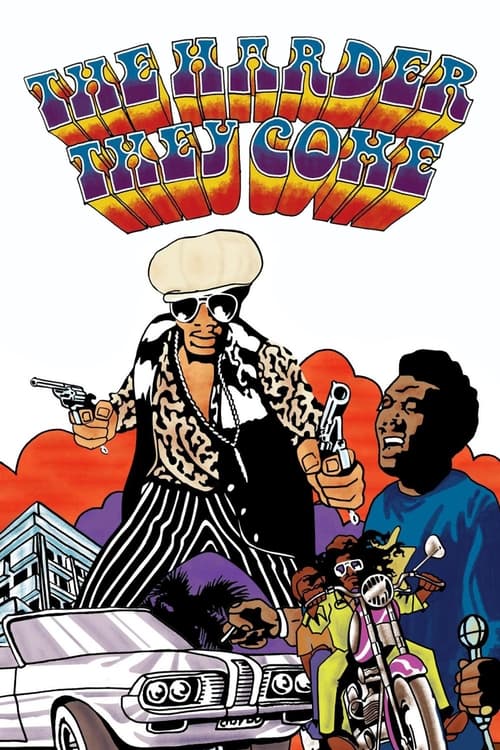
The Harder They Come (1972) put Jamaican music in front of international audiences before Catch a Fire even had a release date. Jimmy Cliff's performance as Ivanhoe Martin, a country boy swallowed by Kingston's violent underworld, is one of the great debut film roles in any tradition. The soundtrack, which Cliff anchored, became the first reggae album most non-Jamaicans ever heard. It is not a footnote to Bob Marley's story. It is the foundation the rest of the genre's global reach was built on.
Dub is Where Reggae Becomes Architecture
King Tubby took existing reggae tapes, stripped out the vocals, and rebuilt the songs in the studio as a new instrument called dub. He used reverb, echo, and dropout not as effects but as compositional tools, making space itself a sound. What Tubby and Perry produced in the mid-1970s was the conceptual ancestor of every electronic music genre that prizes texture over melody: techno, drum and bass, trip-hop, ambient. Reggae fans who have not spent time with Tubby's dub mixes are missing the genre's most radical chapter.
Reggae: A Timeline of the Essentials
- 1962Jamaica gains independence; ska is the national sound
- 1966Rocksteady slows the tempo, deepens the bass
- 1968The word 'reggae' appears on the Toots and the Maytals single 'Do the Reggay'
- 1972The Harder They Come introduces reggae to global cinema audiences The Harder They Come
- 1973Bob Marley and the Wailers release Catch a Fire on Island Records Catch a Fire
- 1975Lee 'Scratch' Perry and the Upsetters record Super Ape, the dub masterpiece Super Ape
- 1977Exodus becomes a commercial and critical peak for roots reggae Exodus
- 1977The Congos record Heart of the Congos with Perry
- 1981Bob Marley dies; reggae's international profile enters a new phase
- 1985Wayne Smith's 'Under Mi Sleng Teng' launches digital dancehall
- 2015Marlon James wins the Booker Prize for A Brief History of Seven Killings
- 2018Reggae officially inscribed on UNESCO's Intangible Cultural Heritage list
Roots, Rhythm, and Rebellion
For Fans of Bob Marley
Explore the For Fans of Bob Marley guide →The music of Jamaica is the most revolutionary body of work in twentieth-century popular music. It arrived with a political argument attached and never dropped it.Greil Marcus, paraphrased