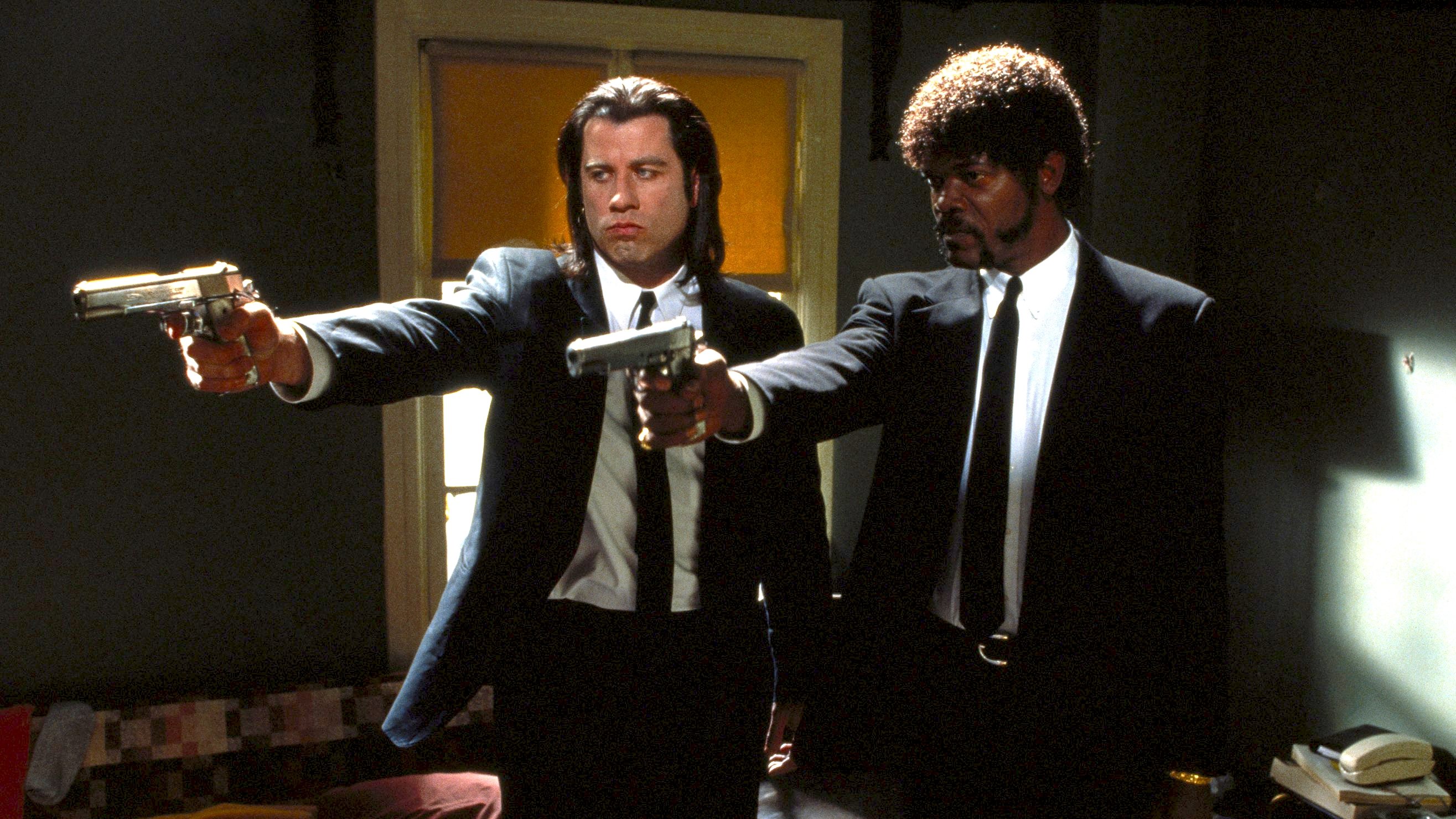

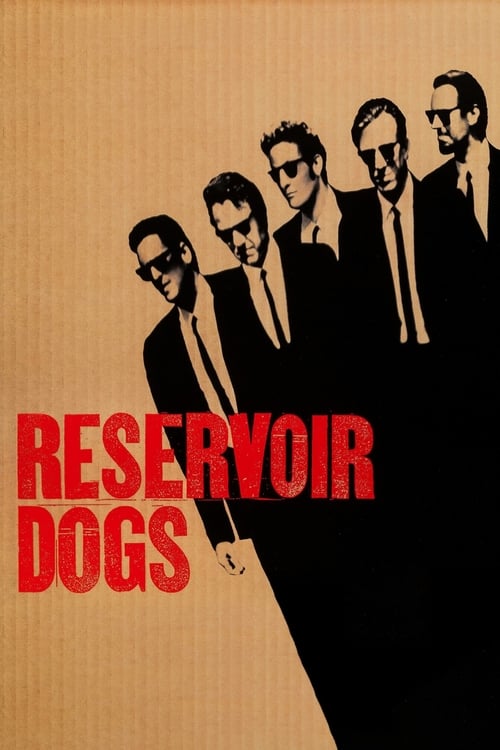
Quentin Tarantino's 1992 debut has no heist scene. That absence is the whole point. Reservoir Dogs is about what happens in the aftermath, when six strangers in matching black suits have to figure out who sold them out before the cops arrive. The film's genius is structural: it drops you into the wreckage and works backwards through conversations, flashbacks, and confrontations that reveal character under maximum pressure. What a Reservoir Dogs fan chases is a specific voltage, conversation as combat, men holding themselves together by pure performance while everything collapses, and a filmmaker who trusts dialogue to do the work that action usually would.
Essential Reservoir Dogs
The film itself and the Tarantino works that share its wiring
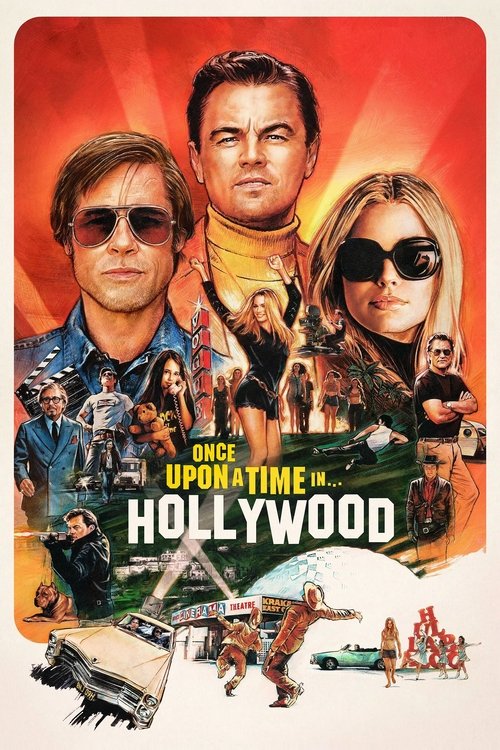
Same Voltage, Different Directors
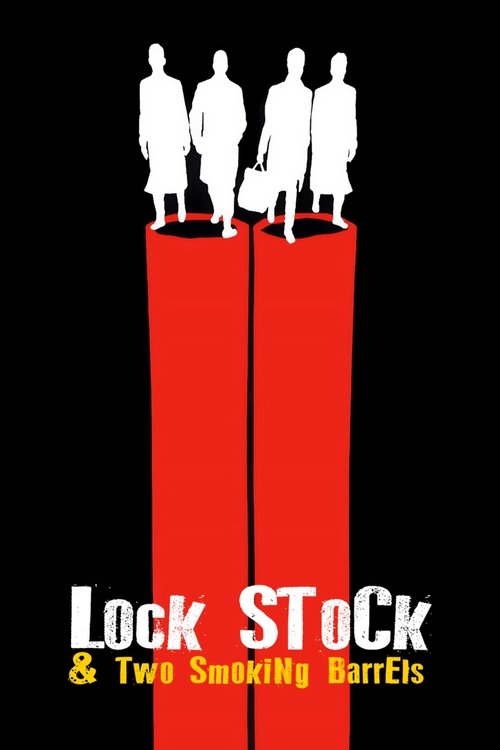
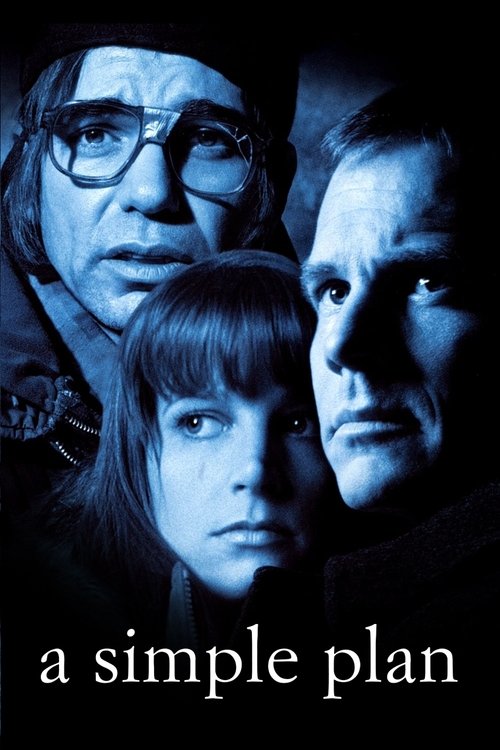
Films built on pressure, loyalty, and men in rooms
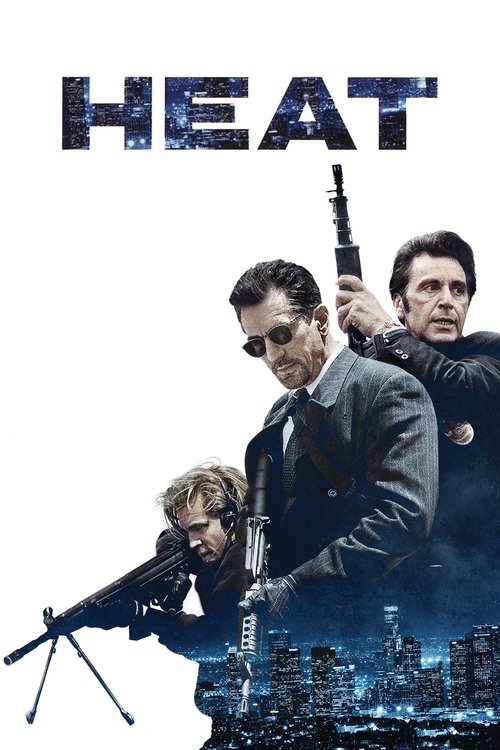
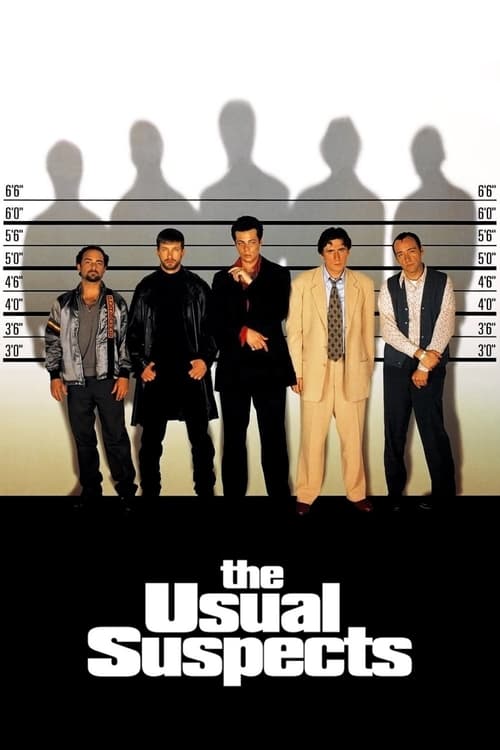
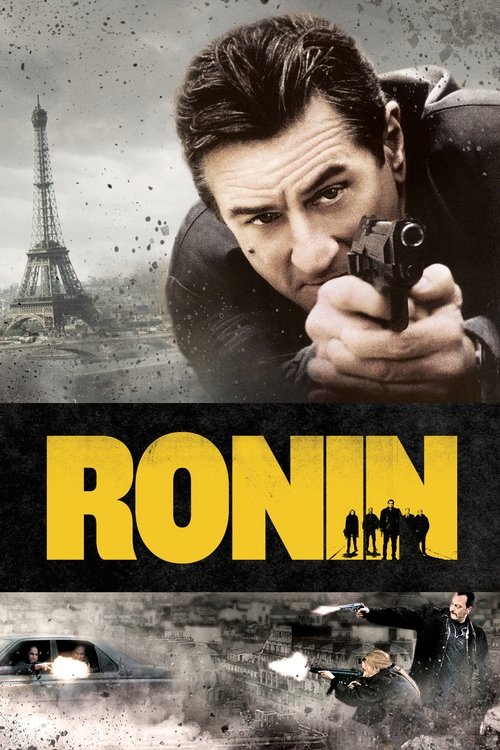

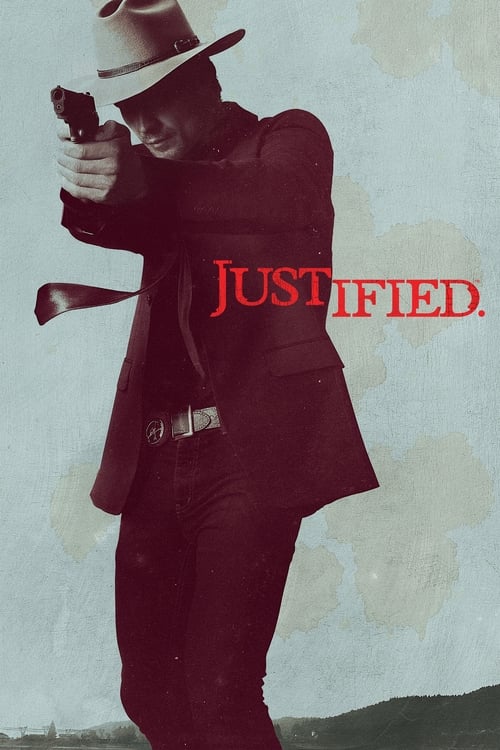
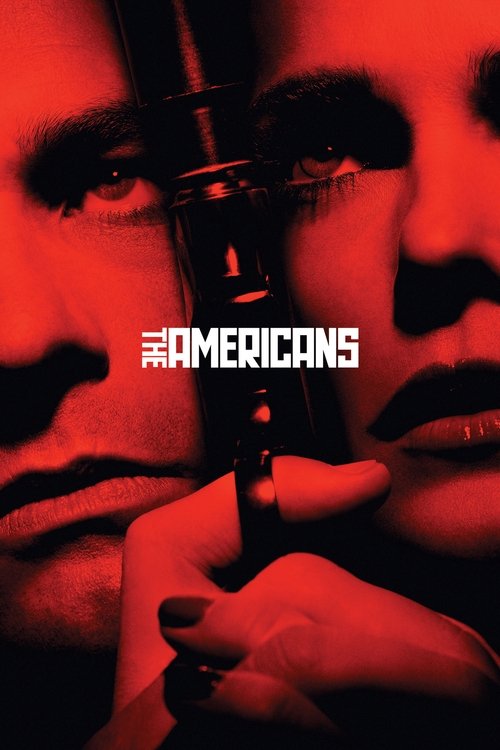
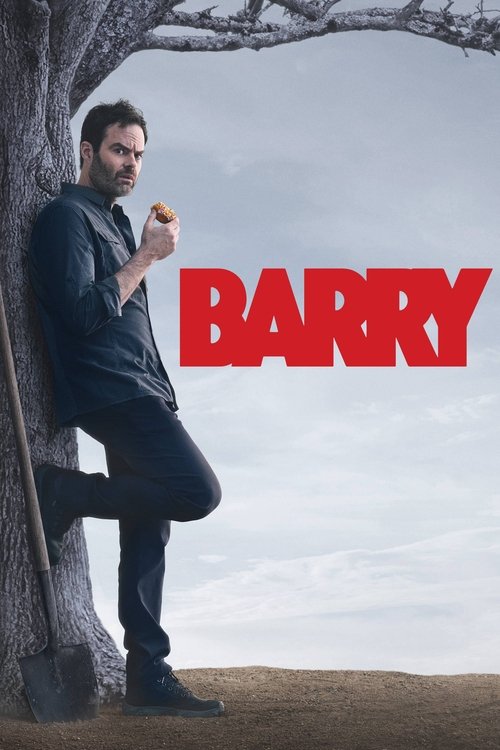
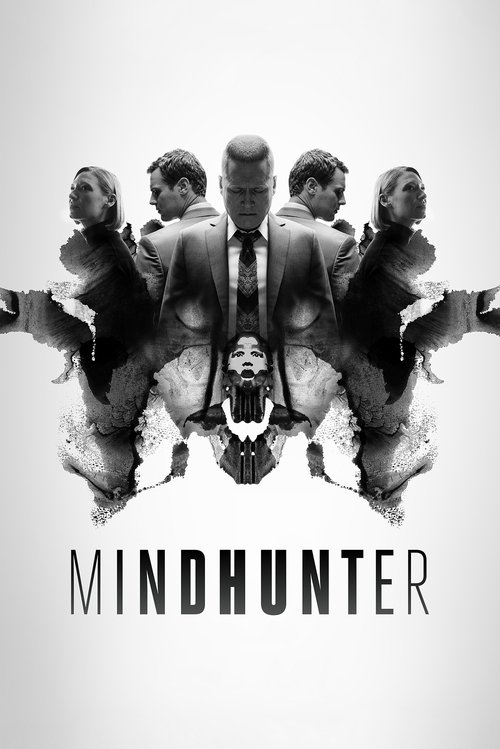
Series That Run the Same Frequency
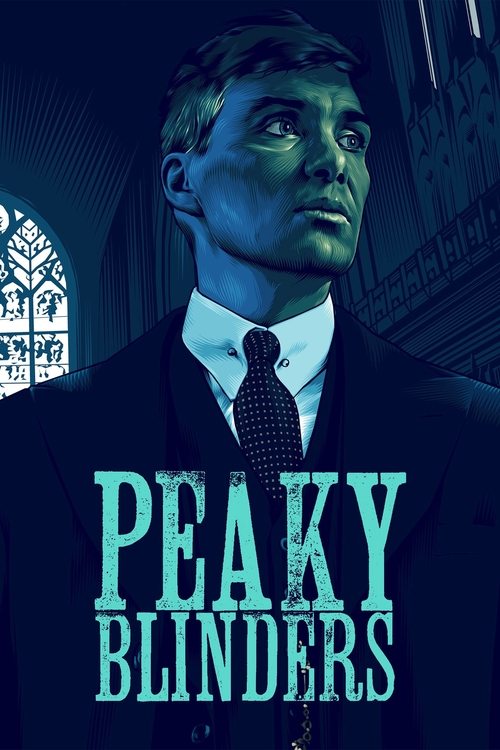
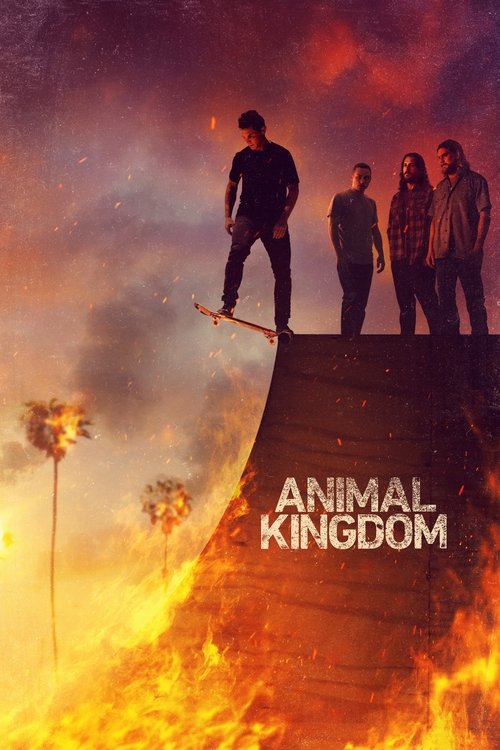
Television built on slow-burn tension and men with competing loyalties


The Books Behind the Feeling
Crime fiction with the same bone-dry wit and morally complex crews


Games That Play It Tense
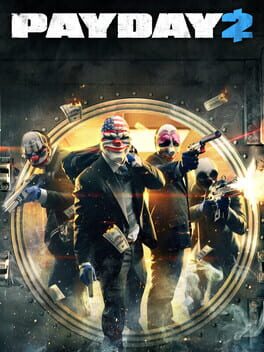
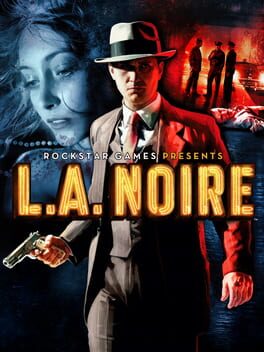
Games where trust is a resource that runs out
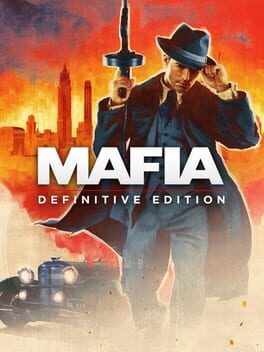
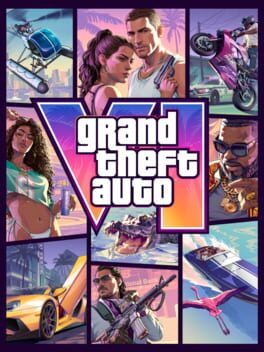
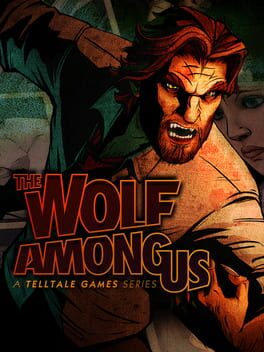
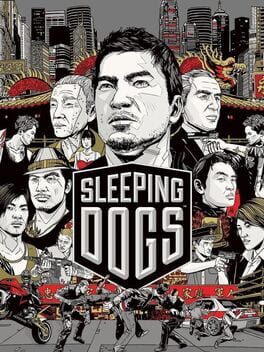
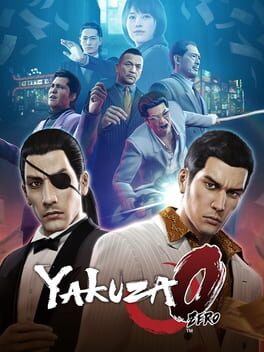
The Heist Film That Hides Its Heist
Reservoir Dogs never shows the robbery. That is not an oversight or a budget constraint. It is the argument the film is making: the planning and the fallout are more interesting than the act. Tarantino understood early that crime cinema had spent decades fetishising the job itself, and that the real drama was always in the room before and after. Heat, The Italian Job, and a hundred others put the heist at the centre. Reservoir Dogs puts trust at the centre and watches it fail.
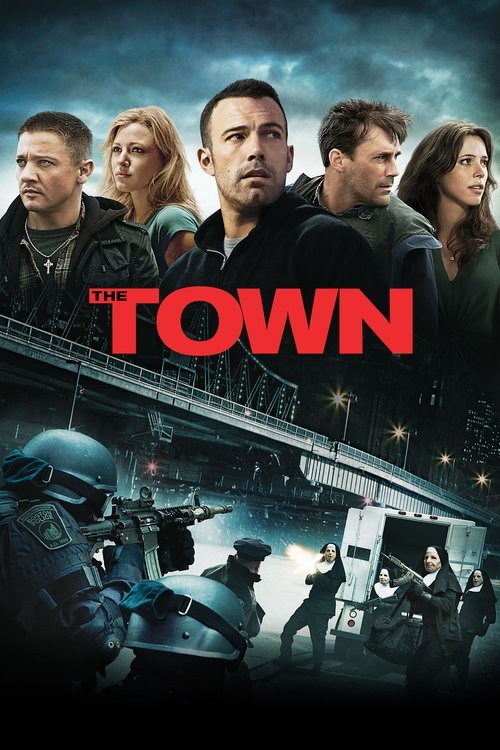
Elmore Leonard Invented the Voice
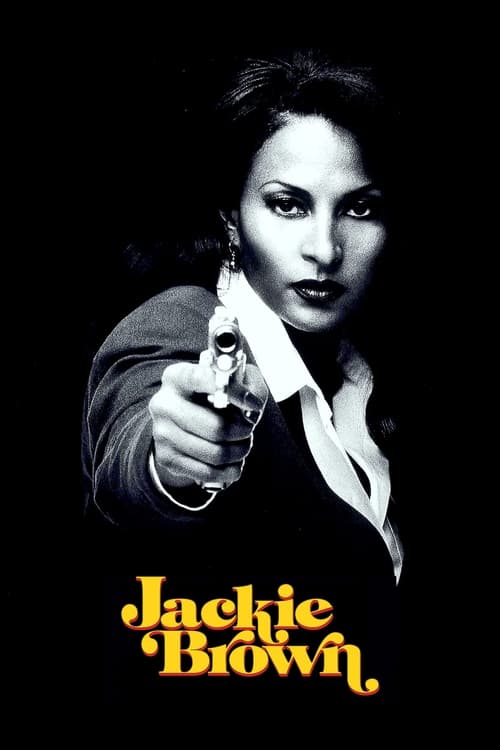
The rapid-fire dialogue, the characters who talk in circles before getting to the point, the crime world treated as a workplace with its own bureaucratic absurdities: Tarantino has always been clear about the debt to Elmore Leonard. Rum Punch became Jackie Brown directly, but the Leonard influence runs through all of Tarantino's work. Readers who finish Get Shorty or Out of Sight will recognise exactly the same cadence, the same pleasure in watching people outmanoeuvre each other with words.
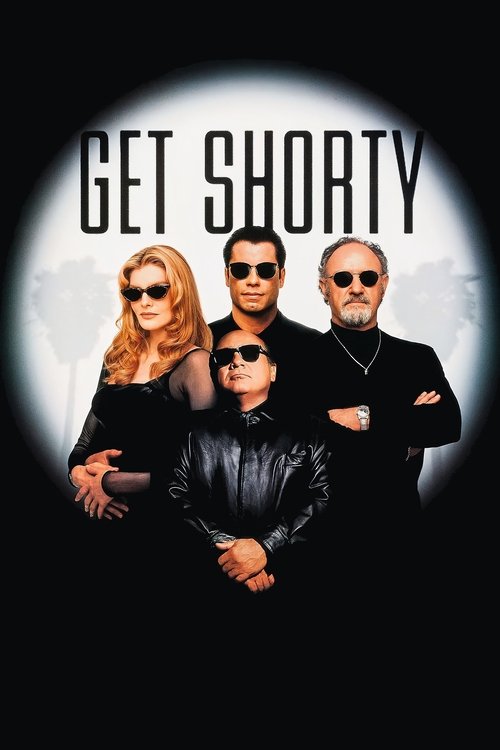
Fargo Found the Same Frequency on TV
When Noah Hawley adapted Fargo for television in 2014, the result was the closest thing to a Tarantino film that has ever aired on a streaming platform. The same deadpan violence, the same Coen Brothers source material, the same instinct for revealing character through dialogue that seems to be about something else entirely. Each season is a self-contained crime story where the criminal plan unravels because human beings are unreliable. Reservoir Dogs fans will feel at home from the first episode.
The Film and Its Lineage
- 1929Dashiell Hammett publishes Red Harvest, the template for every hardboiled gang-betrayal story that follows Red Harvest
- 1962Donald Westlake's The Hunter (as Richard Stark) introduces Parker, the template for the taciturn criminal professional The Hunter
- 1973George V. Higgins publishes The Friends of Eddie Coyle, dialogue-first crime fiction that anticipates Tarantino by two decades
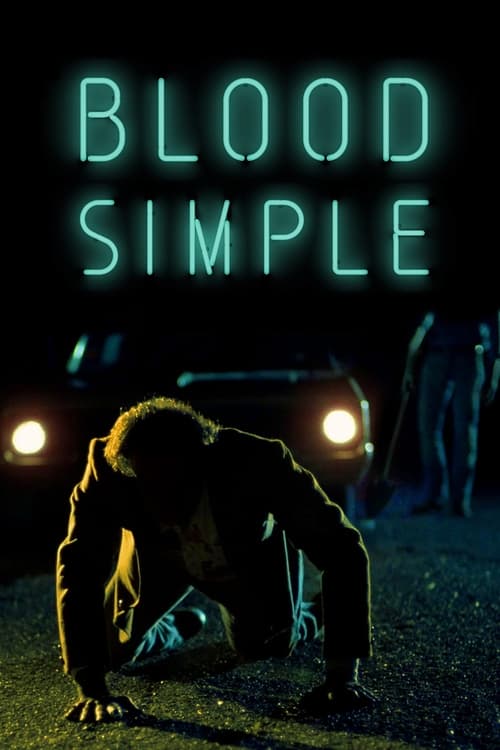
- 1984Blood Simple announces the Coen Brothers, who will spend the next four decades making the same kinds of crime films as Tarantino, from a different angle Blood Simple
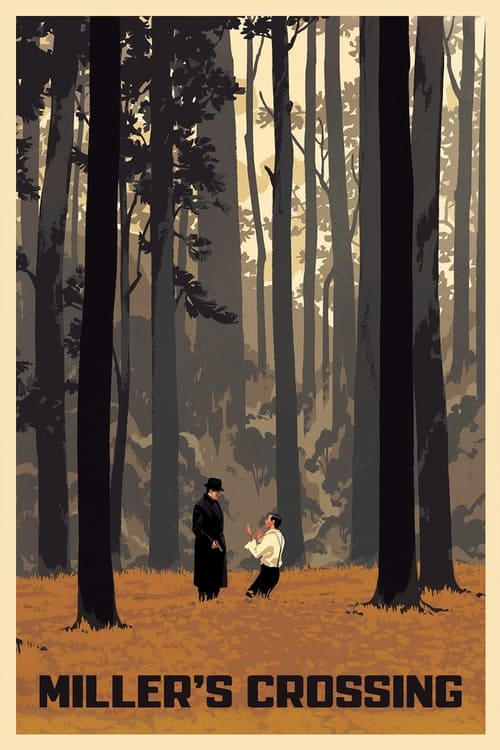
- 1990Miller's Crossing, the Coens' gangster film about loyalty and betrayal dressed in period clothes Miller's Crossing
- 1992Reservoir Dogs premieres at Sundance and changes what a heist film can be Reservoir Dogs
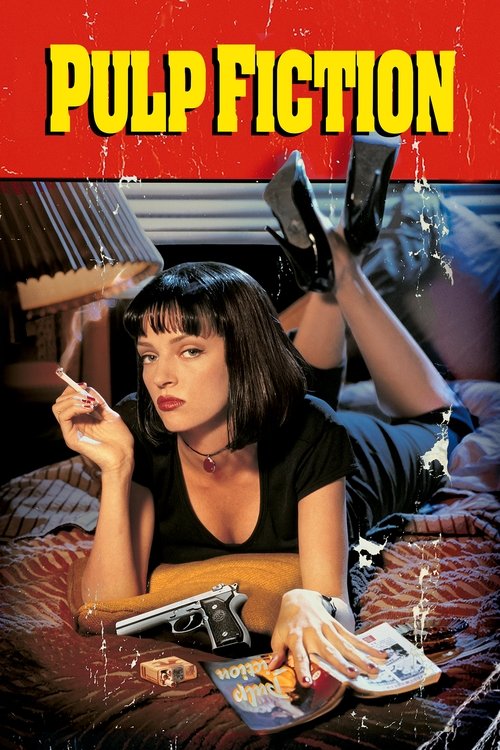
- 1994Pulp Fiction wins the Palme d'Or and makes the non-linear crime film mainstream Pulp Fiction
- 1995Heat redefines what a cops-and-robbers film can sustain at feature length Heat
- 1995The Usual Suspects: another crew, another betrayal, another story told backwards The Usual Suspects
- 2014Fargo season 1 proves the Tarantino-Coen frequency can run for ten hours on television Fargo
- 2019Disco Elysium arrives and makes the case that games can run on the same dialogue-as-drama voltage
Heists, crews, and crime that turns on loyalty
For Fans of Pulp Fiction
Explore the For Fans of Pulp Fiction guide →The greatest heist film ever made contains no heist. It only has what comes before and after: the talk, the trust, and the moment both fall apart.CrossBinge