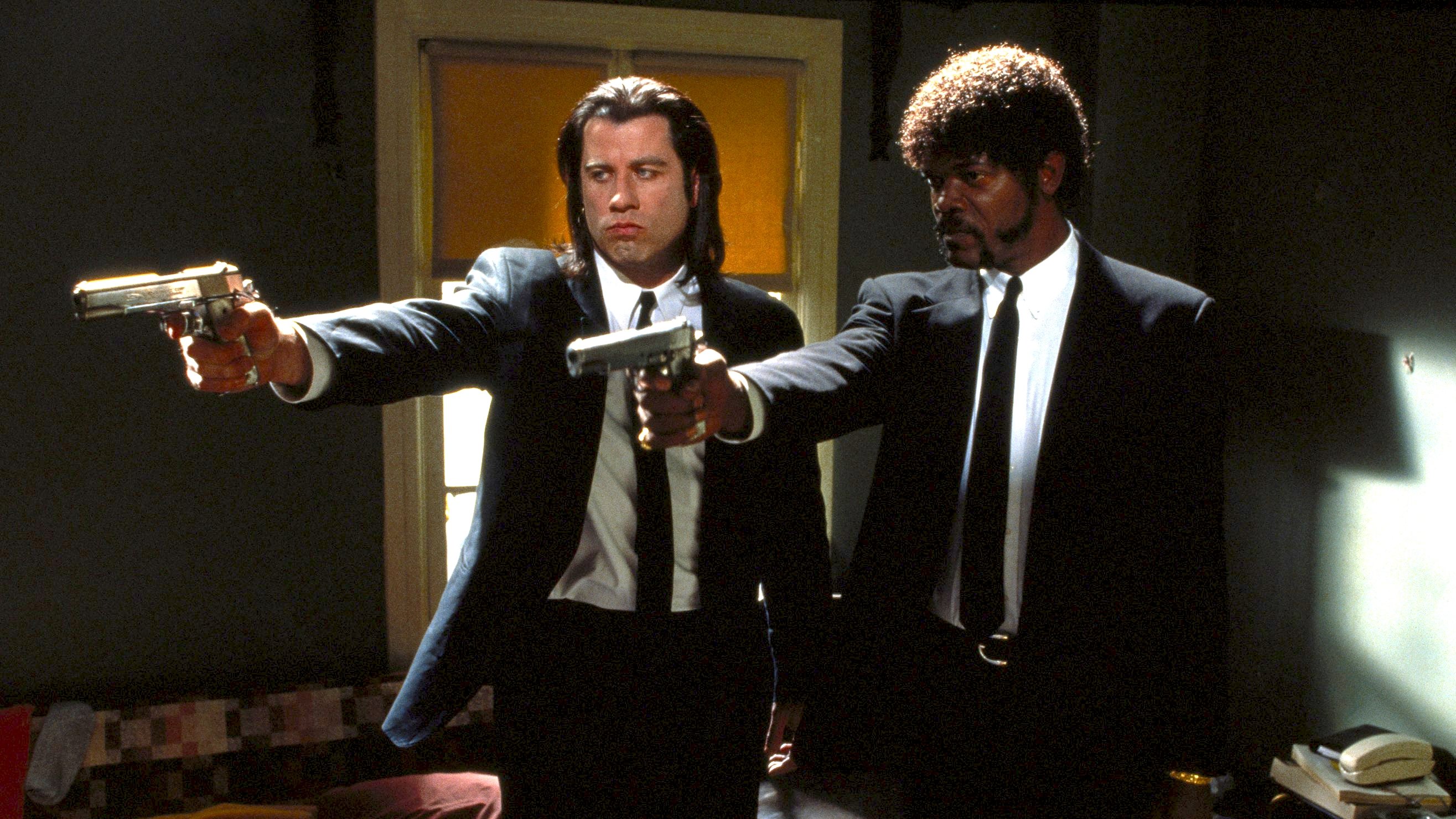

Quentin Tarantino arrives in every film with the same obsession: cinema itself. His work is built from an encyclopedic memory of exploitation films, spaghetti westerns, Hong Kong action, French New Wave, and blaxploitation, recombined into something that sounds completely like itself. The through-line fans chase is the rhythm: conversations that escalate into confrontations, non-linear structure that withholds the gut-punch until exactly the right moment, and a magnetic certainty that style is not decoration but meaning. From Pulp Fiction's interlocking fates to the slow-burn revenge of Inglourious Basterds, his films trust the audience to love detail as much as he does.
Essential Tarantino
His own films, ranked by the conviction of the vision
Directors Who Work the Same Room
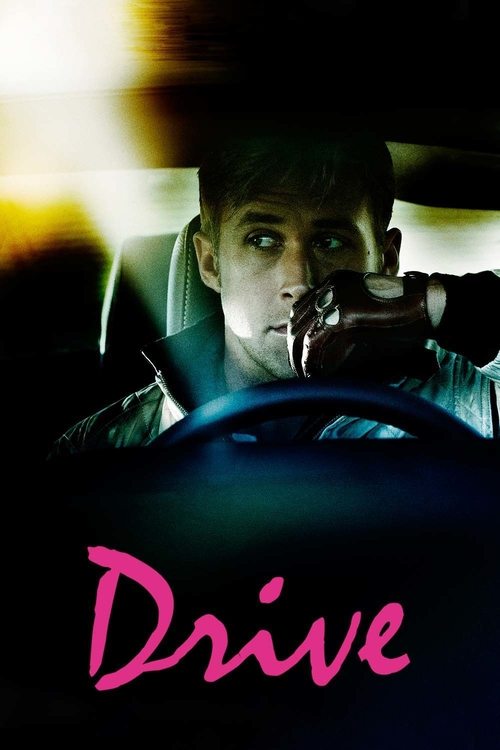
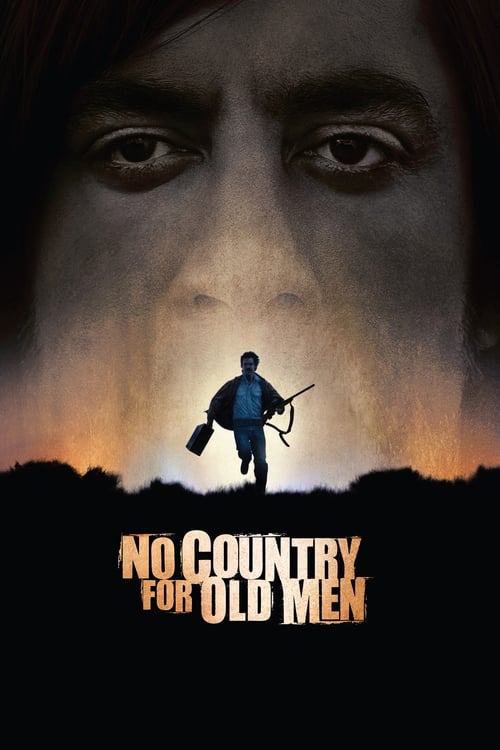
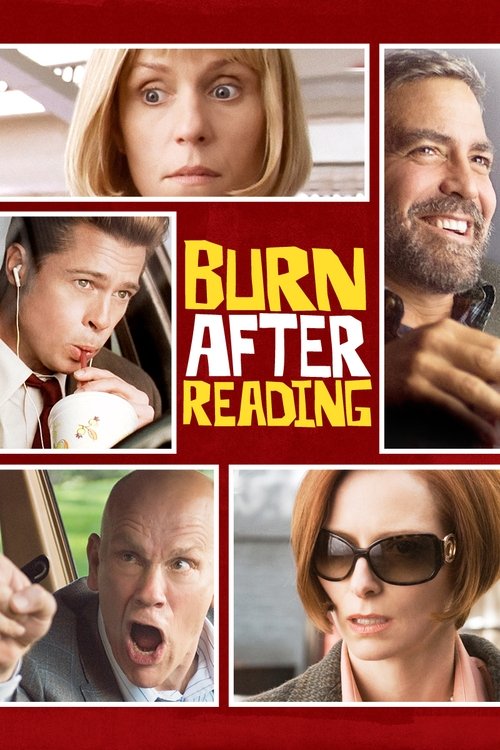
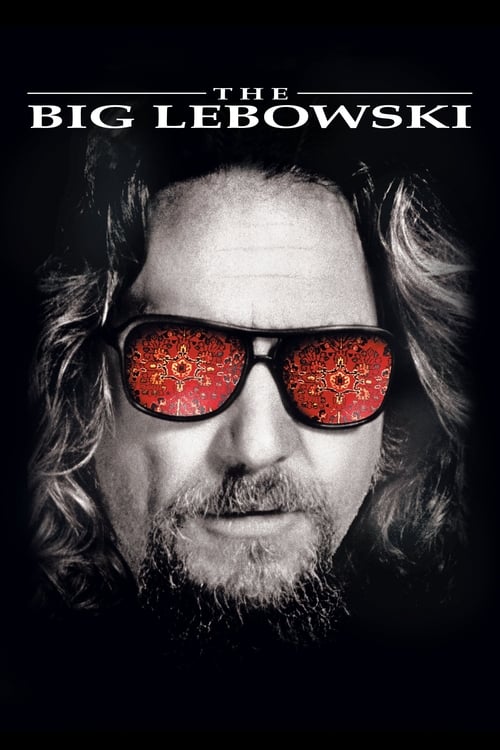
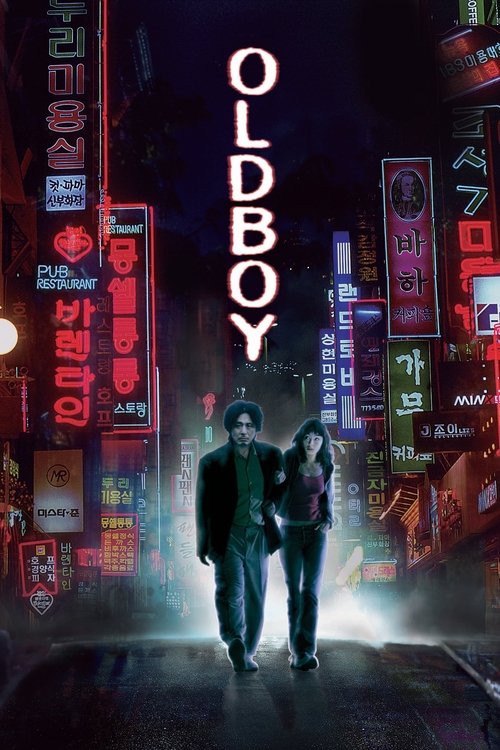
Films by auteurs with the same love of dialogue, genre play, and controlled chaos
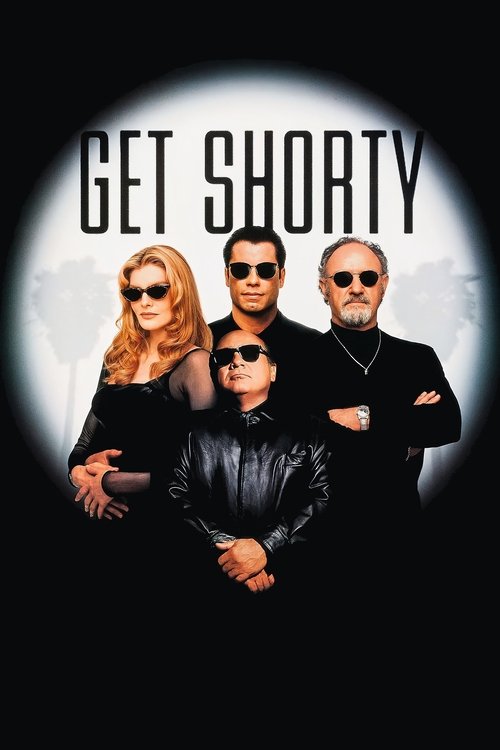
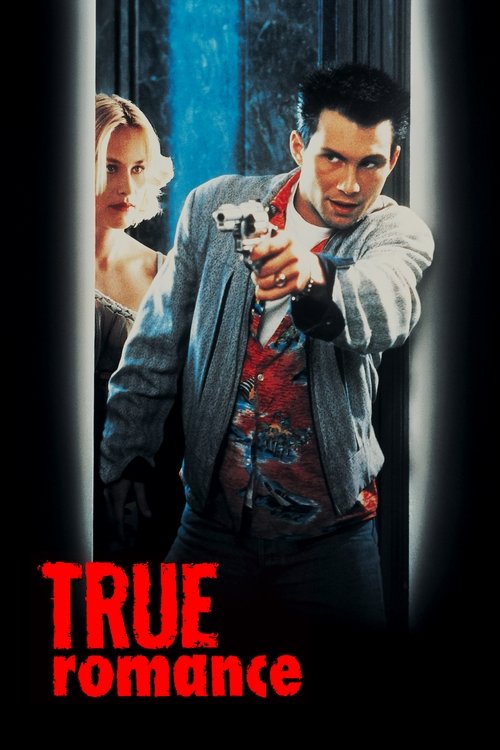
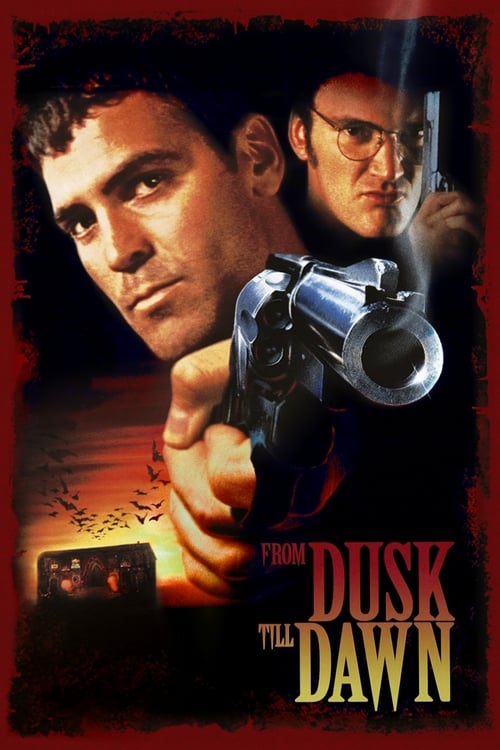
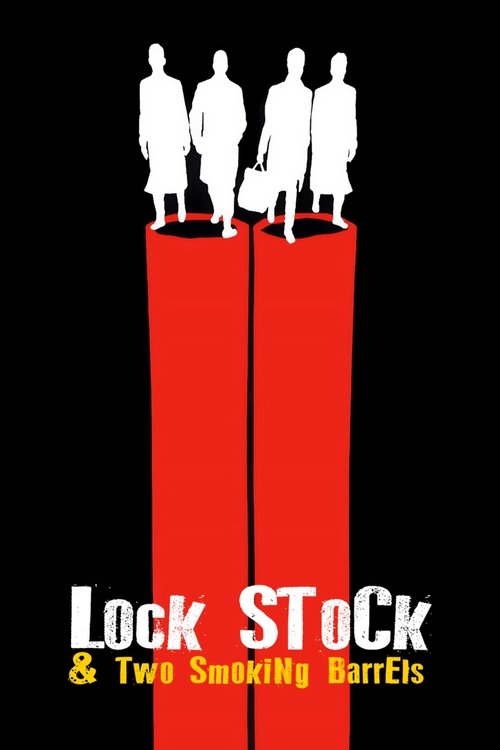

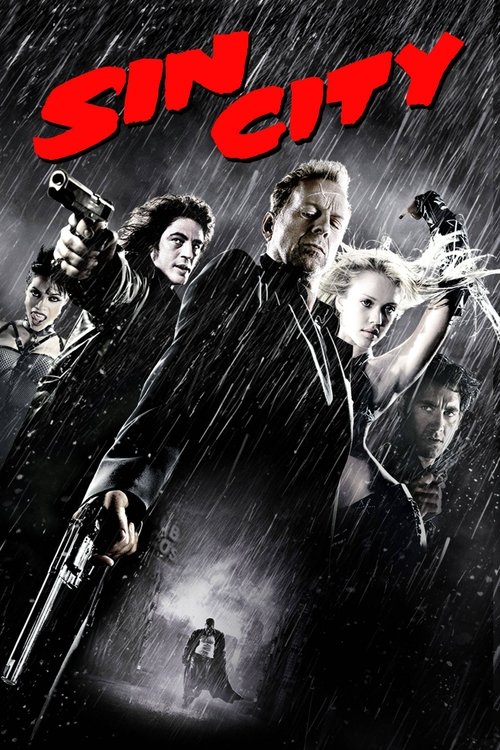
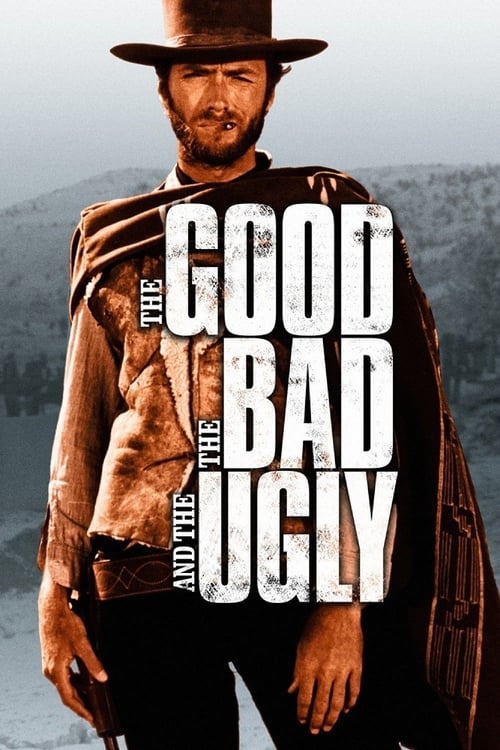
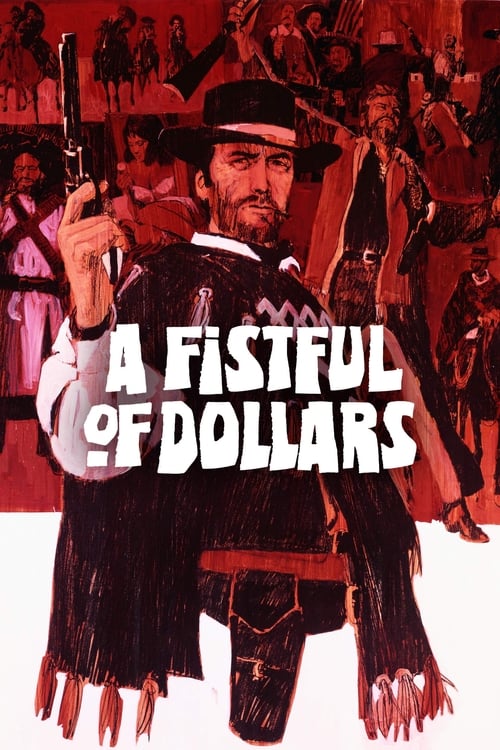
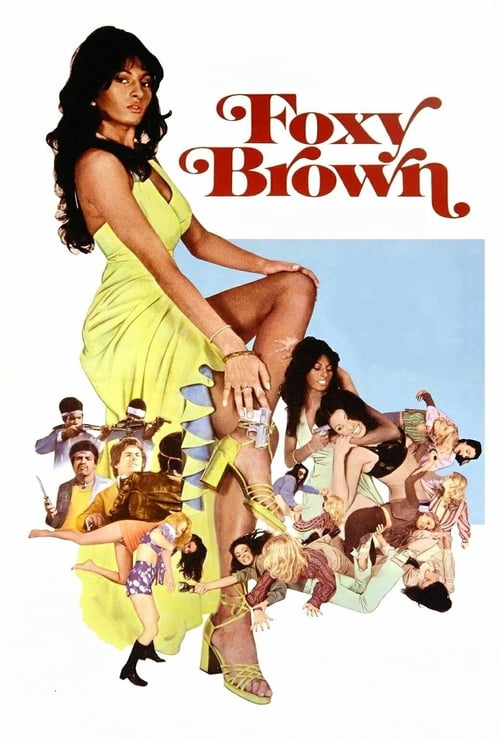
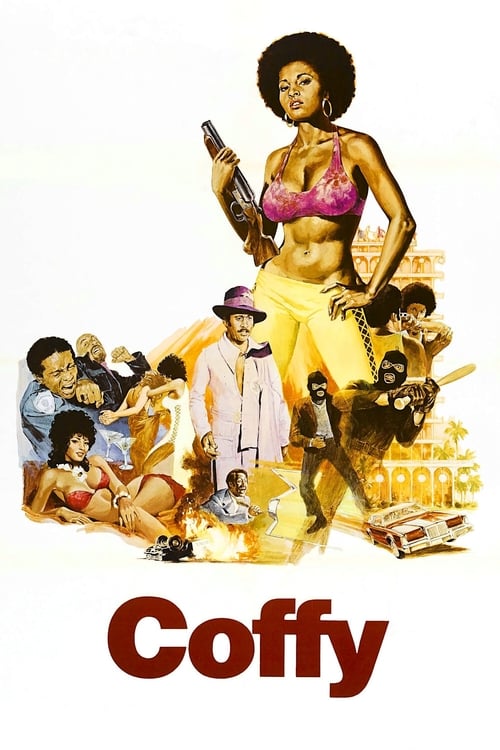
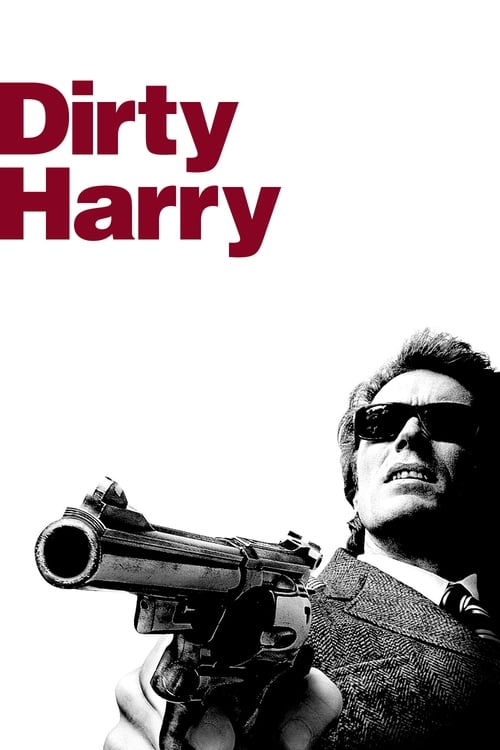
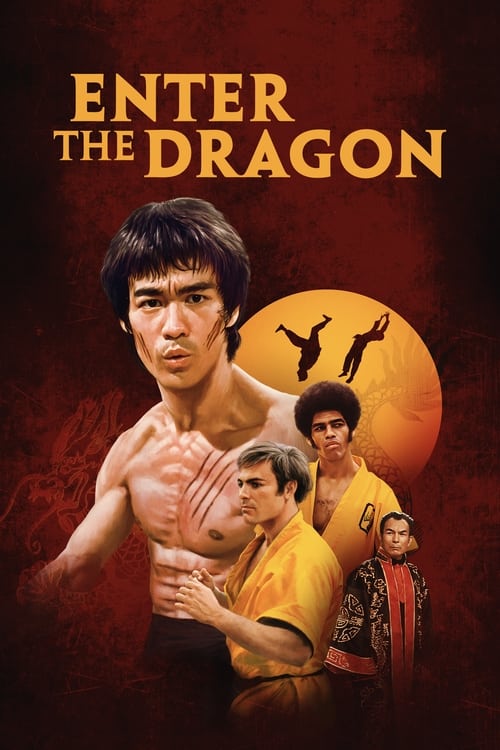
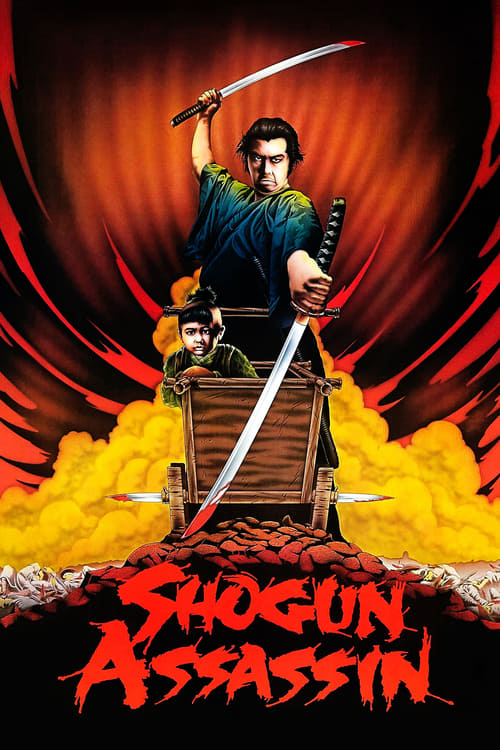
The Cinema He Learned From
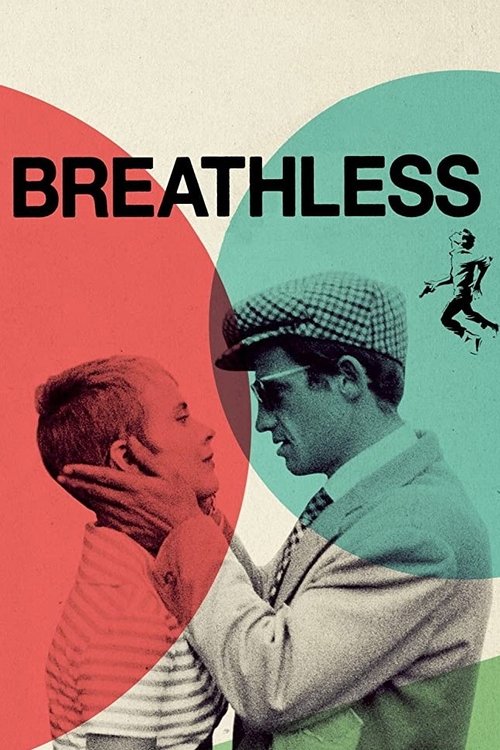
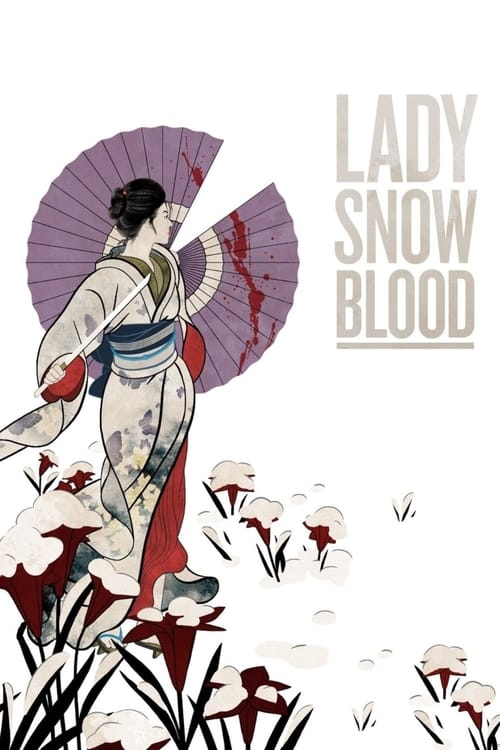
The exploitation, western, and world cinema that Tarantino has cited, homaged, and remixed
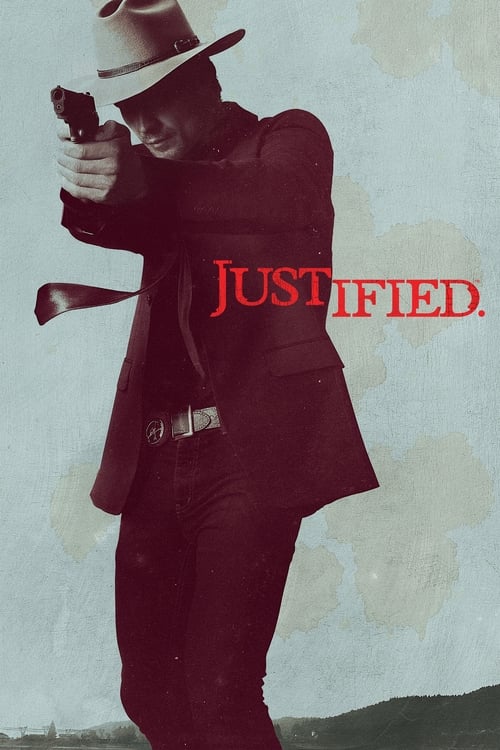
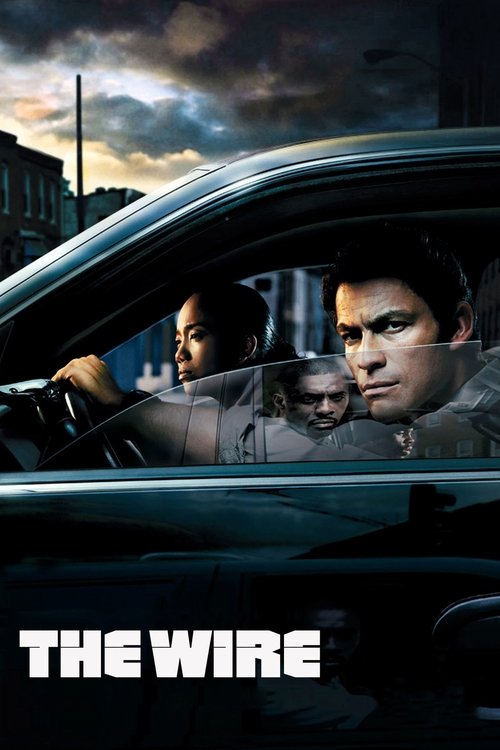
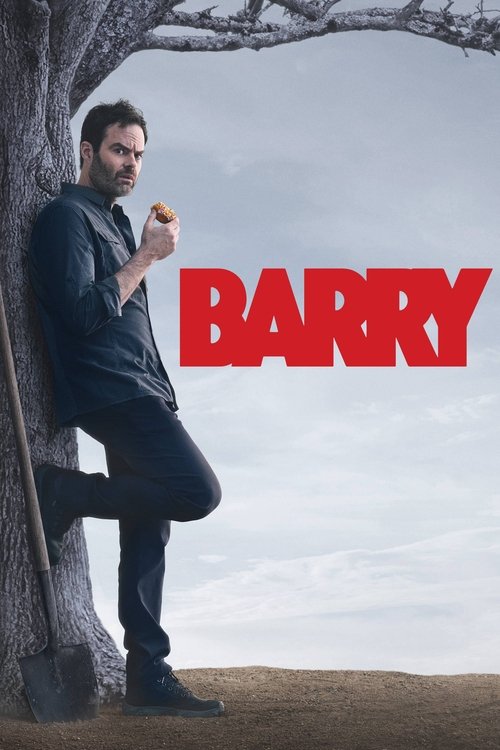
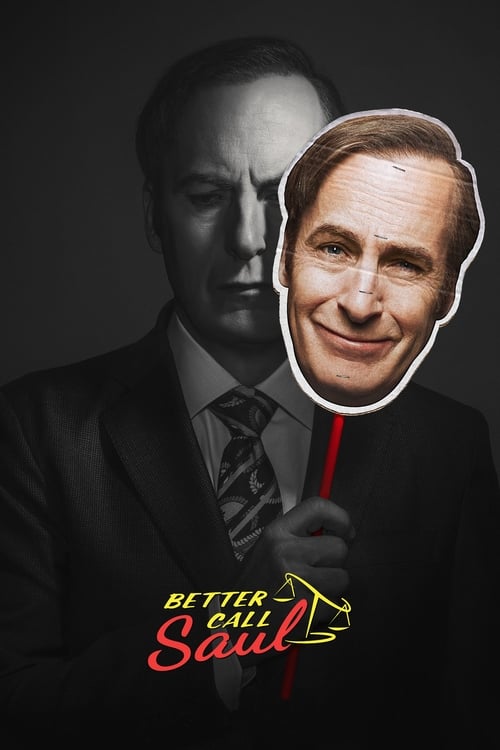
Sharp Dialogue, Slow Burns: TV That Fits
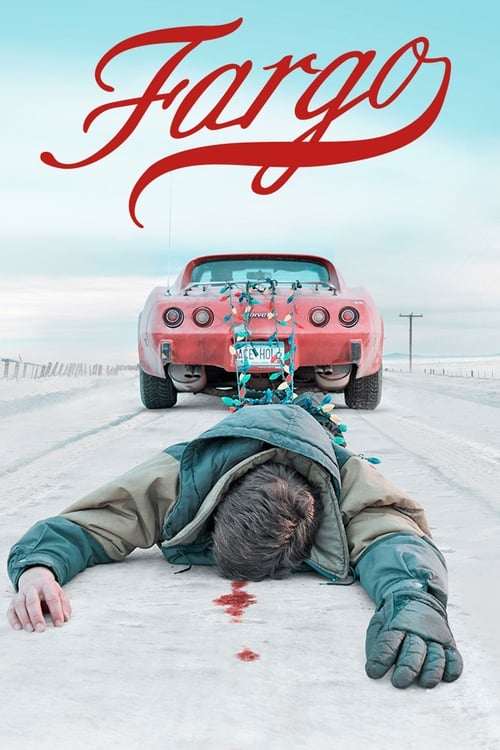
Series with the same patience for language and explosive pay-off

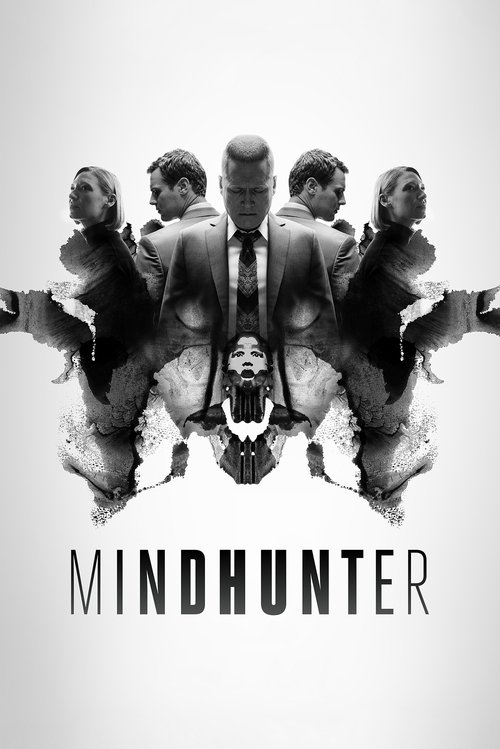
The Books Behind the Movies
Crime and pulp fiction that feeds the same appetite for voice, violence, and period atmosphere


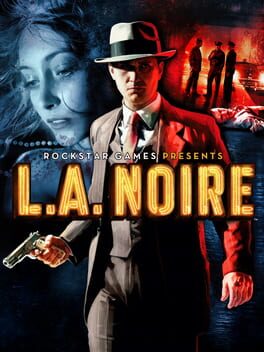
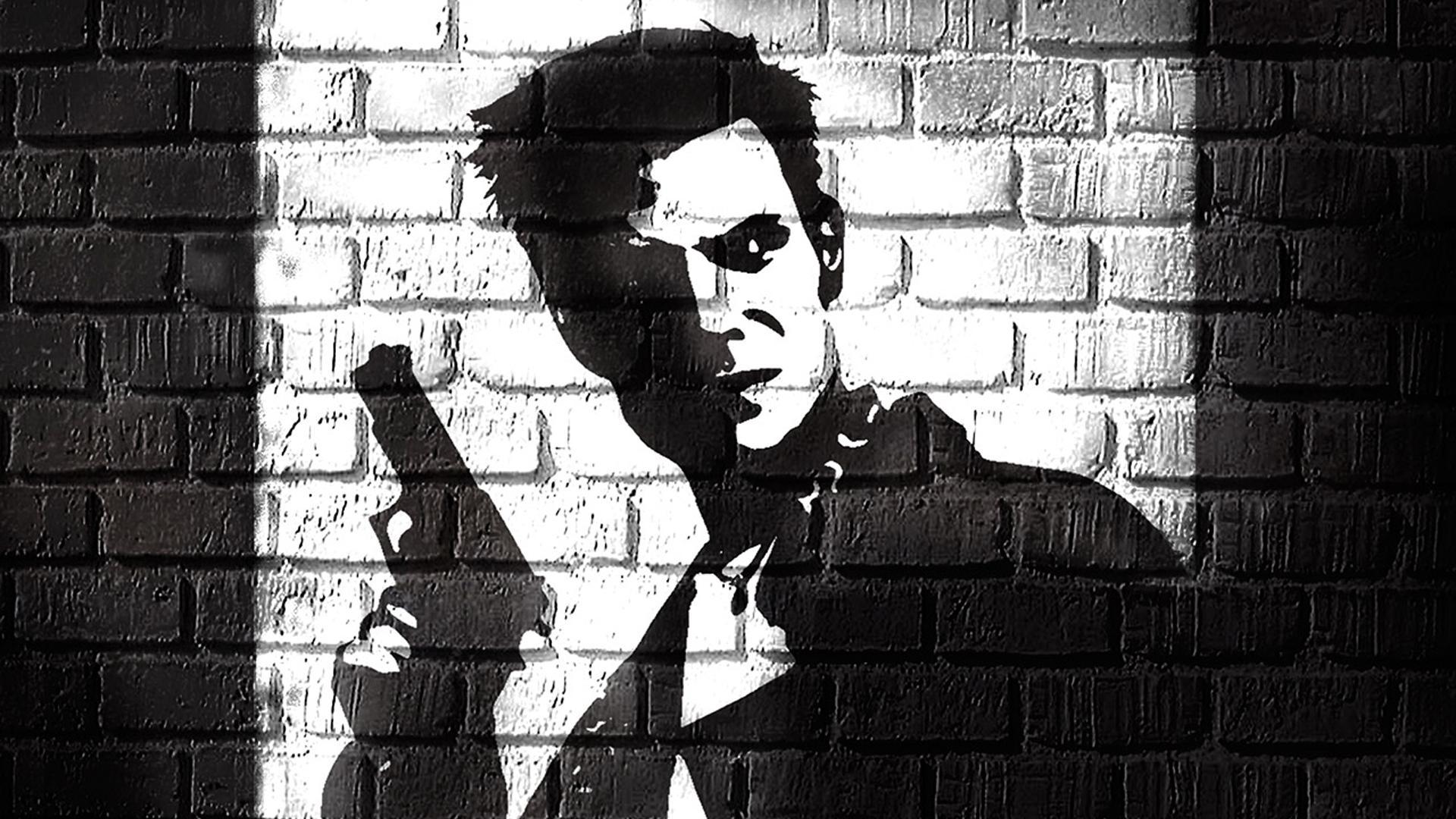
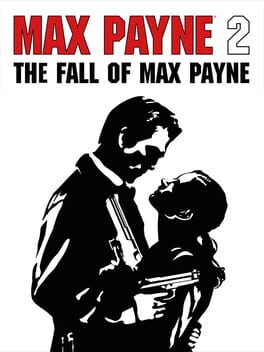
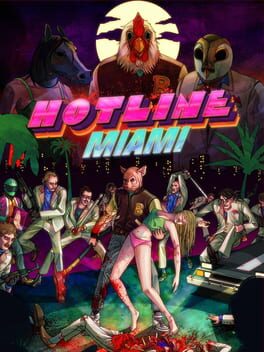
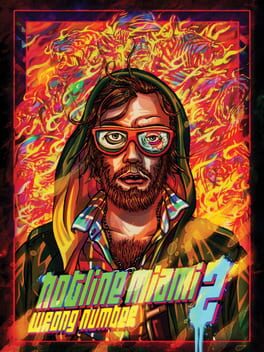
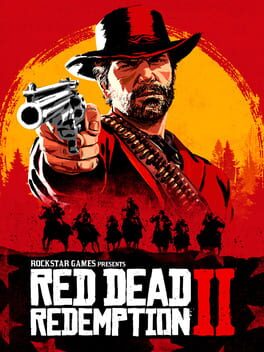
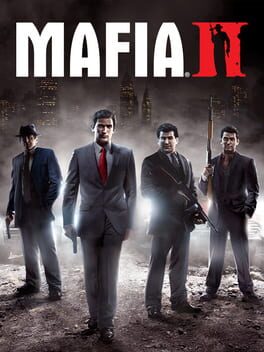
Games With Tarantino DNA
Style-forward, dialogue-heavy, or revenge-structured games that share the obsessive cinephile energy
Soundtracks That Do the Work
Music from and around his films, and artists who shaped the Tarantino sonic palette
Pulp Fiction Changed What a Movie Could Be
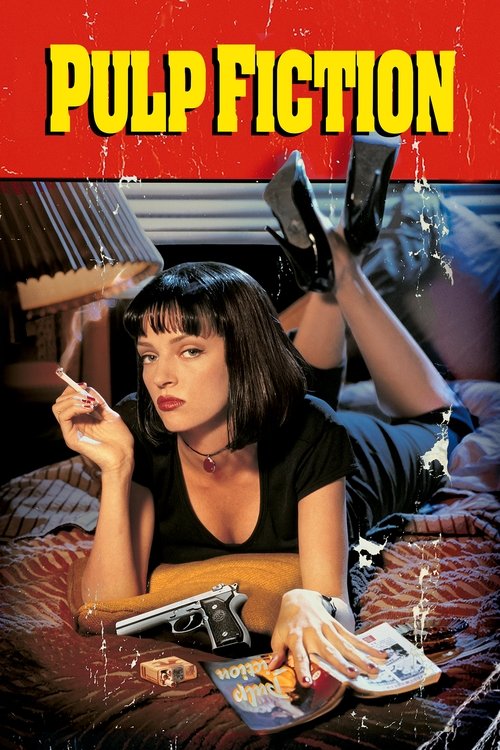
Before Pulp Fiction arrived in 1994, non-linear narrative was art-house territory. Tarantino made it a genre thrill. Three interlocking stories about hitmen, a boxer, and a crime boss fold back on each other so the final image recontextualizes everything before it. The film's real trick is that the violence never feels casual: every consequence lands because Tarantino makes you wait for it, talking around it until the room runs out of options.
Inglourious Basterds Is His Most Complete Film
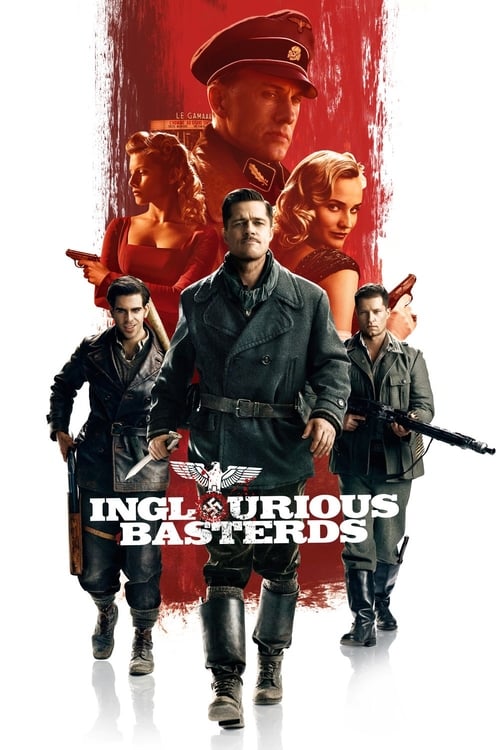
Revenge fantasies need a target that earns it. Inglourious Basterds builds one for two and a half hours before destroying it. Christoph Waltz's Hans Landa is the most fully realized villain in Tarantino's work, charming and methodical in a way that makes his comeuppance genuinely satisfying. The film also makes a direct argument about cinema as a weapon, literally: the final act burns the medium itself. Nothing else in his filmography carries quite that level of self-aware audacity.
Jackie Brown Deserves a Second Look
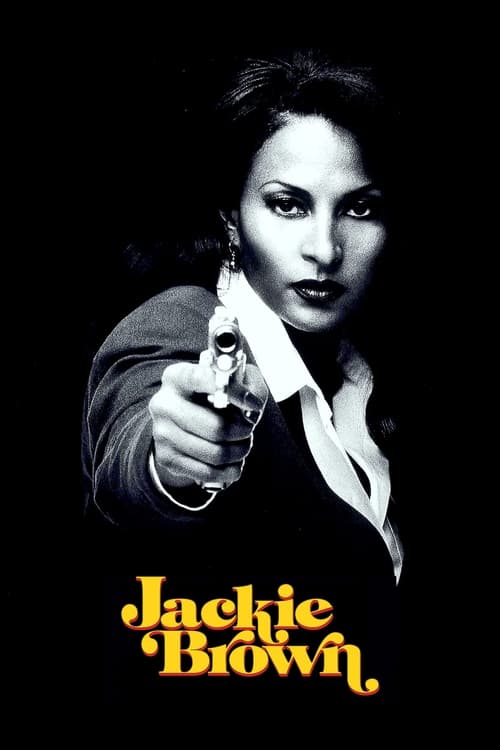
Jackie Brown is the film Tarantino fans who want only Pulp Fiction tend to overlook, and that is their loss. It is his quietest film, the most interested in middle age and the fear of running out of chances. Pam Grier carries it with total authority. The con at its center is elegant precisely because the film never rushes it. Robert Forster's bail bondsman is one of cinema's great gentle performances. It ages better than almost anything else in the catalogue.
Tarantino in Order
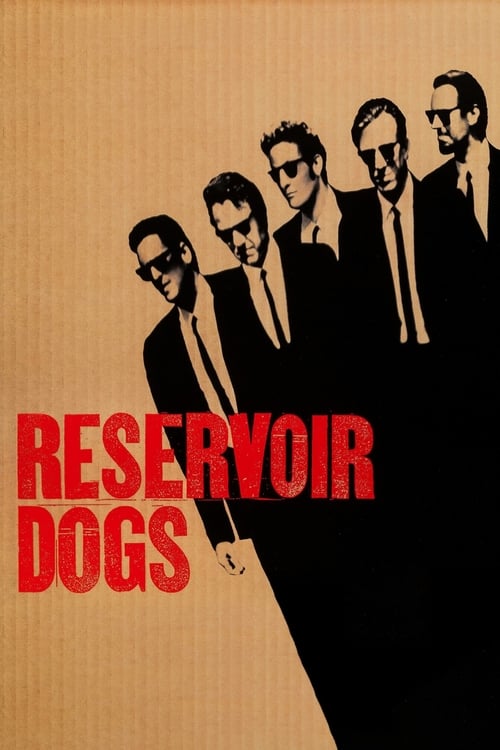
- 1992Feature debut Reservoir Dogs
- 1993Wrote the script True Romance
- 1994Cannes Palme d'Or winner Pulp Fiction
- 1997Elmore Leonard adaptation Jackie Brown
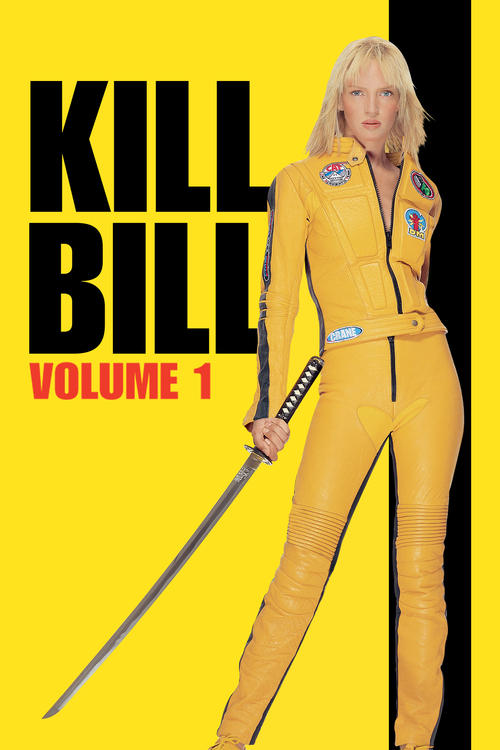
- 2003Volume 1 released Kill Bill: Vol. 1
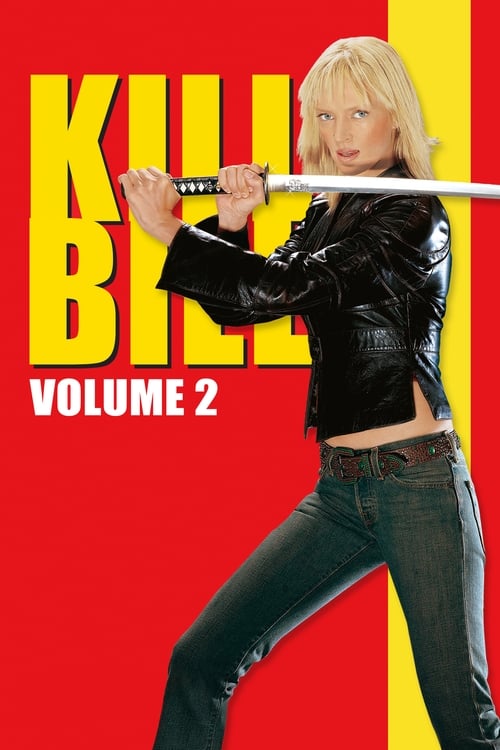
- 2004Volume 2 released Kill Bill: Vol. 2
- 2007Double feature with Rodriguez Grindhouse
- 2009WWII revenge fantasy Inglourious Basterds
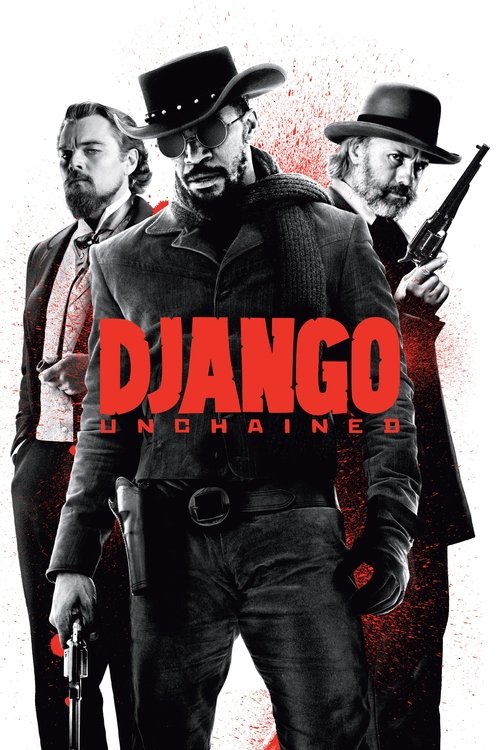
- 2012Southern revenge western Django Unchained
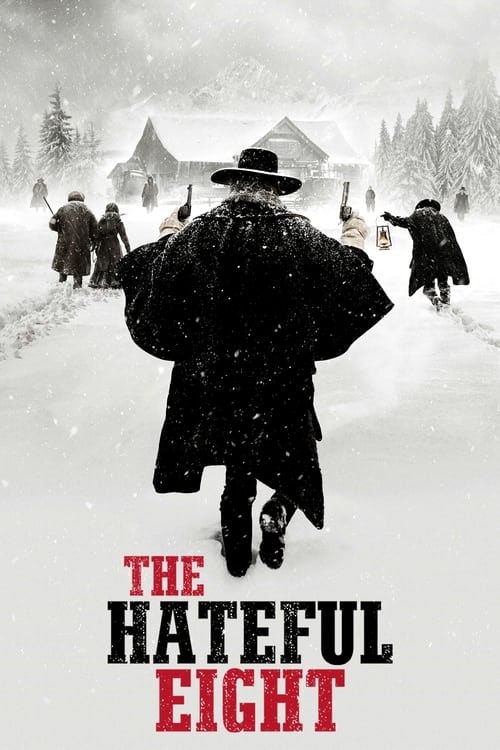
- 2015Whodunit chamber piece The Hateful Eight
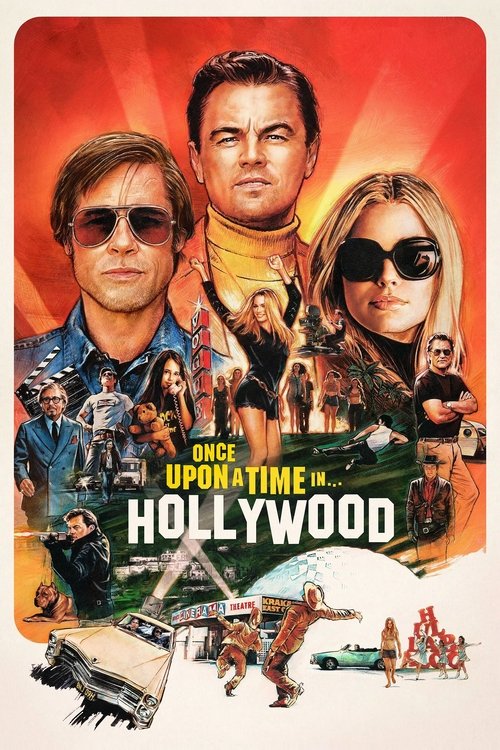
- 2019A love letter to 1969 Los Angeles Once Upon a Time... in Hollywood
More of the Tarantino universe
For Fans of Pulp Fiction
Explore the For Fans of Pulp Fiction guide →A Tarantino film is not a story with a style bolted on. The style is the story. Remove the pop music, the chapter titles, the long pauses before the gun clears leather, and what is left is not the same film.CrossBinge